
Tech & Innovation
Secret Amazon brands aren’t crushing the competition—yetRetailers’ worst Amazon fear hasn’t yet come to pass.
Updated July 21, 20222 min read
Retailers’ worst Amazon fear hasn’t yet come to pass.
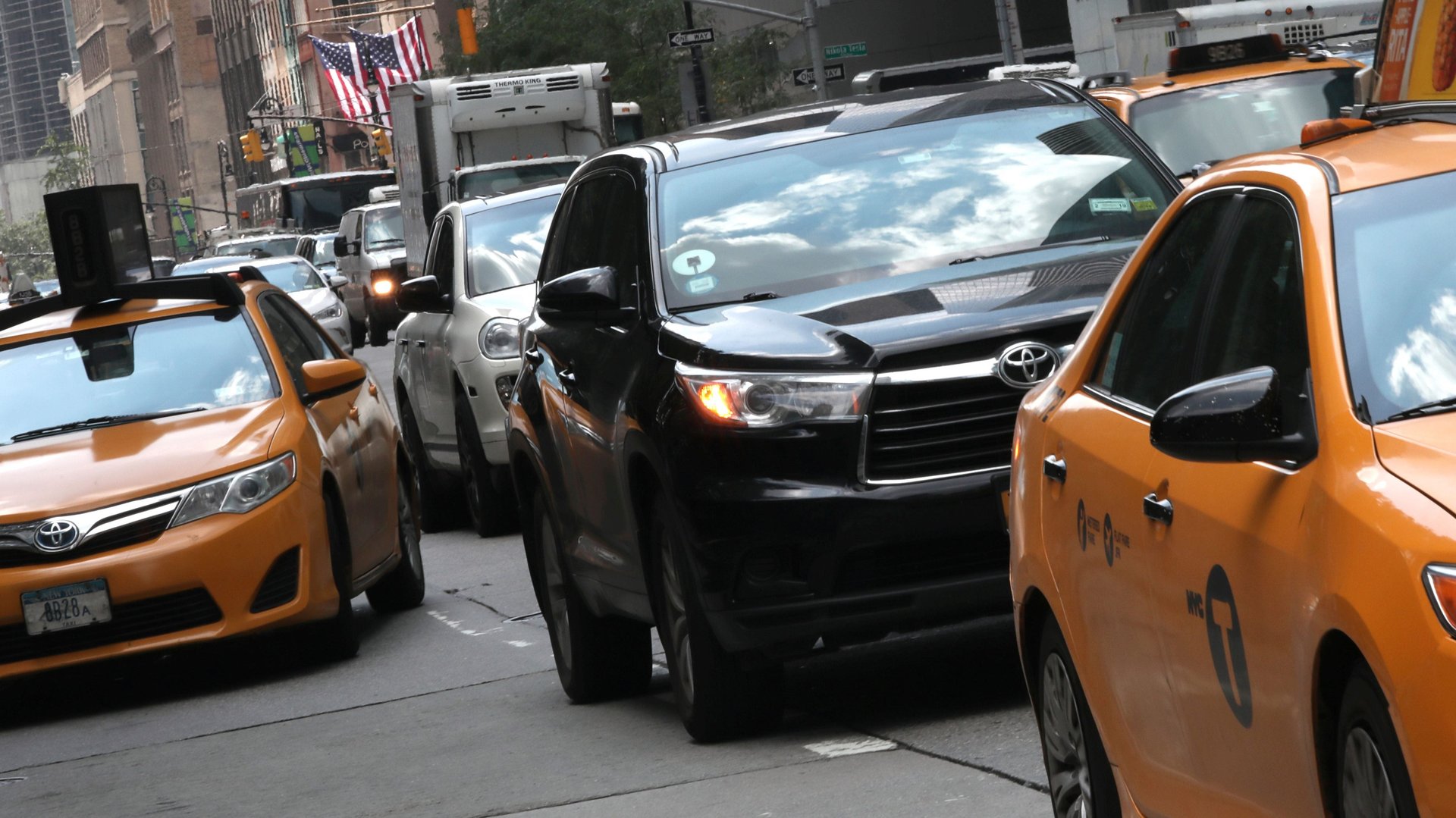
Juno, the New York ride-hail company that promised to treat drivers well, is seeking a buyer.
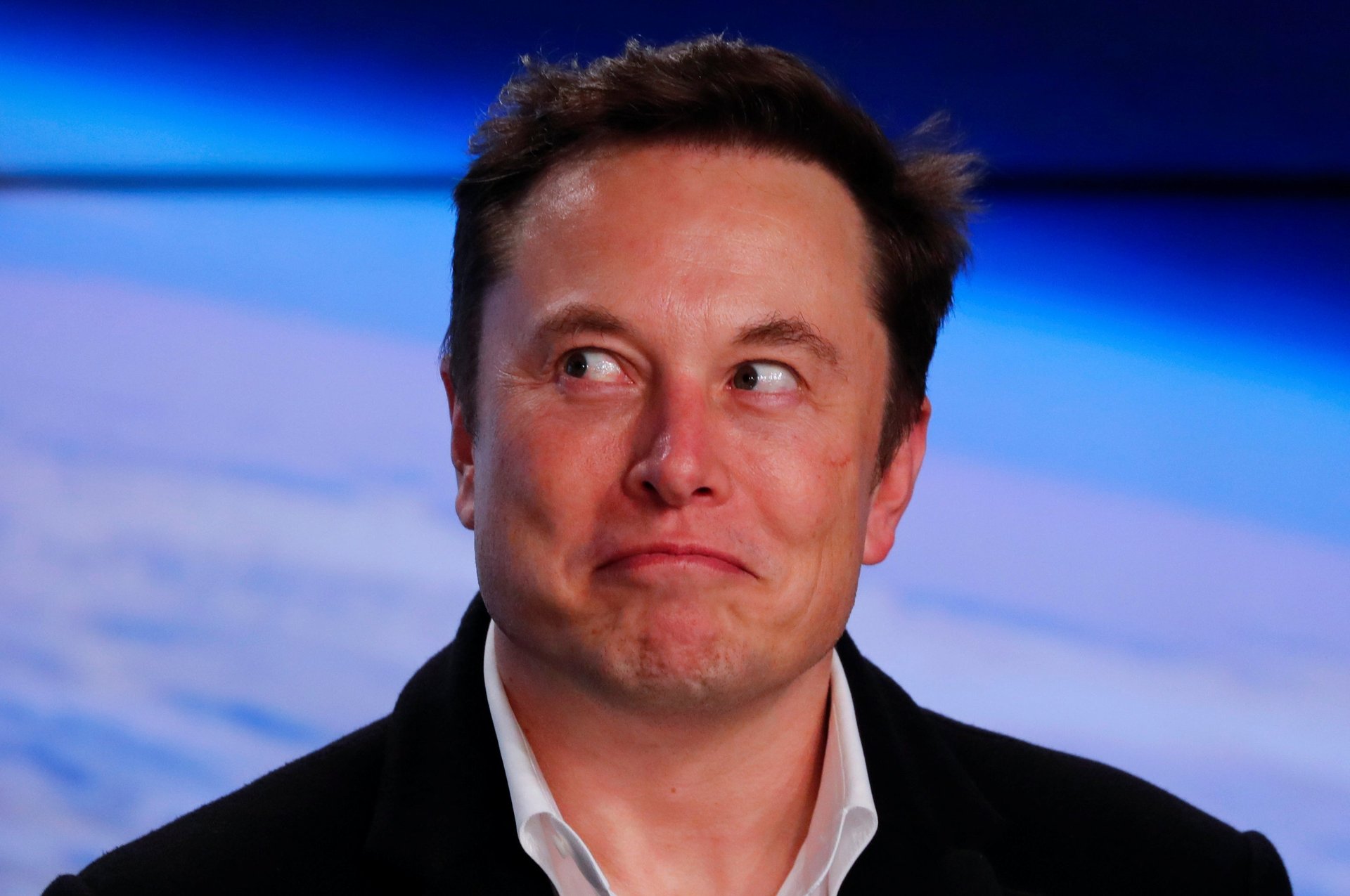
Tesla has slashed its recruiting team as Elon Musk takes control of hiring at the company.
Tesla will broadly raise vehicle prices by 3% on March 18 in an effort to keep more retail stores open, the company said in a securities filing today (March 11).
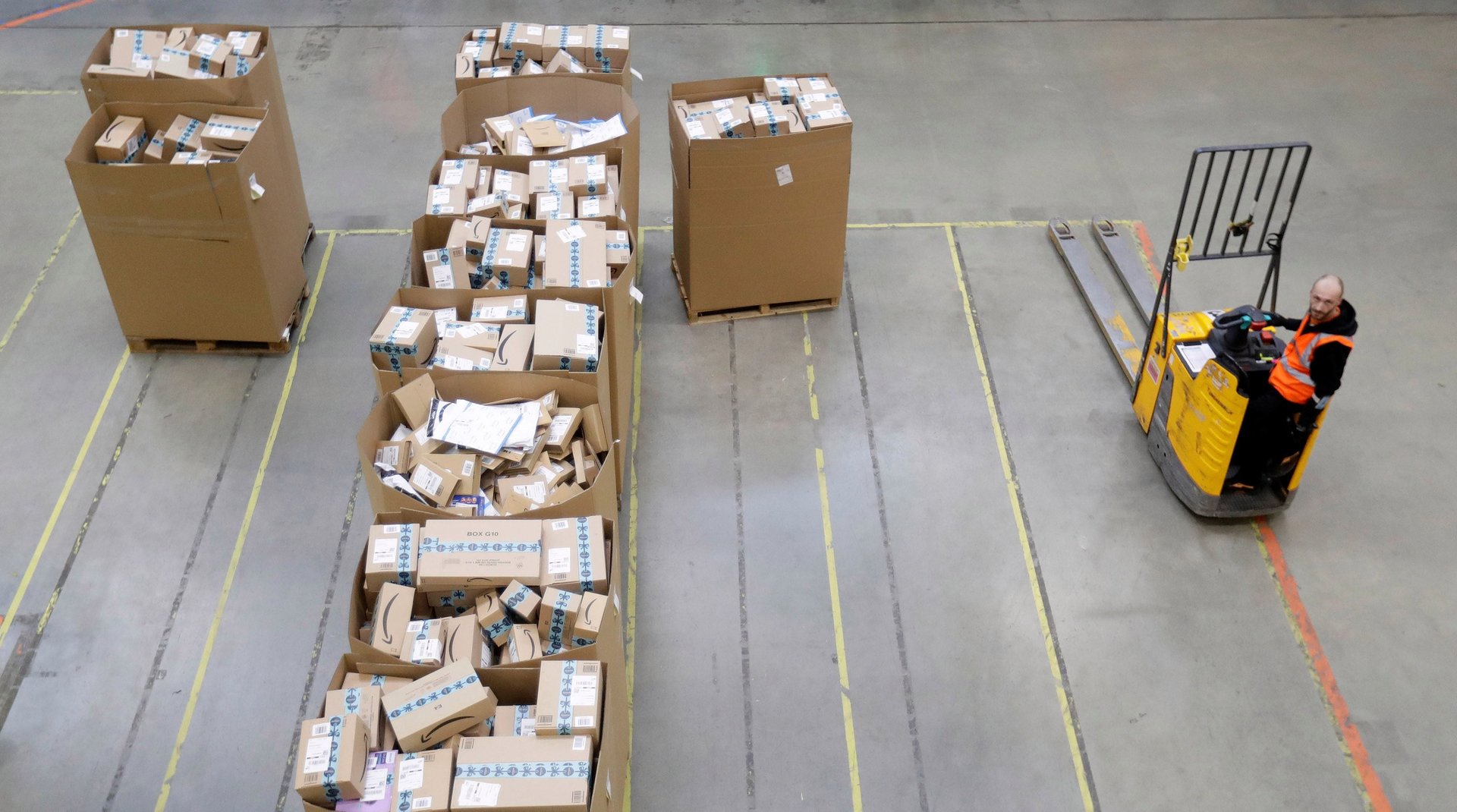
Amazon is reportedly going cold turkey on thousands of vendors.

Airbnb is buying its way into the hotel industry.
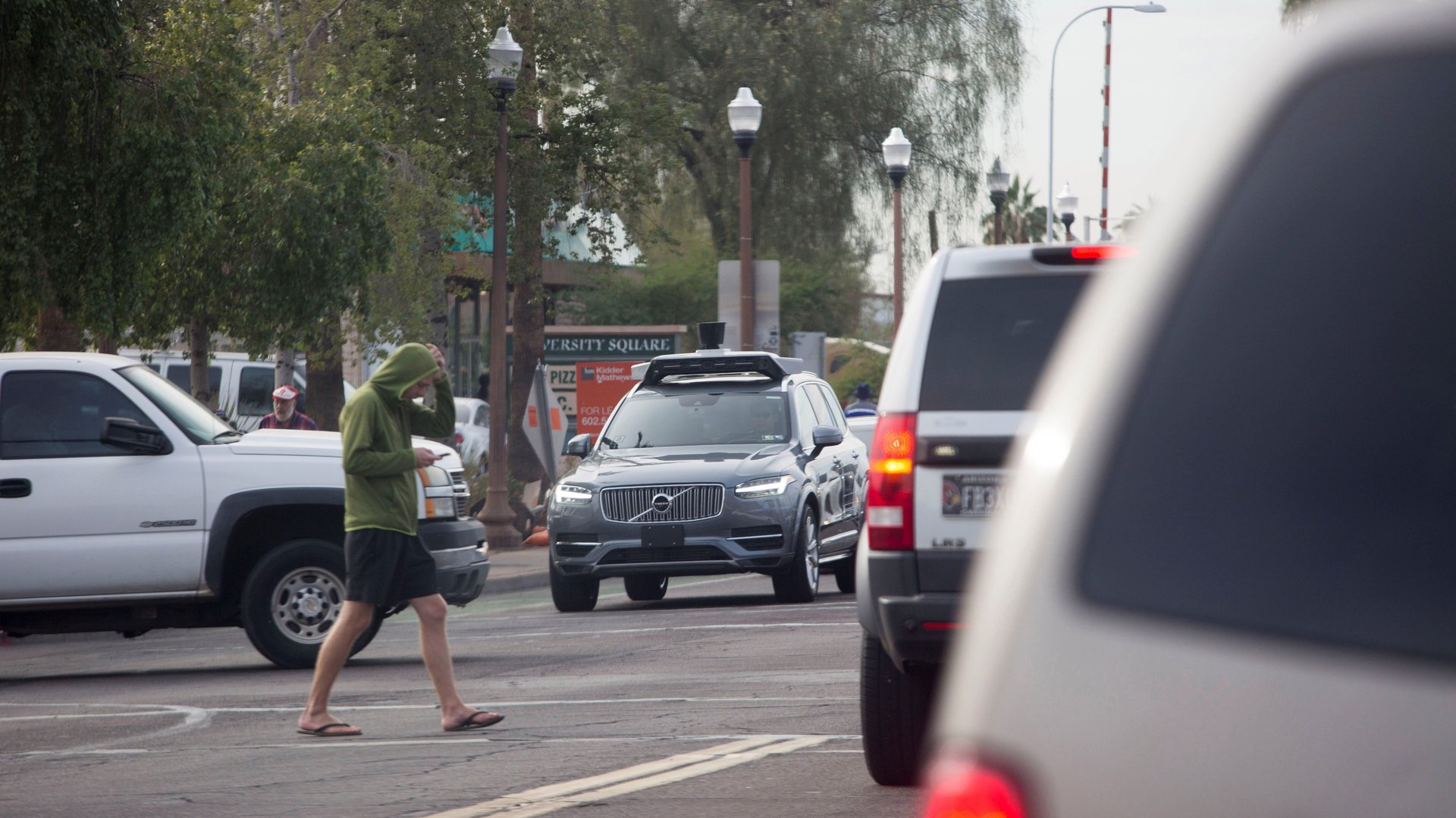
Uber has been found not criminally liable in a fatal crash last year involving one of its self-driving cars in Tempe, Arizona.
Google’s gender pay gap isn’t what you think.
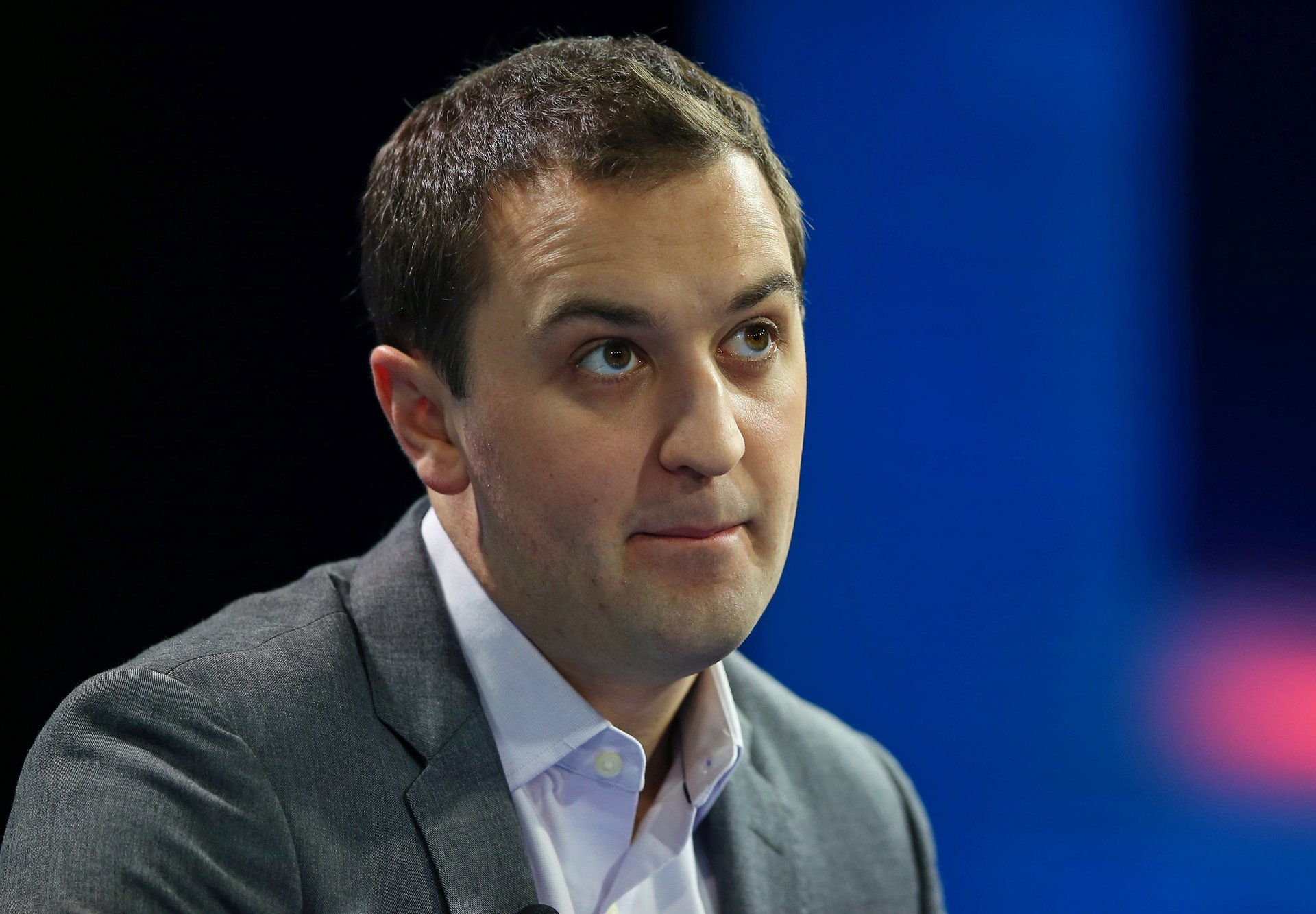
“We have a history of net losses and we may not be able to achieve or maintain profitability in the future,” reads the second risk in Lyft’s March 1 prospectus for an initial public offering.
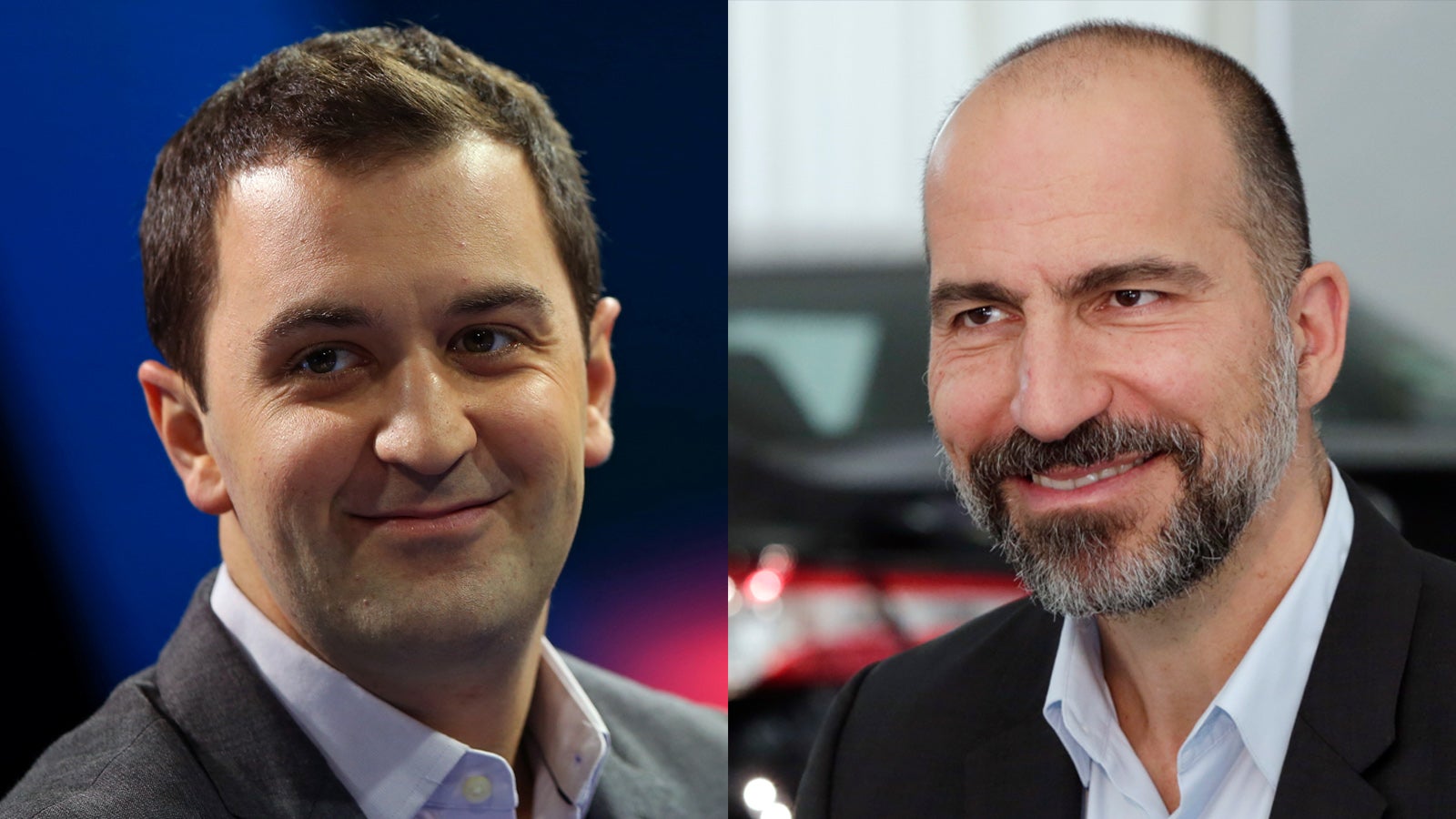
Lyft unveiled its much-anticipated IPO prospectus this morning (March 1), offering a first peek into the inner workings of the ride-hail company’s business ahead of an initial public offering. The main question, of course, is how Lyft stacks up against its no. 1 competitor, Uber.
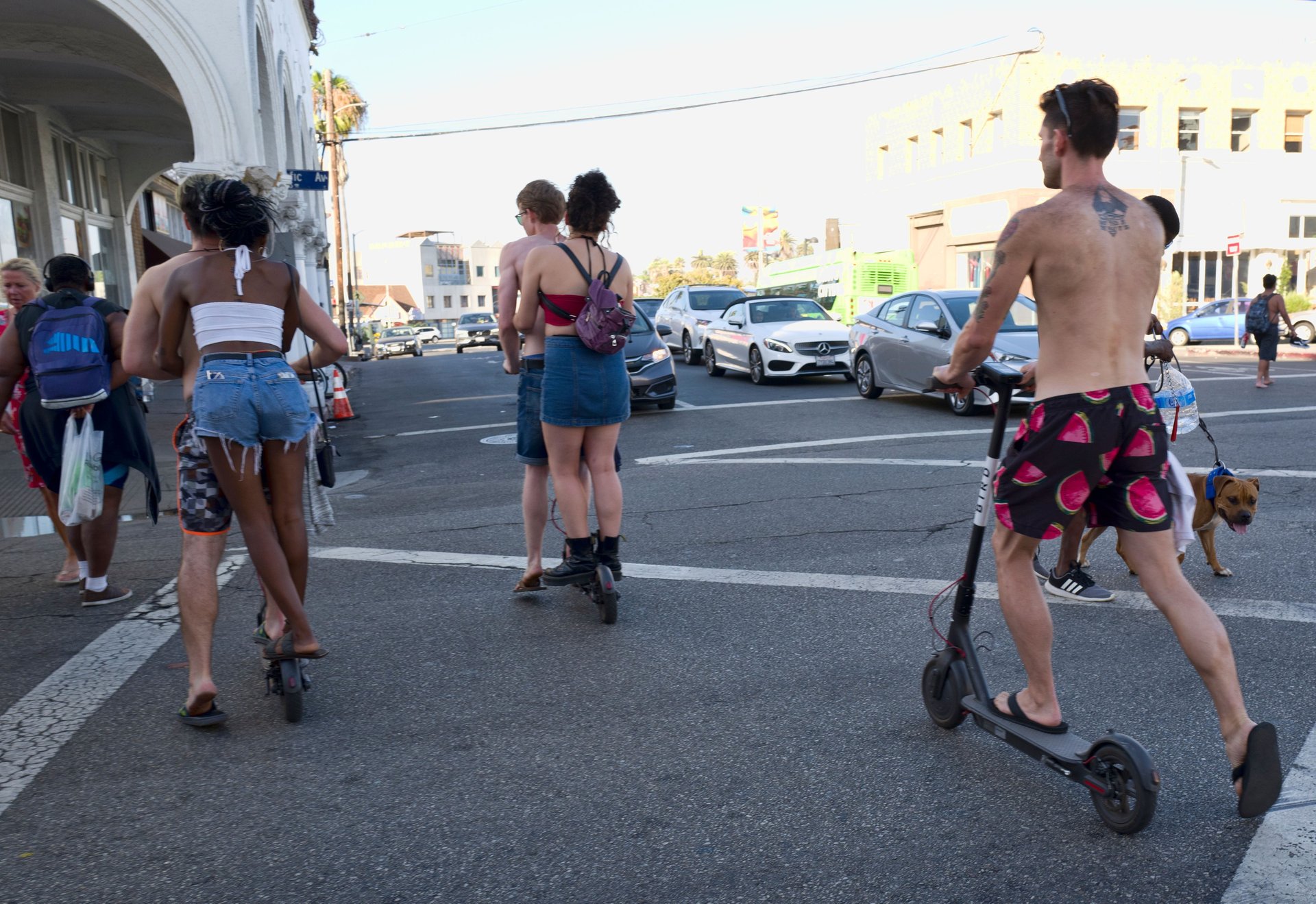
In August 2018, shared electric-scooter company Bird began operating in Louisville, Kentucky. As part of its open-data policy, the city started sharing data on scooter trips online (the latest is available here). Using that data, Quartz determined the average lifespan of a Bird scooter in Louisville to be 28.8 days, or just shy of a month. To state the obvious, that’s not very long.
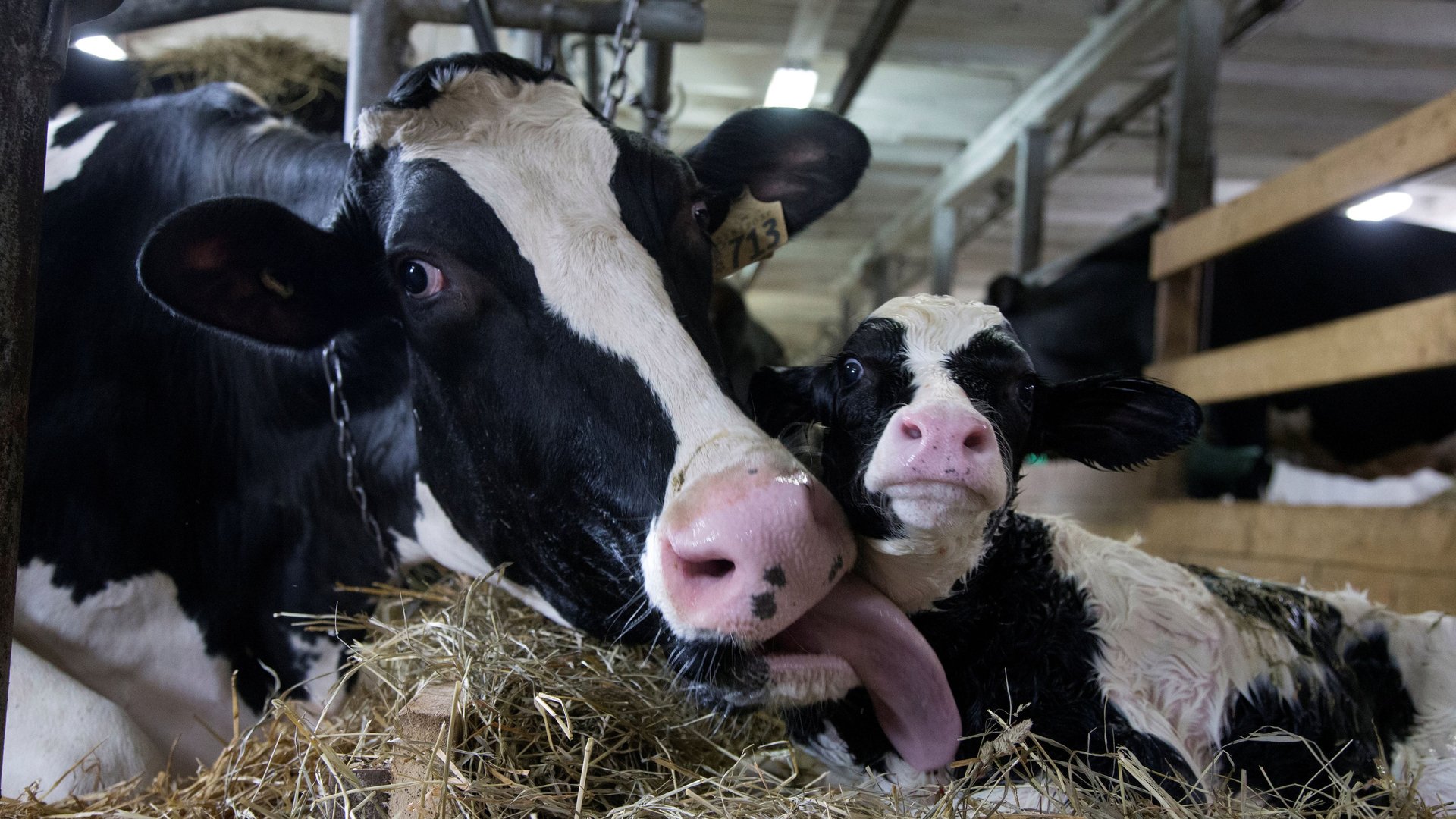
Amazon is getting into the milk business through privately owned brand Happy Belly.
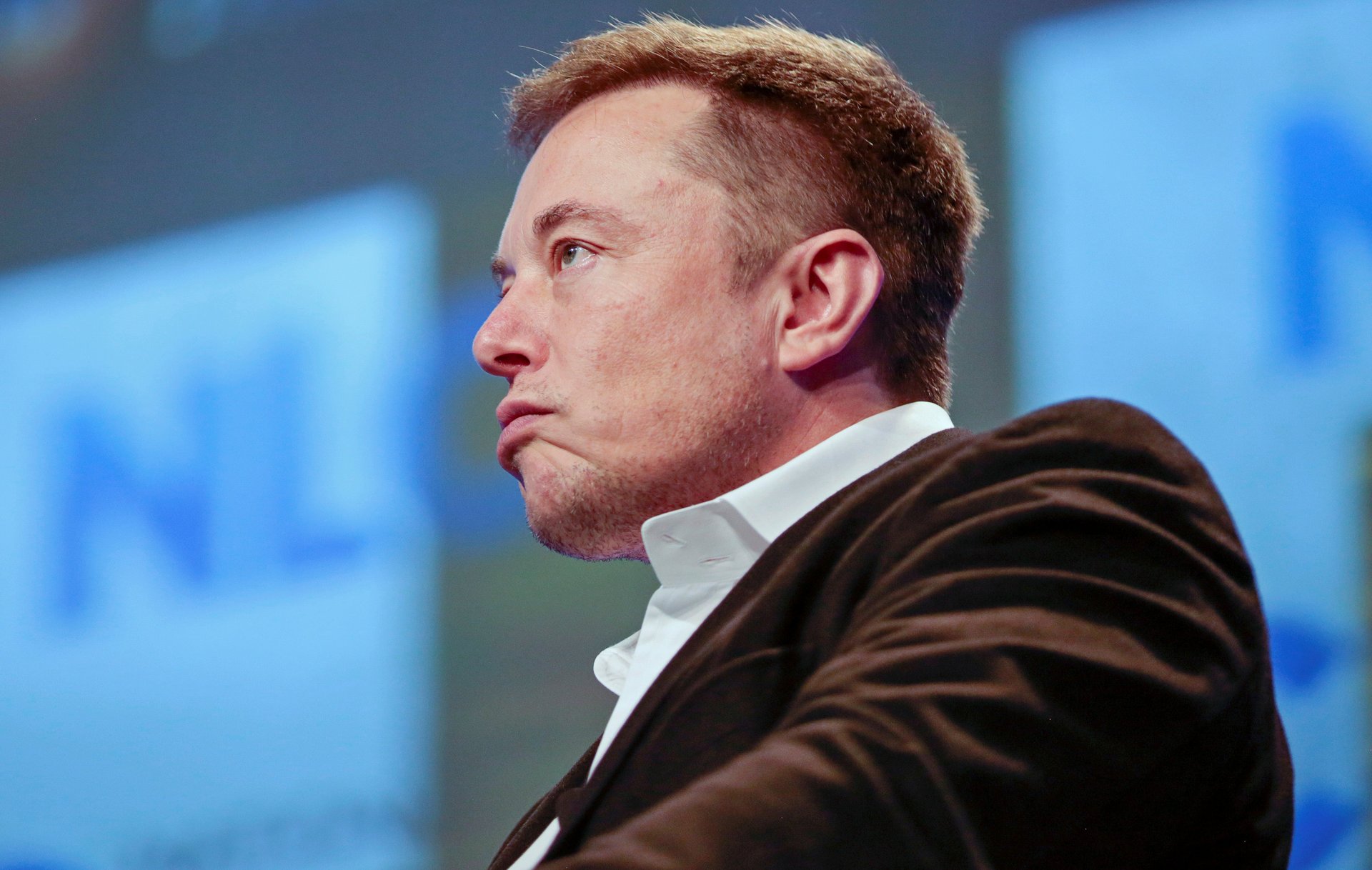
Tesla is having a rough second half of February.

More interesting than what Uber shared in its latest quarterly report was what it left out.
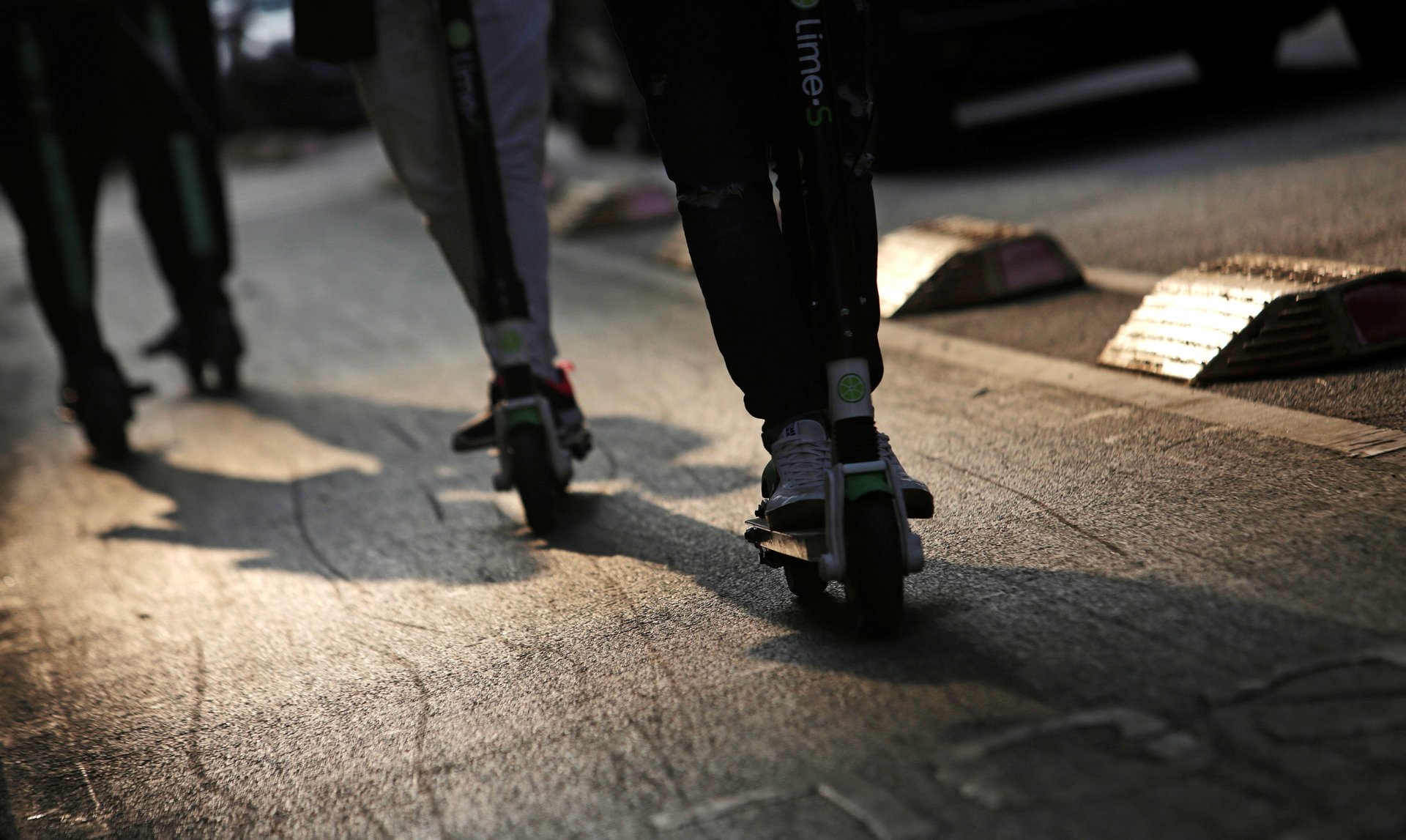
Ride-hail and electric-scooter companies want Americans to use their personal cars less. You know the idea has gone mainstream when even the urban bank robber is choosing shared transit over a private vehicle.
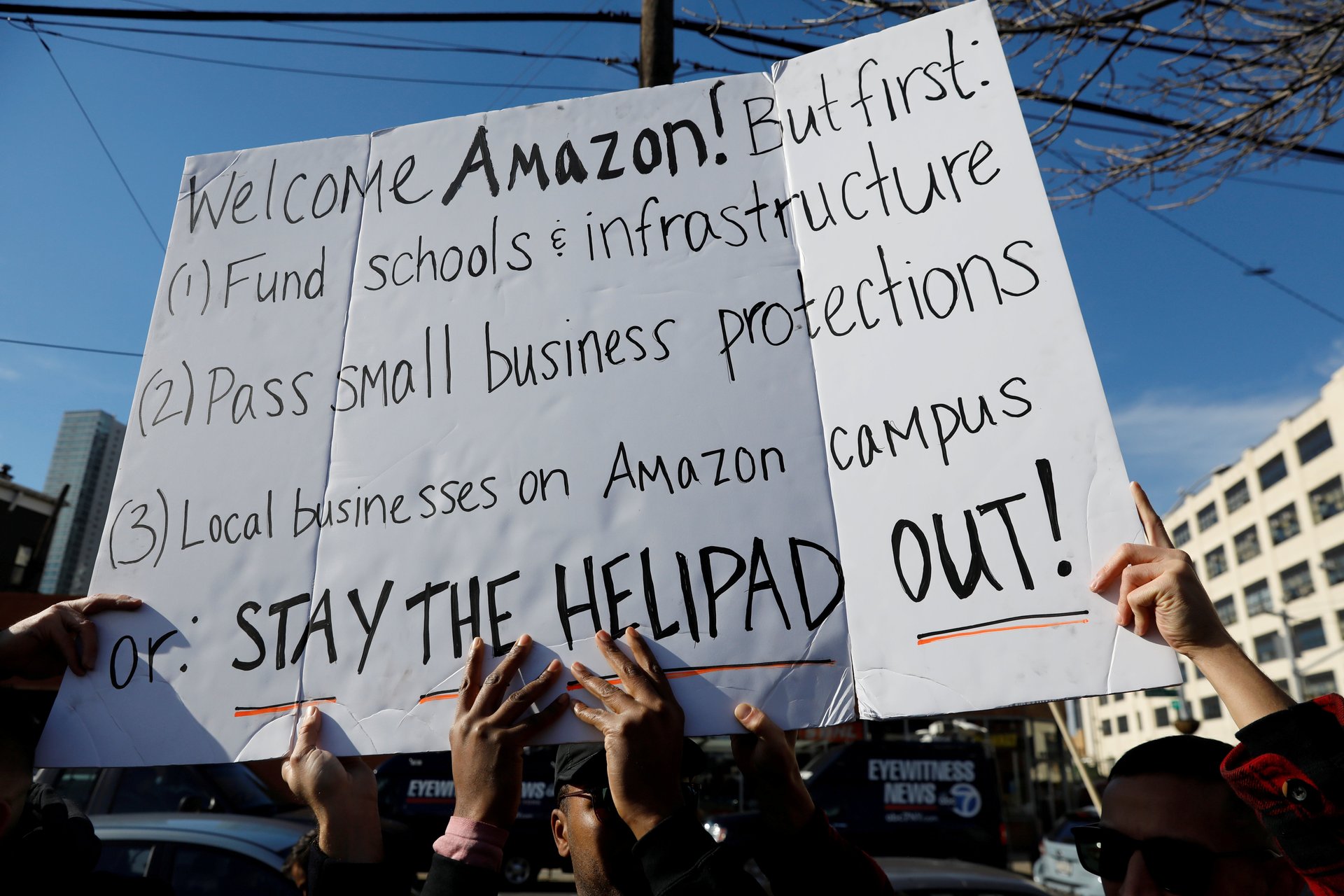
Three months after selecting New York City as the site of a sprawling new headquarters, Amazon got cold feet. “We’ve decided not to move forward with our plans,” the company said on Feb. 14. “For Amazon, the commitment to build a new headquarters requires positive, collaborative relationships with state and local elected officials, who will be supportive over the long-term.”
Uber no longer looks unstoppable.
Amazon’s decision to back out of its plan to build a second headquarters in New York City is already hitting real-estate stocks.
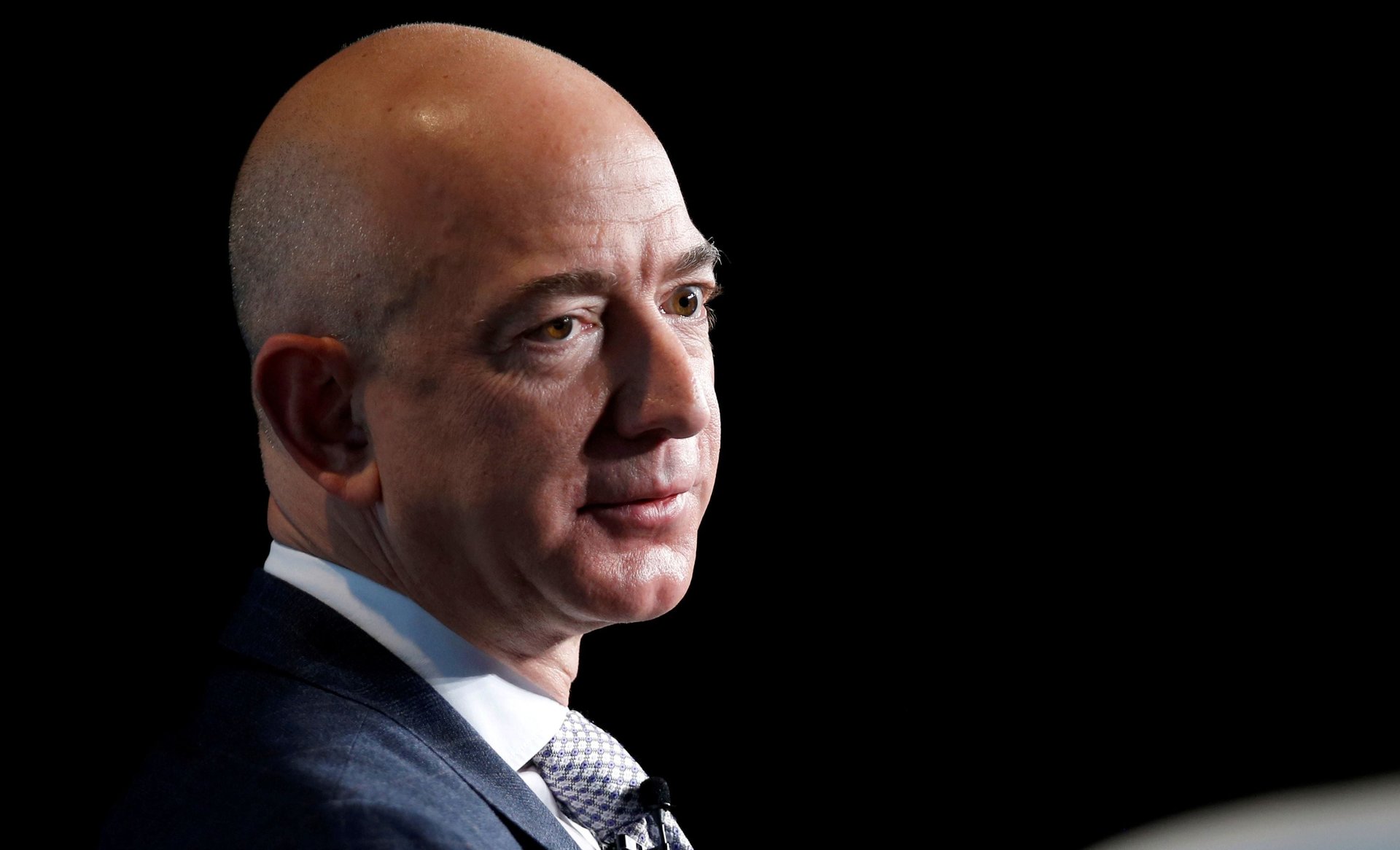
Amazon is canceling plans to build a new headquarters in New York City, the company said Feb. 14, which also happens to be Valentine’s Day.
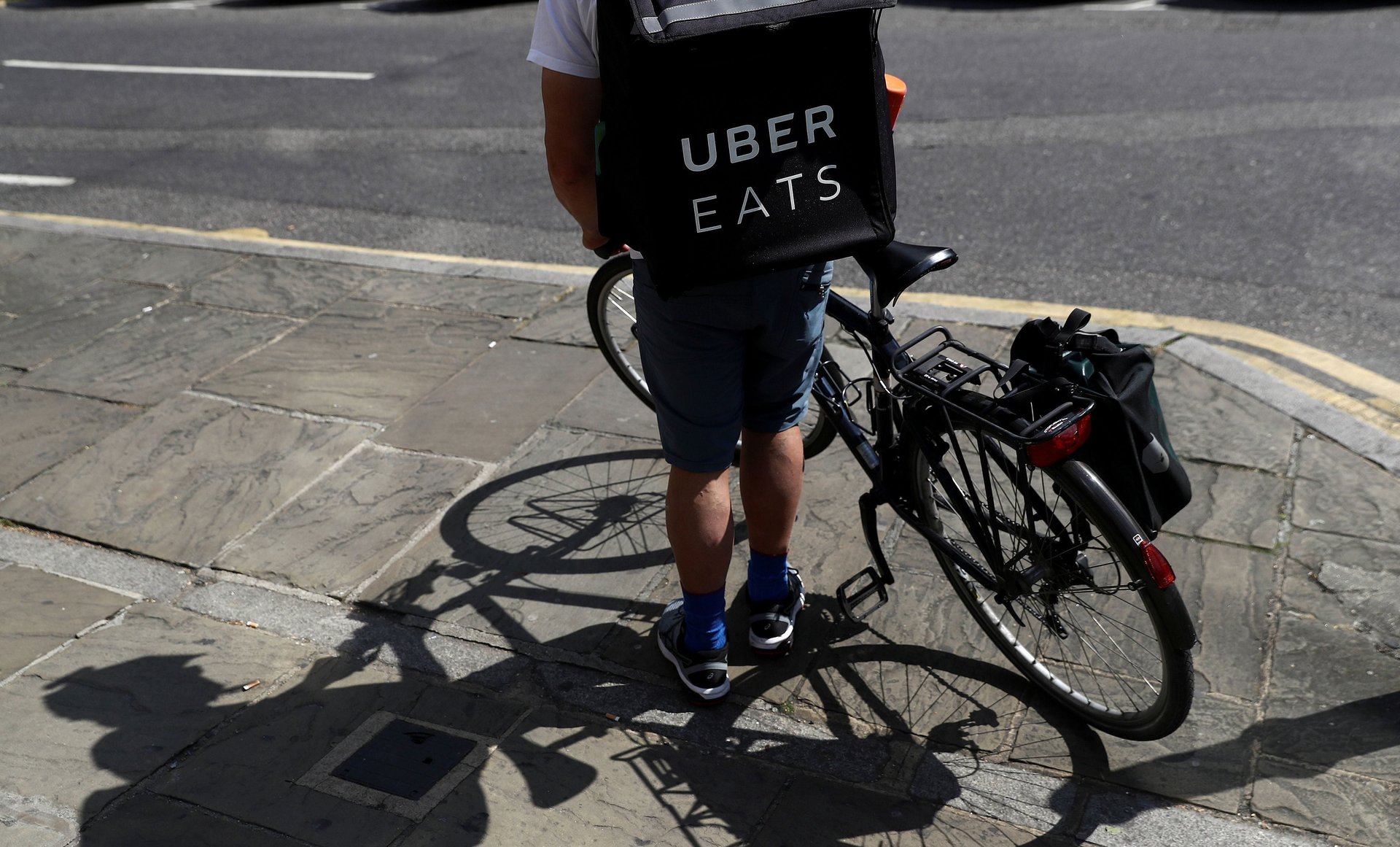
San Francisco-based startup DoorDash has emerged as the dark horse in the food delivery race.
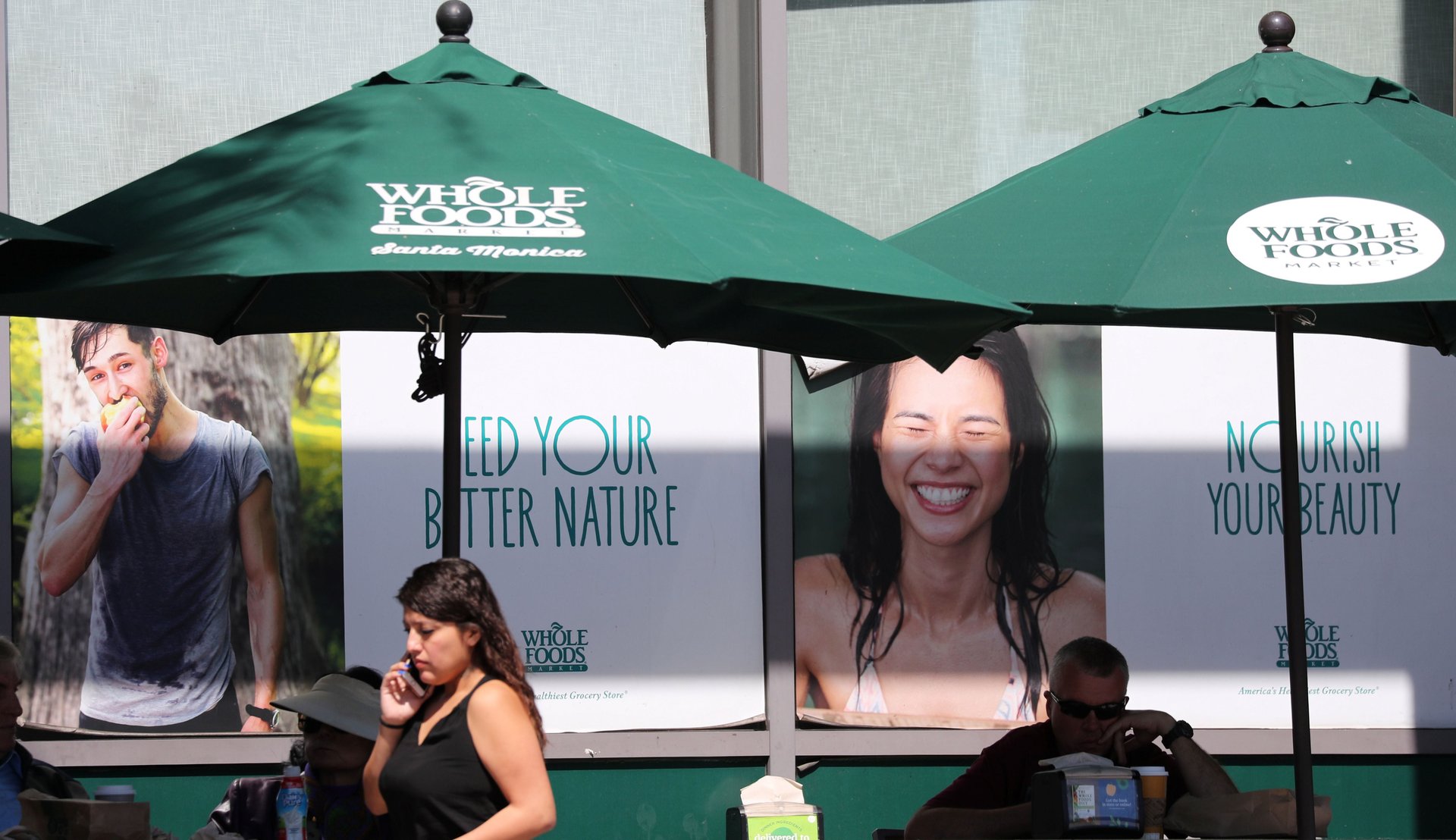
Whole Foods’ price cuts didn’t last long.

On-demand delivery company Postmates has confidentially submitted draft paperwork with the Securities and Exchange Commission (SEC) to go public, it said Feb. 7.
Golden arrow beats golden arches.
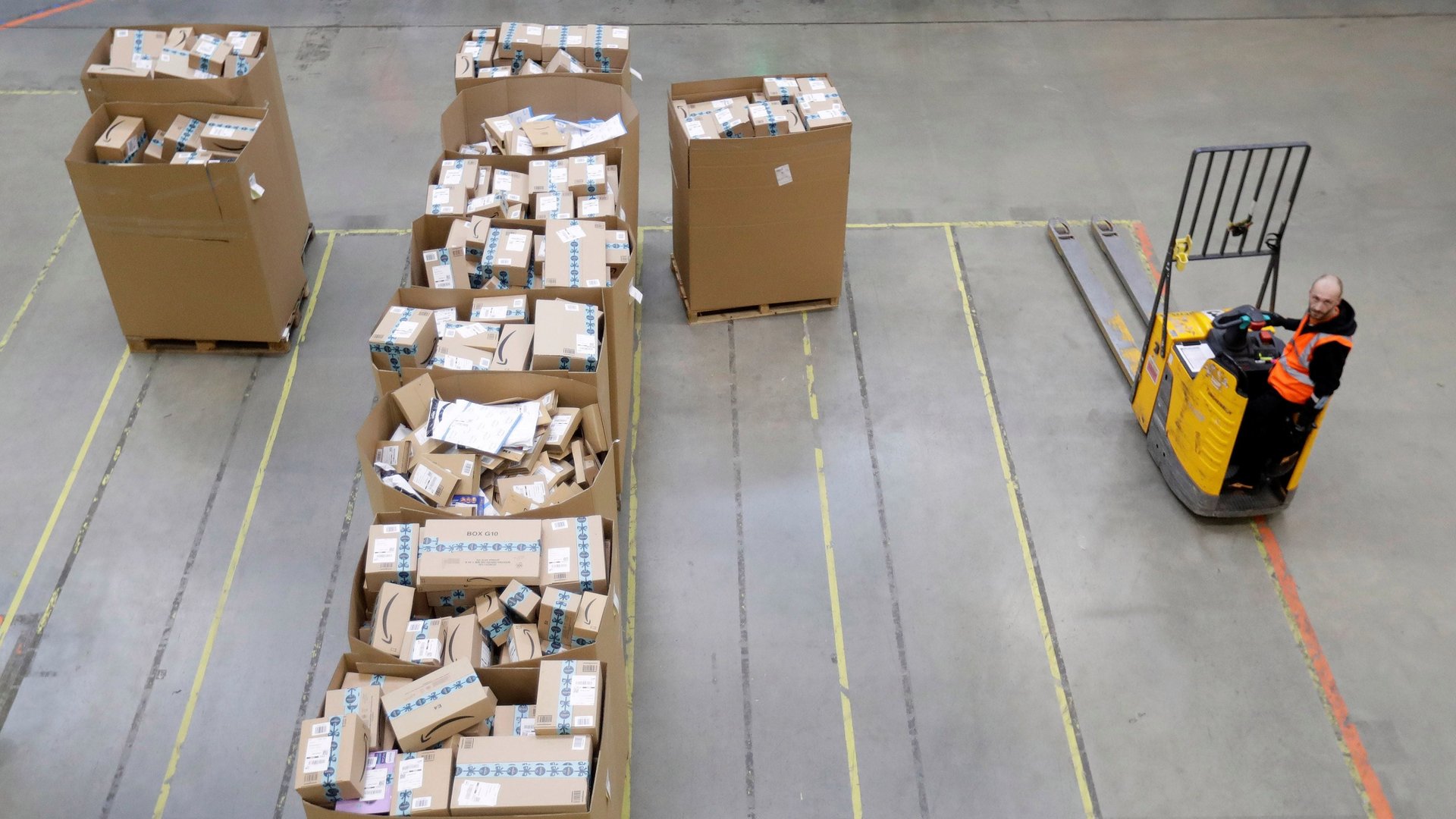
One of the most important takeaways from Amazon’s 2018 fourth-quarter and full-year earnings report, released Jan. 31, had little to do with the usual financial results.