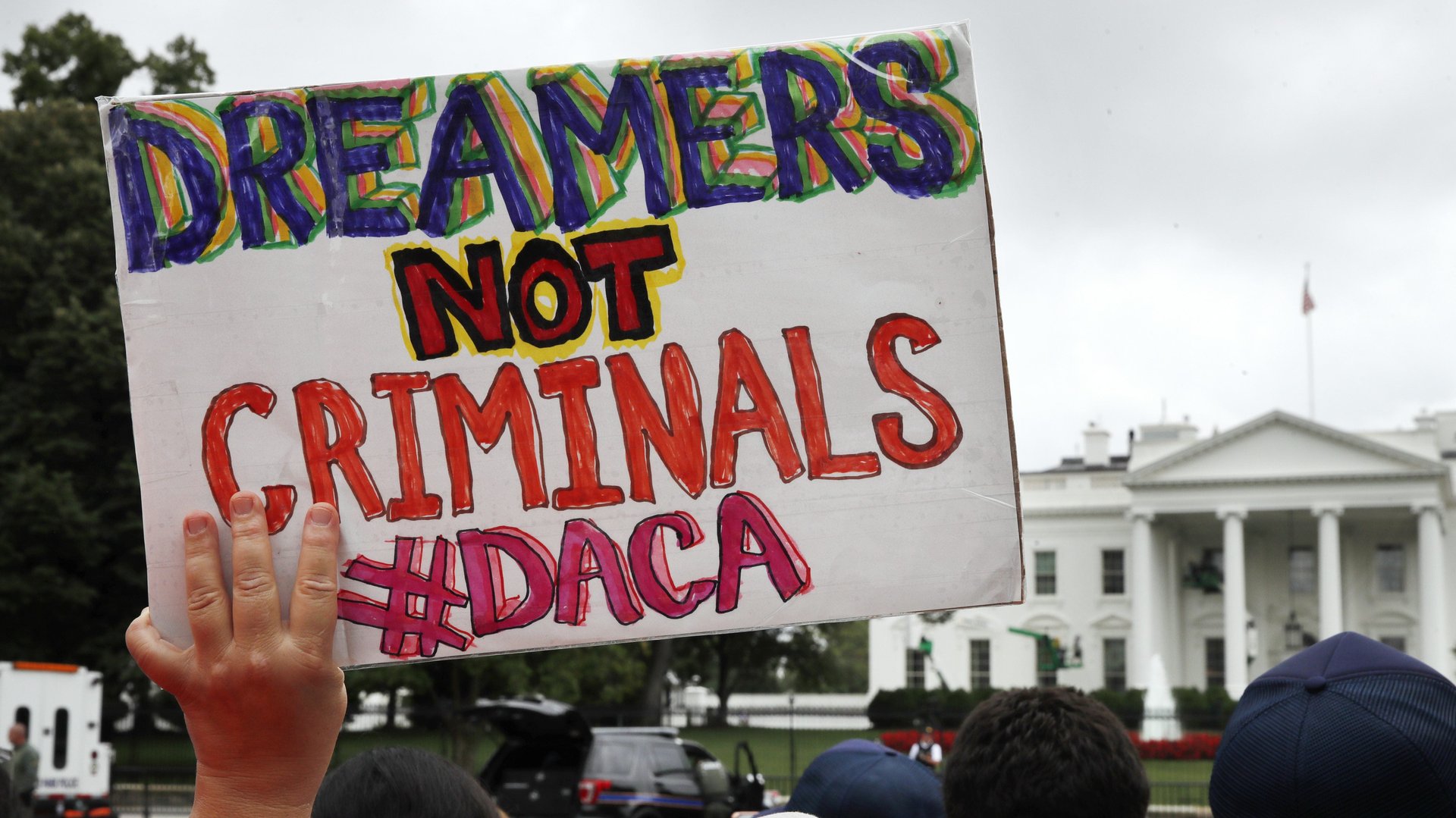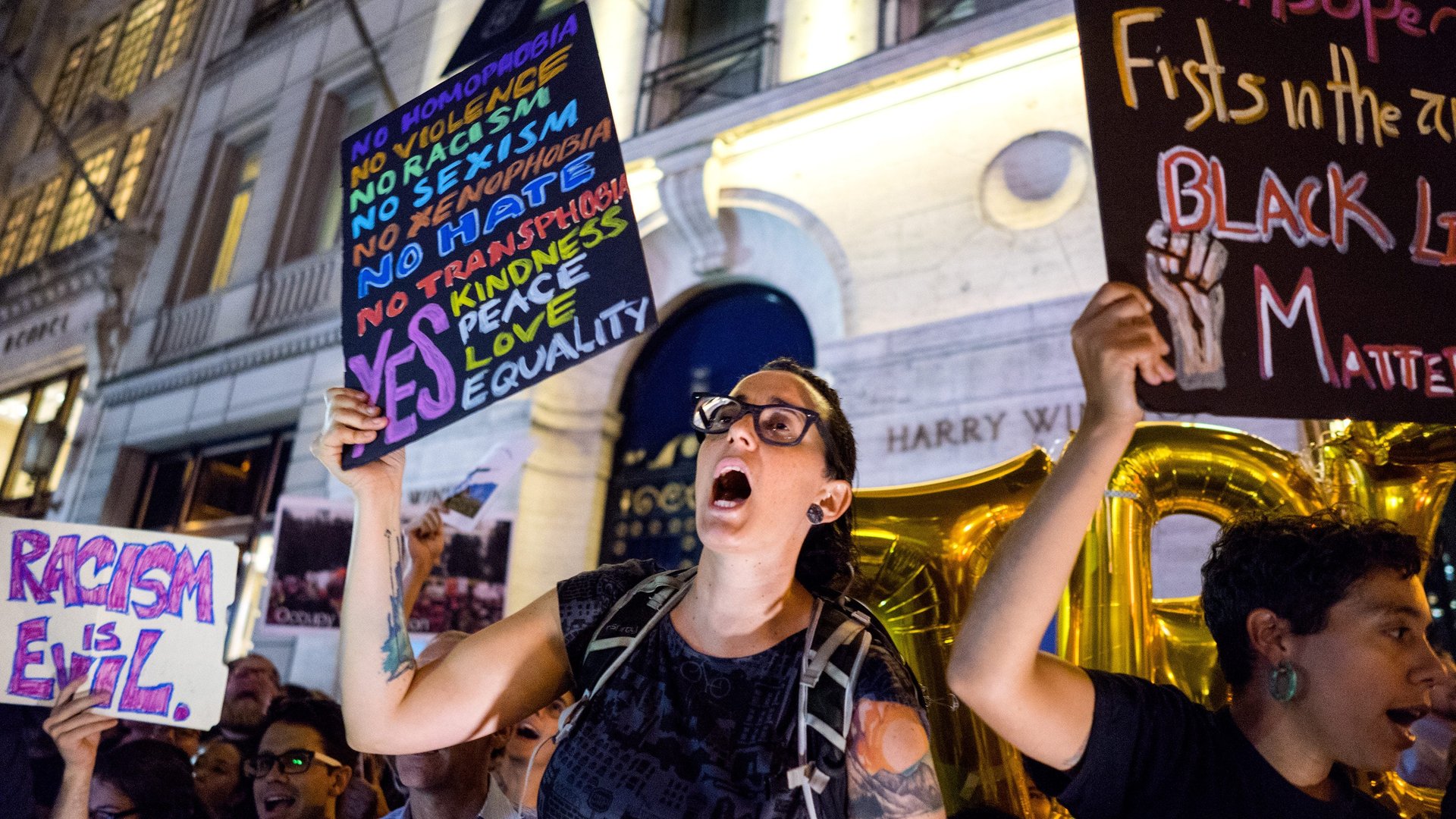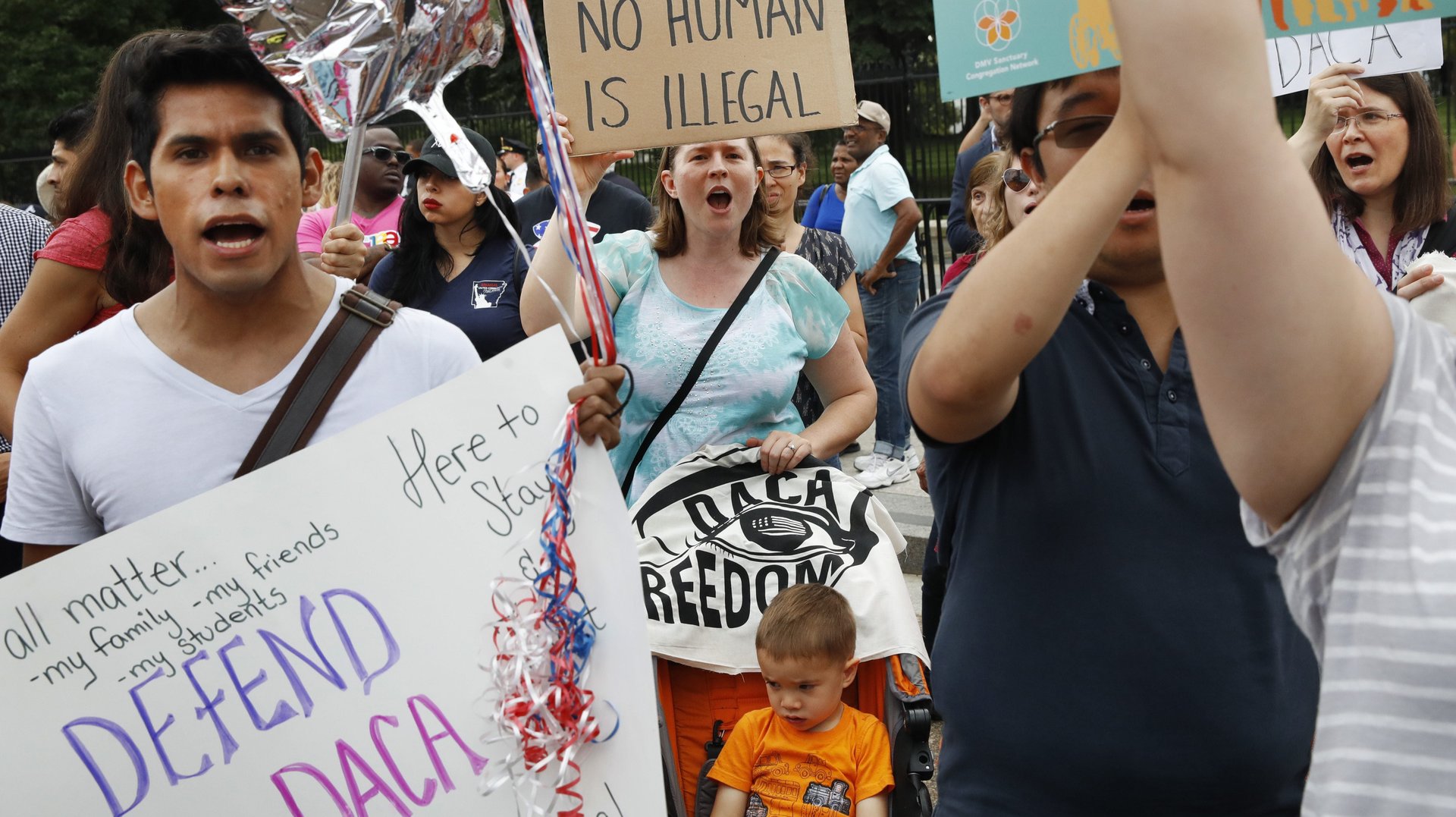
US attorney general Jeff Sessions announced this morning (Sept. 5) that the government is rescinding the Deferred Action for Childhood Arrivals (DACA) program, further spreading outrage and protests across the country.

US attorney general Jeff Sessions announced this morning (Sept. 5) that the government is rescinding the Deferred Action for Childhood Arrivals (DACA) program, further spreading outrage and protests across the country.

My younger sister always gives me very good advice.

According to several reports, Donald Trump is all but set to announce his termination of the Deferred Action for Childhood Arrivals, commonly referred to as DACA. But what exactly does that mean, and whom does it affect?

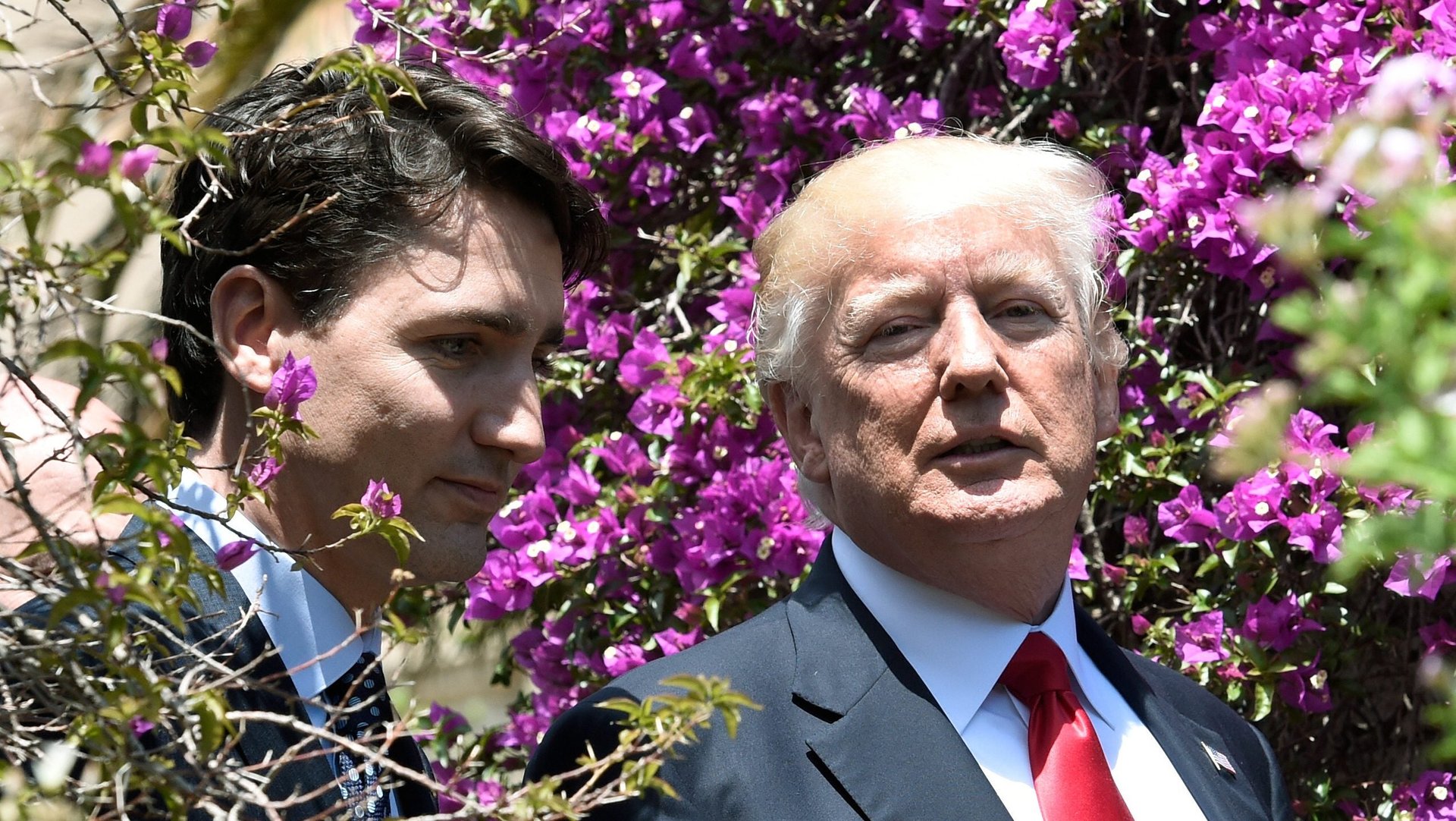
In a moment of peak millennial internet political coverage, Danielle Weisberg and Carly Zakin, founders of the women- targeted newsletter The Skimm, met with Canada’s prime minister Justin Trudeau. Somehow managing to keep their cool, the interviewers—who savvily maximized on Trudeau’s absurdly dashing persona by publishing a video of their sitdown—questioned him on a series of subjects including Nafta negotiations, his socks (shocker, they’re cool), and Donald Trump.

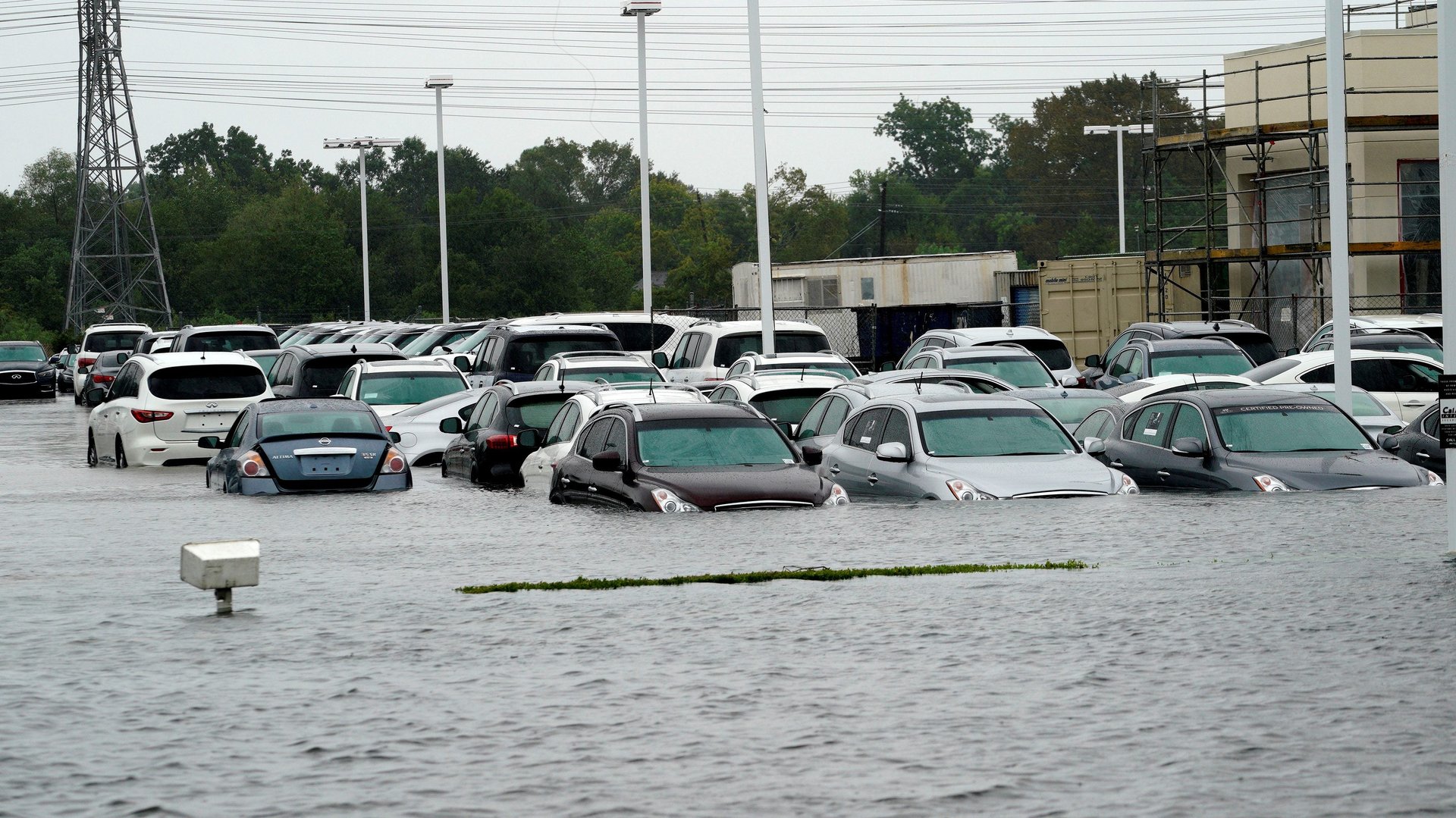
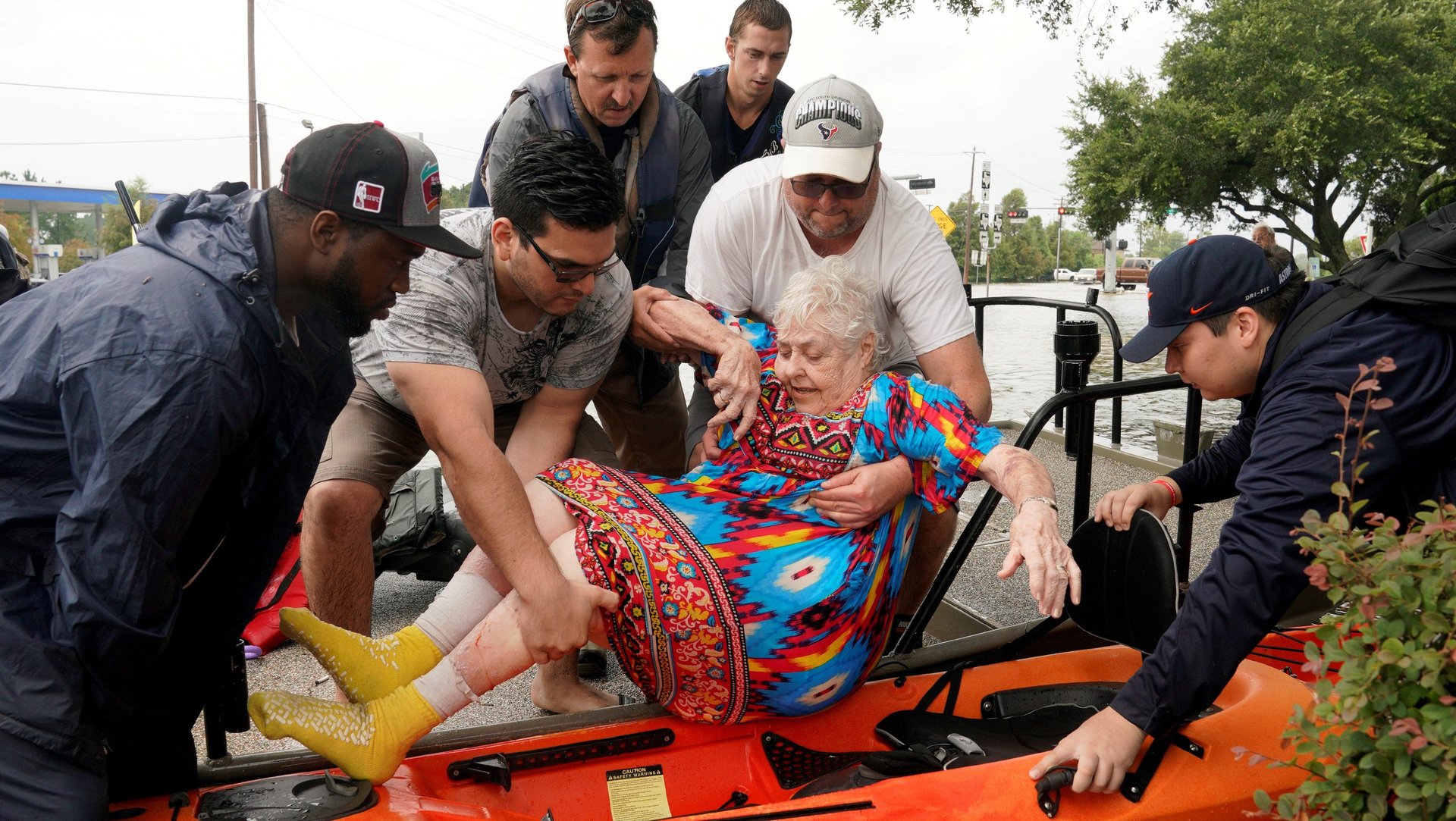
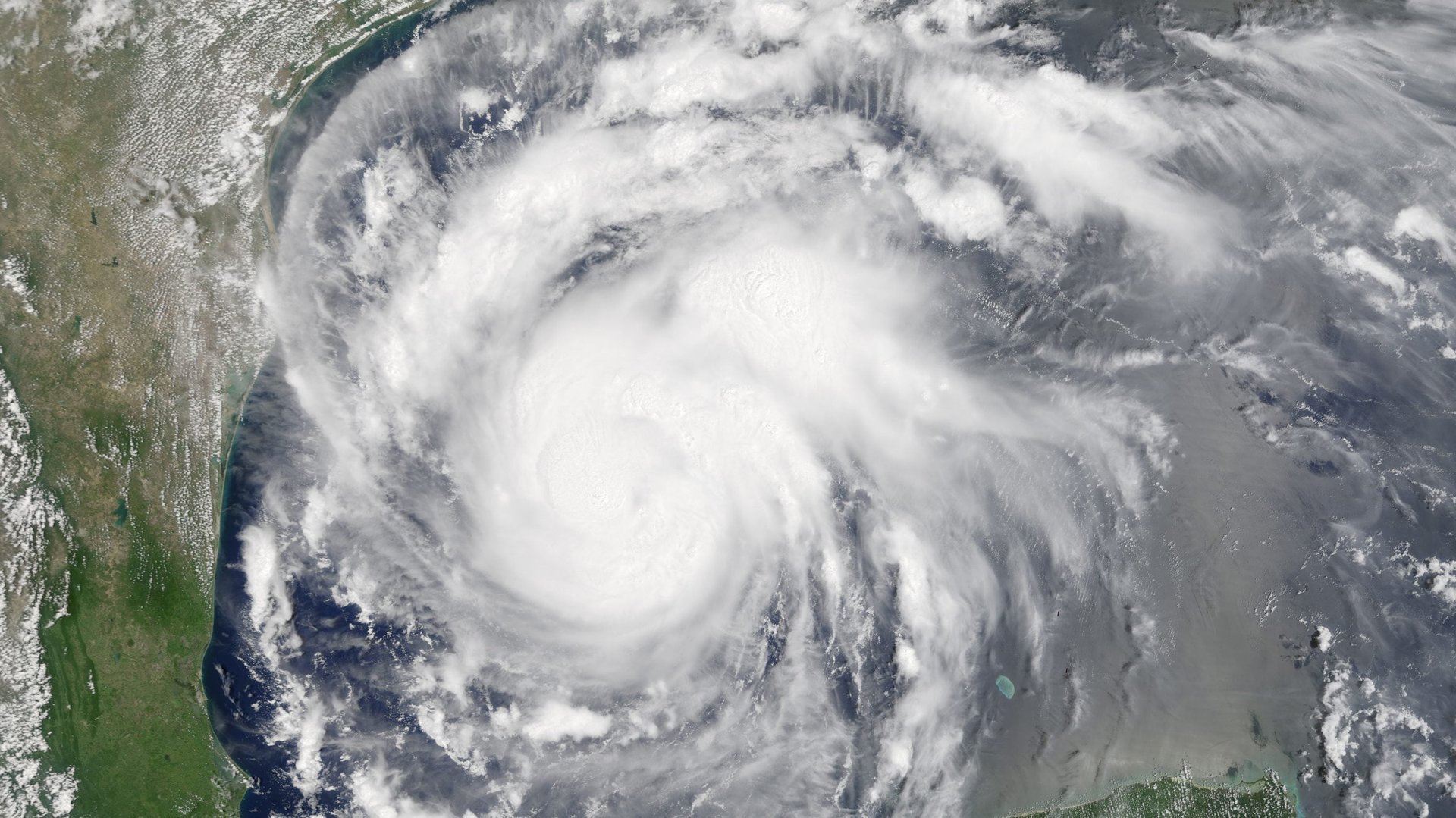
While the rain continues to fall in Texas and Louisiana, analysts are scrambling to work out how much the damage done by Hurricane Harvey will cost. The US government won’t be releasing an exact estimate for a month but its lead expert says it looks like it will easily pass the $160 billion cost (in combined private sector and government spending) of Hurricane Katrina in 2005.

If you’ve logged onto Facebook in the past couple of days, and you happen to follow the platform’s founder Mark Zuckerberg or his wife, Priscilla Chan, you might have seen their announcement of the birth of their second daughter, August, born in—you guessed it—August (no day specified in the post).

Even without discriminatory understandings of gender—of the kind, for instance, advocated in the controversial memo on diversity at Google—it’s pretty commonplace to associate a traditional view of masculinity with aggressive traits such as competitiveness, assertiveness, and sexual appetite.

For every dollar a white man earns in the US, a woman earns about 80 cents. Many people are familiar with that data (which comes from the American Association of University Women), but the inequality is even more nuanced. According to analysis by the Pew Research Center, black women, for instance, earn 65 cents to one white-guy dollar; Hispanic women just 58 cents.

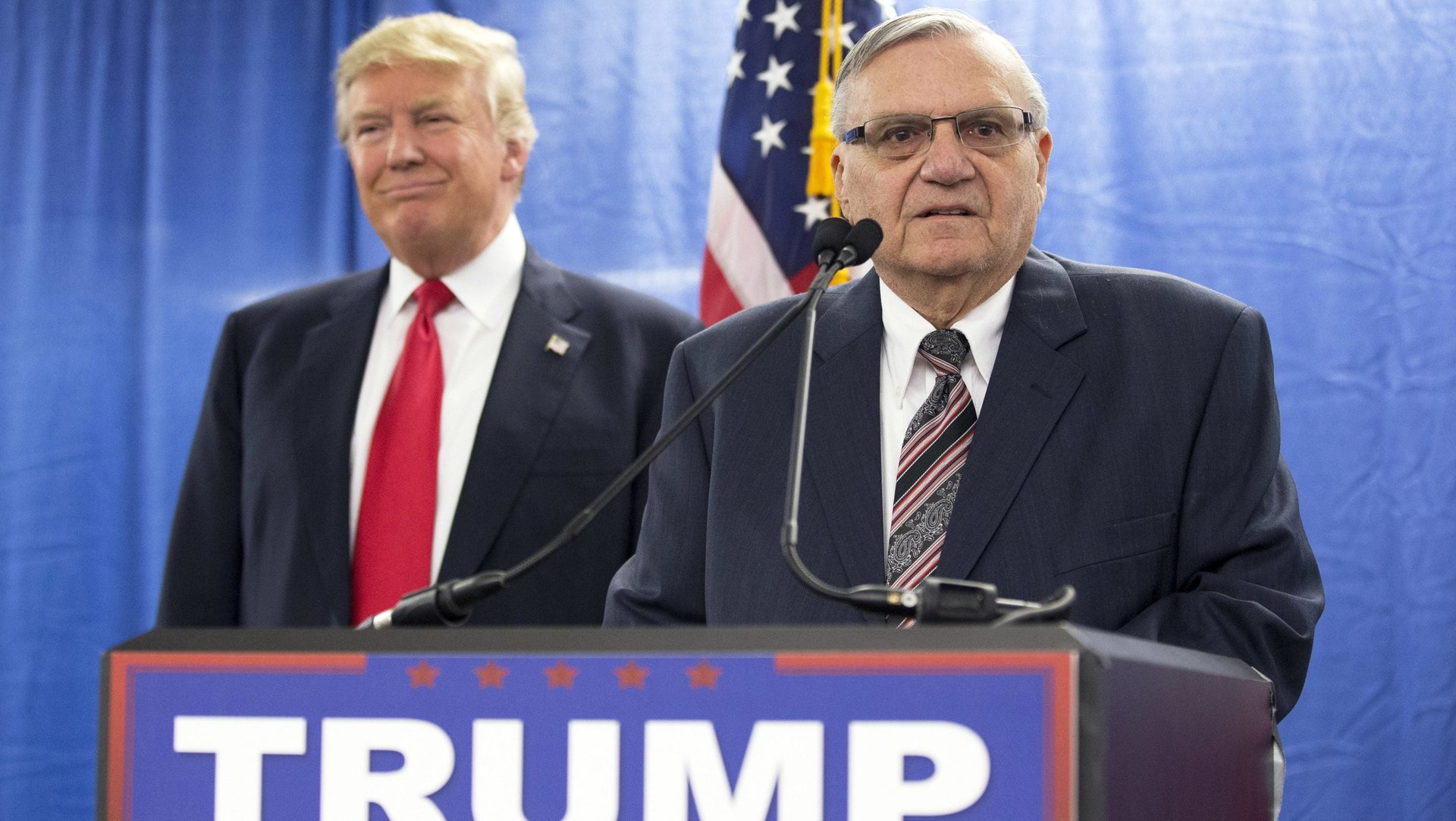
Eyebrows rose when US president Donald Trump pardoned controversial Arizona sheriff Joe Arpaio on the evening of Aug. 25, as Hurricane Harvey was bearing down on Texas. They rose further today (Aug. 28) when Trump told reporters the timing was deliberate—and not, as some assumed, in an attempt bury the Arpaio news amid the attention on Harvey, but quite the opposite.

This item has been updated.

Considering US president Donald Trump’s budget cuts to the State Department, and his continuous disregard for the rules of diplomacy—Twitter threats of nuclear apocalypse and all—it’s not surprising that he and Secretary of State Rex Tillerson don’t always see eye to eye when it comes to America’s foreign policy. Notably, Tillerson was quick to put Trump’s threats of “fire and fury” against North Korea into perspective, reassuring Americans that there was no imminent threat of a nuclear war.

Hurricane Harvey is gaining steam, and is set for landfall on the coast of Texas late tonight (Aug. 25). By then it is expected to have gained the power of a category 3 hurricane, which would destroy poorly constructed houses, severely damage apartment buildings and shopping centers, and leave large areas without water and electricity for days or even weeks.

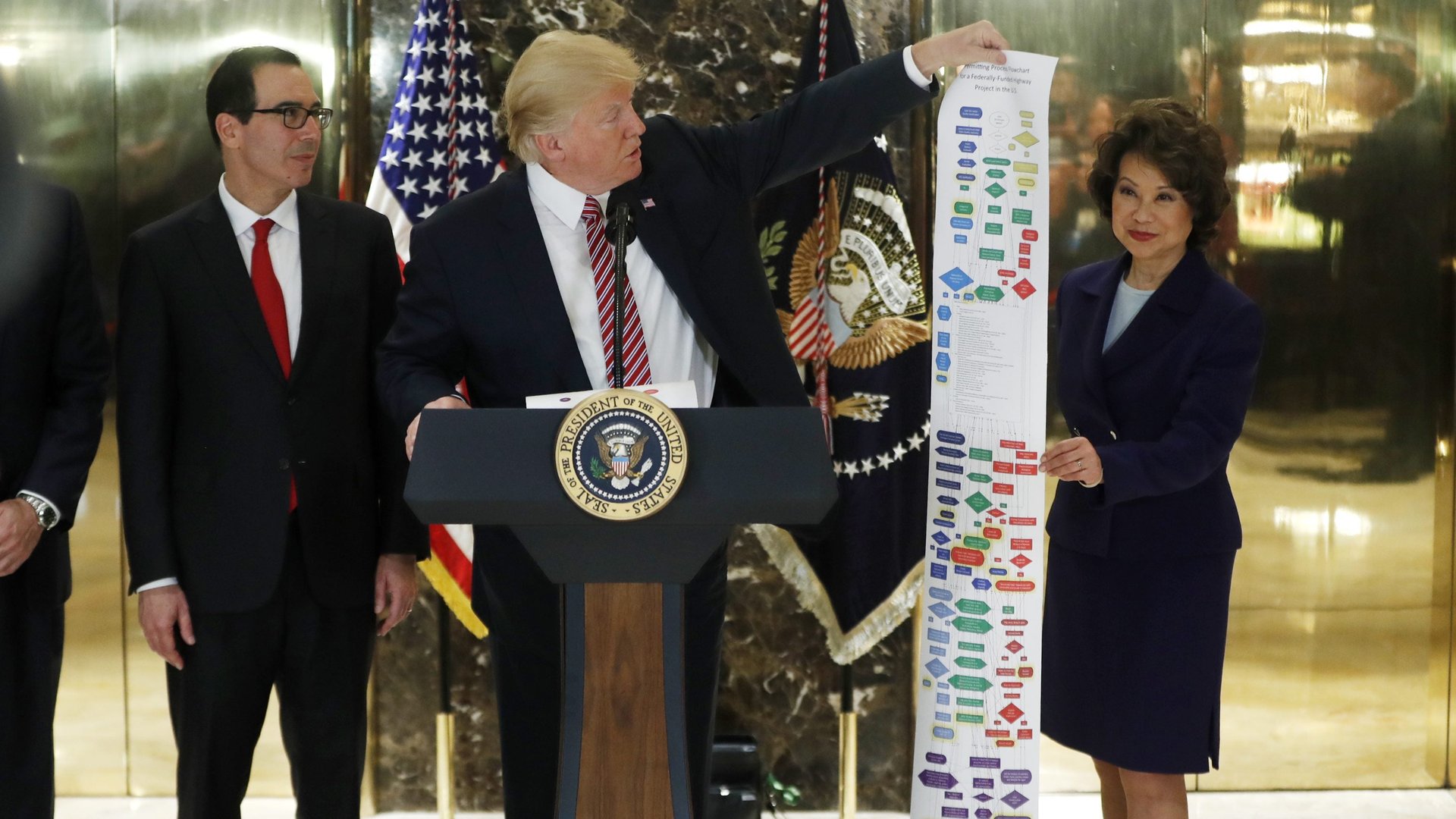
The Trump administration’s legislative agenda is in shambles. The White House is losing people faster than a series of The Apprentice. Obamacare has not been repealed; the wall is not being built; jobs are still moving to Mexico; and Donald Trump has the lowest approval rating of any president so early in the first term.

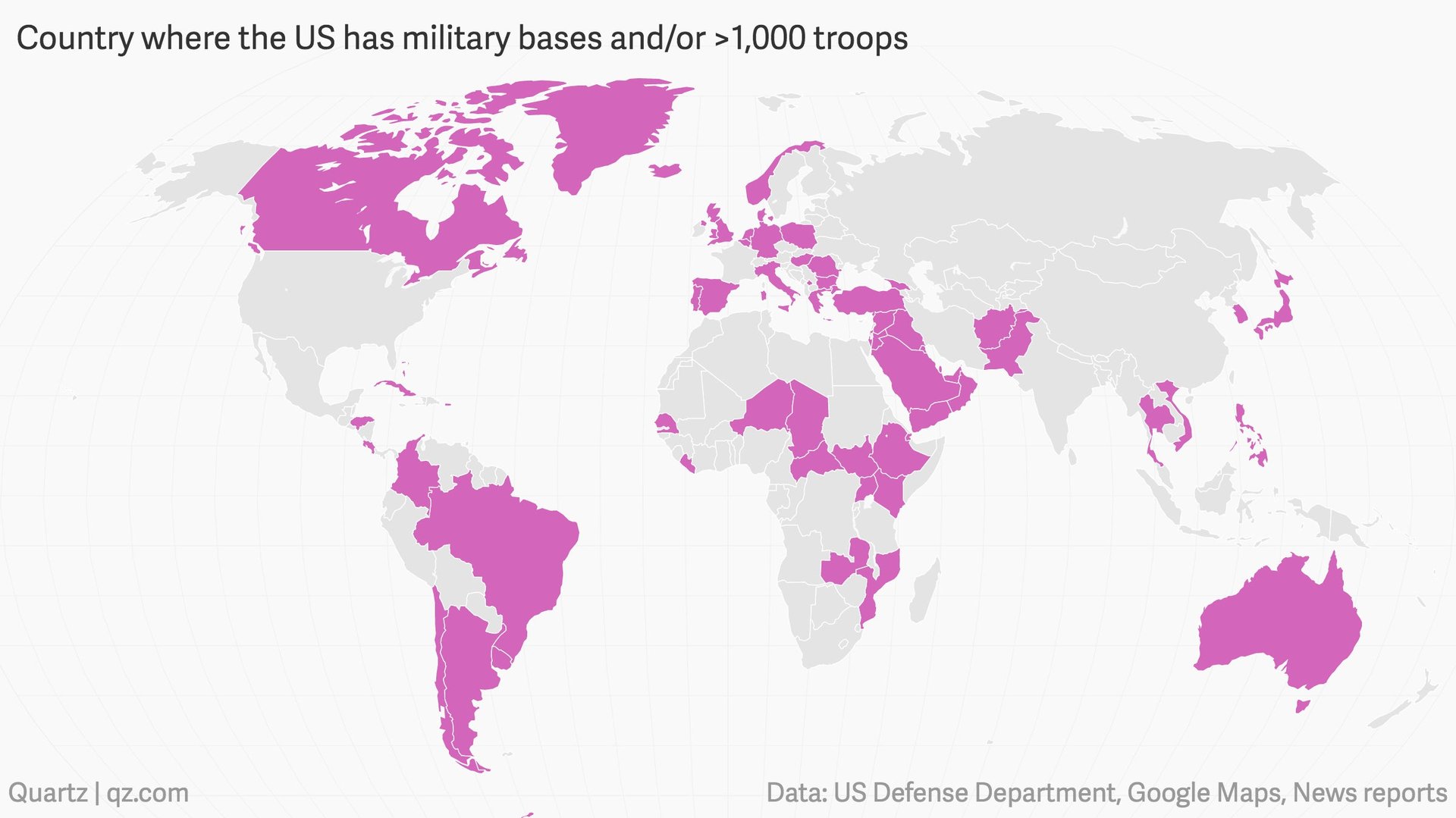
In a speech delivered last night (Aug. 21) in Fort Meyer, Virginia, Donald Trump confirmed what was expected: he is walking back opposition to military involvement in Afghanistan, and instead sending more troops to a war that’s already cost the US some $800 billion and over 2,400 troops’ lives. After Obama failed to make good on his promise to withdraw from Afghanistan, Trump seems set to follow the same path.

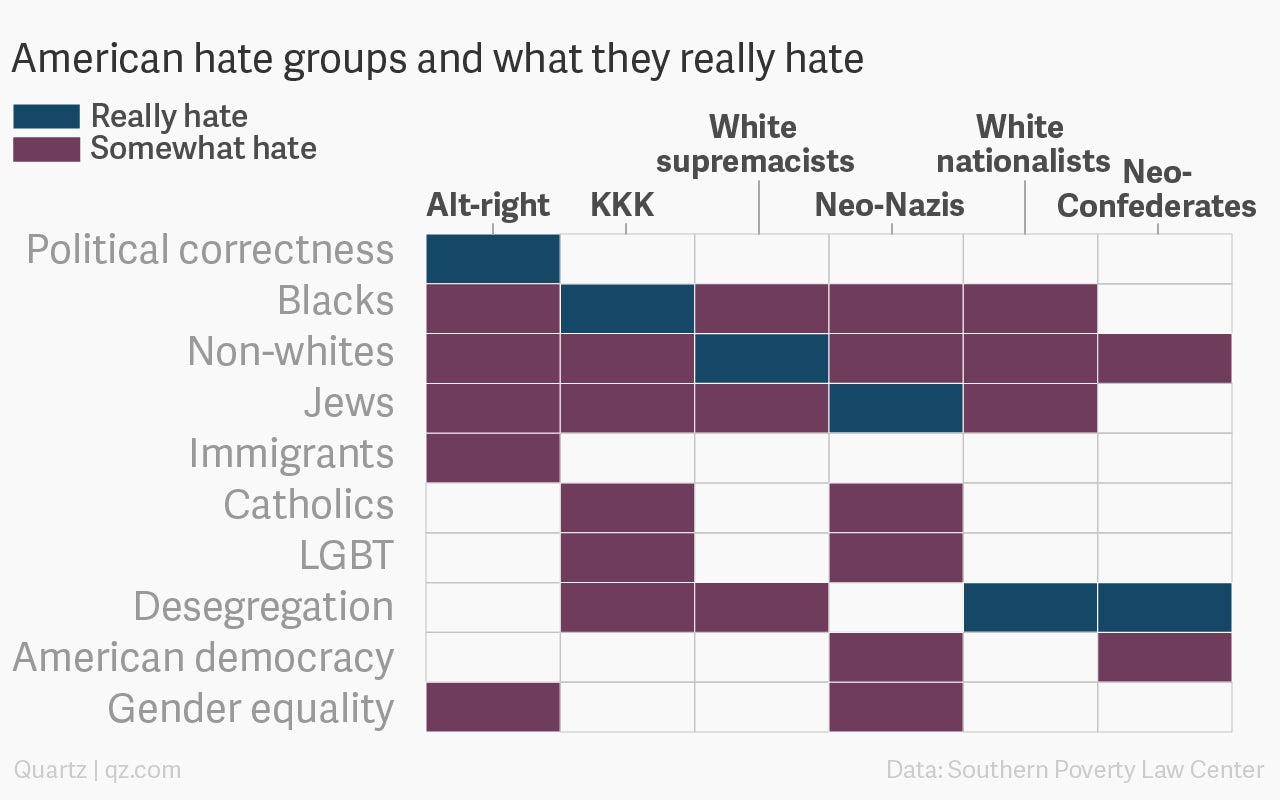
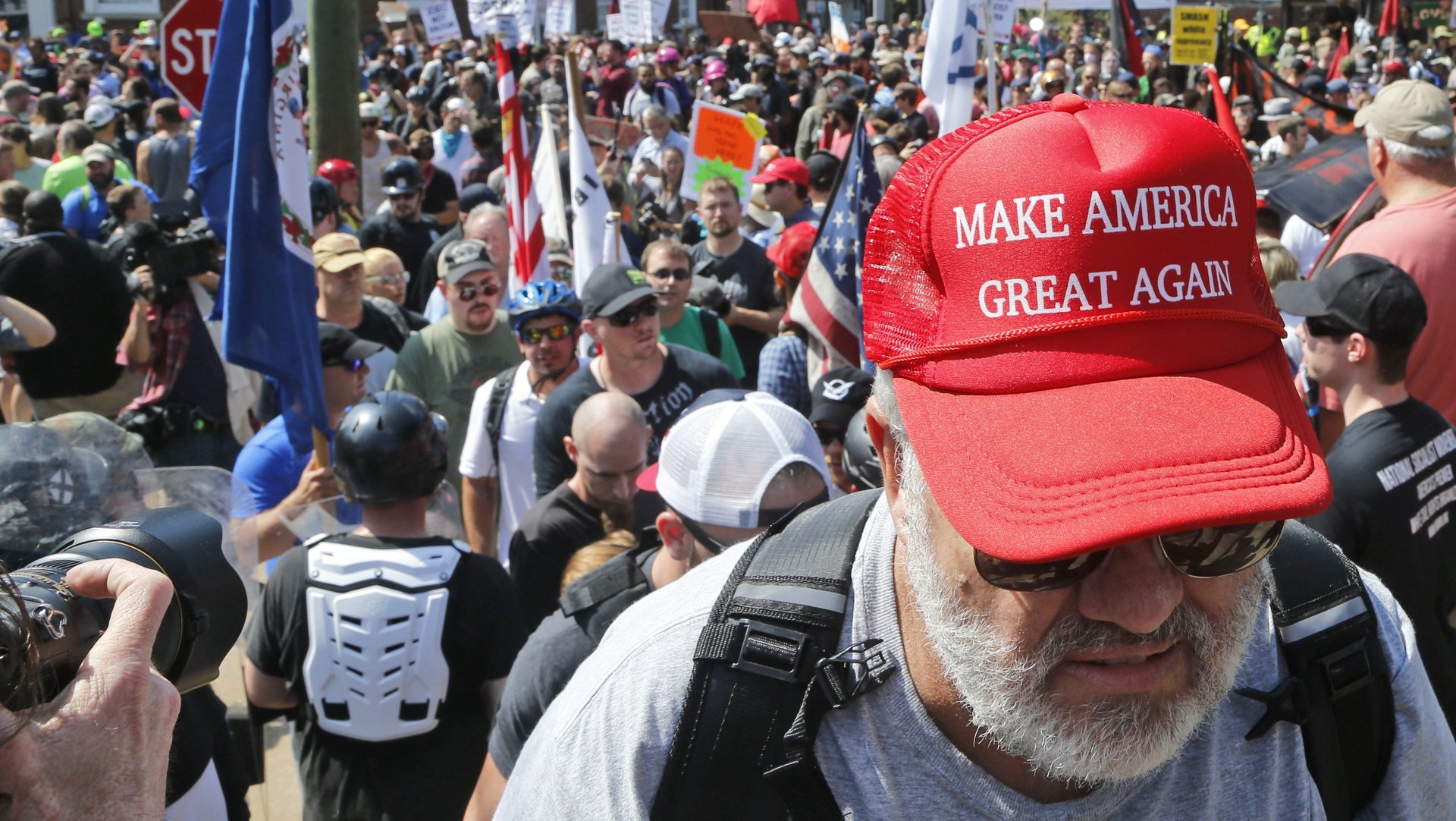
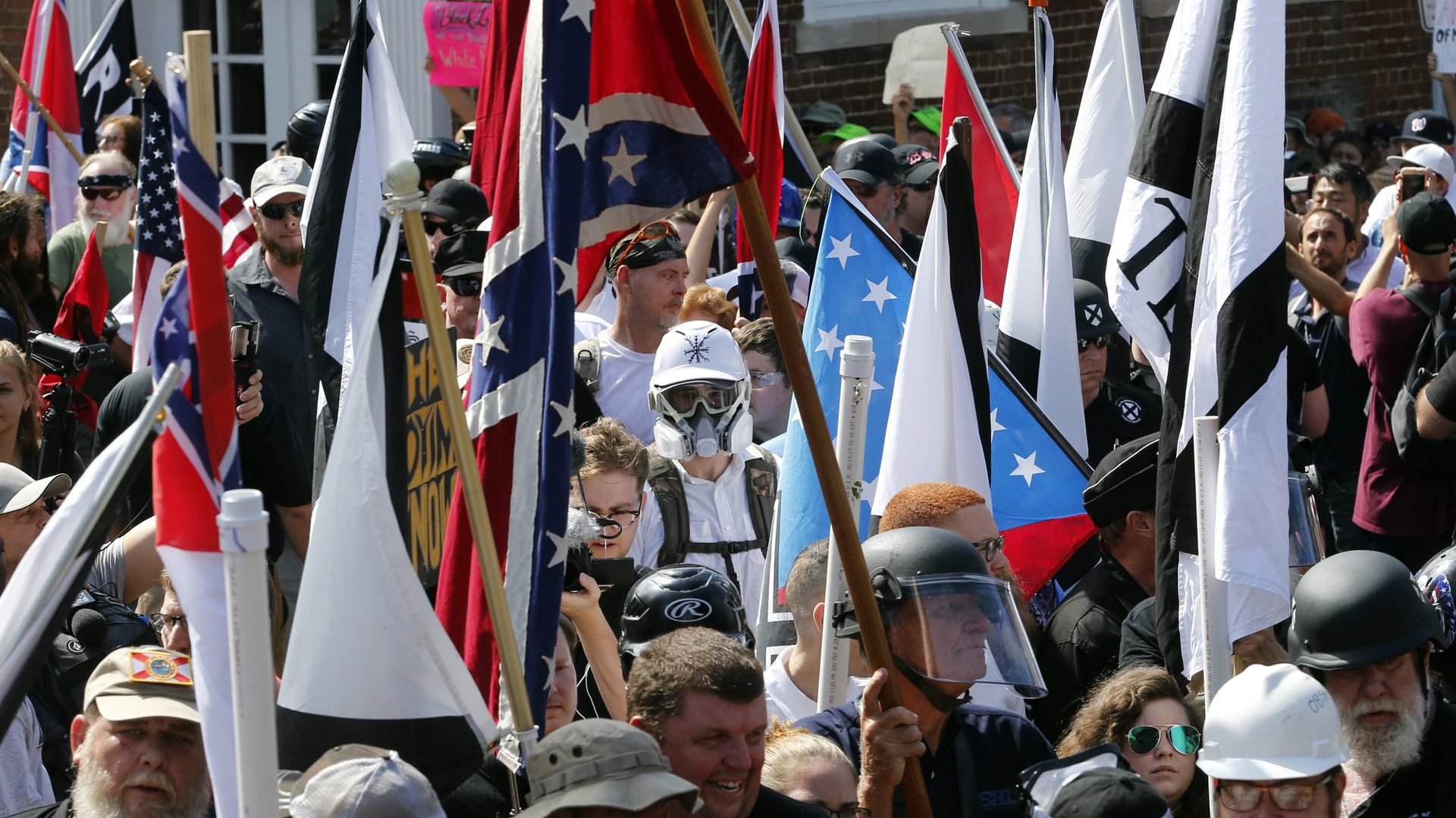
White supremacists, neo-Nazis, white nationalists, alt-right: The list of hate groups that subscribe to far-right views in America is pretty long. Ultimately, these are all racist, violent groups that care almost exclusively for white people—white men, especially. But though they are comfortable being associated with one another and sometimes share ideas, tactics, and members, each of them has specific groups and ideas they most violently oppose.

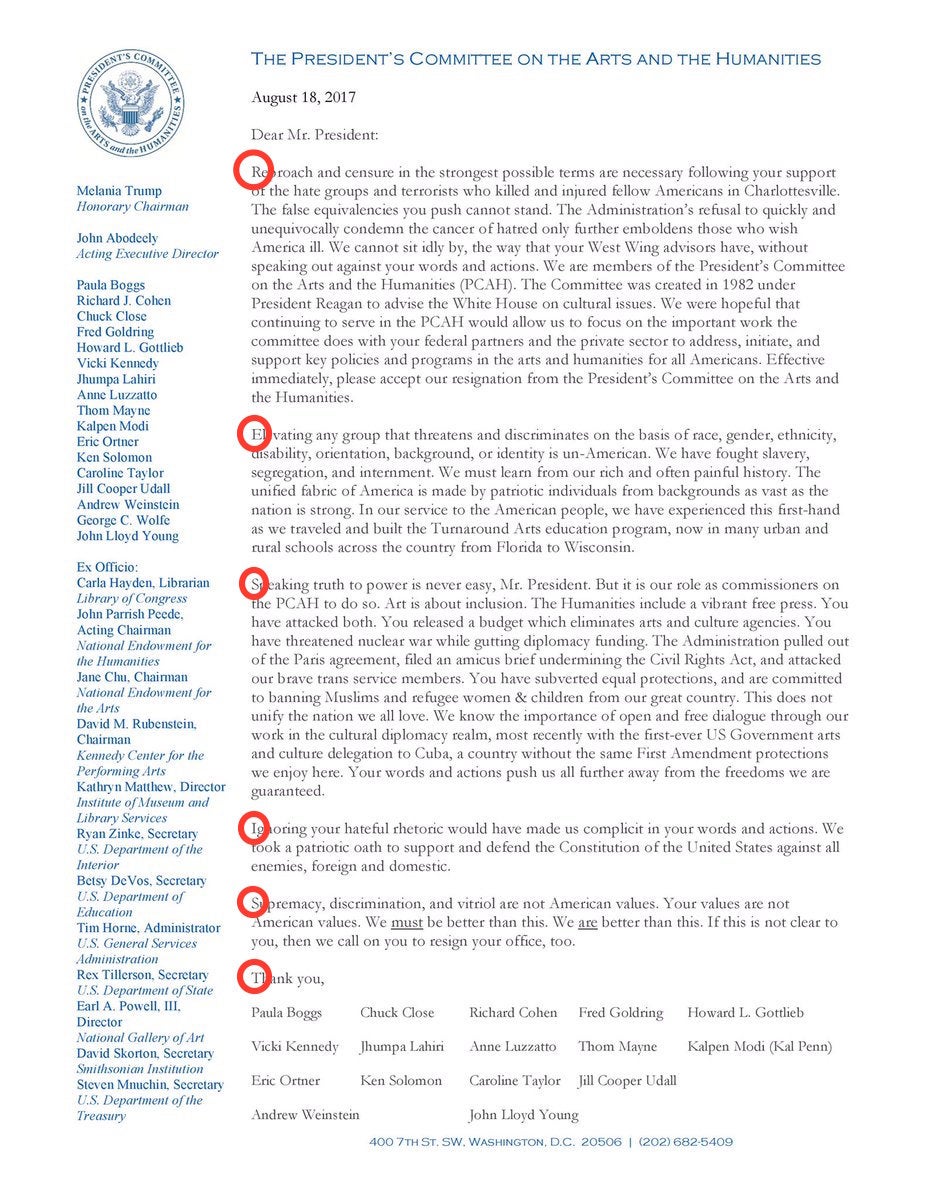
After the backlash against his comments about the Charlottesville riots, US president Donald Trump this week closed down two of his CEO-packed advisory bodies—the manufacturing council and “strategic and policy forum”— and scrapped plans for a third, dealing with infrastructure. And now the members of a fourth body, the committee on the arts and the humanities, have resigned in unison.

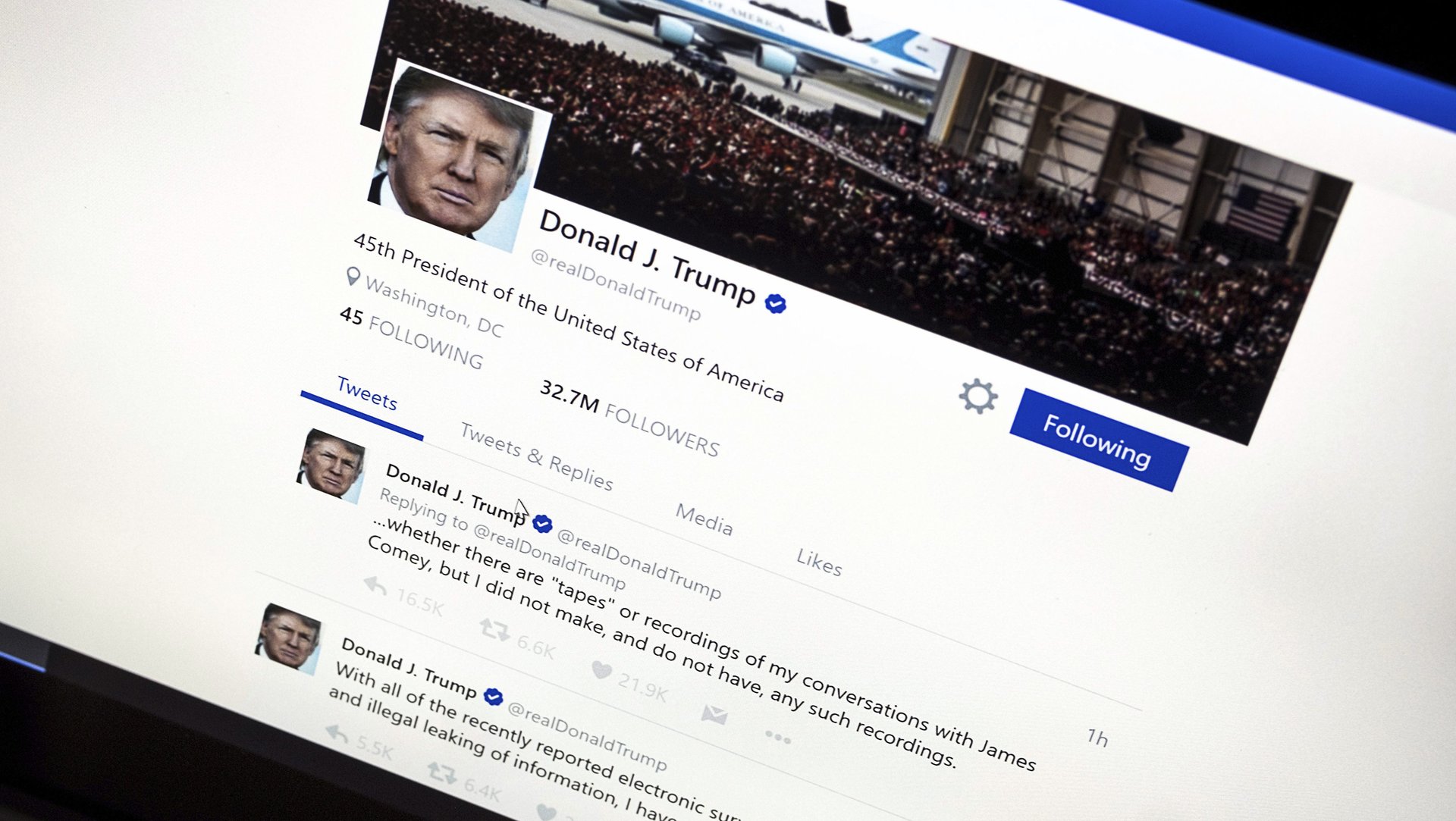
It’s no secret that US president Donald Trump is addicted to two media sources: Fox News and Twitter. Now the Washington Post’s Philip Bump has created a Twitter account, @trumps_feed, which follows the same 45 accounts that @realDonaldTrump does, and retweets them all, essentially recreating what the president sees when he opens Twitter up.

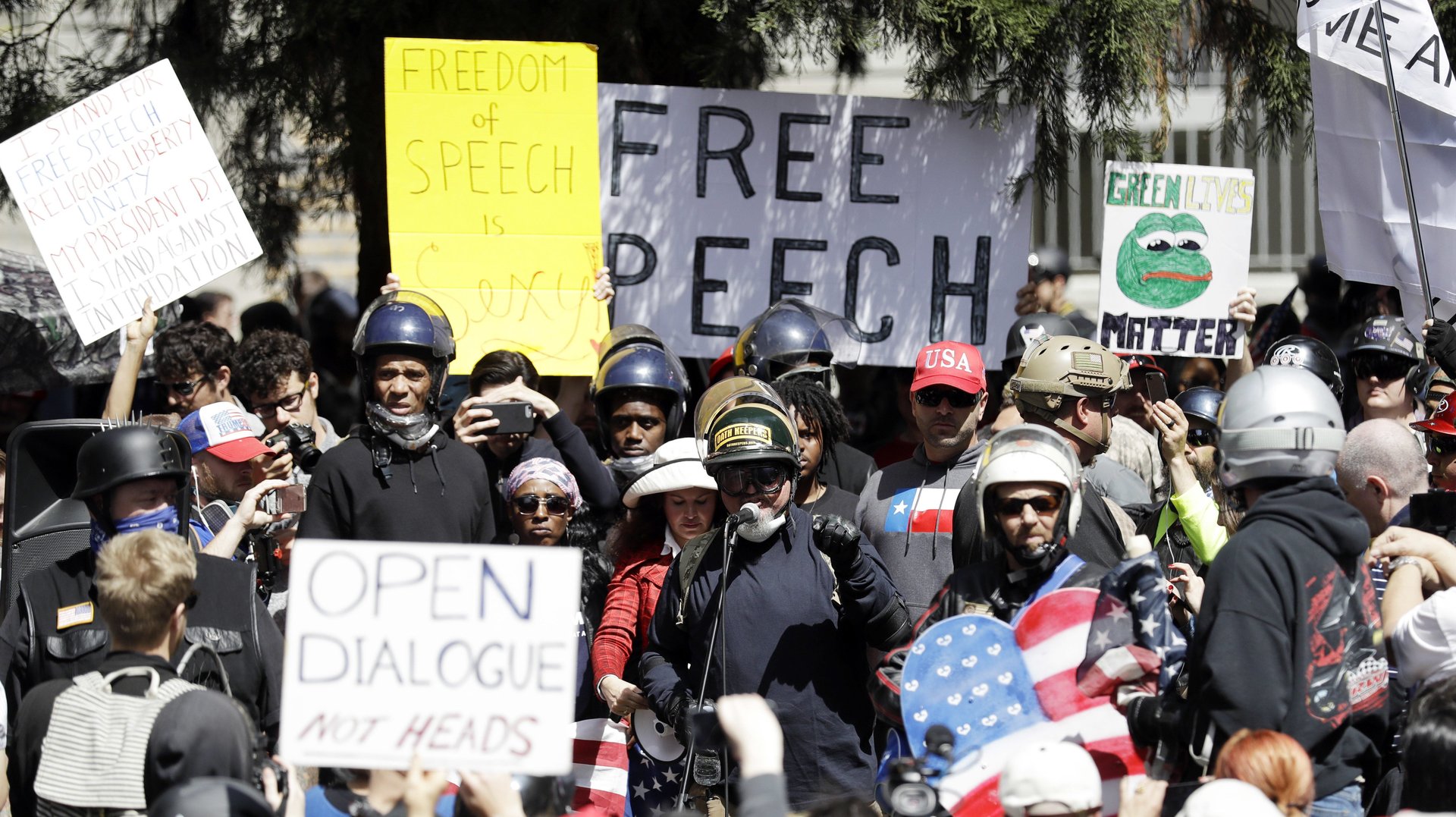
“The denial of first amendment rights…led to the political violence that we saw yesterday.” That was how Jason Kessler, who organized last weekend’s far-right rally in Charlottesville, Virginia, explained the actions of an extremist who rammed his car into a crowd of counter-protesters, killing one of them. Like many on the far right, Kessler was claiming that displays of hate needed to be protected as free speech—or else.

According to the internet axiom known as Godwin’s law, ”As an online discussion grows longer, the probability of a comparison involving Hitler” will enter the conversation. The point of Godwin’s law is to highlight the absurdity (and often, the offensiveness) of invoking Nazis in a debate about, say, the rules of Monopoly.

This item has been updated.

In the wake of the white supremacist violence that erupted in Charlottesville, Virginia on Saturday, Aug. 12, a lot of Americans are trying to figure out what they can do to stand up to racism and bigotry. Now an open-source Google document—currently running 11 pages—is available for anyone trying to figure out where to start.

After Donald Trump failed to condemn a white supremacist attack on pedestrians in Charlottesville, Virginia, over the weekend, his supporters are beginning to distance themselves. Kenneth Frazier, CEO of pharmaceutical company Merck, resigned from the US president’s manufacturing council today.

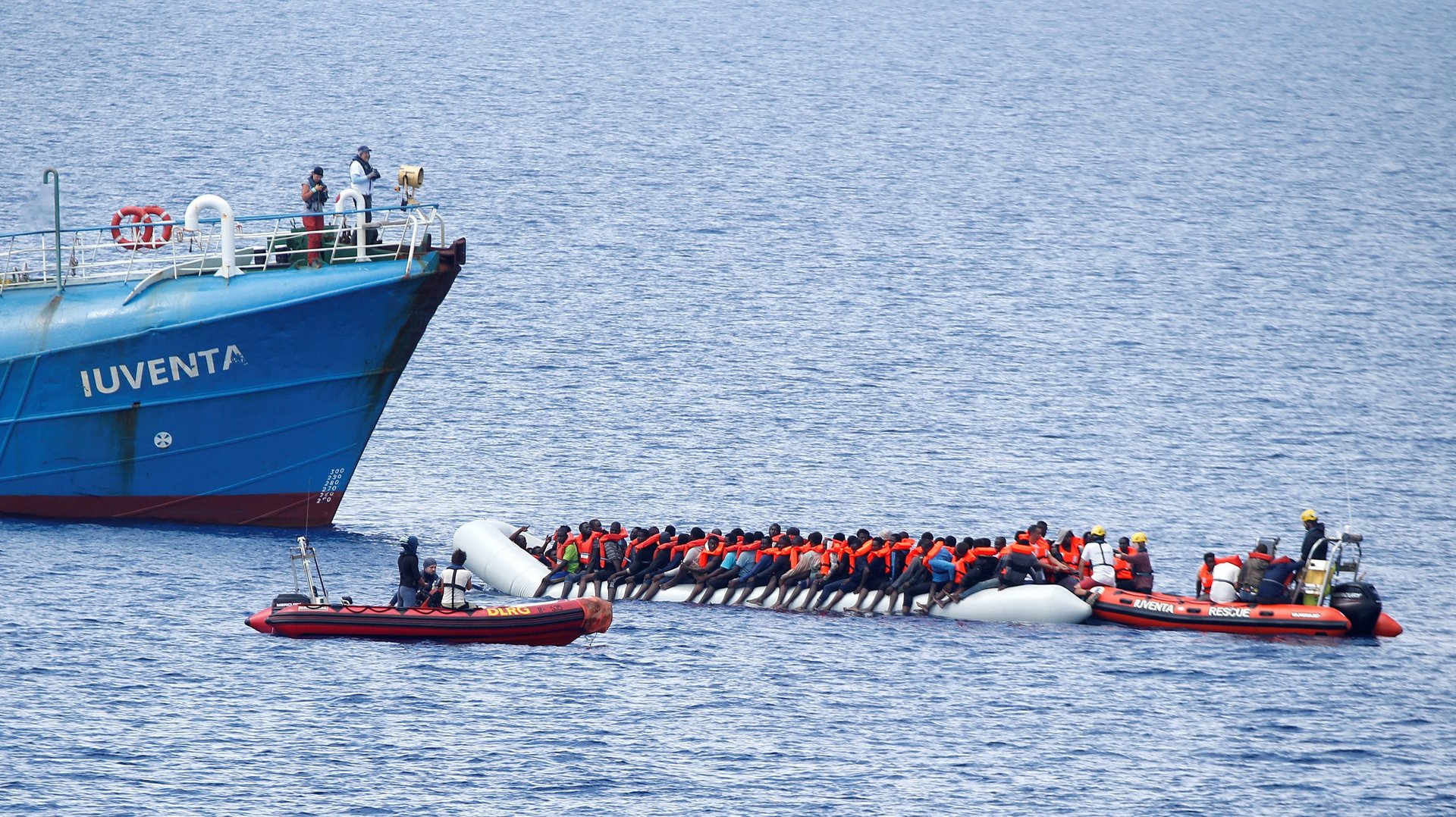
Doctors without Borders (Médecins Sans Frontières, or MSF) is suspending activities in the Mediterranean because of “threatening behavior by the Libyan coastguard,” according to Loris De Filippi, who heads the organization in Italy. MSF is the largest NGO involved in search and rescue operations in the area.

In anticipation of today’s chaotic “Unite the Right” rally in Charlottesville, representatives of various radical right organizations did what most travelers do these days: They booked a place on Airbnb.