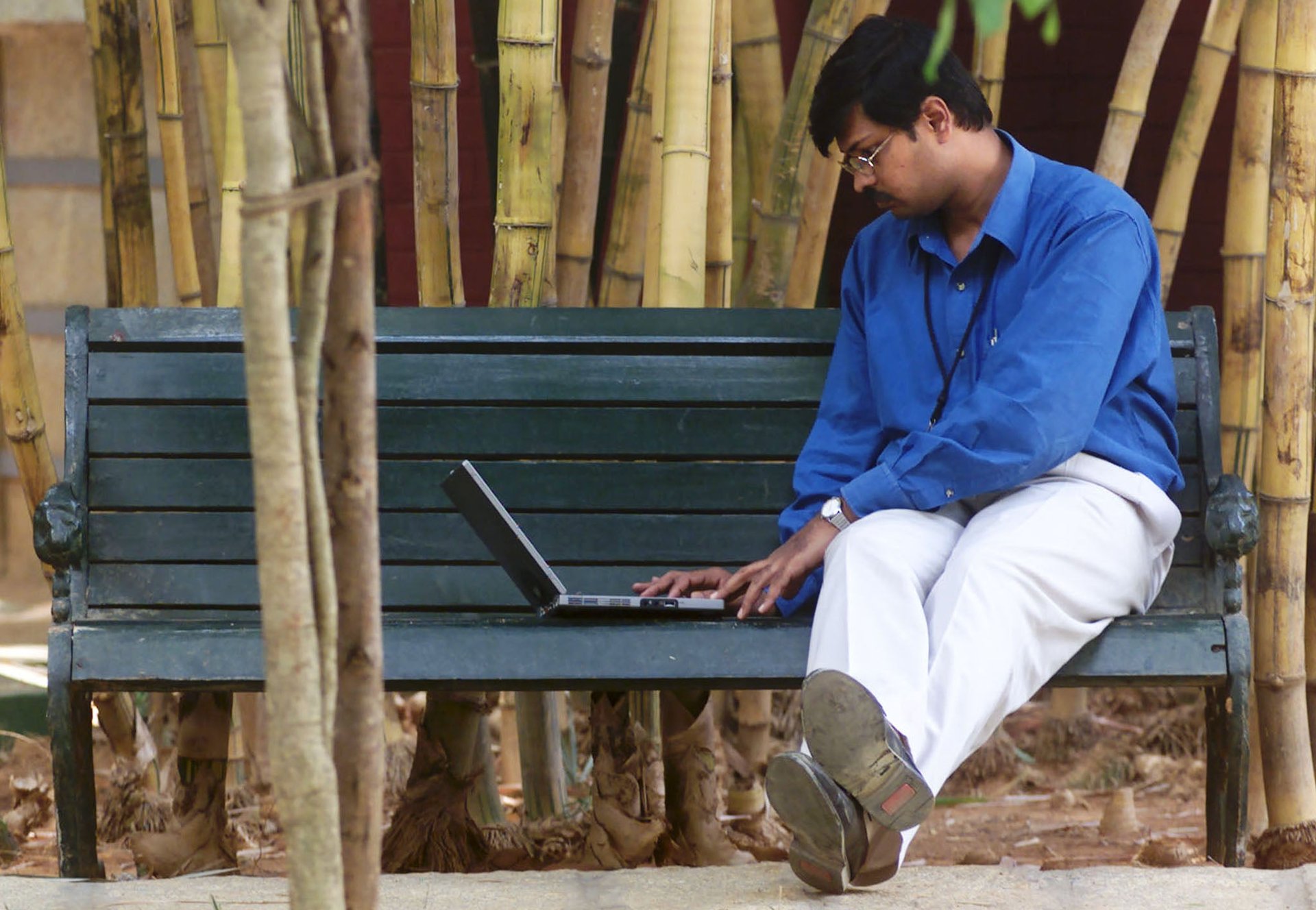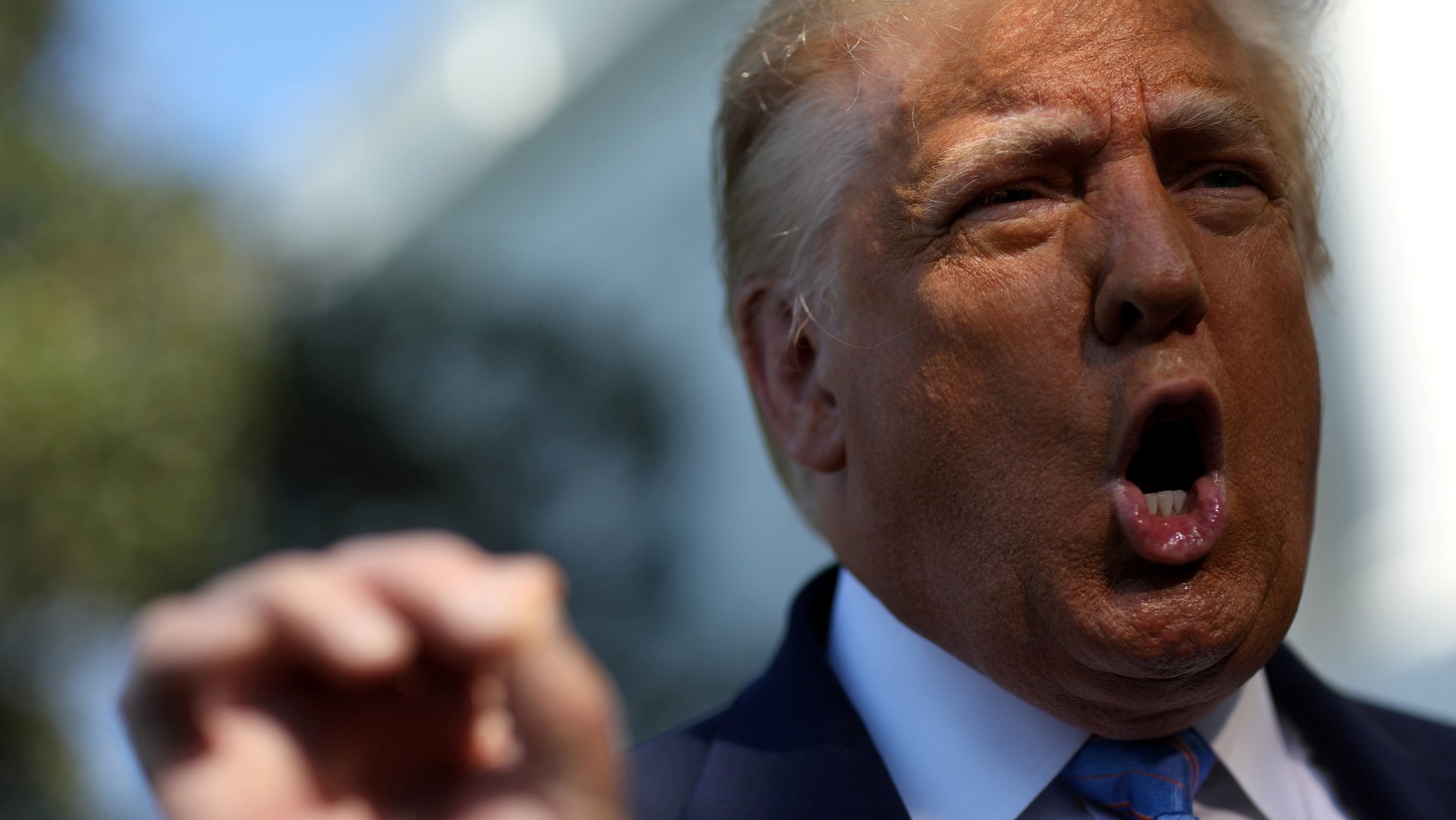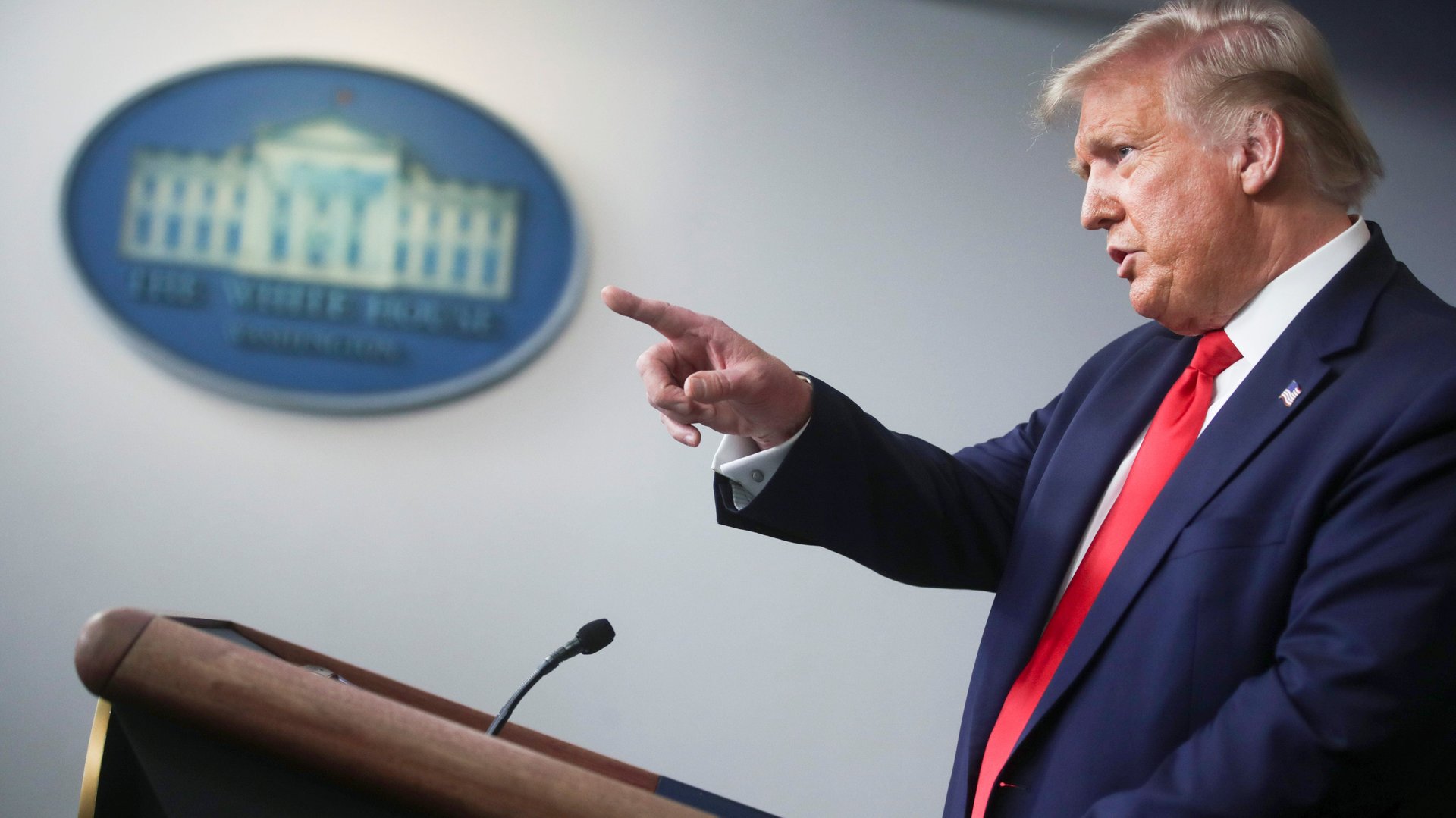
The Donald Trump administration has been cracking down on the coveted H-1B work visa by portraying that immigrants steal American jobs. New research, however, debunks that perception.

The Donald Trump administration has been cracking down on the coveted H-1B work visa by portraying that immigrants steal American jobs. New research, however, debunks that perception.

This post has been updated.

Despite a host of Indian options, American companies are winning the video streaming war in India.

Covid-19 has been a tailwind for India’s burgeoning ed-tech sector—and acquisitions are proof.

Top engineering colleges in India, which start holding in-person entrance exams today (Sept. 1) for millions of aspirants despite the pandemic, are going all out to ensure their existing students learn from home.

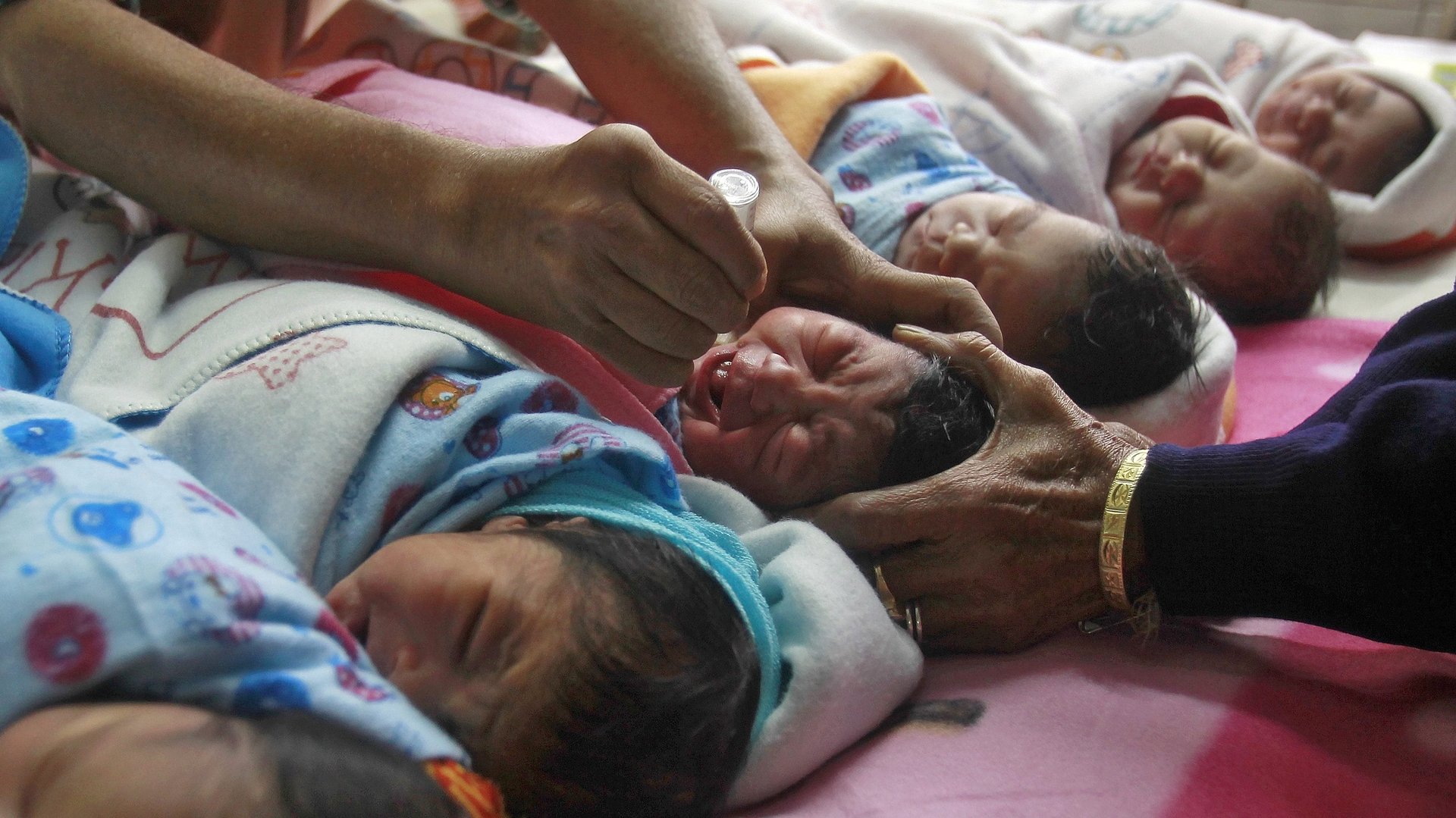
Routine vaccination has helped more Indian children pursue schooling.

Silicon Valley’s hunger for H-1B talent may routinely make headlines, but tech isn’t doling out the biggest paycheques for those on the long-term work visa—medicine is.

The race to replace TikTok in India just got fiercer.

American companies are so dependent on the talent that comes to the US on H-1B visas that they’re willing to pay top dollar for them.

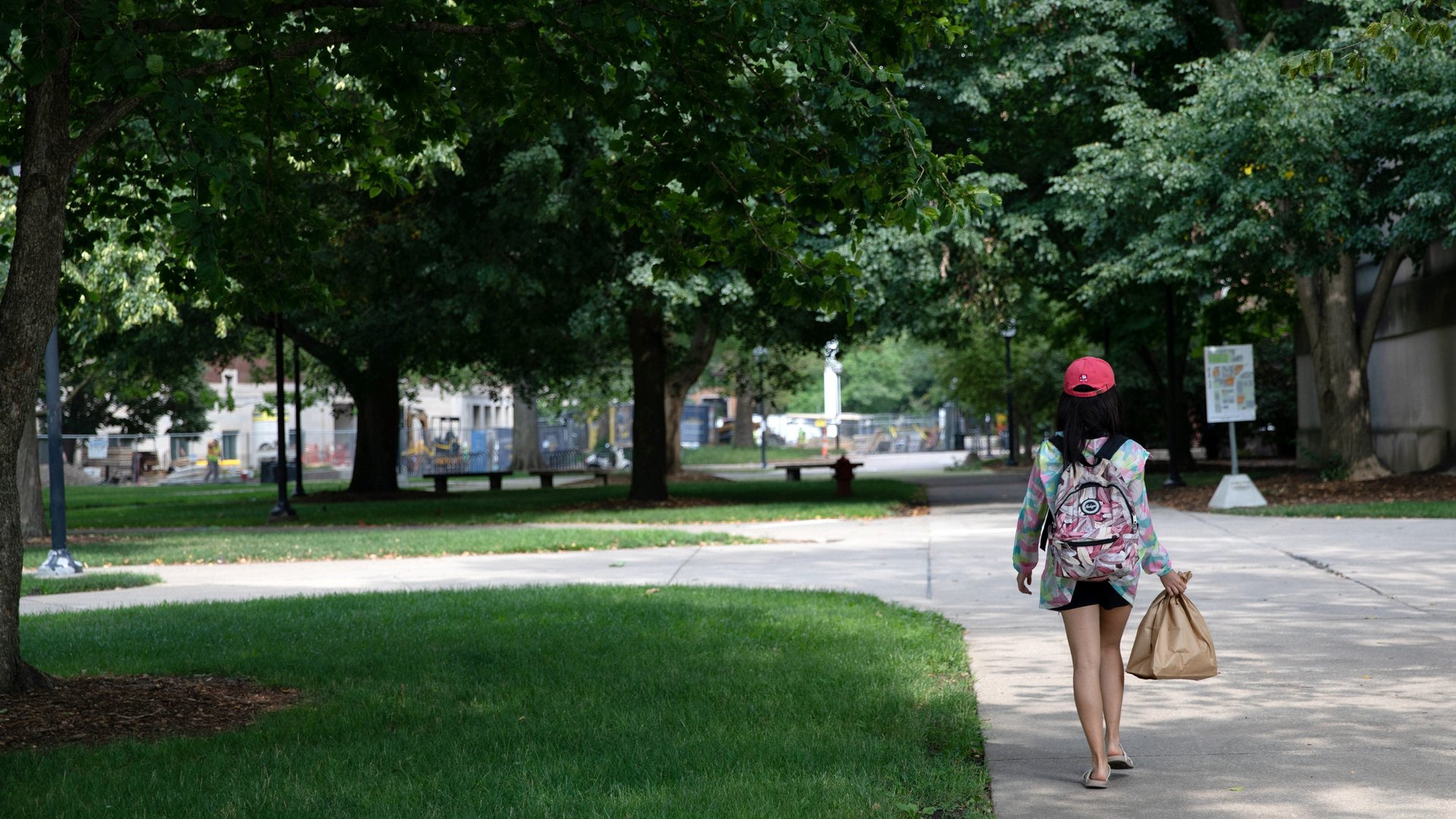
The US has long benefitted from welcoming international students to its campuses. In exchange for receiving world-class education and often some work experience, students engage with American culture, contribute billions of dollars to the economy, and create strong connections with their US peers. When it works, the system can be a powerful form of soft diplomacy for the country.

It’s been nearly two months since TikTok was banned in India but the Chinese short-video app’s Indian copycats are still far from really replacing it.

E-commerce may have plunged into a coma of sorts when India’s coronavirus lockdown started at the end of March, but five months later it’s back with a bang.

In mid-July, the Donald Trump administration walked back its student visa curb after intense backlash. Less than a month later, it is demystifying its controversial H-1B visa suspension.

Indian professionals are split between making peace with pay cuts and demanding pay raises in this year of crisis.

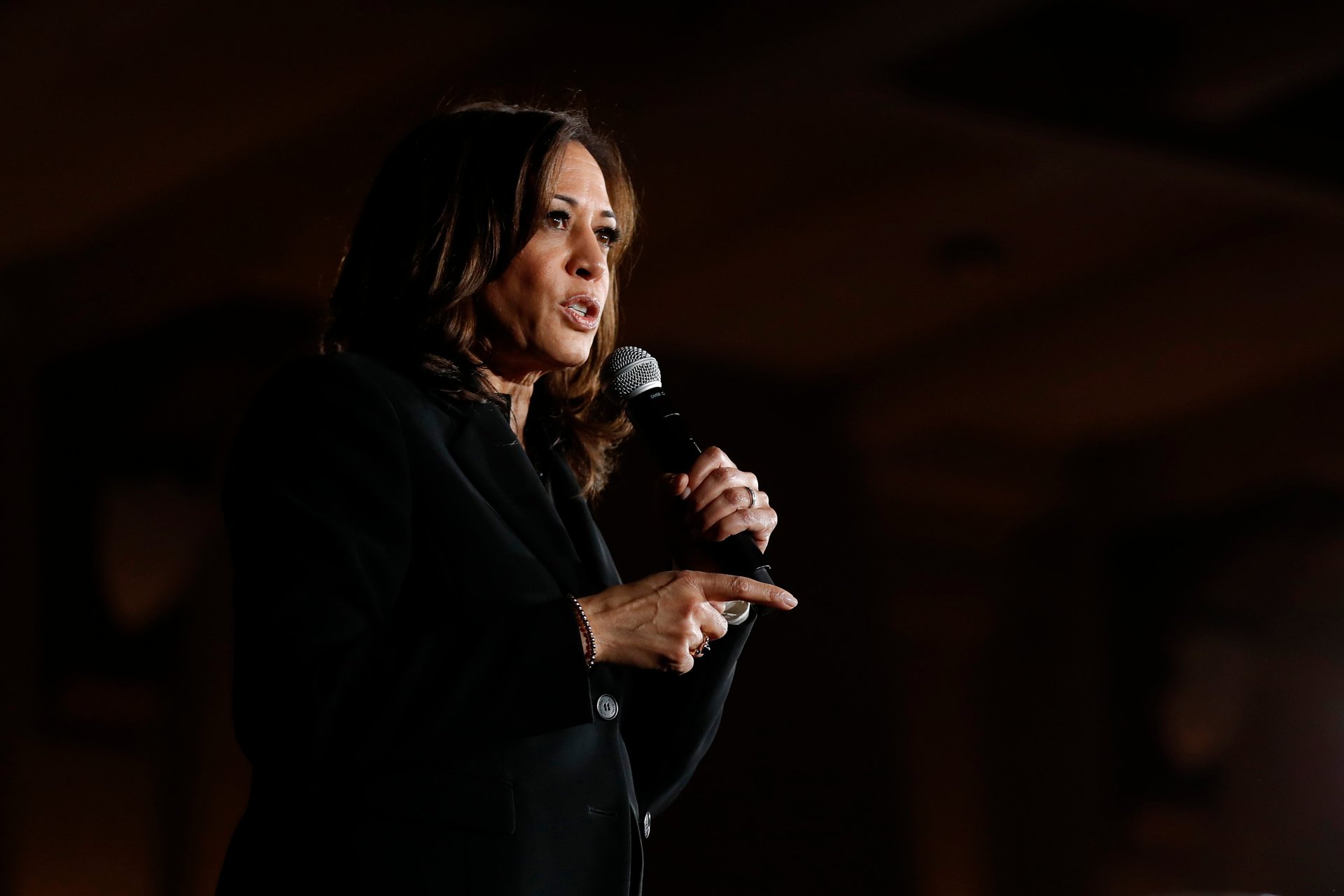
In picking US senator Kamala Devi Harris to be his vice-presidential candidate, Democratic presidential candidate Joe Biden may have hit many of US president Donald Trump’s nerves.

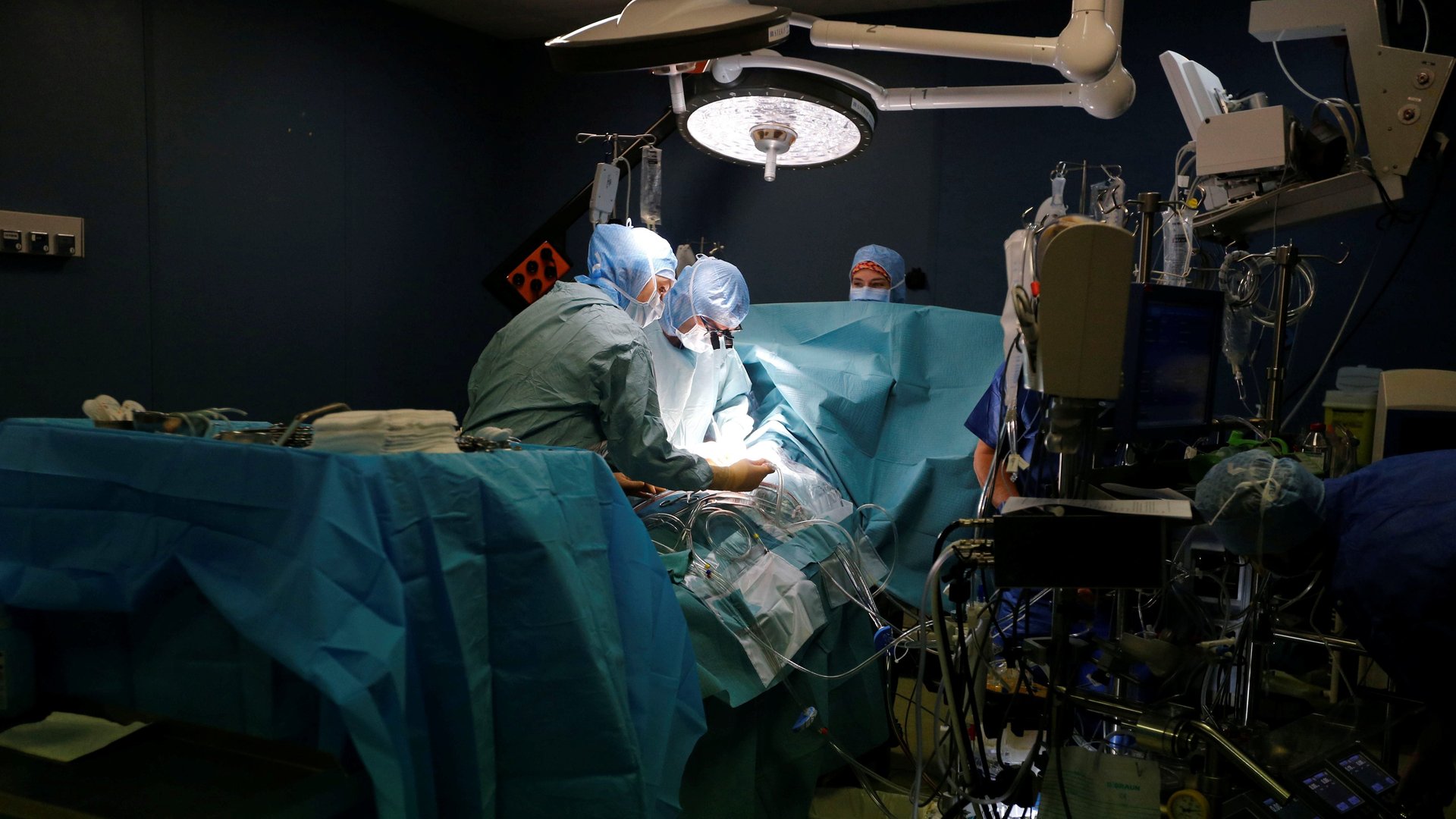
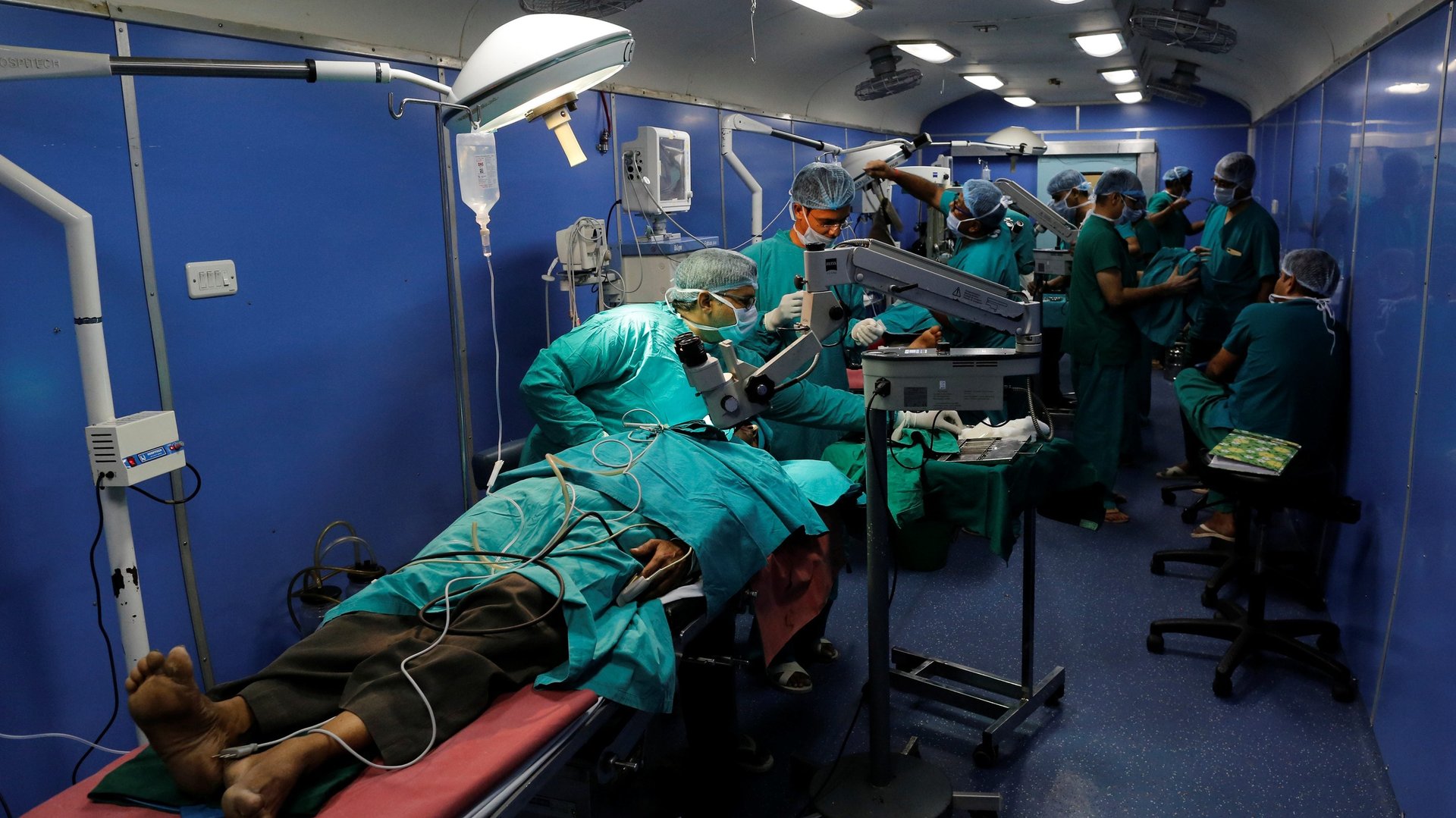
On March 22, the Indian government issued an advisory directing hospitals and medical institutions to postpone non-essential elective surgeries to free up resources to deal with Covid-19. By the end of May, an estimated half a million elective surgeries in the country had been postponed.

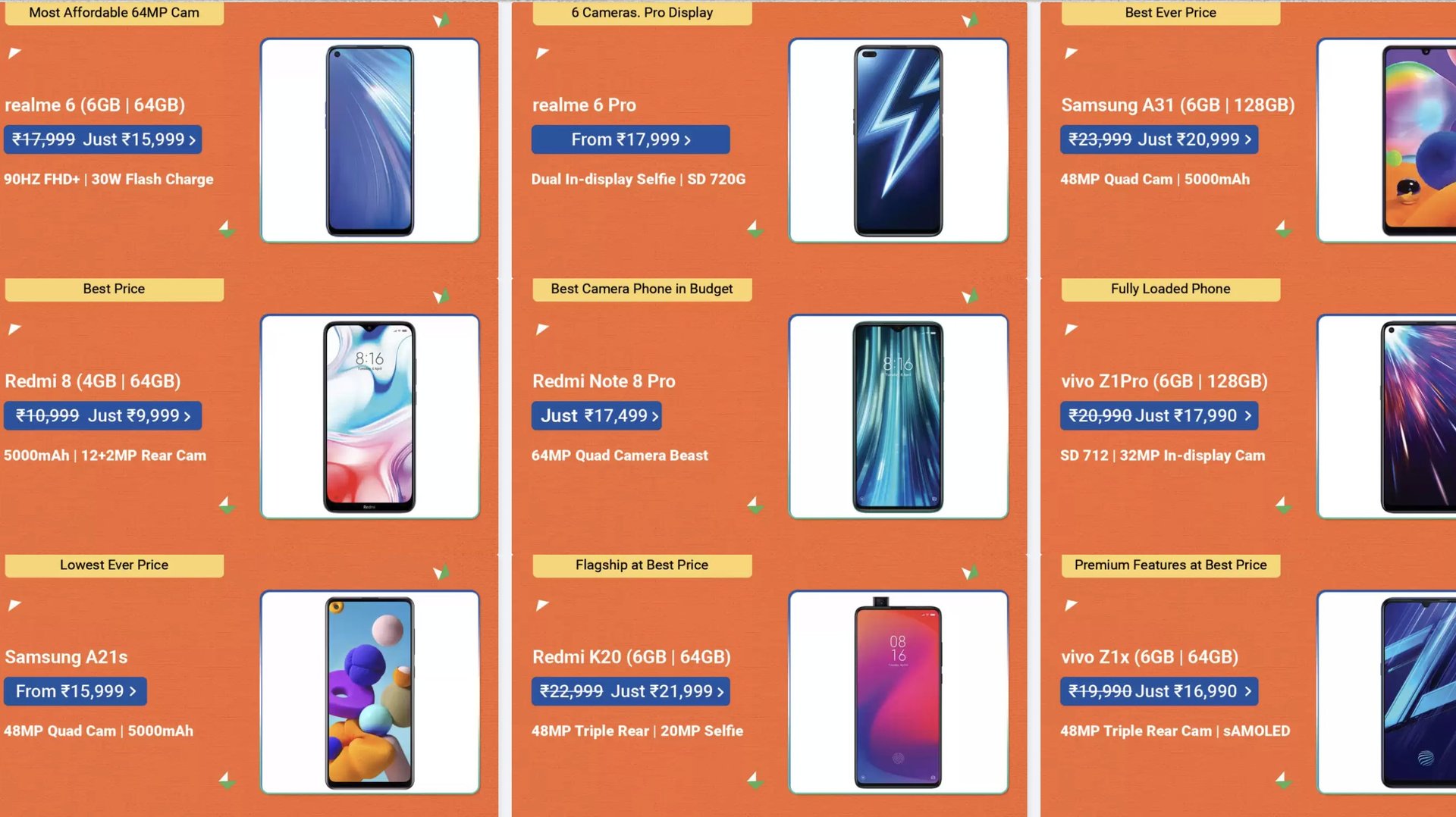
After months of protests against buying made in China products, India’s online festive season sales kicked off today (Aug. 6) with a host of Chinese smartphone launches.

Khyati came to the US seven years ago as an 18-year-old college student and stayed on after landing a job at one of the big four consulting firms in New York. But in June, during a visit to Mumbai that stretched into months because of a coronavirus lockdown, she began hearing rumours that she might soon be shut out of the US permanently because of a ban on H-1B visa workers.

It’s an election year in the US, and Donald Trump is playing to the gallery—perhaps at the cost of America’s long-term health.

The allegations against big tech in the US antitrust hearings this week had a feeling of déjà vu for India.

India’s healthcare system has spiralled into total chaos following the Covid-19 outbreak.

Indian IT bigwigs have shed people in thousands in the last three months.

Thirty-eight-year-old Amey first went to America to study at Carnegie Mellon University in 2006. Both he and his wife, who works at one of the world’s top biotech companies, are on the H-1B, a non-immigrant visa allowing foreigners to live and work in the US. One of Amey’s previous employers applied for his green card in 2011. Almost a decade later, a green card still eludes him.

On March 25, India went into a Covid-19 lockdown. On March 30, I walked for 20 minutes to the nearest Foodhall supermarket, where I stood in line for my turn anxiously for 35 minutes, as many fellow-customers violated social distancing norms. Once inside the store, it took me just 10 minutes to pick up all the groceries I needed, and then I walked back for 20 minutes under the scorching sun with three heavy bags.