We’ve explored some reasons why the Chinese might be inclined to embrace Bitcoin. But there may be a new one: Song Hongbin, an influential Chinese pseudo-economist with 1.6 million Sina Weibo followers is now singing the virtual currency’s praises.

We’ve explored some reasons why the Chinese might be inclined to embrace Bitcoin. But there may be a new one: Song Hongbin, an influential Chinese pseudo-economist with 1.6 million Sina Weibo followers is now singing the virtual currency’s praises.

The fast-food industry has a millennial problem. The latest example of this industry’s struggle to figure out how to attract (and keep) millennials’ attention is KFC’s new “original recipe boneless” chicken—a menu item that KFC has, rather tellingly, decided to peg as “revolutionary.”

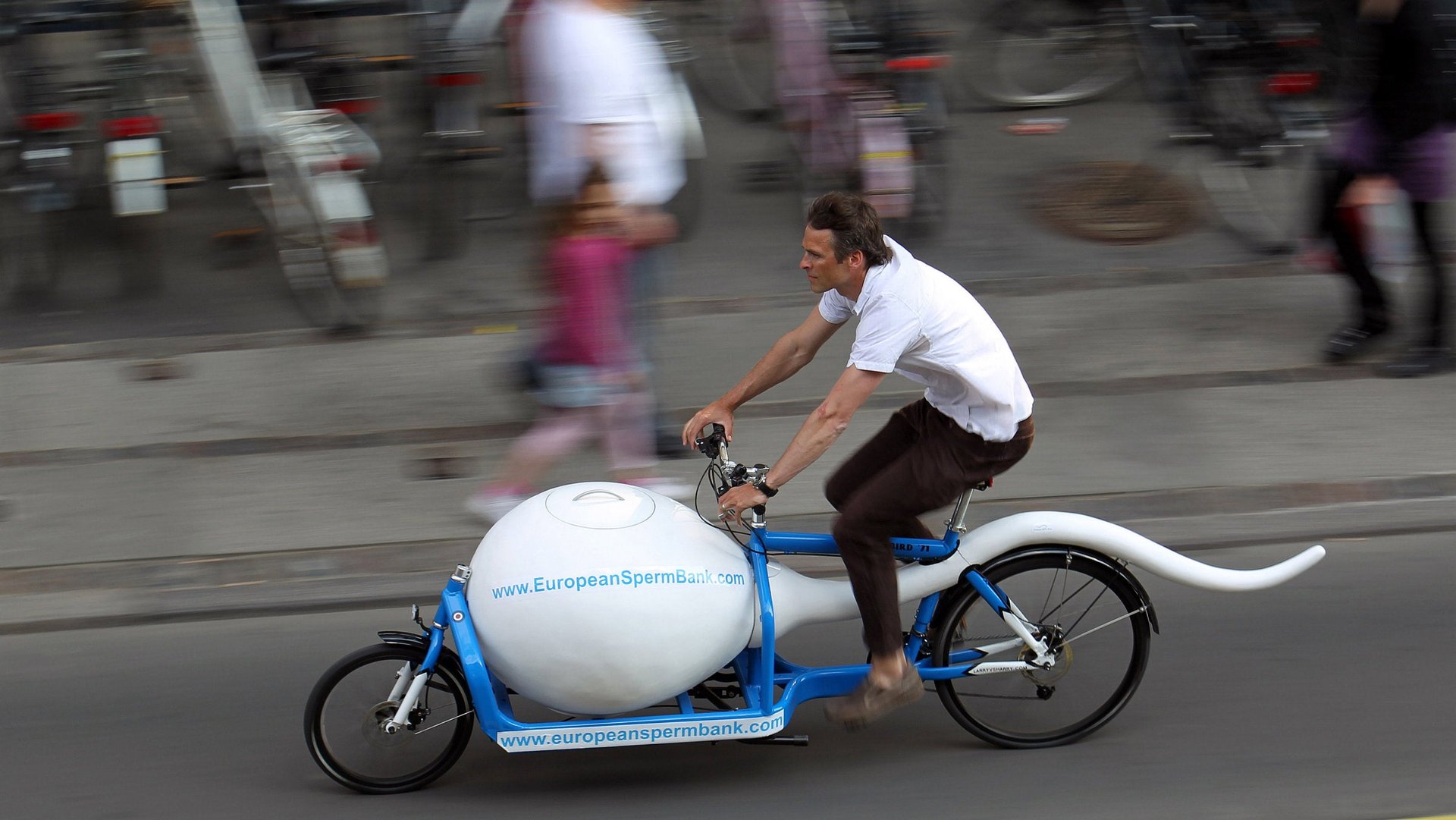
“Women, consider freezing your eggs,” blared a recent headline on CNN’s website. In the piece, Yale anthropology professor Maria C. Inhorn advises women that freezing their eggs before they turn 30 will enable them to eventually “rewind the biological clock,” giving them more room to choose when they have children, instead of feeling forced to give birth before the inevitable fertility decline. Those are all valid arguments, but if you agree with Inhorn, then you shouldn’t limit yourself to solely advocating for egg cryopreservation (freezing)—you should be telling men to freeze their sperm, too.

If driverless cars have taught us anything, it’s that we are all very bad drivers. In a world of robocars, scientists predict that driving will be a much safer and more efficient way of getting around due to a dramatic reduction in traffic jams, Sunday drivers and road rage. But more than how we get around, driverless cars will change the way our cities are built.

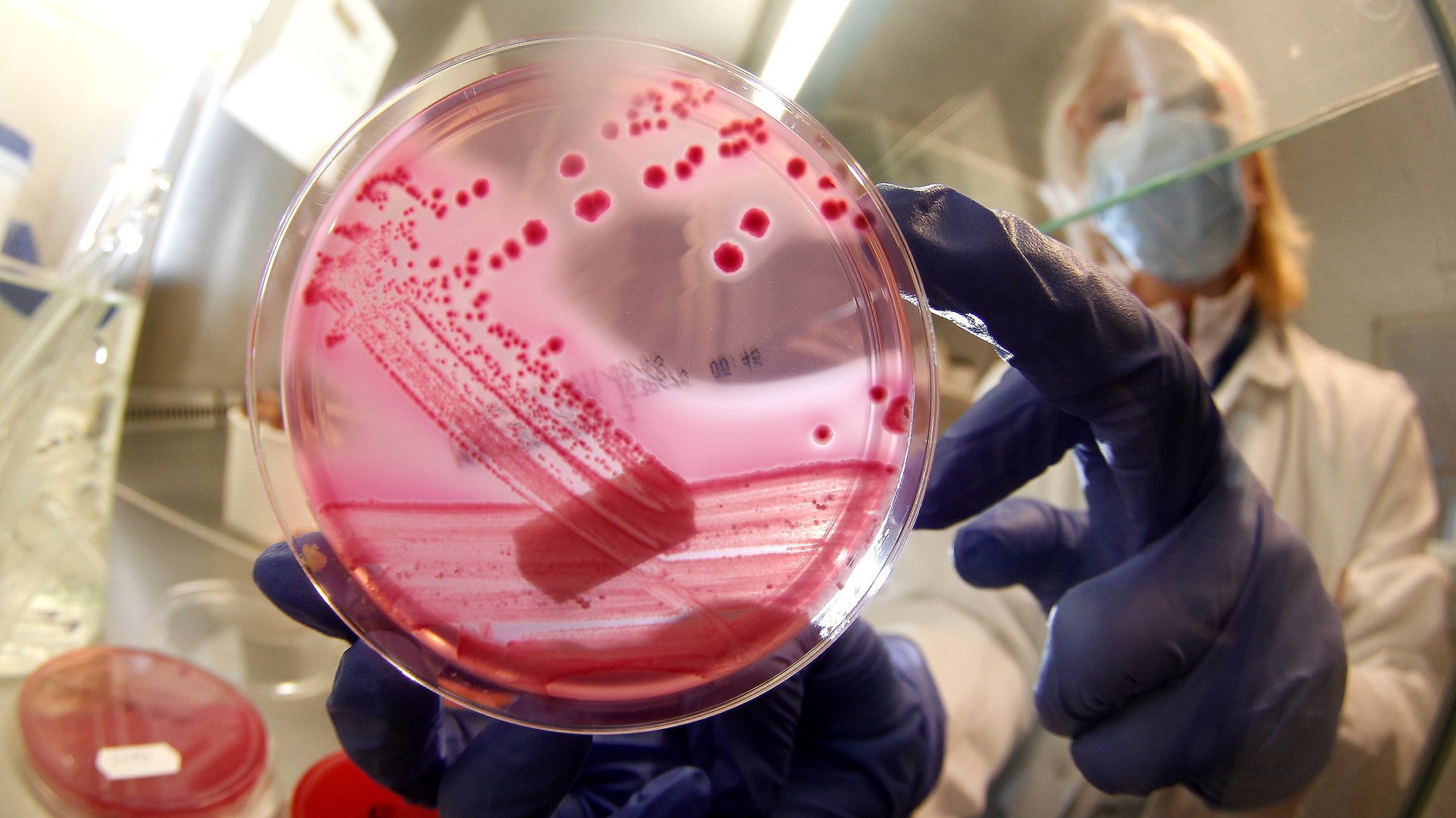
Many of us like to think that we “live off” of caffeine, but our caffeine-addicted culture just doesn’t compare to the bacterial cultures growing in Texas laboratories, where scientists from the University of Texas and the University of Iowa have created synthetic bacteria that need caffeine to live and reproduce.

Overnight, the Canadian Province of British Columbia altered the relationship status of more than 160,000 couples from “common-law” to “married”—from a legal standpoint anyway. Under the new Family Law Act, reports the National Post, unmarried couples that have been living together for more than two years or that have a child together and then decide to break up can now file for what is essentially a full-blown divorce—one that includes a 50/50 split of debts and assets.

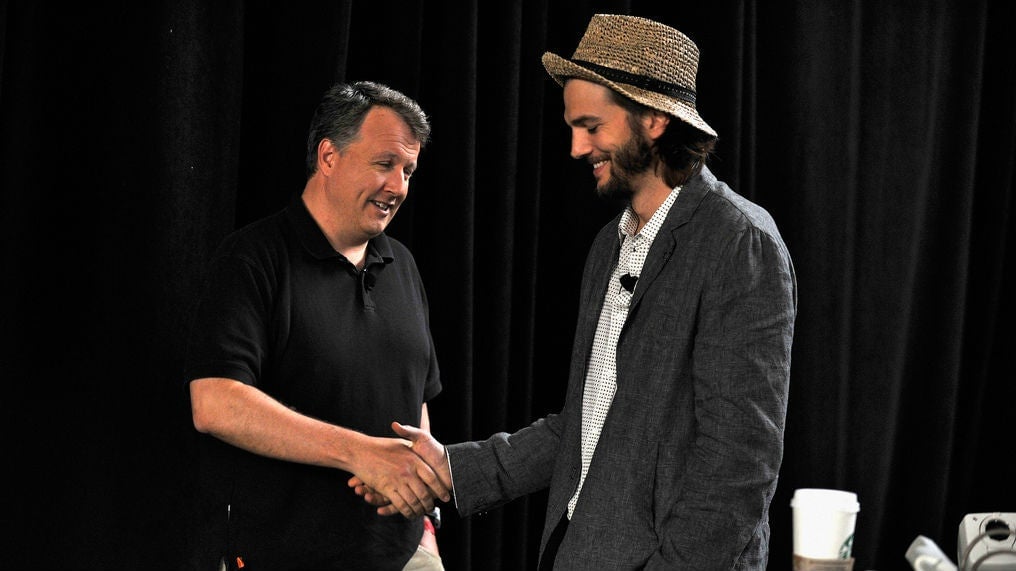
In Silicon Valley, getting things done quickly is crucial. In the time it takes to get contracts drafted and papers signed, your funding could fall through along with your investment. So most deals in the high-tech hub start out with a low-tech handshake. This is meant to satisfy all parties involved until lawyers sign off and checks clear. But in a world where old pros are a dime a dozen and most investors are “newbies,” it’s not surprising that many of these handshake deals fall through — why honor a handshake with someone you barely know?

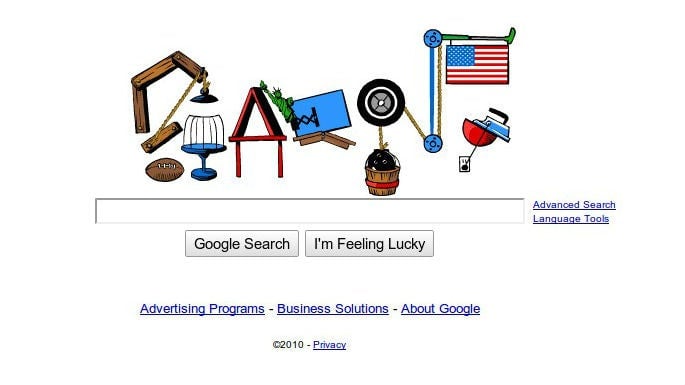
With Google Reader’s impending demise driving journalists, geeks and Iranians just a little bit crazy, it’s worth noting that Google has many other, much more obscure products that it still offers.

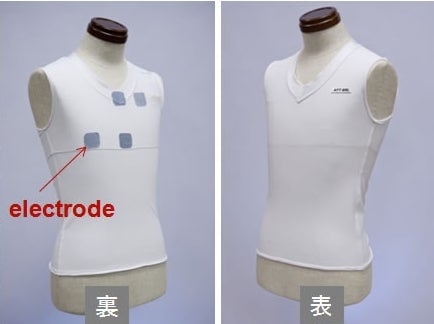
An electrocardiogram typically combines sticky, rash-inducing electrodes, ice-cold gels and tons of wires—an all-around uncomfortable experience. Researchers at the Japanese Nippon Telegraph and Telephone Corporation may have a way to make this routine medical test as easy as putting on a shirt: They have invented the world’s first washable, wearable electrodes.

European researchers have developed a sensor that can determine if your food is still good to eat or should be thrown in the trash—regardless of what the expiration date says.

A recent story by Caixin Magazine about a Chinese government crackdown on two “public relations” firms brought a couple of things to light: that the government no longer has a monopoly on media censorship—and that it’s actually a really good business.

What does entering adulthood in the midst of a profound economic crisis do to a person?

If asteroid 2012 DA14, the 150-foot (45-meter) cosmic rock heading our way, were to hit Earth today, the destruction and the resulting economic impact would be devastating. Thankfully, the asteroid will be “grazing” our planet at a distance of 17,200 miles (27,700 km). But what if we weren’t so lucky? Earth has essentially no asteroid defense system at the moment, but that can be fixed.

Religious authorities in Malaysia are running a campaign against Valentine’s Day, targeting young Muslim couples. Slate France reports that 300 protesters, age 19 to 25, are distributing flyers to loving pairs at the bottom of the Petronas Towers in Kuala Lumpur today.

MIT researchers are giving 10,000 Asian students $100 each to invest in the stock market, hoping to prove a theory that, under the right circumstances, social networks can improve financial decisions.

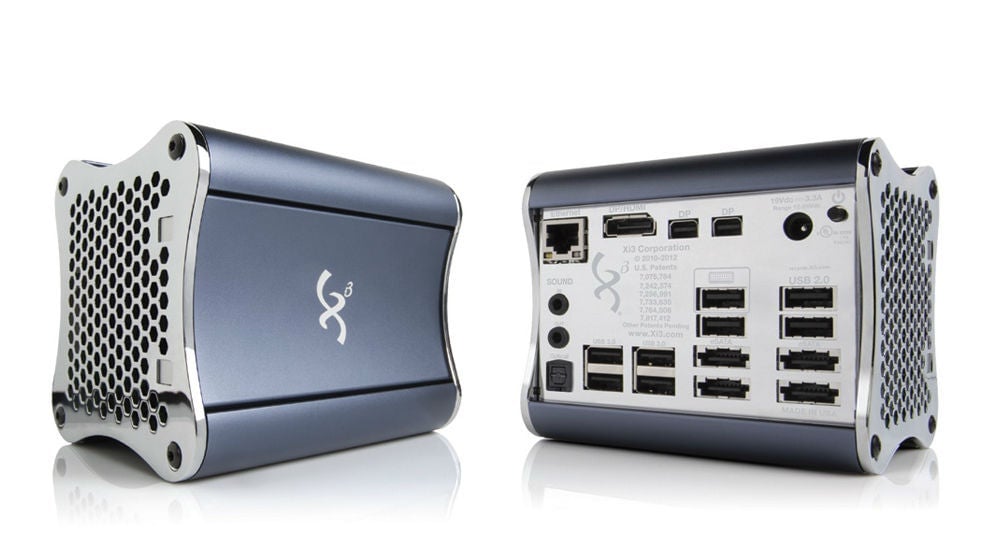
At present, mainstream media consumption breaks along the lines of things we watch and things we play. And most companies think the future will look that way, as well. In that scenario, over-the-air network and cable TV will gradually give way to set-top boxes, while video gaming will develop around for-pay downloading services.

Scientists used two of the world’s largest supercomputers in a study that has determined the impact of high-frequency trading on US stock markets is virtually nothing.

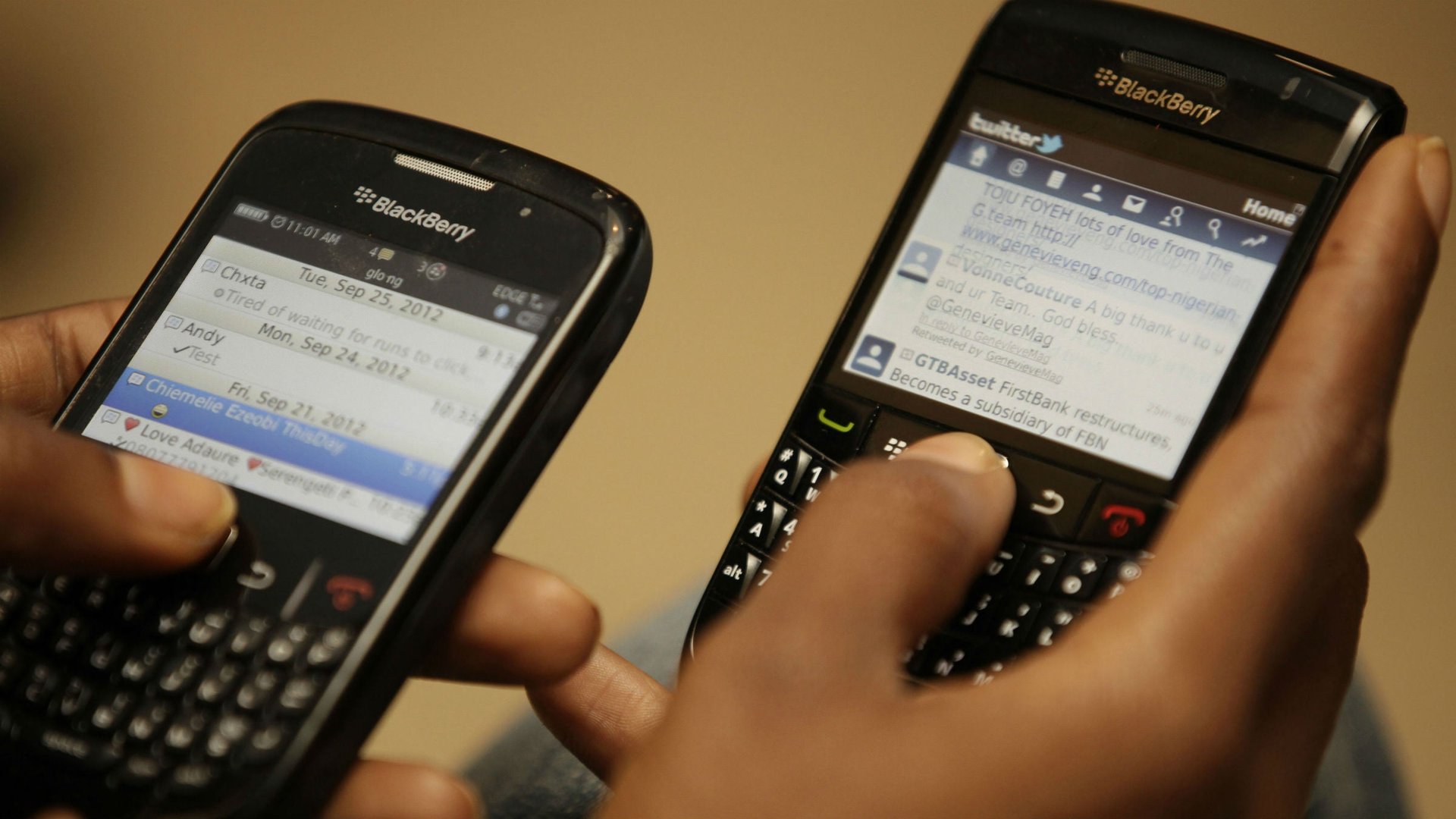
The cheap smartphone is upon us.

When Oprah Winfrey left network television in 2011 to form her own cable channel, OWN, her show was bringing in six million viewers a week. Today, OWN suffers from underwhelming ratings, which led it to lay off about 20% of staff last year.