Almost every commercial flight begins with a member of the cabin crew delivering a spiel to passengers about inflight safety. And yet, for the attendants themselves, the job is particularly dangerous when considering the cancer risks.

Almost every commercial flight begins with a member of the cabin crew delivering a spiel to passengers about inflight safety. And yet, for the attendants themselves, the job is particularly dangerous when considering the cancer risks.

The American food safety system is poised for a big shake-up. This week, president Donald Trump released a plan (pdf) that would bring the nation’s sprawling food safety forces under the watch of a single agency.

People living in rural America are more likely to suffer from obesity than those living in and near cities. And while there are a number of reasons for this, public health experts in the world’s largest economy say there aren’t enough programs being deployed to help people overcome the problem.

It will be considered a win—at least initially—by most of the fledging food technology startups that are looking to bring cell-cultured meat to market.

A gyrating hellscape cast in red: behind big square windows, glassy-eyed droids swivel seductively in a soulless dance to lure warm-blooded patrons into their arms.

Here’s a hot tip for this summer vacation season: Stop. Put the camera down. Don’t take that photo.

A team of English researchers has developed a novel piece of biotechnology that could wind up helping millions get their eyesight back.

It might have been a stowaway, crossing the border hidden inside a live cow from a distant land. Then again, the microscopic interloper—a miniature goblin—might just as easily have sneaked its way into New Zealand for the first time in a vial of frozen bovine semen.

For 20 years a team of researchers watched more than 2,400 Finnish men eat. What they learned gives us a glimpse into some of the long-term health effects of one of today’s most popular dieting fads.

The rate of morbid obesity is expected to skyrocket in Great Britain across the next two decades, doubling from 1.9 million people in 2015 to more than 4 million by 2035. It’s a staggering increase that will challenge public health officials and lawmakers there to take action or risk burdening the healthcare system.

The carbon dioxide humans pump into Earth’s atmosphere is doing more damage to the global food system than once thought. Beyond physically changing weather conditions and the land on which farmers grow crops, new evidence shows excess carbon dioxide is deteriorating the nutritional quality of some food plants.

Food trends will always be a thing. Sometimes they are dictated by economic circumstance or ethical considerations, and sometimes they are shaped by emerging nutrition science that redefine how we think about what we eat.

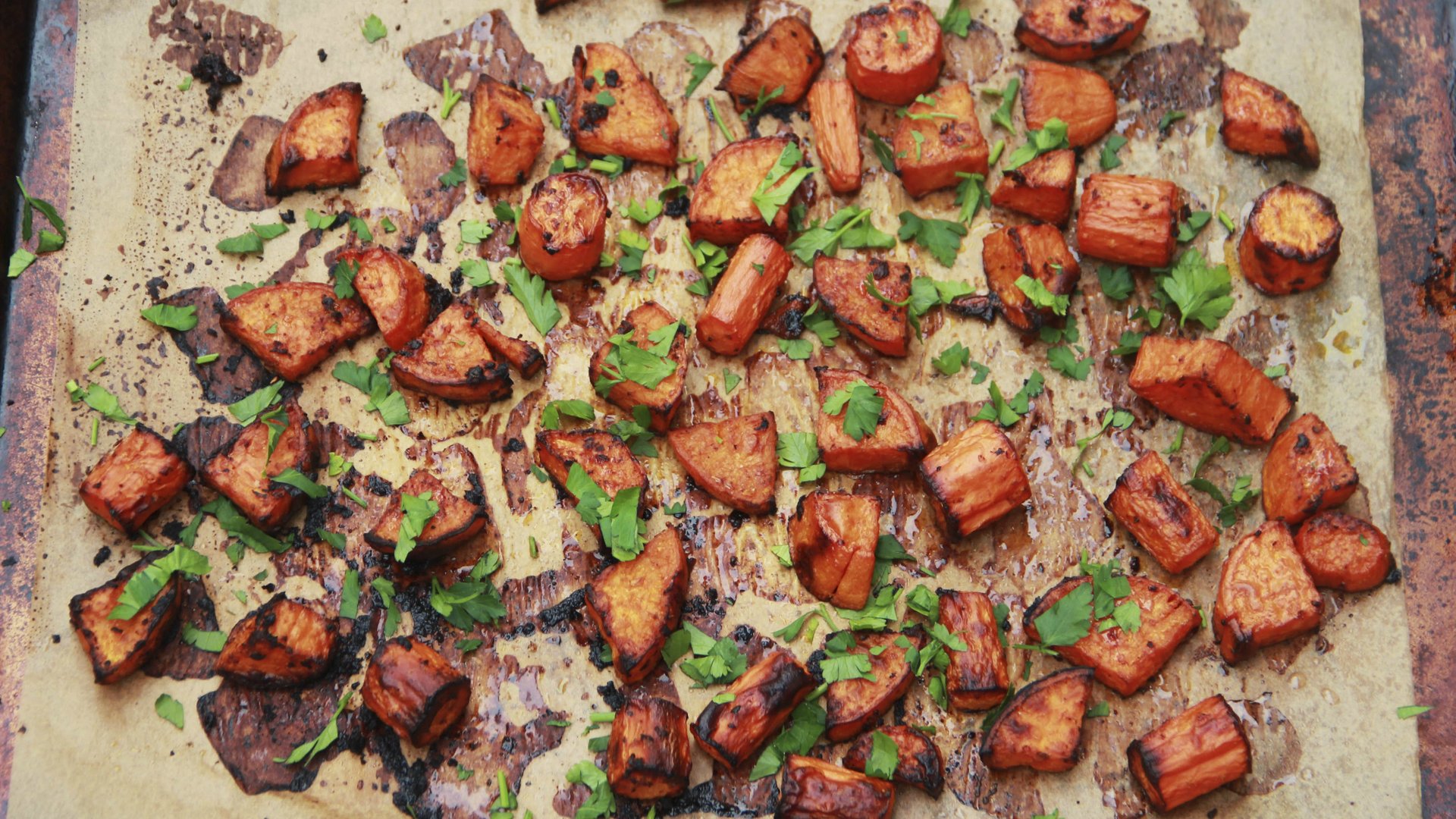
Sweet potatoes have occupied a spot at Thanksgiving dinner tables in the US for more than a century, largely because American history books often cite the root vegetable as one of the country’s native plants. But there’s a good chance the story Americans tell themselves about sweet potatoes is nothing but a myth.

So there’s good news and there’s bad news.

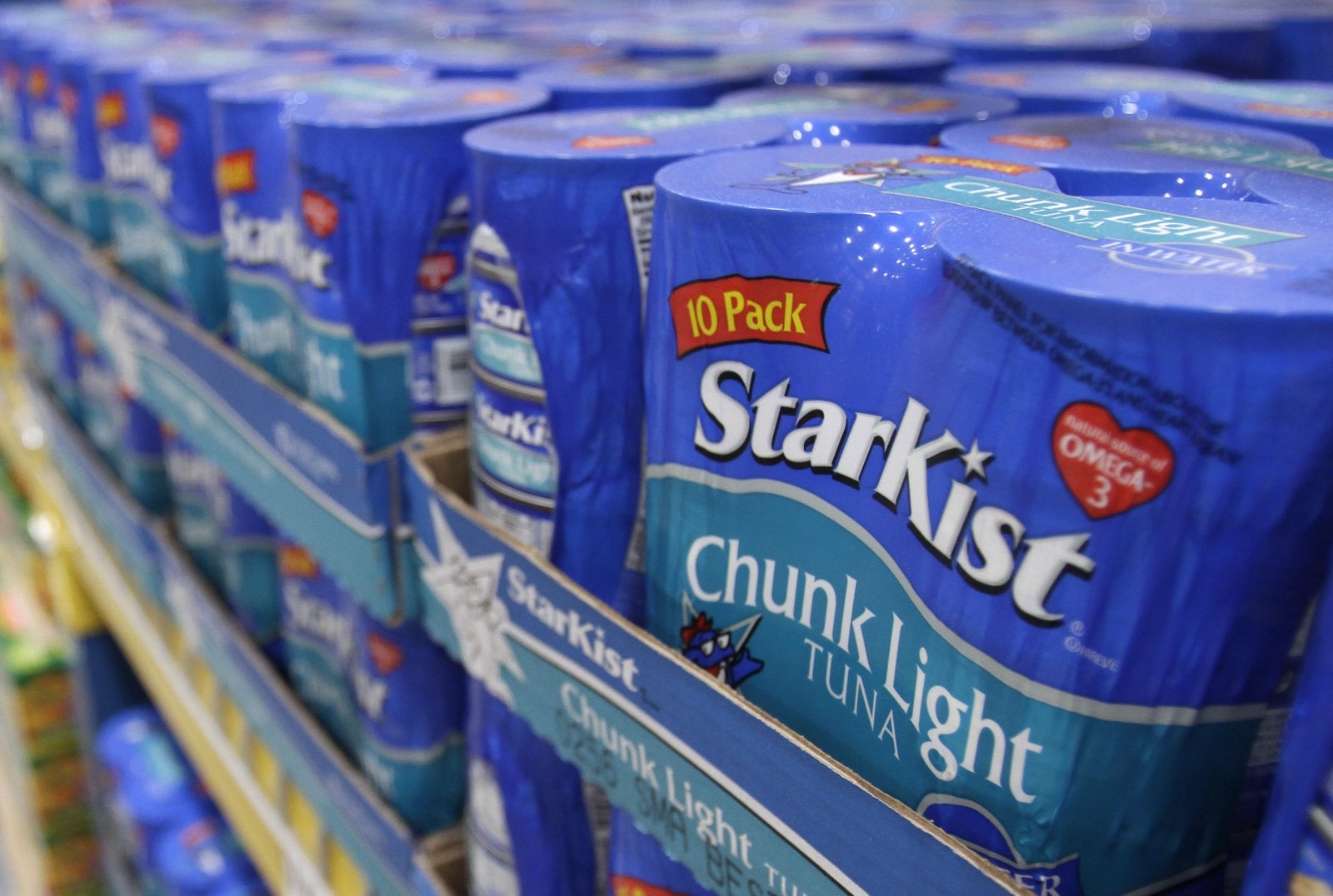
Federal prosecutors in the US are doggedly going after some of the world’s biggest tuna companies in an attempt to nail them for colluding to stifle competition in the canned fish market.

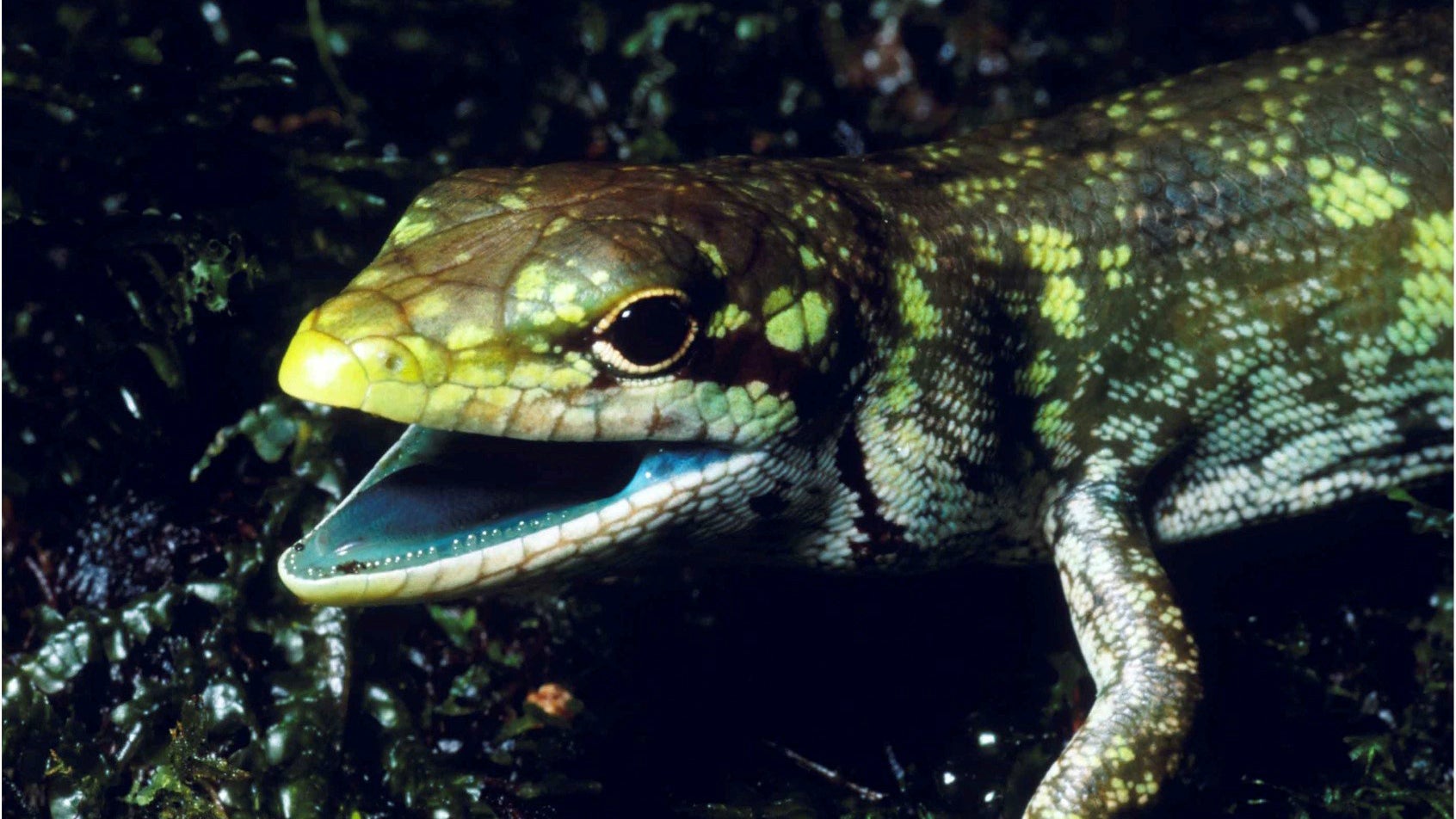
It sounds like the sort of magic reserved for comic books: neon-green blood from a group of geographically isolated lizards could wind up being a key to curing a vicious disease.

Hookah can be addictive, and it isn’t much healthier than cigarettes. But a new study found that the prevalence of hookah-smoking among young Americans is increasing all the same.

American cheddar cheese exports are experiencing a sharp surge this year, increasing 83% in the first few months of 2018 compared to the same period in 2017. Apparently, the world is seeking to get its dairy fix, and turning to the US.

In the recent history of popular nutrition, trans fat has experienced perhaps the most meteoric rise and precipitous fall from grace of anything in our foods. Carbohydrates, sugar, salt, and saturated fats have all gotten a bad rap at some point, but none of them have become true villains in food—not like trans fat has. Today, the World Health Organization announced the latest salvo against trans fats, announcing a plan to eliminate them from foods everywhere within the next five years.

A Congressional subcommittee on US government spending this week voted to advance a bill to the full, 46-member House Agriculture Committee that would give the US Department of Agriculture (USDA) authority to regulate how cell-cultured meat products are labeled and inspected for safety.

Some of the largest predators in the animal kingdom are increasingly being spotted in surprising places. And this is good news.

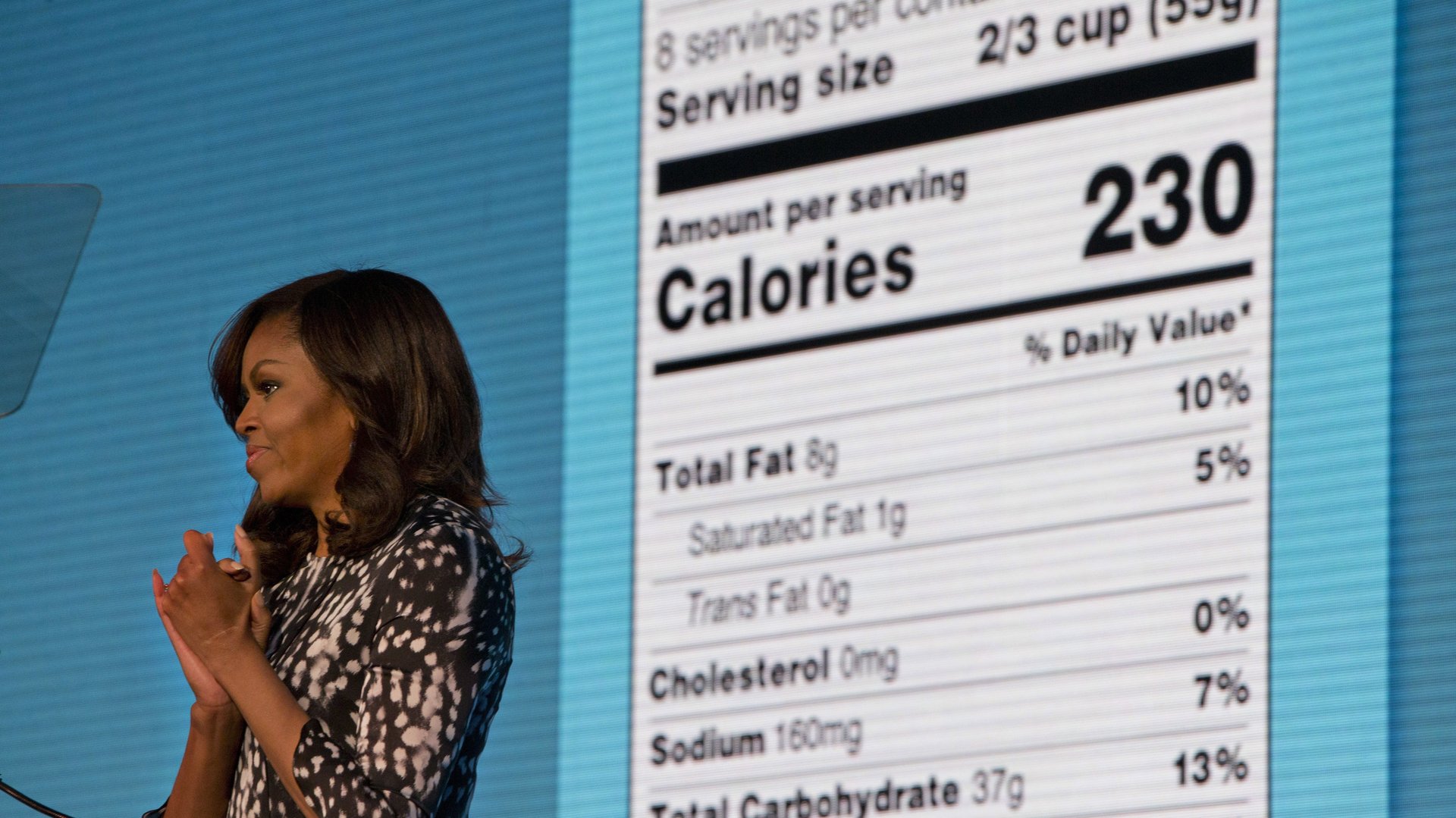
Americans are about to find it very difficult to avoid knowing how many calories they’re consuming every day. That’s because the US Food and Drug Administration (FDA) this week (May 7) decided to move forward with an Obama-era food labeling rule (pdf) that requires restaurants, grocery, and convenience stores with 20 or more locations to post calorie counts for standard menu items.

Astronomers have long hypothesized what will happen once time inevitably snuffs out the sun.

A massive sector of the food economy is grappling with a prickly modern question about a millennia-old product, stretching romantic ideas we have about food being best when it is “traditional,” as humans seek to to innovate it and feed the planet’s growing population.