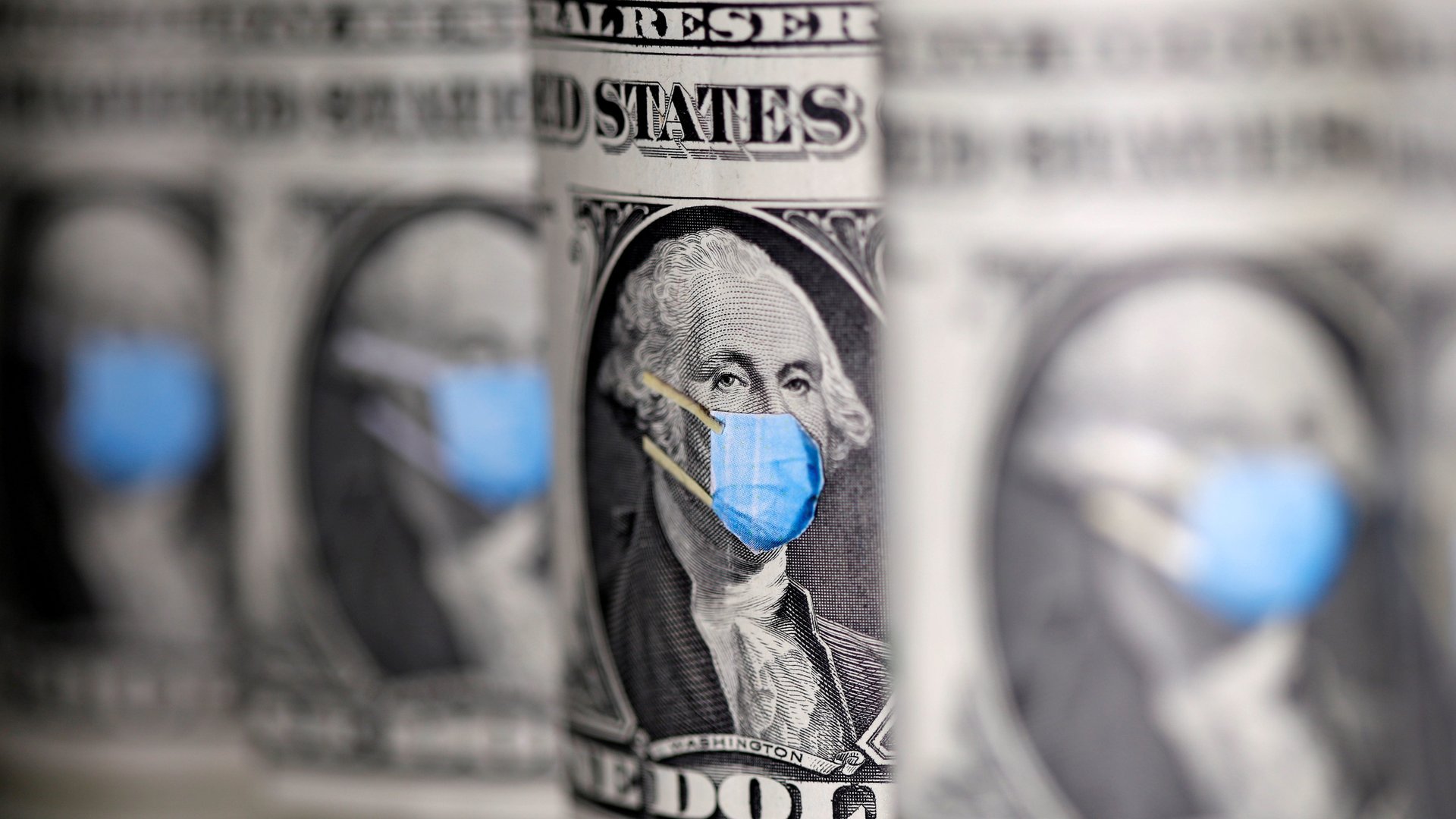
As stocks plunge and the US economy hurtles into recession, at least one thing is on the upswing: Cash. Americans are piling it up in their bank accounts and may be squirreling away some notes under the mattress, too.

As stocks plunge and the US economy hurtles into recession, at least one thing is on the upswing: Cash. Americans are piling it up in their bank accounts and may be squirreling away some notes under the mattress, too.

This morning, when I heard the American singer and songwriter Bill Withers had died of a heart condition at 81, I immediately put on his 1973 concert album Live at Carnegie Hall. It is one of my favorite albums of all time, and a near perfect encapsulation of his work.

Governments around the world are planning to spend and lend trillions of dollars to bolster their economies against the disruption caused by the new coronavirus pandemic. As officials shutter everything from pubs to hotels to slow the spread of Covid-19, the International Monetary Fund is tracking the ways countries are aiming to support their workers and businesses. It is perhaps the best source of information on how the world is responding economically to coronavirus.

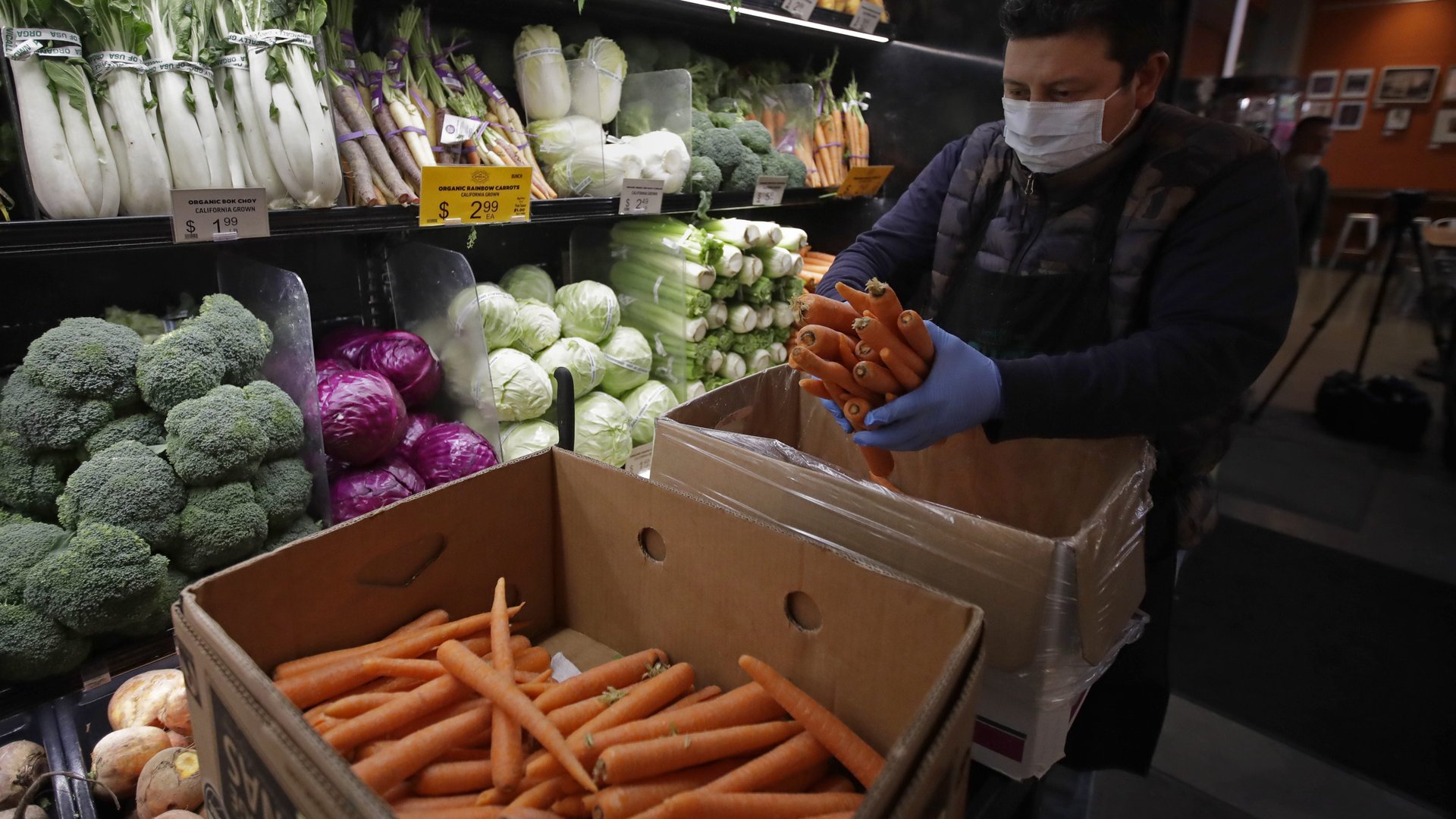
The Supplemental Nutrition Assistance Program (SNAP) will be the US’s unheralded weapon in the coronavirus relief response. After unemployment insurance and the recently-passed $2 trillion coronavirus relief package, the program, formerly known as food stamps, may be the the most important way that the federal government will get resources into the pockets of suffering Americans. In 2018, about 34.5 million US households received $54 billion from the program—an average of $1,600 per family—that can only be used to buy food.

Podcasts are not immune from coronavirus. According to the three different podcast analytics companies, listenership fell during March as an increasing number of Americans stayed at home due to the coronavirus. Without a commute, it seems that it’s harder for some podcasts to find a space in people’s lives, at least among Americans.

In the average week in San Francisco, California, since the start of 2019, there are typically about 260 calls made to 911 about traffic collisions. For the week of March 17-23, there were just 110. It was the fewest number of traffic collision calls over a seven-day period in over 17 years. Economists see this as a sure sign of a struggling economy.

Millions of people in the US are likely to lose their jobs during the next few months, but the pain won’t be spread out evenly. People of color and younger workers are the most at risk of becoming unemployed.

International and domestic travel to US tourist destinations has ground to a halt. The US has implemented bans on travelers who were recently in China or Europe, places that account for the majority of all US travel to the US. Airlines are also slashing US domestic flights because of the declining demand for travel within the country. This decline in tourists and business travelers will hurt the entire US economy, but some places are being hit harder than others.

The isolation caused by the spread of coronavirus means people are sitting inside all day streaming music, right? Actually, maybe not. At least for the most popular songs, people in some highly affected countries are streaming far fewer songs during the pandemic than before.

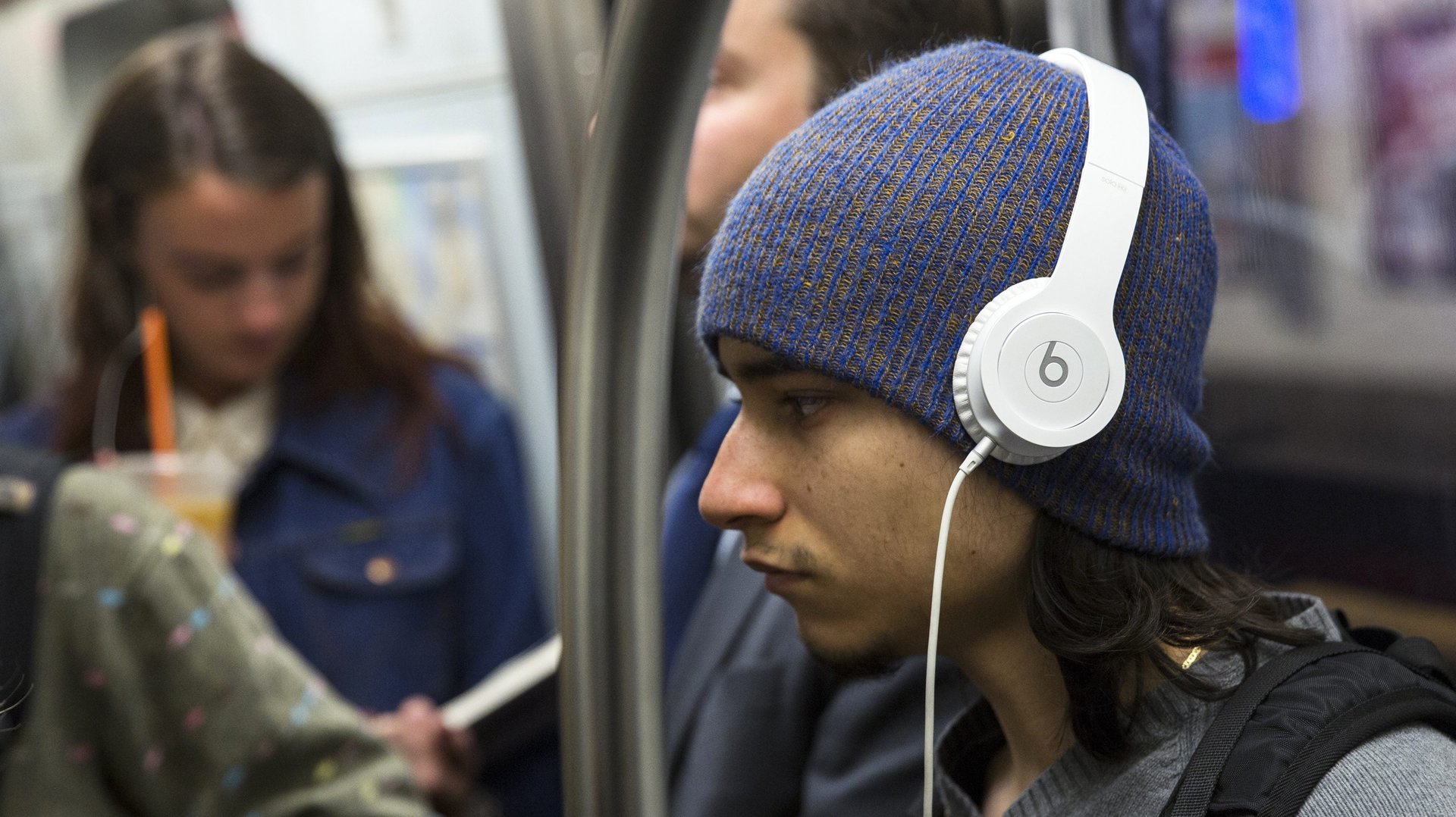
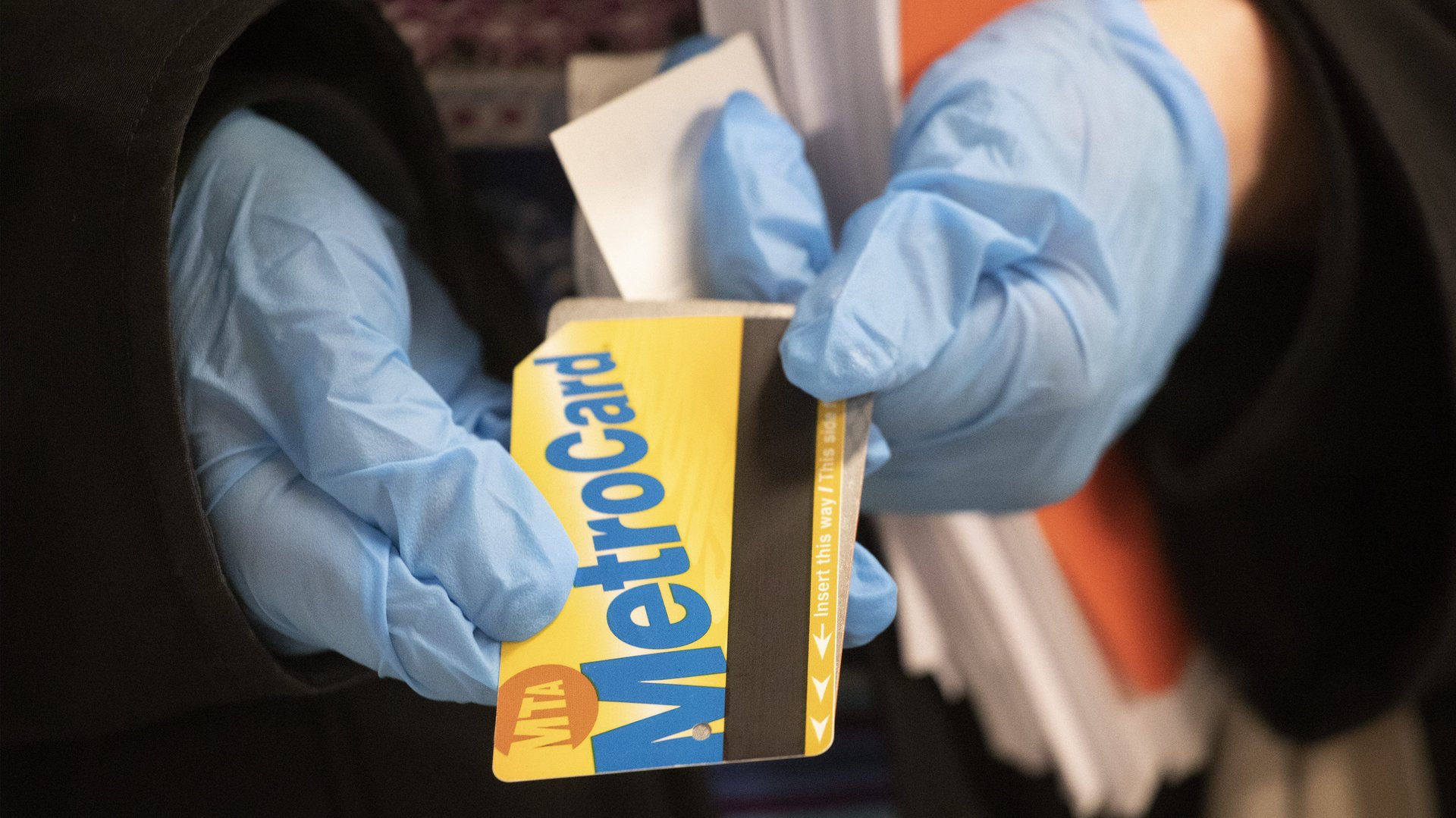
New Yorkers are starting to avoid the subway—especially if they have the means to explore other transit options, or stay home.

The top 20% of American households have gone from making 43% of all US income in 1968 to 52% in 2018, according to the Pew Research Center, and the trend doesn’t look likely to stop any time soon.

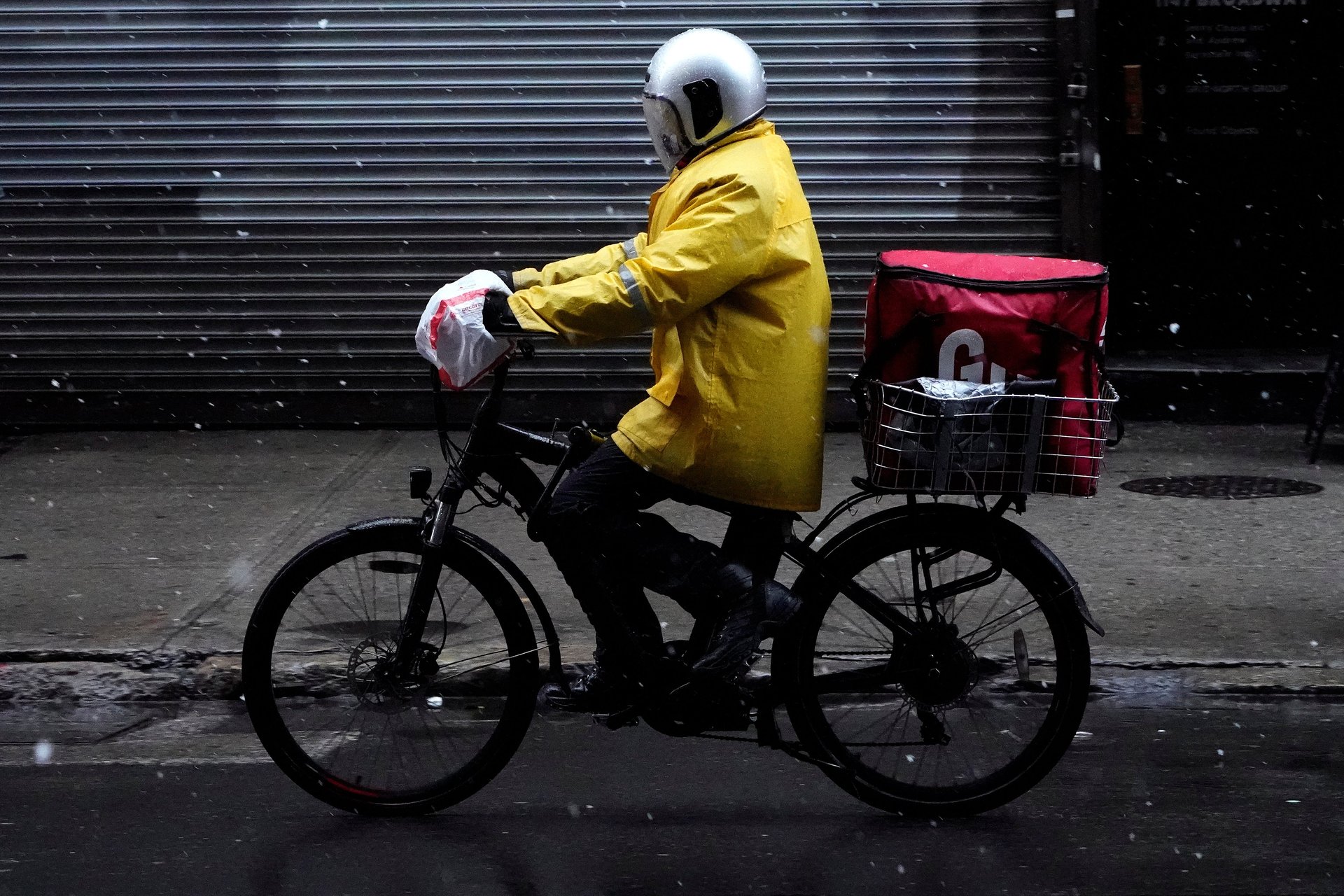
The US is a delivery nation. The rise of e-commerce means more purchases are brought right to people’s doorstep than ever before, both at work and at home.

Health officials identified the first case of Covid-19 just over three months ago. Before then, most had never heard the term “coronavirus,” which is what causes the disease. Now, it has spread around the world, killing thousands of people, and become a worldwide subject of conversation.

Every year, thousands of Americans face the same weighty decision. With cash piling up in a no-yield bank account, they determine it’s time to entrust their wealth to a pro. But how do they ensure they’re not handing over their hard-earned savings—and their hopes of paying for college, perhaps, or enjoying a financially secure retirement—to the next Jordan Belfort or Bernie Madoff?

South Korean visitors to the US are surging. After declining for the last several years, their numbers jumped by almost 20% for the months of November 2019 to January 2020 compared to the same period a year earlier. This meant an additional 120,000 more South Koreans came to the country during these months, according to estimates from the US National Travel & Tourism Office. It was by far the largest increase in tourists among the US’s major sources of visitors.

The popularity of Japanese whiskey is soaring in the US. In 2010, the US imported about $1 million worth of whiskey from Japan. That rose to $50 million in 2019. It is a trend that doesn’t look likely to stop any time soon. A decade from now Japan might rival the UK, Ireland, and Canada in providing the US its most popular liquor.

Americans think their finances are improving. According to a survey from Gallup, 59% of Americans say they are financially better off than they were a year ago. Twenty percent said they were worse off than a year ago, and 21% were about the same.

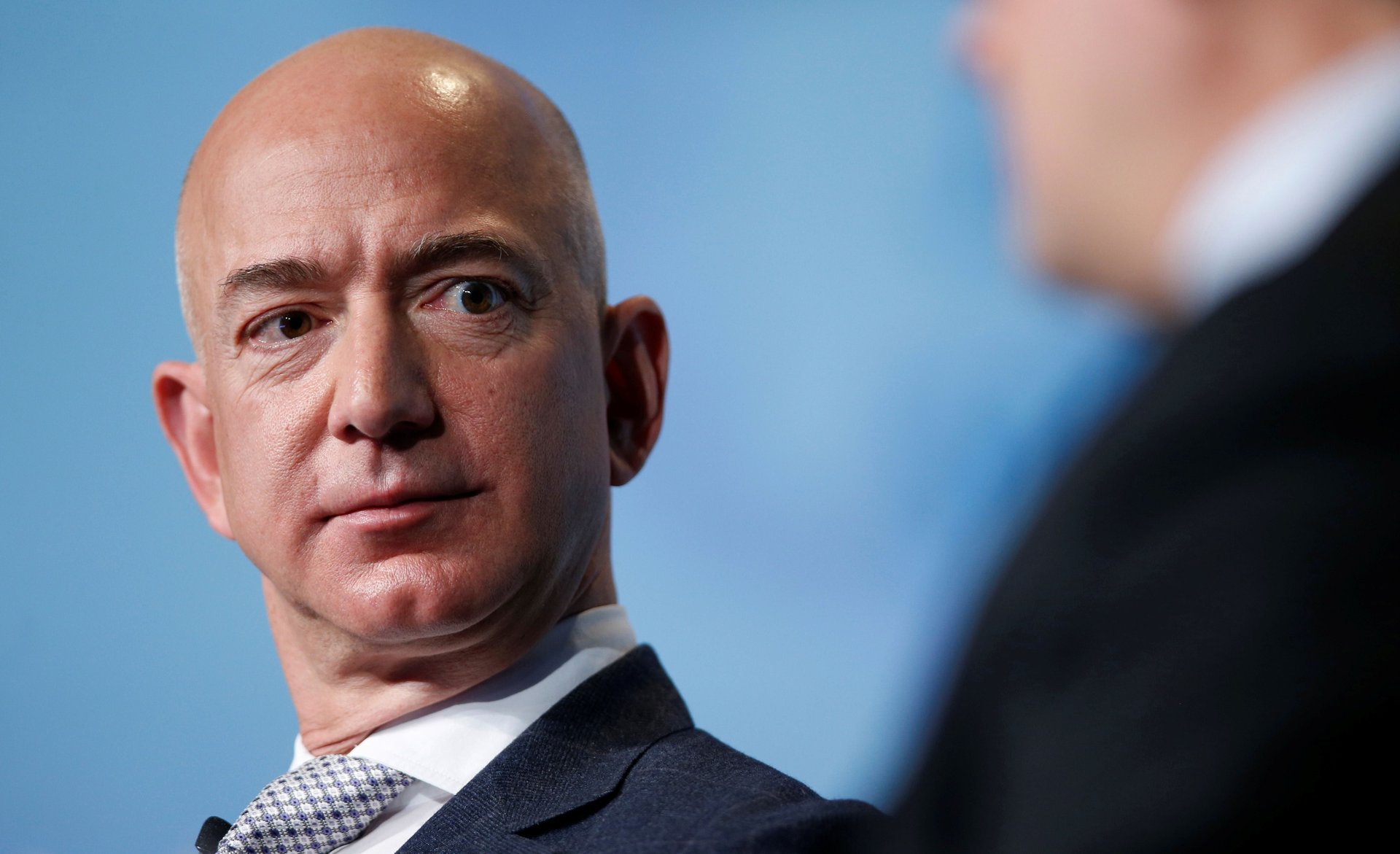
On Monday, the world’s richest man used a social network run by the world’s fifth richest man to announce a plan to save the planet.

Google announced today plans to shut down its Google Station program. Launched in 2015, the program was intended to increase access to the internet for those that might not have been able to afford it, by working with local governments and companies to create hotspots in heavily trafficked areas. The program was launched in India in 2015, and later expanded to Indonesia and Nigeria, among other countries.

This Valentine’s Day, a much larger share of young Americans will be spending the holiday with a partner than those in Italy. According to the international marriage data collected by the United Nations, the average Italian person now gets married at almost 34 years old. In the US, it is just over 28. As a result, over 50% of Americans are married in their early 30s compared to less than 40% of Italians.

In the 1940s, Austrian economist Joseph Schumpeter proposed the idea of “creative destruction” to describe the collapse of an established order and the innovation and entrepreneurship that replaced it with something new. That was well before the internet existed, but the idea is an apt framing for the way e-commerce and companies such as Amazon have changed retail.

The last decade was a period of remarkable growth for tourism to Japan. The number of people visiting the country increased from just 6.2 million people in 2011 to 31.2 million in 2018, a faster rate of growth over that period than any other major tourism destination. The relaxation of visa requirements, particularly for Chinese citizens, and a fall in the value of the yen combined to make Japan a much more appealing destination.

At the Academy Awards tomorrow, the movie American Factory is heavily favored to win the Best Documentary Feature category. It is a remarkable film and would be a deserving winner. American Factory also just might be the most thoughtful movie ever made on how globalization may impact the future of work.

Ethiopia’s rapid economic growth is one of the great stories of the 21st Century, but there are signs that the country’s boom may not be sustainable. Recent reports suggest government spending, not improved productivity, has been boosting economy. If the government’s investments don’t prove fruitful, and tax revenues don’t increase, the Ethiopian economic miracle could be in peril.