Many Instagram users have had this realization while scrolling through their feeds: Half an hour has passed, and you’ve wasted it mindlessly looking at fancy brunch photos, celebrity workout routines, and your friends’ exotic vacations.

Many Instagram users have had this realization while scrolling through their feeds: Half an hour has passed, and you’ve wasted it mindlessly looking at fancy brunch photos, celebrity workout routines, and your friends’ exotic vacations.

Facebook issued a biannual report on its relationships with the world’s governments on Tuesday (May 15), in which the company outlined how often authorities, groups, or private citizens ask it to remove content that violates local laws.

Facebook is new to this transparency thing. It’s going to take some time to get it right.

In recent months, many have wondered how many more companies like Cambridge Analytica have collected private information on Facebook users without their consent.

US lawmakers released all 3,000 ads created by accounts linked to the Russian government in the years and months preceding the 2016 presidential election, as well as the following year.

Much of the controversy surrounding Facebook comes from to the company’s ability to very precisely target its users for the purpose of serving ads. Users often find the ads creepy and intrusive, even wondering if Facebook is listening to their phone conversations because they’re so accurate.

Facebook just underwent the biggest executive re-shuffle in its history, Recode reported May 8. The visual representation of these changes reveals just how few women are in the company’s top leadership responsible for products and engineering.

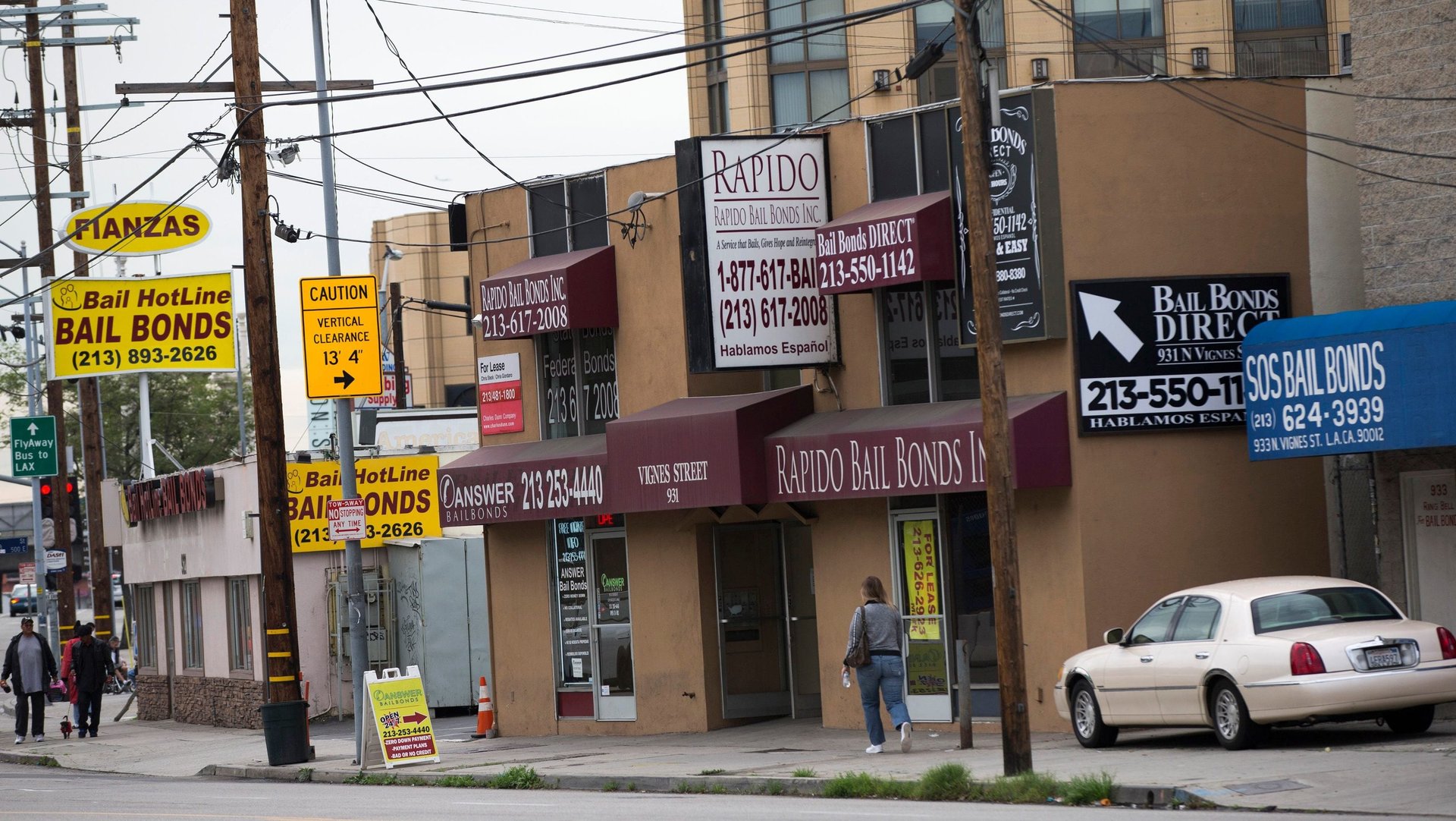
Starting in July, the bail bond industry will no longer be able to advertise its services on Google. The company announced that the decision was based on its “commitment to protect our users from deceptive or harmful products,” and cited studies that show that “for-profit bail bond providers make most of their revenue from communities of color and low income neighborhoods when they are at their most vulnerable.” In 2016, Google banned payday lender ads from its site.

The developers helping make Facebook among the most dominant forces on the internet don’t want to dwell on the Cambridge Analytica scandal. What’s done is done—they want to focus on the future. They trust CEO Mark Zuckerberg to fix the damage, for which they don’t really blame Facebook anyway. Rather it was just some “bad apples” in their community.

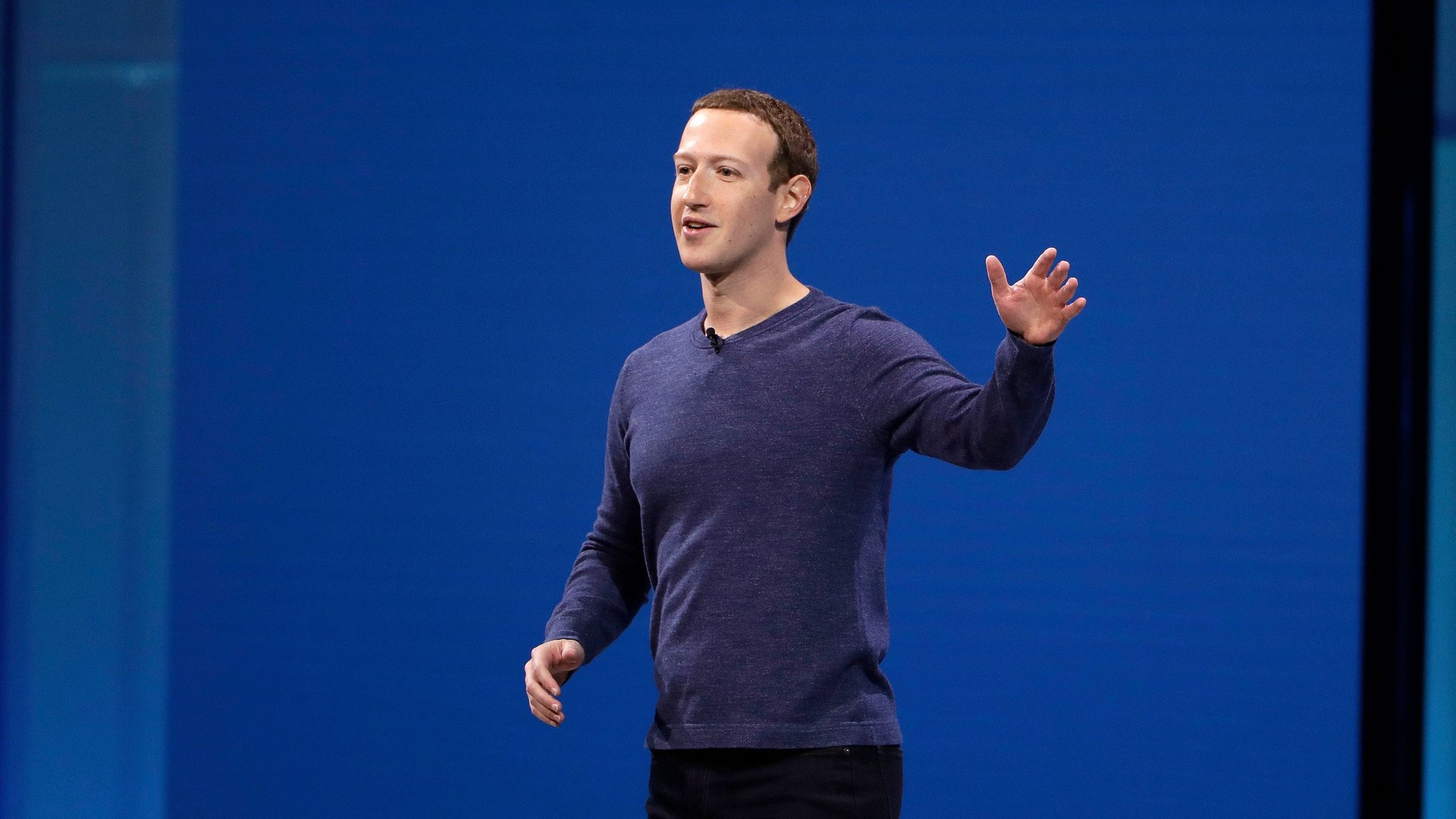
In a conversation with media executives following his upbeat speech at Facebook’s annual developer conference, Mark Zuckerberg acknowledged that a legal provision helped enable the rise of his company, but added that things are very different now than when that law was enacted 20 years ago.

San Jose, California

Founded in 2001, Wikipedia is on the verge of adulthood. It’s the world’s fifth-most popular website, with 46 million articles in 300 languages, while having less than 300 full-time employees. What makes it successful is the 200,000 volunteers who create it, said Katherine Maher, the executive director of the Wikimedia Foundation, the parent-organization for Wikipedia and its sister sites.

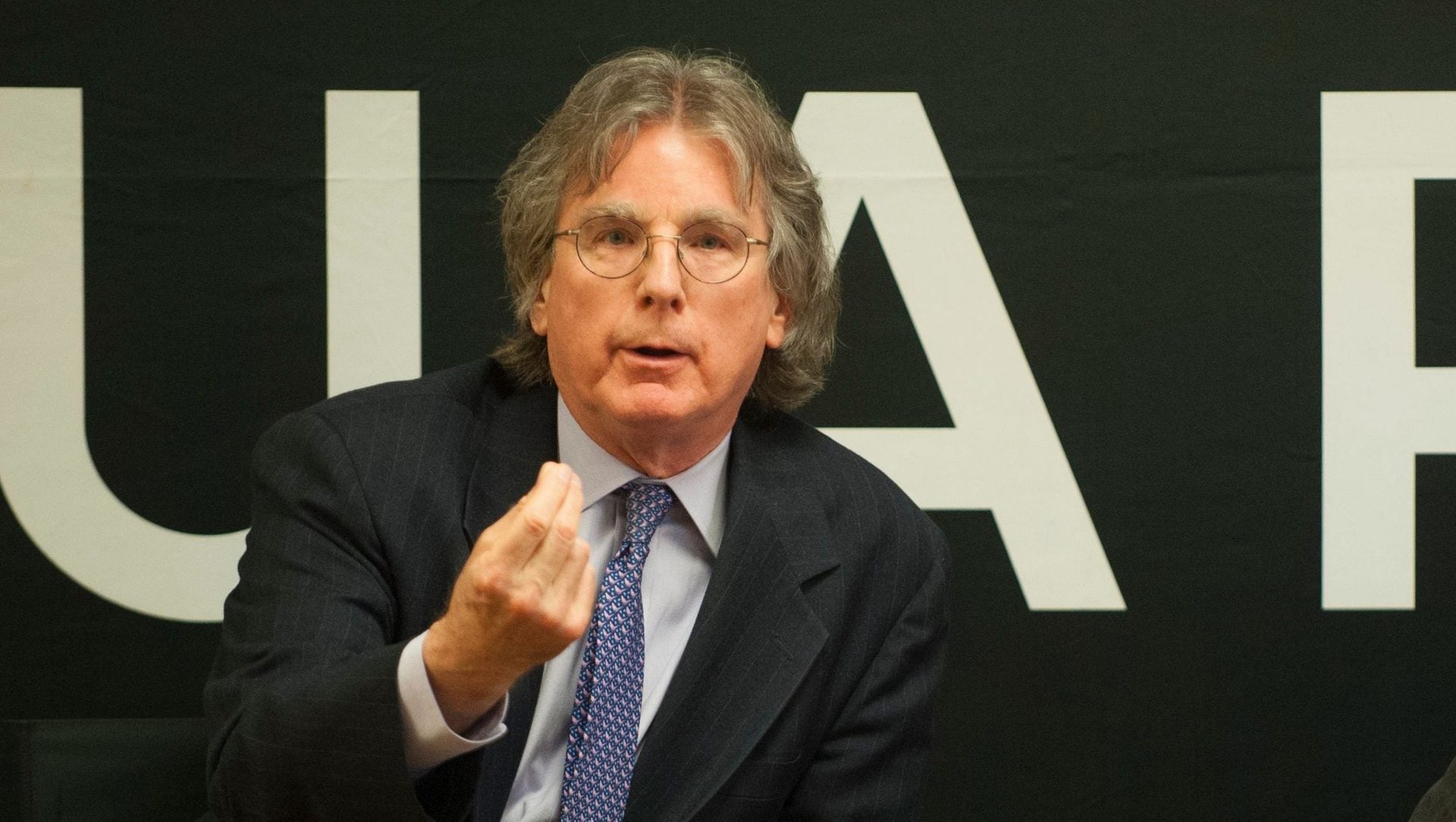
Roger McNamee, a prominent tech investor and onetime mentor to Mark Zuckerberg, has little faith that Facebook will fix itself. “They think it’s over,” he said at an event organized by Quartz in Washington, DC on April 26.

In the last quarter of 2017, Facebook reported that daily active users in the US and Canada fell by about 1 million people—the first such decline in the company’s history. At the time that drop looked ominous—the region is by far Facebook’s most lucrative market. But the social network’s executives said that they didn’t see this as a “continuing trend.”

Facebook posted its first earnings since the biggest scandal in the company’s 14-year history today (April 25), once again displaying a Teflon-like ability to repel just about any bad press.

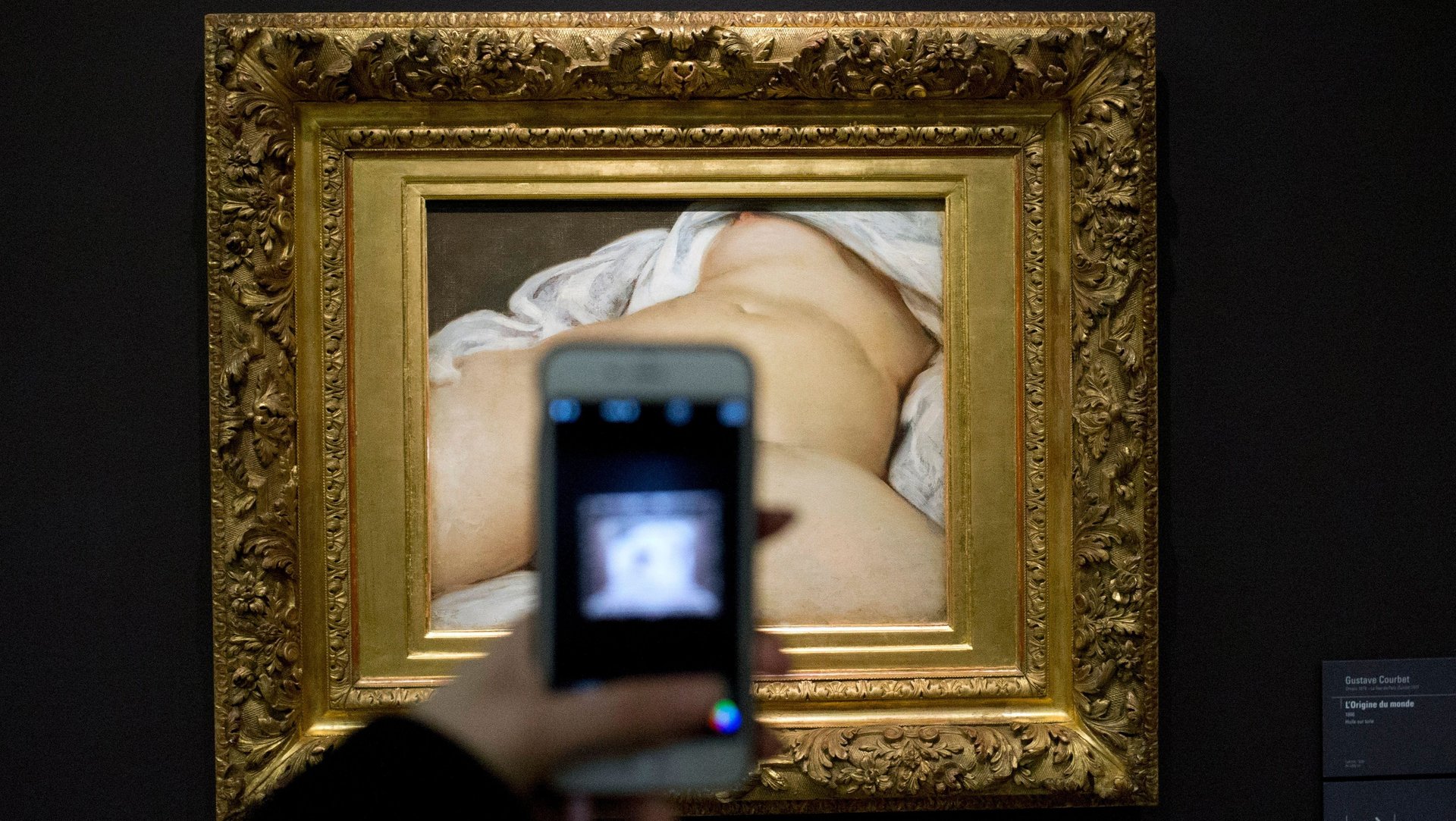
Deciding what content is allowed on Facebook and what is not is one of the company’s biggest headaches. The platform is constantly being criticized over either censoring content or leaving up harmful material. After every backlash it has to clarify, for example, in which cases it bans nudity (generally, female nipples) and when it makes exceptions (breastfeeding, artwork).

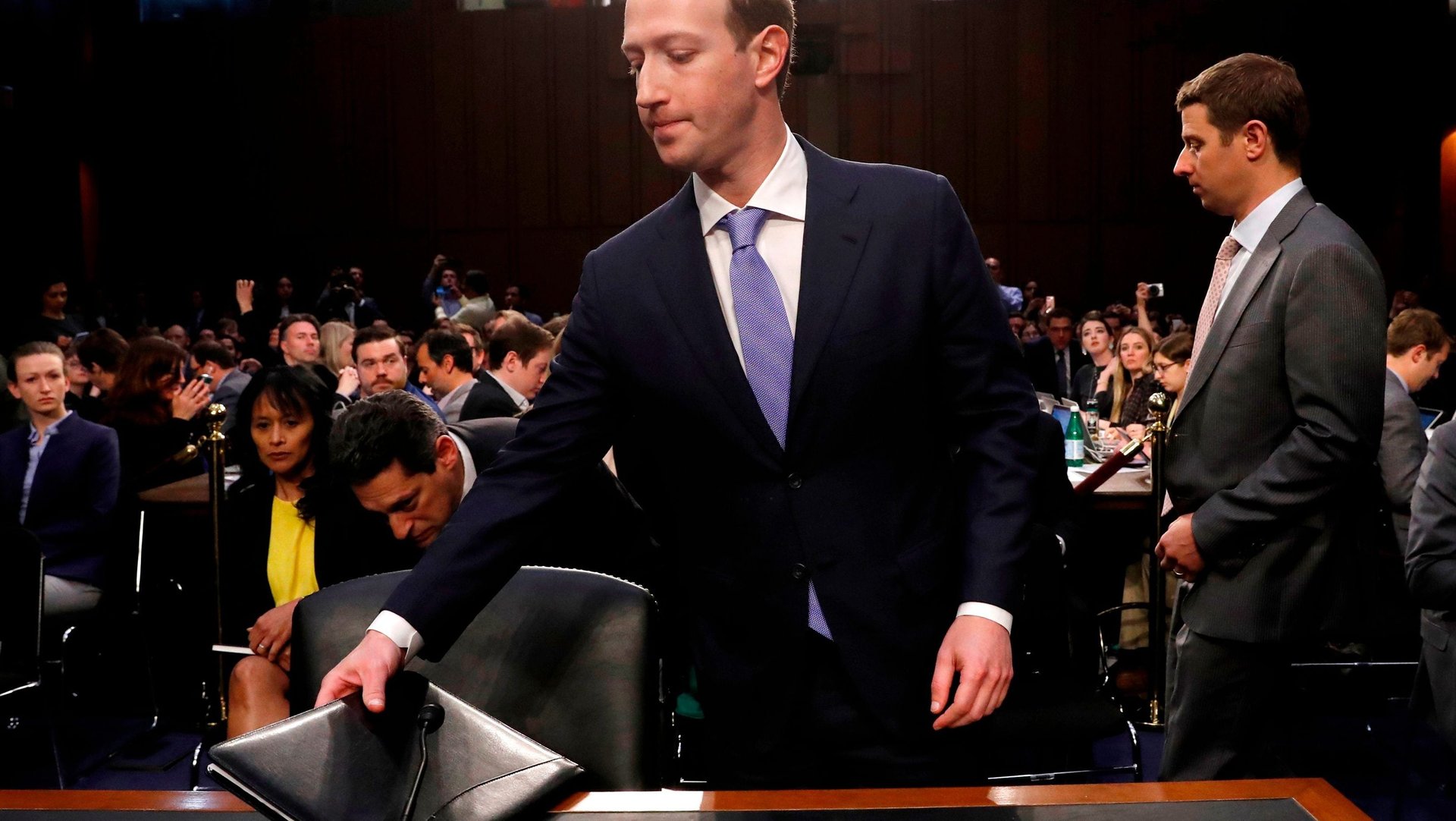
After a long week, Facebook CEO Mark Zuckerberg is done with the first round of his face-off with Congress.

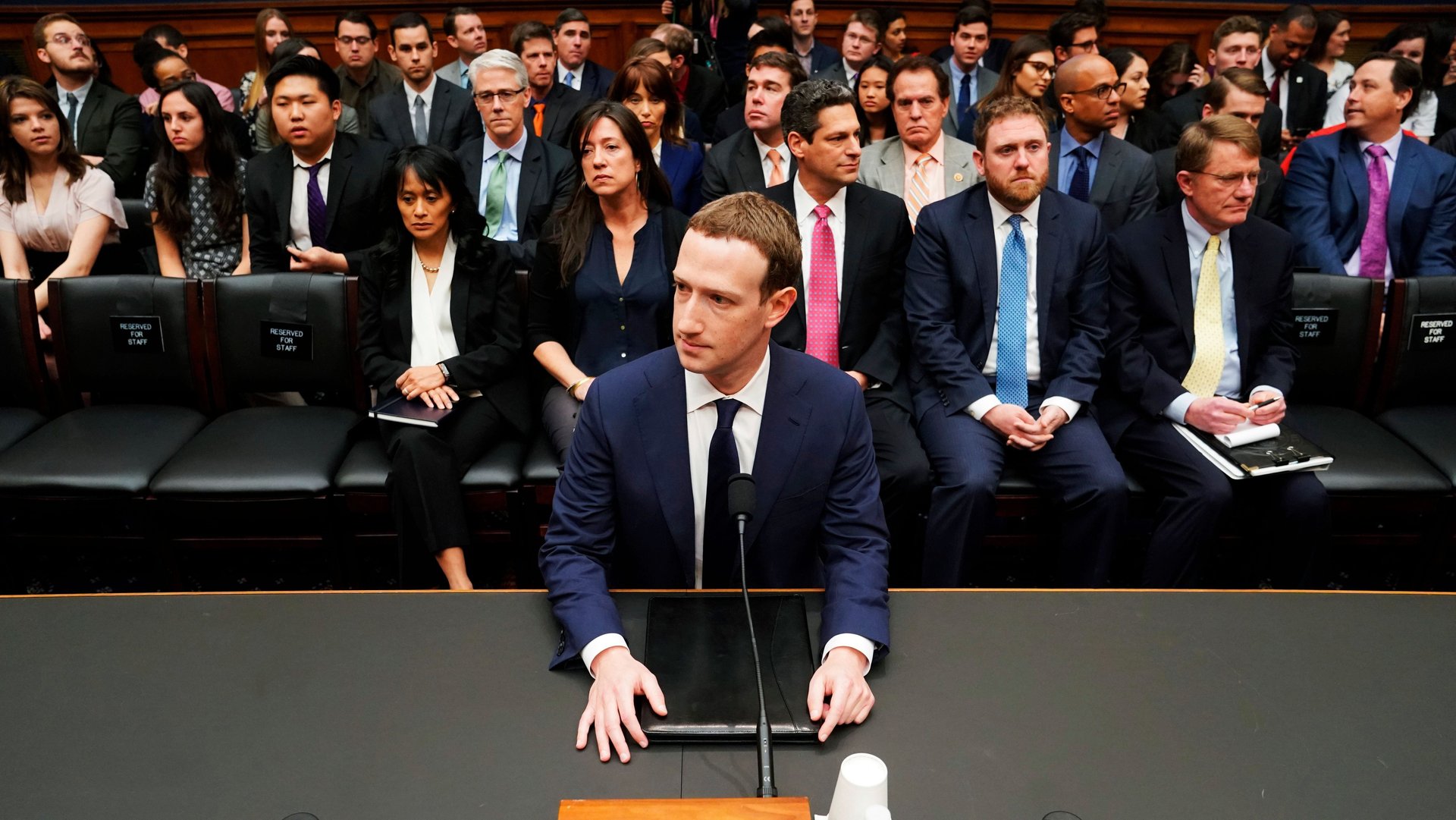
Following a long, and often perplexing day of testimony in the Senate, Facebook CEO Mark Zuckerberg today (April 11) testified in front of the House Committee on Energy and Science—a hearing that was expected to be more trying for the multibillionaire, which it was in some ways, but which also was steeped in partisan agenda, and peppered with a healthy dose of pandering toward the executive.

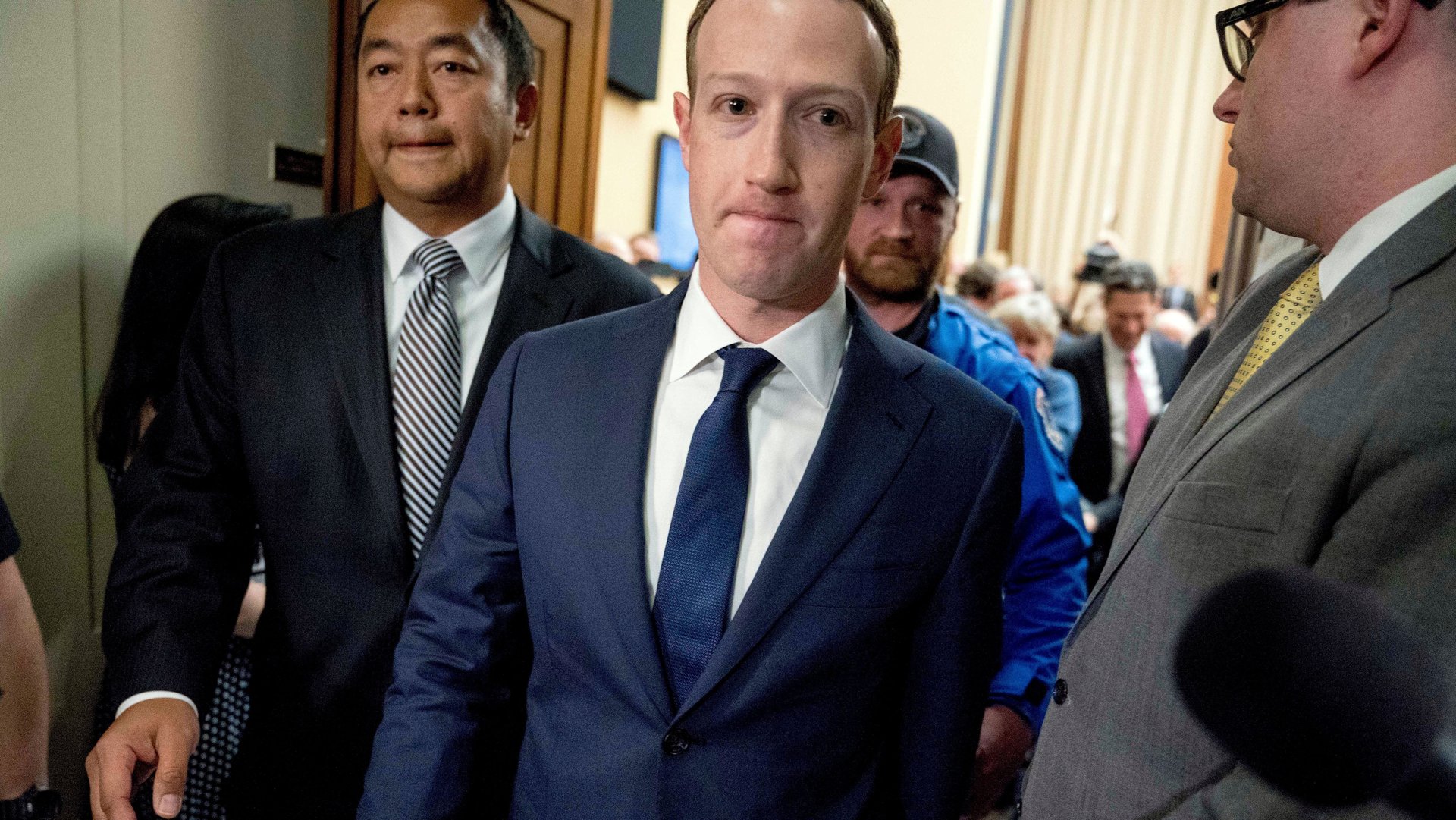
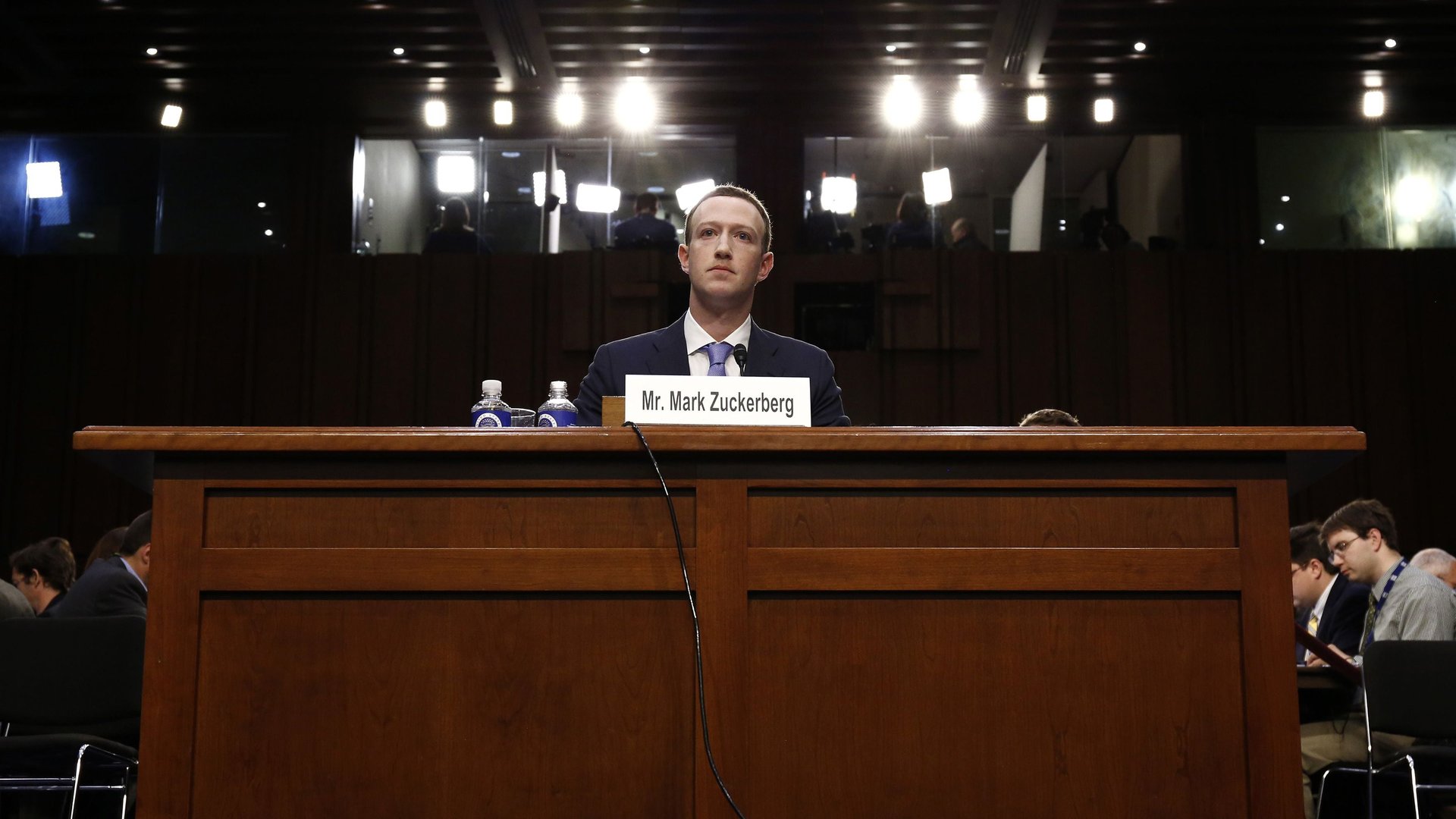
Mark Zuckerberg left his normal uniform of gray t-shirt and jeans at home for his first-ever appearance under oath in front of US lawmakers, and pledged to tell the whole truth, wearing a trim navy suit and Facebook-blue tie.

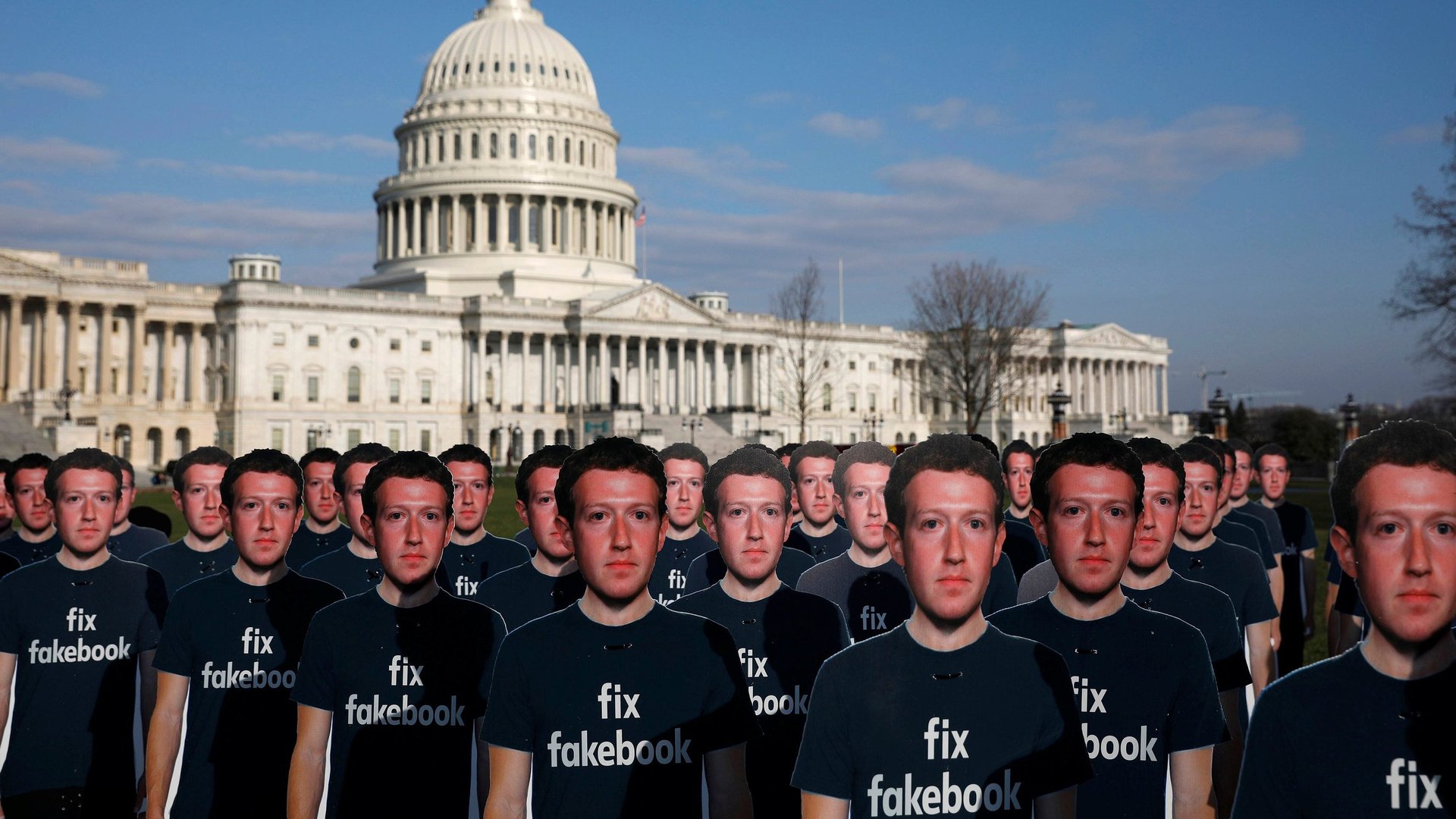
Facebook’s CEO Mark Zuckerberg is facing perhaps the biggest test of his career: a grilling from members of Congress on his company’s various troubles, from the Cambridge Analytica scandal to Russian meddling on the platform.

The time has come: Mark Zuckerberg, the 33-year-old CEO of Facebook, not known for his public speaking skills, is finally facing Congress, where he is sure to hear some tough questions and admonishments from lawmakers.

Facebook CEO Mark Zuckerberg’s prepared testimony for the US Congressional House energy and commerce committee, where he’ll be grilled on April 11, was published today (April 9). Much of it mirrors previous Facebook conference calls and statements, and his testimony in front of the Senate Judiciary Committee tomorrow (April 10) could look very similar.

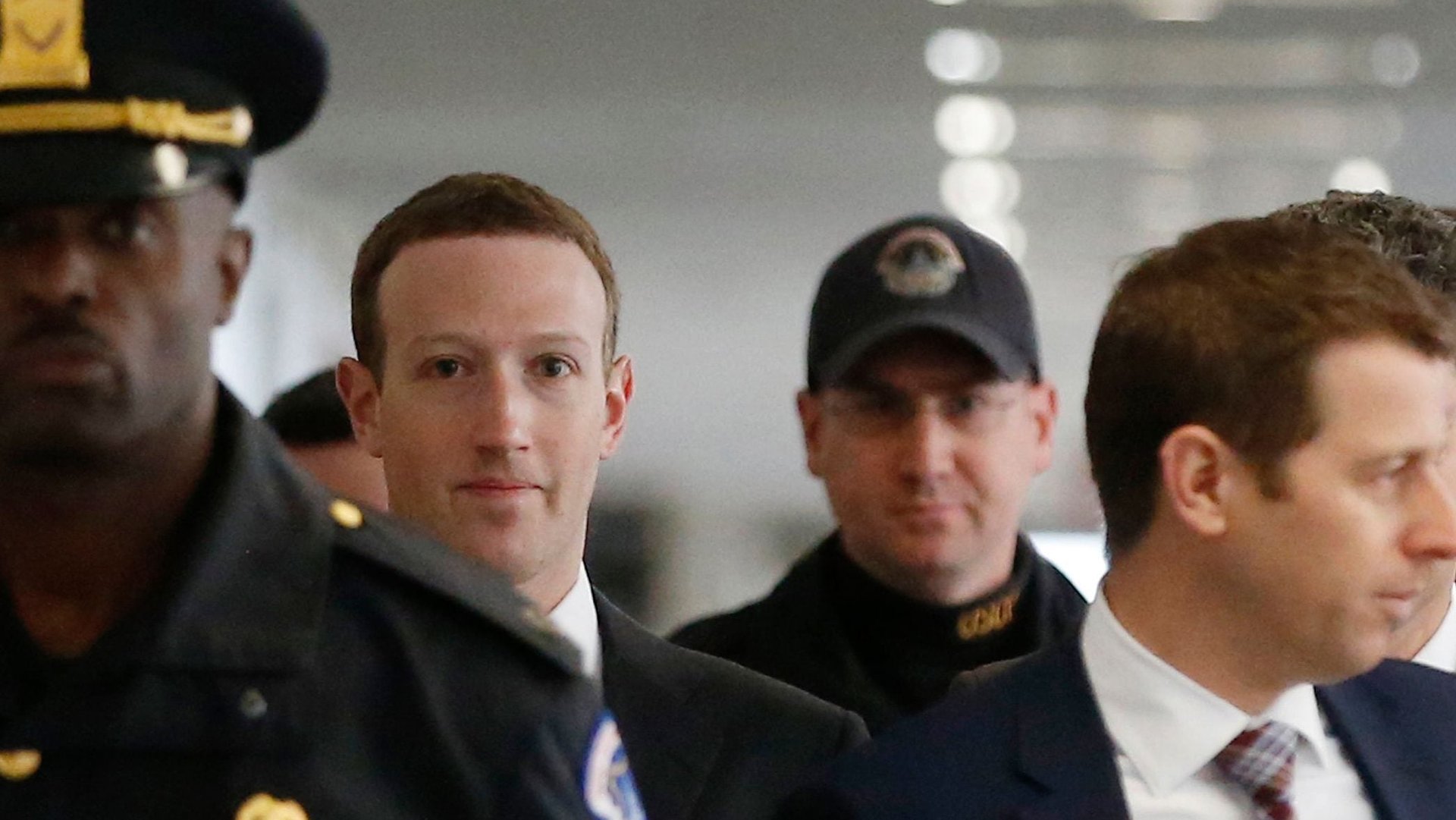
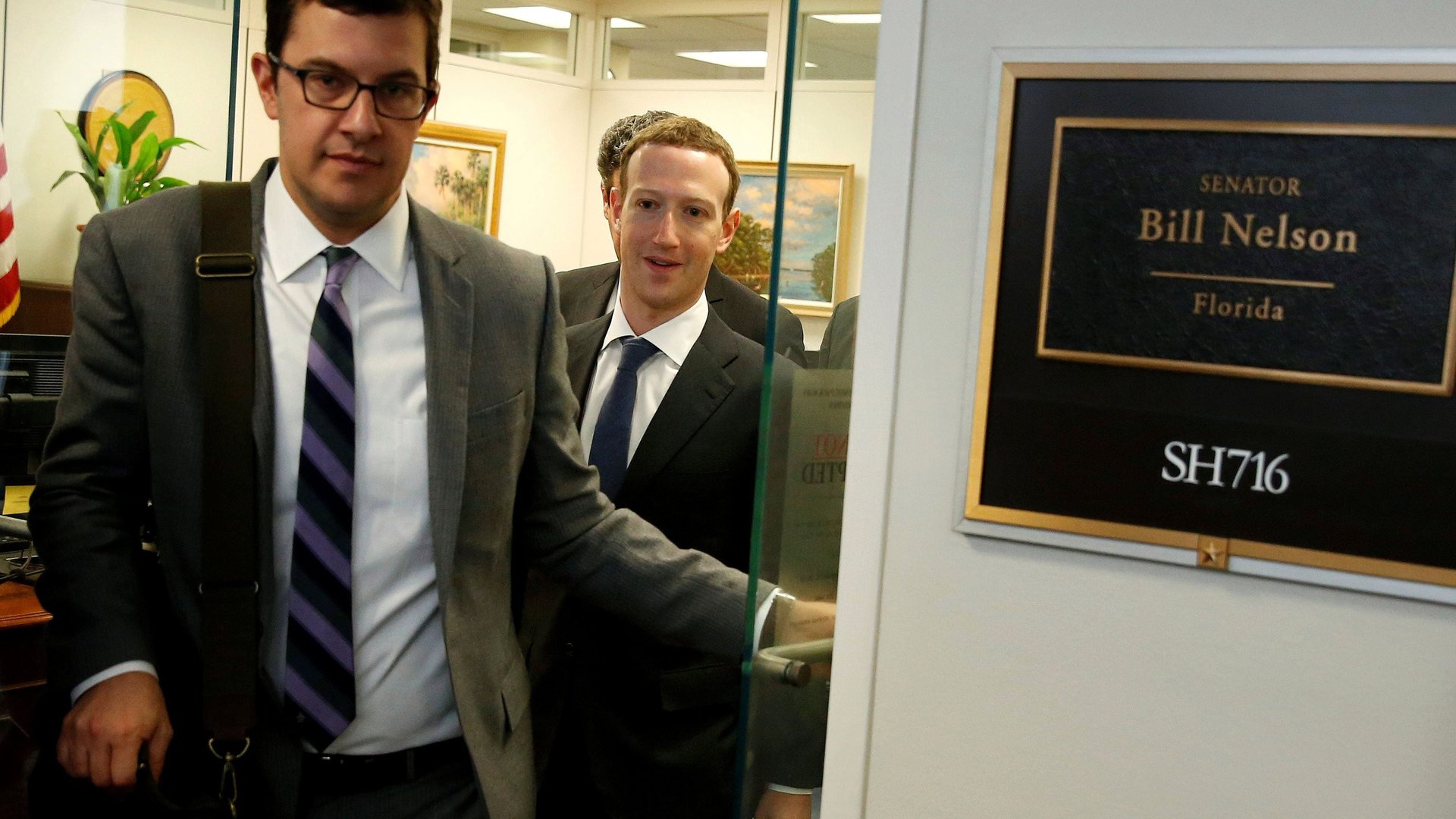
Facebook CEO Mark Zuckerberg is heading to Washington, to finally address lawmakers in two hearings this week. He will be grilled on the Cambridge Analytica scandal, in which a shadowy data firm obtained the information of up to 87 million people without their permission, as well as Russian meddling in the 2016 election.

In the hope of avoiding future foreign meddling in elections, as was seen in 2016 US presidential campaign, Facebook announced today (April 6) some of its most significant efforts to date to boost transparency in political advertising. The moves come before CEO Mark Zuckerberg testifies before US lawmakers next week over a different scandal.