
Money & Markets
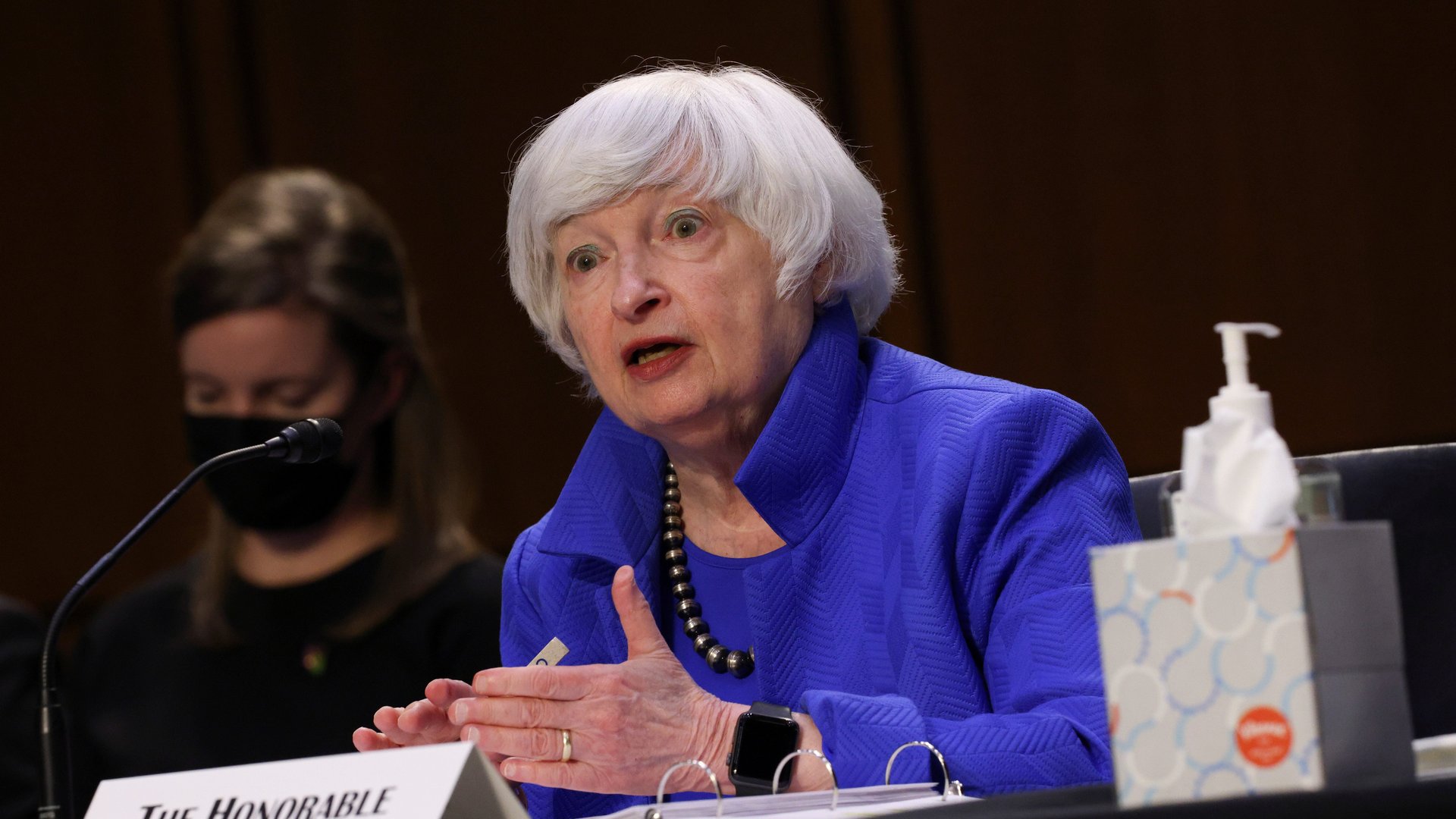
What happens if Congress doesn’t raise the US debt limit?It used to be unthinkable that the US would default on its debt. Now the question comes up every few years.
Updated July 20, 20223 min read
It used to be unthinkable that the US would default on its debt. Now the question comes up every few years.
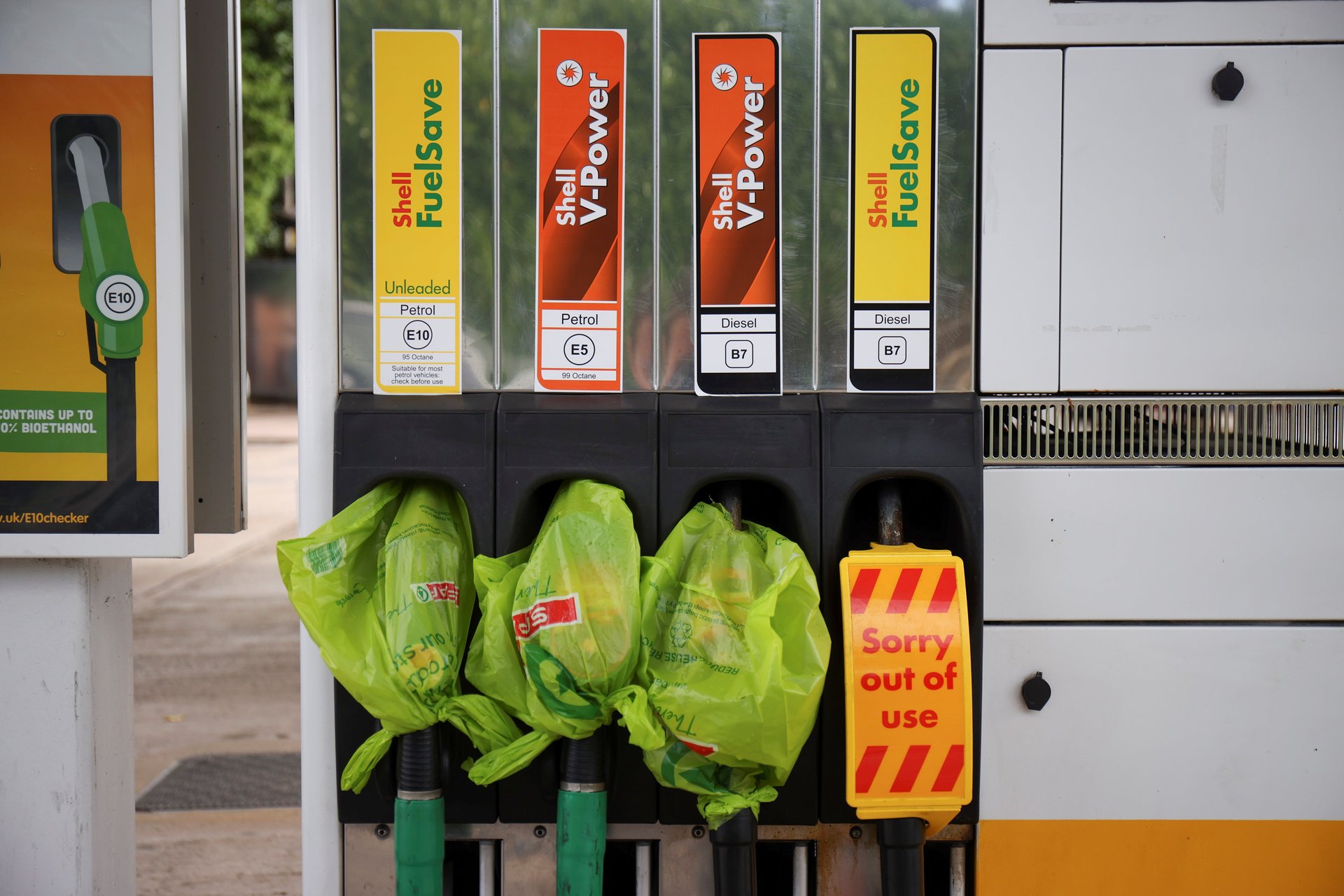
Filling stations in the UK are running dry, as a shortage of truck drivers and panic buying leave British motorists stranded.
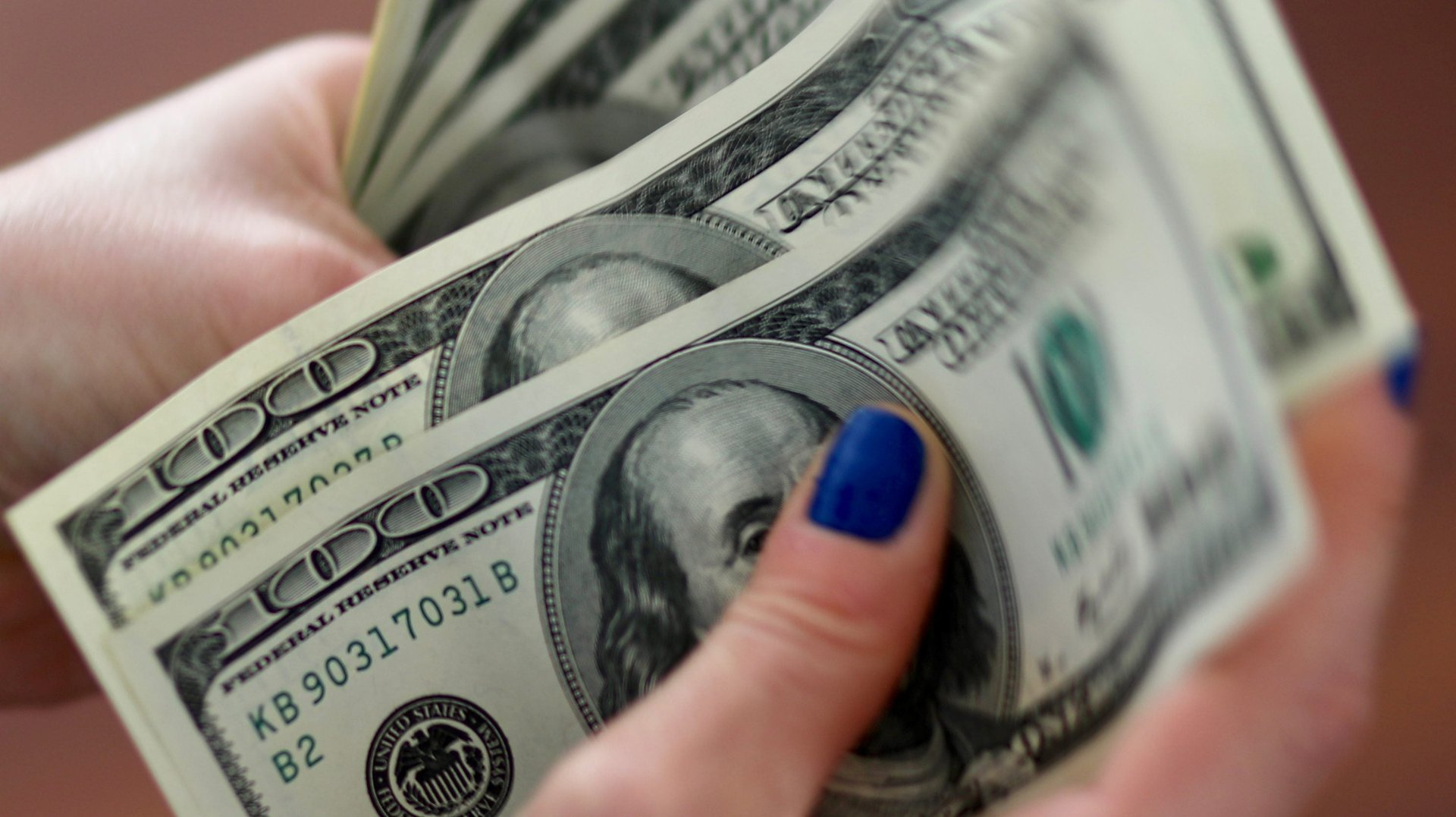
Central banks like the US Federal Reserve are printing more paper money than ever. But Cornell University economics professor Eswar Prasad, who published a new book on the future of money, thinks cash has outlived its usefulness.
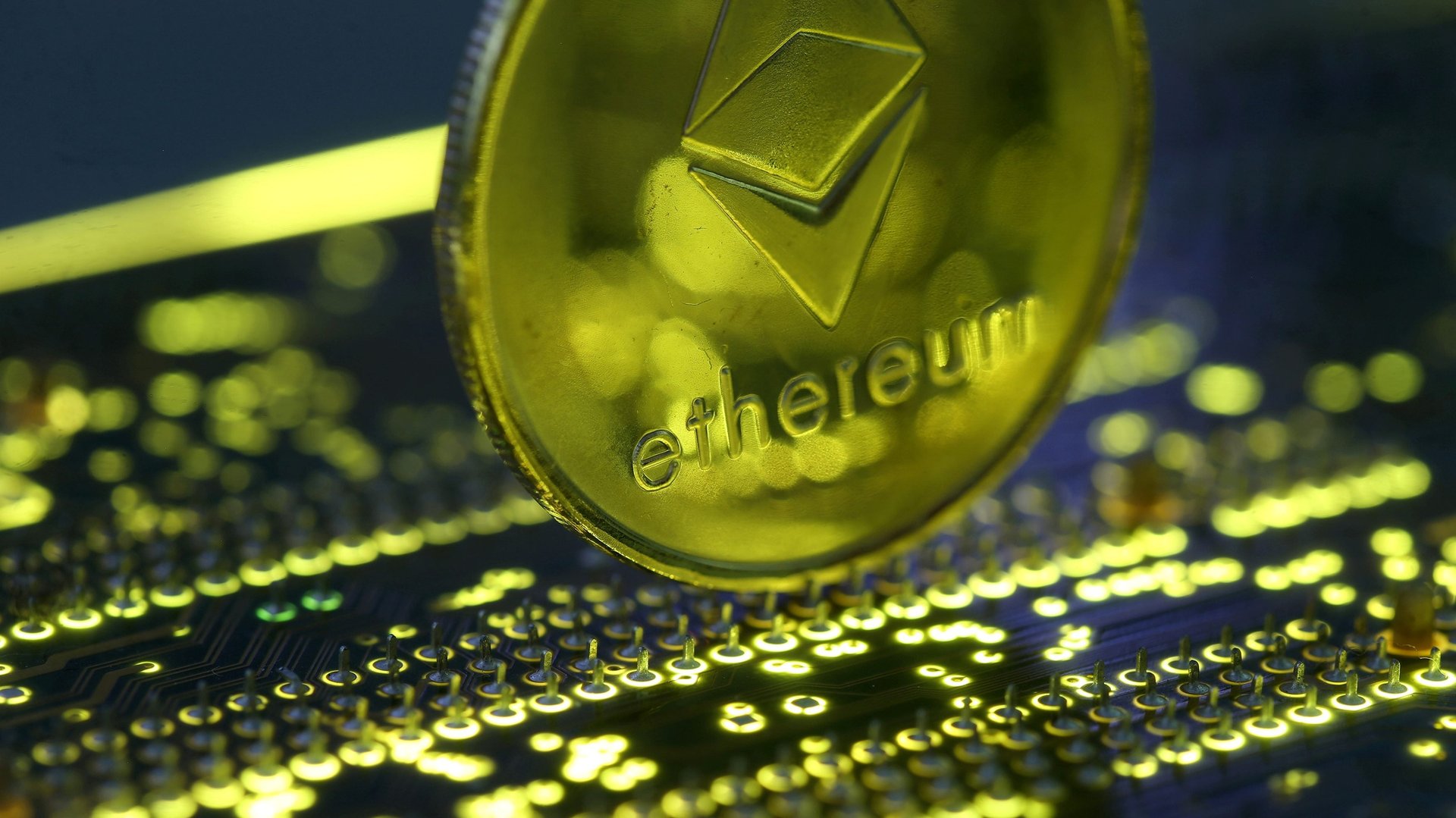
The US securities watchdog aimed a warning shot at the burgeoning world of decentralized finance. And crypto whales are taking notice.

Wall Street traders are betting the world’s financial wiring is insulated from Evergrande’s troubles, but that doesn’t mean the world’s economy is immune to the fallout.
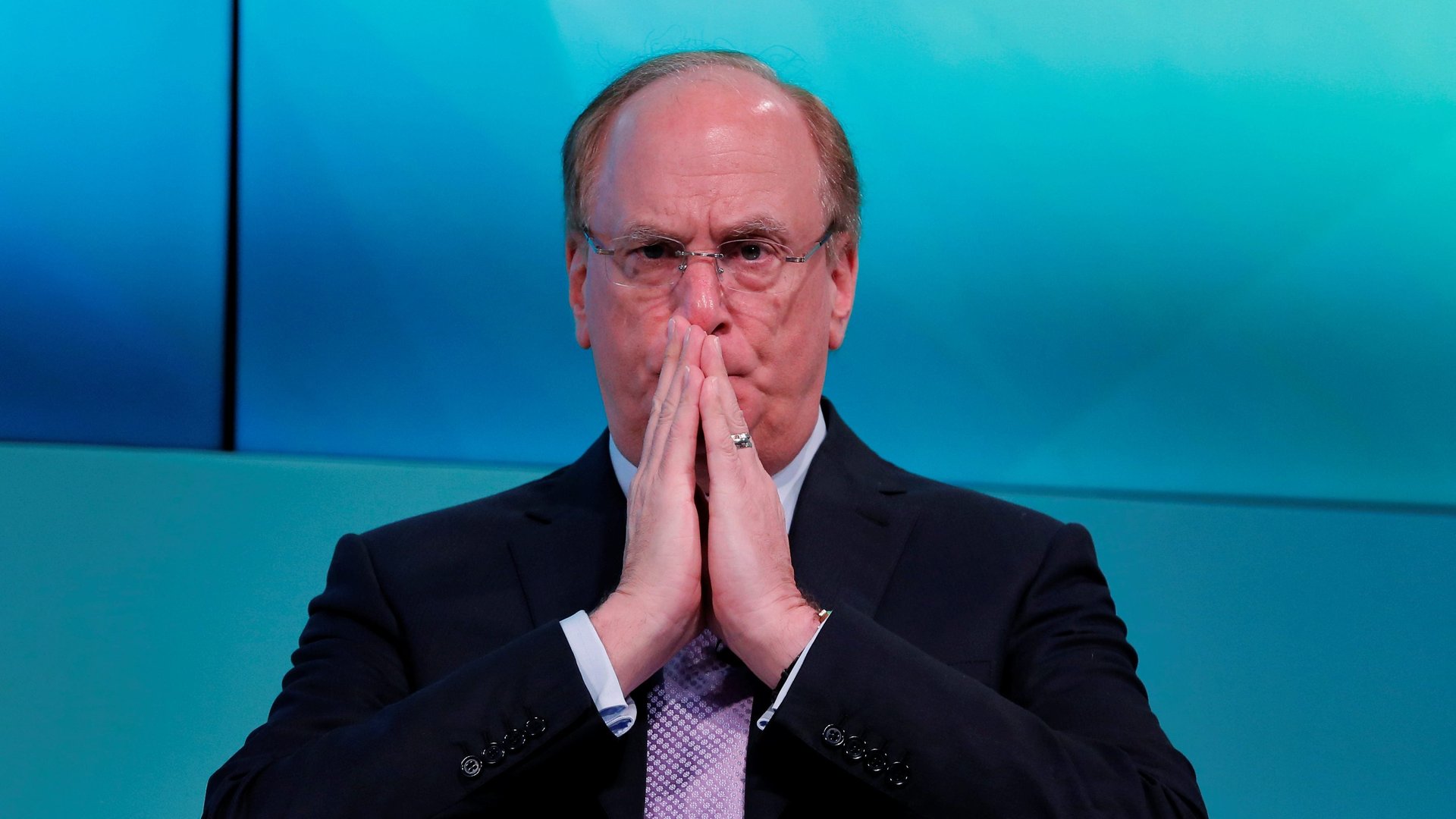
The $7 trillion boom in exchange-traded funds (ETFs) is still picking up steam.
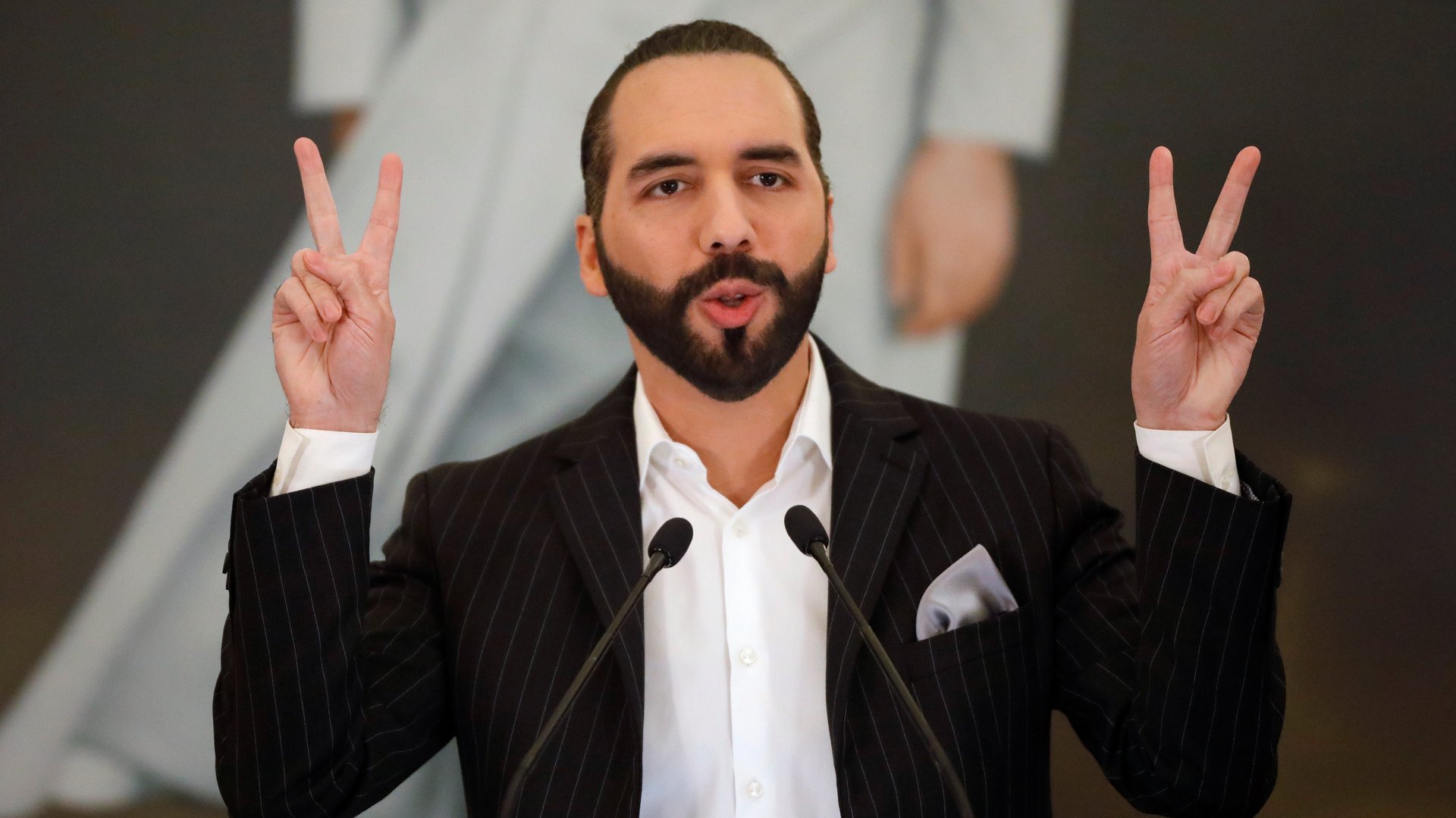
El Salvador president Nayib Bukele says the country will save $400 million a year in remittance fees by adopting bitcoin. That claim doesn’t necessarily stack up.
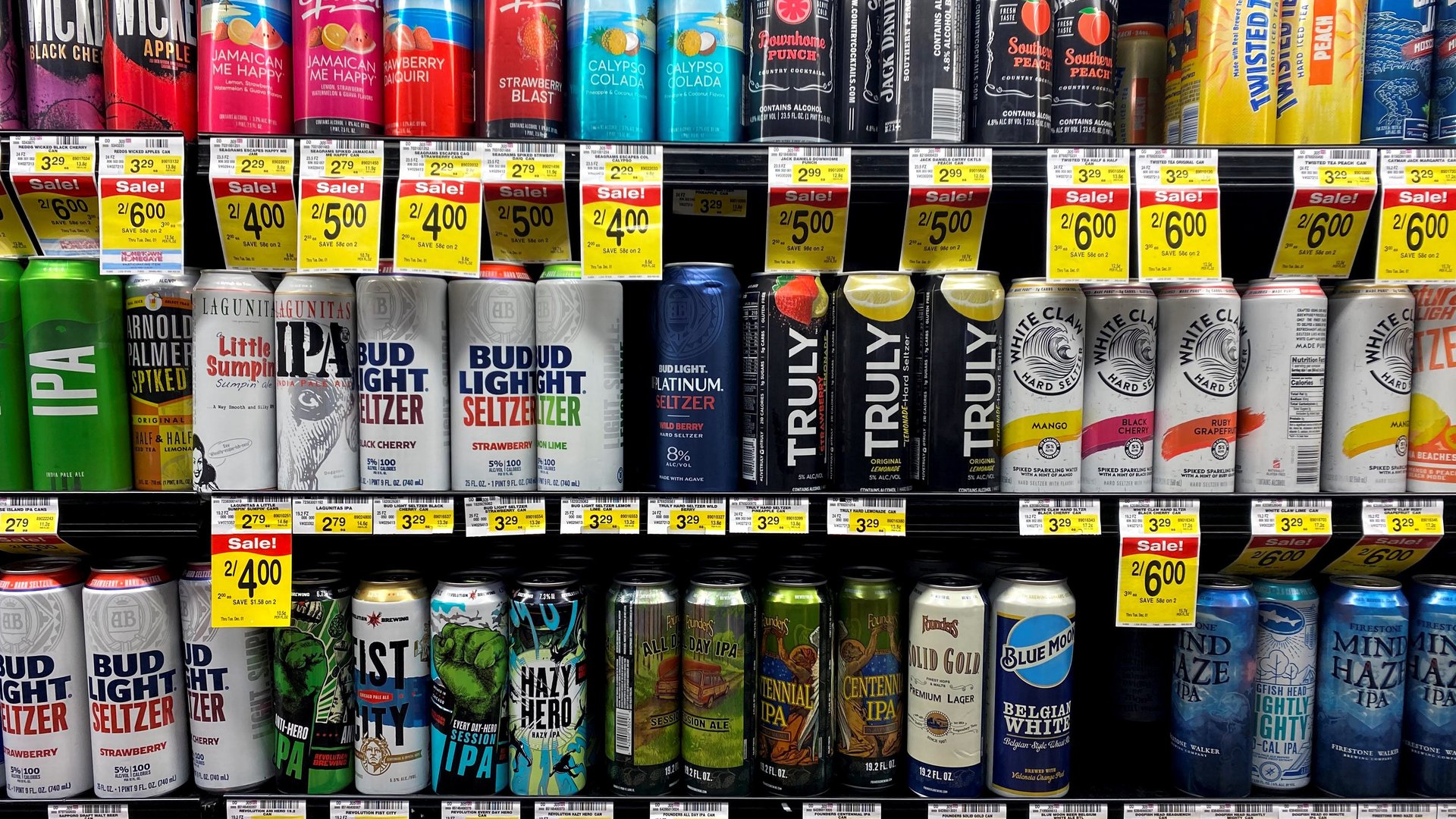
Americans literally can’t get enough aluminum cans.
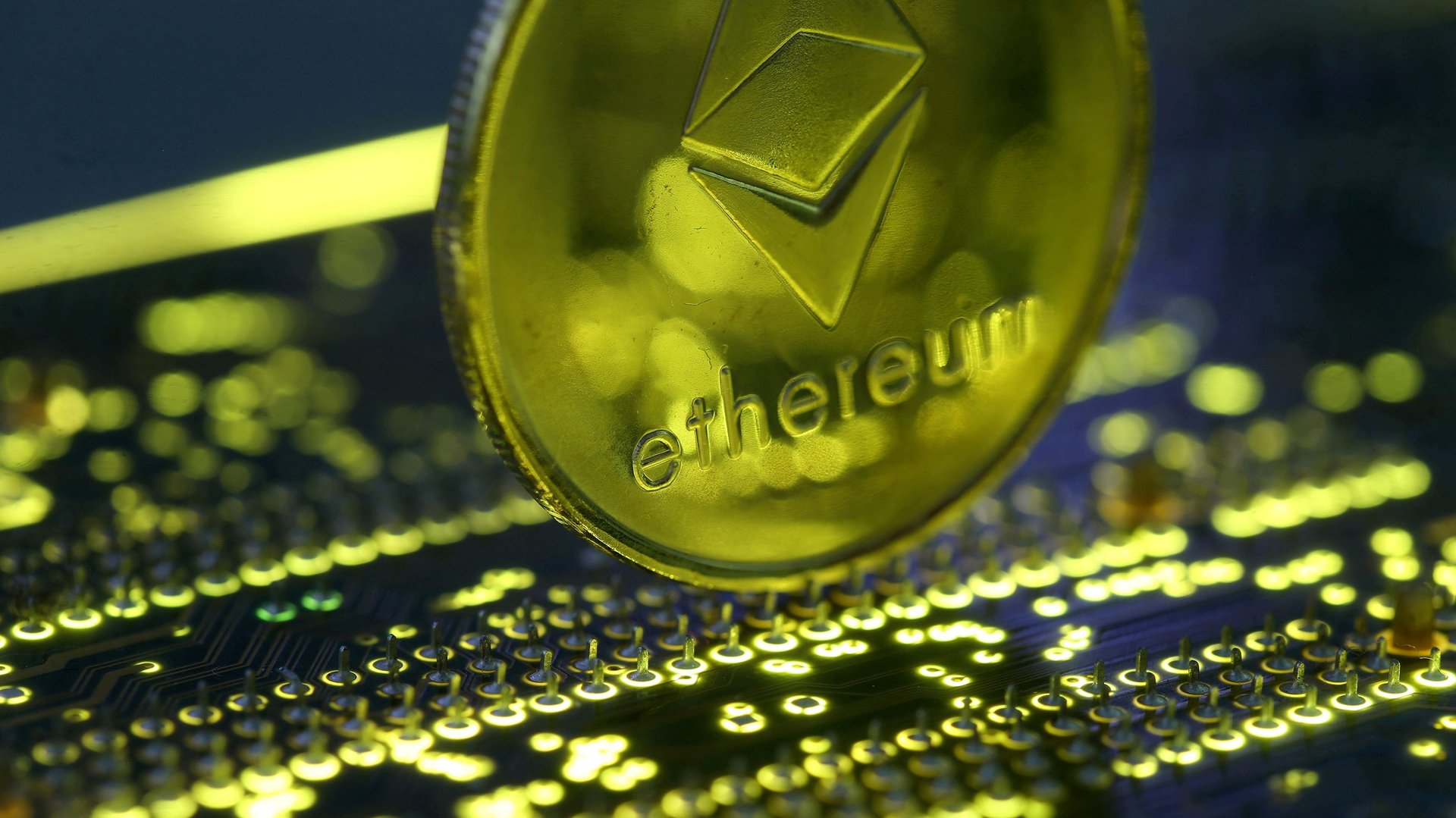
With thousands of tokens floating around the internet, it’s not always easy to figure out whether or how to invest in cryptocurrency. Fortunately Quartz has spent years culling a firehose of crypto pitches, so we’ve learned a thing or two. And as back up, we also called crypto founder Hunter Horsley, CEO of index fund manager Bitwise Asset Management.
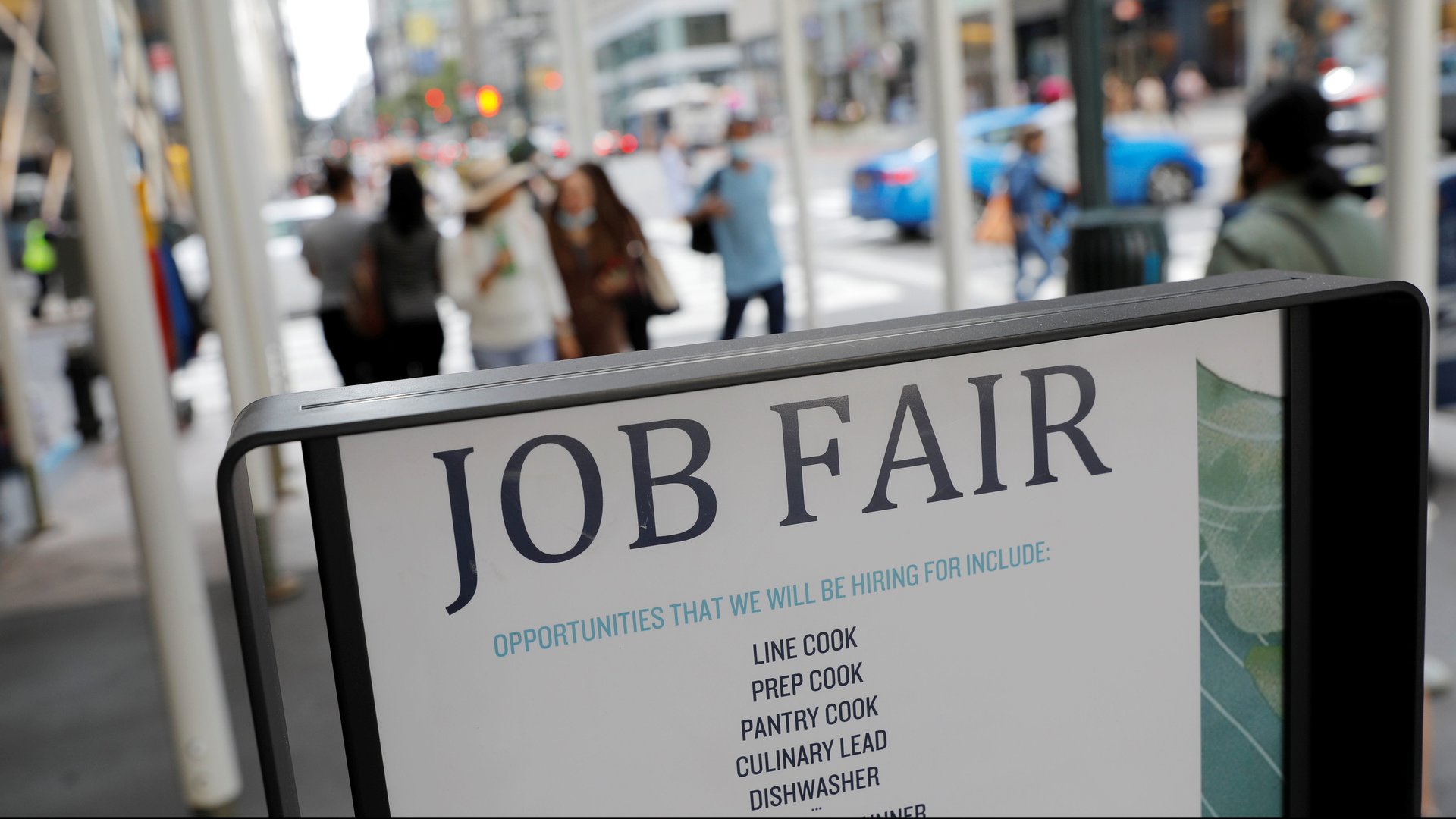
Job openings in the US are booming. Where are the workers?
Major crypto tokens are trading at their highest level since May. Bitcoin was changing hands at more than $50,000 on Sept. 4, an increase of 20% from a month ago, according to CoinDesk data. Ethereum has risen around 40% to more than $3,900 during that span.
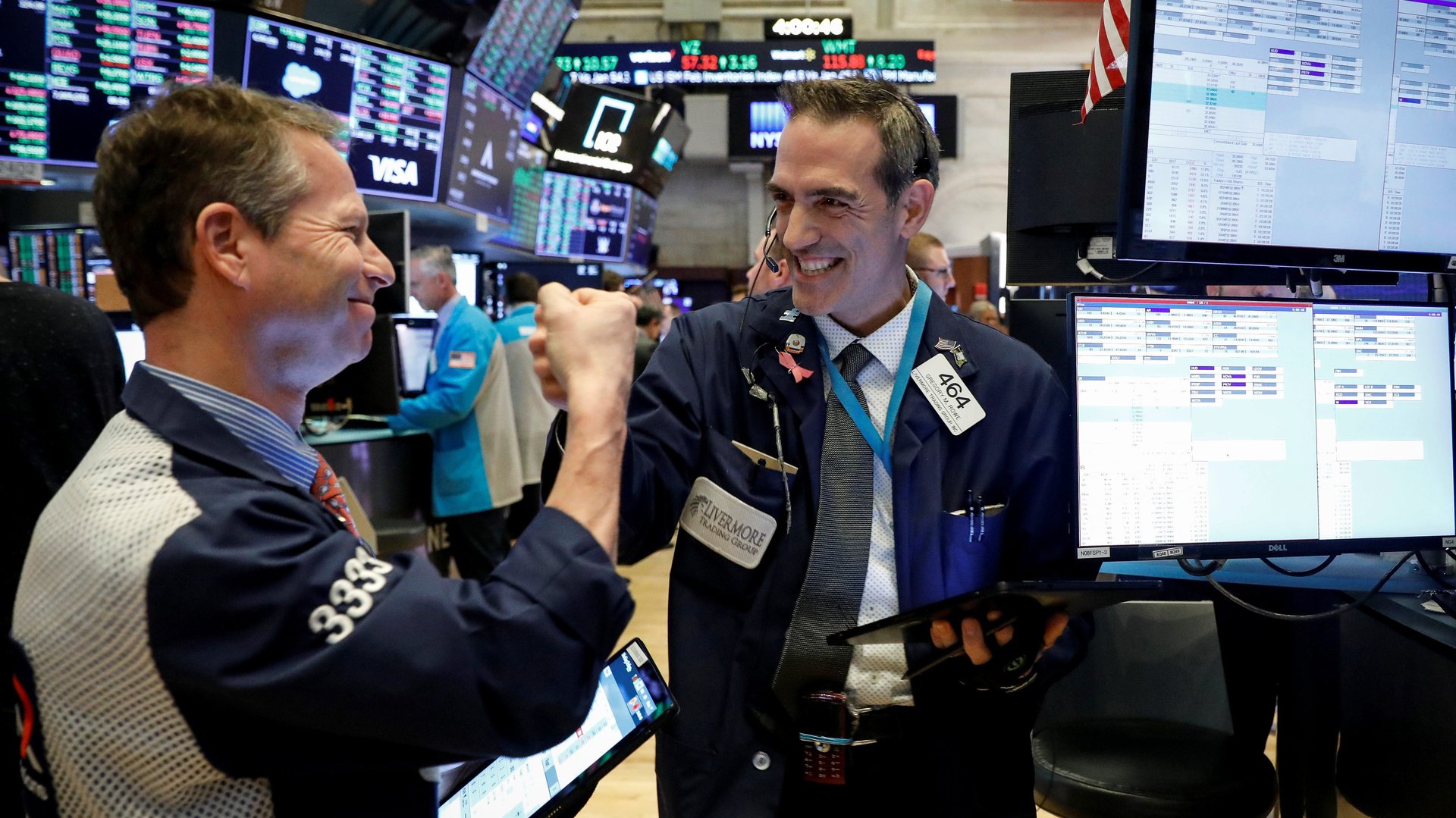
Great quarter, guys.
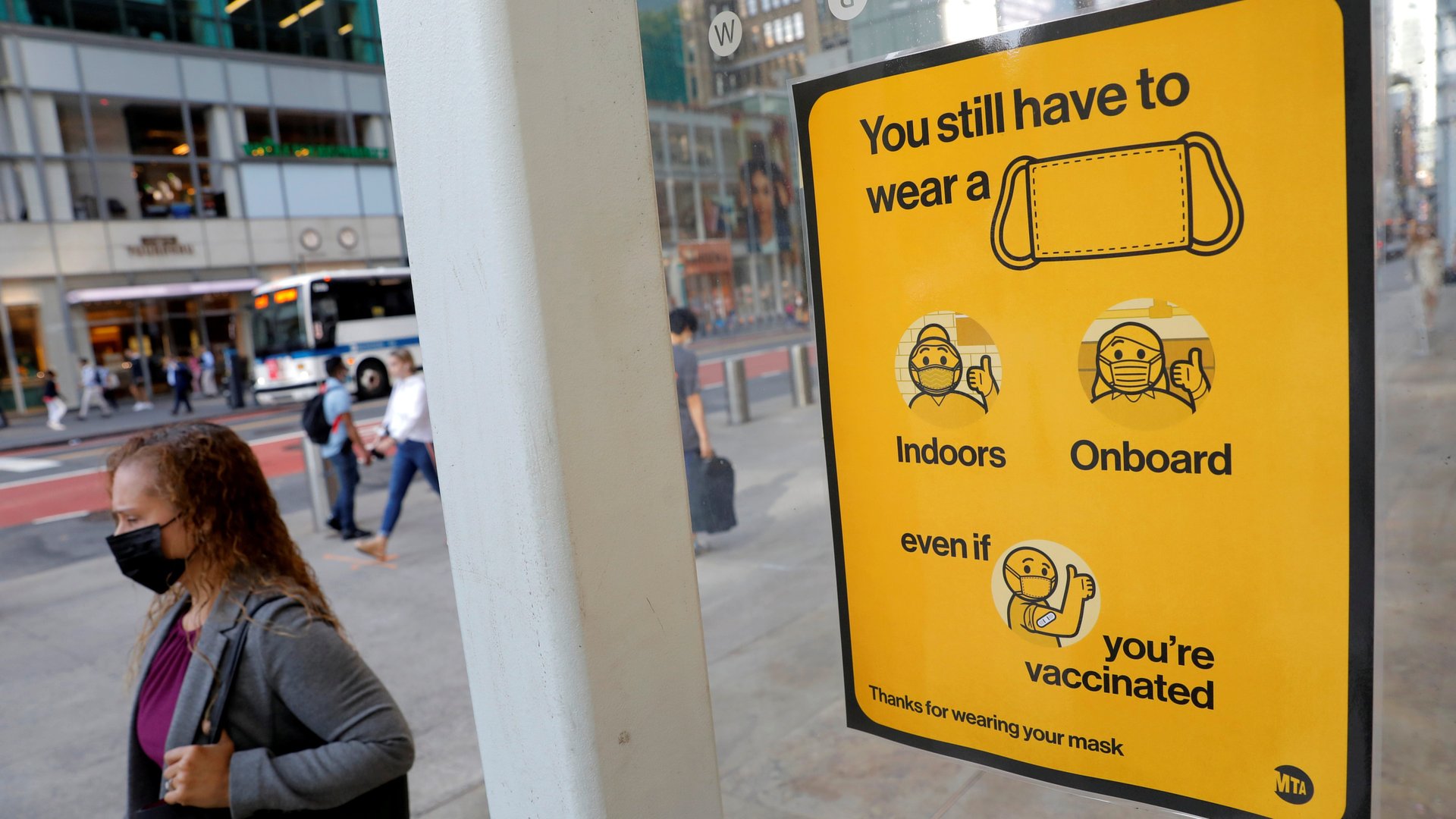
The US economy added far fewer jobs than economists expected last month, just as a lifeline for millions of unemployed comes to an end.
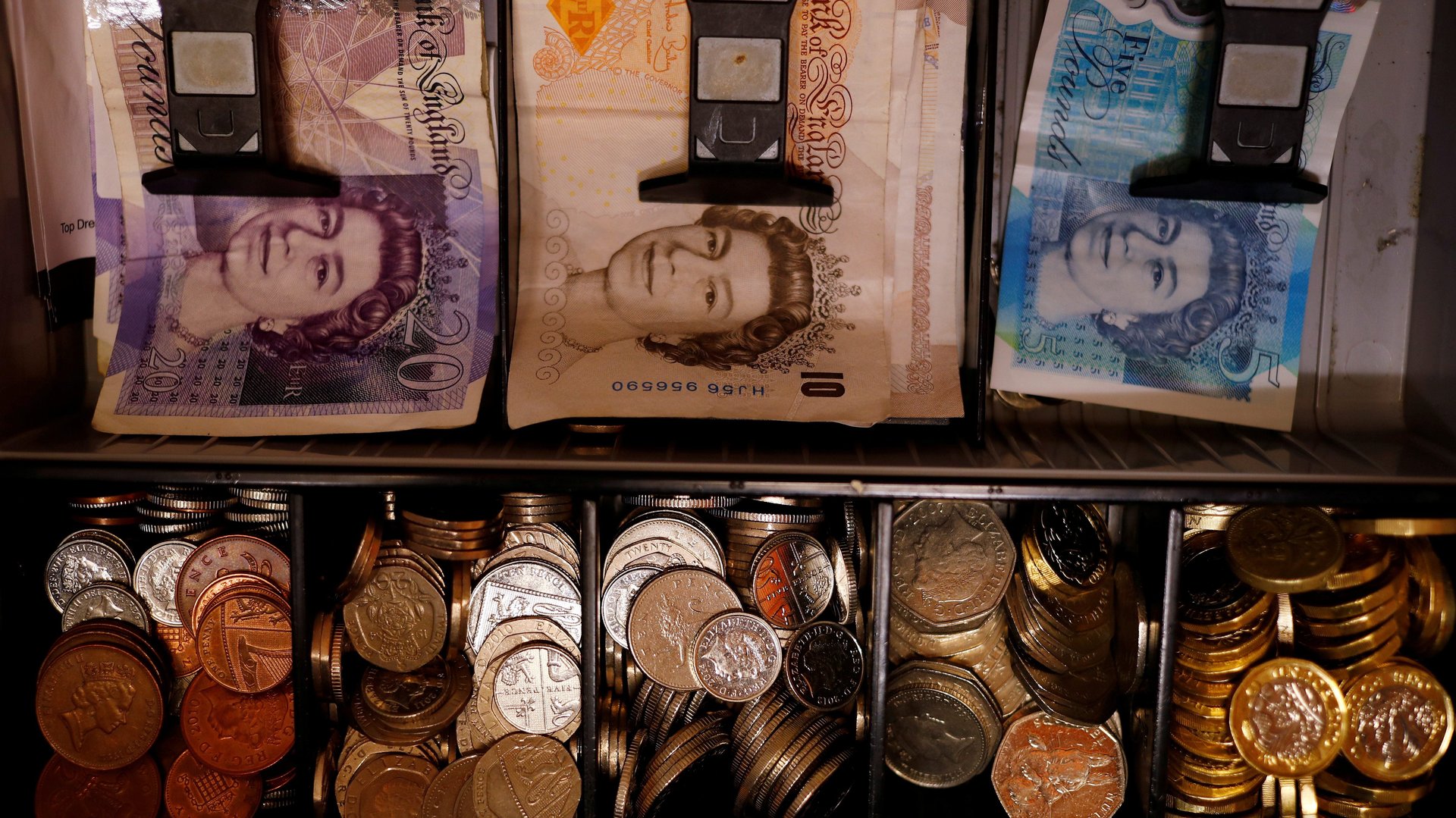
As society accelerates into its digital future, the UK is taking steps to protect the centuries-old technology known as paper money.
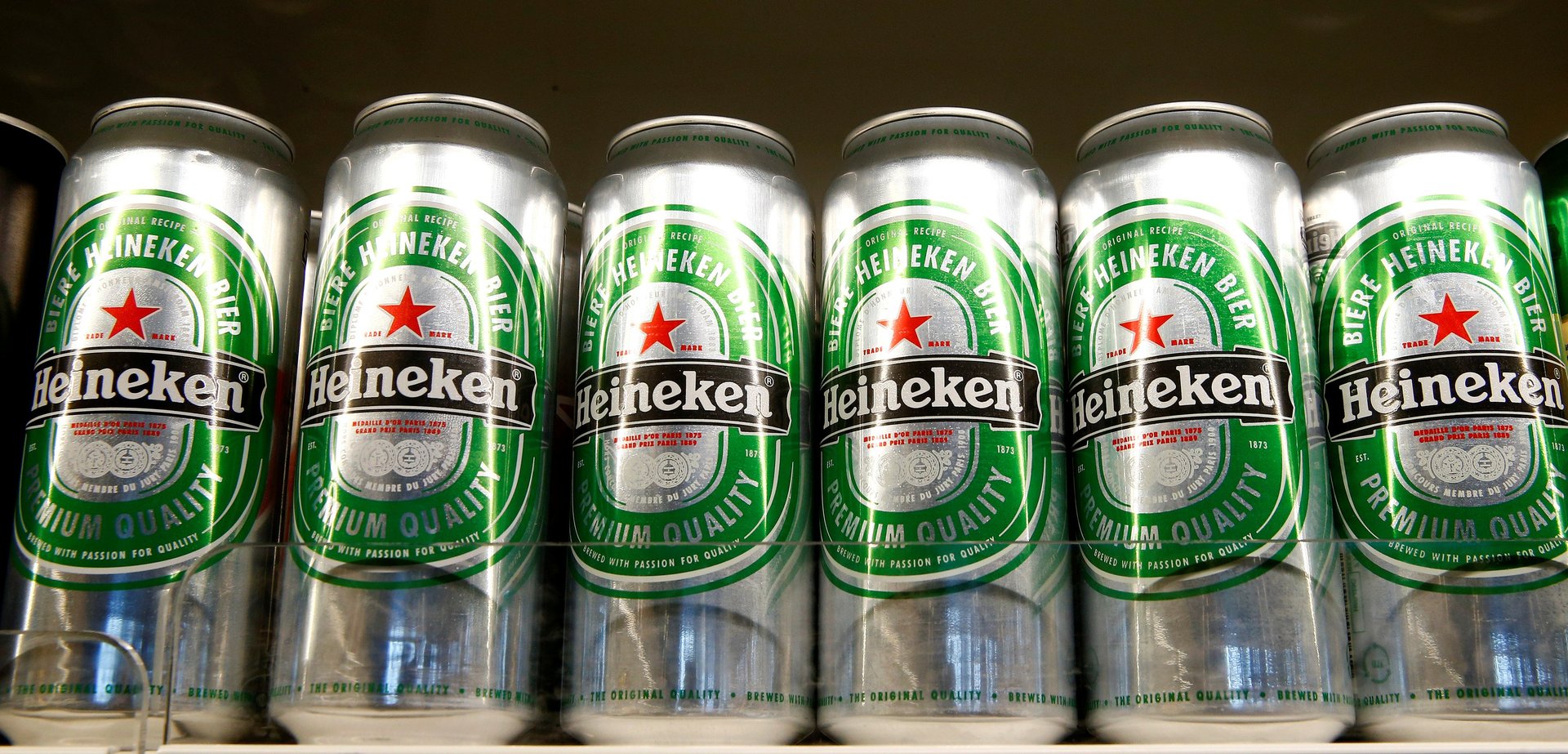
Aluminum prices have jumped to the highest in 10 years, driven skyward in part by a crackdown on energy usage in China. That’s rippling through the cost of everything from Heineken cans to kitchen wrap.
We are only just beginning to understand the ramifications of the retail trading boom.

Ethan Allen Interiors, the American furniture retailer, is changing its stock ticker to avoid confusion with ether, the crypto asset used to pay transactions fees on the ethereum computing platform.
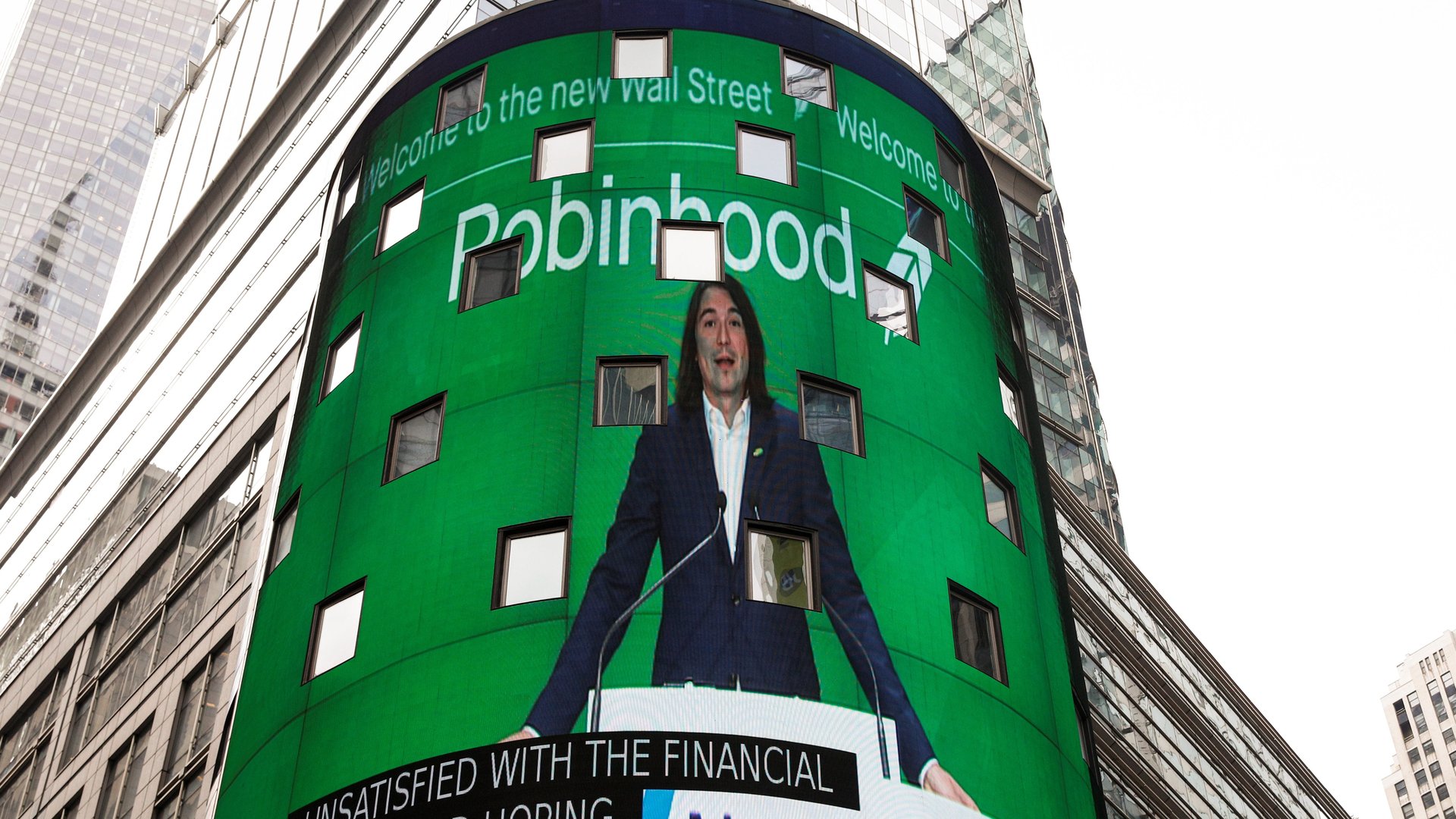
After starting out as a dud, Robinhood’s newly minted public shares are giving traders on Reddit plenty of meme material.
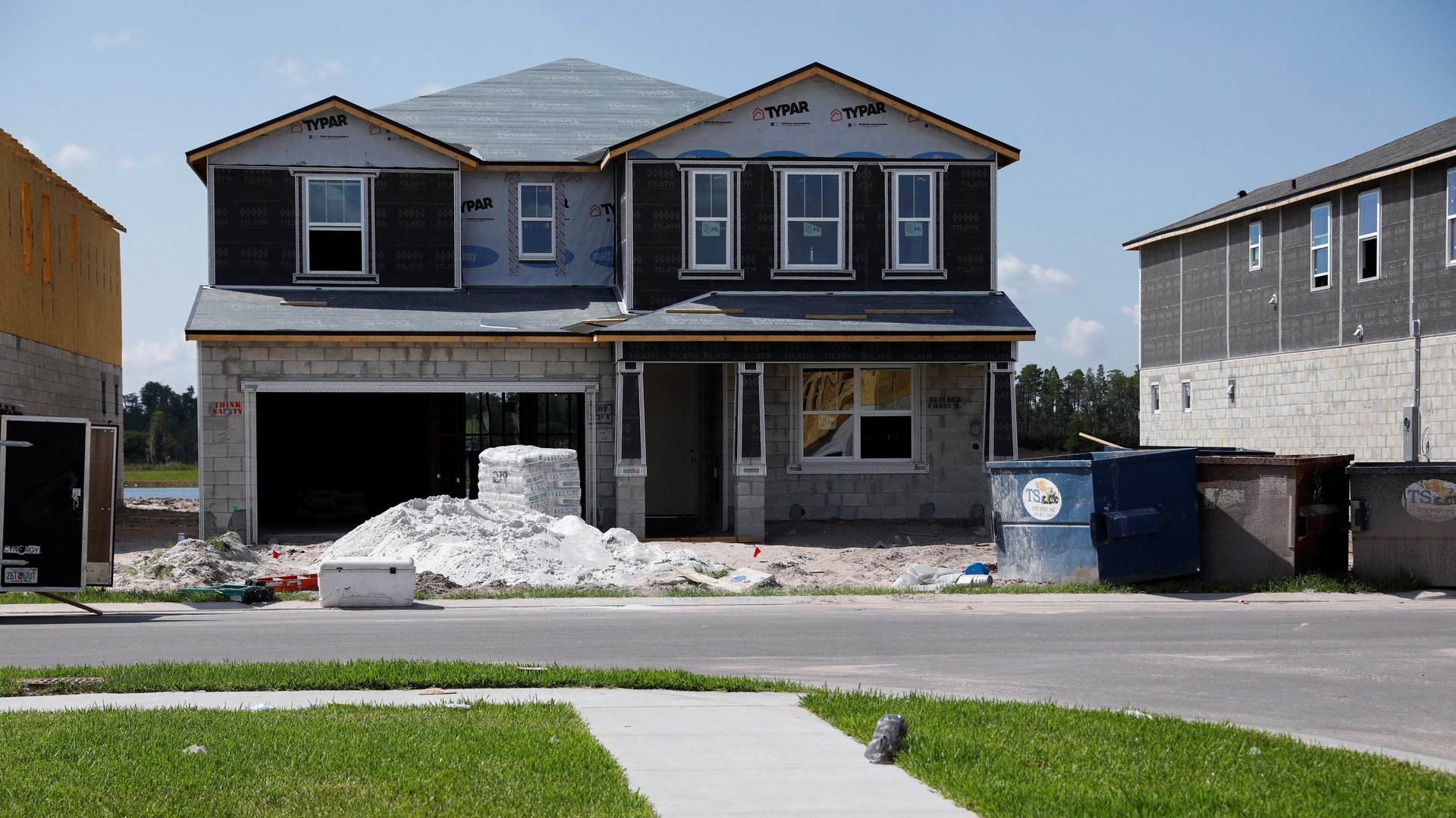
Skyrocketing home rental prices are making America’s largest single-family landlord a top performing stock.
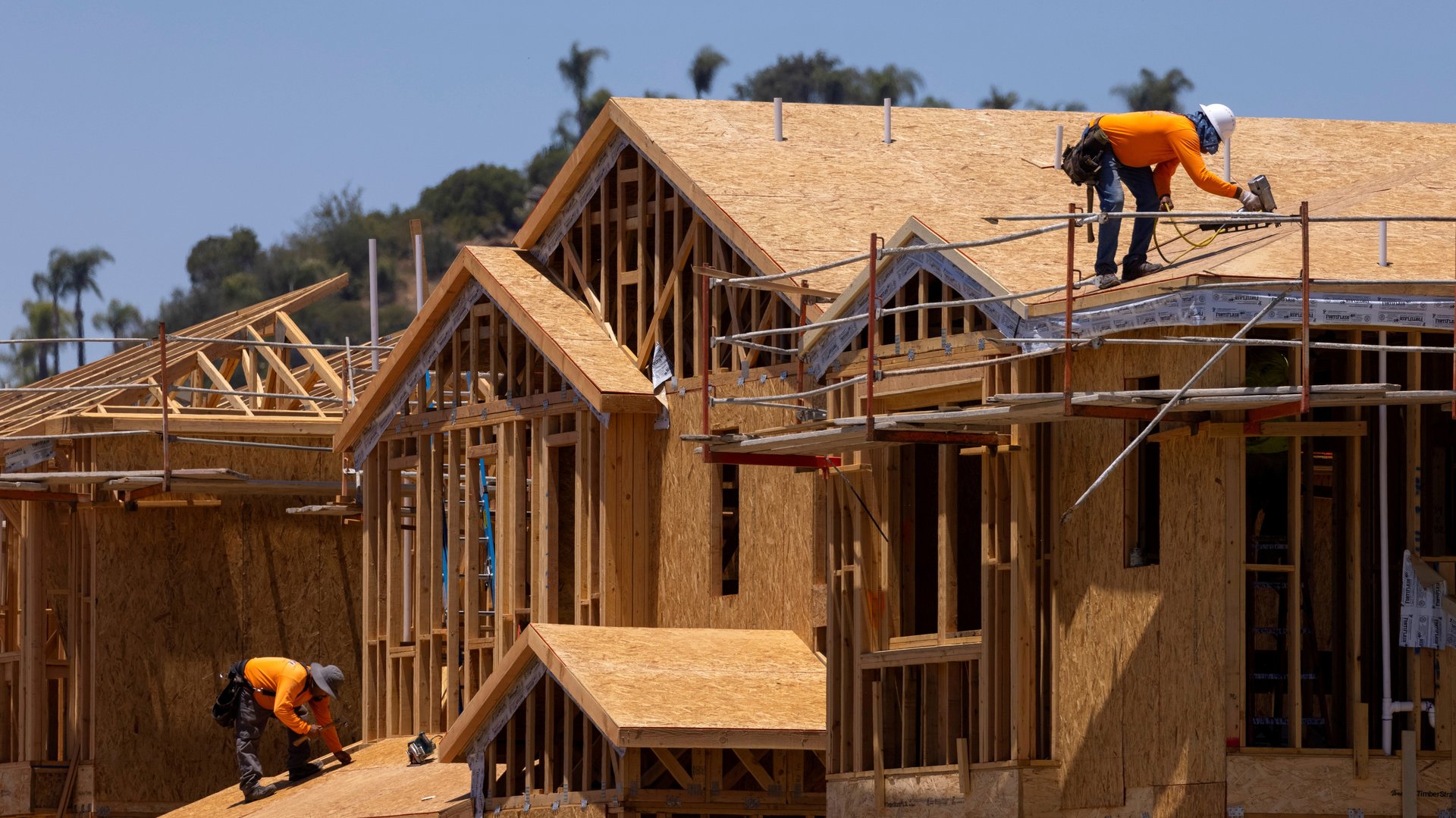
The US housing market is red hot, as home prices grow by record amounts. While there are reasons for concern, so far this boom is much different than the one that shook apart the financial system in 2008.
The debut of Robinhood—the controversial brokerage that ignited an explosion in retail trading—on the public stock market was expected to be a wild ride. Instead it fizzled.
Is Robinhood’s IPO a bargain? It depends on whether Gen Z sticks with the company in the coming years.
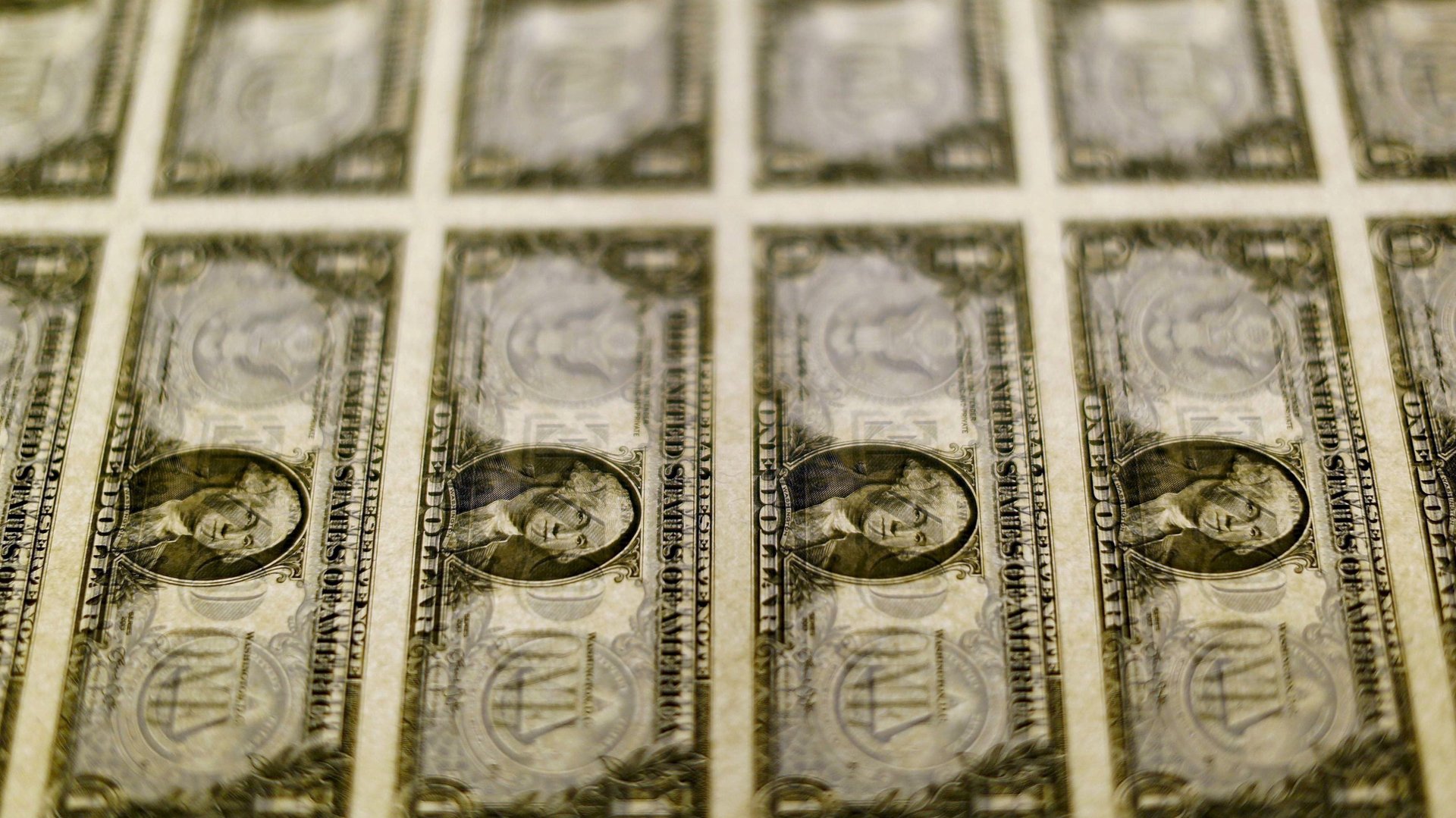
Digital money is nothing new—debit and credit cards have been with us for years. What’s changed is its pervasiveness. With fewer people carrying paper money, and with some places no longer accepting it, we’ve become ever more reliant on electronic cash provided by commercial institutions, from PayPal to Visa.
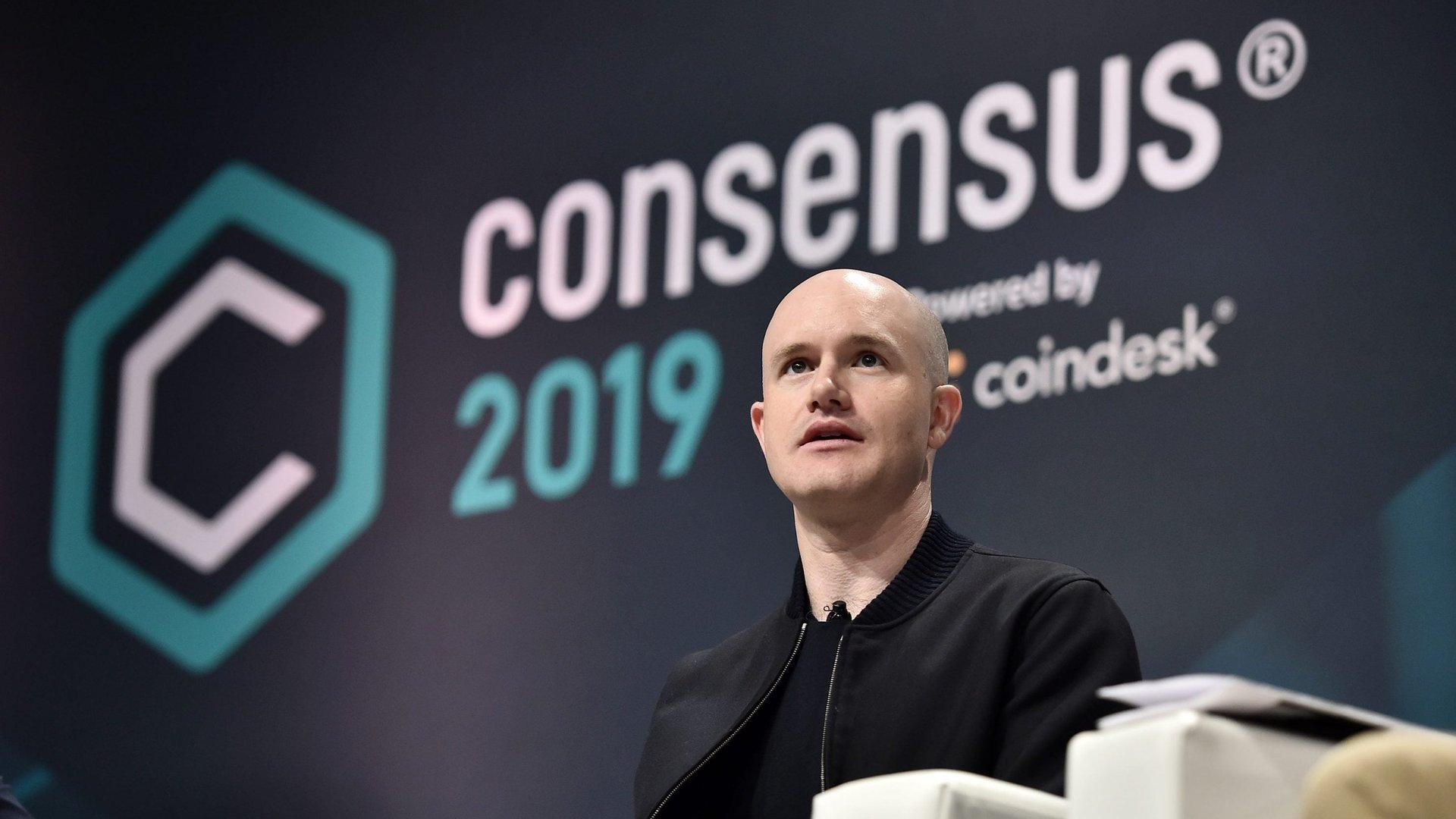
Coinbase founder Brian Armstrong got two big things right: He understood early on that bitcoin was a trillion-dollar opportunity, and that regular people would need a simple, regulator-friendly way to access it. That vision became Coinbase, and when the biggest US crypto exchange went public in April, it made 38-year-old Amstrong one of the richest people on the planet.