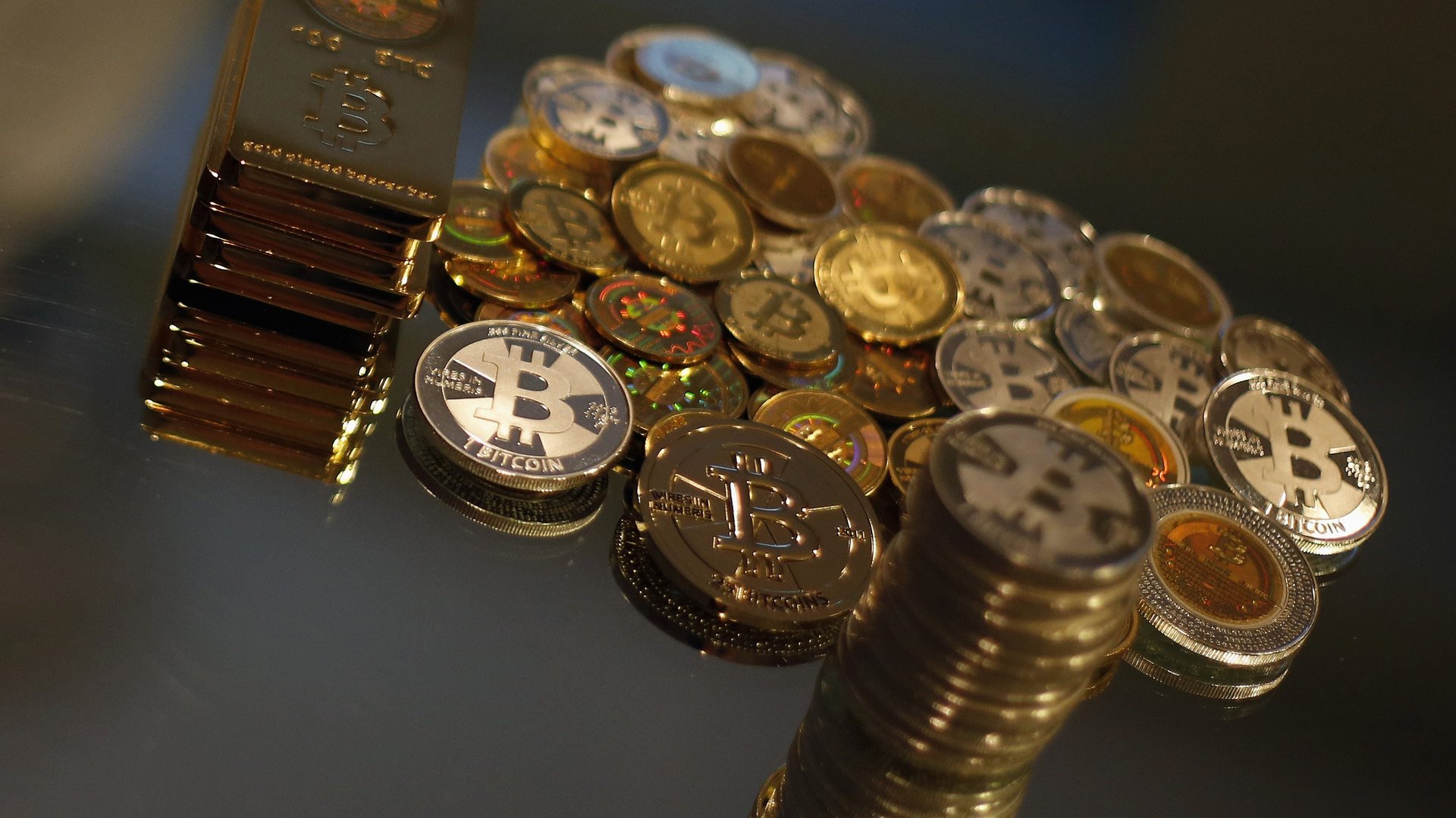
Bitcoin is back to its volatile old self. The cryptocurrency’s price plunged more than 20% in three hours of trading today (Jan. 5), a dramatic correction that occurred within minutes of its nearly hitting an all-time high.

Bitcoin is back to its volatile old self. The cryptocurrency’s price plunged more than 20% in three hours of trading today (Jan. 5), a dramatic correction that occurred within minutes of its nearly hitting an all-time high.

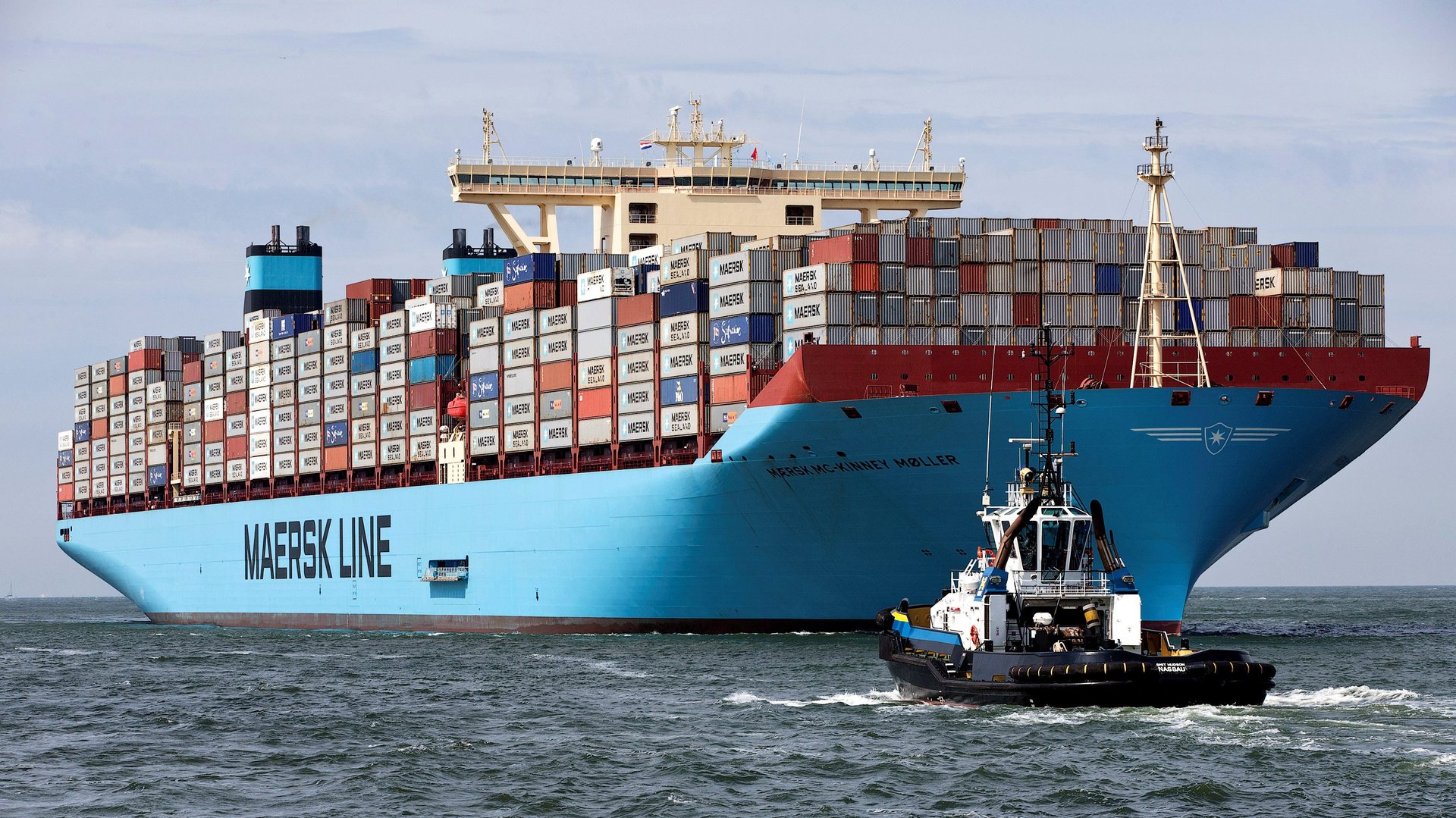
You can now use Alibaba to book a trip at sea—not on the latest cruise, but aboard a shipping container leaving China. Reuters reports that the e-commerce giant is selling spaces on Maersk container ships to business customers through its OneTouch service.

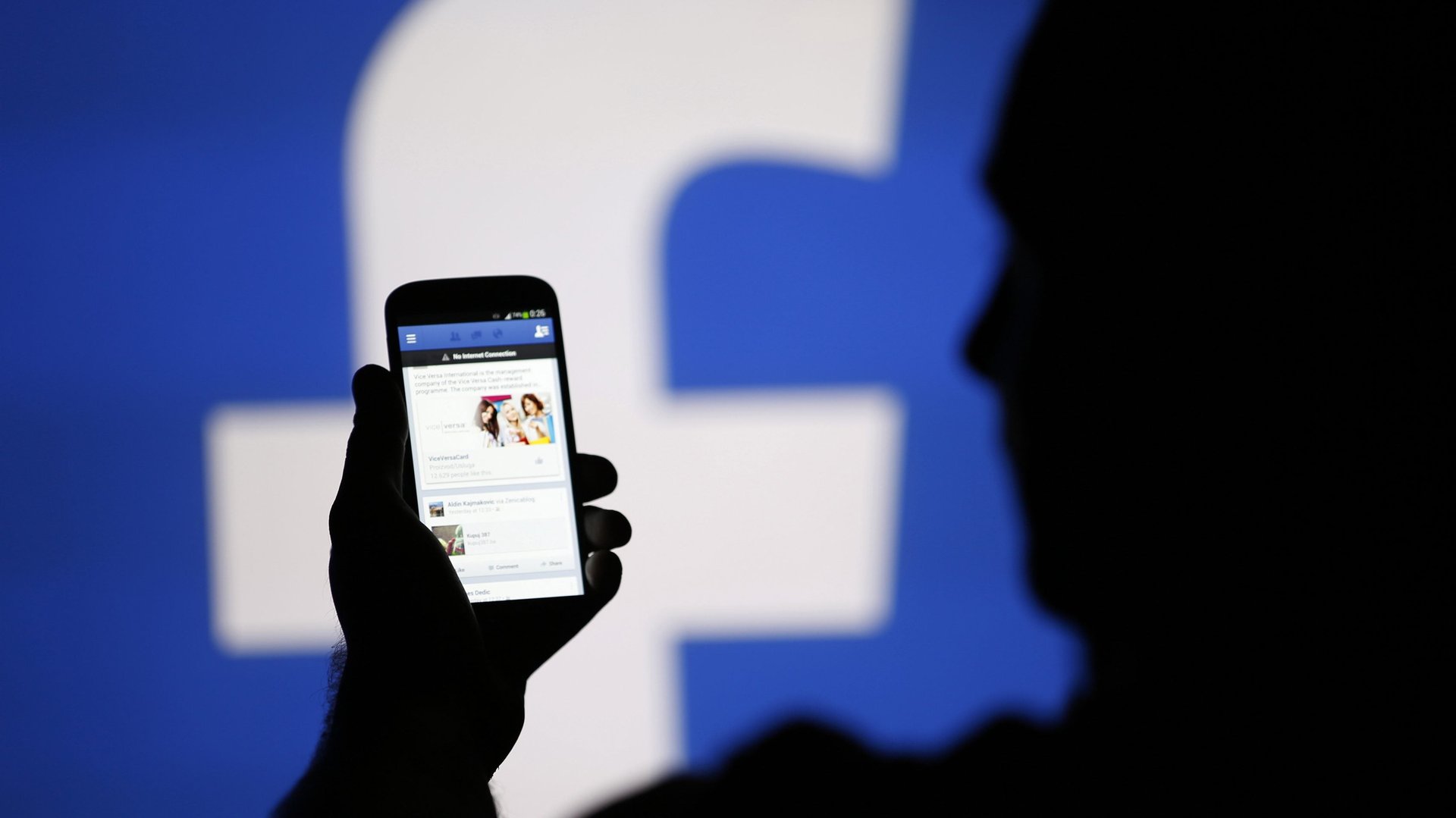
Nielsen’s latest US ranking of the most popular smartphone apps is out, and it’s not a pretty picture for those who value diversity in their digital lives. A third of the Top 10 apps belong to Facebook; half are Google’s, and Apple and Amazon pick up the remaining scraps with one apiece.

Bitcoin is within touching distance of its all-time high, having more than doubled its value for the year. Traders are now bullish about an extended rally that could see it surpass its $1,165 peak, achieved in November 2013. But if history does repeat itself, crypto traders would do well to remember how that rally turned into a crash—starting with the intervention of China’s government.

It’s déjà vu for bitcoin believers. Three years ago, in the dying months of 2013, the cryptocurrency took off on a historic bull run that would push its price to an all-time high of nearly $1,200. Bitcoin is approaching those highs again now, hitting $968 in trading today.

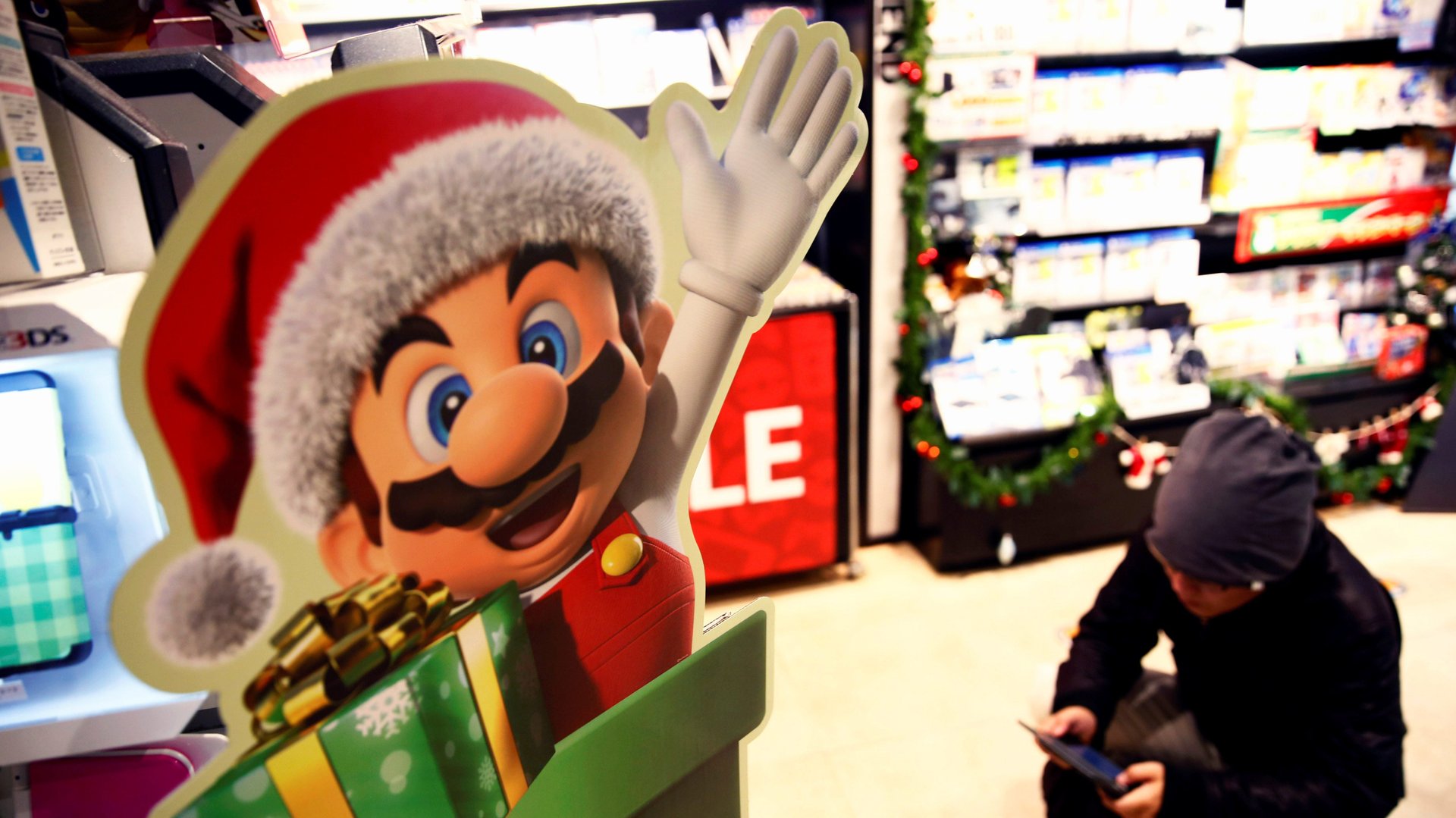
Super Mario Run has been a hit in terms of downloads since it was released Dec. 15, but it’s struggling to convince players to shell out the $9.99 required to complete the game. One criticism has been that the price is simply too dear for a freemium game. As a result, Nintendo’s stock price is tanking—down over 19% since Super Mario Run was launched (though it’s still well up on the year).

More than 40 million people have downloaded Super Mario Run, Nintendo’s first true iPhone game, but apparently most of them aren’t enjoying it enough to play beyond the game’s first three levels. Nintendo charges $9.99 to play the rest of the game, and players appear to have decided it’s not worth it.

The value of a single bitcoin has skyrocketed this year, and hit $874 today (Dec. 22). It’s not the highest price ever for bitcoin, which traded at $1,165 in November 2013. But with the 2016 rally, the cryptocurrency has achieved a different but related milestone: The value of all bitcoin in circulation is now at an all-time high.

The European Union’s competition regulator says it was misled by Facebook over the tech company’s ability to match its users to accounts on WhatsApp, the messaging company that was acquired for $19 billion in 2014. The allegations are limited in scope and will not change the commission’s decision to clear the acquisition. However,Facebook could face a fine of 1% of its total revenue.

Facebook has fake news, Alibaba has fake reviews. The Chinese e-commerce giant is cracking down on phony reviews that game the search results for its Taobao shopping platform by suing a review provider in a court in its home base of Hangzhou.

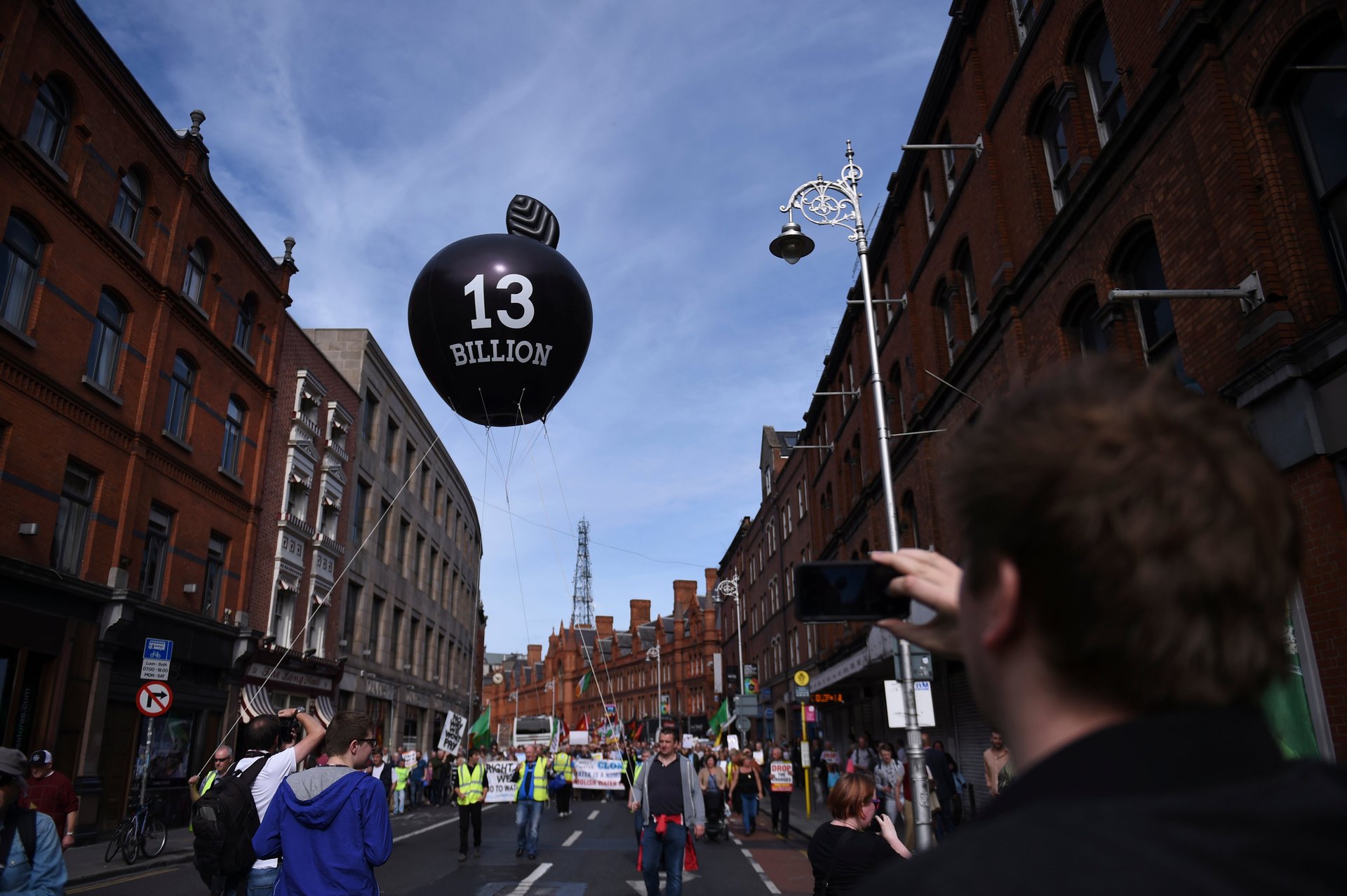
Apple will appeal this week against the European Commission’s decision that it owes Ireland up to €13 billion ($13.6 billion) in back taxes, according to statements from the company to Reuters in San Francisco yesterday evening.

You might think of the internet as a series of walled gardens, surrounded by wild jungle.

Nintendo’s breathlessly anticipated mobile game Super Mario Run dropped yesterday. Fans promptly complained that it’s too expensive, and Nintendo’s share price sank by more than 4% in trading today. For the week, Nintendo’s stock has fallen by nearly 10%.

Yahoo did the unthinkable yesterday. It broke its own record for the biggest security breach ever, when it announced that a billion users’ details were hacked three years ago. This is a separate incident from the previous record-setting, 500 million improperly accessed accounts that it revealed in September 2016.

There’s been plenty of news to keep bitcoin down this year, from plunging venture capital investment to rising skepticism about blockchain technology’s viability in the marketplace. Yet the cryptocurrency is trading at its highest levels since its insane bull run of 2013.

In September 1996 an internet service provider (ISP) in New York was taken down by a flood of traffic. Computers elsewhere on the internet, controlled by hackers, were sending it up to 150 connection requests every second, far more than it could handle. It was the internet’s first major distributed denial-of-service, or DDoS, attack.

Ivory Coast is following in the footsteps of Mongolia by adding a new three-word addressing method to its postal system. Letter writers can use a three-word phrase on an envelope instead of a street address.

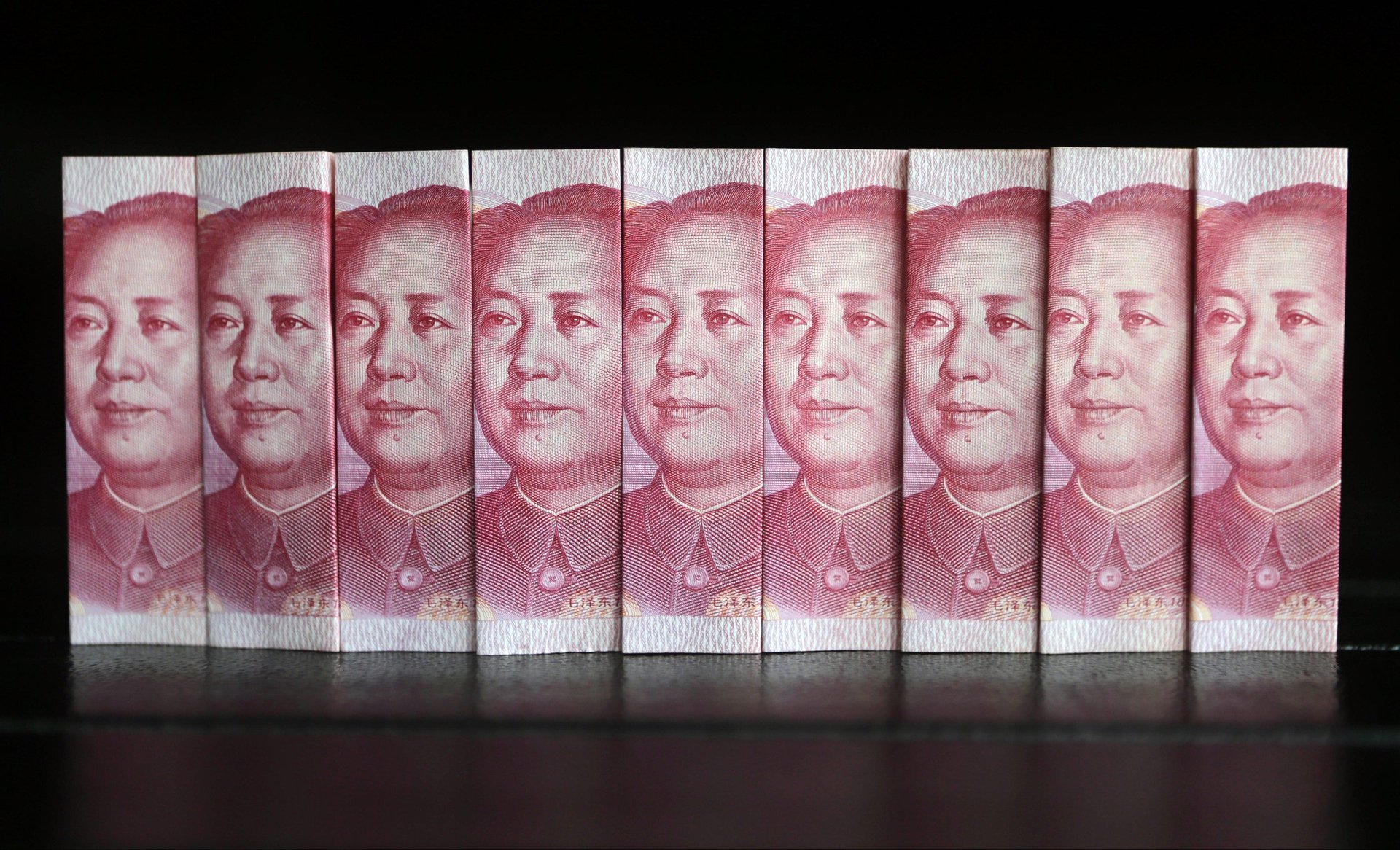
For centuries, Chinese have given money to children during the lunar new year, known as ya sui qian (压岁钱). Imperial Chinese coins were threaded on red string and hidden under children’s pillows on New Year’s eve. As paper money came into circulation, the practice morphed into slipping coins and notes into red envelopes, known on the mainland as hongbao.

If you like your privacy, don’t fly the friendly skies with your phone connected to in-flight networks. American and British intelligence have been surveilling phone use aboard civil aircraft since at least 2005, according to a new investigation by Le Monde based on secret documents from former National Security Agency contractor Edward Snowden.

The European Union’s competition regulator has green-lit Microsoft’s $26 billion acquisition of LinkedIn. The decision is both a rebuff to Salesforce’s Marc Benioff, who pushed for a probe to be opened into the deal, but also a sign that Microsoft’s sales-lead management business is no threat to Benioff’s company—at least for now.

A bold plan to turn a historic Parisian train station into a giant campus for tech companies got a boost today after Facebook said it would be among the first tenants, according to Business Insider.

The tech industry seem to be at the core of every glittering urban overhaul in Europe’s historic cities. There’s Google’s lavish new digs in London’s redeveloped King’s Cross area; Apple’s imminent occupancy of the iconic Battersea Power Station; and Facebook’s commitment to a vast new complex in Paris made of a converted train station.

European Union member states are on their way to getting free wifi in public spaces like libraries, parks, and town squares after a proposal from European Commission president Jean-Claude Juncker passed its first administrative hurdle.

Three years ago Chinese internet giant Tencent needed a way to break into mobile payments. Its rival Alibaba already dominated payments in China with its platform, Alipay. So in time for Chinese New Year, Tencent launched a digital version of hongbao, the ancient new year tradition of handing out red packets stuffed with cash. Now Google is hoping to get people in the UK to use its payments platform, Android Pay, by trying a British version of the Chinese trick: digital Christmas crackers.