

Series
ESG investing is not dead, or even in decline—it is growing upThe burgeoning business of sustainable investing continues to define itself
Updated June 13, 20235 min read
The burgeoning business of sustainable investing continues to define itself

ESG has become a political football. Boards and CEOs need to prepare to play the game.

The NACD's new guidelines on the role and responsibilities of boards comes at an opportune time
ESG investment finally has a chance to move beyond politics.

In literal terms, ESG stands for environmental, social, and governance approaches to running or investing in companies.
The latest installment of the Edelman Trust Barometer is a gloomy report on public attitudes toward institutions of all kinds. The public relations firm’s findings (pdf) put trust in business at only 61%, marginally ahead of trust in NGOs (59%), vs. government (52%) and media (50%.)
When 700 business executives and supporting firms and institutions signed a petition last March to protest legislation to restrict voting in Georgia, it felt we crossed a threshold on CEO activism.
As world leaders return from the COP26 meeting in Glasgow, everyone has a job to do on climate change. Clear policy signals are still buried in politics, but we can hope that a pricing mechanism to reset the markets can emerge. Until then, though, who will hold business and industry to account?

Clients drawn to socially responsible investing are told they can have it both ways—competitive or even superior returns, plus positive societal and environmental outcomes.
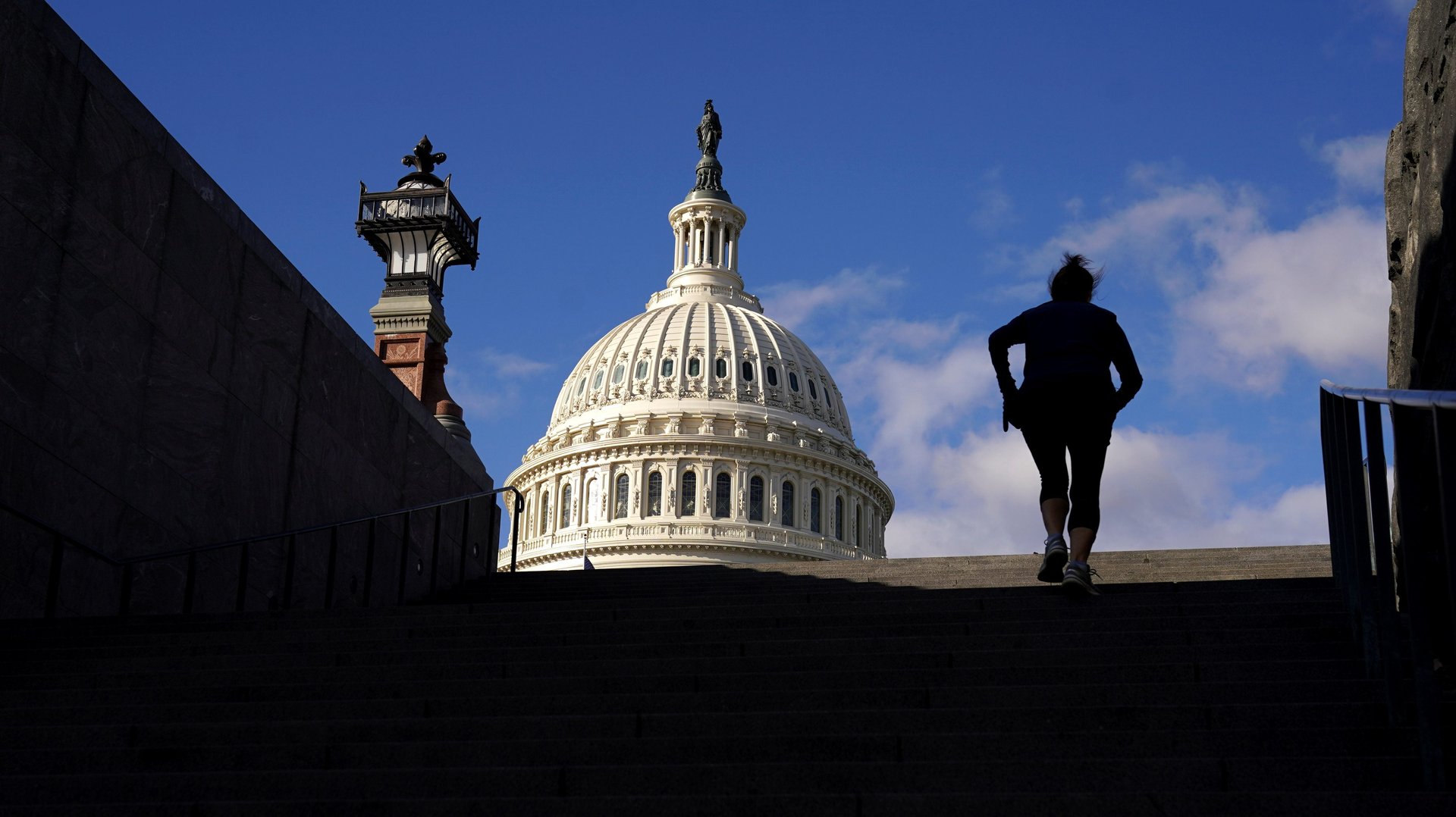
The decision of big brands and banks to pull money from Republican politicians who agitated against the outcome of the US presidential election was a major story after the storming of the Capitol. It didn’t stop there, as some companies decided to hit the pause button on all political spending. IBM, meanwhile, earned kudos as a company that has drawn a clear line on political donations or electioneering of any kind, since its founding, and lives by it.

In a 2019 opinion piece published in the New York Times, Salesforce CEO Marc Benioff called for a “new capitalism” and counseled business leaders to look at the facts: “Research shows that companies that embrace a broader mission—and, importantly, integrate that purpose into their corporate culture—outperform their peers, grow faster, and deliver higher profits,” he wrote.
Fifty years ago this week, the New York Times Sunday Magazine published an essay by the Nobel prize-winning economist Milton Friedman. The central premise of the Friedman Doctrine was that to continue to prosper, American business needed to stay globally competitive—and that required executives to focus only on profits and share price. He called for executives to ignore the distraction of the myriad social responsibilities that go beyond the legal minimum.

Aug. 19, 2020, marks one year since the Business Roundtable released a new statement about the purpose of corporations, choosing so-called “stakeholders” over shareholders in pursuit of an “economy to serve all Americans.” It was a bold move that jolted the business press to life in the sultry days of August and offered some welcome news to those who believe we need business to make progress on significant challenges, from climate change to inequality. It felt long overdue.

A message appeared this week on the Notify NYC text feed, New York City’s official source of information about emergency alerts and city services; it was squeezed in between an update on how students can pick up grab-and-go meals at the entrance of their local school and the latest advice on containing the virus:
“We don’t yet know which predictions about the climate will be most accurate, nor what effects we have failed to consider. But there is no denying the direction we are heading. Every government, company, and shareholder must confront climate change.”—BlackRock CEO Larry Fink
In his provocative book Fixing the Game, Roger Martin, head of the Martin Prosperity Institute at the University of Toronto, distinguishes between two kinds of market activity.

The Business Roundtable, one of the most powerful pro-business lobbying groups in the United States, released a new policy statement today that demonstrates just how much business thinking has shifted in the last decade about how to measure the success of a company. In its August 2019 Statement on the Purpose of the Corporation, the Business Roundtable’s membership—more than 180 CEOs of companies that together employ over 10 million people—and its chairman, JPMorgan Chase CEO Jamie Dimon, closed the chapter that puts returns to shareholders at the center of the license to operate. The new statement acknowledges shareholders on a par with the critical contributions of, and responsibilities to, a company’s employees, suppliers, host communities, and the environment.

Earlier this week, Blackstone co-founder Stephen Schwarzman gave $188 million to Oxford University to create the Schwarzman Centre for the Humanities, characterized by the university as “a dynamic hub dedicated to … those fields which inform our understanding and appreciation of the human experience.” The school adds that the Schwarzman Centre “will also be home to Oxford’s new Institute for Ethics in AI which will build upon the University’s world-class capabilities in the Humanities to lead the study of the ethical implications of artificial intelligence and other new computing technologies.”

The idea that companies owe something to the public—to the society that grants the license to operate—is still considered a novel idea by some, but it’s hardly radical. Companies from the Container Store to Herman Miller to JetBlue to Microsoft and dozens more are very clear about their public purpose. What sets the successful ones apart isn’t the purpose statement, however; it’s the follow-through. You have to get both right.
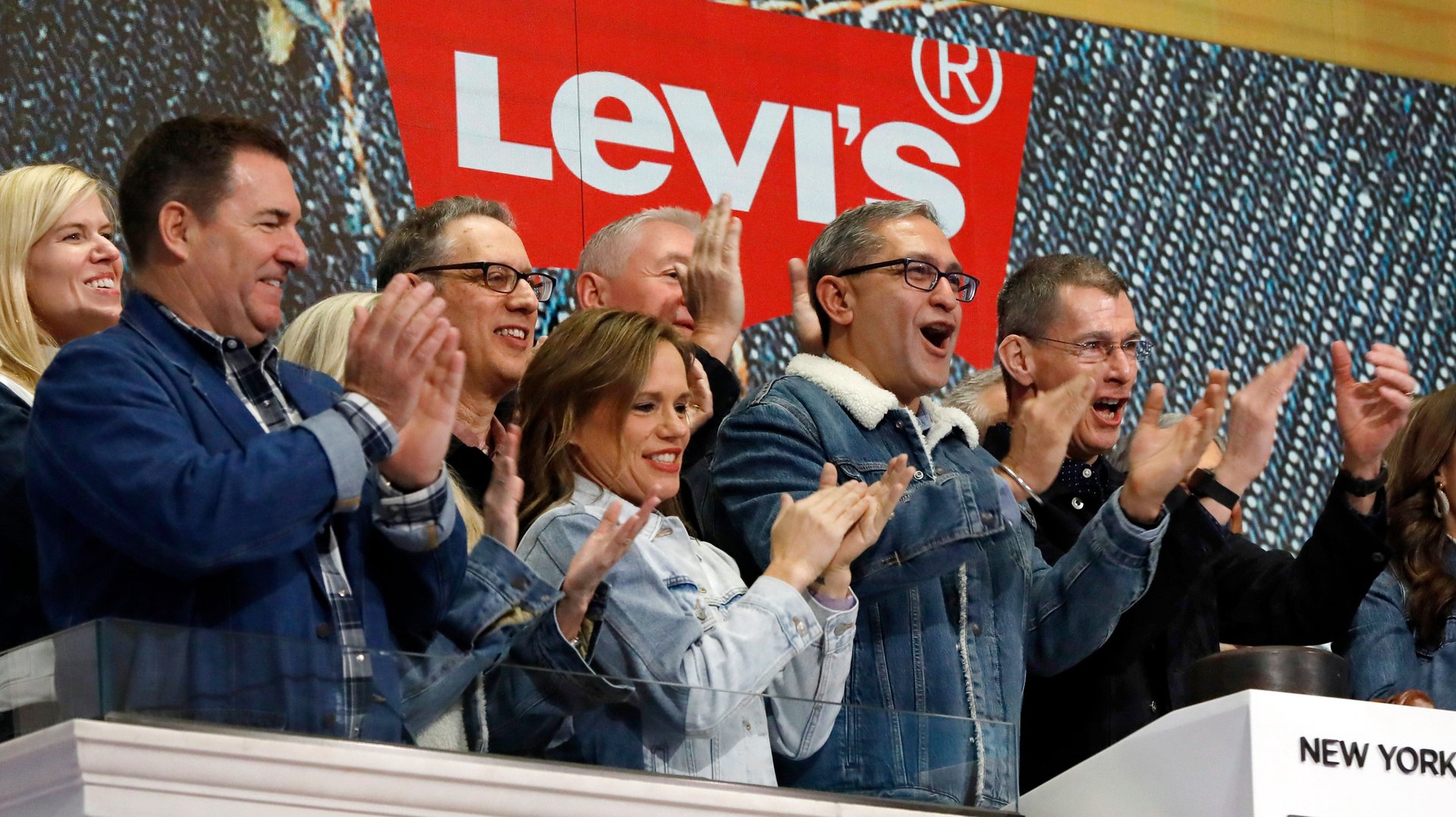
In the world of brands, Levi’s is about as good as you can get. It enjoys a great origin story, global cachet, and a coolness that is enduring rather than ephemeral. The company’s reputation has been built over decades of investment, and under the current CEO, Chip Bergh, it has doubled down on innovation cemented in social and environmental values that will keep me a loyal consumer (although the company’s products are of a quality that I don’t have to replace them that often).
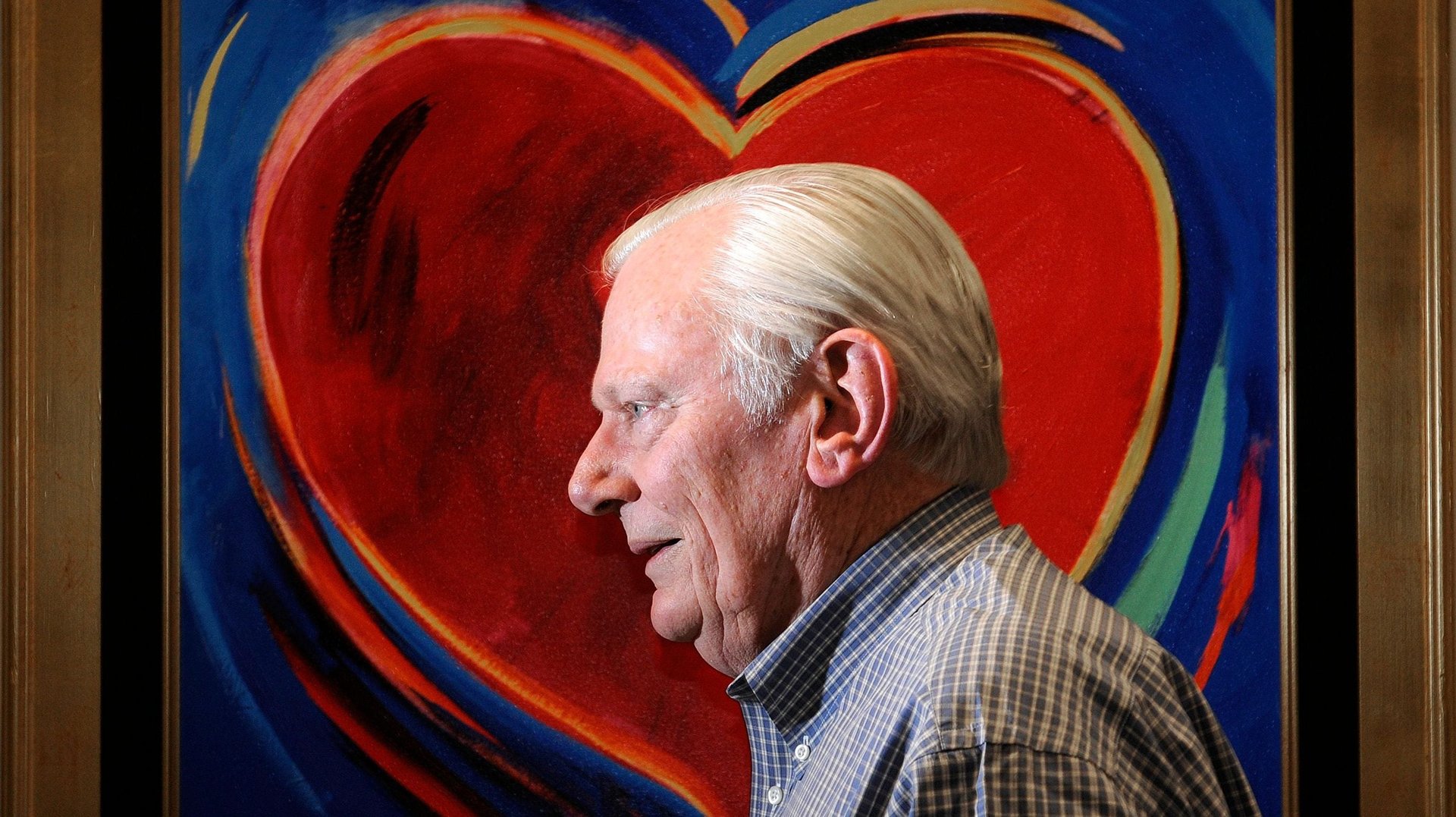
Larry Fink’s 2019 “Dear CEO” letter just hit the press—and the airplane reading file for global elites heading off to Switzerland for the World Economic Forum. The Blackrock letter is a required download for the Davos set. Fink vigorously attacks the very issues that make up the WEF agenda—and he writes at a moment that feels both economically rocky and socially perilous in Washington, London, Paris, and around the globe. Fink doesn’t mince his words:
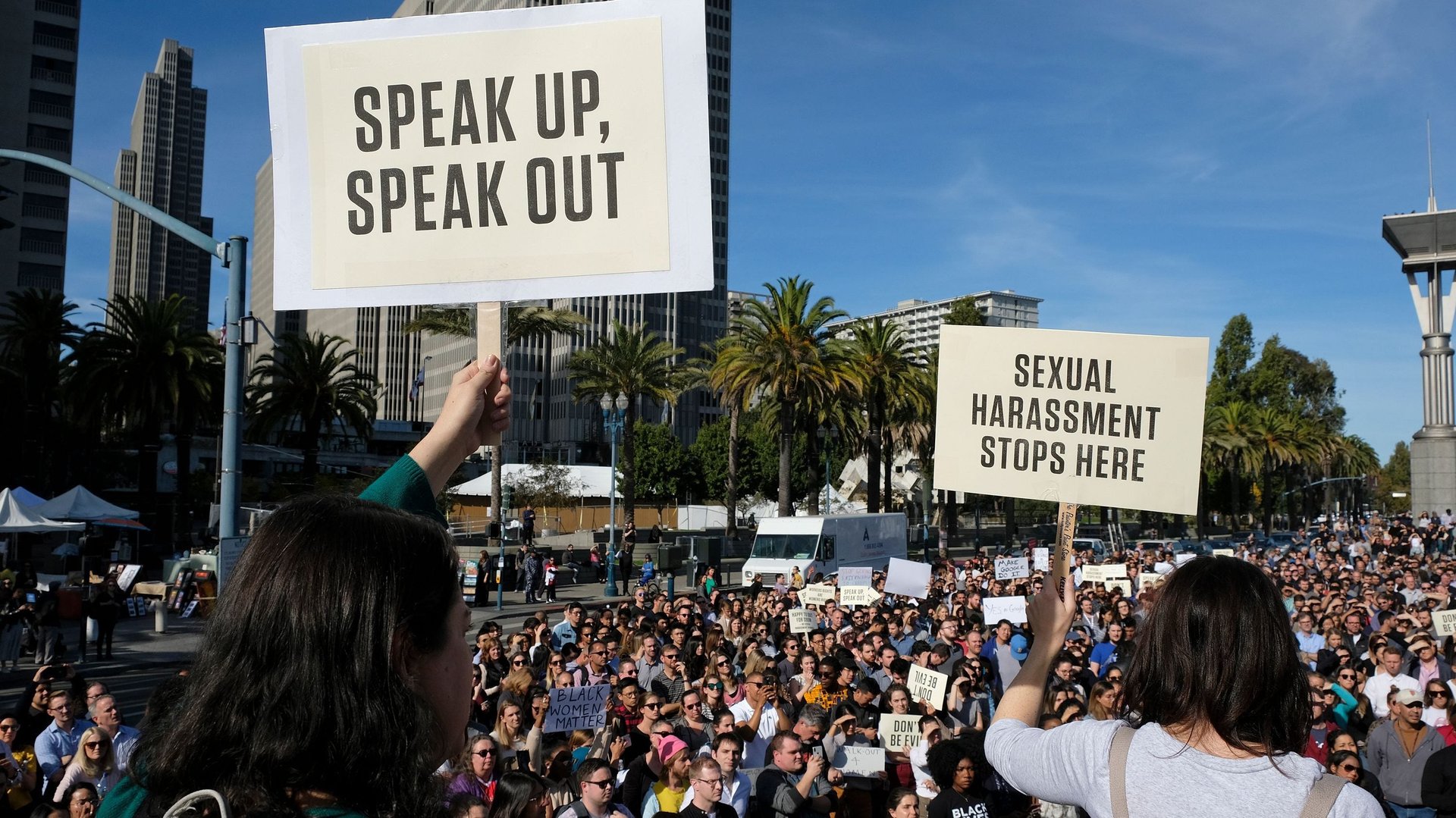
It’s hard to imagine a story able to wrest our attention away from the ominous scenes in Paradise, California, and yet it landed, just in time for Thanksgiving, in the form of an investigative piece from the New York Times. The story documents how Facebook executives ignored, then attempted to hide, and then twisted information about how Russia used its platform to influence the 2016 US presidential election.
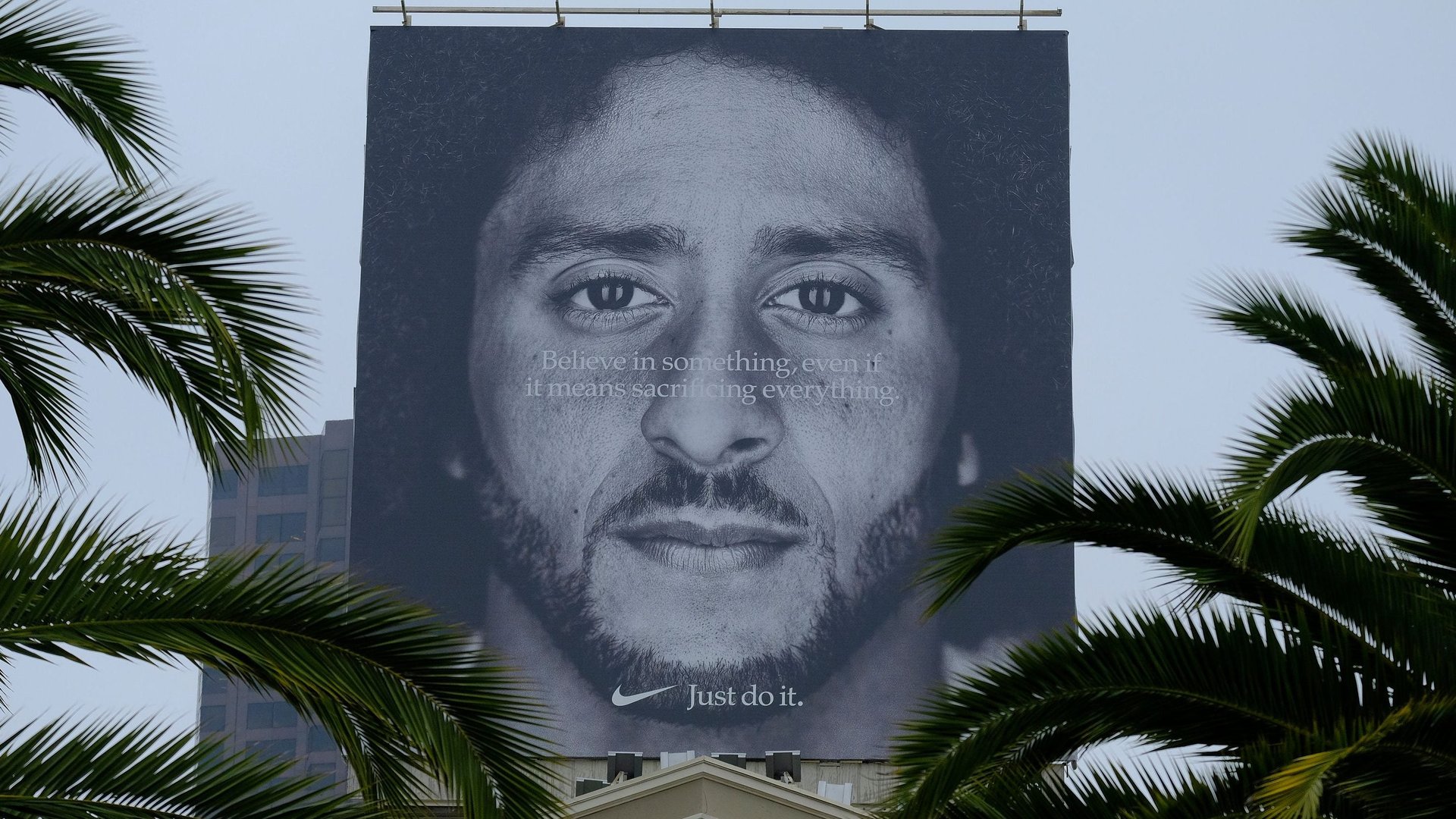
Two companies stepped into the political fray this month. Nike “took a knee” with its new ad campaign featuring Colin Kaepernick. Levi Strauss released a $1 million commitment to reduce gun violence—calling for “Everytown” business peers to join the campaign.
This year, companies began to publish new data about pay—a comparison of the CEO’s compensation with the compensation of the “median” worker. The new data fulfills a mandate of Congress laid down in the wake of the 2008 financial meltdown and offers a complicated, yet revealing, window into the culture and values of public companies.