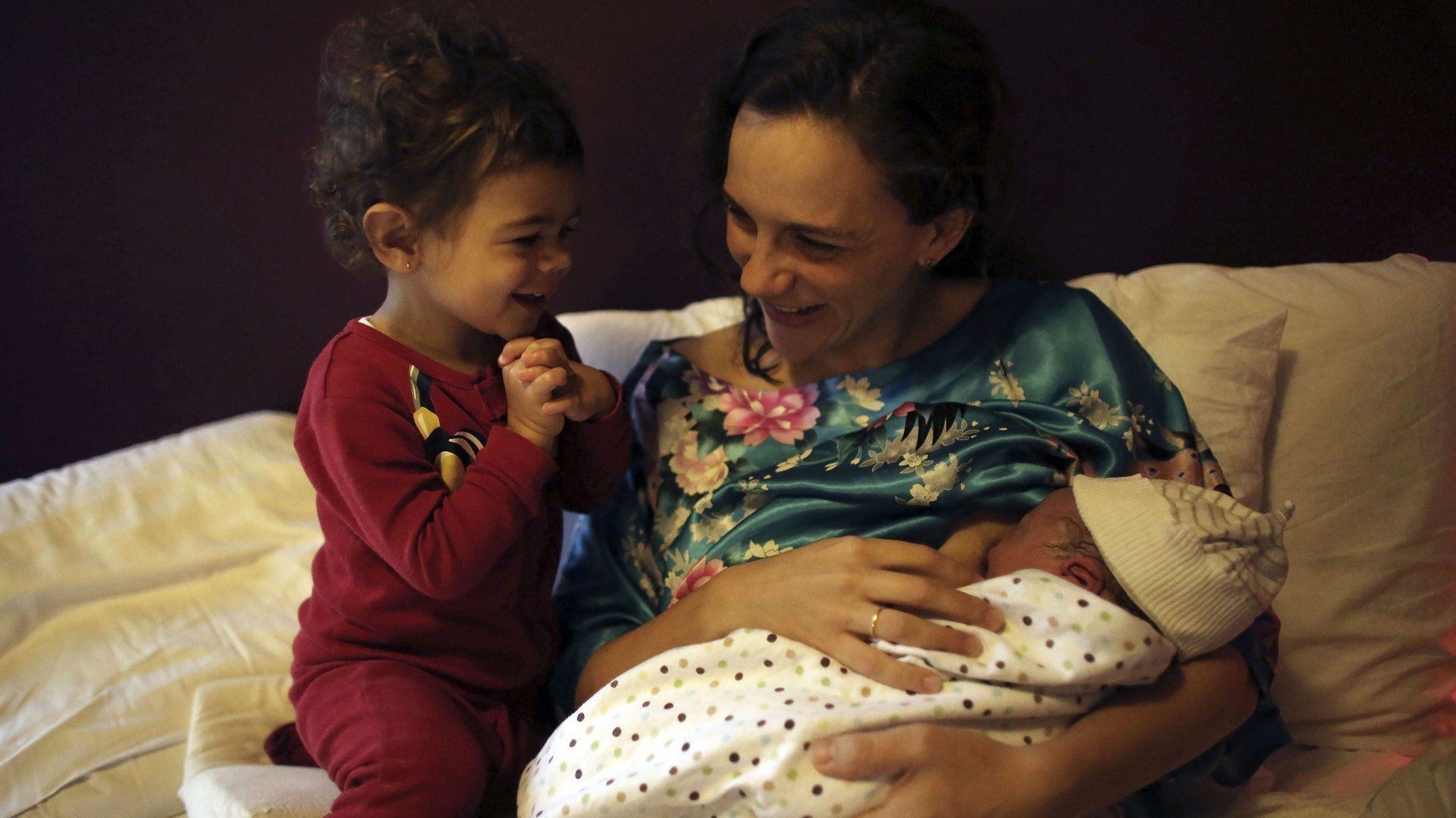
Scientists have reason to believe that some of our immune system may have been shaped by the single-cell organisms that lived in your mother’s gut.

Scientists have reason to believe that some of our immune system may have been shaped by the single-cell organisms that lived in your mother’s gut.

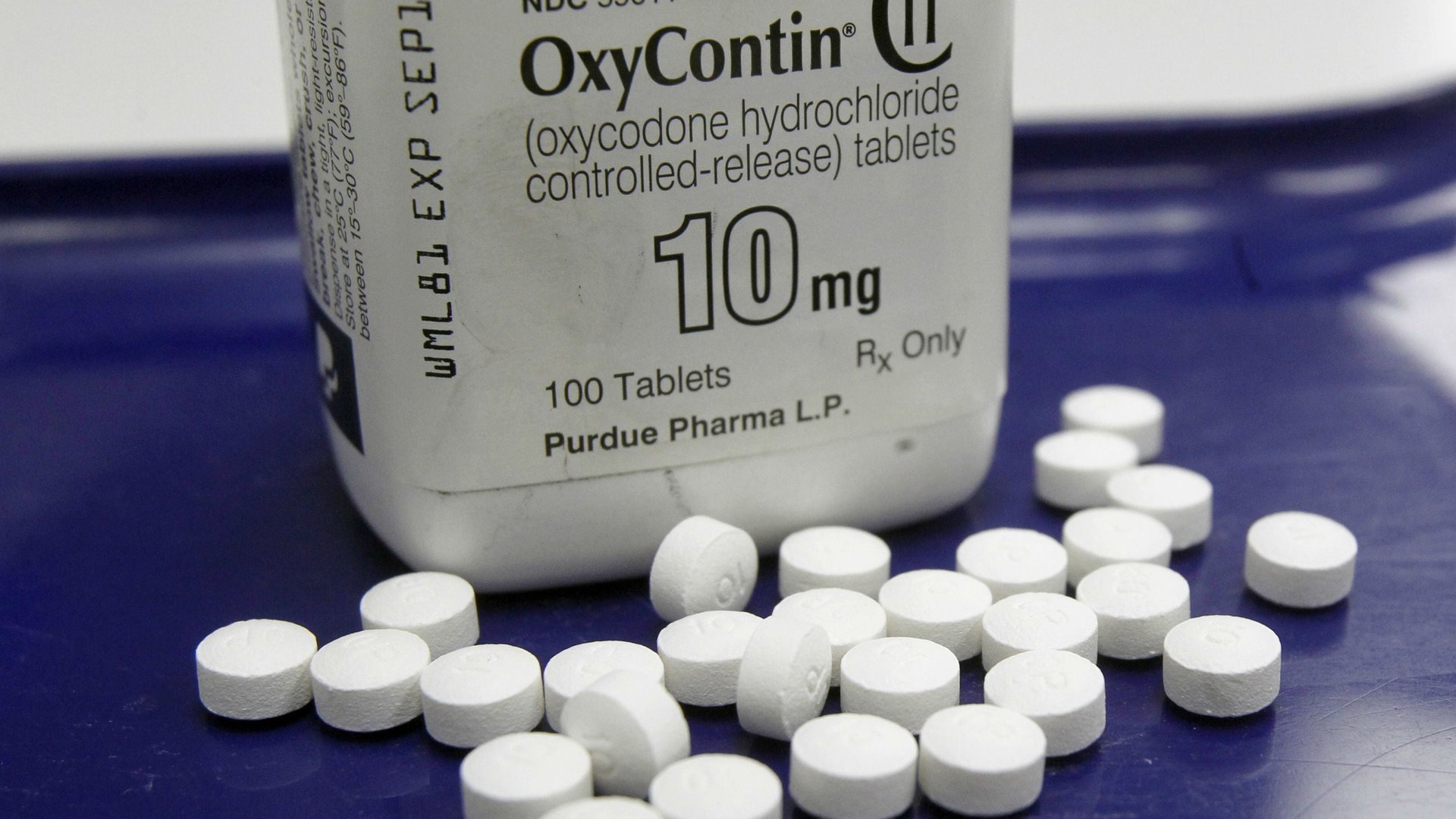
Each day, more than 40 people in the United States die from an overdose of painkillers.

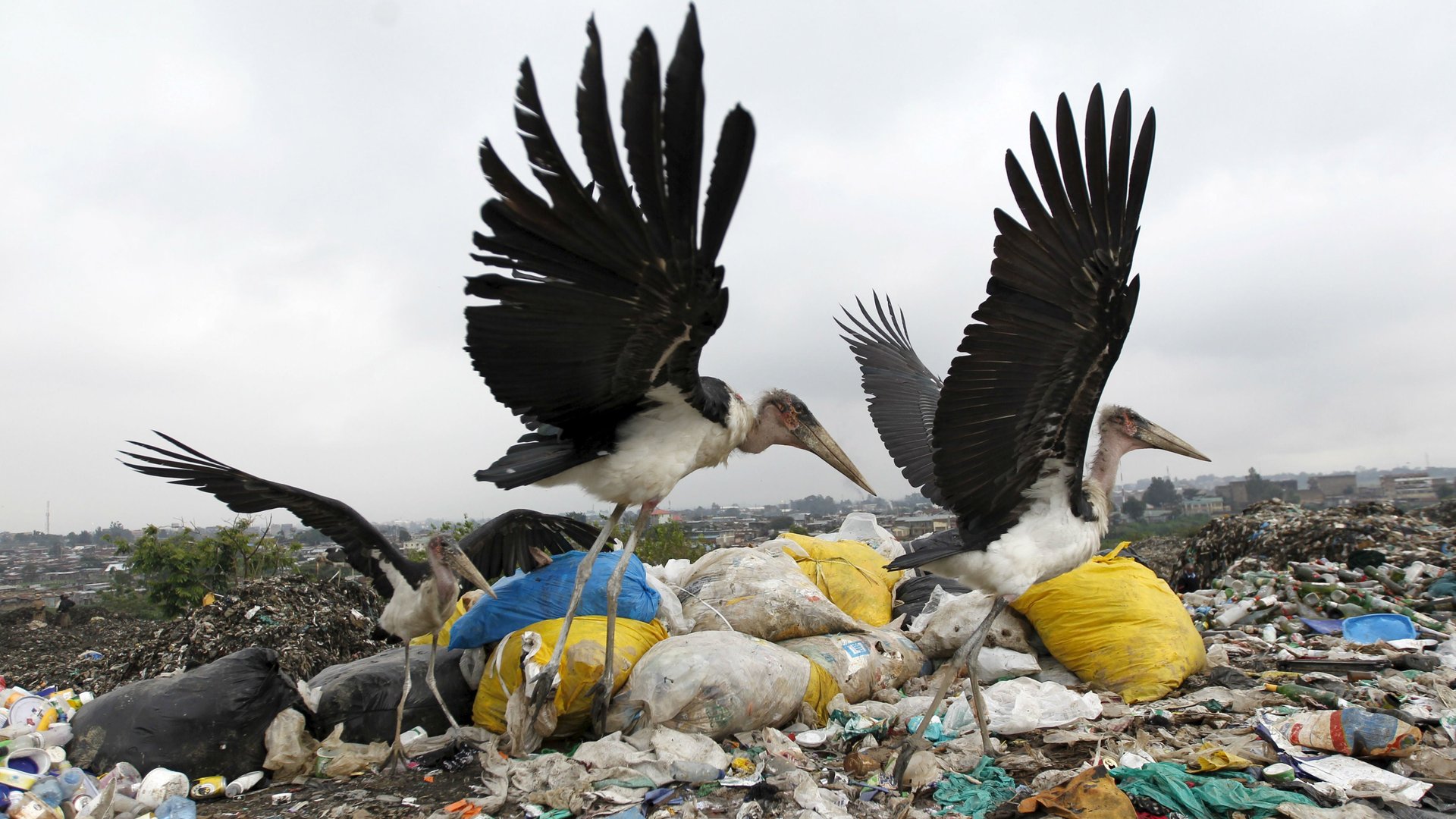
Birds just aren’t migrating the way they used to. And why should they? Climate change has made winters warmer, meaning they don’t need to travel as far in order to make it through the brutal temperatures.

Scientists love a good p-value.

Why do chocolate chip cookies dipped in milk taste so good?

The animal kingdom is massive, but scientists know that they have only found a portion of its members. They are currently aware of about 2.3 million species—but that number increases by about 15,000 new additions per year, according to some estimates.

Something didn’t sit right with the father: His twins looked starkly different, one with a full head of wavy hair and the other with fine, straight hair. He asked their mother for a genetic test to confirm that the children were actually his.

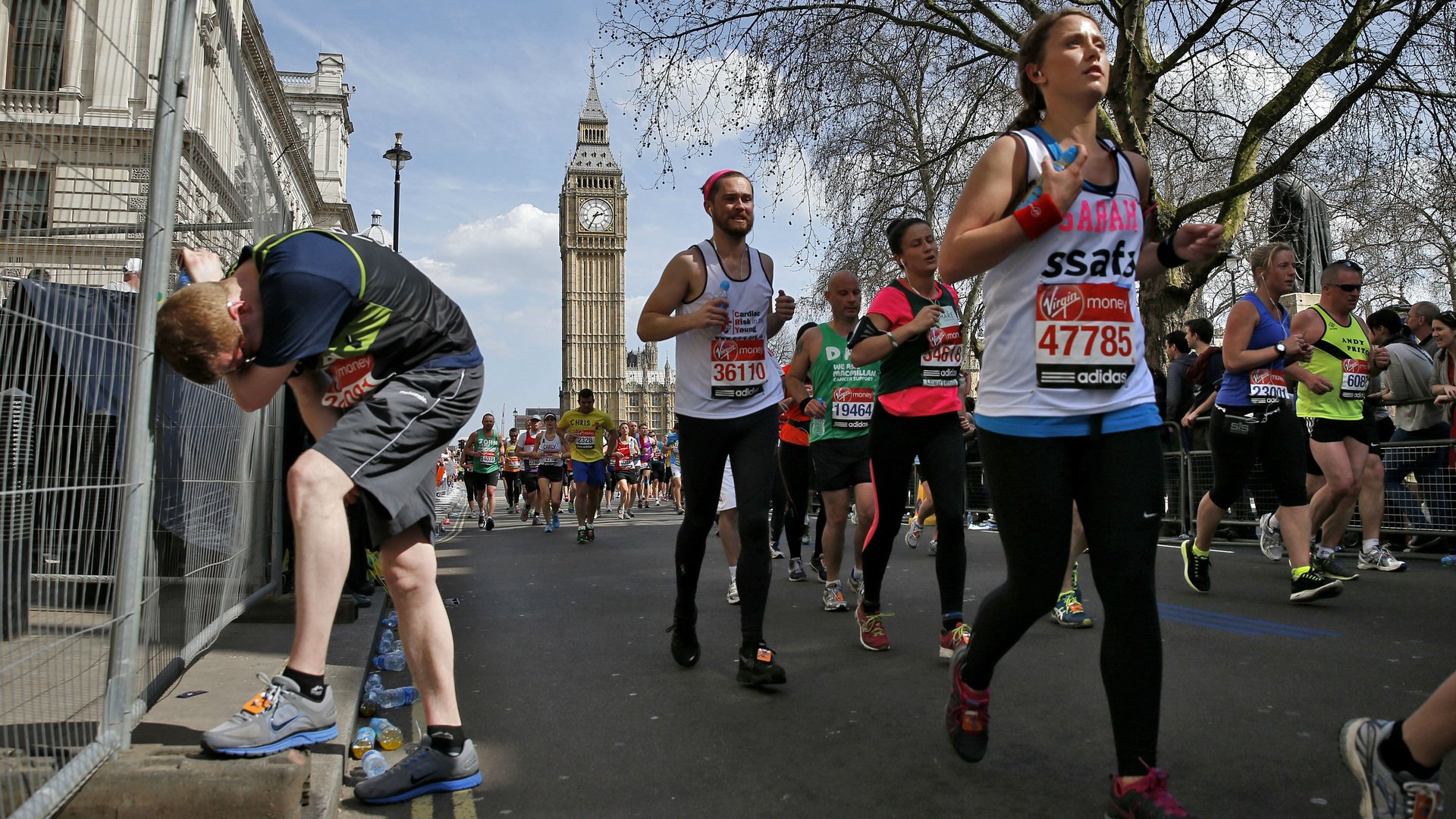
Last Saturday, I woke up with a sore throat. I had recently had a head cold, though, so I figured it was nothing to worry about. I popped some ibuprofen and completed a 14-mile training run as planned.

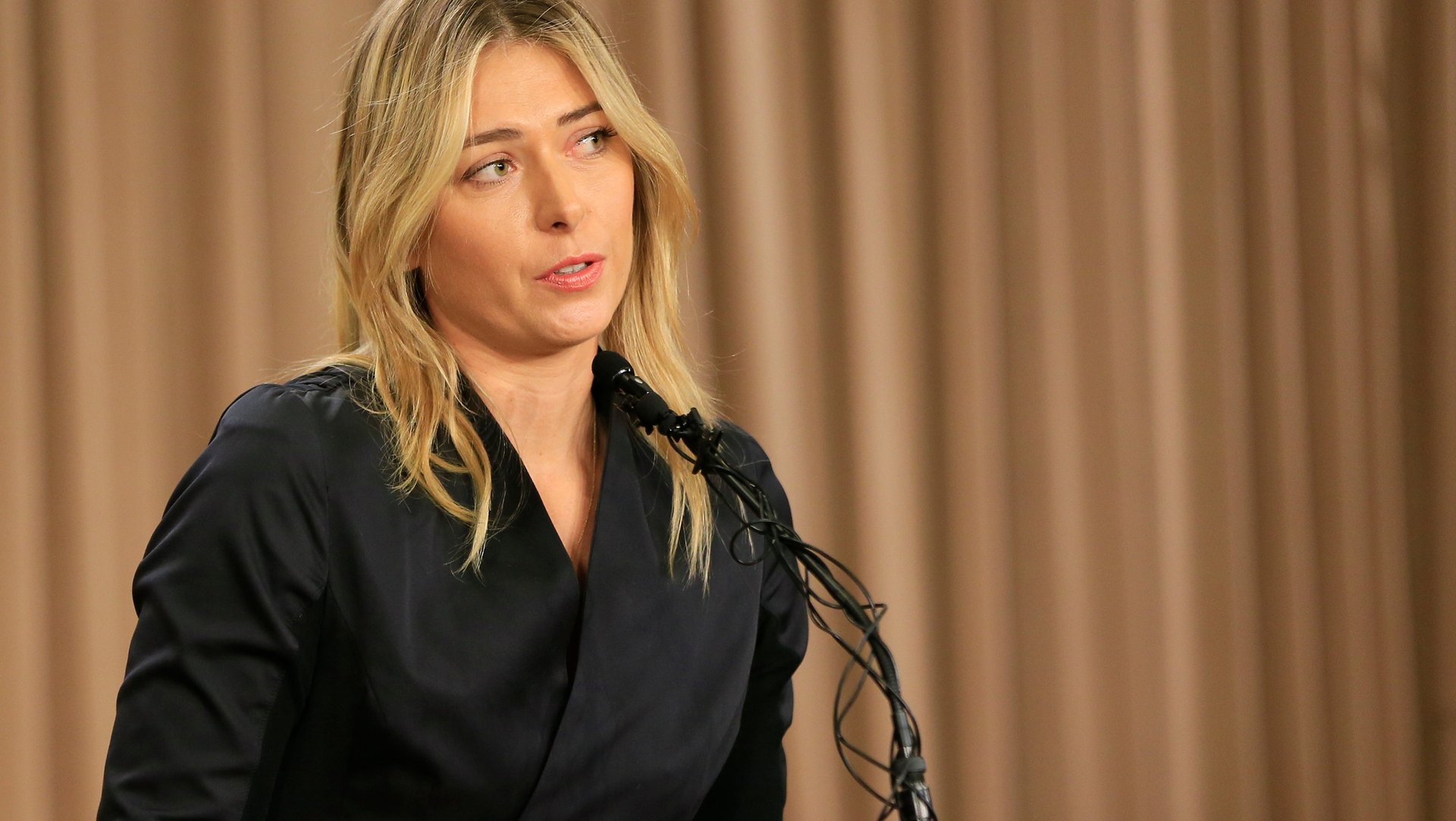
International tennis star Maria Sharapova announced Monday that she tested positive for a drug called Meldonium that was added to the World Anti-Doping Agency’s list of banned drugs on January 1, 2016.

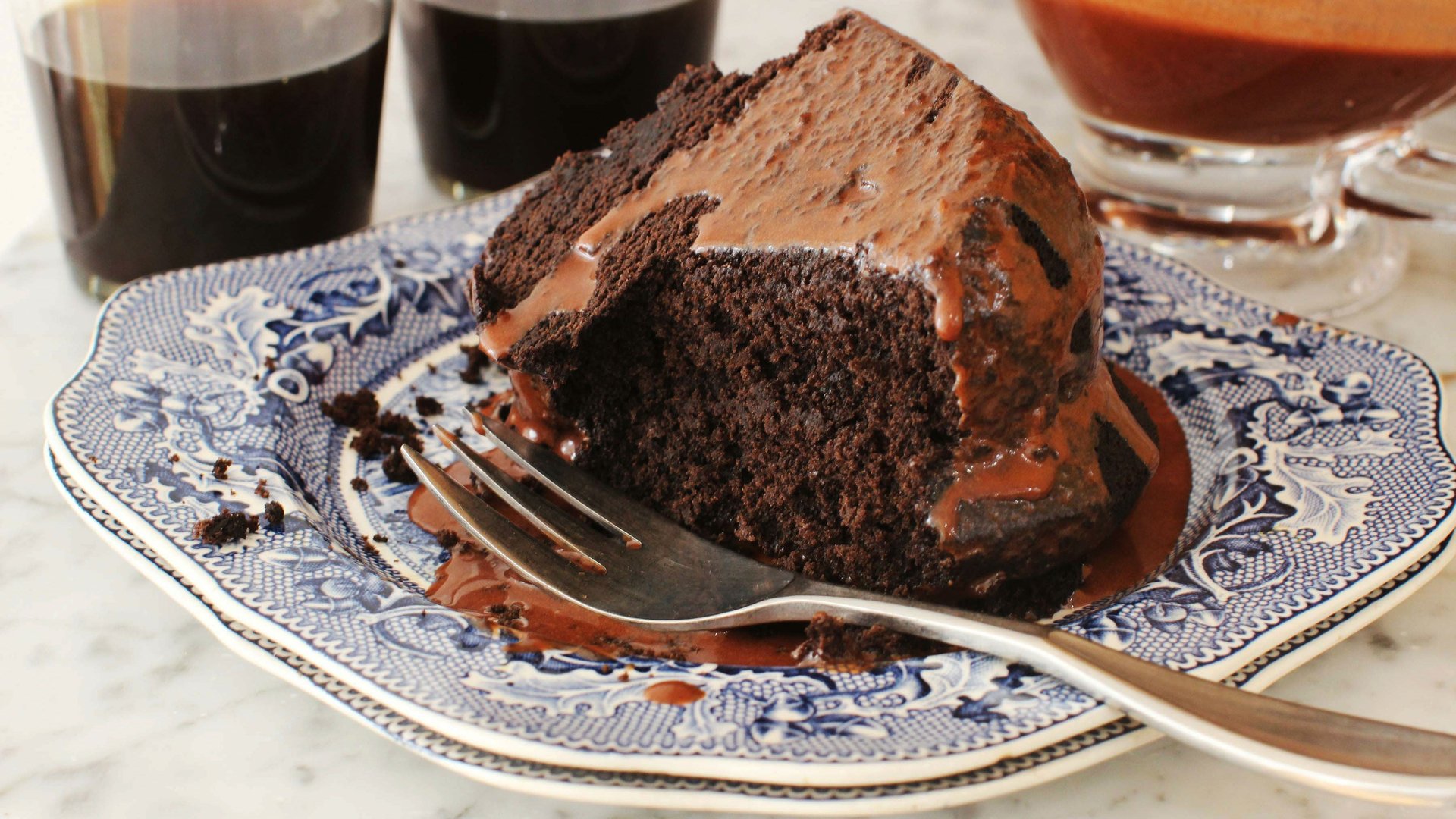
Chocolate studies have often been woefully misleading, including last year’s disappointing discovery that a study linking chocolate consumption to weight loss was a fake. But there’s a bright spot amid all the misinformation: A little bit of the dark stuff, it turns out, is good for your brain.

Martin Smith never meant to find 440-million-year-old fossils.

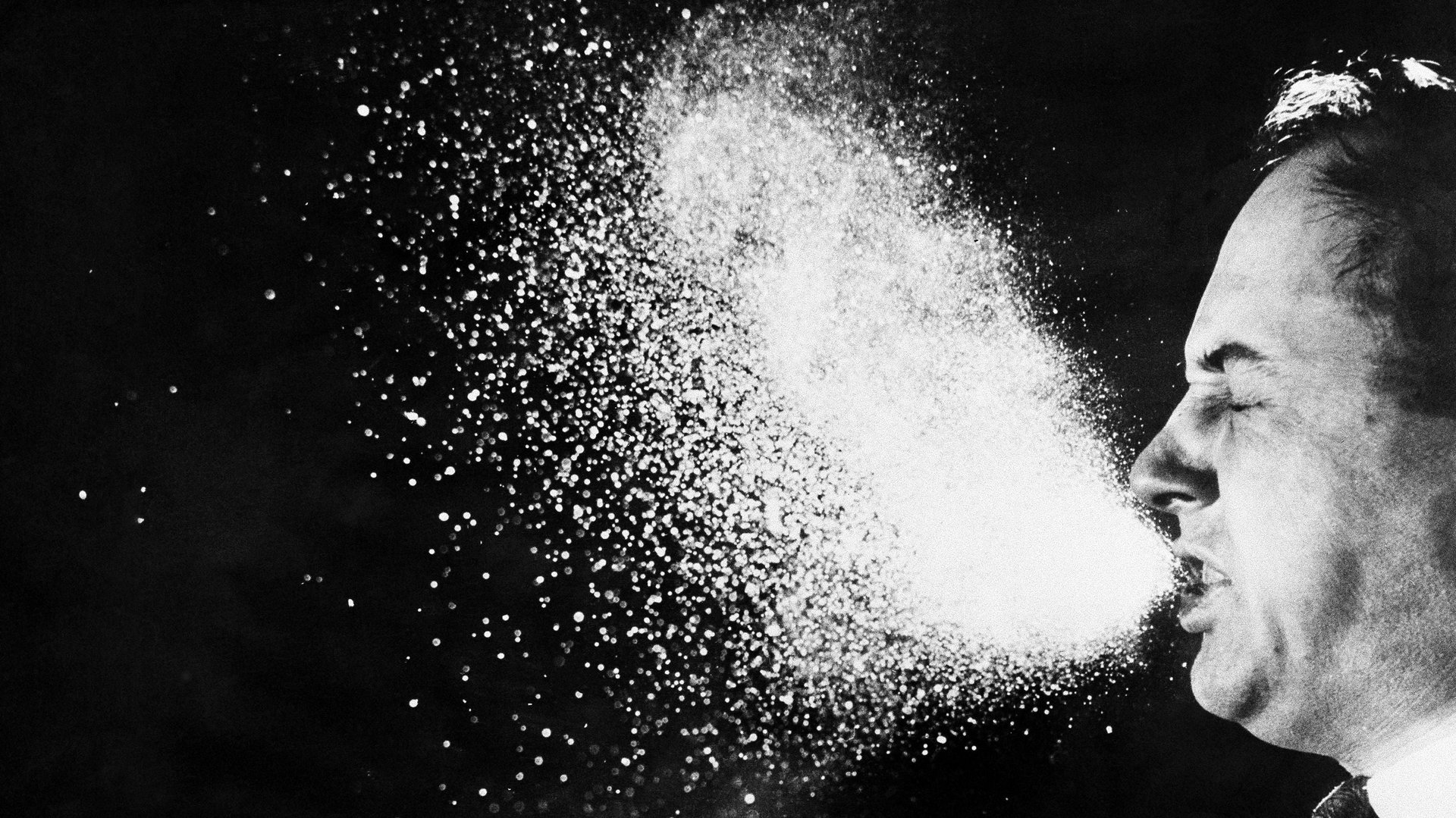
At any given moment, your body hosts a number of different potential pathogens that could infect you, like viruses and bacteria. Your immune system acts like the bouncer at a bar that keeps the riffraff out. Anything that starts replicating too much in a way that could make us sick gets the boot.

When we think of clogged arteries, we tend to vilify hamburgers, french fries, and other high-fat indulgence foods.

Death Valley is defying its name.

Danielle Ofri never thought she would be the editor-in-chief of a literary journal. After receiving her MD/PhD, she assumed that she would spend her life doing bench science in a laboratory.

This post has been updated.

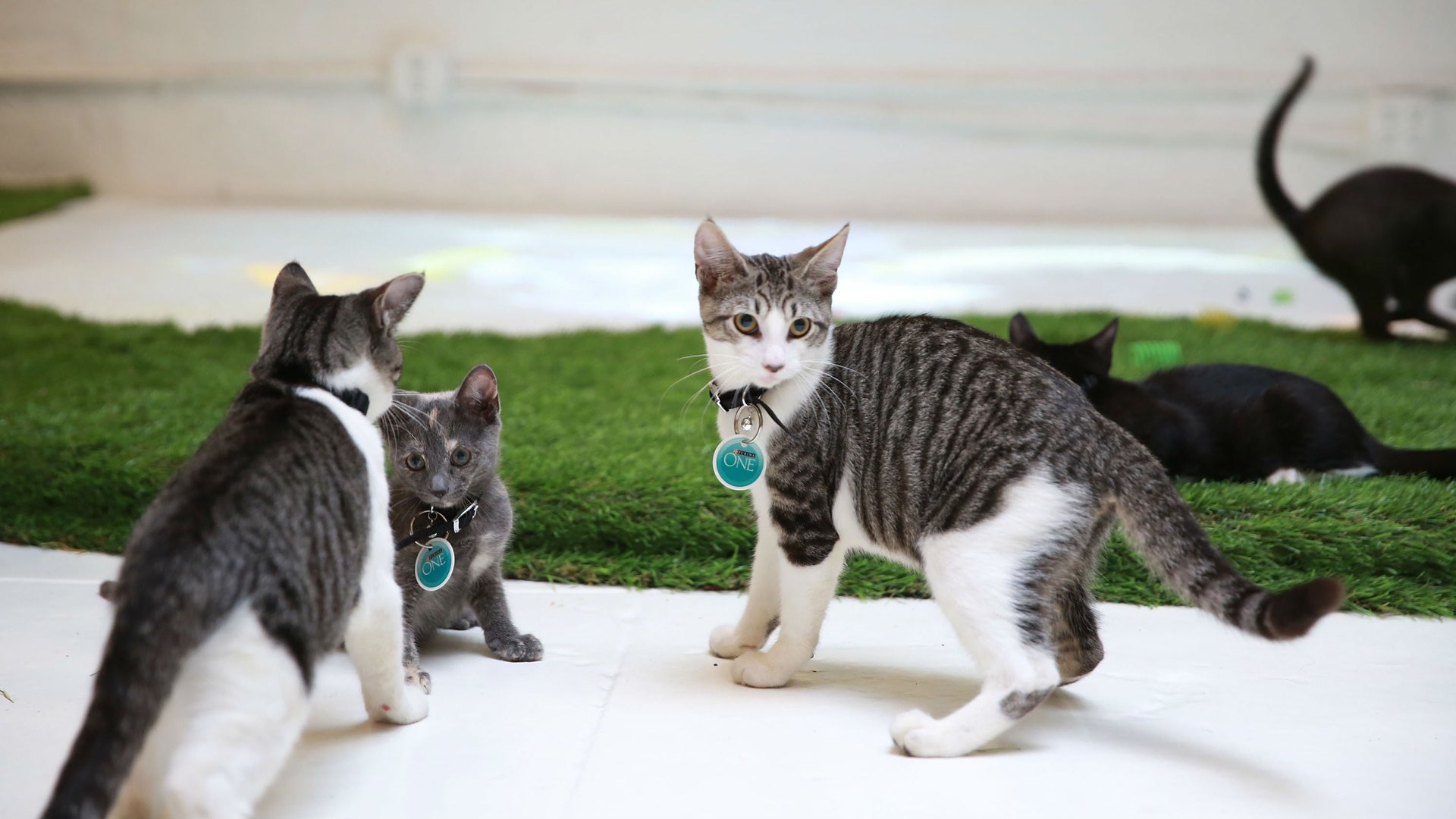
Cats often get a bad rap. They’re thought to be aloof and uncaring, and some have even speculated that their presence might alter their owner’s behavior.

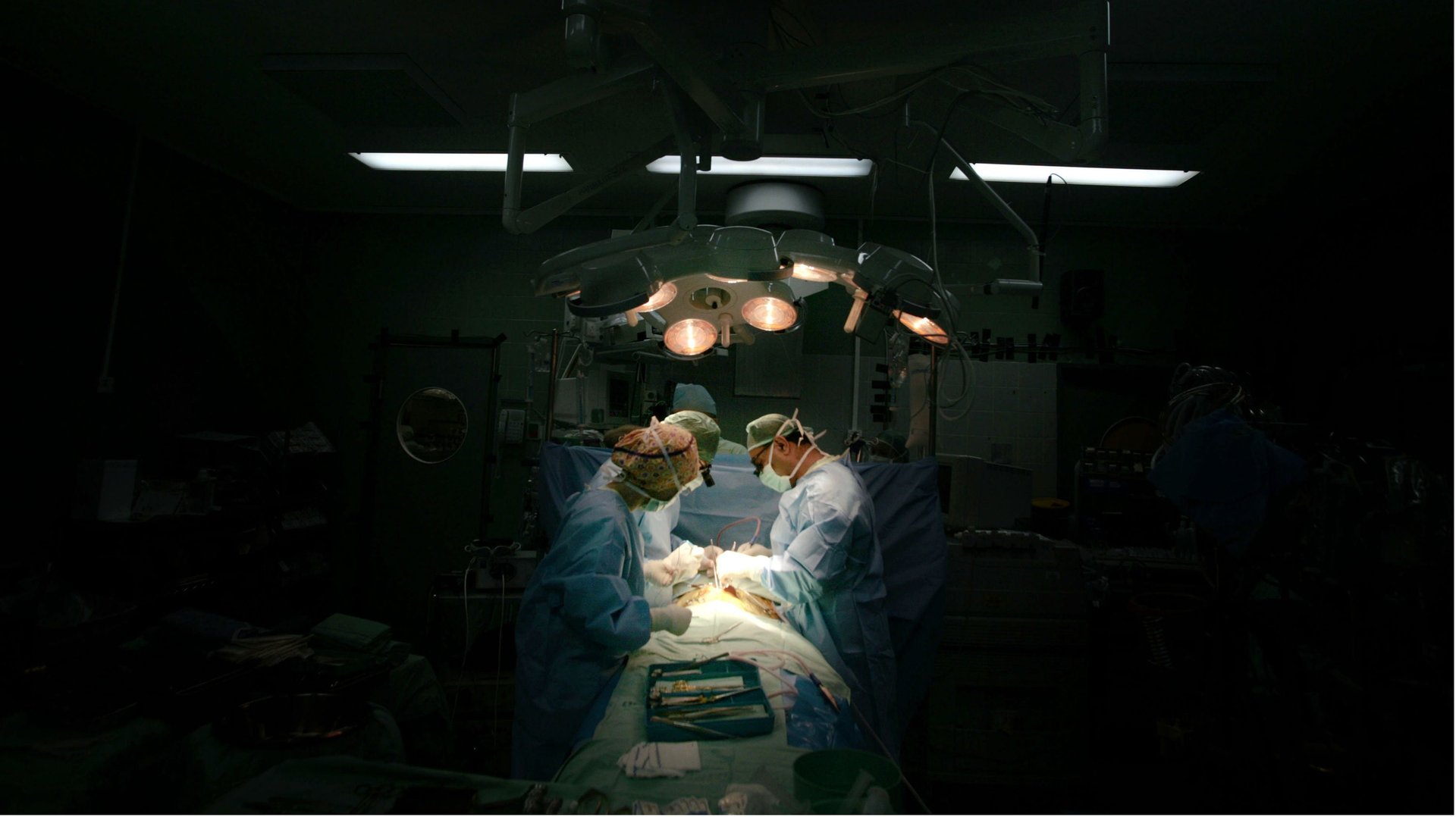
Any kind of surgery involves some kind of risk. But sometimes, there are complications even doctors don’t see coming.

The World Health Organization wants to set the record straight about Zika.

For humans, cryptobiosis—the process of putting all metabolic activity on hold in order to survive an uninhabitable environment—has only been imaginable in the futuristic worlds of films like Star Wars and Interstellar. But for some tiny forms of life, suspending animation is a common form of survival.

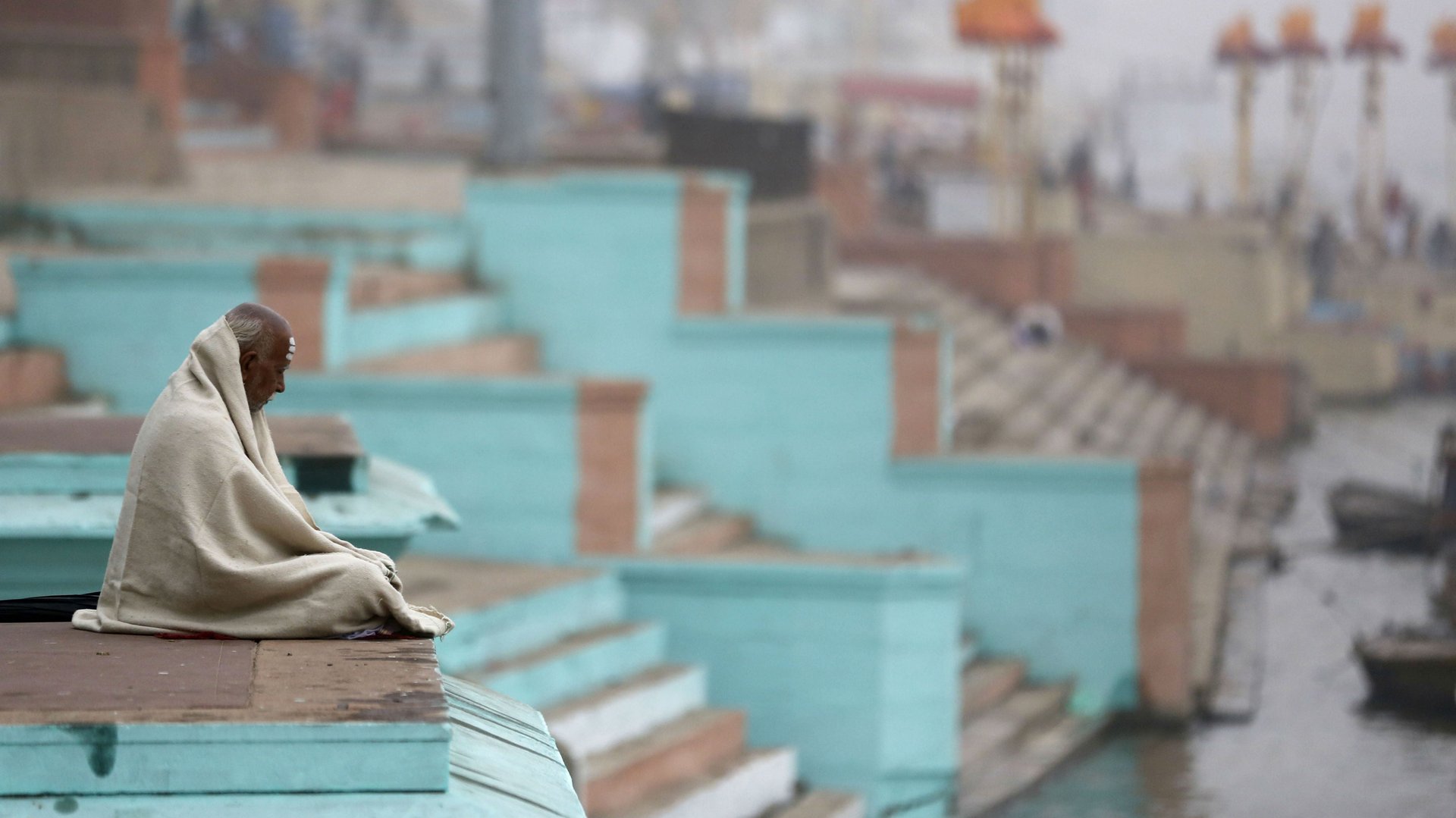
This weekend, don’t just relax. Really take time to breathe, and focus on just your breath or the small sensations in your body as you sit still. It’s good for you, according to science.

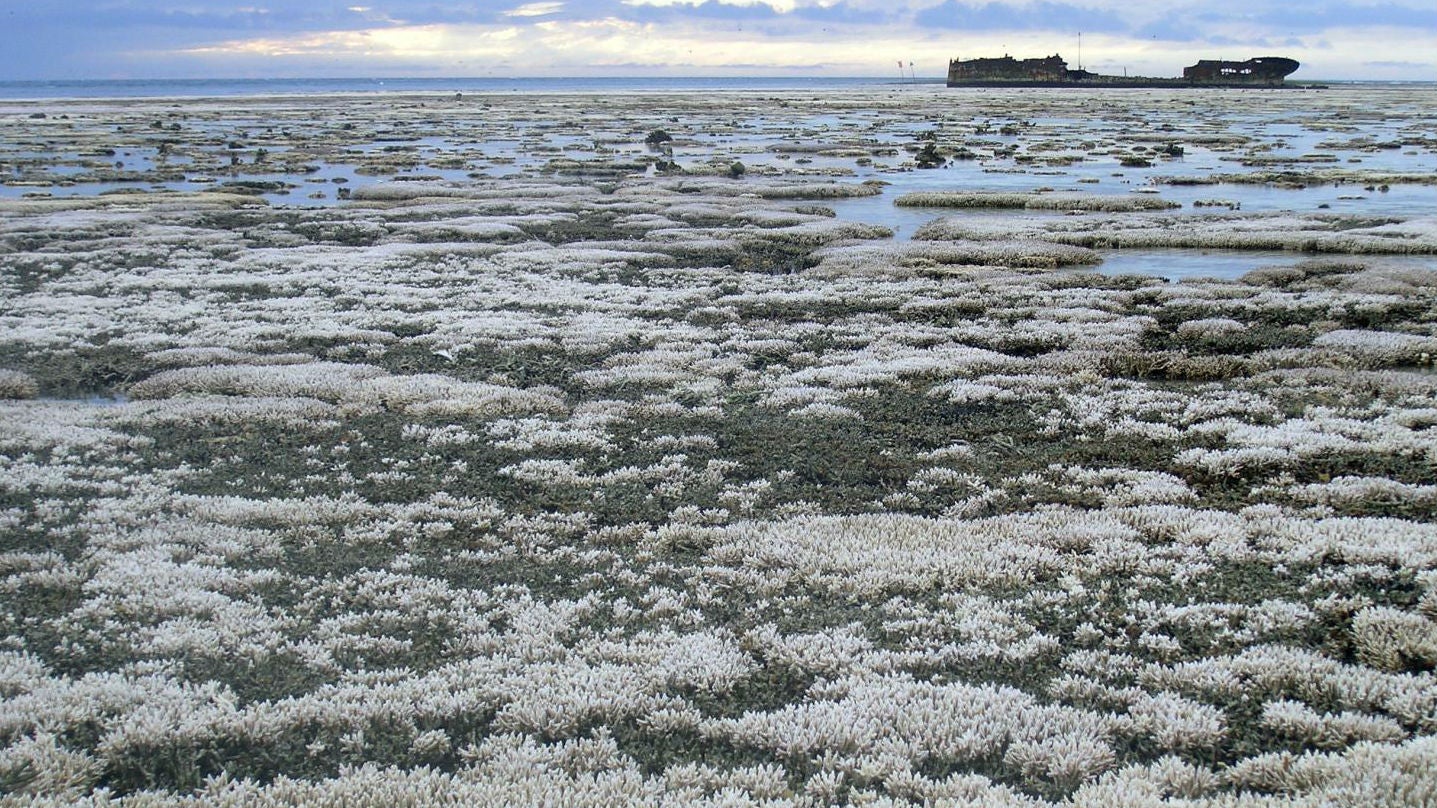
Coral bleaching occurs when corals are stressed. In response to environmental changes like increases in water temperature, the corals release algae, tiny organisms that live within them, into the surrounding waters. This process causes corals to lose their normally vibrant green, blue, pink, and even fluorescent hues and turn white. Though corals can grow back after succumbing to a bleaching event, they will only do so if they’re in safe, stable conditions.

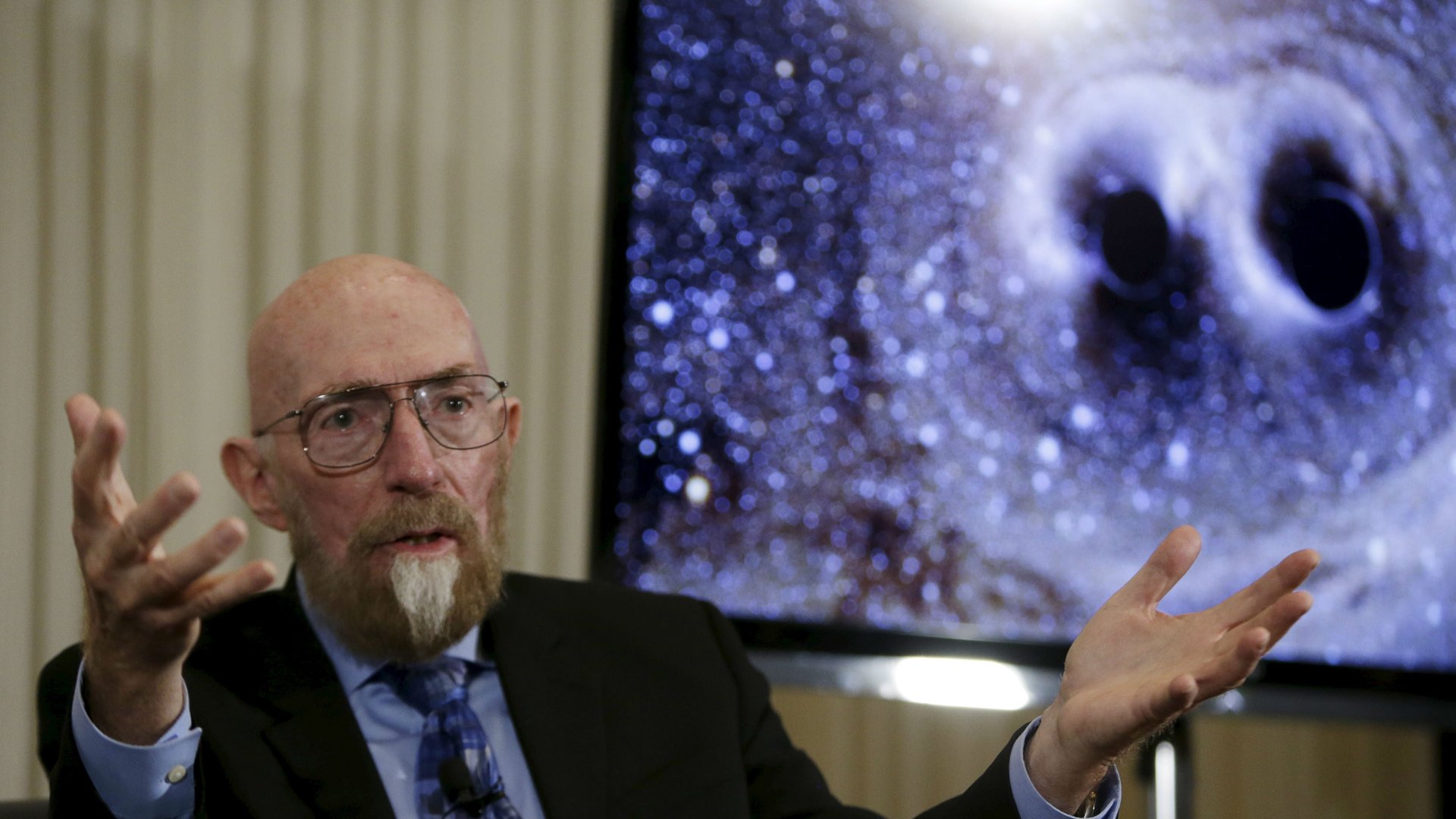
Scientists announced today (Feb. 11) that they have discovered the first direct evidence of gravitational waves—tiny ripples in spacetime that result from the acceleration of massive objects, like black holes or pulsars.

Today (Feb. 11), researchers from the Laser Interferometer Gravitational-Wave Observatory (LIGO) announced that they have finally detected gravitational waves in space. The research was simultaneously published (paywall) in Physical Review Letters.