The way we dress is closely pegged to how we live. As Covid-19 alters day-to-day life for millions, it may also leave its mark on the clothes we wear.

The way we dress is closely pegged to how we live. As Covid-19 alters day-to-day life for millions, it may also leave its mark on the clothes we wear.

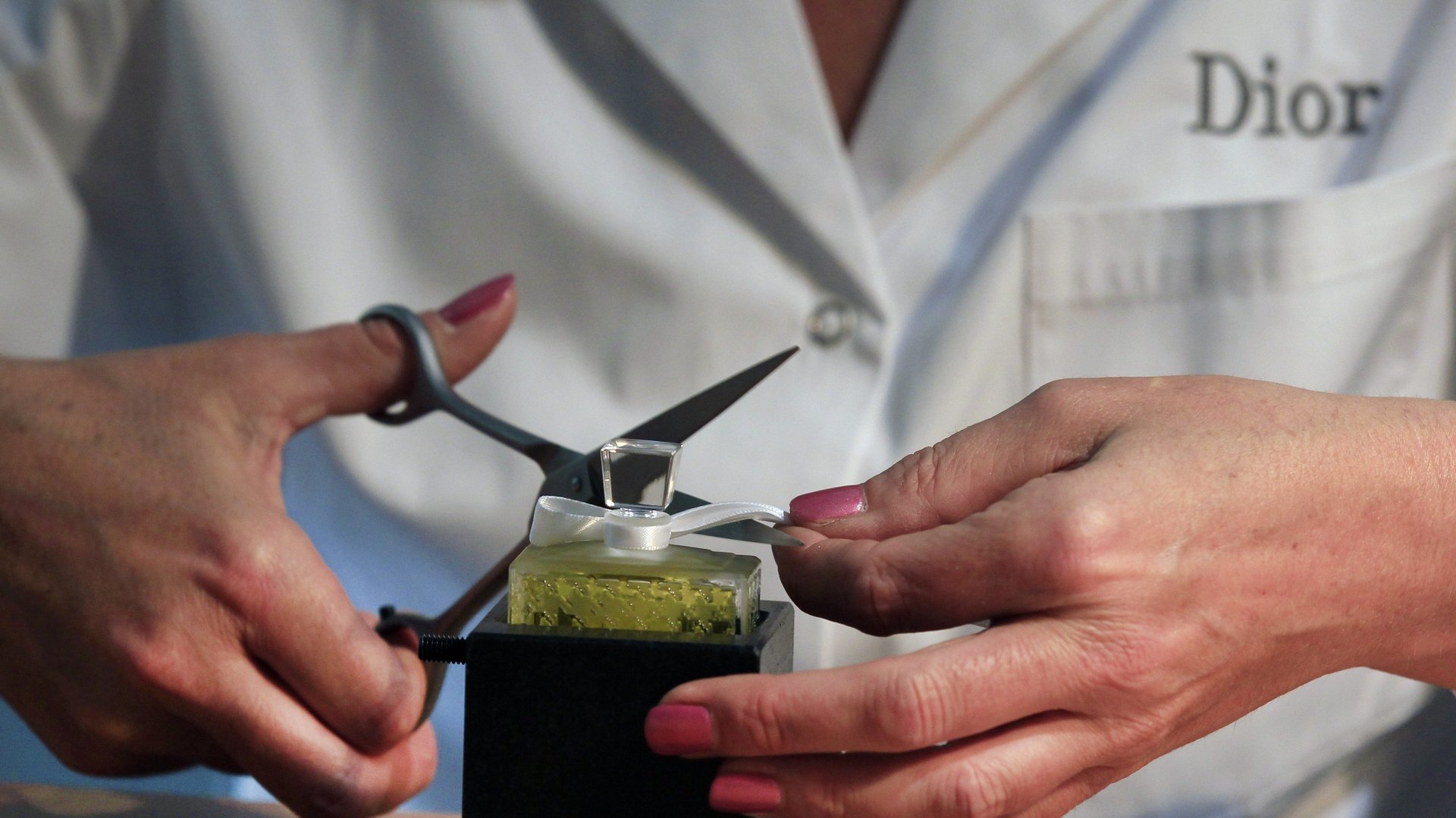
Fashion companies from H&M and Zara to luxury firms LVMH, Kering, and Prada are contributing to the fight against Covid-19 by pledging to supply protective items for medical workers.

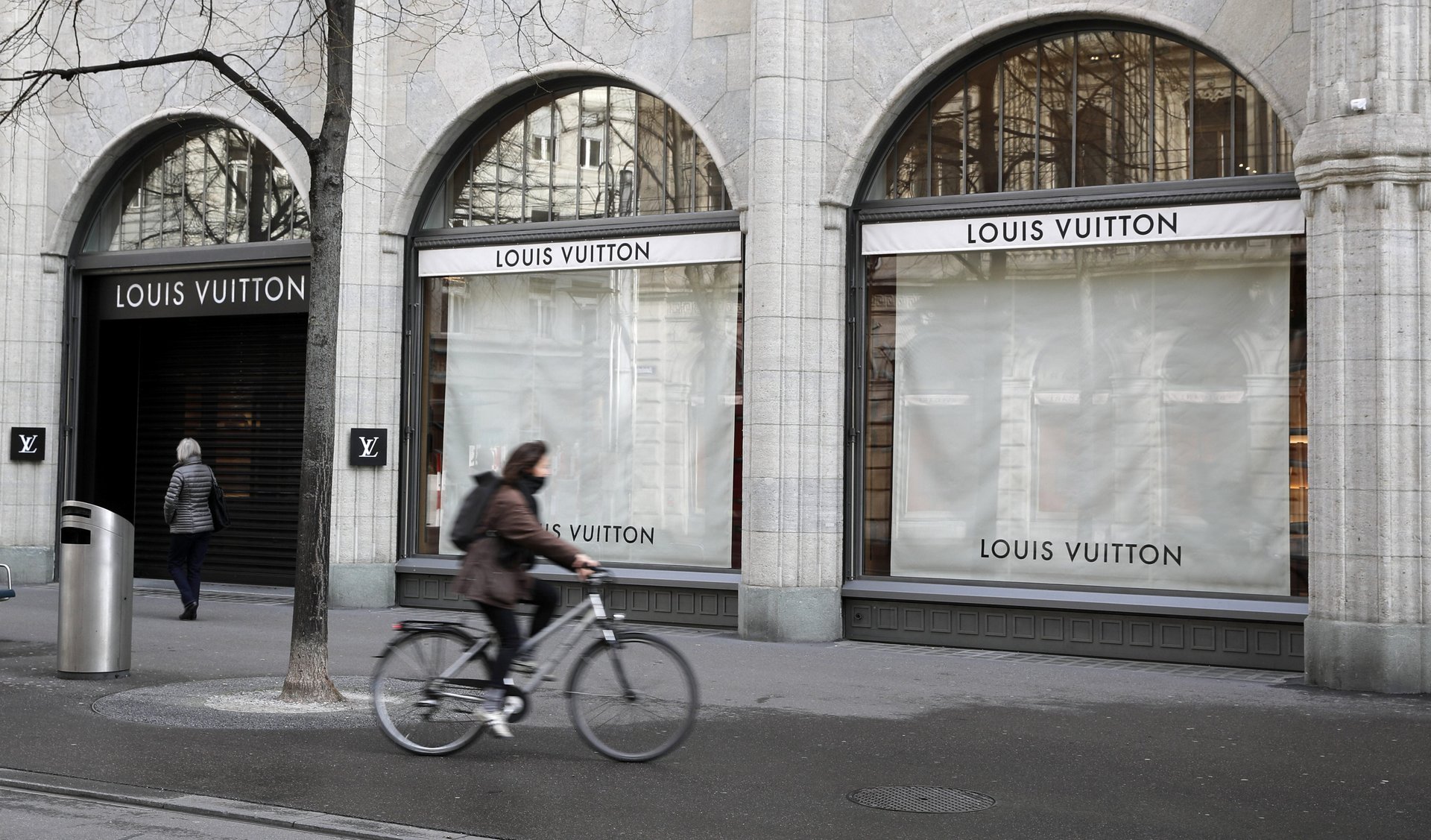
Across much of Asia, Europe, and the US, Covid-19 has brought shopping for anything but necessities practically to a standstill. Among the industries most at risk is clothing. Fashion retailers have shut stores as part of social-distancing measures and watched sales plunge as home-bound shoppers pause spending on non-essential items.

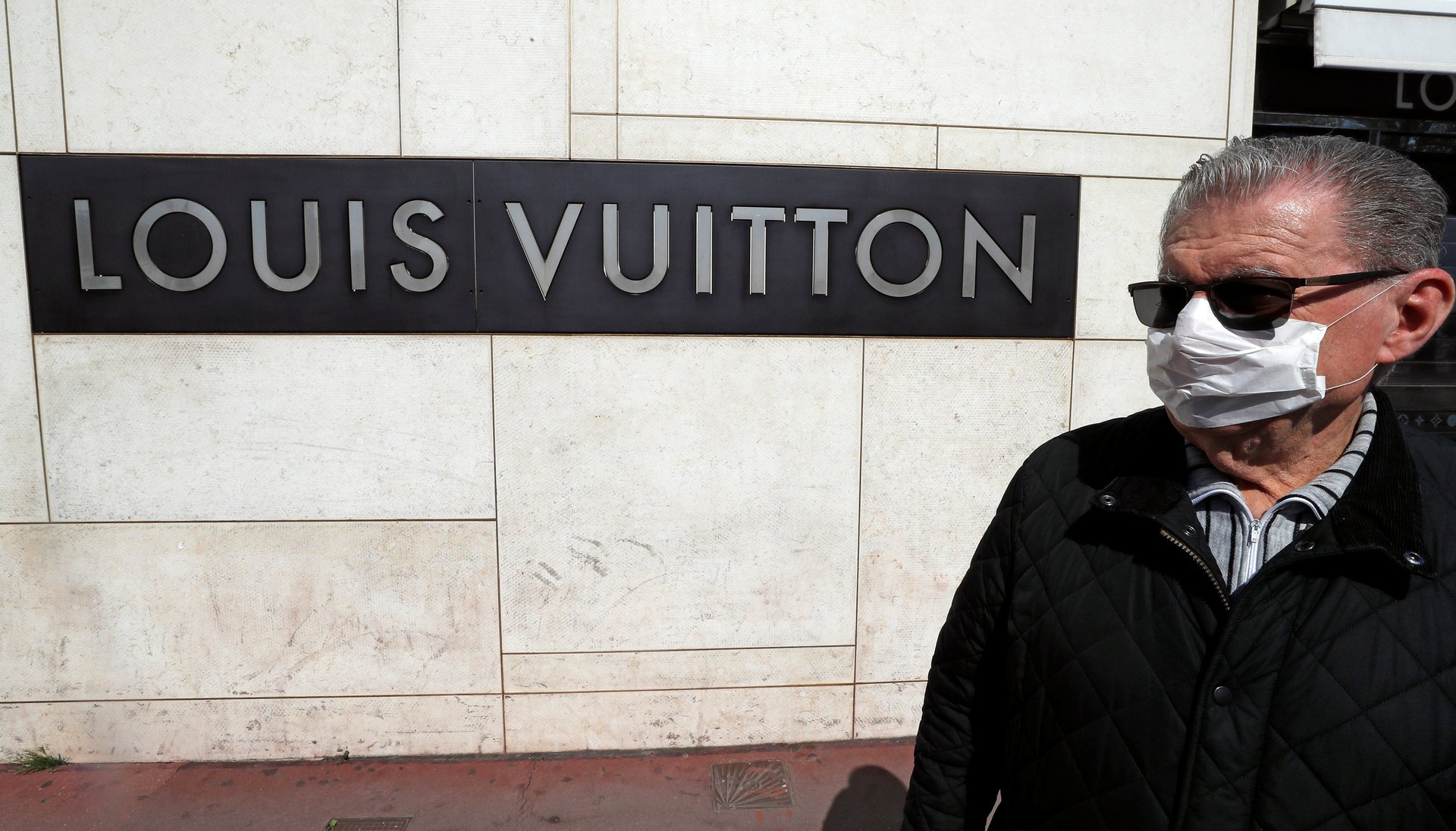
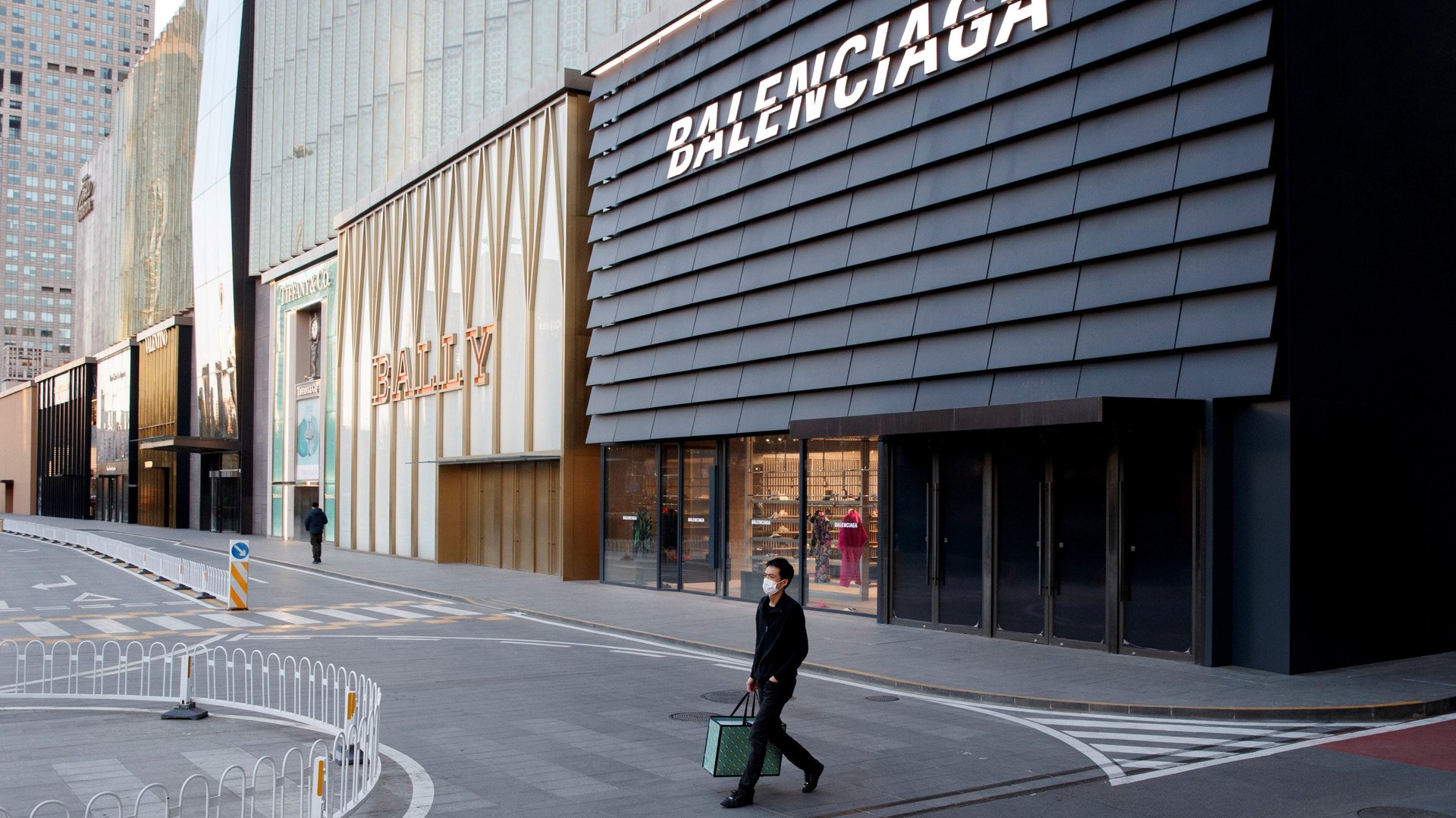
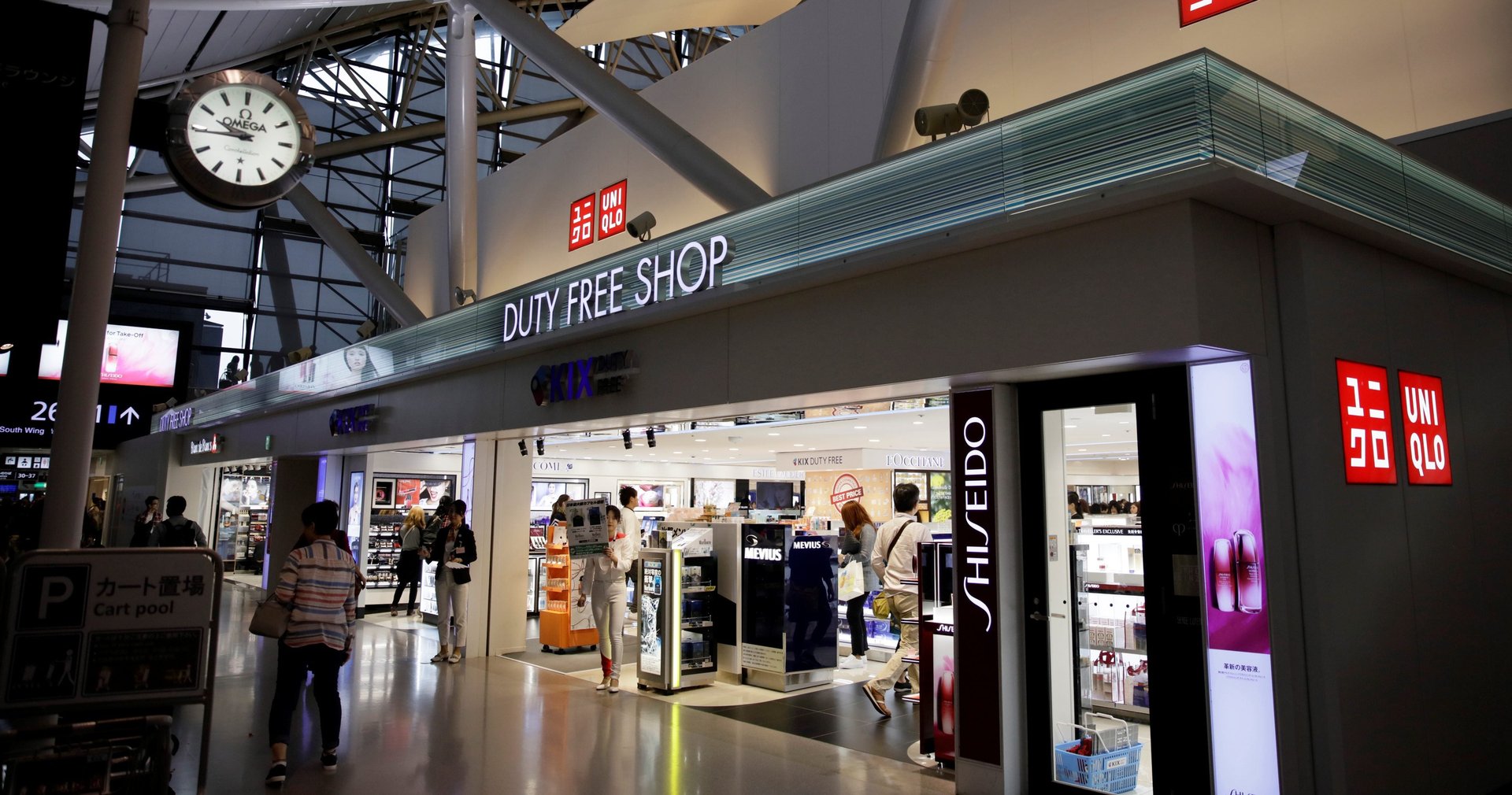
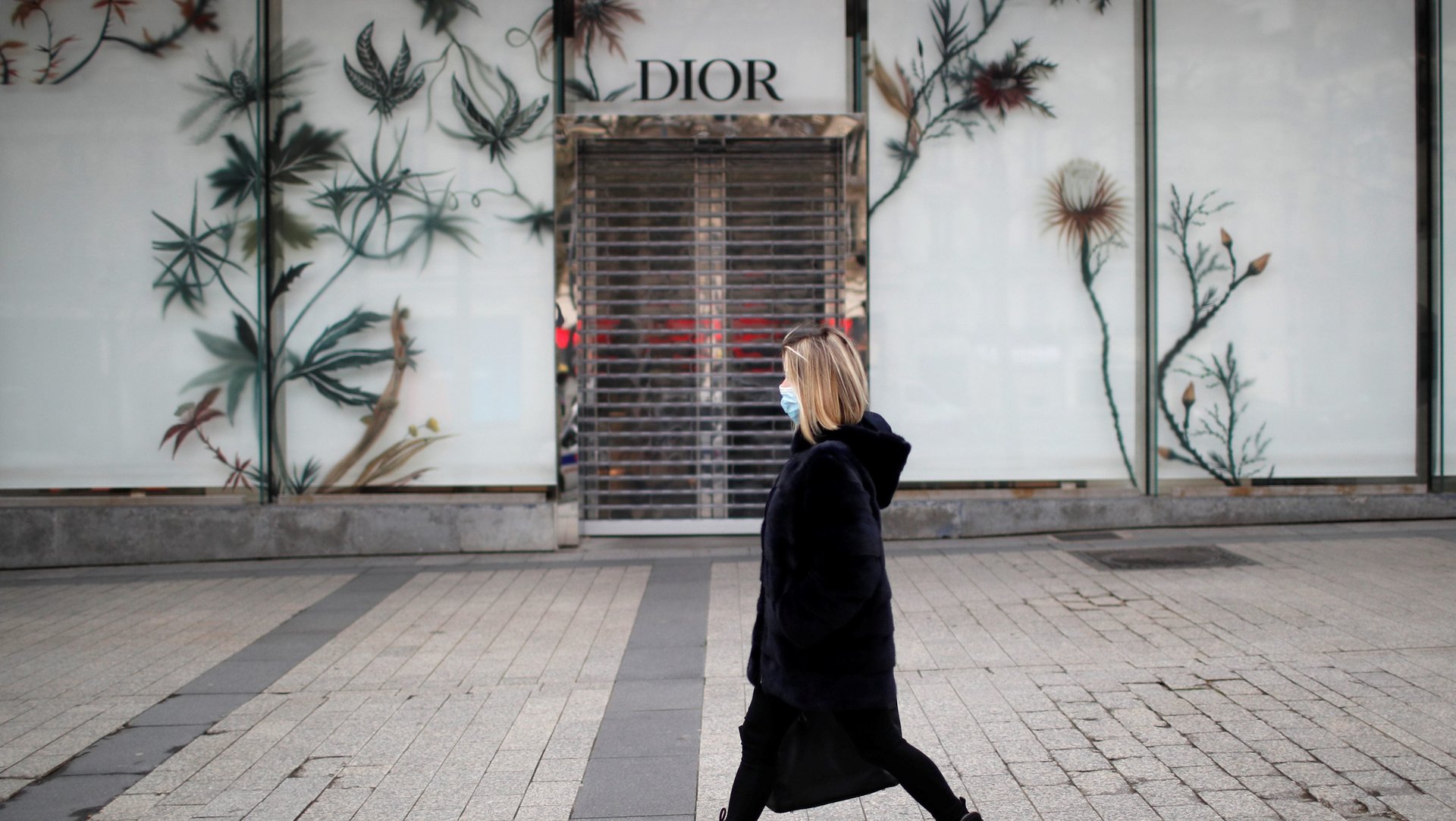
When Covid-19 shut down much of China through February, the luxury industry already knew it was facing a bad year. Chinese shoppers are the biggest buyers of luxury worldwide and shopping froze as stores shuttered. Even cities such as Tokyo, Seoul, Paris, and New York felt the effects as normally high-spending Chinese travelers stayed home.

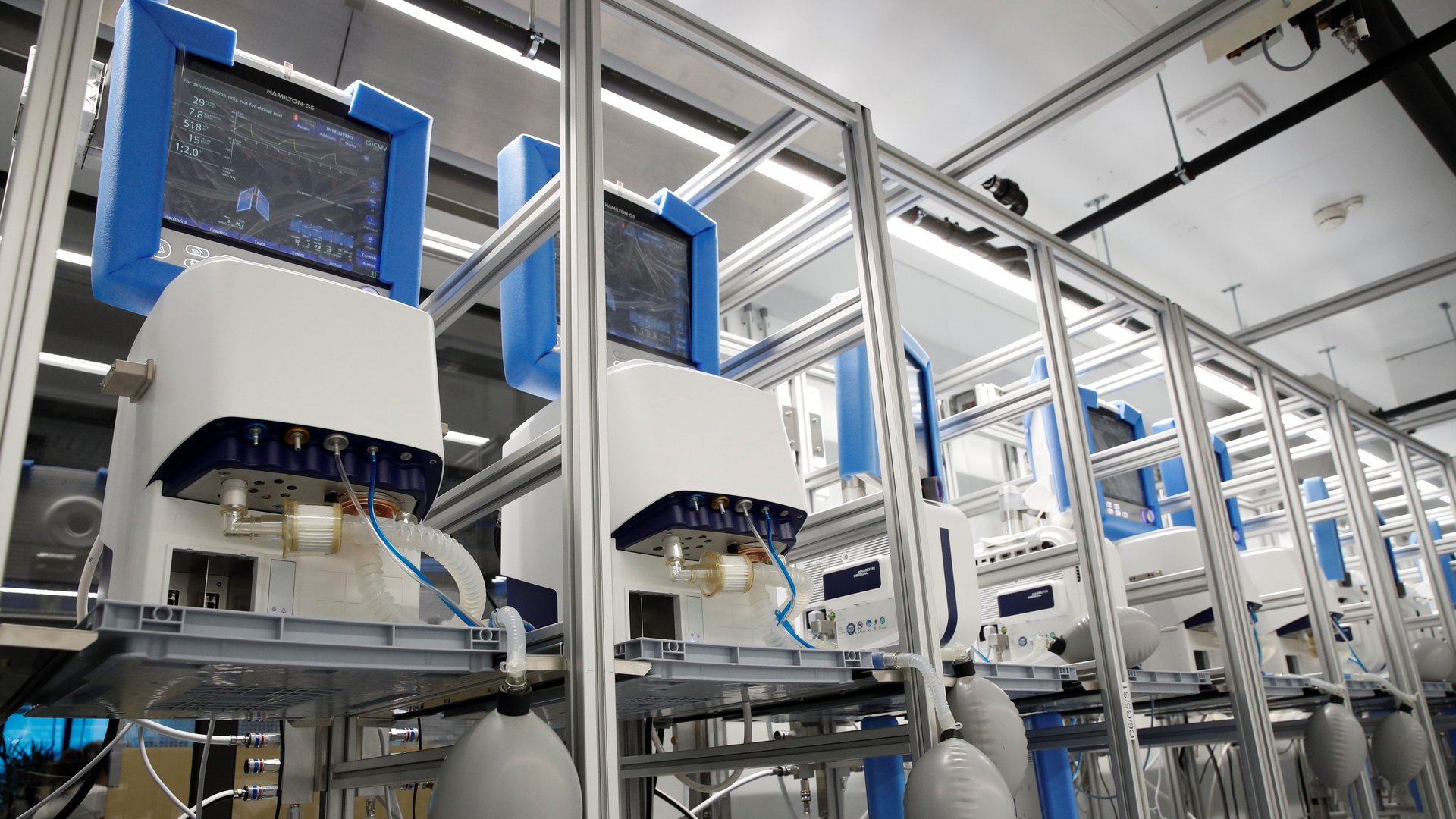
Not since World War II have so many companies in the business of making cars, clothes, or other items been asked to switch up their production lines for the common good.

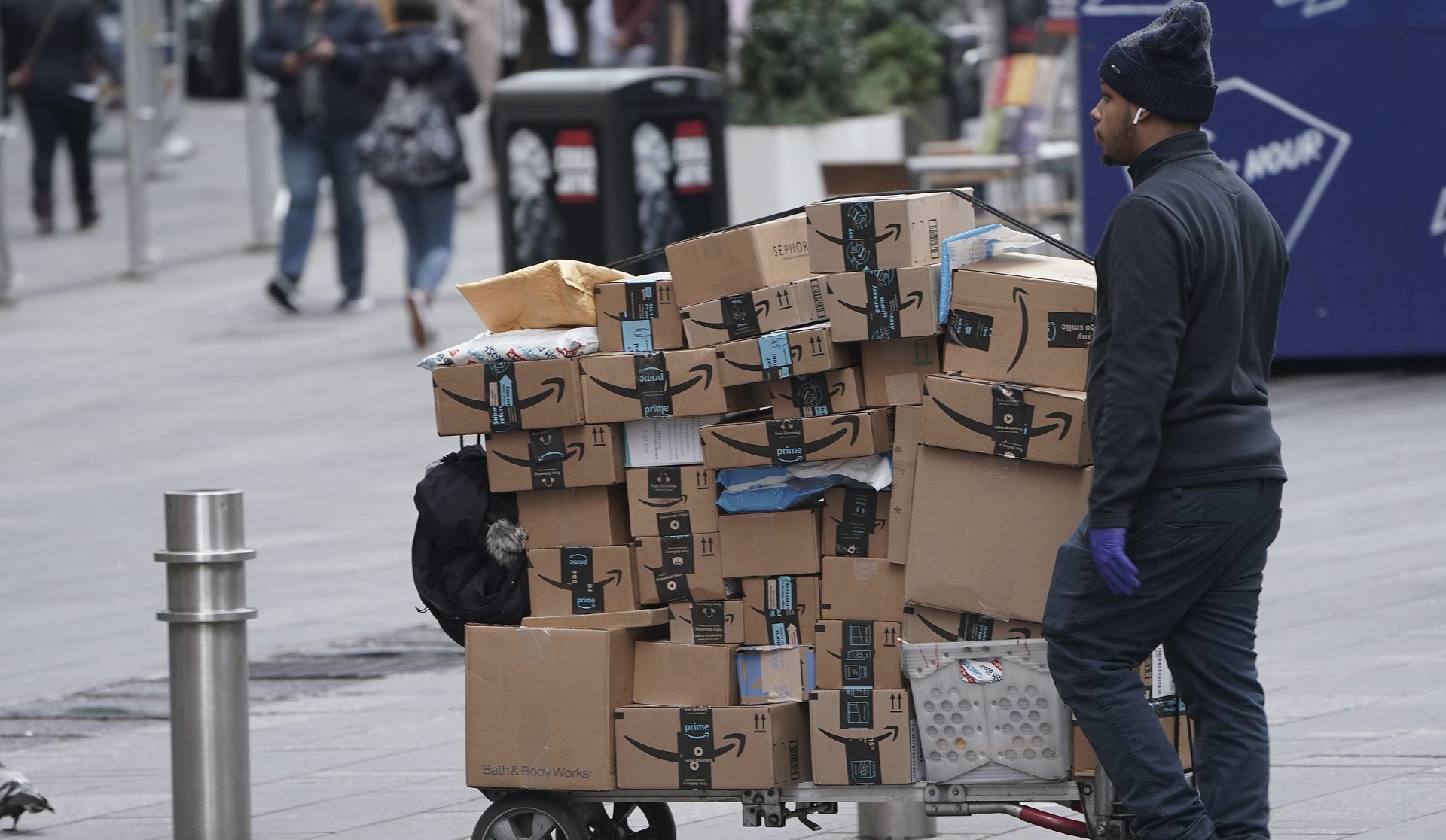
Countless Americans are going online to buy their necessities as they hunker down in their homes to avoid interacting with other people.

To show they’re not just concerned with profits but also good public citizens, companies not normally in the business of producing medical supplies are joining the effort to battle the spread of the new coronavirus.

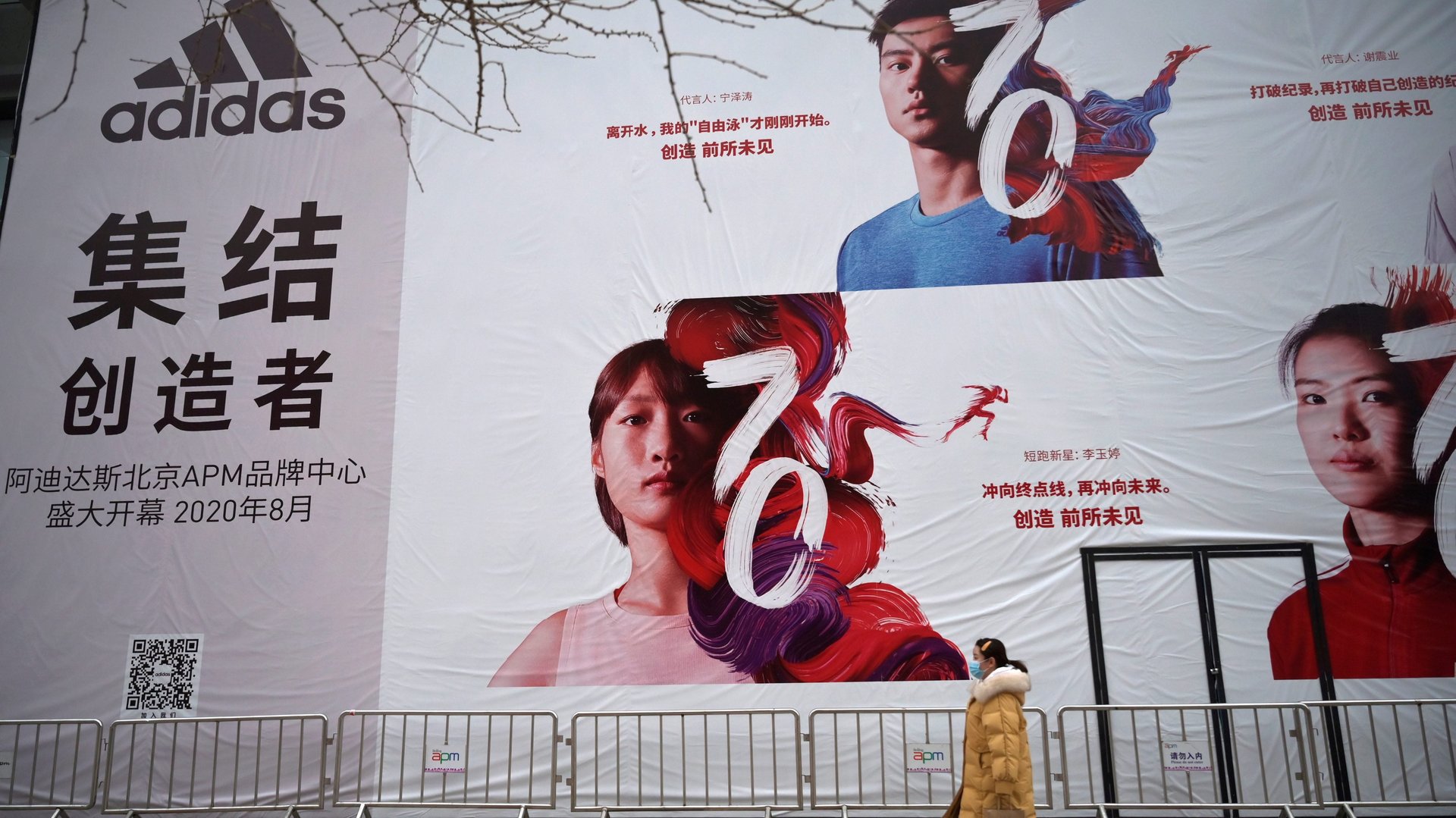
Adidas expects Covid-19 to deal its business in China a serious blow to start the year.

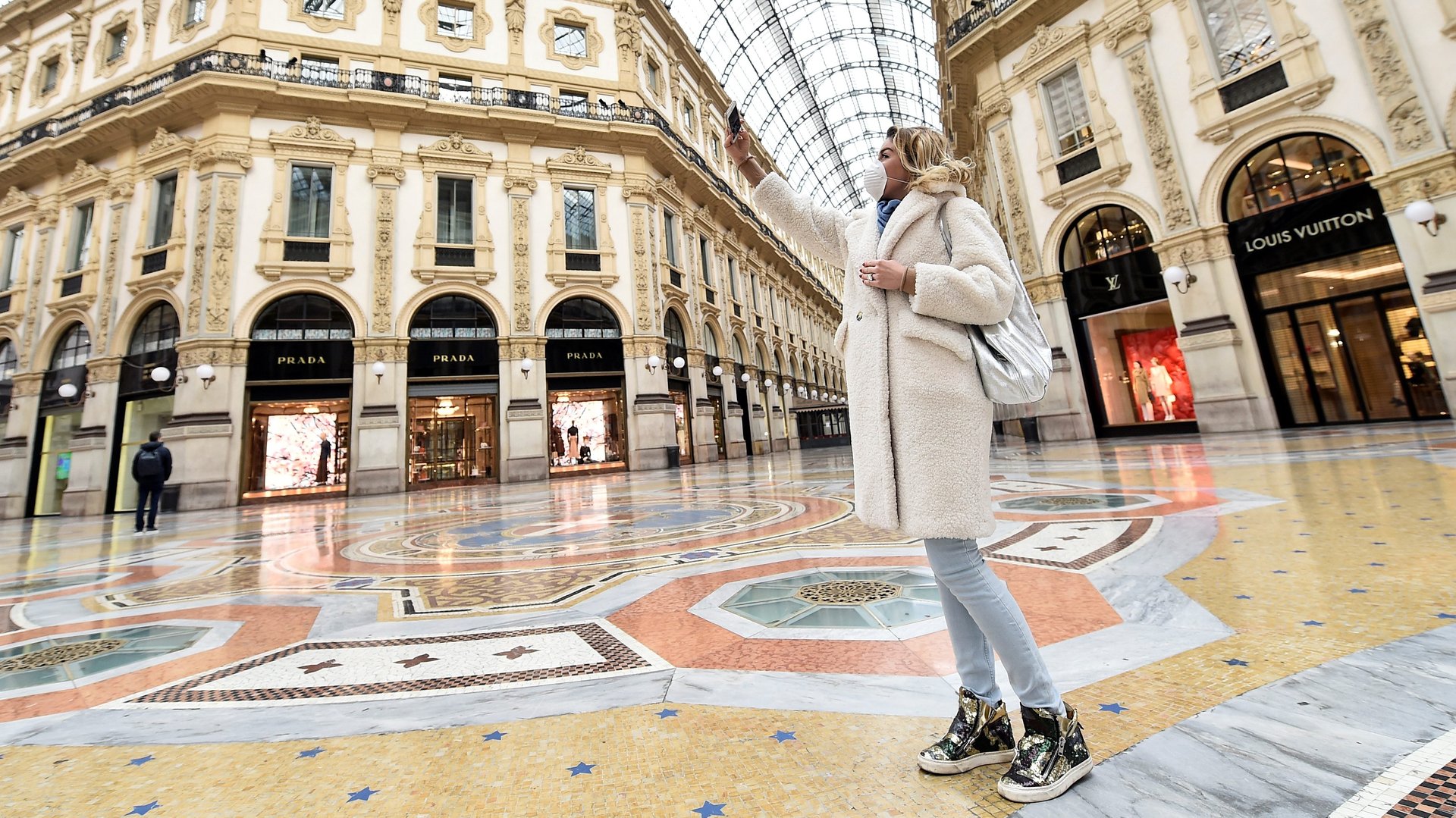
“Made in Italy” is a sign of prestige for the global luxury companies that manufacture clothes, bags, and shoes in the country.

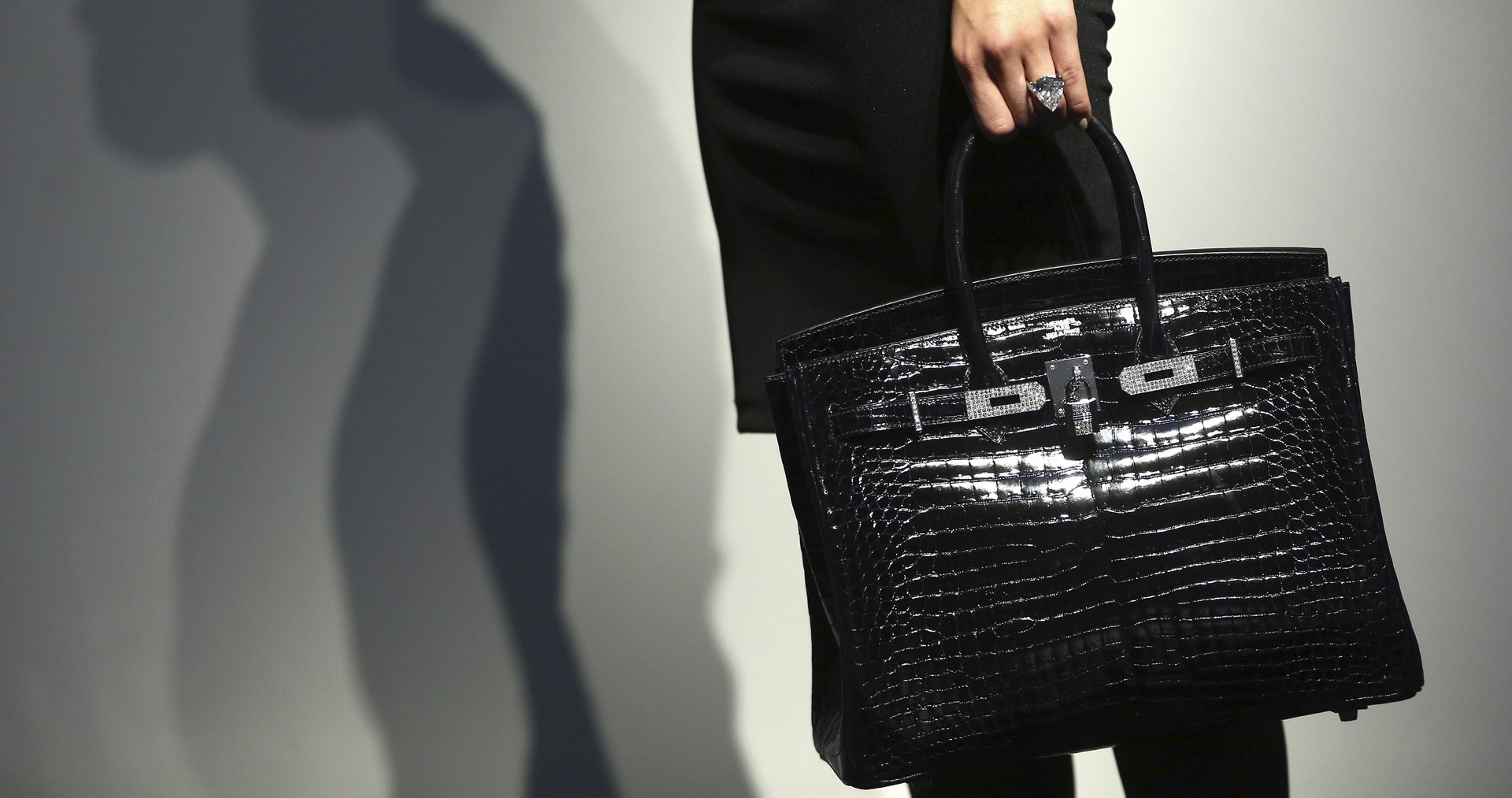
If you were looking for a nice short-term investment in 2019, you may have been better off putting your money into one of Hermès’s rare handbags than the work of a long-expired painter, according to an analysis by global real-estate consultancy Knight Frank.

While fashion retailers of all sorts watch to see how the global spread of covid-19 will hit their businesses, fast fashion’s two giants—H&M and Inditex, owner of Zara—could be particularly vulnerable, according to an analysis by financial firm UBS.

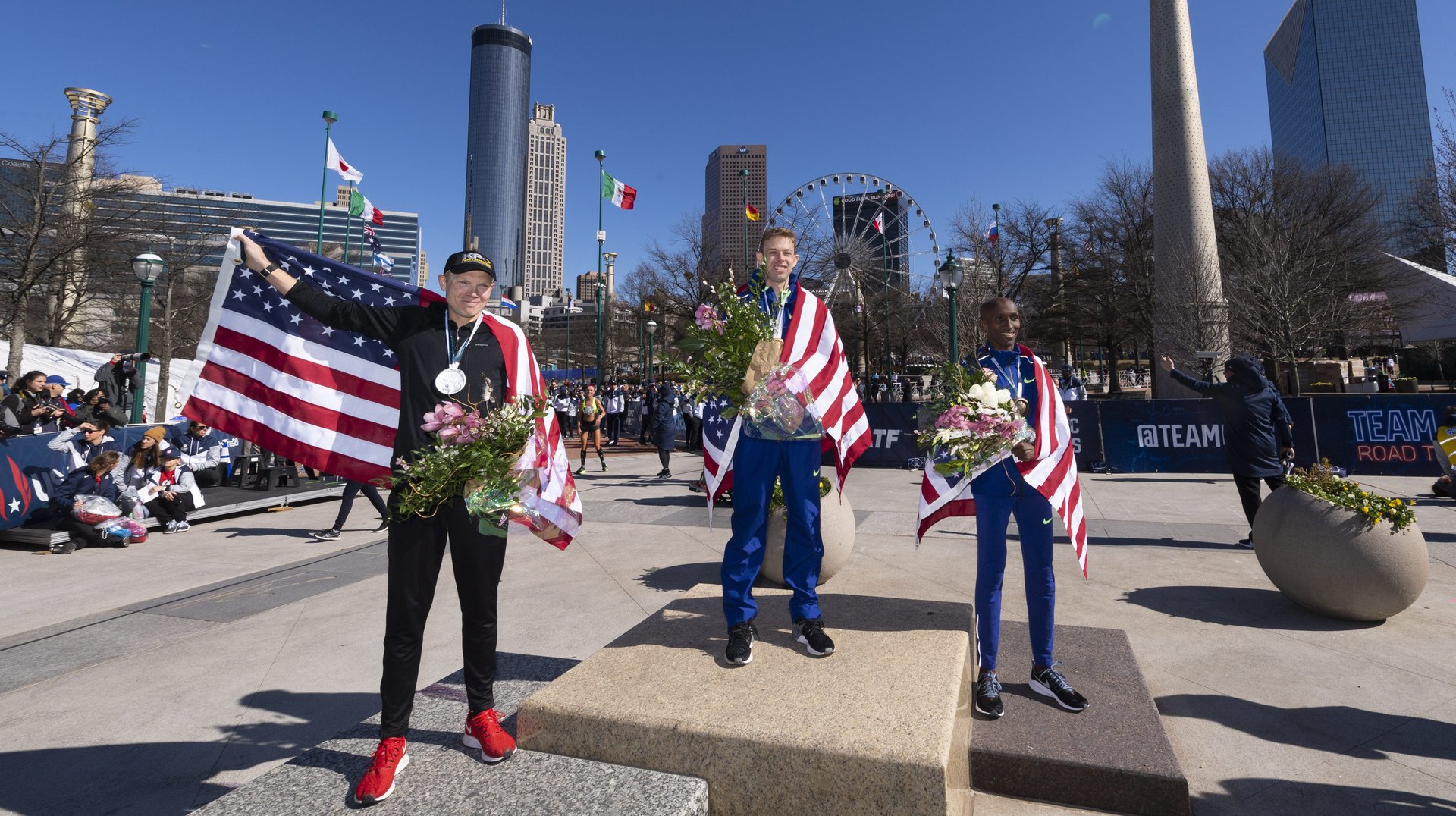
On Feb. 29, hundreds of American hopefuls competed at the Olympic marathon trials in Atlanta to see which three men and three women will represent the US at the Tokyo 2020 Olympics. Most wore versions of Nike’s controversial distance-running shoes.

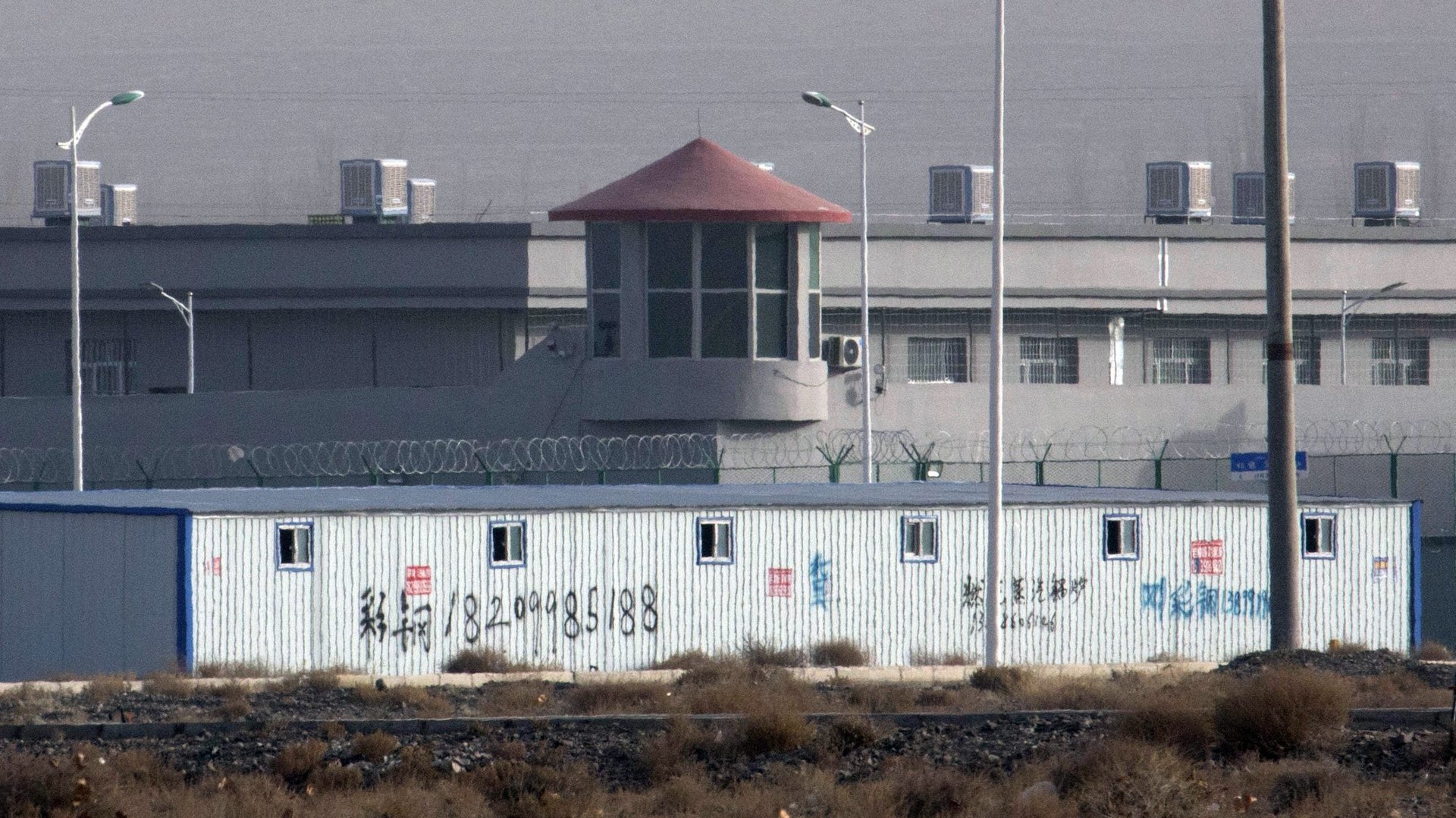
Members of China’s Uyghur ethnic minority are being used as forced labor in factories far from the so-called reeducation camps that have held them for years in Xinjiang, according to an extensive new report by the Australian Strategic Policy Institute (ASPI), a think-tank founded by Australia’s government.

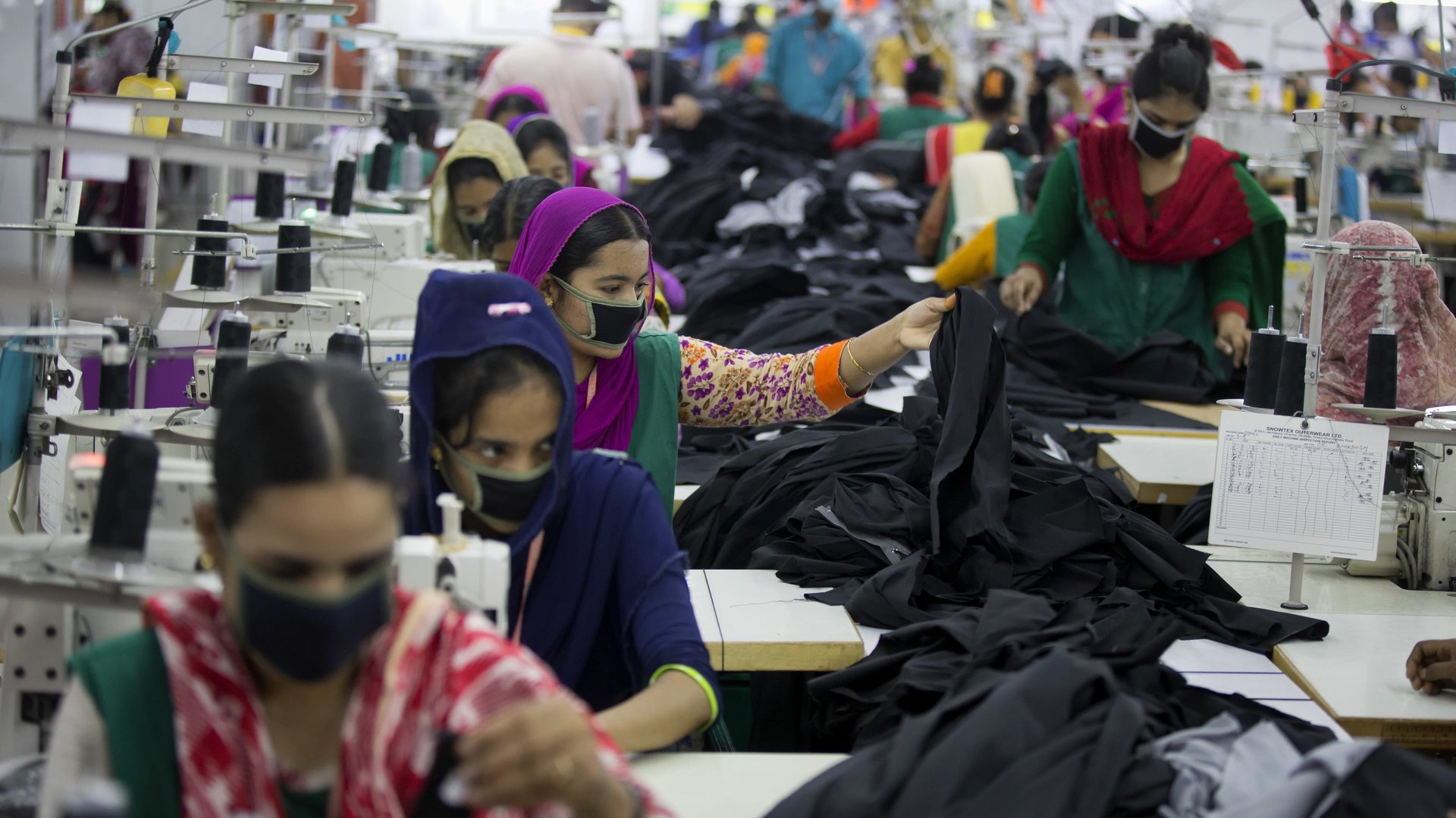
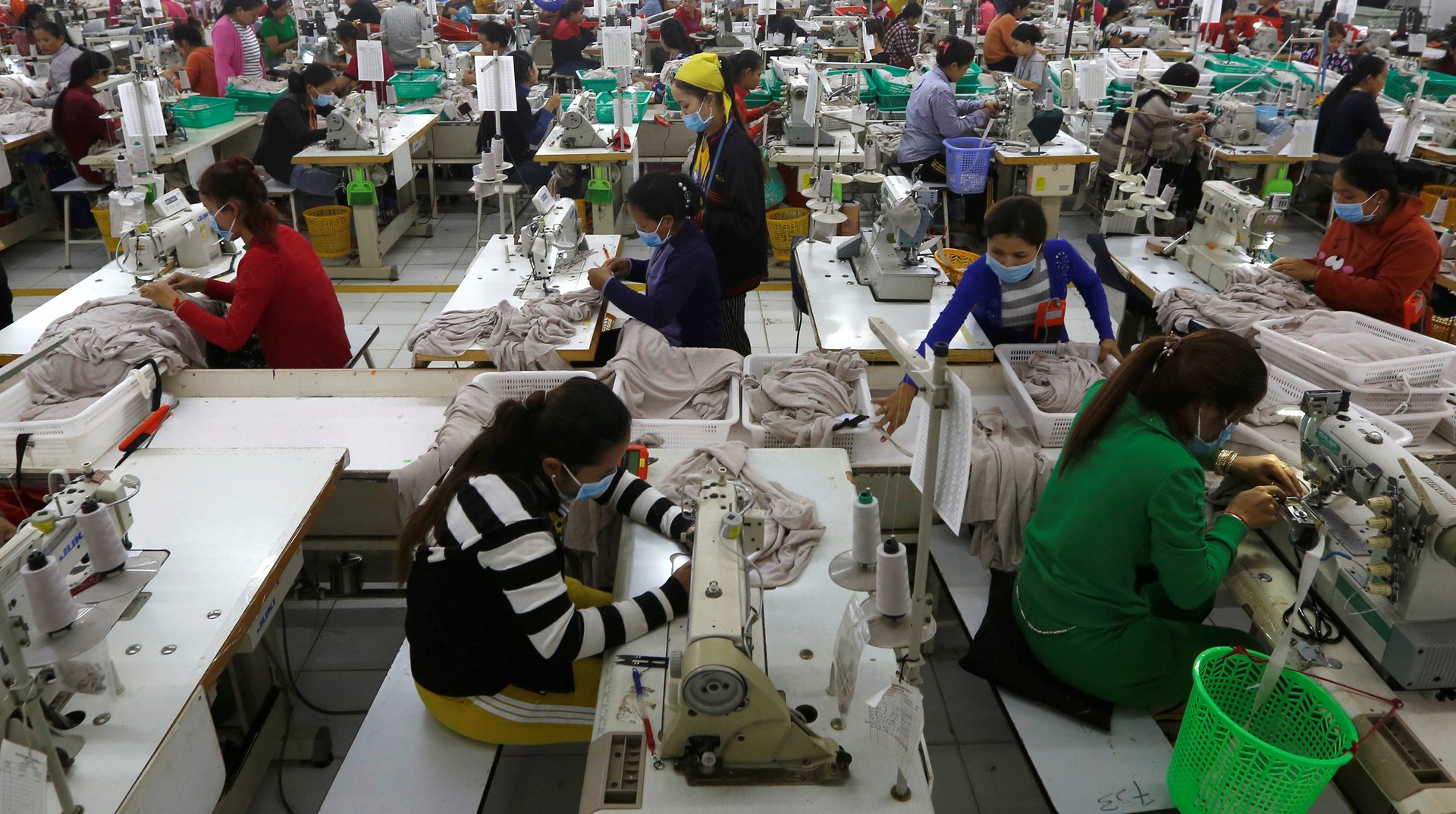
Even as China pushes factories to reopen, the ripple effects of Covid-19 have already proved inescapable for manufacturers outside the country. Particularly hard hit is Southeast Asia, where industries that depend on China for raw materials are being hobbled as their supplies dry up.

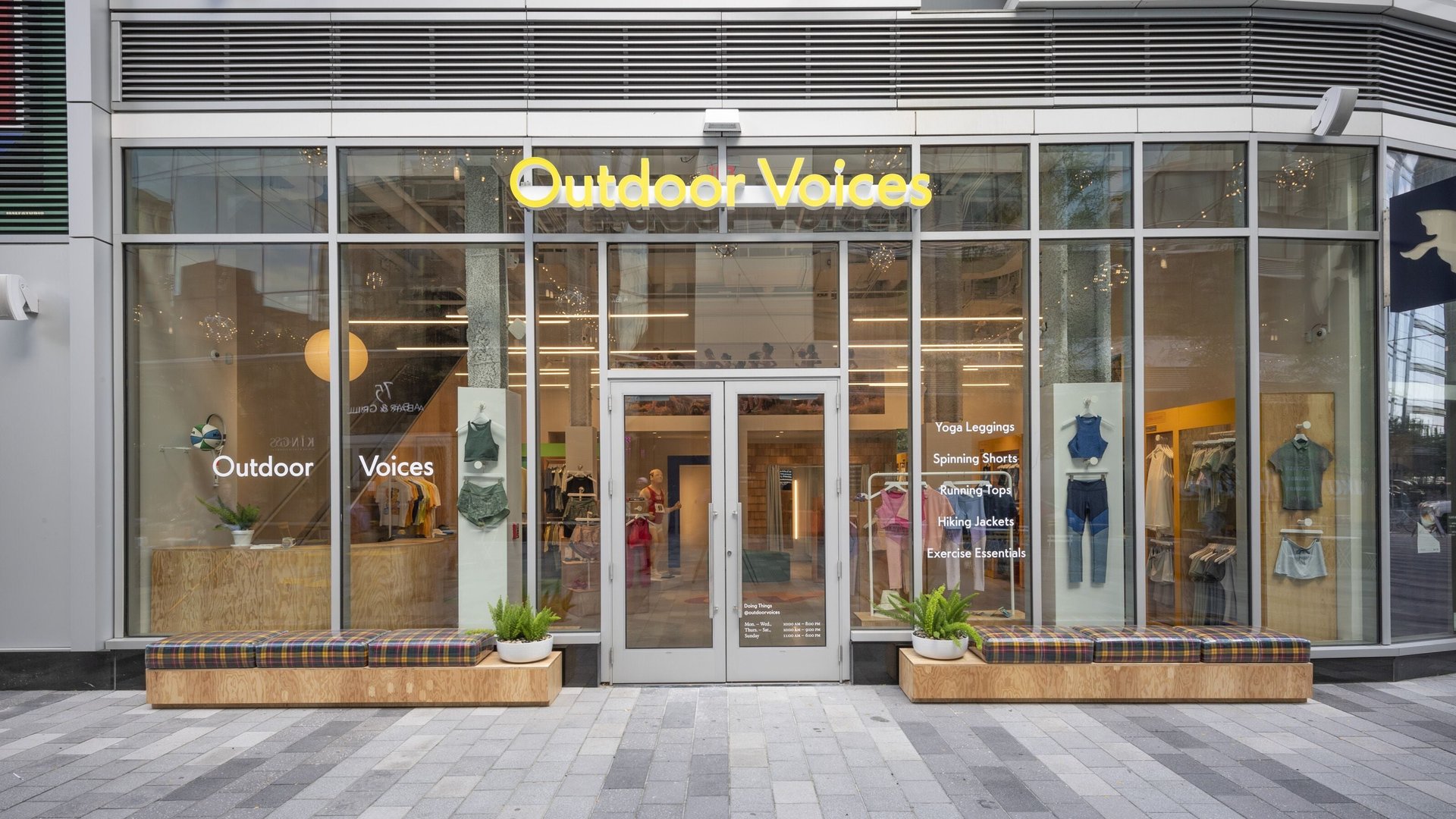
The activewear company Outdoor Voices built its popularity on an easy-going empowerment summed up by its “doing things” mantra. “Things” is deliberately vague—an intense run and a restorative stretching session both qualify—and in the world of Outdoor Voices, those doing the things are mostly women.

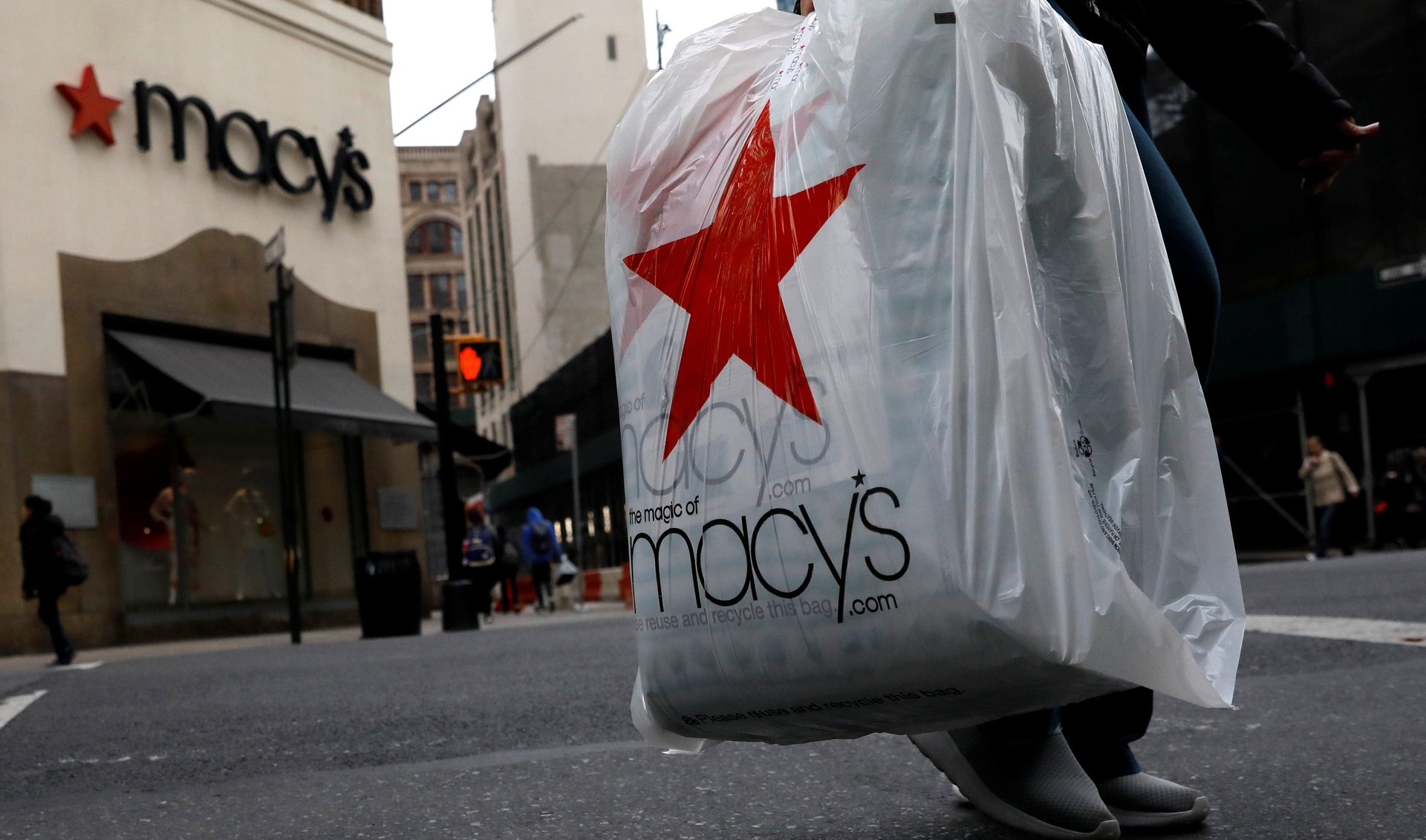
Not a lot has been going the way Macy’s wanted lately. “Taken as a whole, 2019 did not play out as we intended for Macy’s, Inc.” CEO Jeff Gennette said in a statement today as Macy’s reported its latest set of full-year sales. In the year through Feb. 1, those sales registered a roughly 2% drop versus the year before.

Luxury companies including Burberry, Ralph Lauren, Coach, and Capri Holdings—which owns Michael Kors, Versace, and Jimmy Choo—have already warned of lost sales amounting to tens or hundreds of millions of dollars due to the spread of coronavirus.

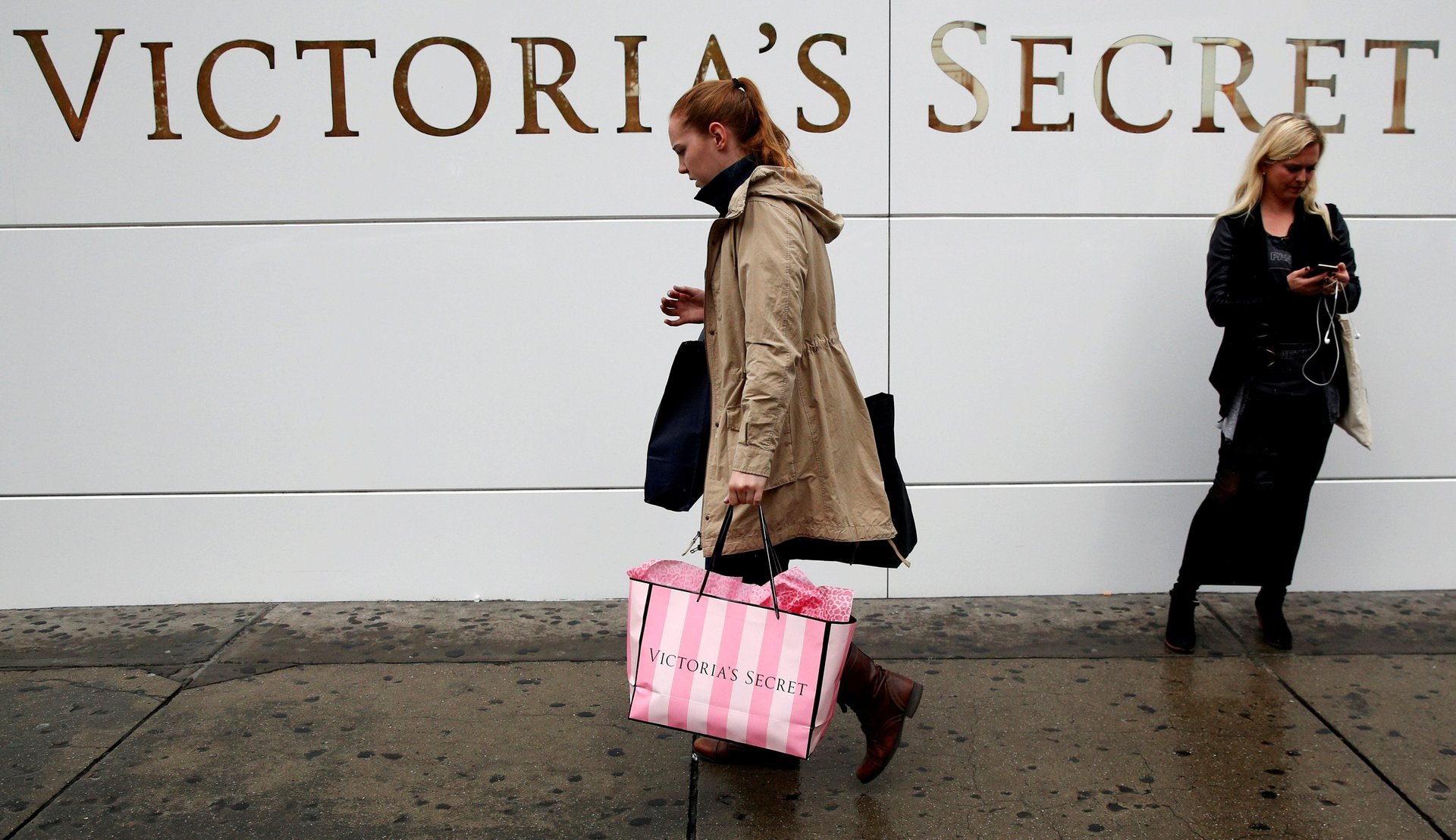
Les Wexner, who bought a little-known lingerie brand called Victoria’s Secret in 1982 and turned it into an underwear empire, is stepping down from his role as CEO and chairman of Victoria’s Secret’s parent company, L Brands.

China’s coronavirus outbreak is hitting fashion and sports companies hard.

Since e-commerce took off, all but the best stores have watched their number of shoppers slow to a trickle. Foot traffic continues to drop at suburban malls in the US and on UK high streets, while even historically frenzied shopping days such as Black Friday have quieted down as more consumers do their buying online.

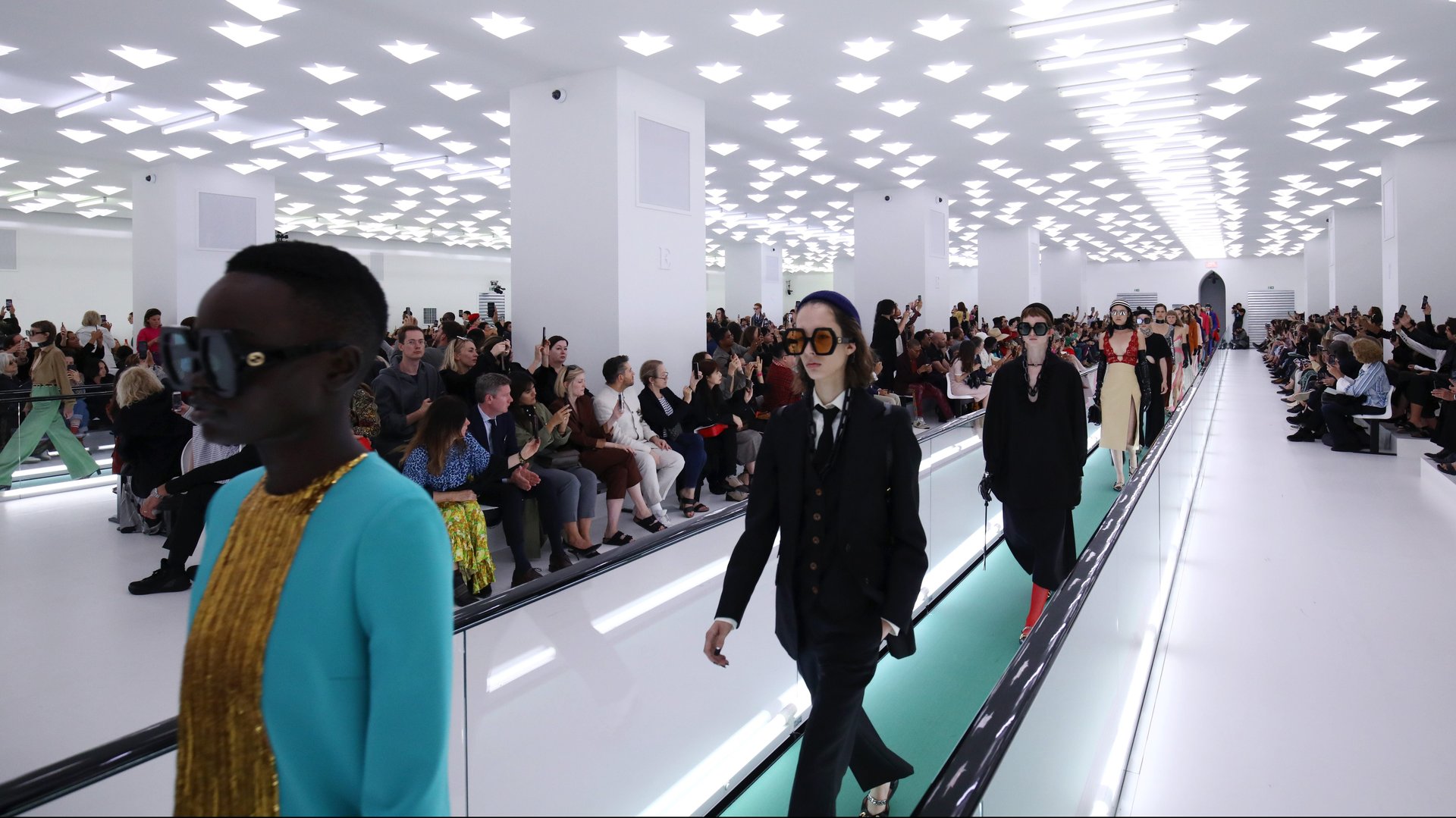
When Alessandro Michele took over as Gucci’s head designer in 2015, he seemed to work on the principle that more is more. His clothes came overloaded with pattern, color, appliques, logos, and all manner of detailing, and that was before he layered on accessories. For years, the market rewarded him. Sales at Gucci—the biggest brand in parent company Kering’s portfolio—took off like a rocket.

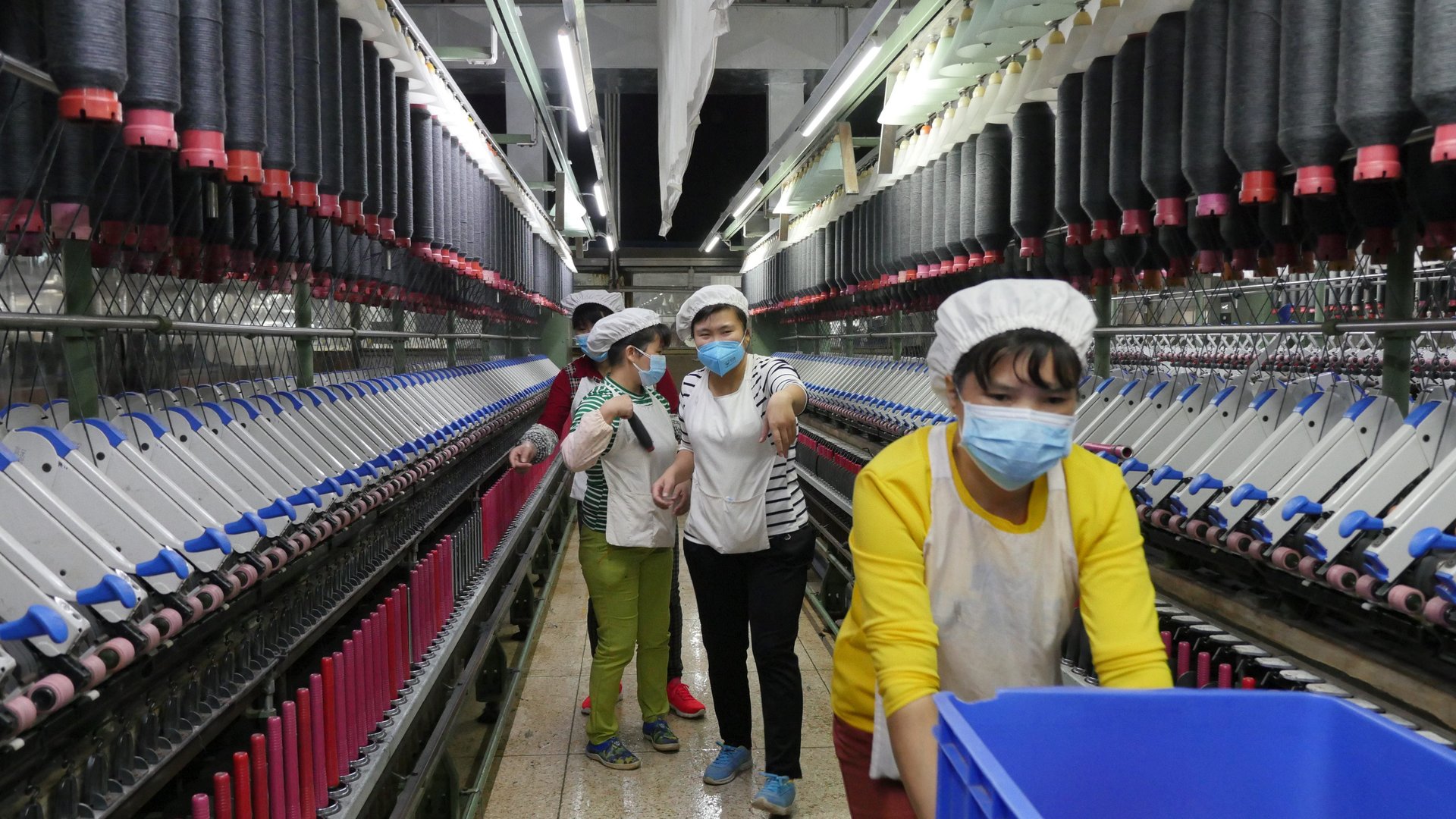
China’s outbreak of Coronavirus has fashion companies scrambling. The store closures and travel restrictions it’s causing are already putting a dent in sales inside and outside the country. Just as disruptive may be the impact the virus is having behind the scenes in global supply chains.

Last year wasn’t a good one for Under Armour. Sales in 2019 grew a meager 1.4%, the company announced today, marking the slowest pace it has recorded since going public more than a decade ago.

In the 1940s, Austrian economist Joseph Schumpeter proposed the idea of “creative destruction” to describe the collapse of an established order and the innovation and entrepreneurship that replaced it with something new. That was well before the internet existed, but the idea is an apt framing for the way e-commerce and companies such as Amazon have changed retail.