
Money & Markets
The best argument for a recount of Donald Trump’s win comes from Trump himselfThe newly elected president of the world’s most vaunted democracy is asserting that his country’s democracy is a sham.
Updated July 21, 20223 min read
The newly elected president of the world’s most vaunted democracy is asserting that his country’s democracy is a sham.
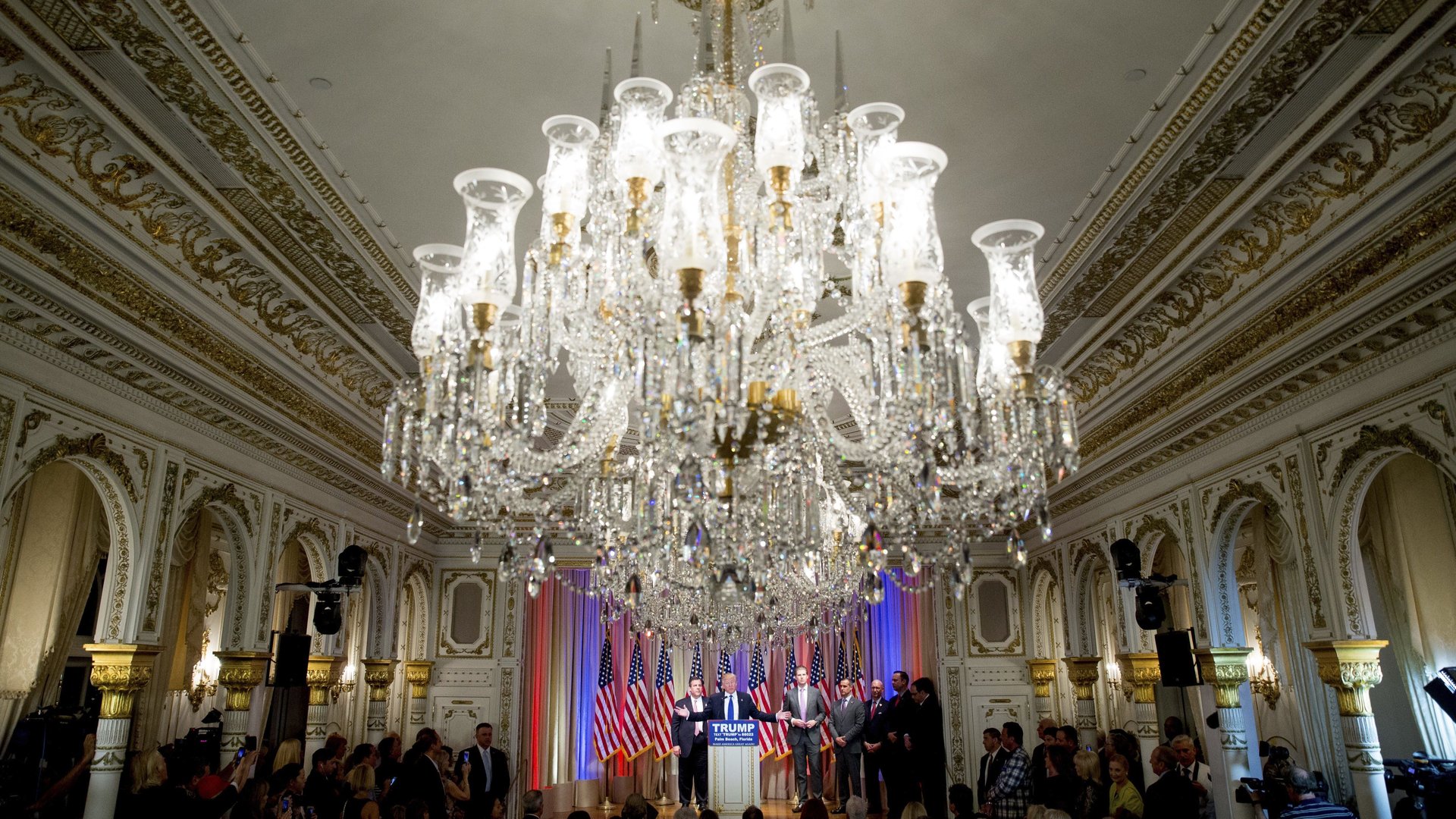
If Donald Trump’s prospective US presidential cabinet was to combine its reported riches, they would beat the 2015 GDP of 100 countries. Making up an estimated $35 billion in total, the 23 people working for a man who promises to defend working people could be worth about as much as the Democratic Republic of Congo, which has a population of 77.2 million.
Update: As this story was being published, Green party candidate Jill Stein announced that she is asking for donations to fund a recount of her own in Michigan, Pennsylvania, and Wisconsin, which are the states key to Hillary Clinton’s surprising loss. Stein says she must raise $2.5 million by Friday 4 pm central time to proceed.
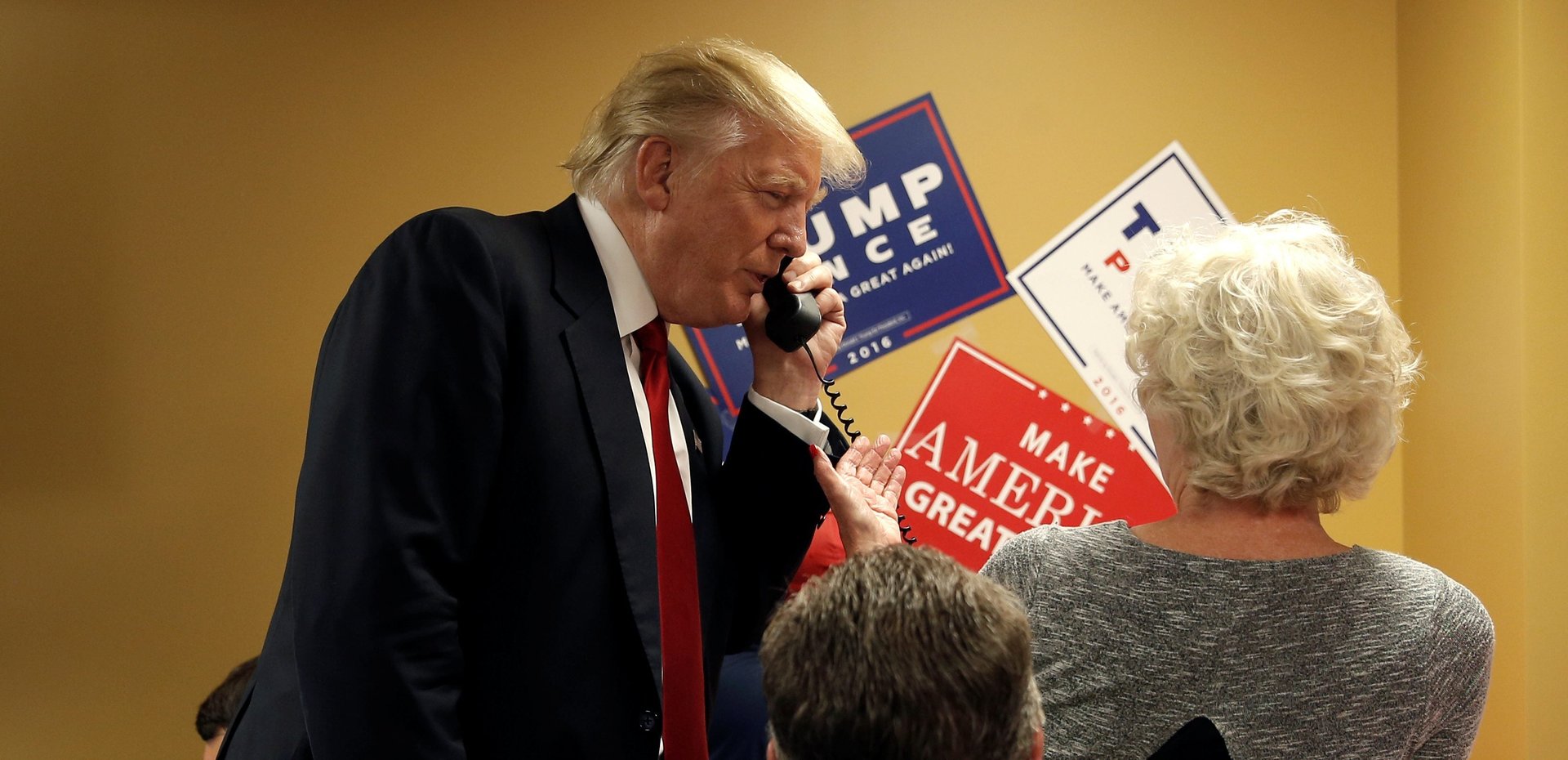
Twitter briefly went wild on Nov. 21, with a story alleging that president-elect Donald Trump had pressured Argentinian president Mauricio Macri to push through a stalled project for a Trump Tower in Buenos Aires in a phone call a week earlier.
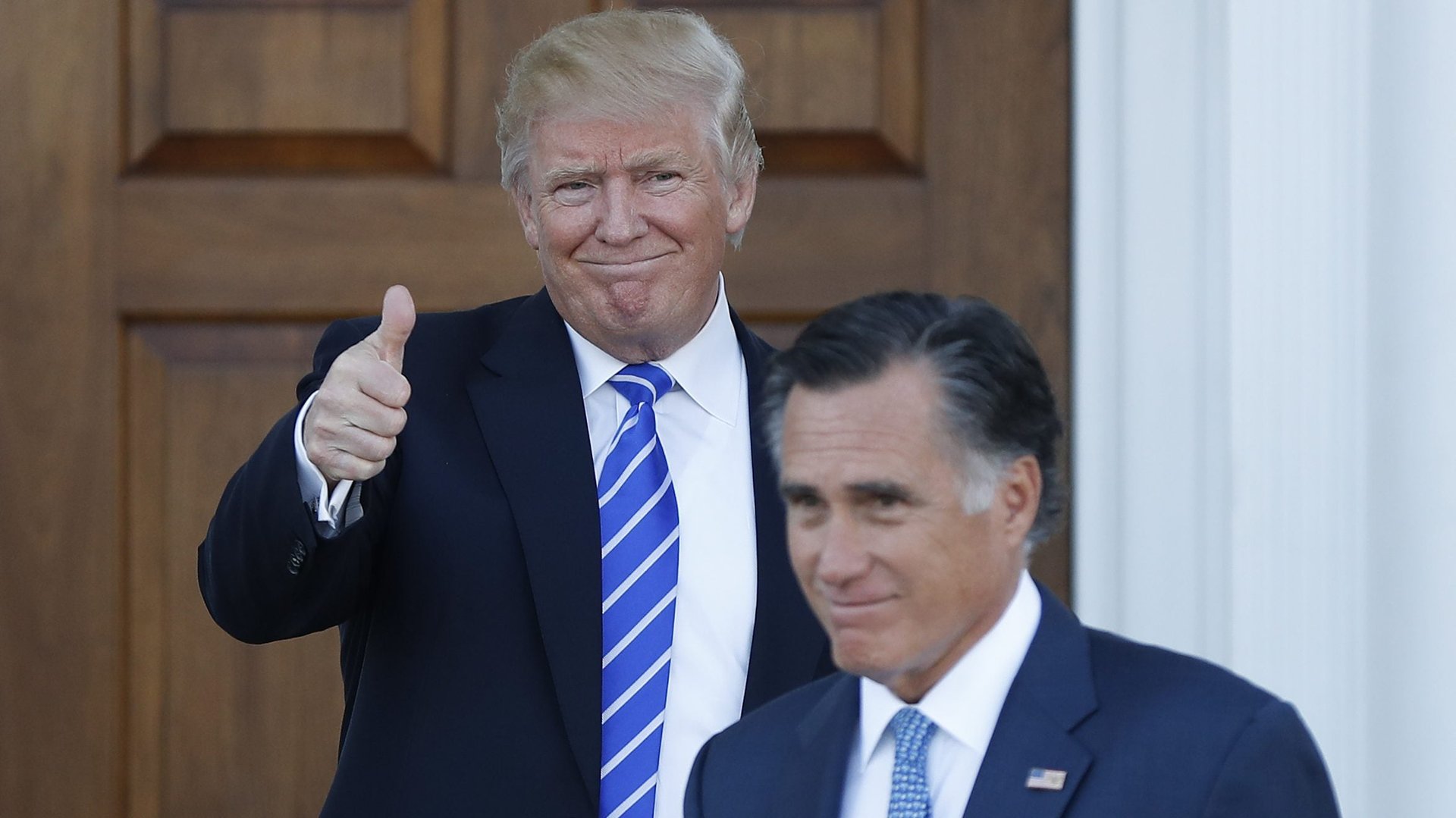
After a weekend of showbiz-esque audiences at his golf club in New Jersey, rumors continue to swirl about president-elect Donald Trump’s choices for the top national security and diplomacy roles in his cabinet. Will he continue in the vein of his appointments so far and pick staunch hard-right operators who have been fierce critics of Hillary Clinton? Or appease Washington stalwarts and the international community with a more moderate figure in his top foreign policy roles?
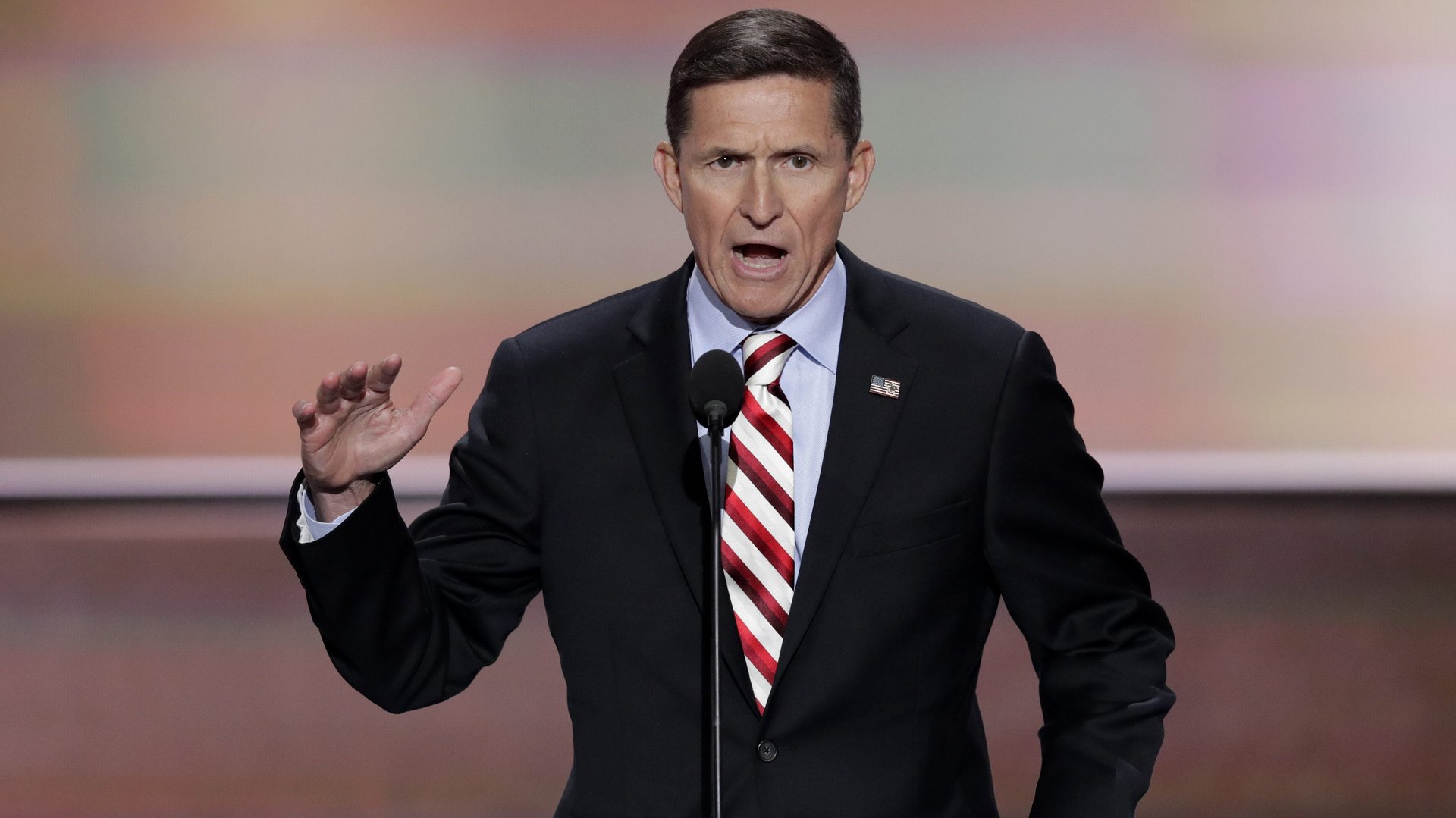
Three-star US Army general Michael Flynn has ruffled a lot of feathers since he was fired as head of the US Defense Intelligence Agency in 2014. He has led chants for Hillary Clinton to be “locked up,” dined with Russian president Vladimir Putin and been tacitly rebuked by the head of the joint chiefs of staff for his politicking.
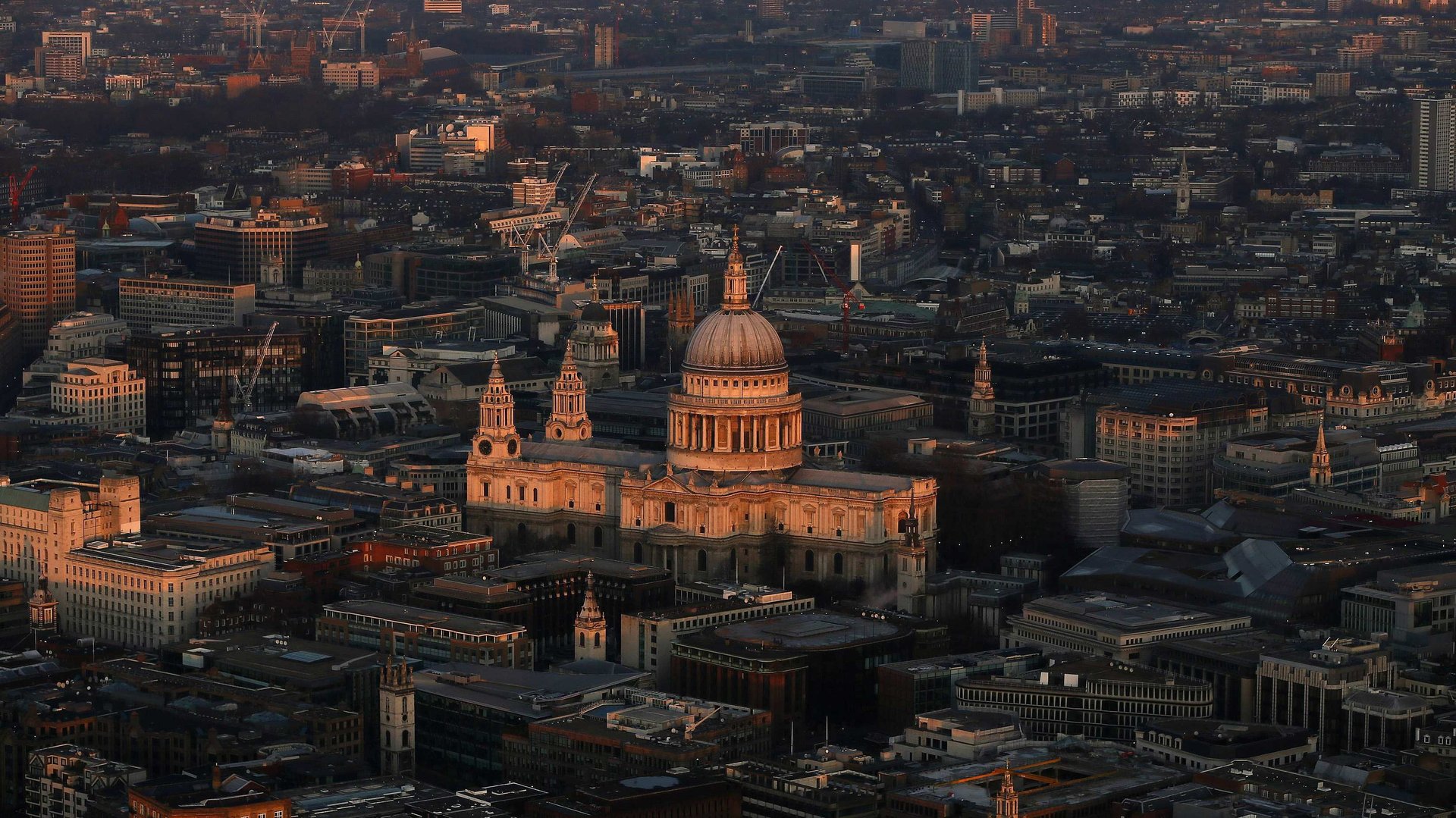
Cities are home to over half the world’s population and produce around 75% of its carbon emissions, but they’re leading the way in the global fight against climate change.
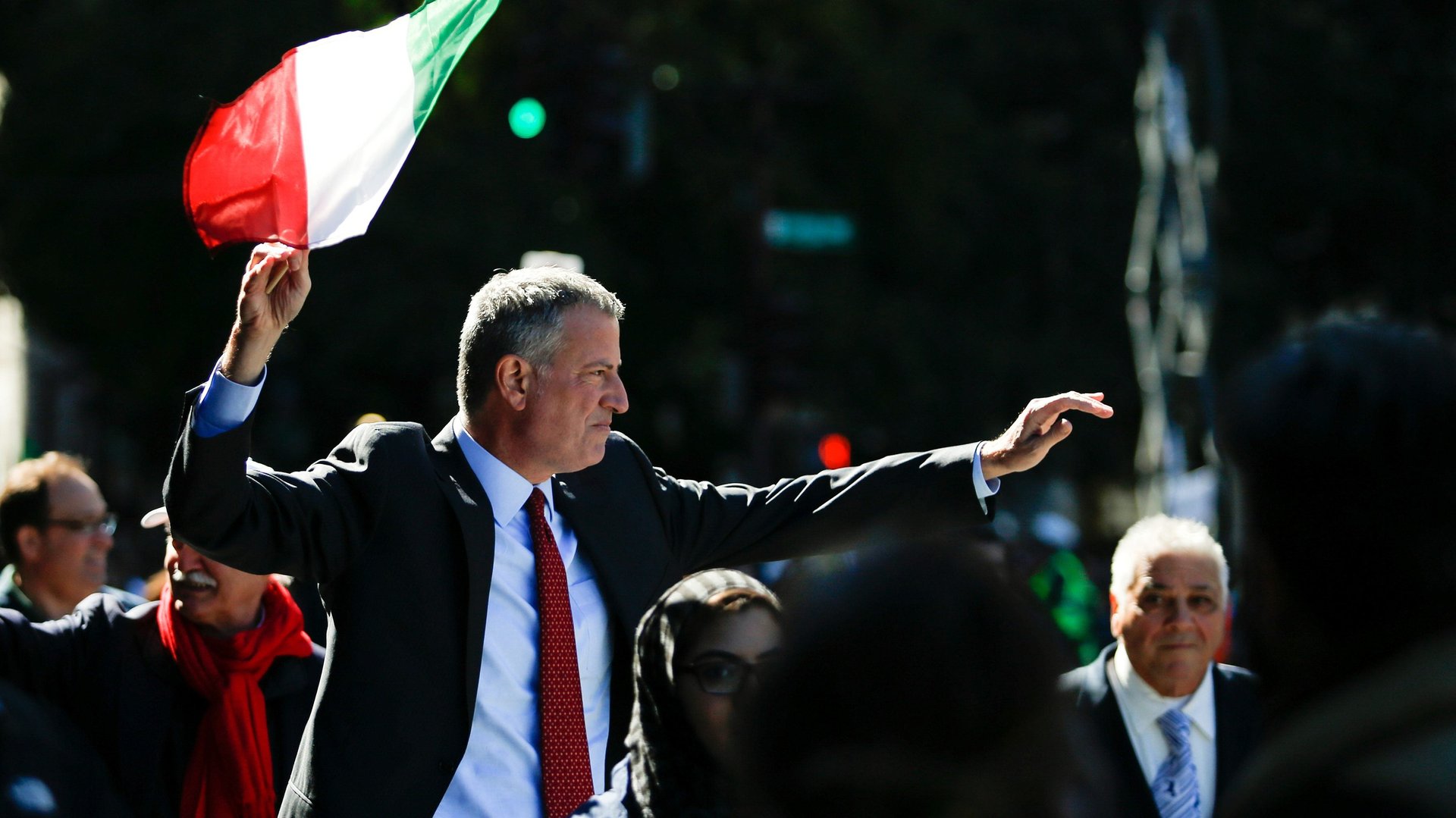
The election of Donald Trump has left the Democratic party defanged. Despite winning the popular vote, the Democrats now face four years of a radically right wing executive and at least two years in the minority in both houses of Congress.
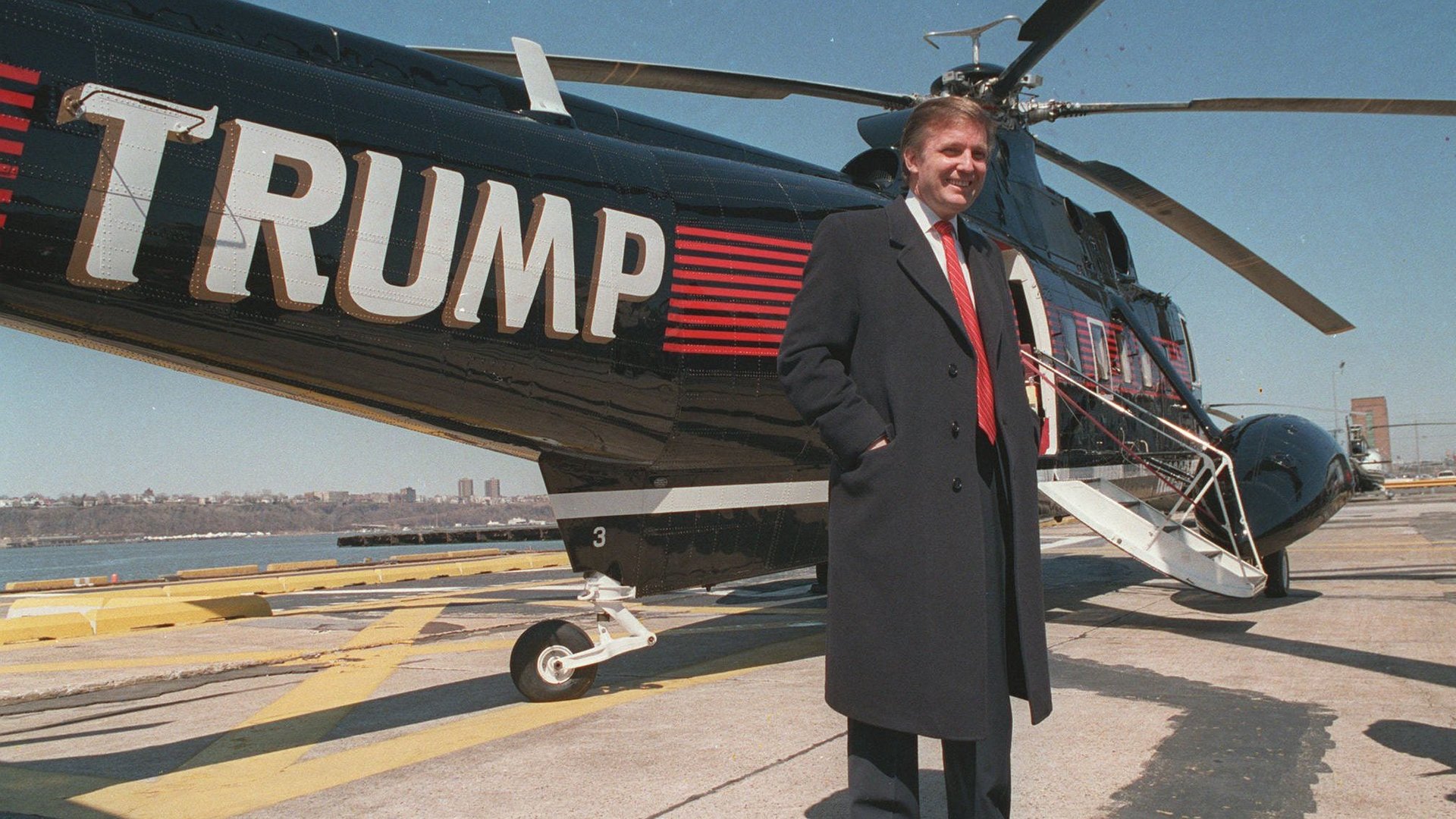
President-elect Donald Trump looks set to enter the White House with arguably the biggest array of conflicts of interest of any US president.

A 2014 law was the warning shot: The Kremlin threatened to block any company that stored Russian citizens’ personal data on non-Russian servers. Now, LinkedIn has become the first big name to fall, as a Russian court on Nov. 10 upheld a ruling to ban it from operating in the country.
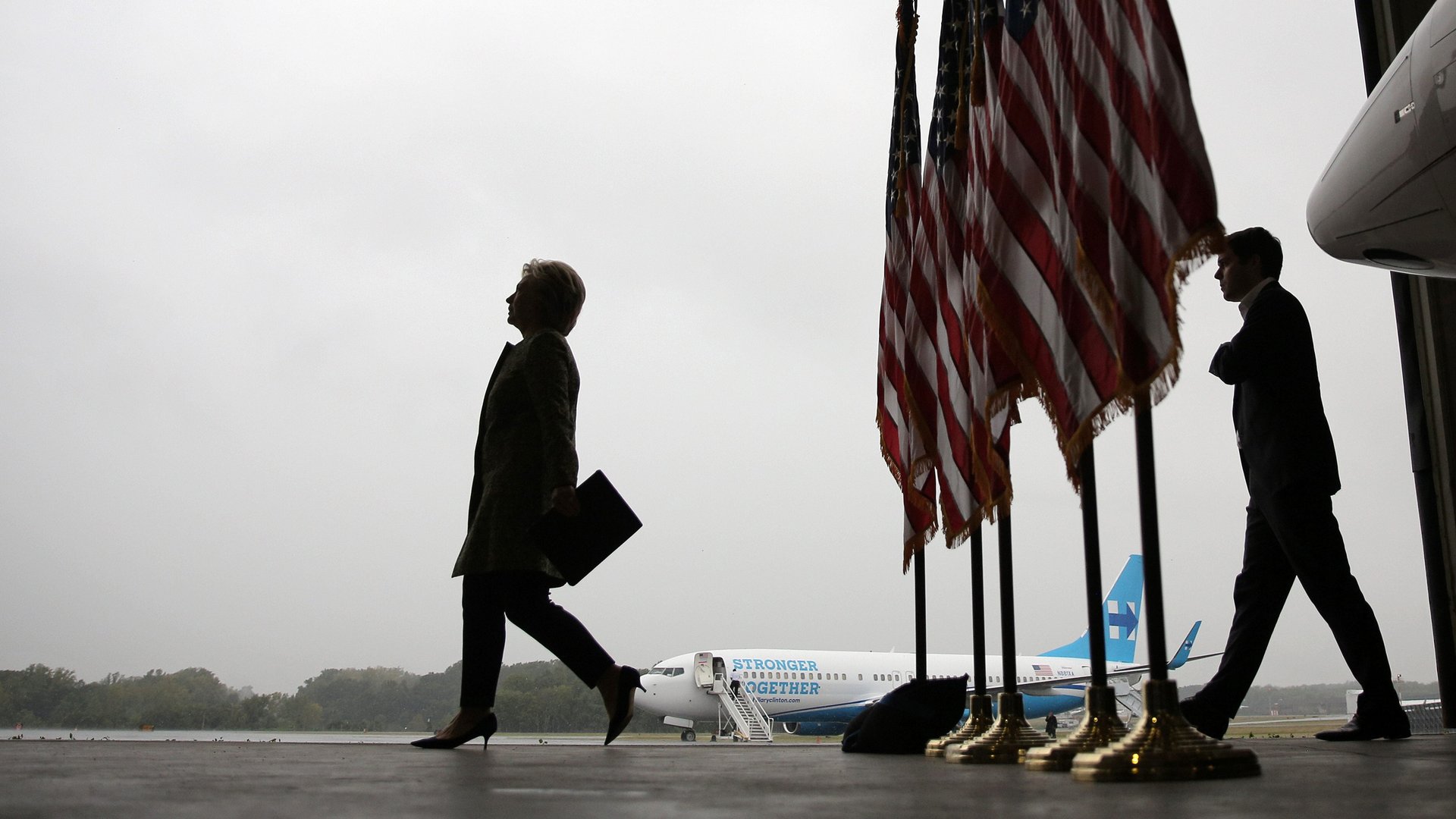
At 1 am on election night, I take the elevator down from Quartz’s New York newsroom. I’ve just filed a piece—only slightly tongue in cheek—about Brexit leader Nigel Farage and US president-elect Donald Trump as the new Reagan-Thatcher axis. It’s all a bit much to take in. I need a moment on my own.
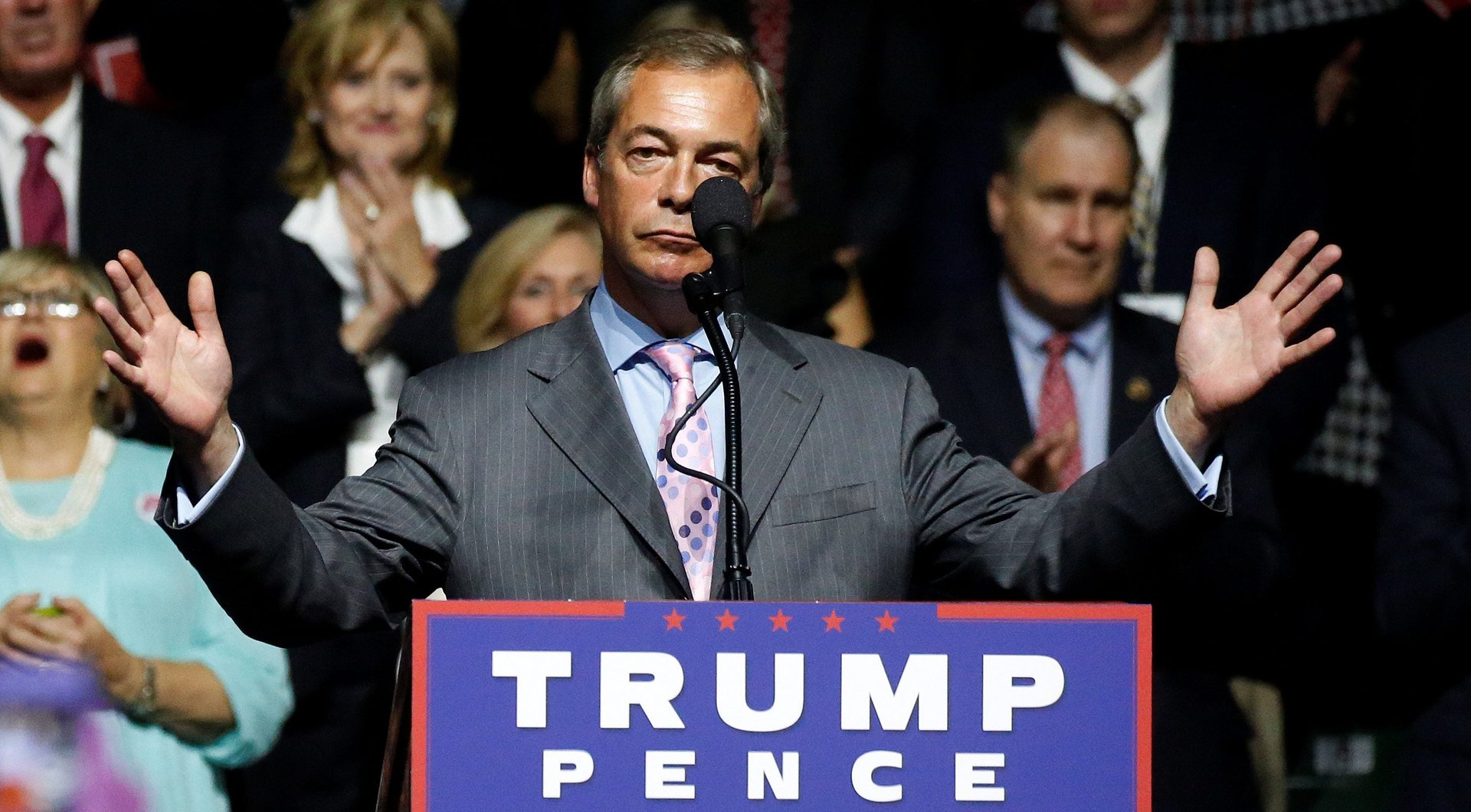
For many cosmopolitan Britons, one of the rare bright spots after the Brexit vote was the supposed disappearance of Nigel Farage from the national spotlight. The then-leader of the hard-right UK Independence Party, who became the inescapable face of the Yes vote to leave Europe, had promised to resign from his post and dedicate himself to a life of activities like fishing.
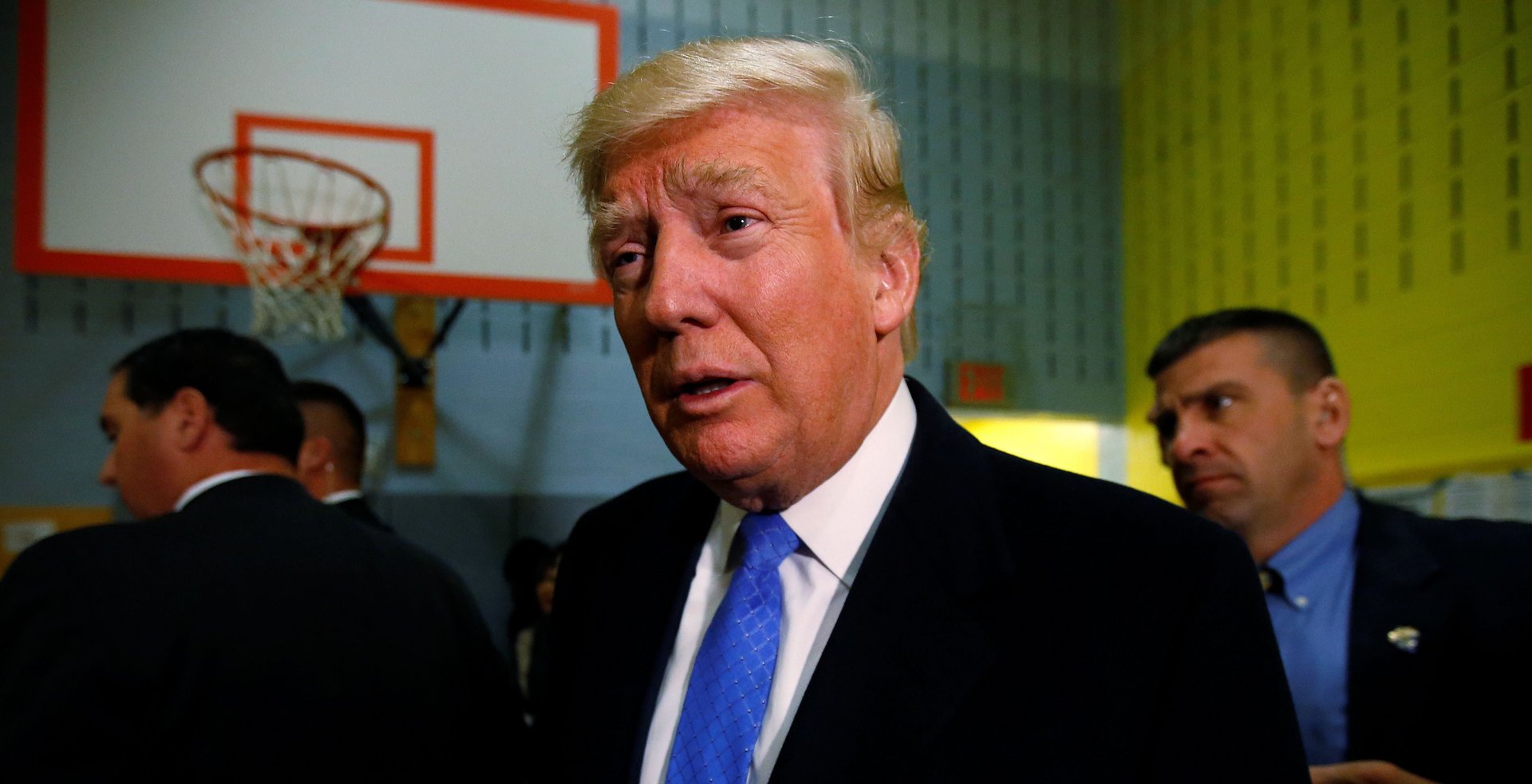
Donald Trump’s waffling about accepting the result of the election has been both one of the most tedious and most outraging themes of the last couple of months. And as Election Day calmly marches on, he’s still refusing to say whether he’ll acknowledge a defeat if he loses his bid for the White House.
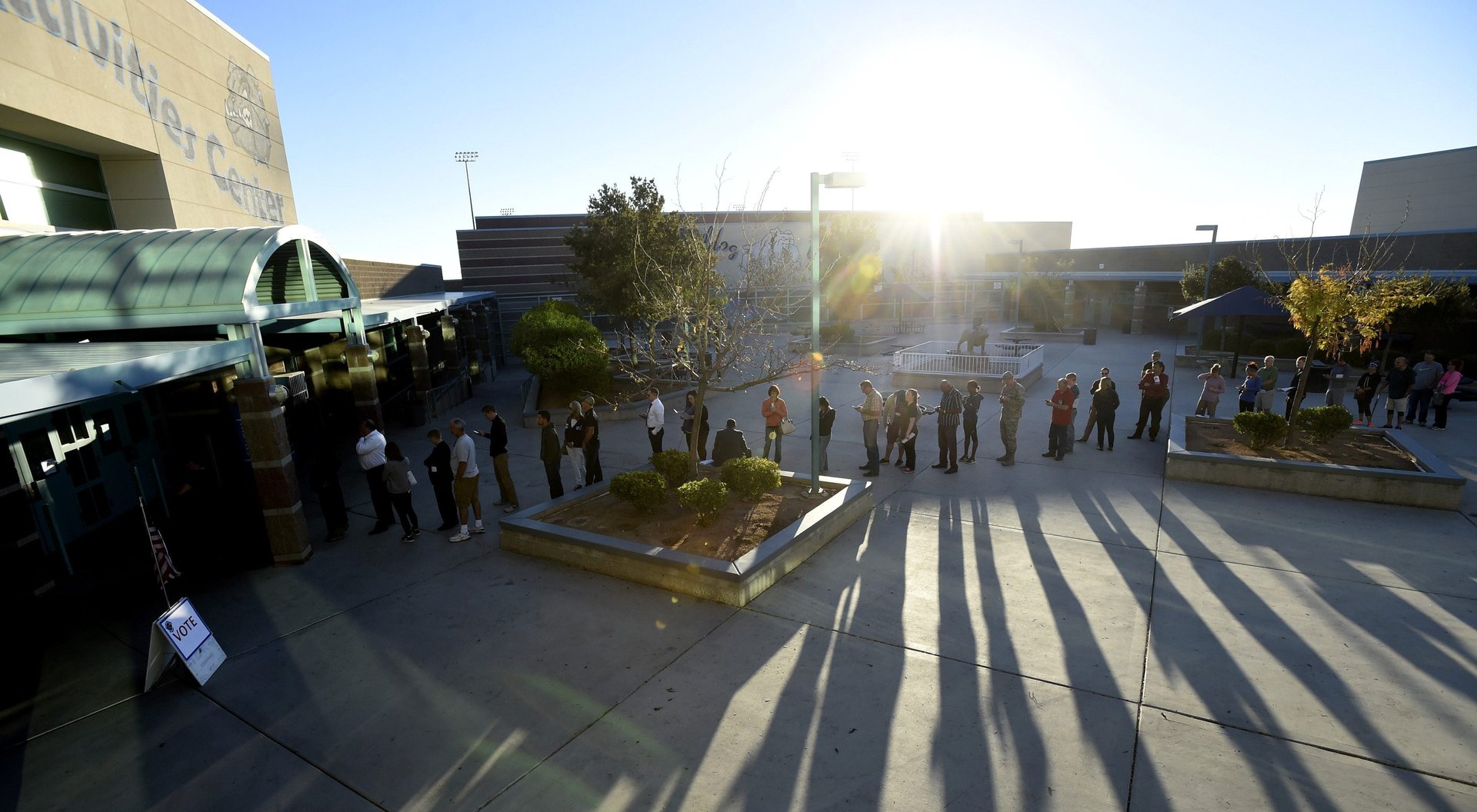
It’s hard to believe given the tone of this campaign, but in the second half of the 19th century, US states like Alabama, Texas, Georgia, and South Carolina actively courted immigrants by giving them the right to vote.
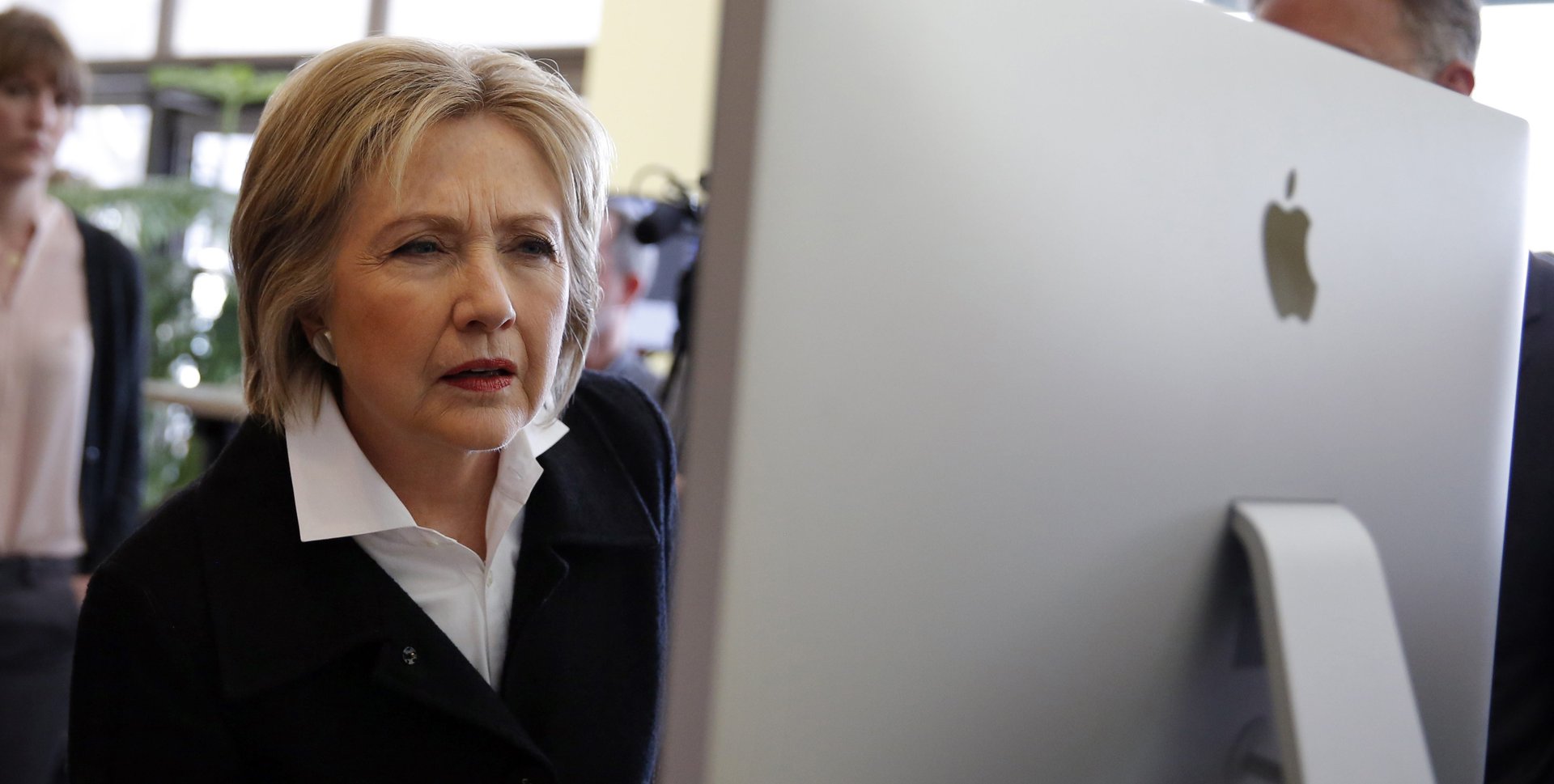
President Barack Obama is famously geeky about technology. He has played with VR with Angela Merkel, took a selfie at Nelson Mandela’s funeral, and once told Bloomberg he’d be up for going into venture capital after his presidency.
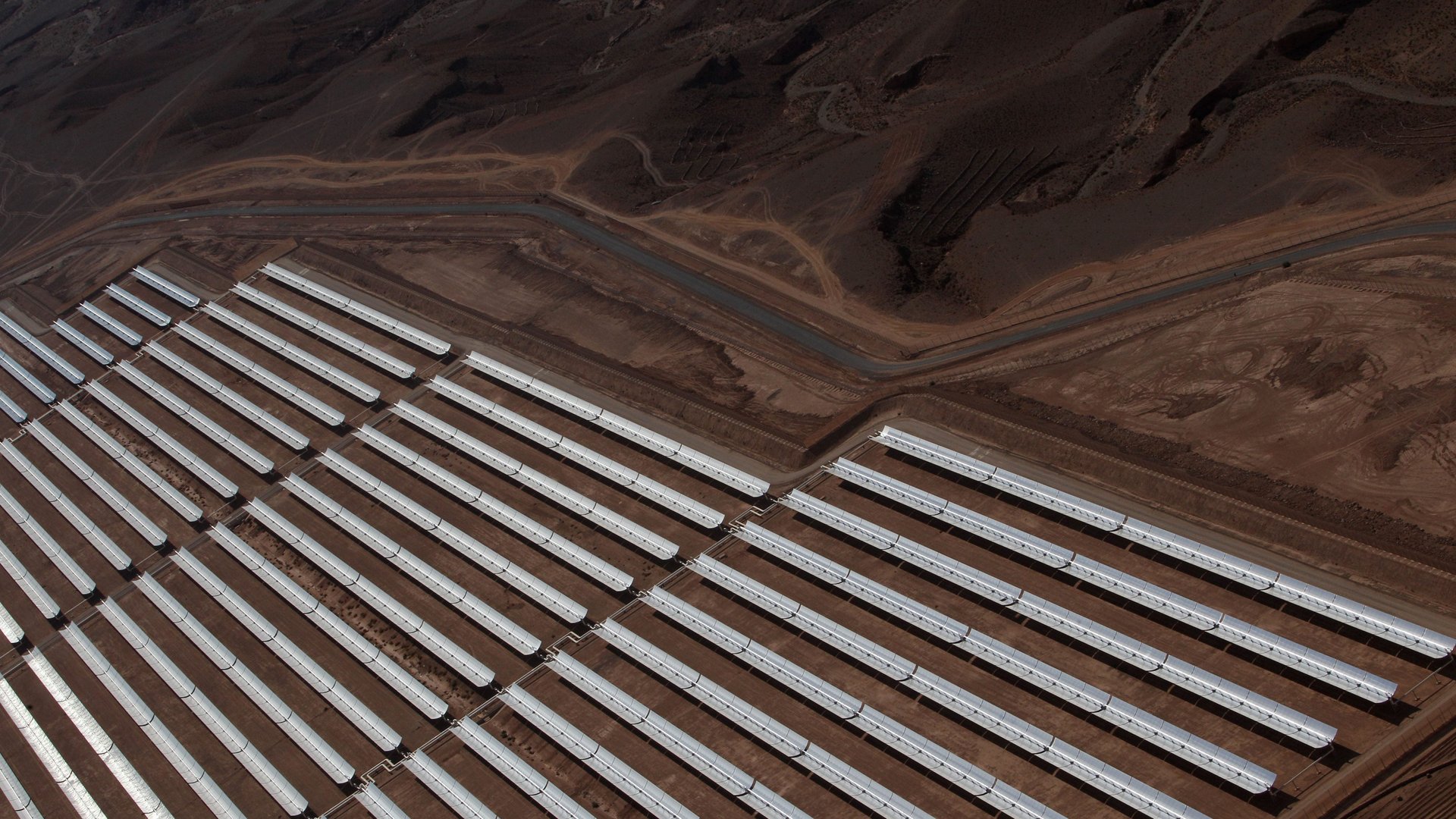
As the world gathers in Marrakech at the UN’s COP22 conference, starting Nov.7, to grapple with how to implement the Paris climate change agreement, it need only look to its host to figure out a plan.
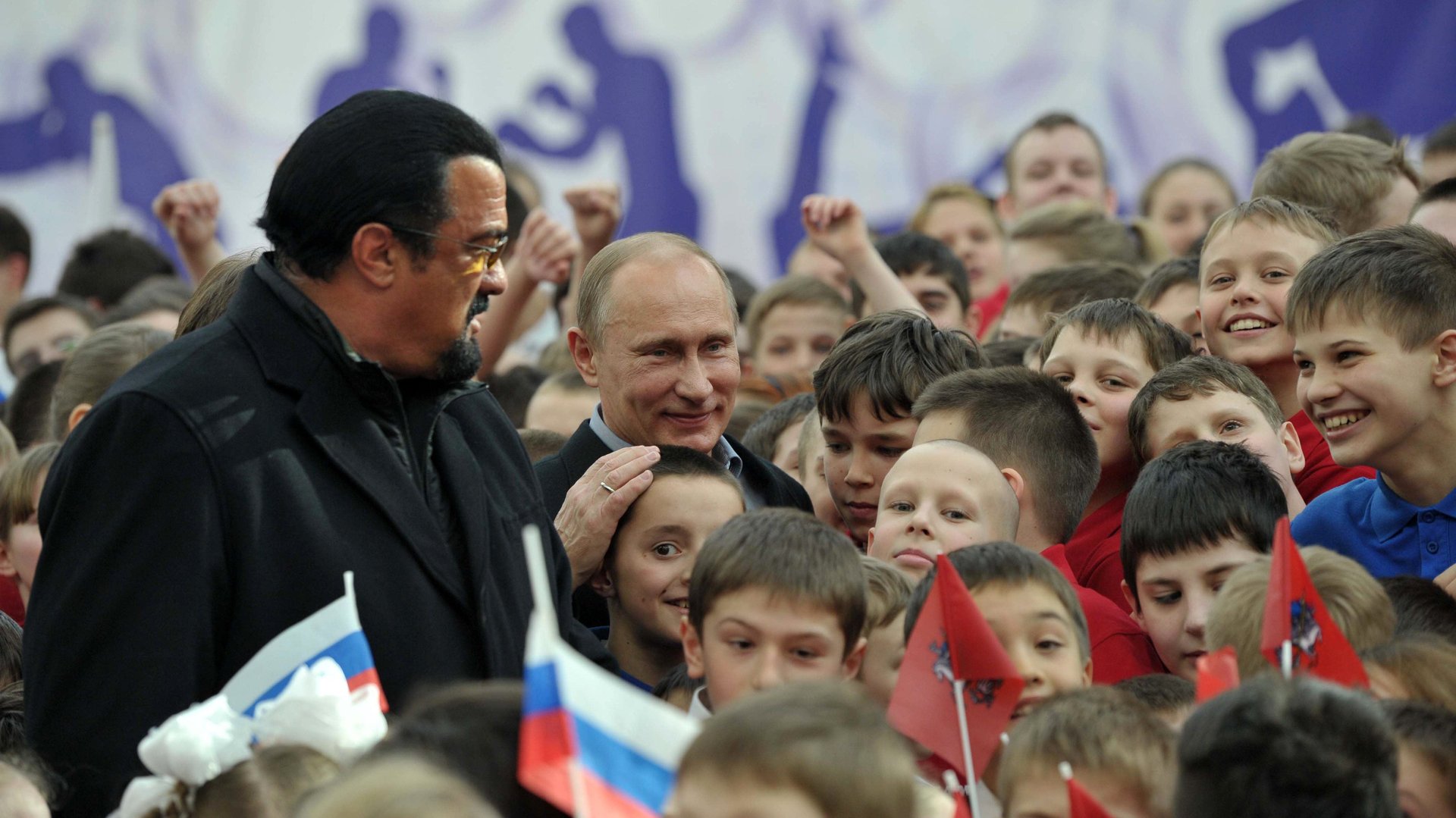
It was inevitable, really. He’s been bromancing with president Vladimir Putin for years, wished Chechen tyrant Ramzan Kadyrov the happiest of happy birthdays, and even penned an as-yet-unmade movie in which he plays Genghis Khan. Now, Steven Seagal has followed in the footsteps of French acting legend Gérard Depardieu in becoming a Russian citizen, under a decree signed personally by his mate Vlad.

Ever since mass protests erupted in Russia in 2011, the Kremlin has been slowly taking apart the civil society that it believes is working to bring down the government.
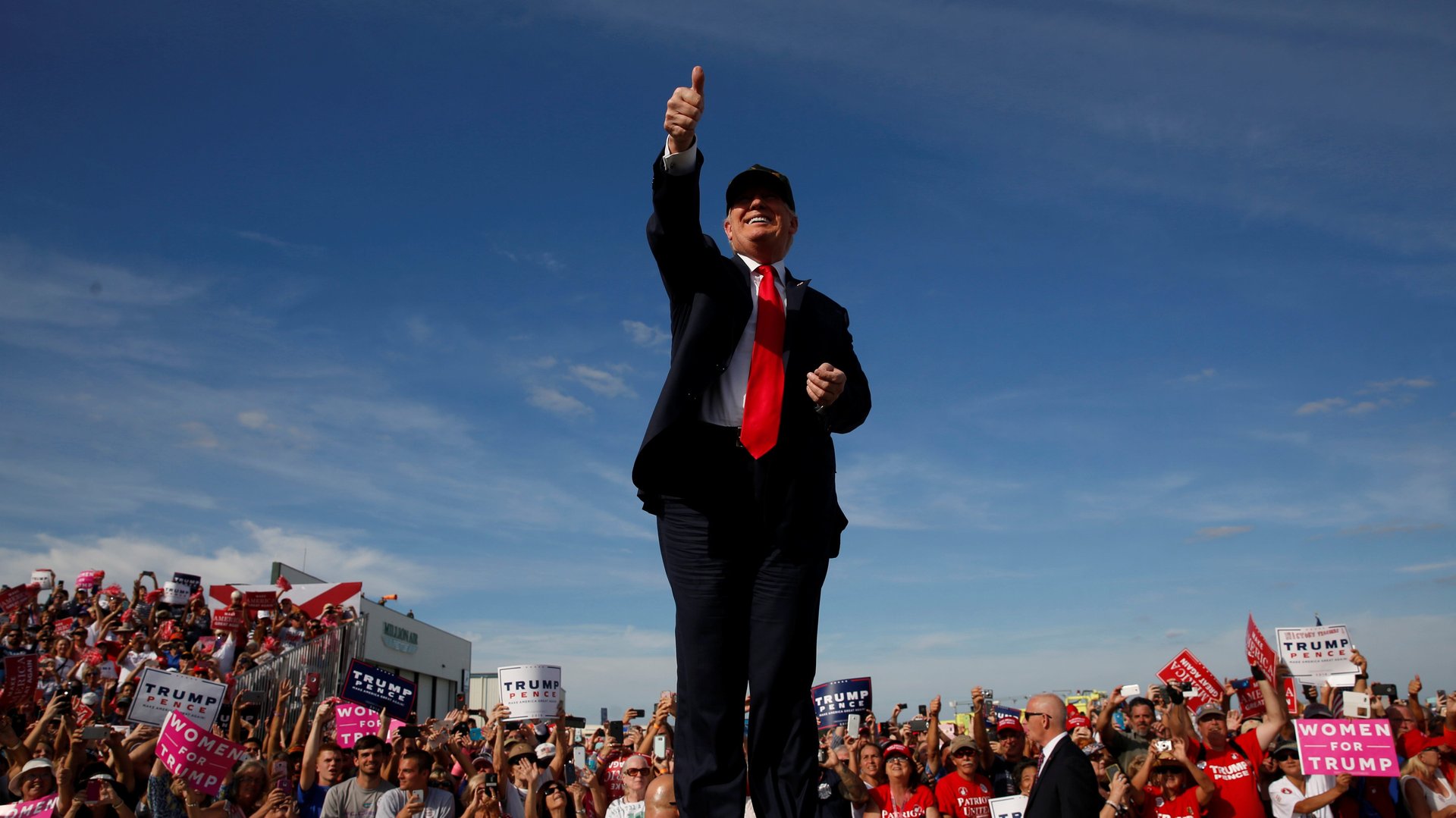
It was all Russia could ever hope for. Not only does the US have a major presidential candidate who has praised Vladimir Putin, called for detente with Russia, and criticized NATO, but he’s now been saying about the US exactly what American officials and NGOs have been insisting about Russia for years: Its elections are ”rigged.”
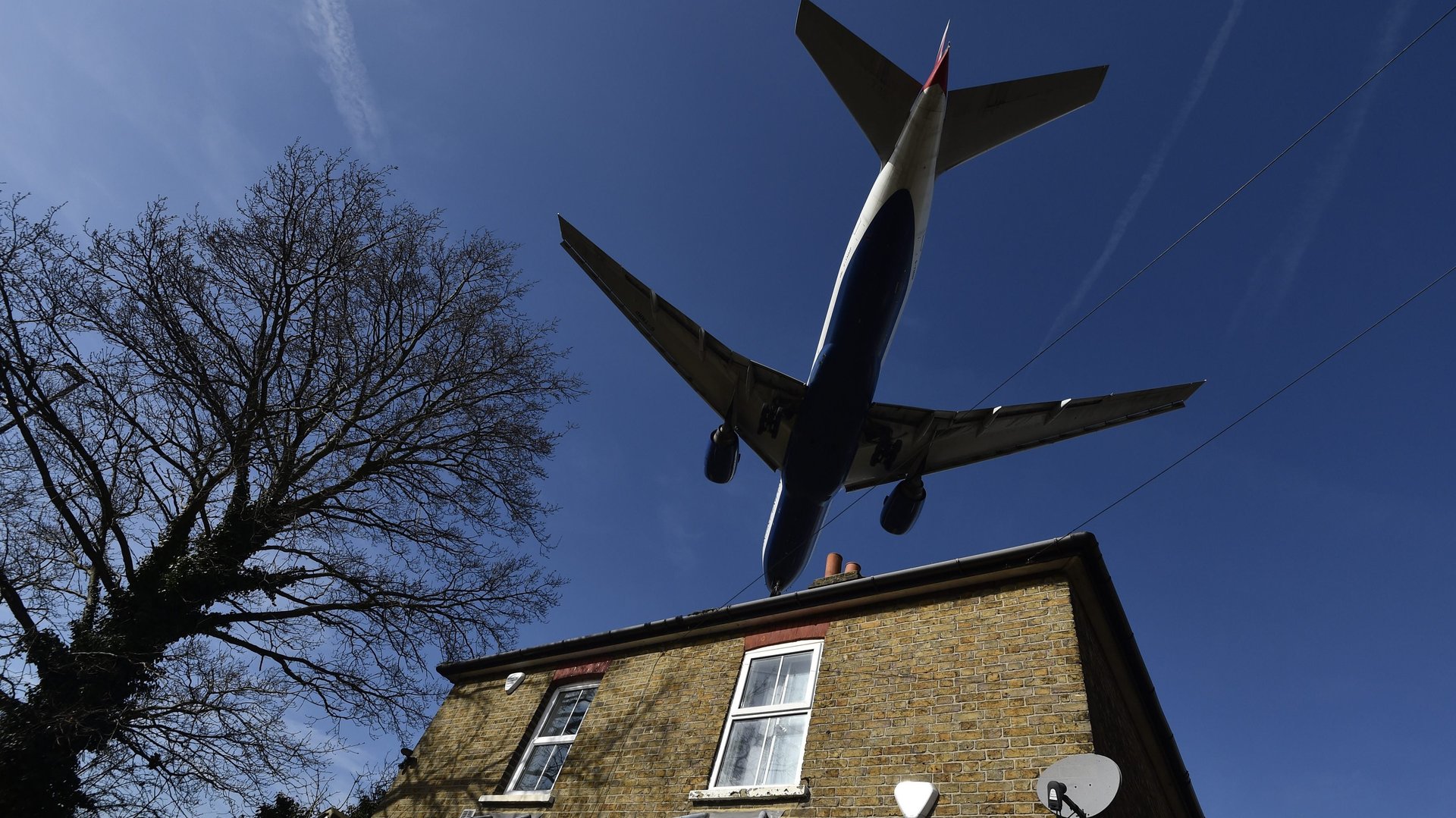
British prime minister Theresa May has a grand plan to ease the strain on London’s main airport, Heathrow: to hold a long consultation, then maybe make a decision to maybe build a new runway that will be ready by 2025 at the earliest.
The Olympics are clearly in a mire.
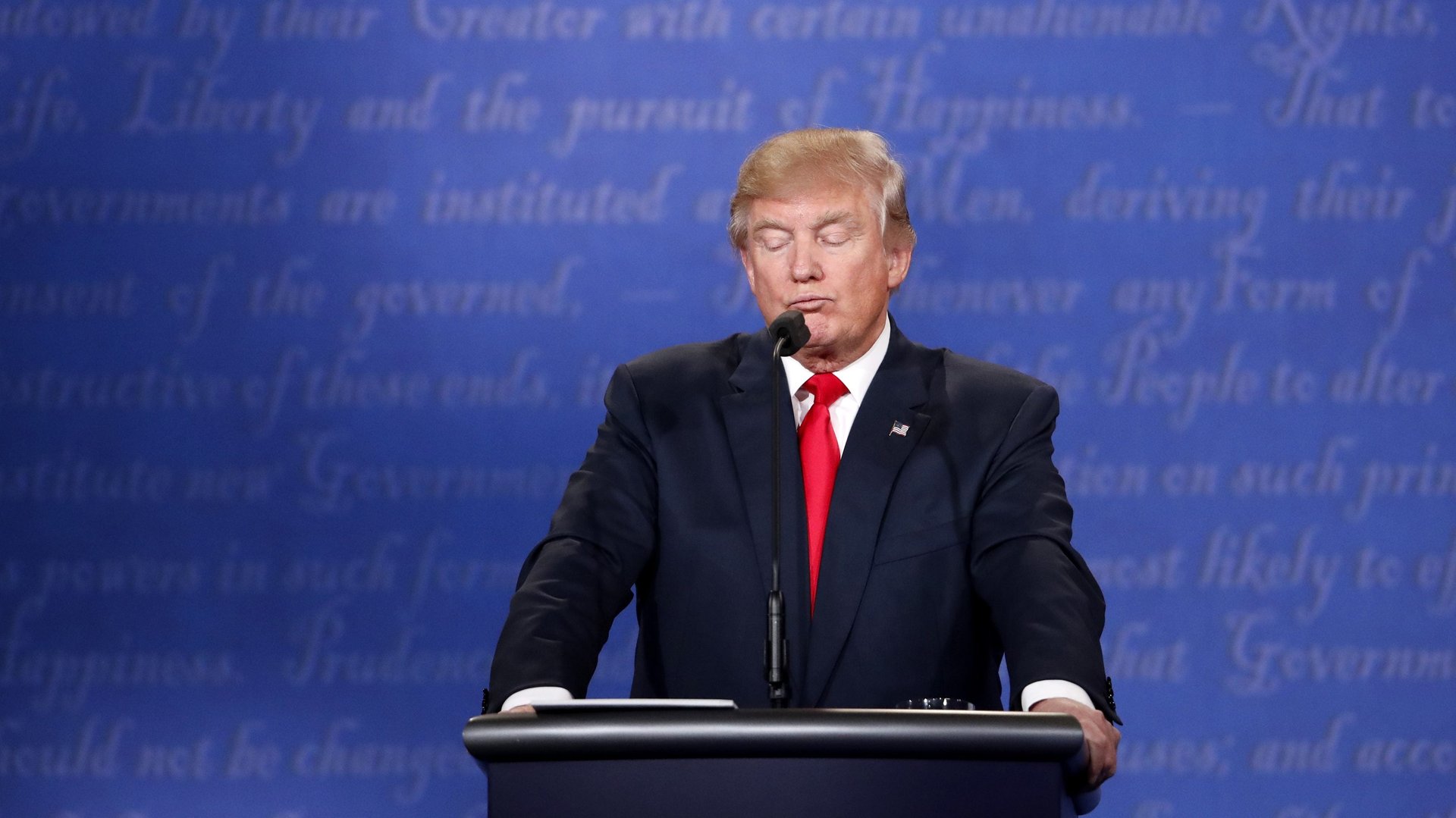
Of all the incomprehensible moments of these three presidential debates, perhaps the most unfathomably, irrevocably bizarre one is of Donald Trump insisting The Apprentice should have won an Emmy.
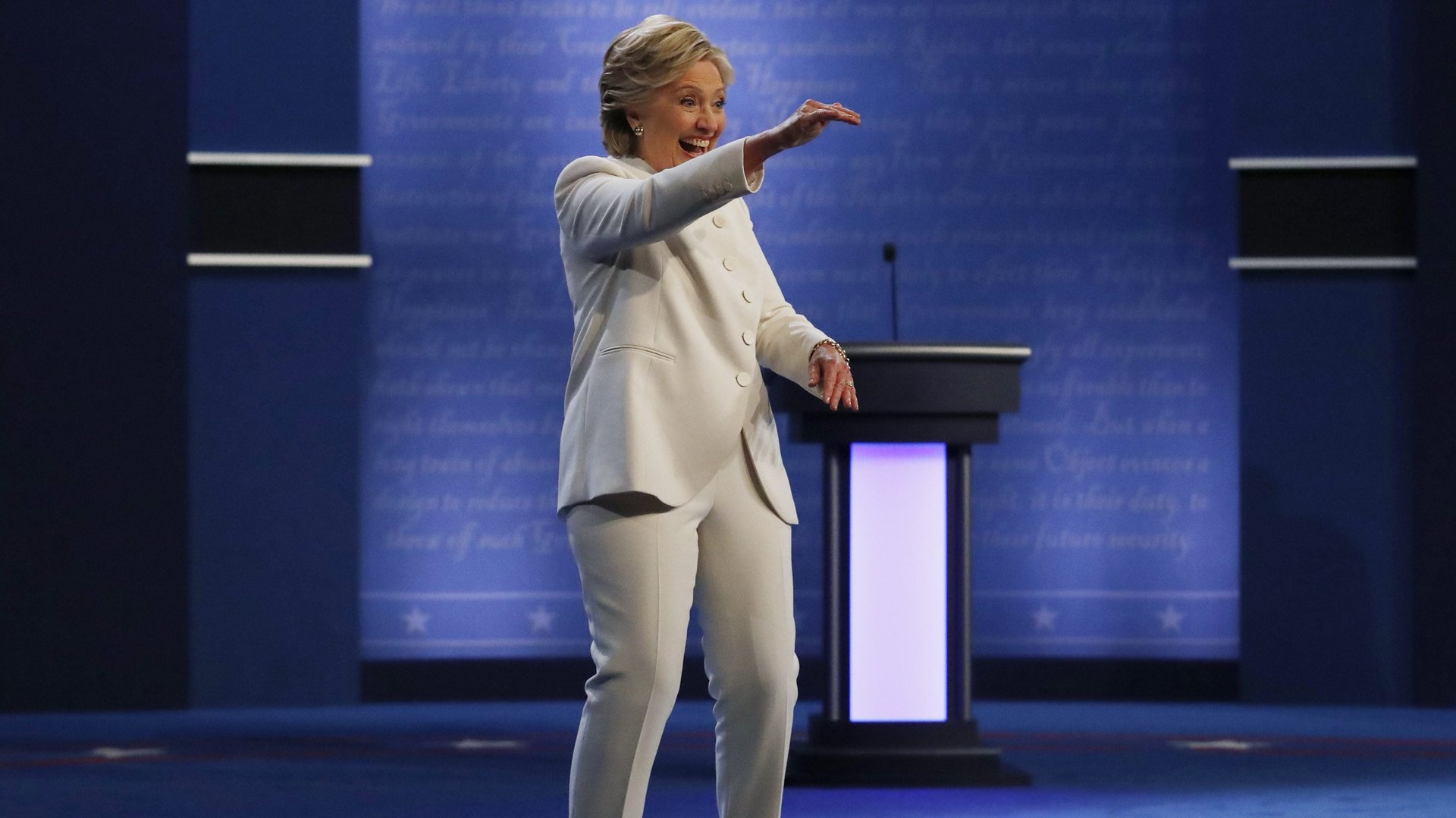
This presidential campaign has pitted one of the most experienced candidates of all time against one of the least experienced. And Donald Trump has consistently tried to brush off his weakness here by telling the world Hillary Clinton has “bad experience.”
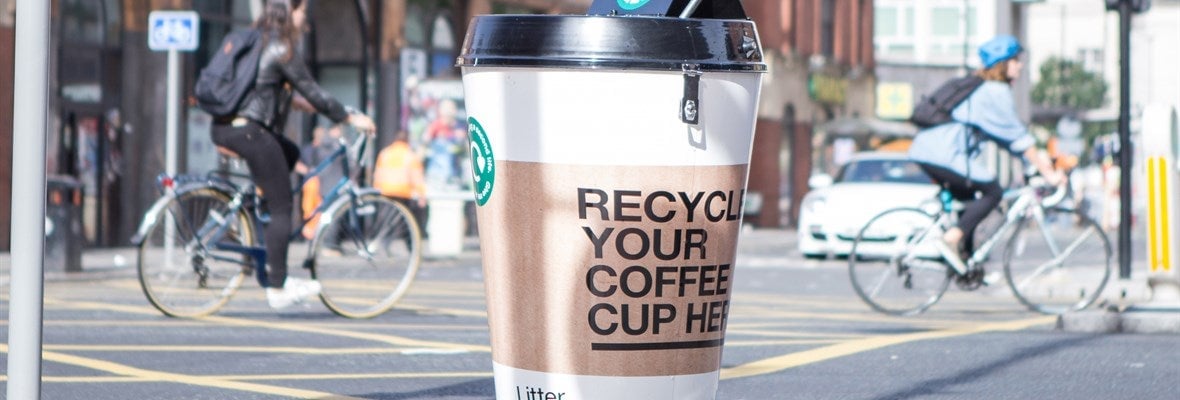
The amount of coffee cups thrown away around the world is enough to make anyone jittery–the caffeine-guzzling US alone throws an estimated 60 billion away each year. But while you might consider a cup of Joe cheap, its environmental cost is considerable. The thin layer of plastic around the cups which prevents them from disintegrating makes them almost impossible to recycle, with each cup taking around 30 years to break down.