
Money & Markets
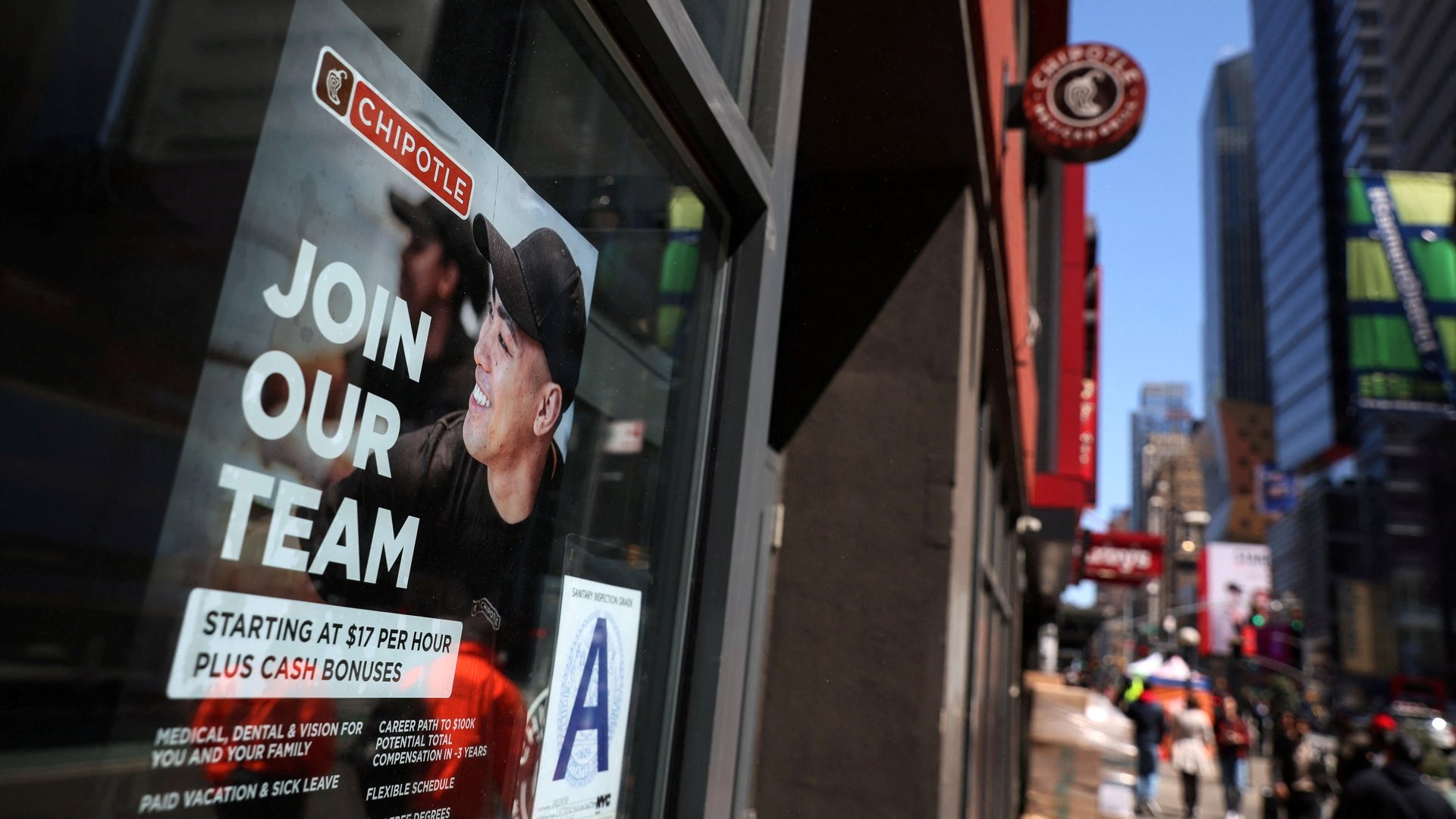
Chipotle's $20 million settlement with workers is an indictment of the entire restaurant industryThe pandemic put a spotlight on the restaurant industry's labor problems.
Updated August 11, 20222 min read
The pandemic put a spotlight on the restaurant industry's labor problems.
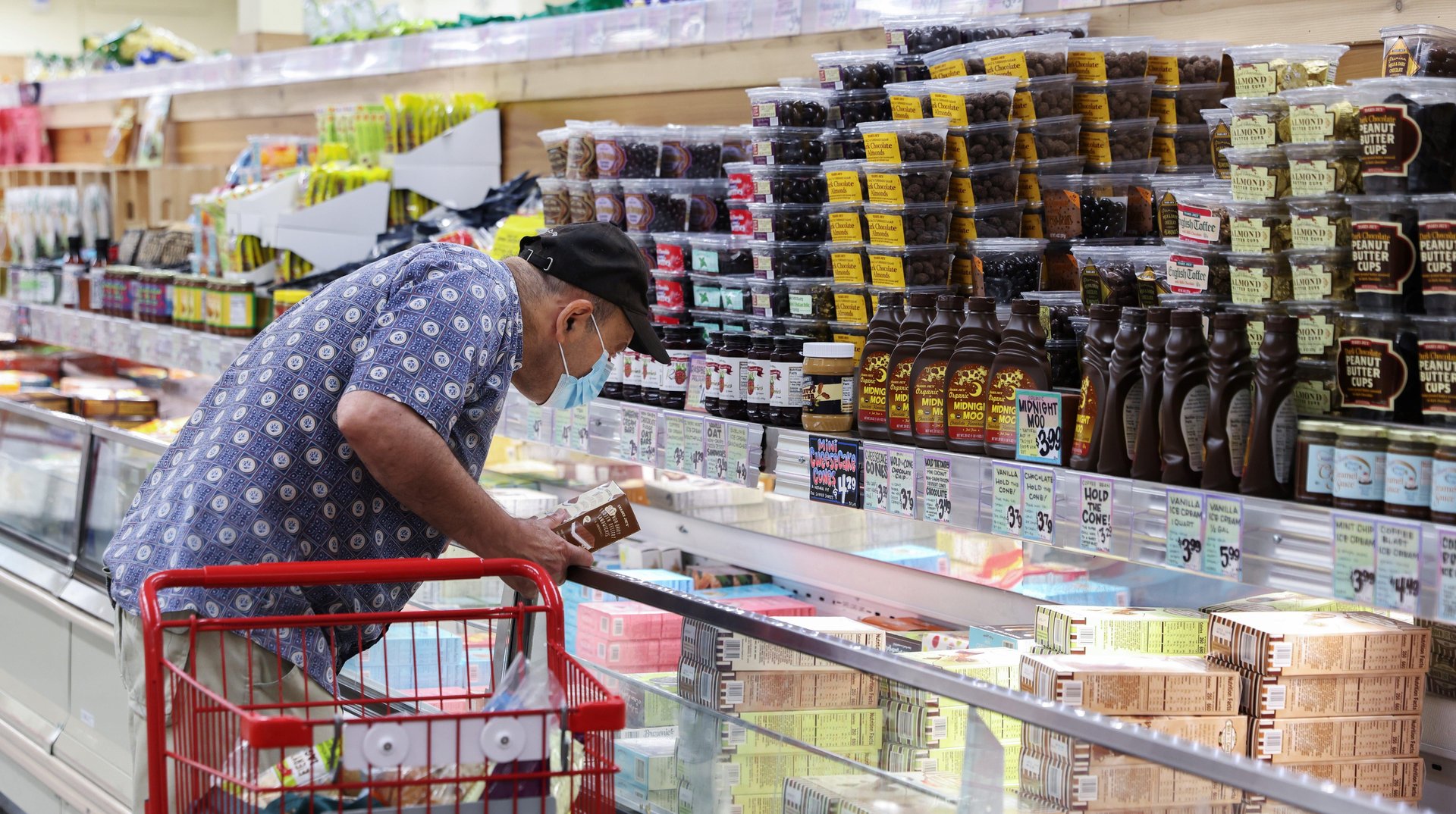
High labor and energy costs continue to factor into food prices.

The companies together control 96% of the US market for on-demand food delivery.
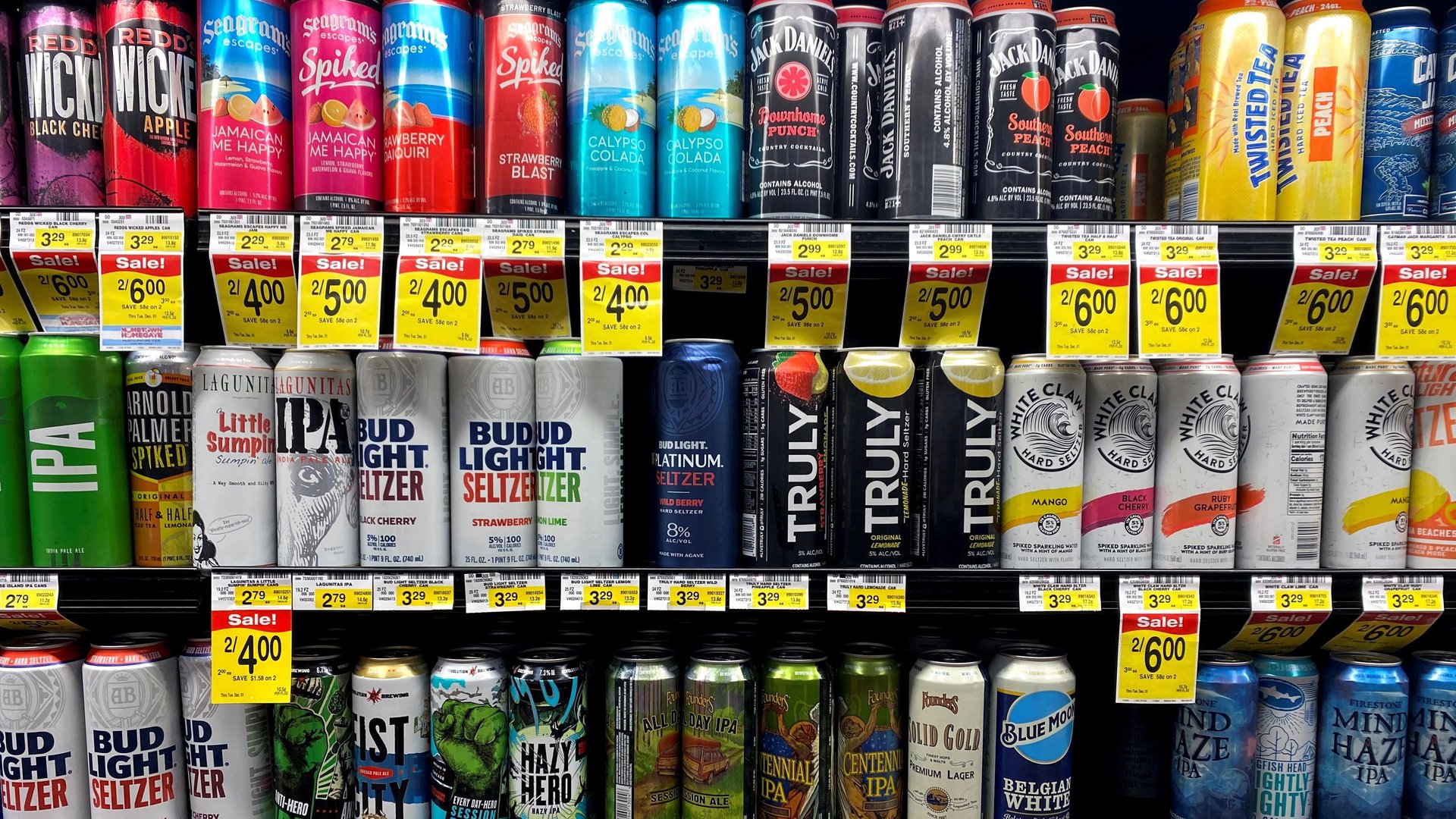
Sales of hard seltzer declined 5.5% in the last year, according to data from NielsenIQ, a market research firm. Most popular in the summer, hard seltzer boomed during the pandemic, as people gathered informally outside, rather than at bars. Sales of beer, flavored malt beverages, and cider, also considered part of the ready-to-drink category—meaning bottled or canned drinks you can buy at the store for immediate consumption—dropped 2% in the same time period, according to the company.
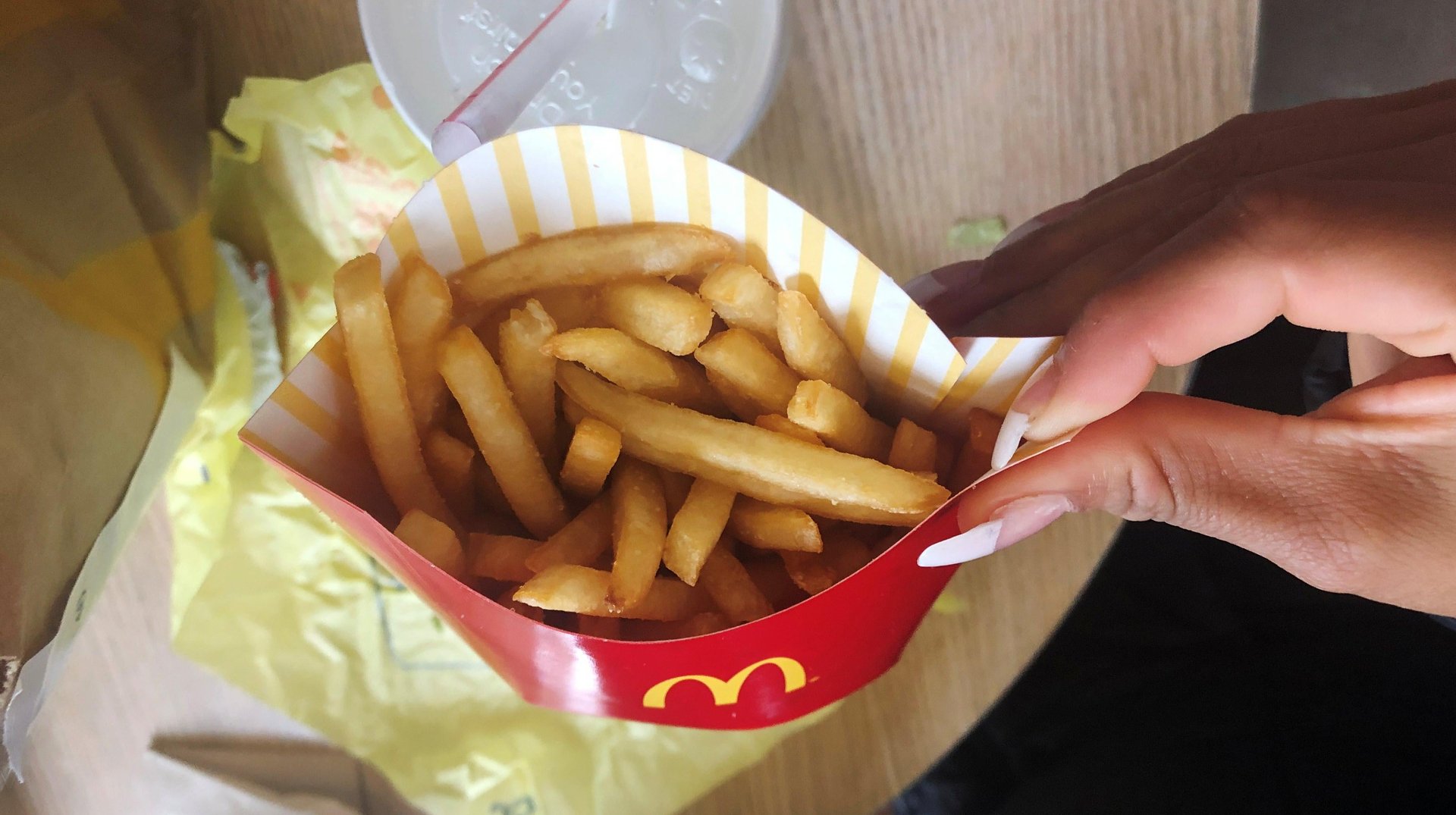
Though best known for its burgers and fries, McDonald’s says that right now, breakfast is leading sales compared to lunch and dinner.
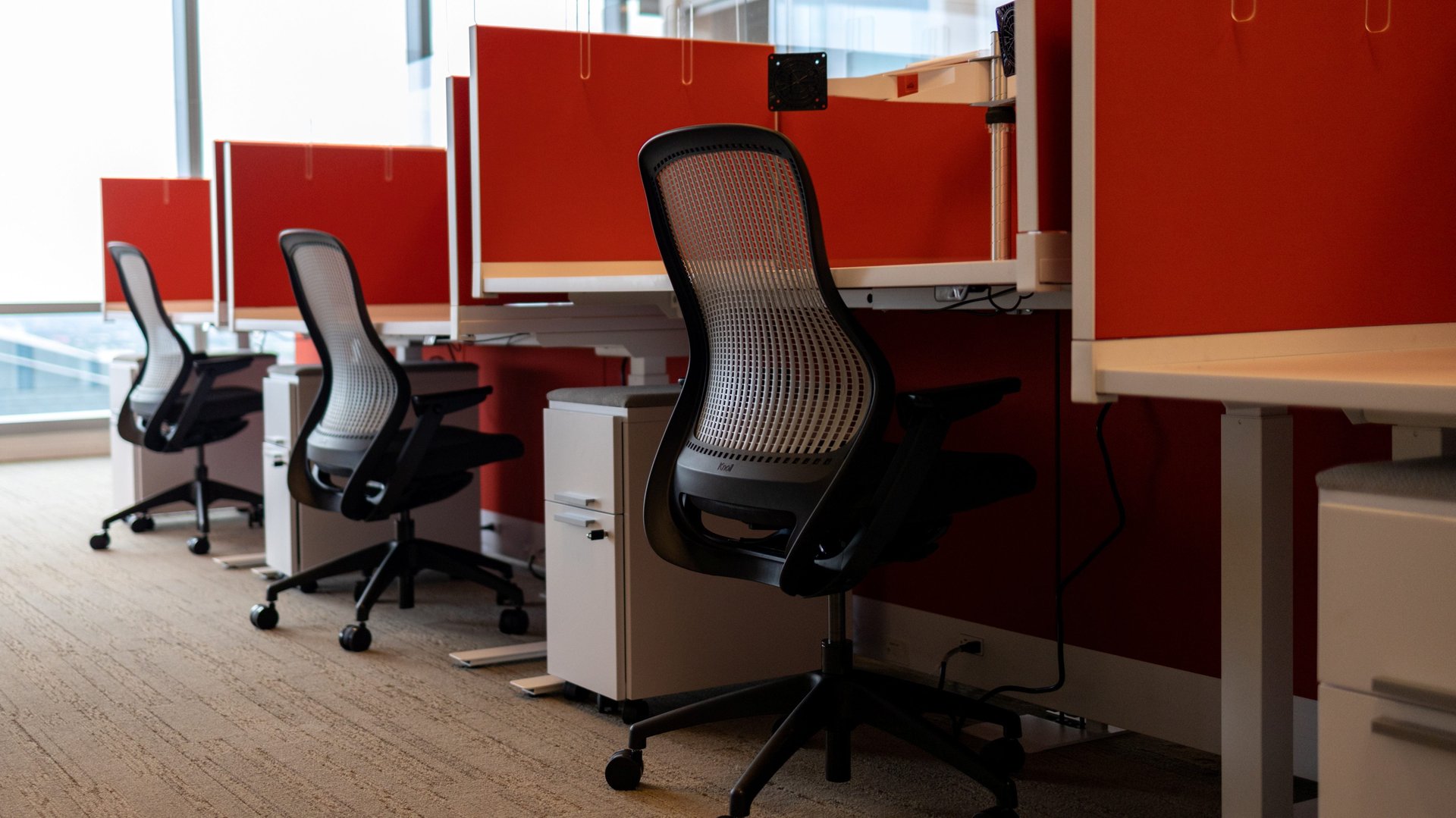
More than two years after the start of the covid-19 pandemic, US workers are closer than ever to getting the remote-work arrangements they want.
In April, the International Monetary Fund (IMF) cut its global growth forecast to 3.6% for this year and next, warning that the global economic outlook could get worse from there. Now, the IMF is looking to make another cut later this month for both 2022 and 2023.
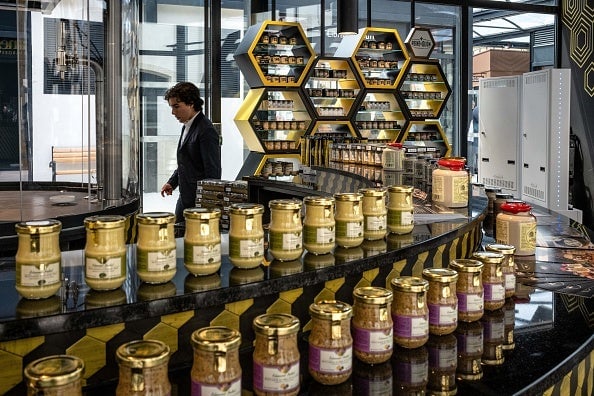
Dijon mustard is the latest food shortage casualty—causing distress for France, the biggest consumer of the condiment.
In the search for profitability, DoorDash will increase subtotal minimums for orders via its subscription service DashPass. Starting Aug. 12, the hikes will vary by store, city, and time of day.
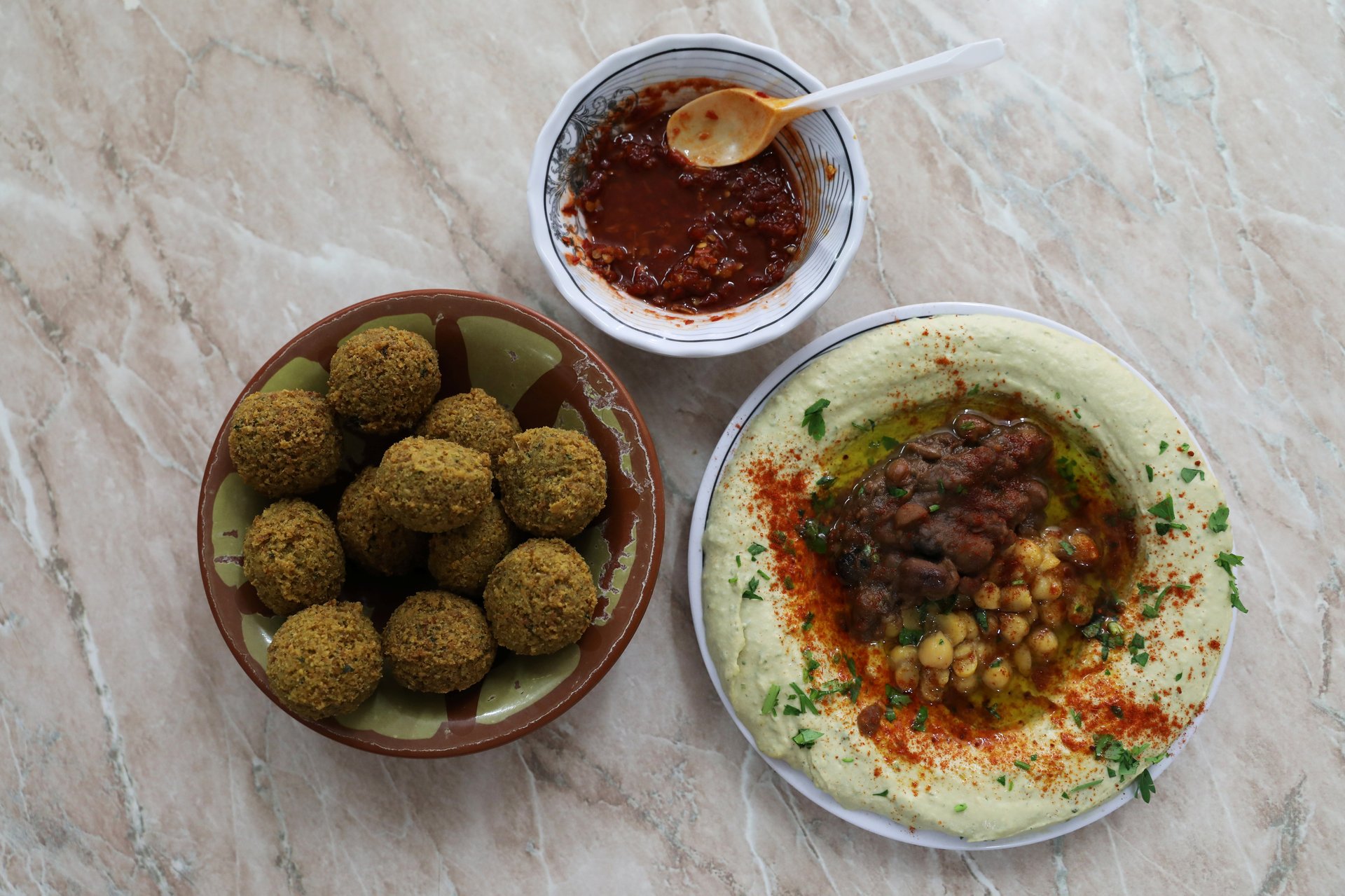
Droughts and flooding have led to higher prices and emergency shortages of the staple crop
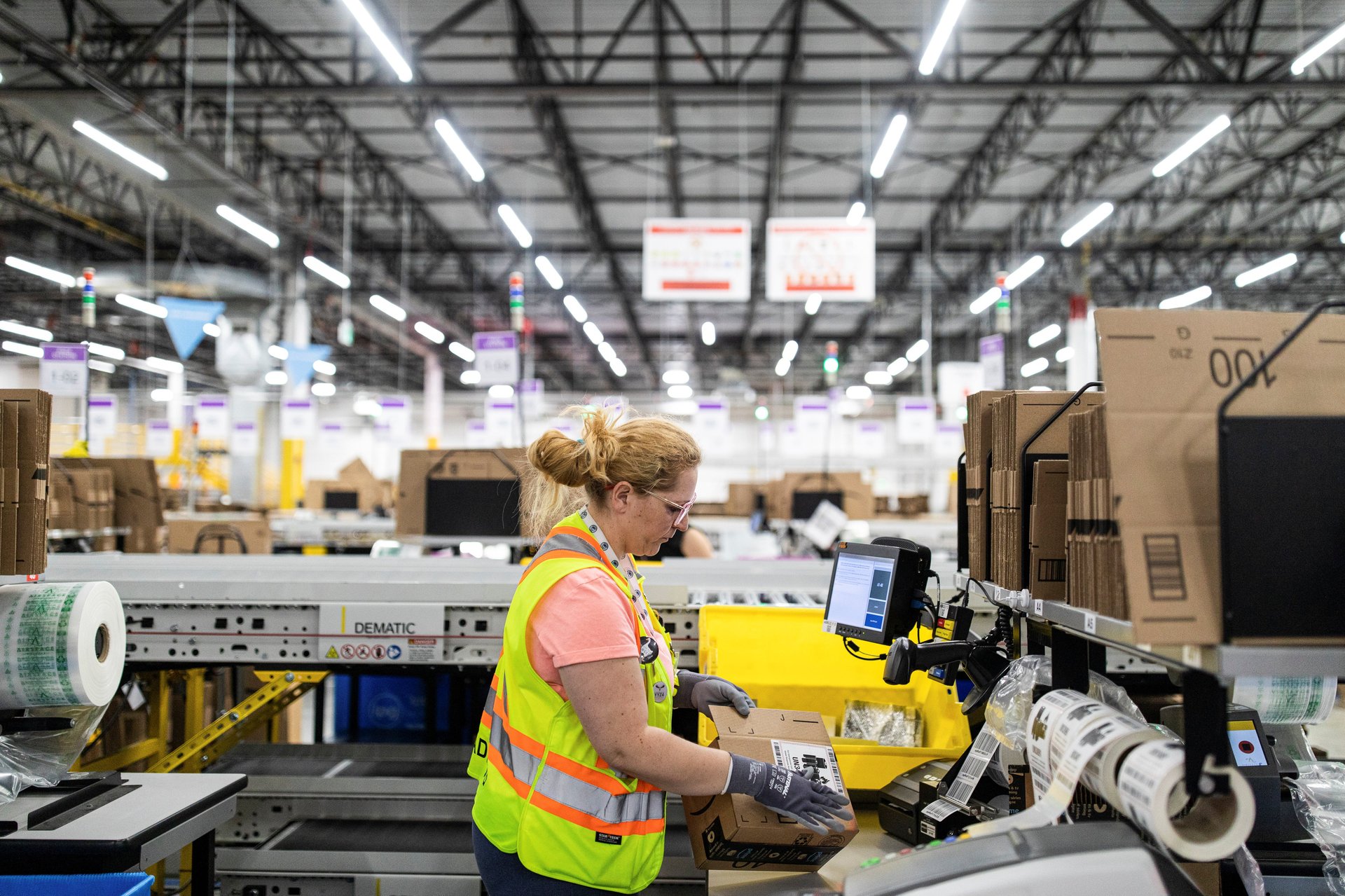
Amazon has been having some hiring woes.
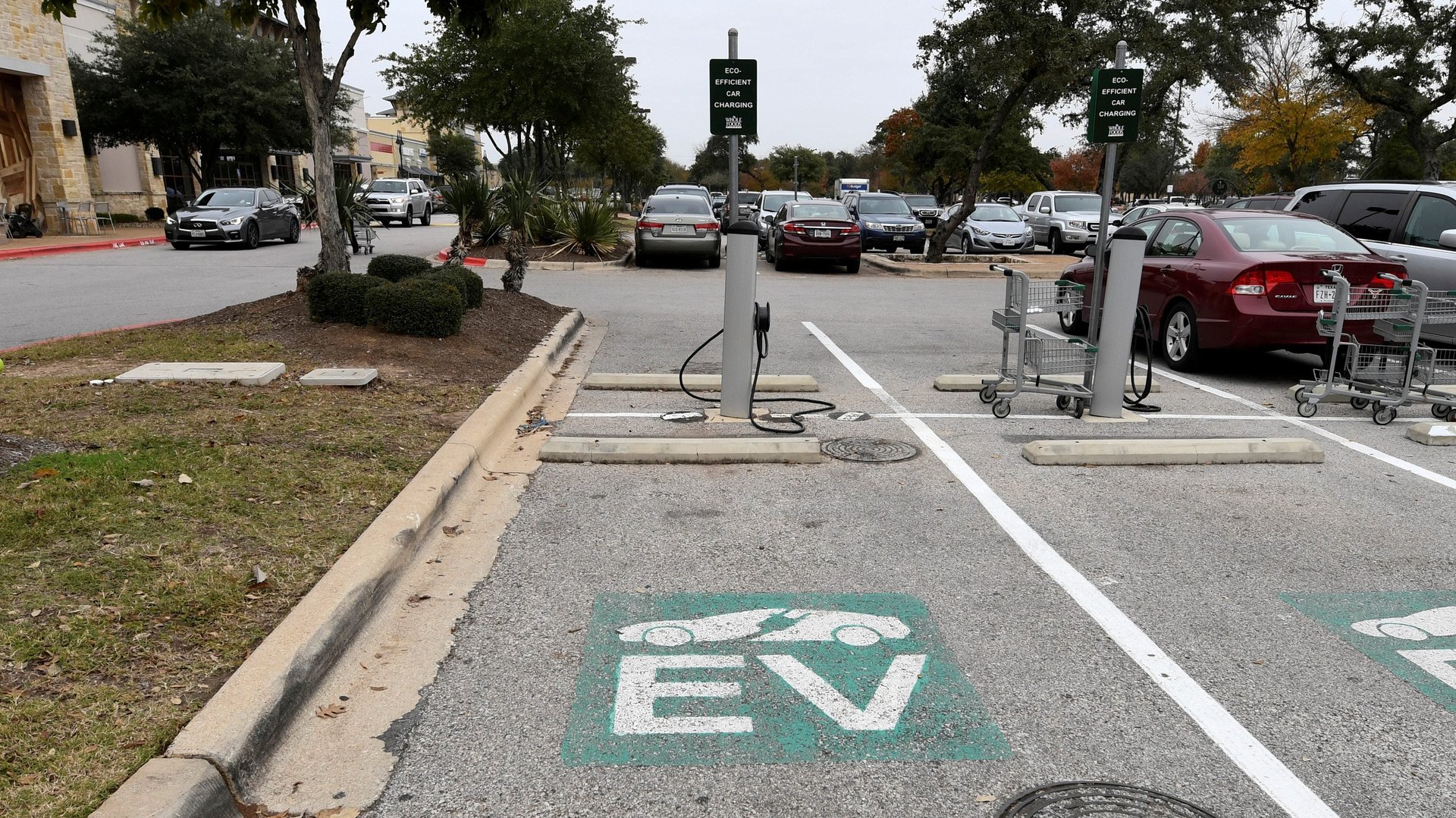
Electric vehicle (EV) charging stations are popping up in the parking lots of businesses like Kroger and Starbucks, reflecting the growing demand for EVs as well as changing consumer habits in the US.

Now that the US Supreme Court has overturned Roe v. Wade, Americans are raising concerns about what data police and prosecutors could access to incriminate people who seek abortions, which has happened before. If law-enforcement officials can’t access medical documents, they could turn to financial services companies for data on payment transactions.
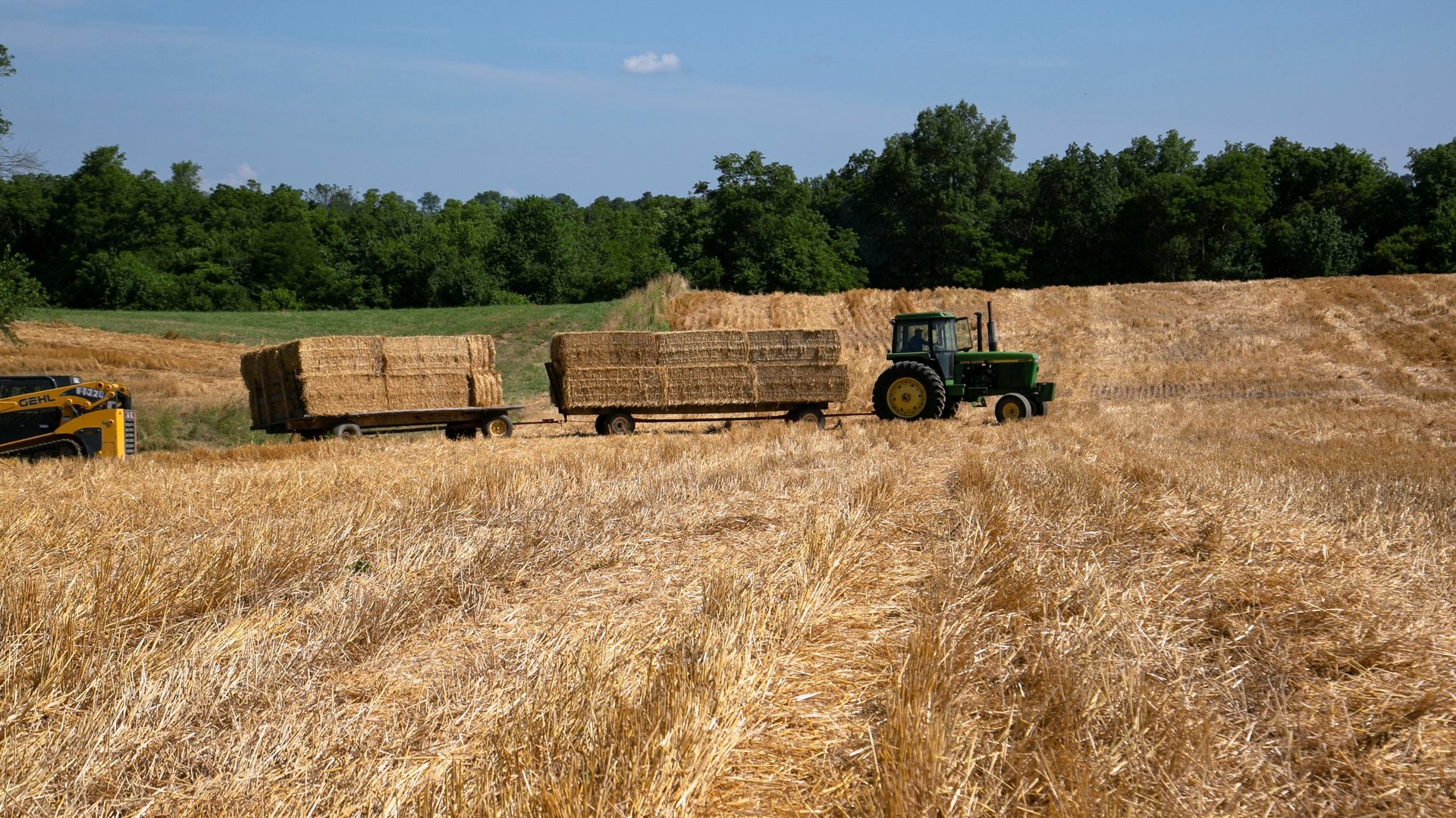
When Russia invaded Ukraine in late February, wheat prices, which were already high because of pandemic-related supply chain shortages and severe weather, surged due to the anticipated cutoff to the global wheat supply. The two countries together export about 30% of the world’s wheat.
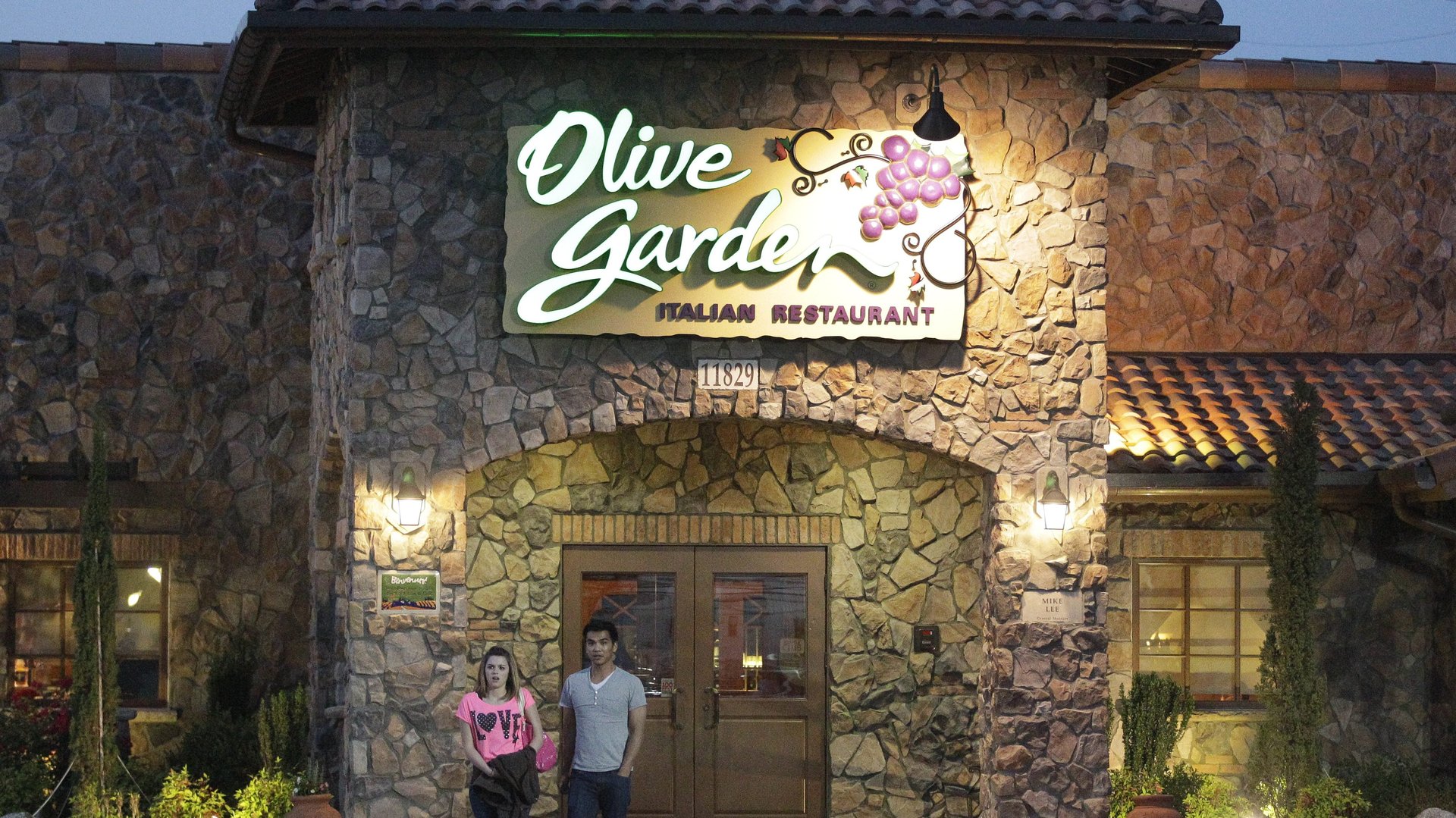
Darden Restaurants, the owner of chains like Olive Garden and Longhorn Steakhouse, said it isn’t struggling to hire workers any longer. In an earnings call this week, the company, which has 180,000 employees across 1,800 locations in the US, said it is back to pre-covid staffing levels.
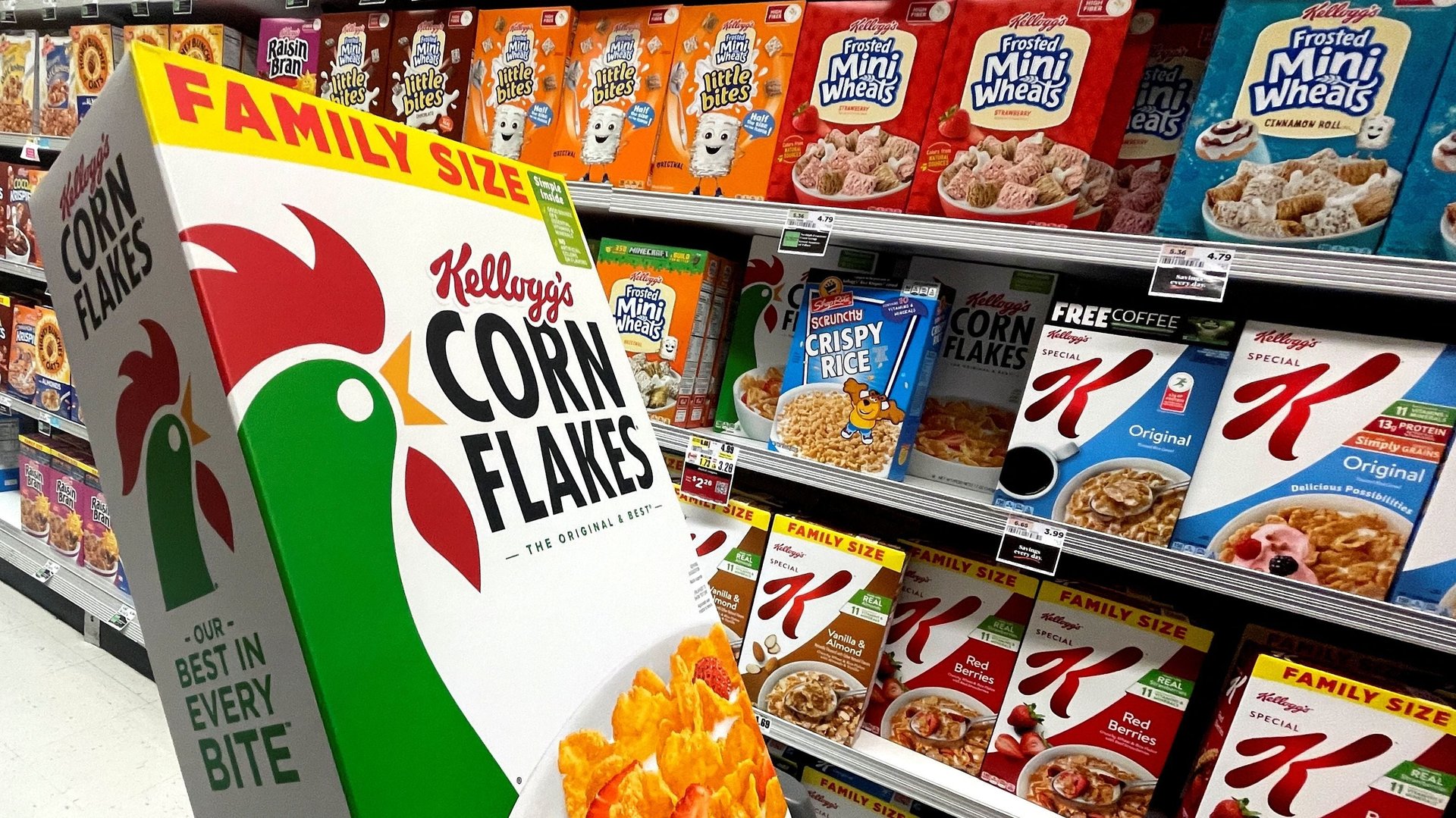
Rice Krispies Treats and Rice Krispies cereal will no longer be made by the same company.
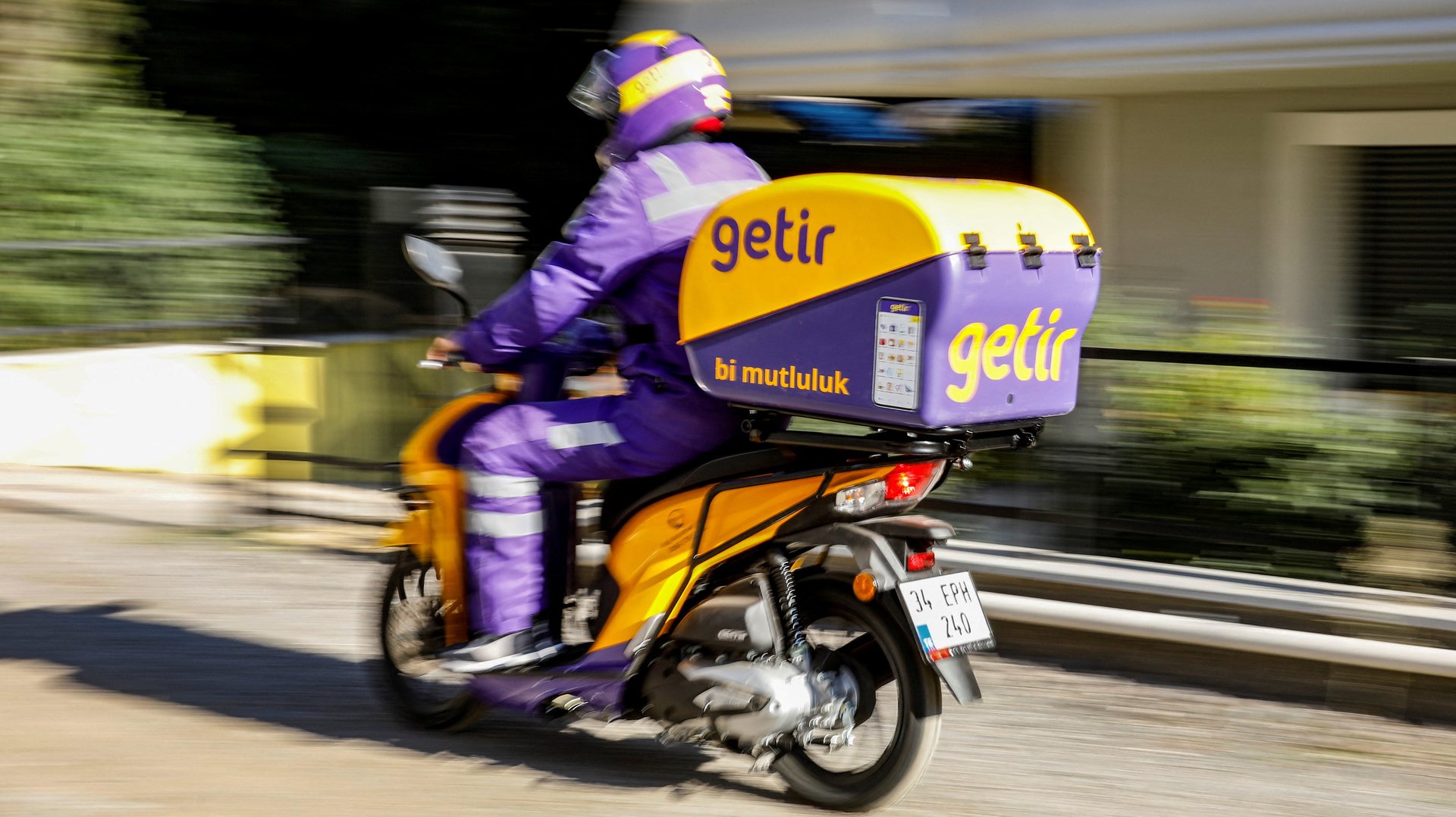
Ultra-fast delivery startups are either folding up or leaving markets, exiting the scene just as quickly as they arrived.
Amazon, the world’s largest private employer after Walmart, is worried it will run out of available US warehouse labor by 2024, according to internal research obtained by Recode.

Abbott Nutrition has stopped production of baby formula at its facility in Sturgis, Michigan after restarting less than two weeks ago. The halt will push back improvements to the widespread baby formula shortage that has been going on for months in the US.
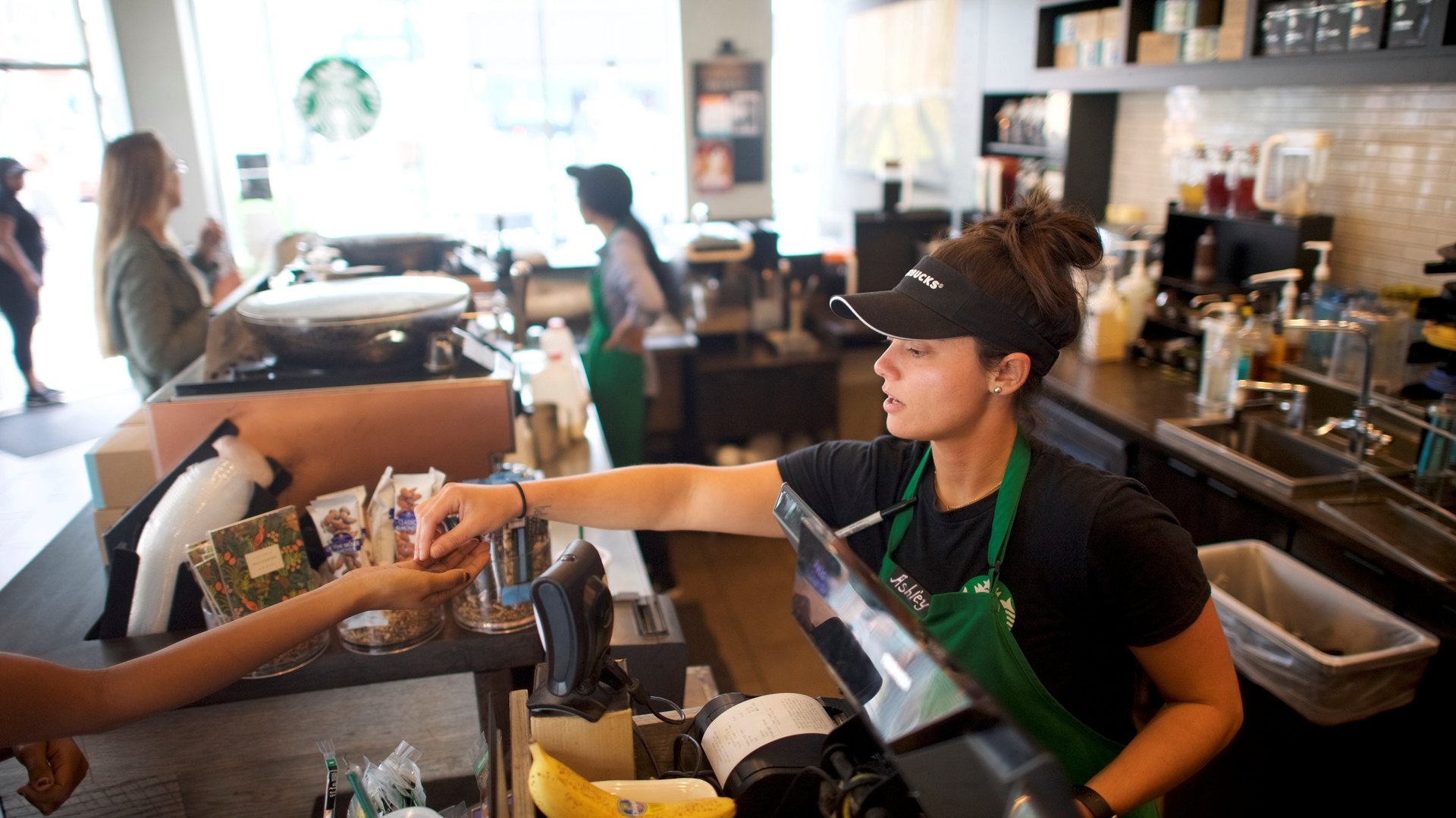
Starbucks is facing a growing labor movement—some 150 stores have unionized across the US. The ability to collectively bargain for better benefits, like health insurance and paid time off, is one of the main issues organizers are touting. But the benefits that current Starbucks workers do like and widely use? Spotify and mental healthcare, Howard Schultz, the interim CEO of Starbucks, told the New York Times’ Andrew Ross Sorkin last week.
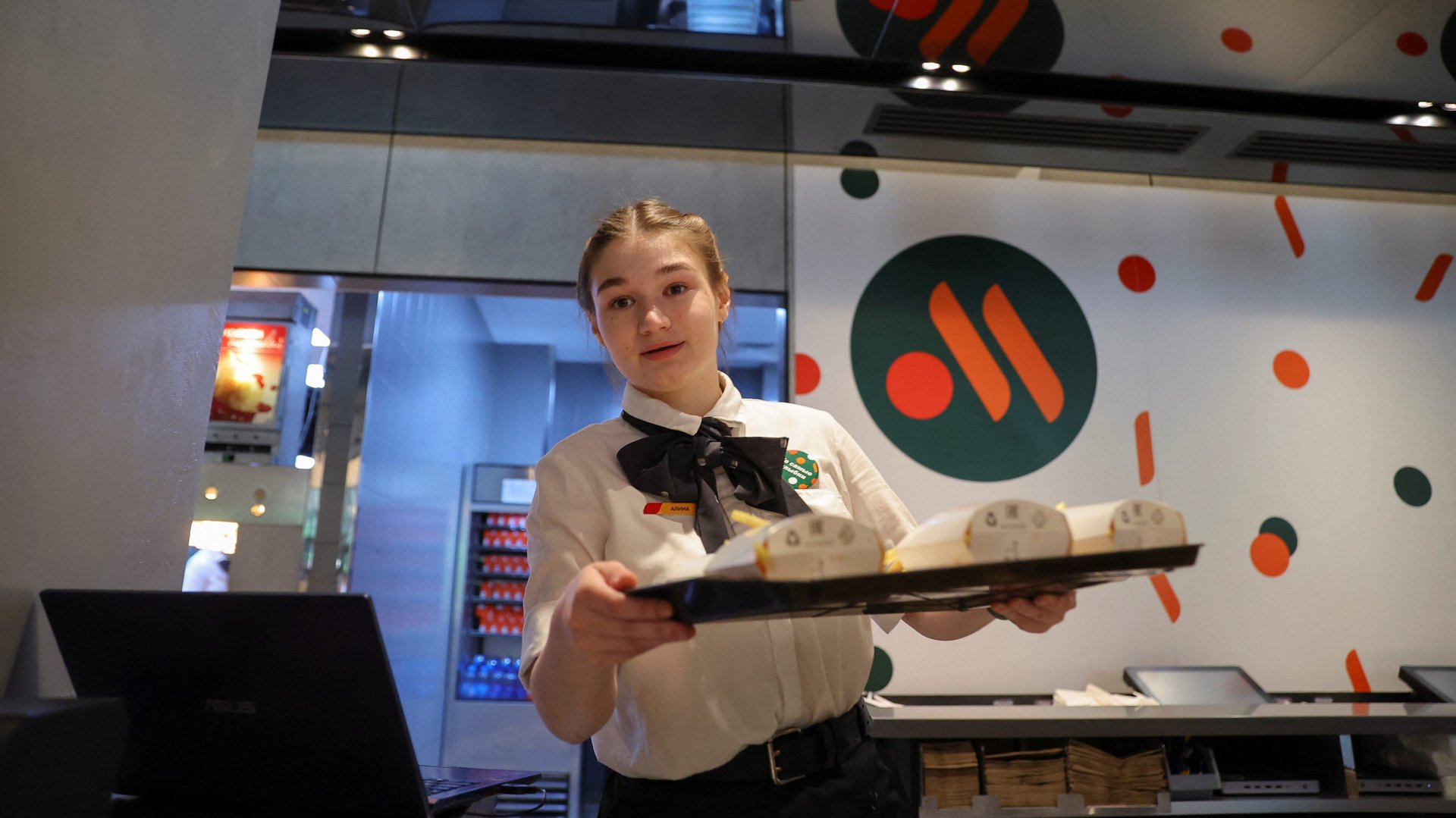
Russia has relaunched McDonald’s without the Big Mac.
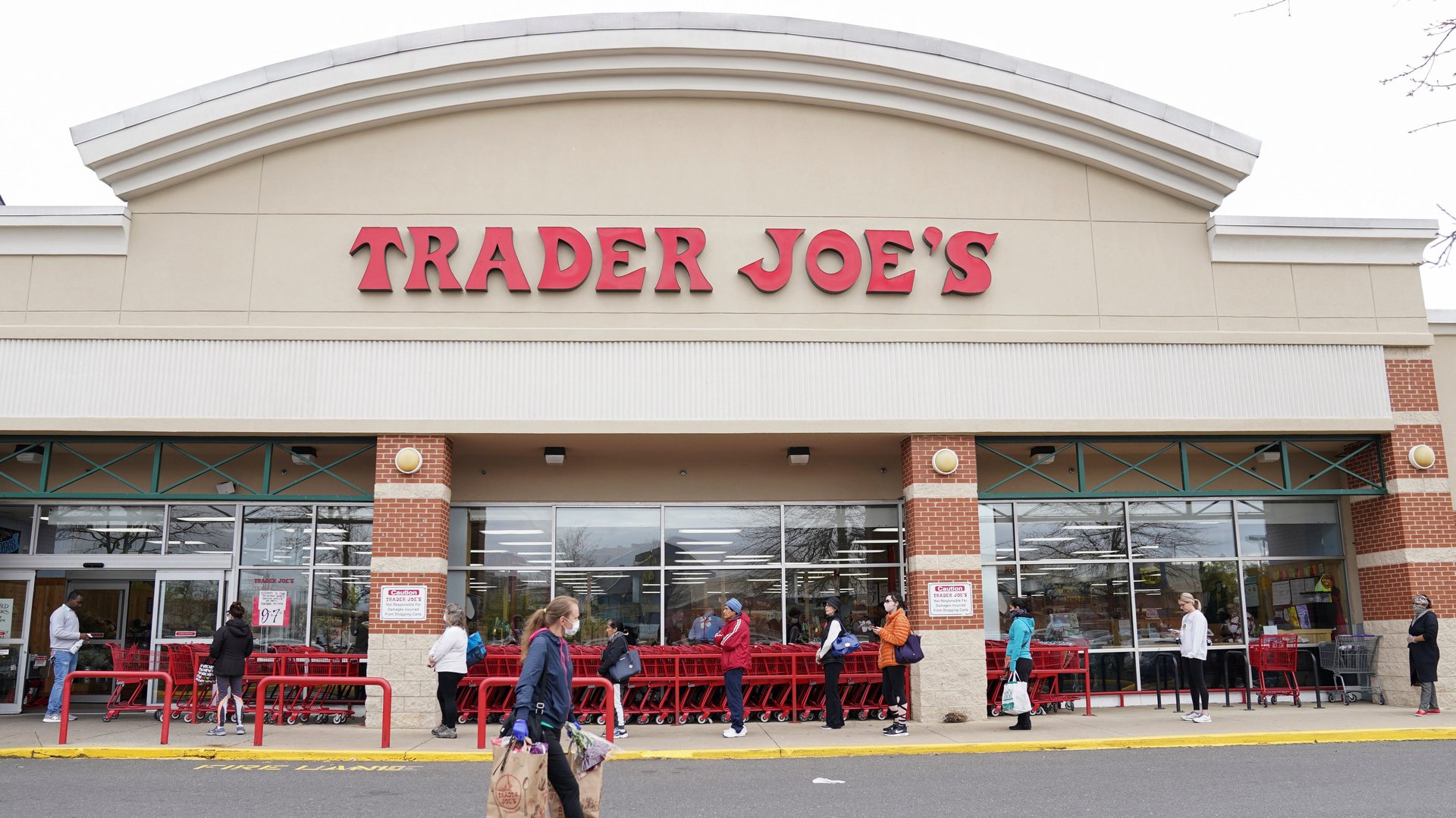
Trader Joe’s employees are looking to form the first union for the grocery chain, following successful votes at companies like Starbucks and Amazon.
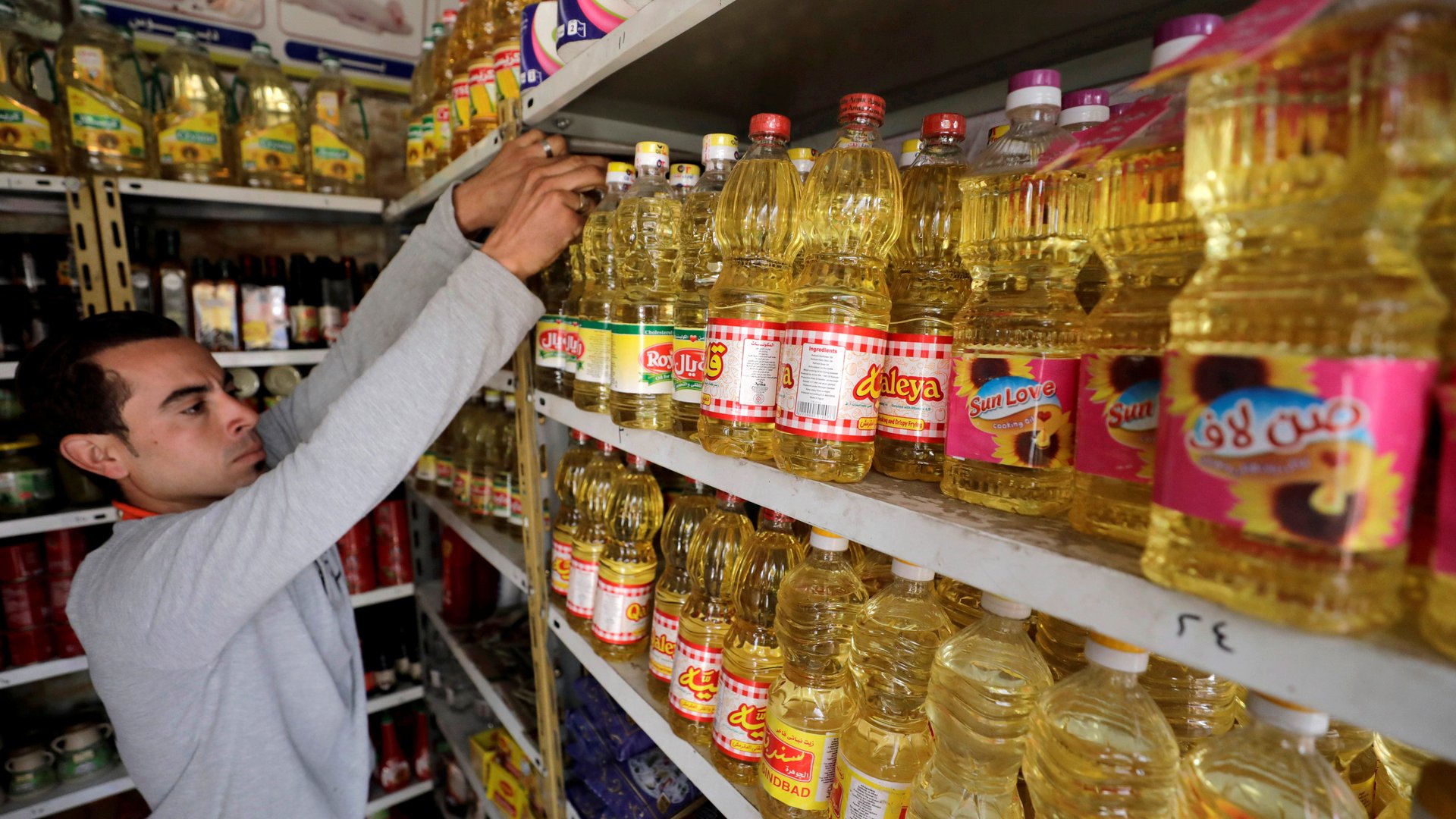
Food prices around the world fell for the second consecutive month in May, eased by a drop in vegetable oil prices, according to the United Nations Food and Agriculture Organization (FAO). The FAO’s global food price index dipped 0.6% in May from the month before. In April, the drop was 0.8%. The index measures the monthly change in average prices of meat, dairy, cereals, vegetable oils, and sugar.
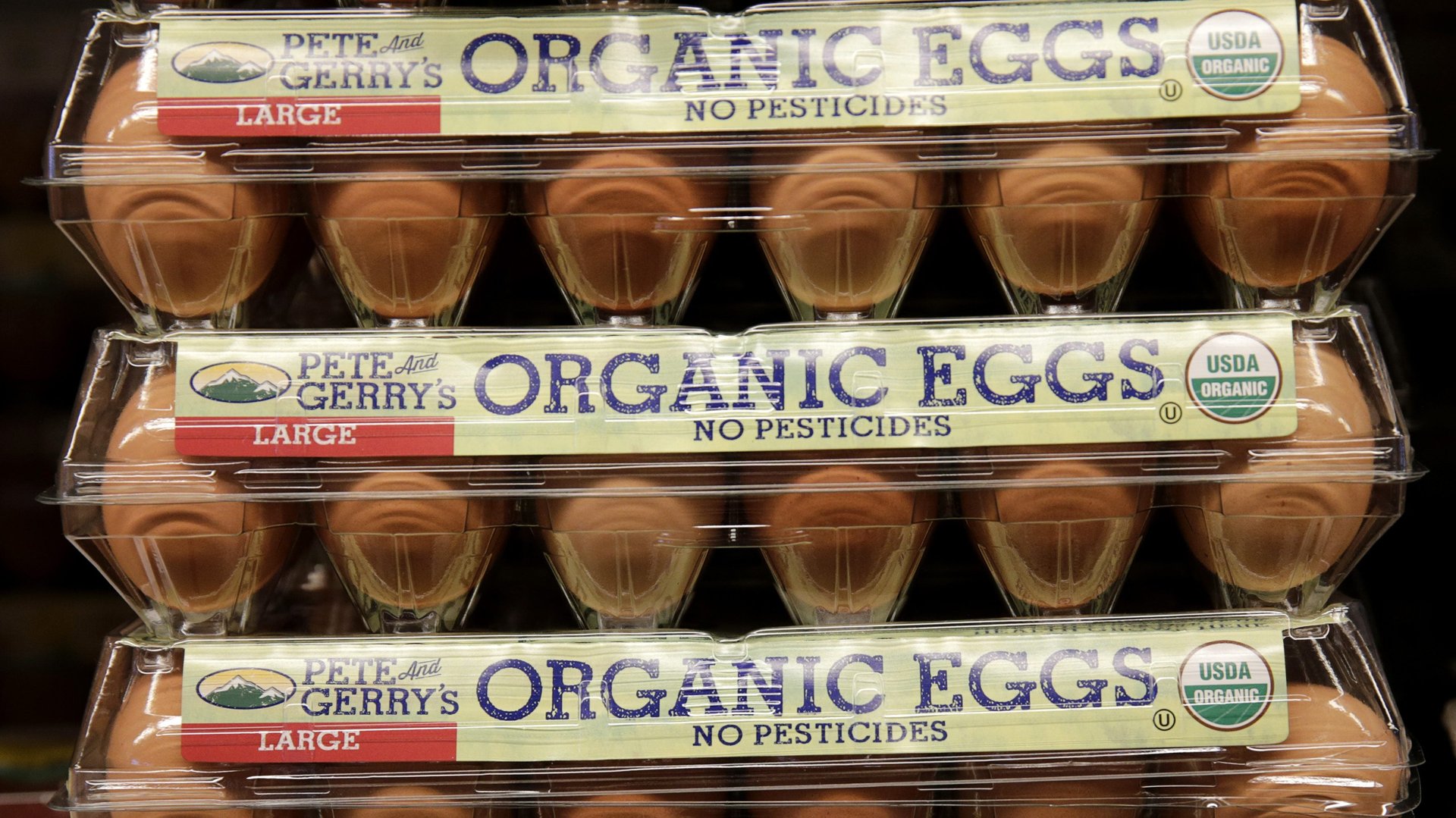
Do Good Foods is a startup that produces “carbon-reduced” chicken. But what exactly does that mean? The company says that its chickens eat feed sourced from grocery store surpluses. Do Good Foods claims each chicken product will prevent four pounds of food waste from being sent to a landfill, helping to reduce carbon emissions. On its site, the company says it is the “first US chicken brand with “verified carbon-reduced benefits.’”