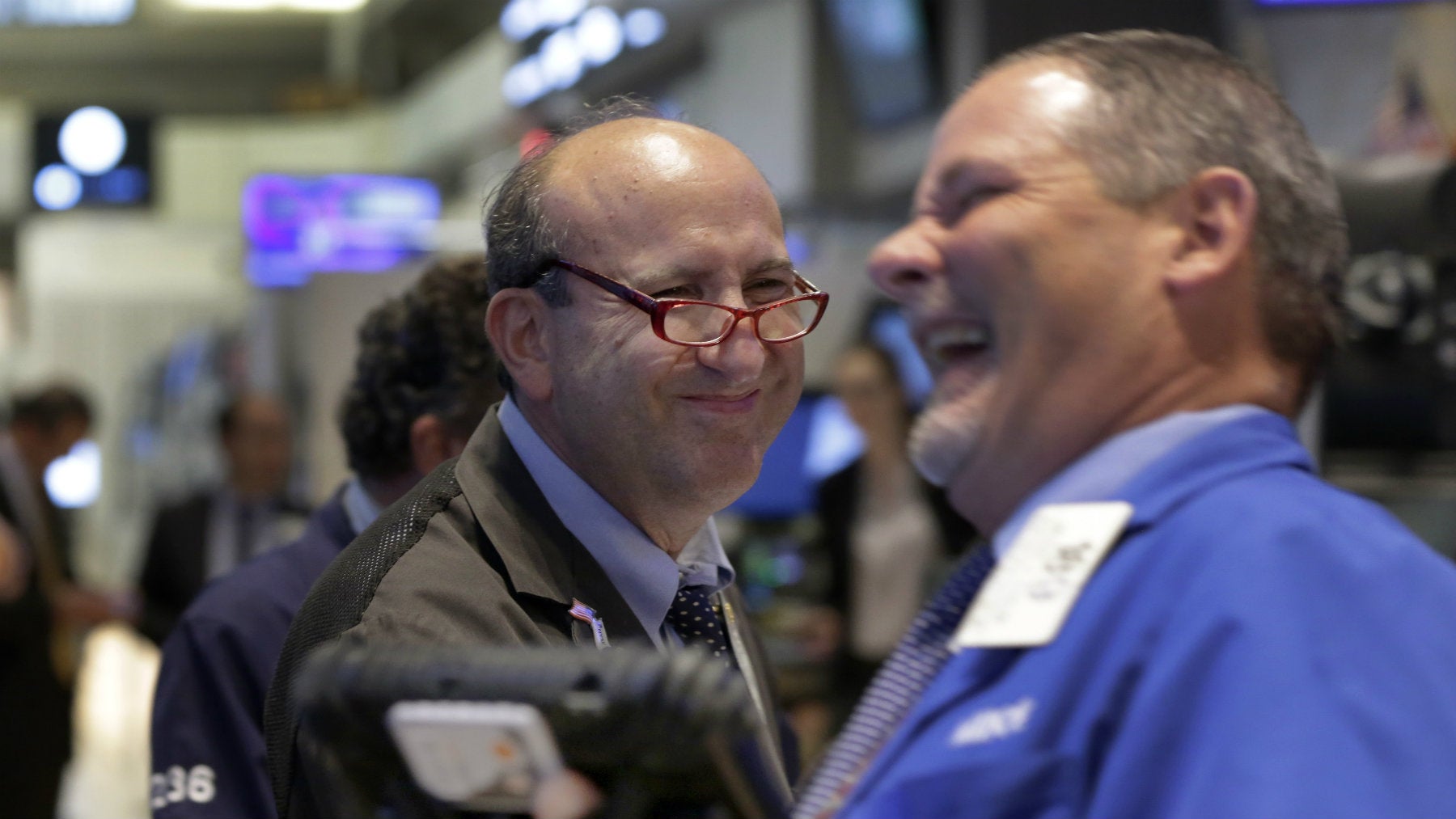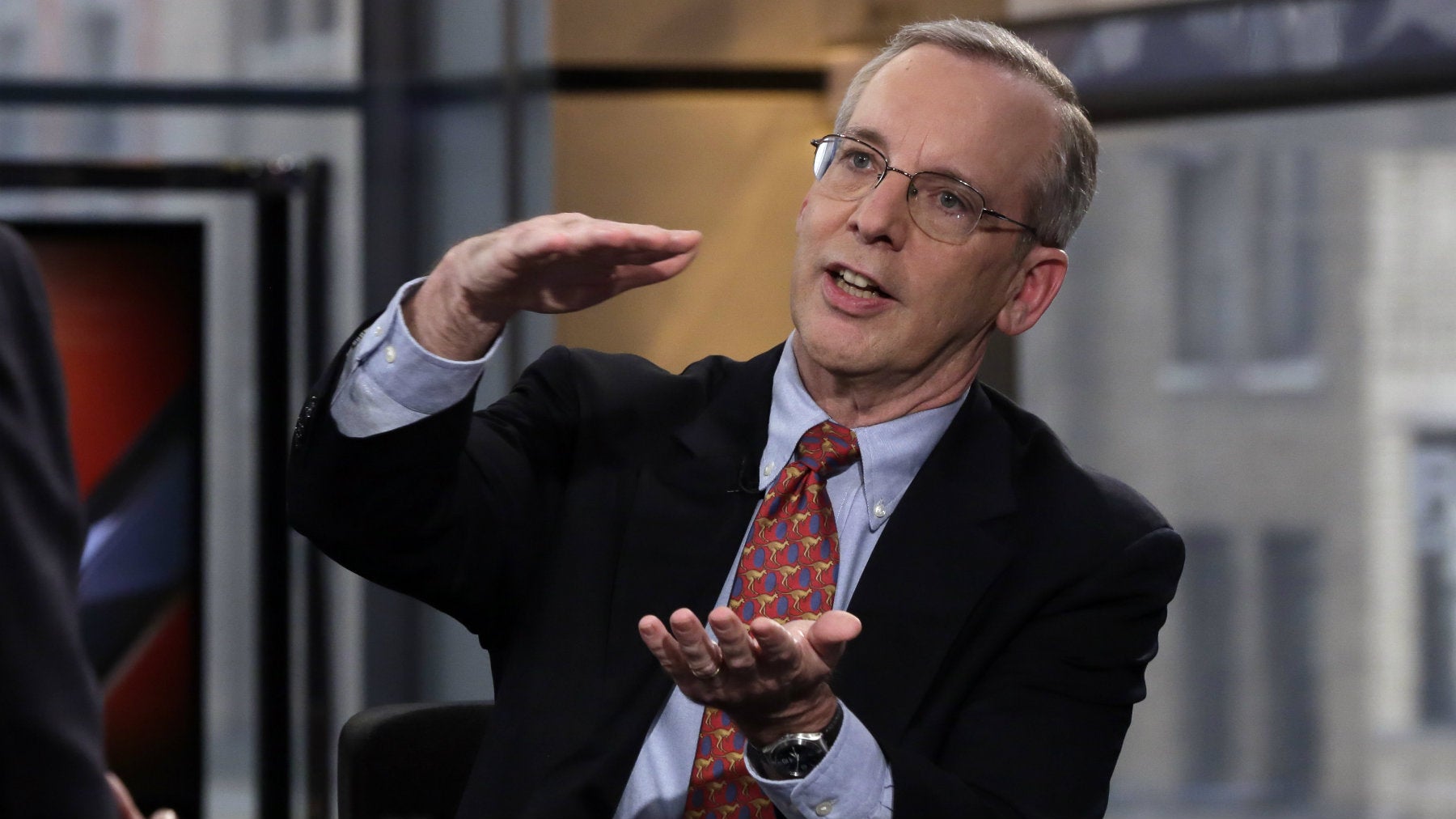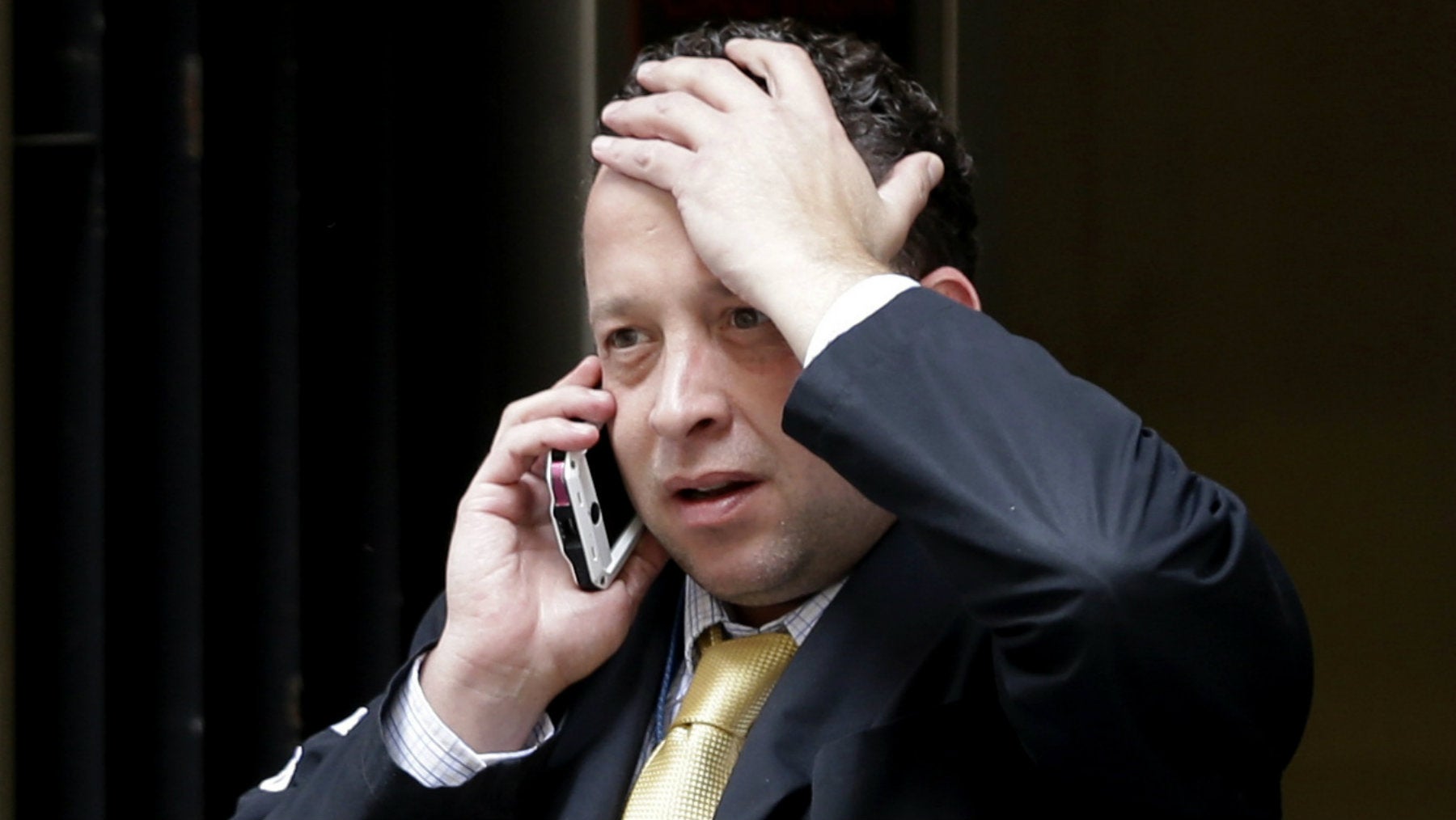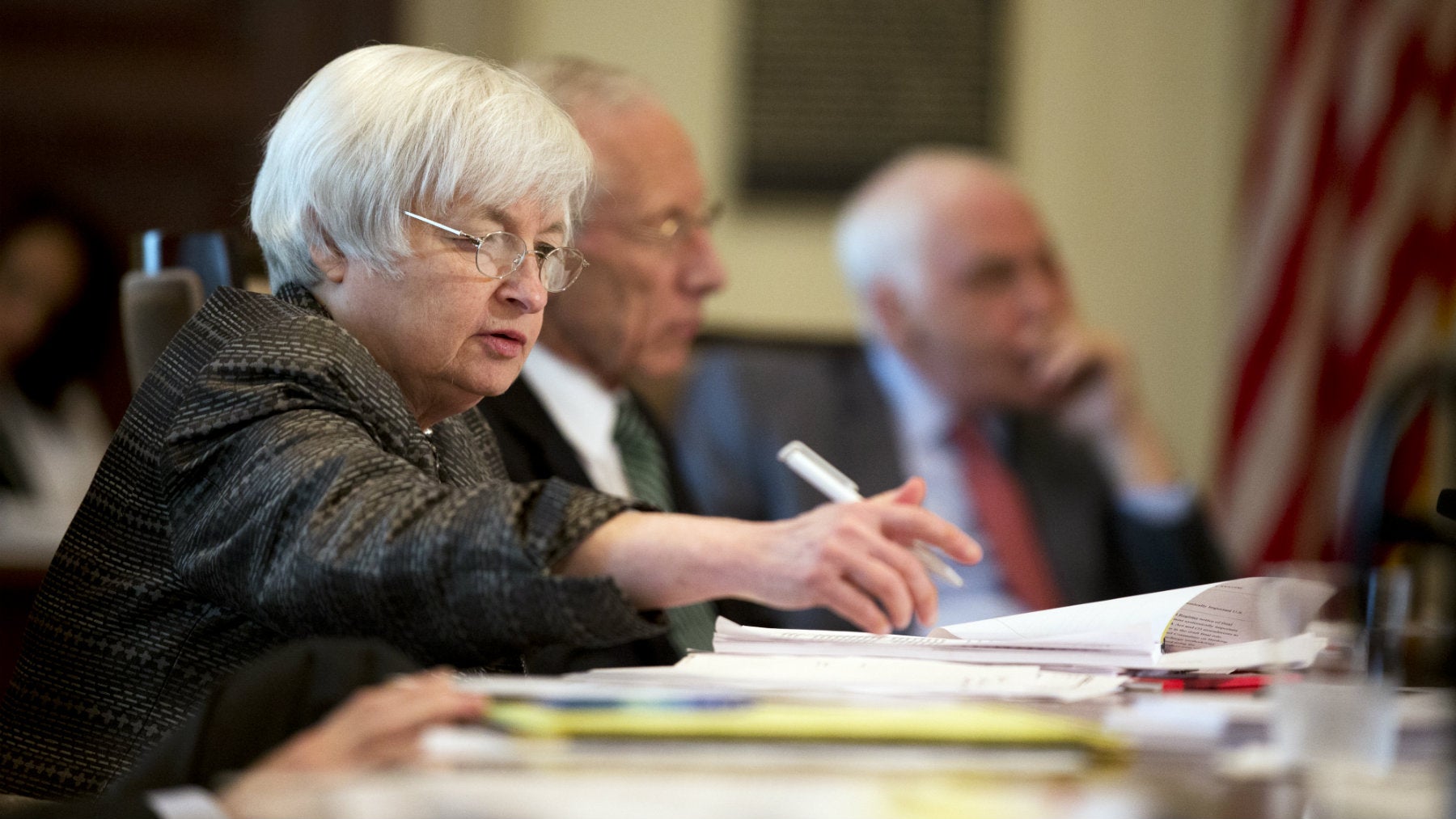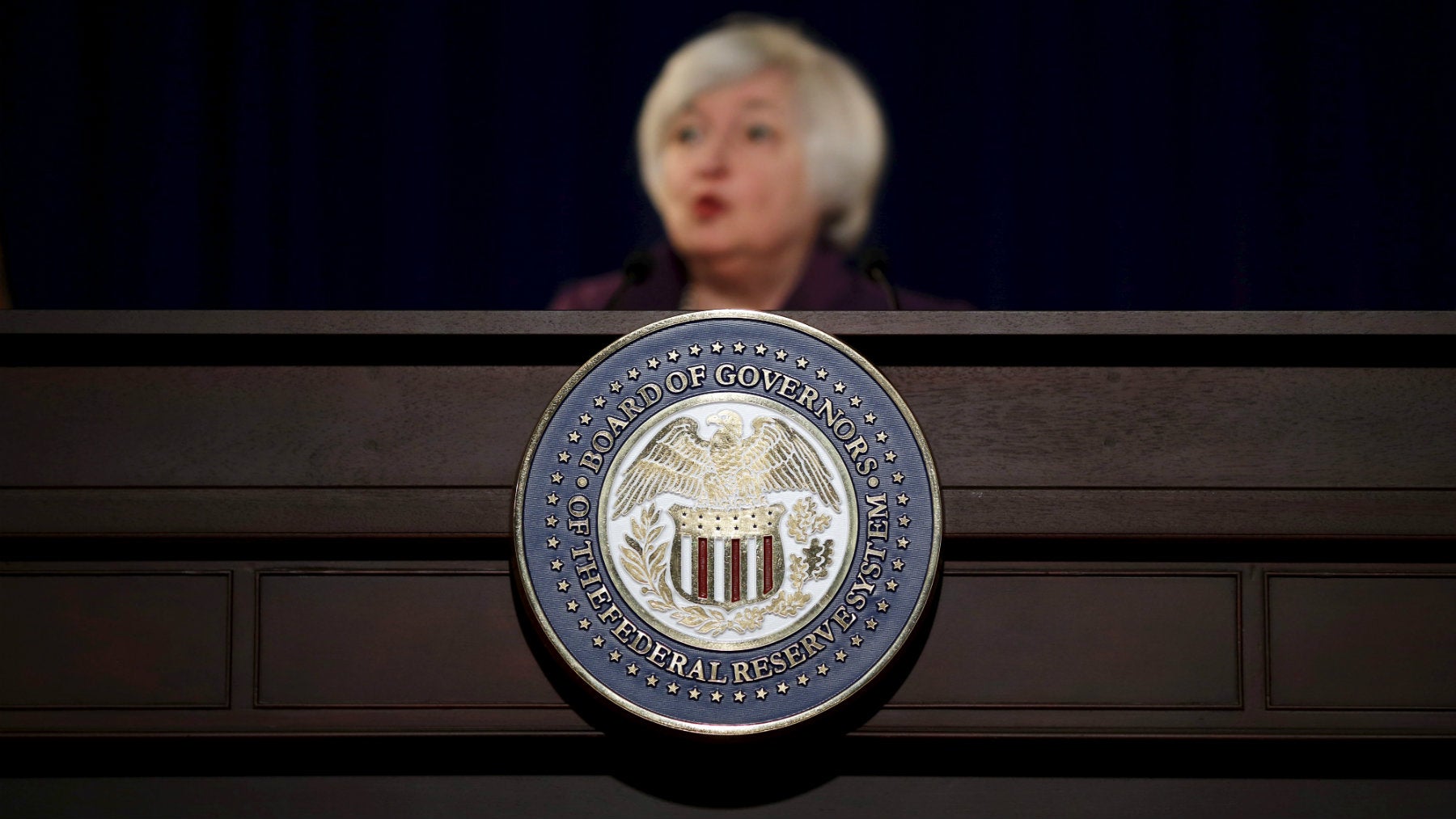
The Federal Reserve decided to leave interest rates unchanged in a closely watched decision, pointing to stubbornly low inflation and worries over global economic developments.

The Federal Reserve decided to leave interest rates unchanged in a closely watched decision, pointing to stubbornly low inflation and worries over global economic developments.

With all the fretting about the Federal Reserve and interest rates, you’d think homebuilders would be worried about consumers getting scared away from the housing market. But that’s not the case at all.

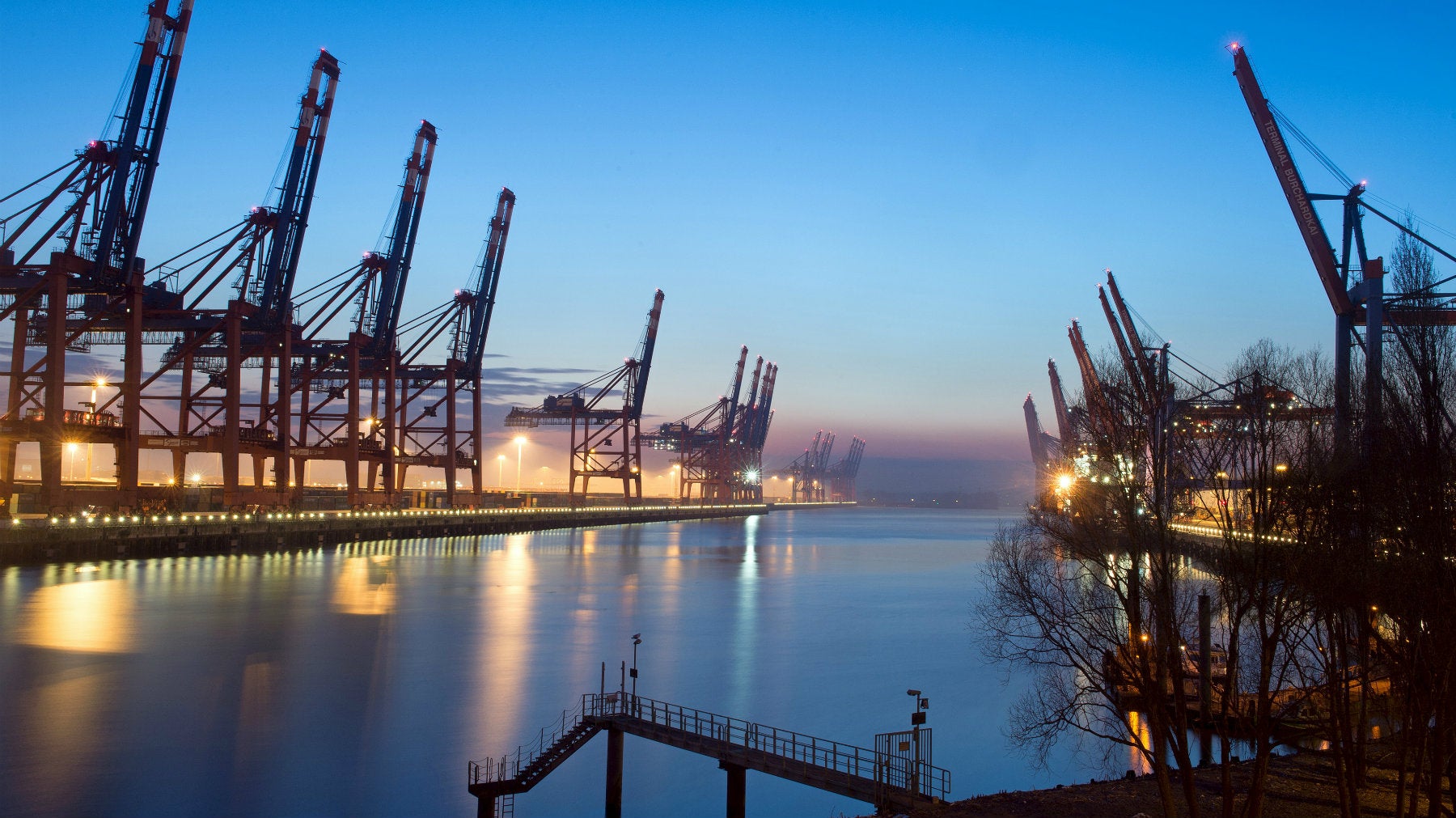
The euro zone is sending its products around the world at a rate never seen before.

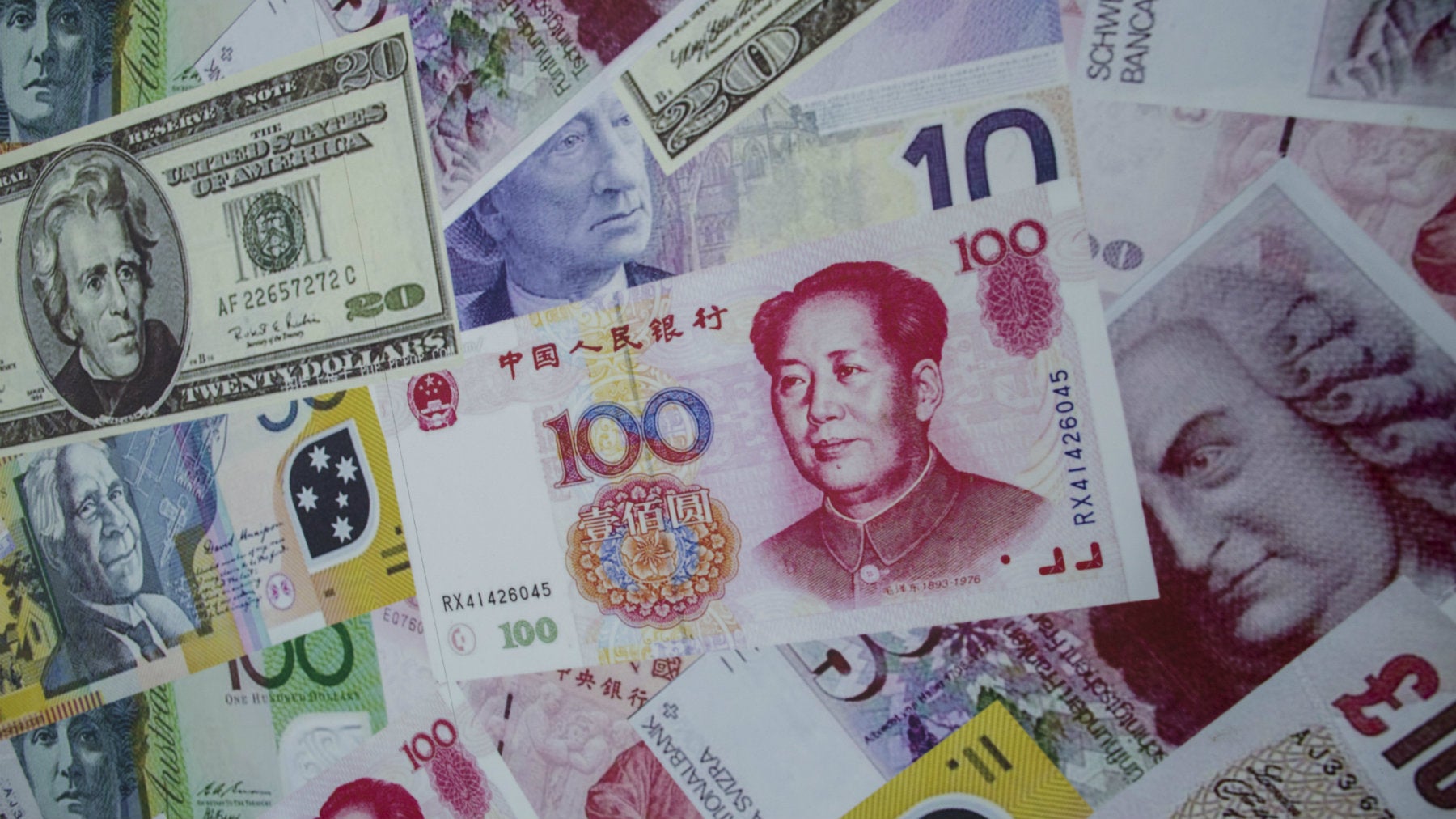
China’s benchmark SSE Composite stock index fell nearly 2.7% in Monday trading, the biggest dip since the global market meltdown late last month.


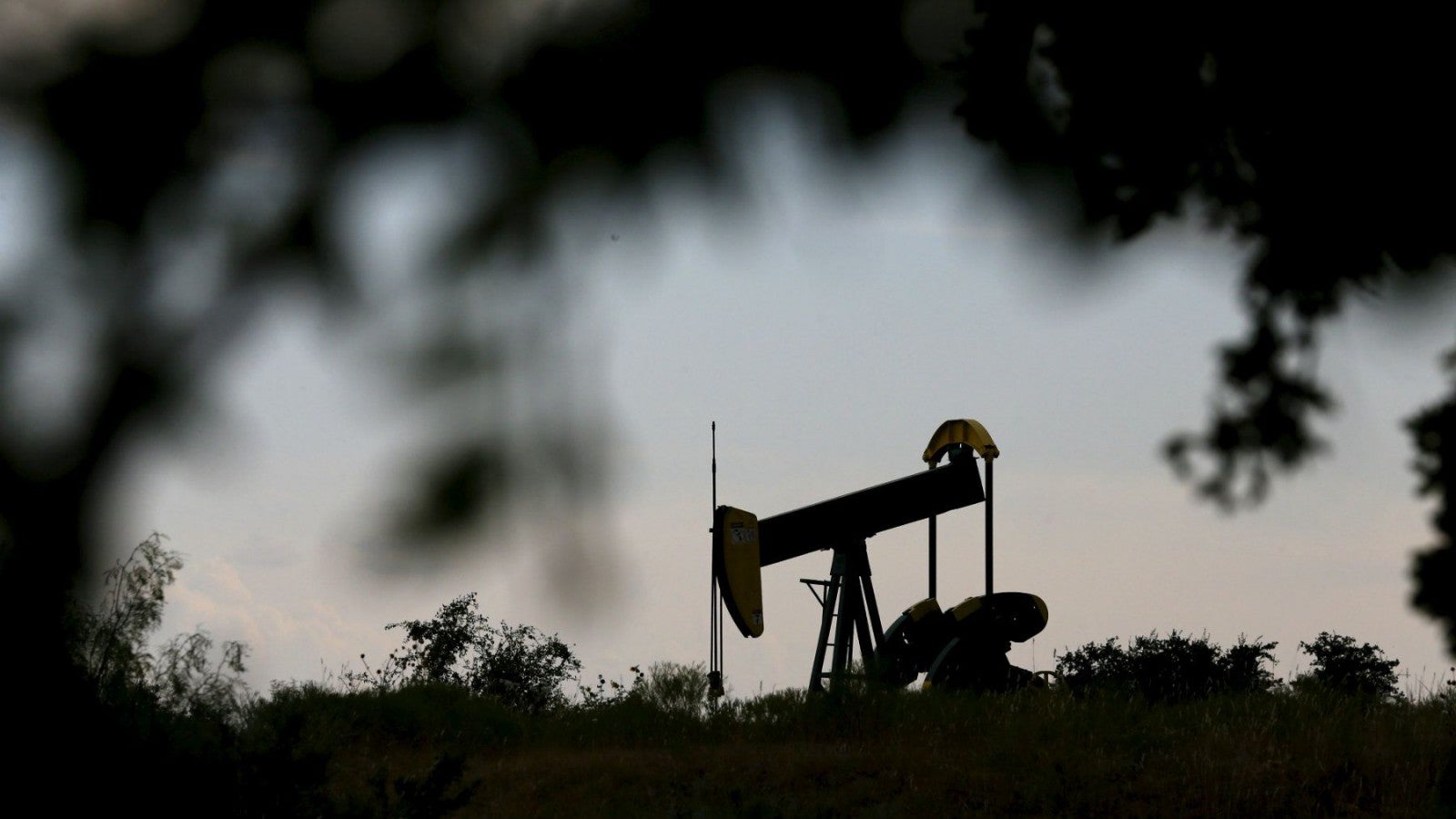
Goldman Sachs is very bearish on crude oil prices. The bank has cut its 2016 forecast to $45 a barrel from $57—and it’s leaving open the possibility that prices could go much lower than that.

The lowflation is coming from outside the house.

British slave traders brought tragedy to the Americas. What they took back to England kicked it into high gear.

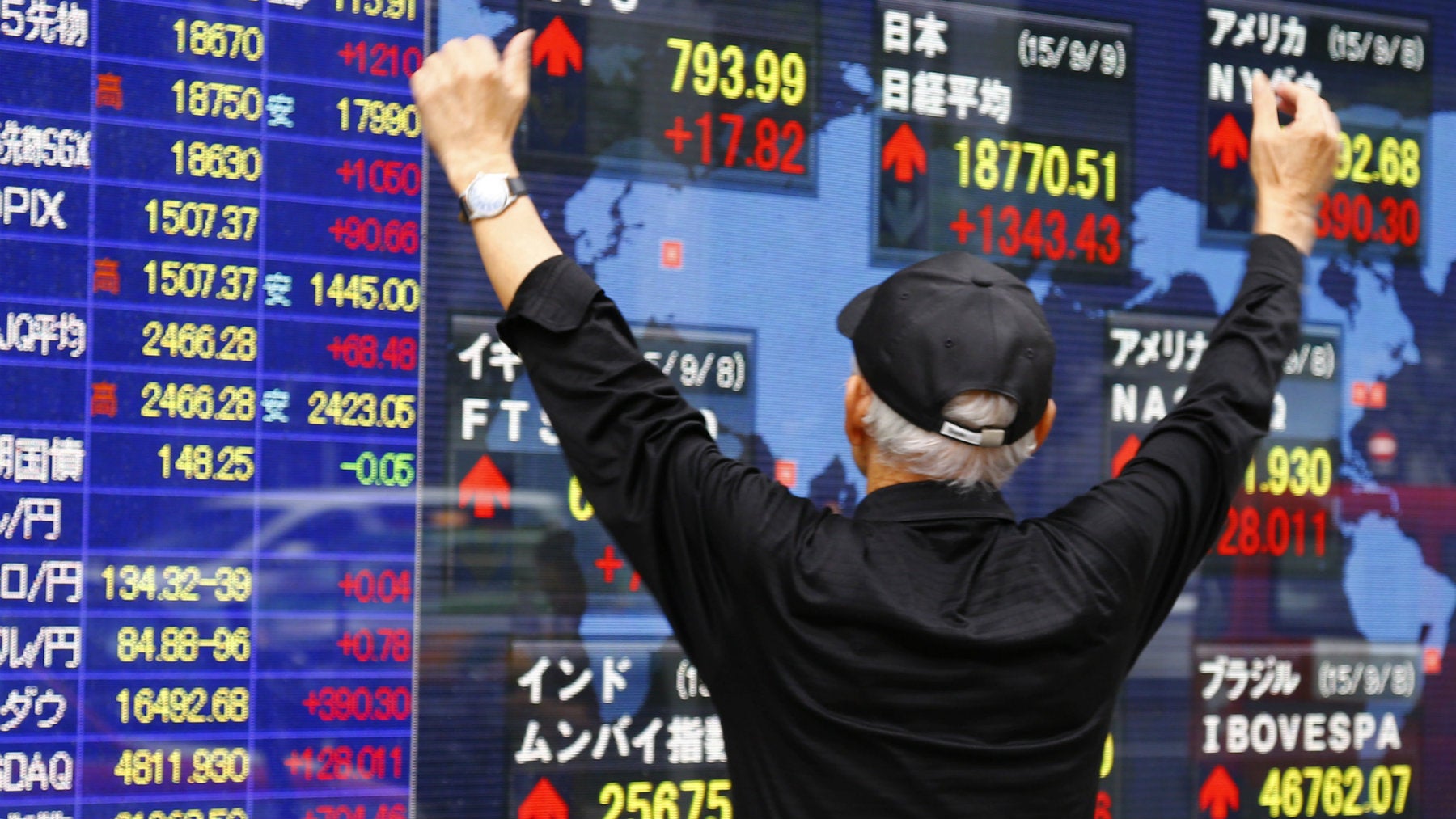
Japan’s Nikkei 225 stock index had its biggest one-day surge since October 2008 today (Sept. 9).

In the past week or so, you’ve probably seen a few GIFs like these floating around the internet:


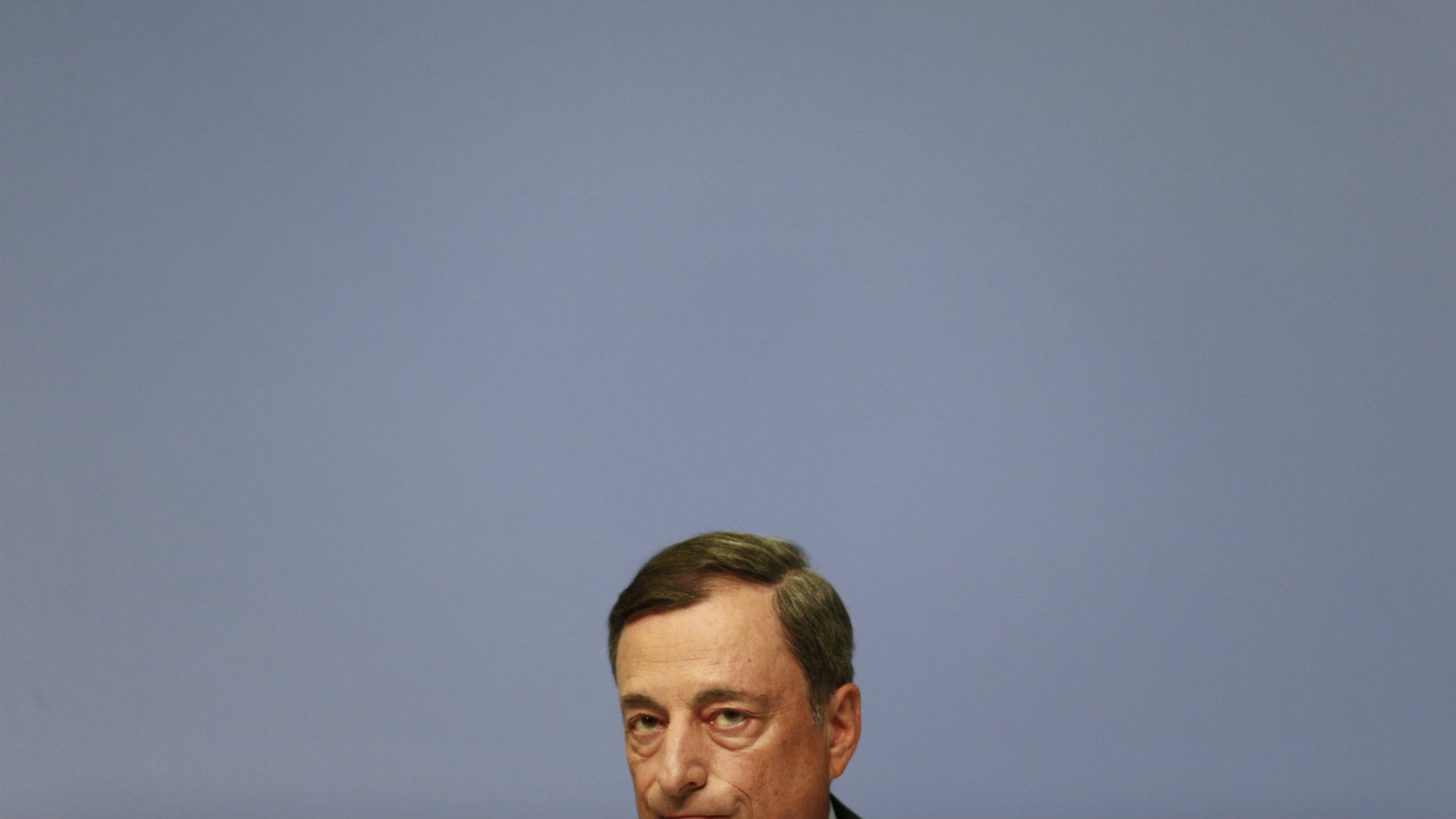
Though the European Central Bank’s governing council left interest rates alone when it met this morning, monetary policymakers have cause for concern. The council’s staff lowered its GDP growth forecasts for this year, next year, and the year after that.

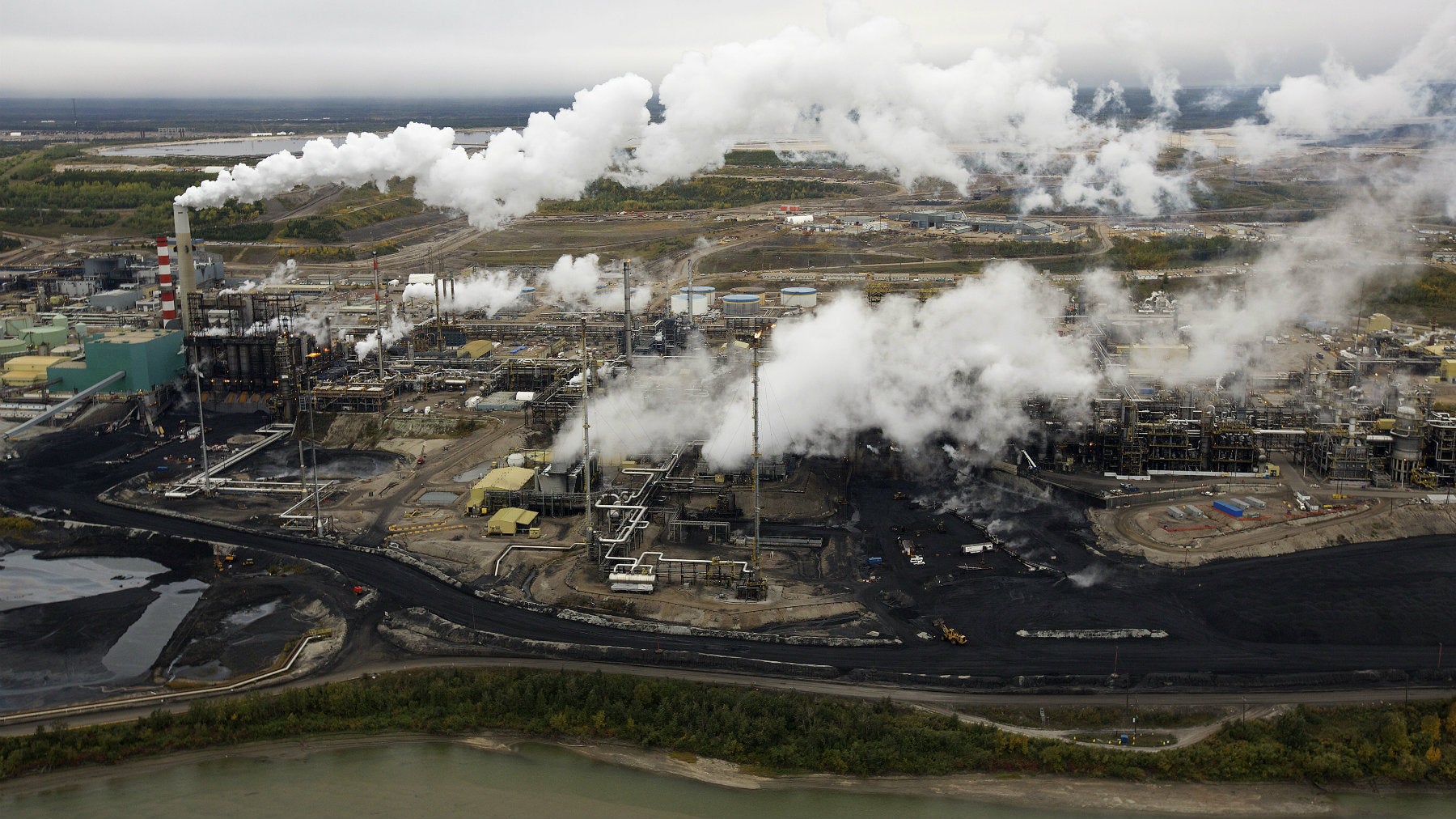
Another victim of the oil crunch? Canada’s economy.

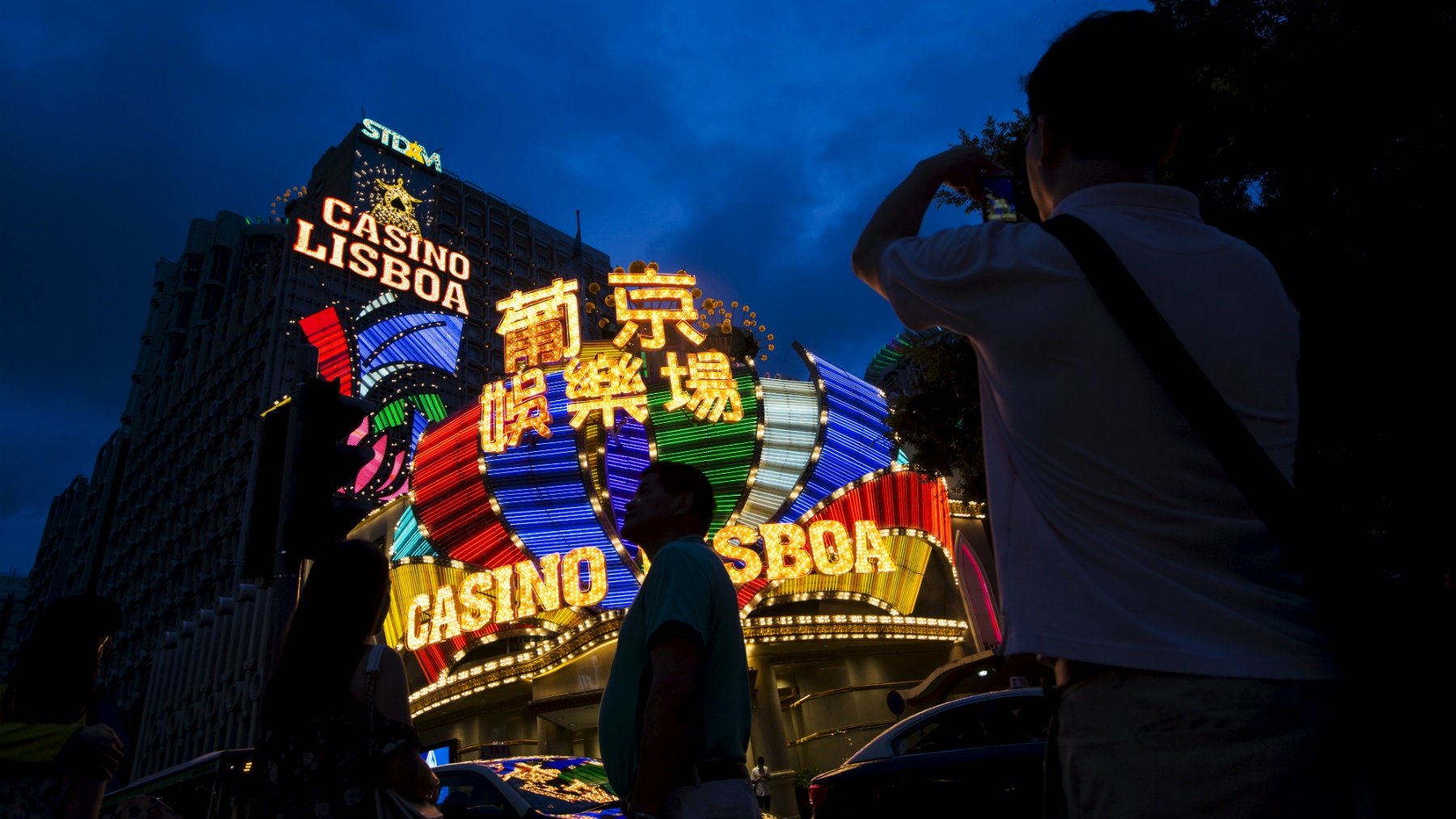
The cards seem stacked against China’s semi-autonomous gambling capital.

The start of the week was a little scary. Investors didn’t know where to turn as chaos swept eastward from China, sending American and European markets into a panic.


Just a few months ago, it looked like winter had sucked the life out of the US economy, with GDP shrinking in the first quarter. But that all changed in the spring.

As the stock market twists and turns, all eyes are on the Federal Reserve.

Just yesterday it felt, to anyone paying attention to the markets anyway, like the world was ending.

The adage “sell in May and go away” was coined partially as a low-volatility investing strategy and partially as cover for vacation-hungry financiers. Either way, it’s looking like it would have been a good move this year.


Non-white businesses are turning into a major growth engine for the US.

Brazil’s unemployment rate hit 7.5% in July, the highest it’s been since May 2010.

The US Federal Reserve released the minutes (pdf) from its July meeting a little earlier than expected. And while officials’ positions weren’t quite as definitive as the market would like, it still appears likely that the Fed will lift interest rates for the first time since 2004.