
Money & Markets
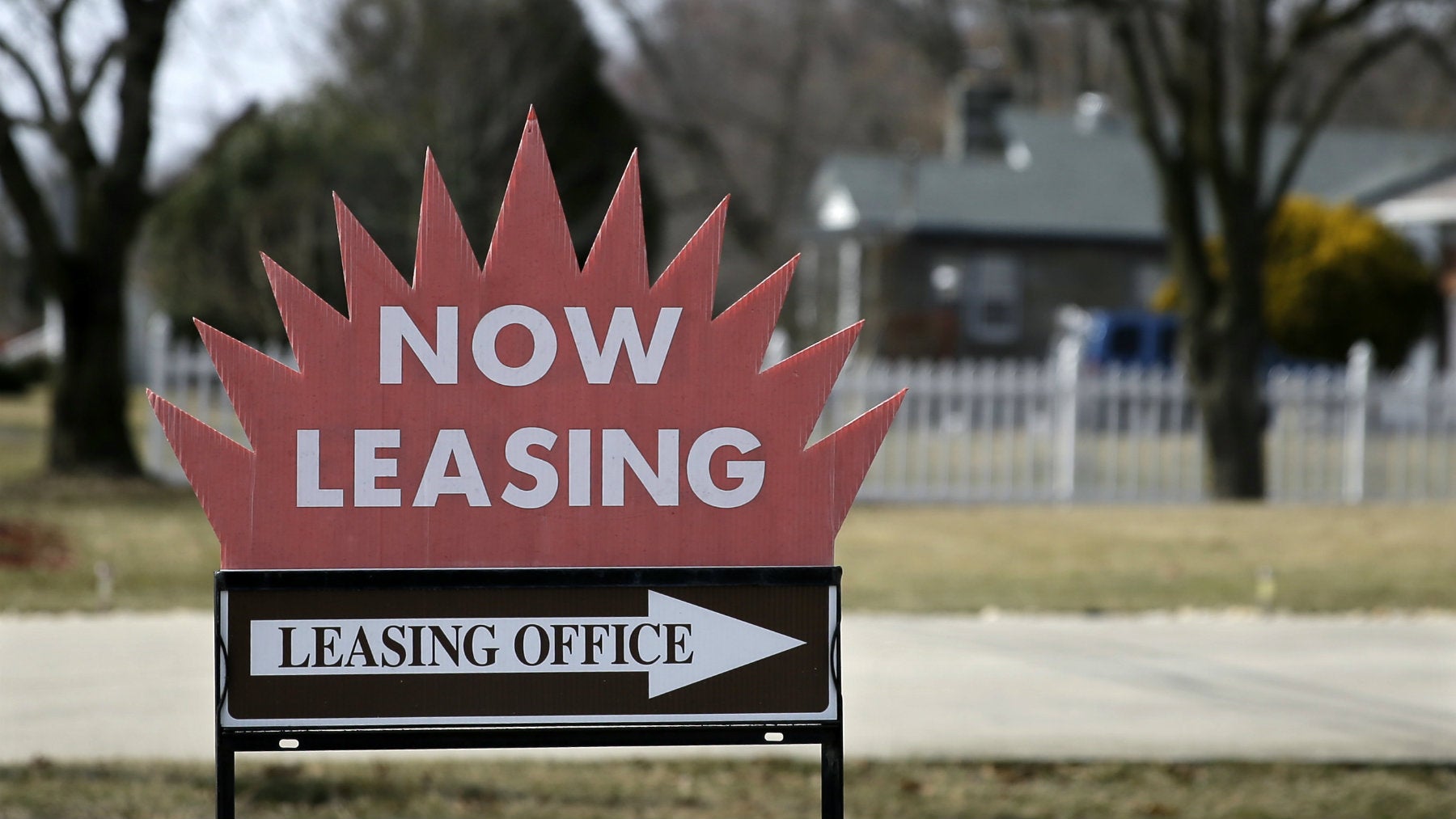
High rents are propping up inflation in the USAnother month, another meager American inflation reading. And if it weren’t for rapidly rising rents, it’d be even lower.
Updated July 21, 20221 min read
Another month, another meager American inflation reading. And if it weren’t for rapidly rising rents, it’d be even lower.

You’d think getting a college degree would lead to the kind of wealth-building that would allow people to weather the storms of financial crises, both micro and macro. But a new report shows that’s not the case for everybody.

Japan’s latest GDP figures (pdf) came in, and they’re pretty bad. The economy shrank at a 1.6% pace in the second quarter after growing 4.5% in the first.

The latest US rig count is in (pdf) from Baker Hughes, and two whole explorations units came back to life last week.

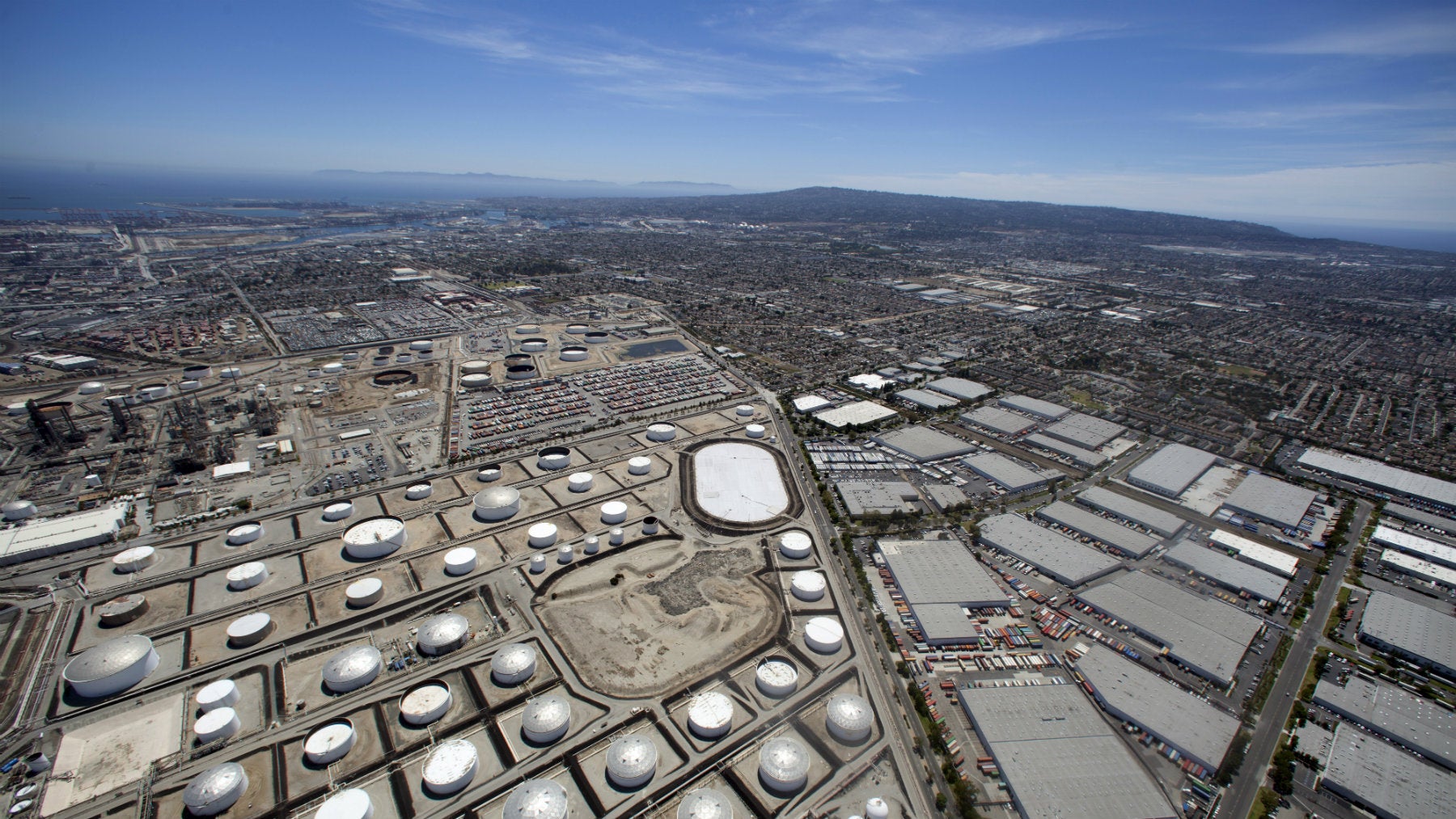
Oil is falling—again.
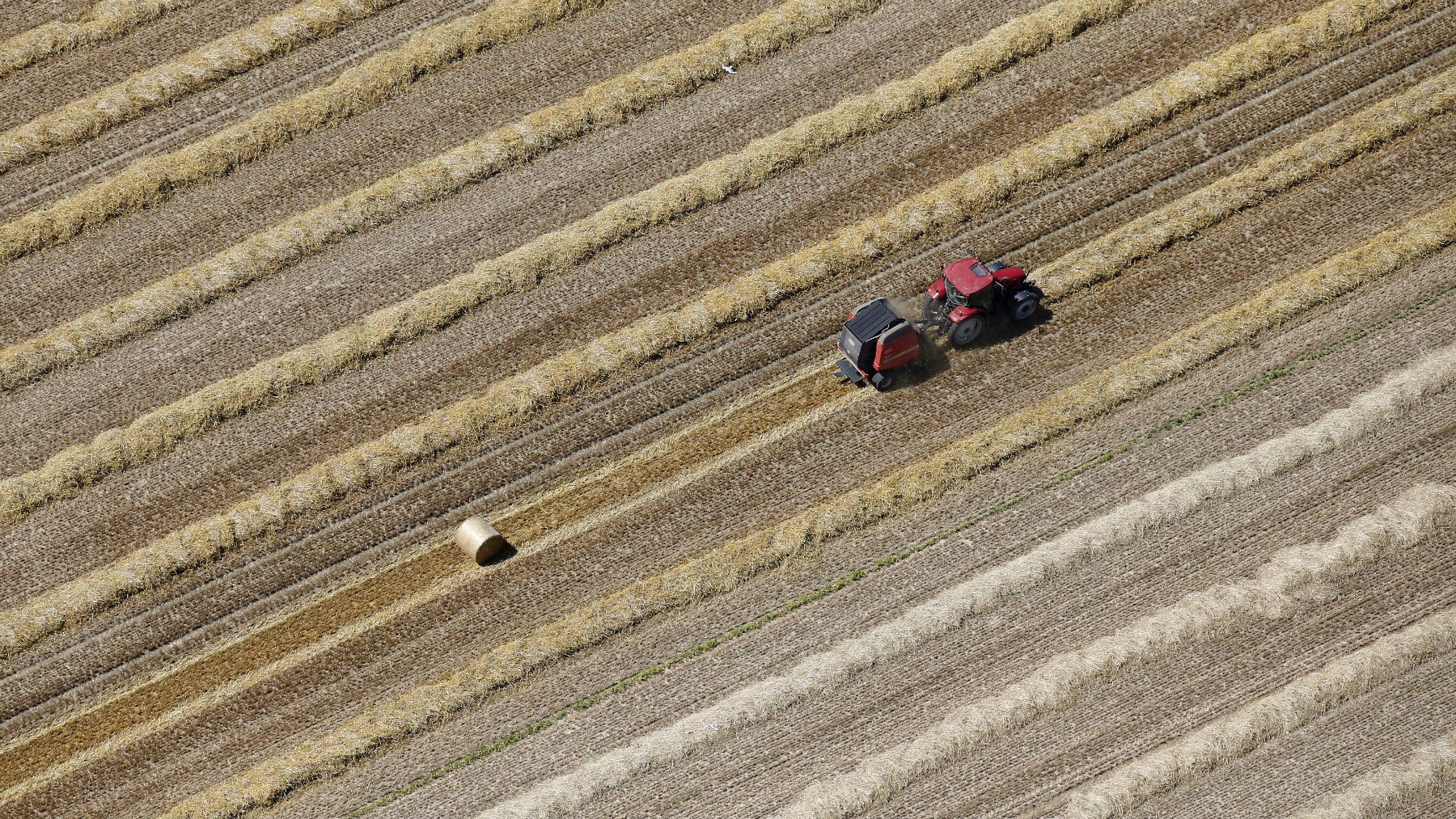
Commodities traders are understandably a little jittery, considering China has thrown a giant wrench into their calculations around the world’s biggest market for raw materials. So, when the US Department of Agriculture dropped its latest crop report (pdf), they went to town. Cotton projections came in way short of expectations, which drove up prices, while the opposite happened for soybeans, corn, and wheat, sending those prices down. All that excitement means you get a chart that looks like this. Happy hump day.
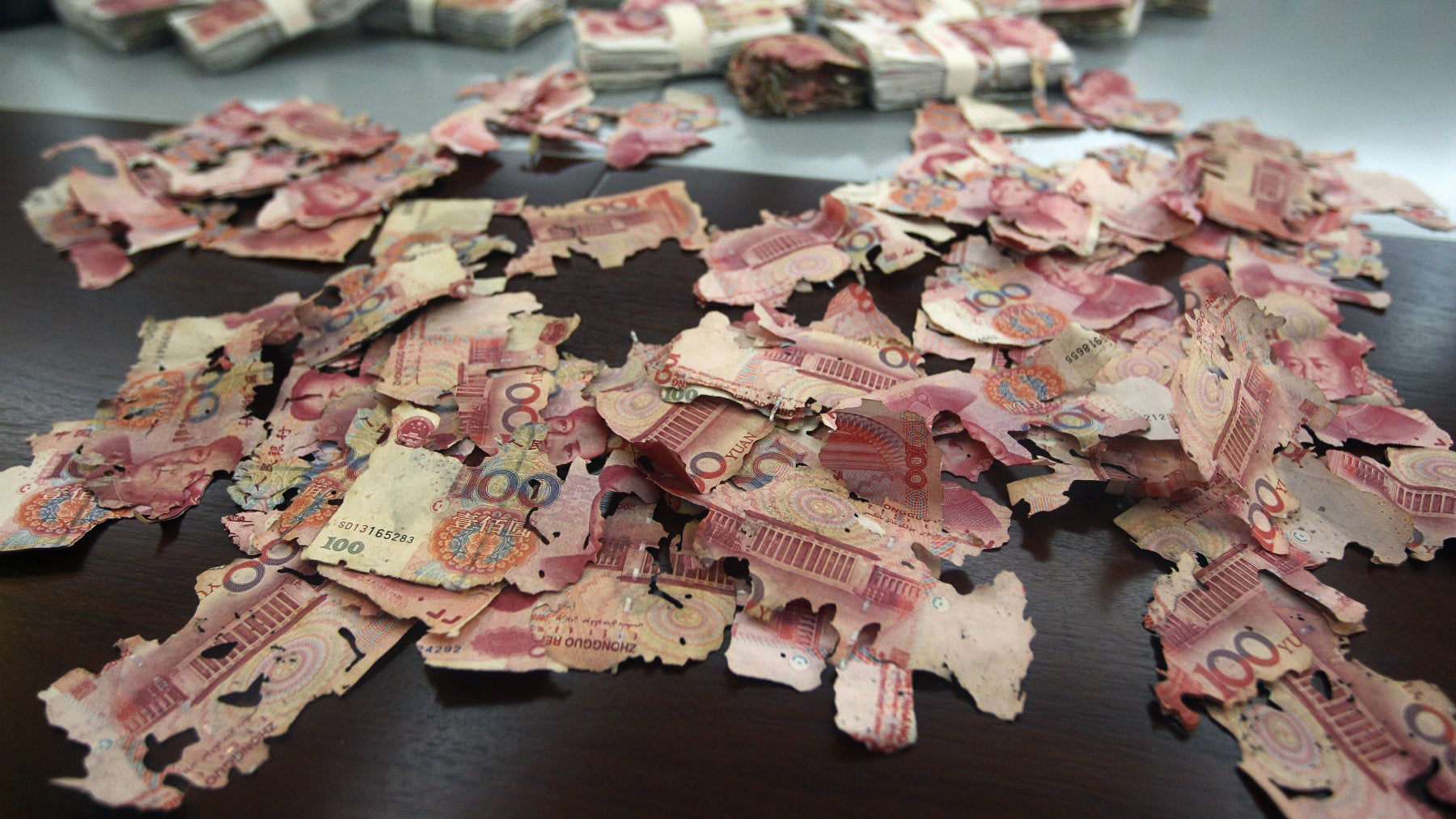
It turns out that China’s major devaluation its currency yesterday (Aug. 11) wasn’t a one-time deal.
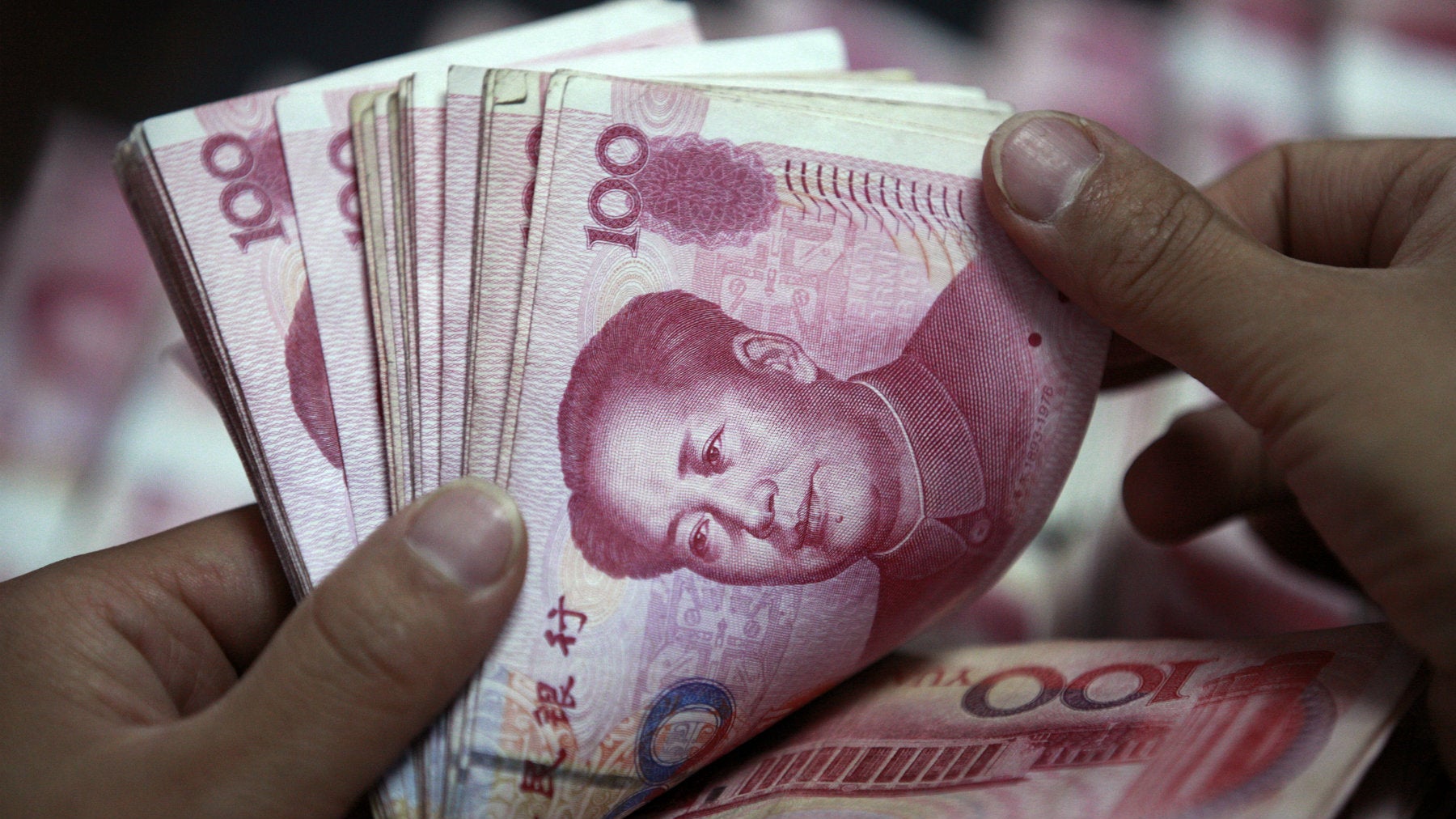
China surprised global markets Monday (August 10) with its decision to devalue its currency, the renminbi, by nearly 2%. That might not seem like much of a move, but China is the world’s second largest economy and controls its currency pretty tightly. Any policy move like this is big news in the world economy. Here’s what you should know:
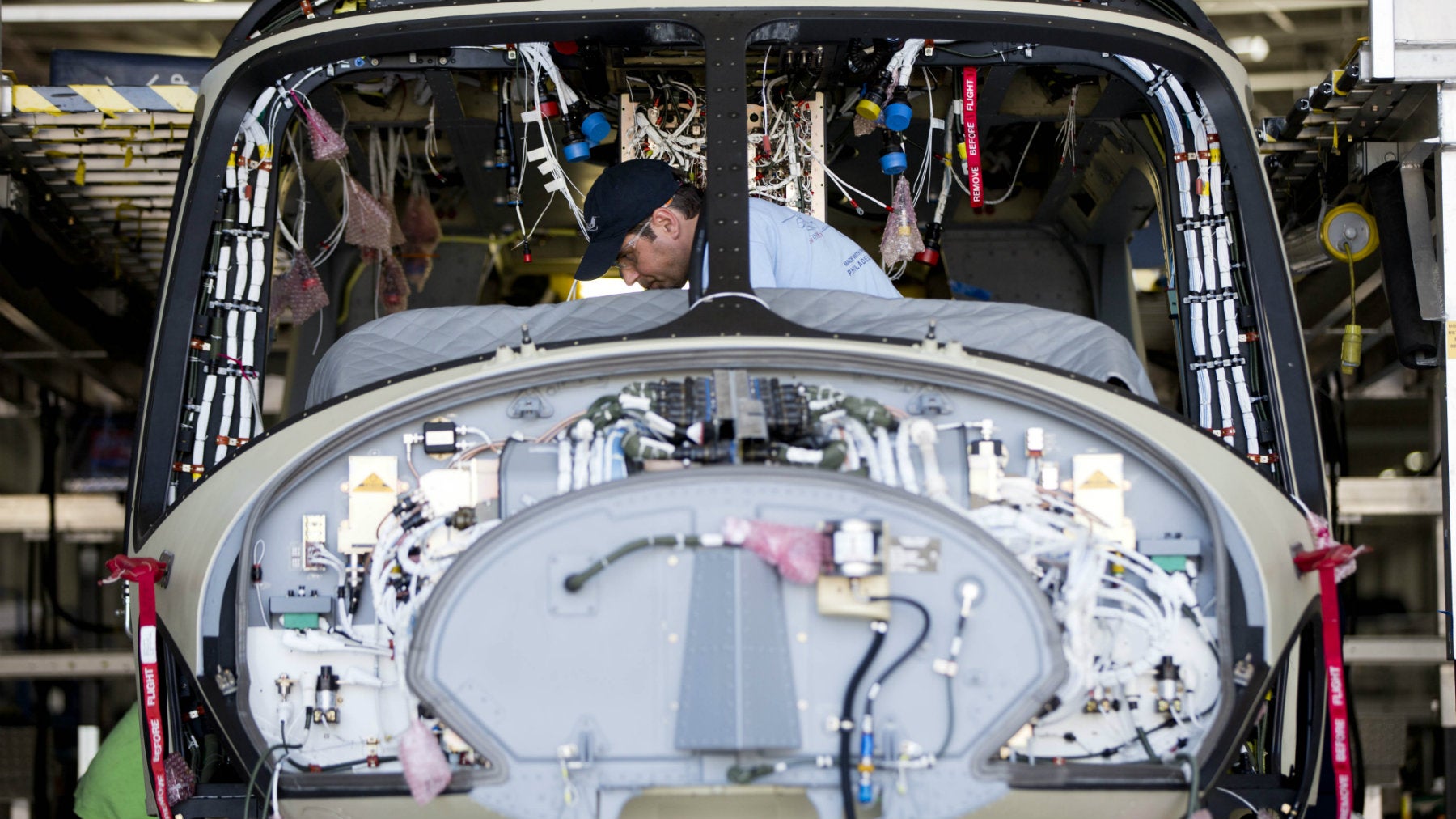
Working hard or hardly working?

Back in March, Russian officials said its economy had passed through the worst of its troubles. They were they wrong.

Everyone’s getting ready for a highly-anticipated rise in US interest rates, which could come as soon as next month—the first change since 2008 and the first increase since 2006. Banks are throwing lots of money (paywall) at their rate traders to keep them from seeking greener pastures, and the pretty solid jobs report on Friday did little to dissuade that general consensus.
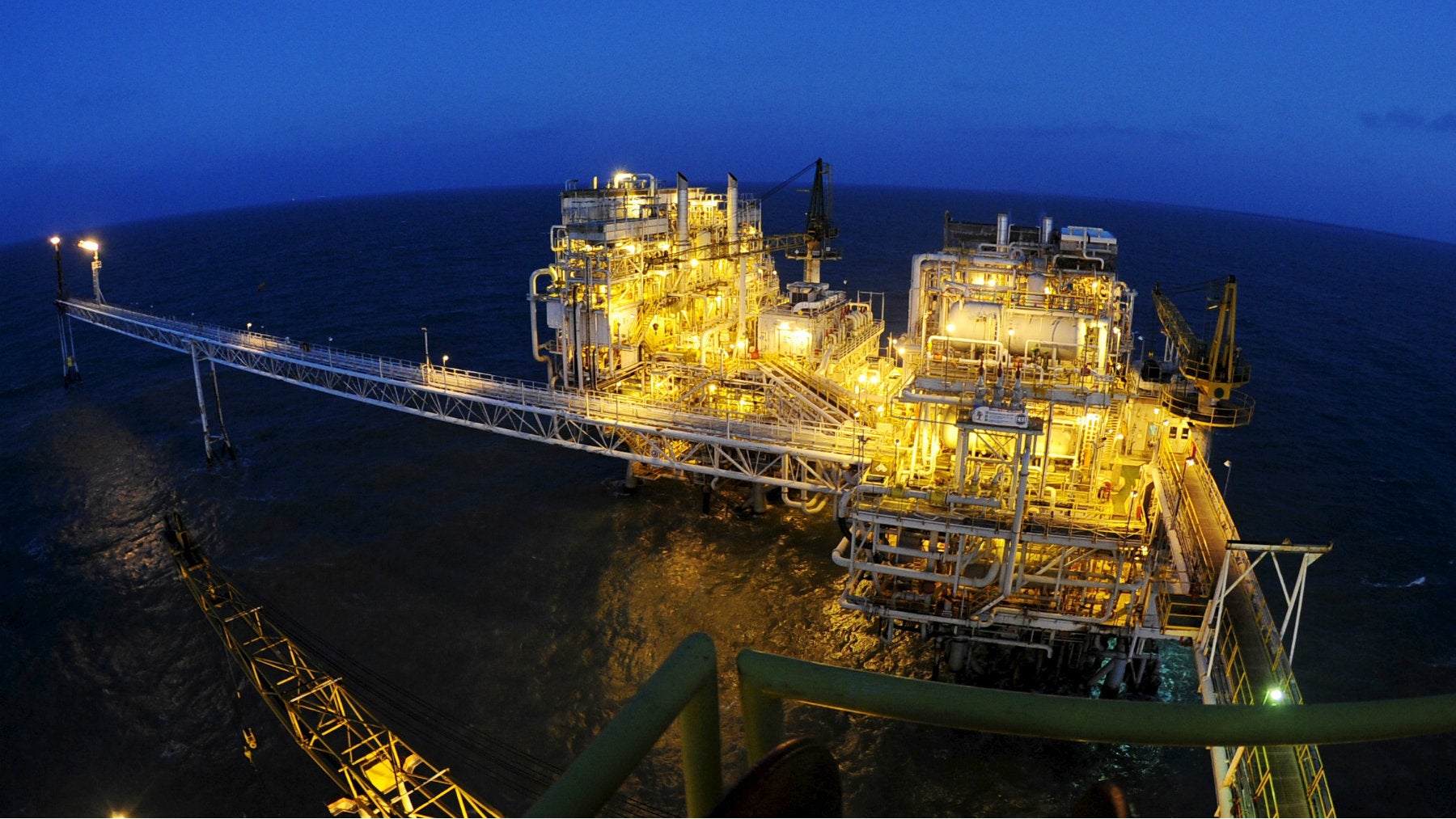
Just when you thought we were out of the bear market for oil, traders have pulled us right back in. The price of Brent crude fell to $50.82 a barrel at the end of the week, down more than 7% on the week and off more than 26% from late May. Another week like this and it will fall past its March nadir.

The United States economy added 215,000 jobs in July, falling slightly below expectations, and the unemployment remained unchanged at 5.3%. We’re collecting all the relevant charts from the report below.

Investors are putting the brakes on Tesla this morning, with shares down more than 10%.

Greek unemployment hit 25% in May, according to the Hellenic Statistics Authority (pdf). As hard as it might be to believe, that qualified as a bit of good news, considering it represented the lowest level since June 2012.
Since reporting earnings two weeks ago, Apple has lost over $100 billion in market capitalization.
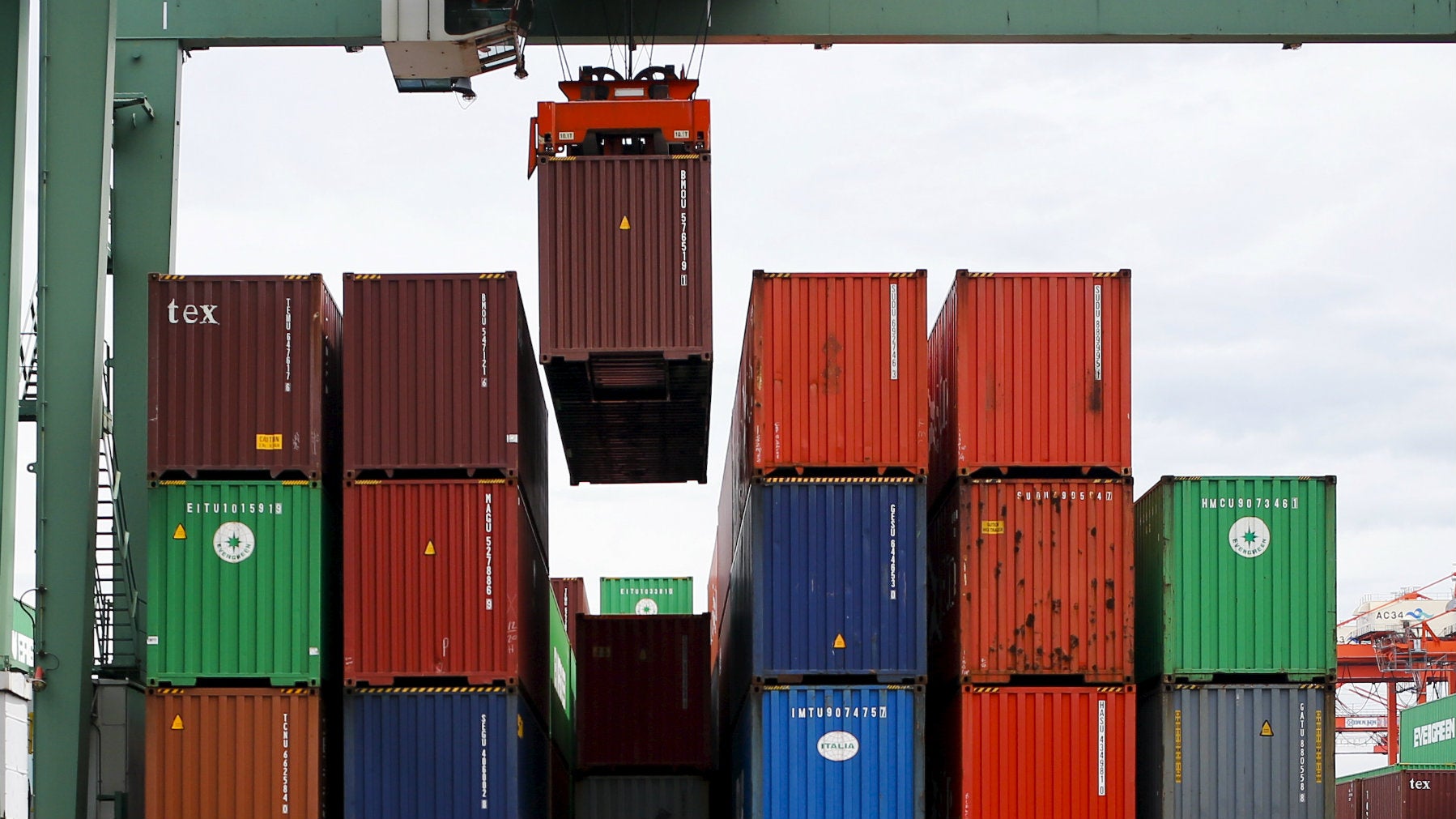
The latest trade deficit numbers from the US Commerce Department show the dollar is the one part of America’s economy that might be too strong right now.

Just a little while ago, the spectacular fall in the ruble was pushing inflation sky high and scaring Russians into hoarding luxury goods to protect their wealth. Then, things calmed down. But now inflation is rearing its head again.
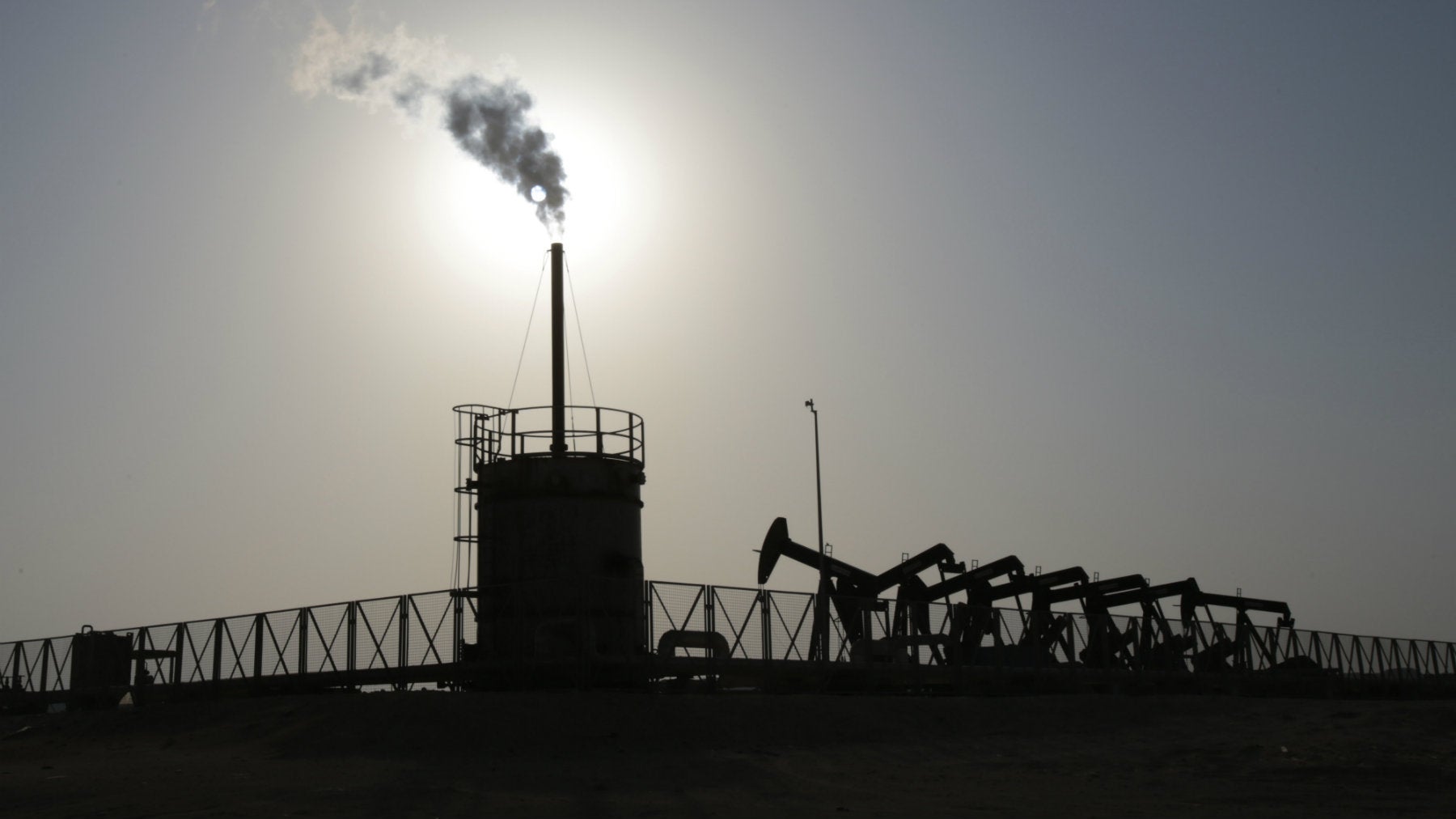
After appearing to bottom out in March, crude oil prices are falling once again.
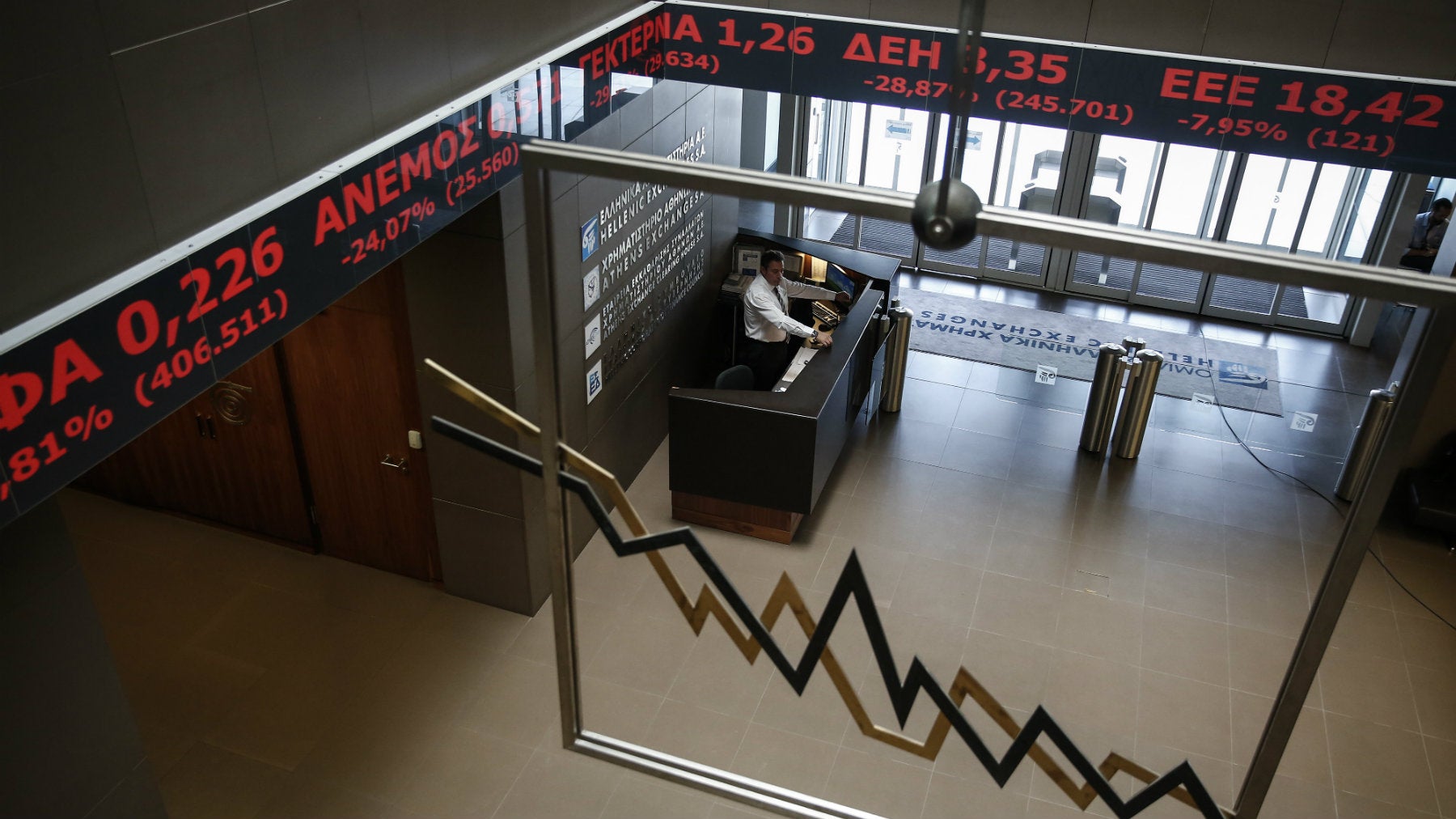
Surprising nobody, Greek stocks tanked in their first day of trading since late June. But the chart is still a sight to behold.

Americans hoping for a bigger paycheck got a jolt in the second quarter.