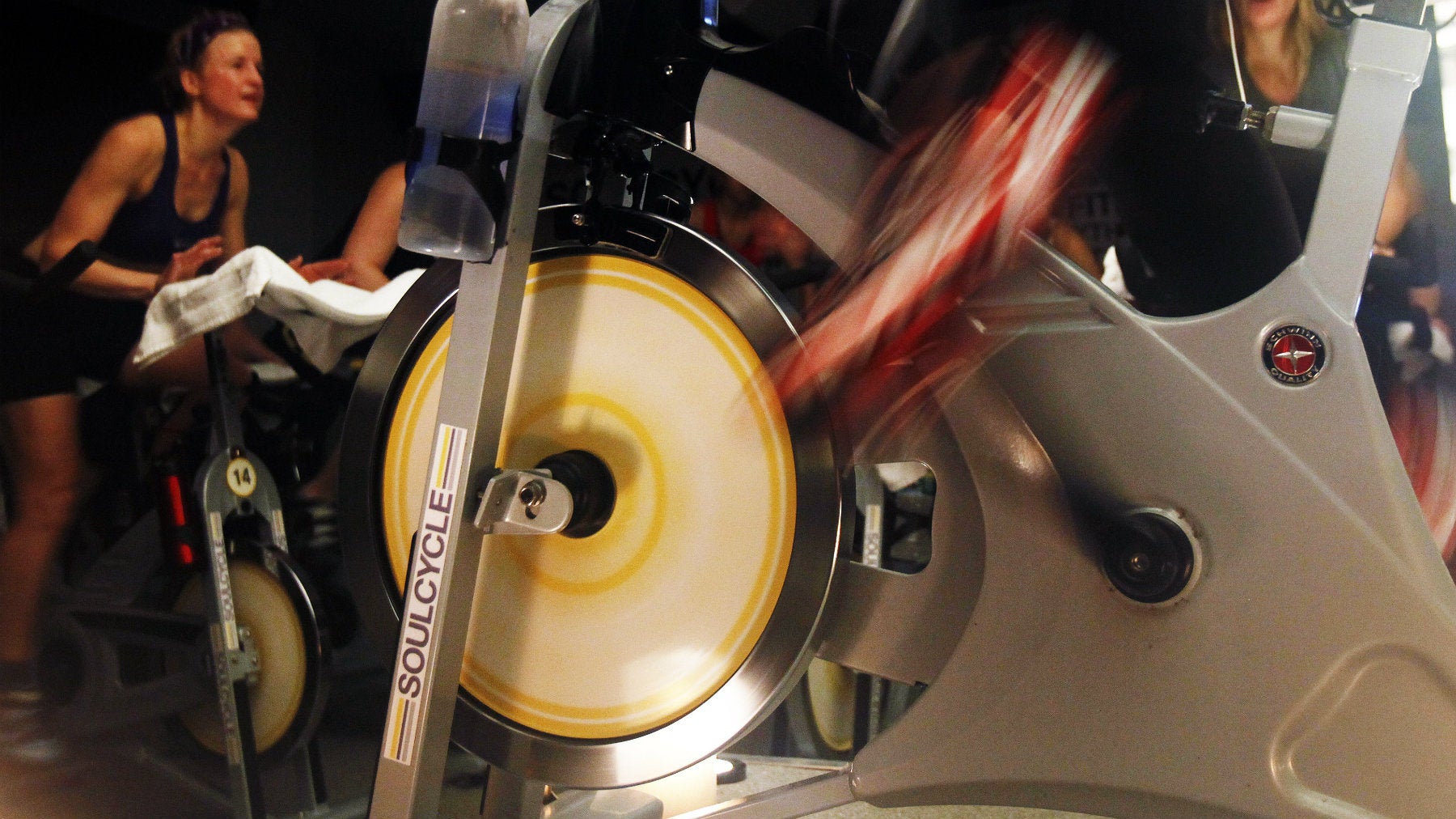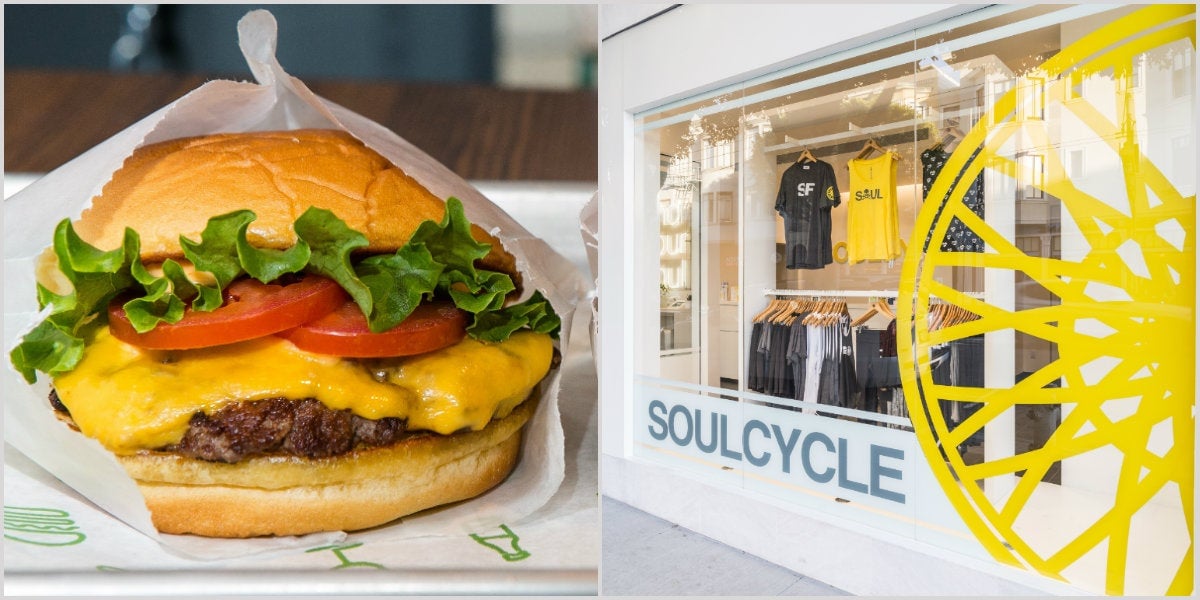
SoulCycle filed for an IPO today, and the document revealed that its wealthy, cult-like customer base is largely drawn from America’s “urban elites”: 97% of its revenue last year came from New York City, Los Angeles, and San Francisco.

SoulCycle filed for an IPO today, and the document revealed that its wealthy, cult-like customer base is largely drawn from America’s “urban elites”: 97% of its revenue last year came from New York City, Los Angeles, and San Francisco.

Talk about sweat equity.

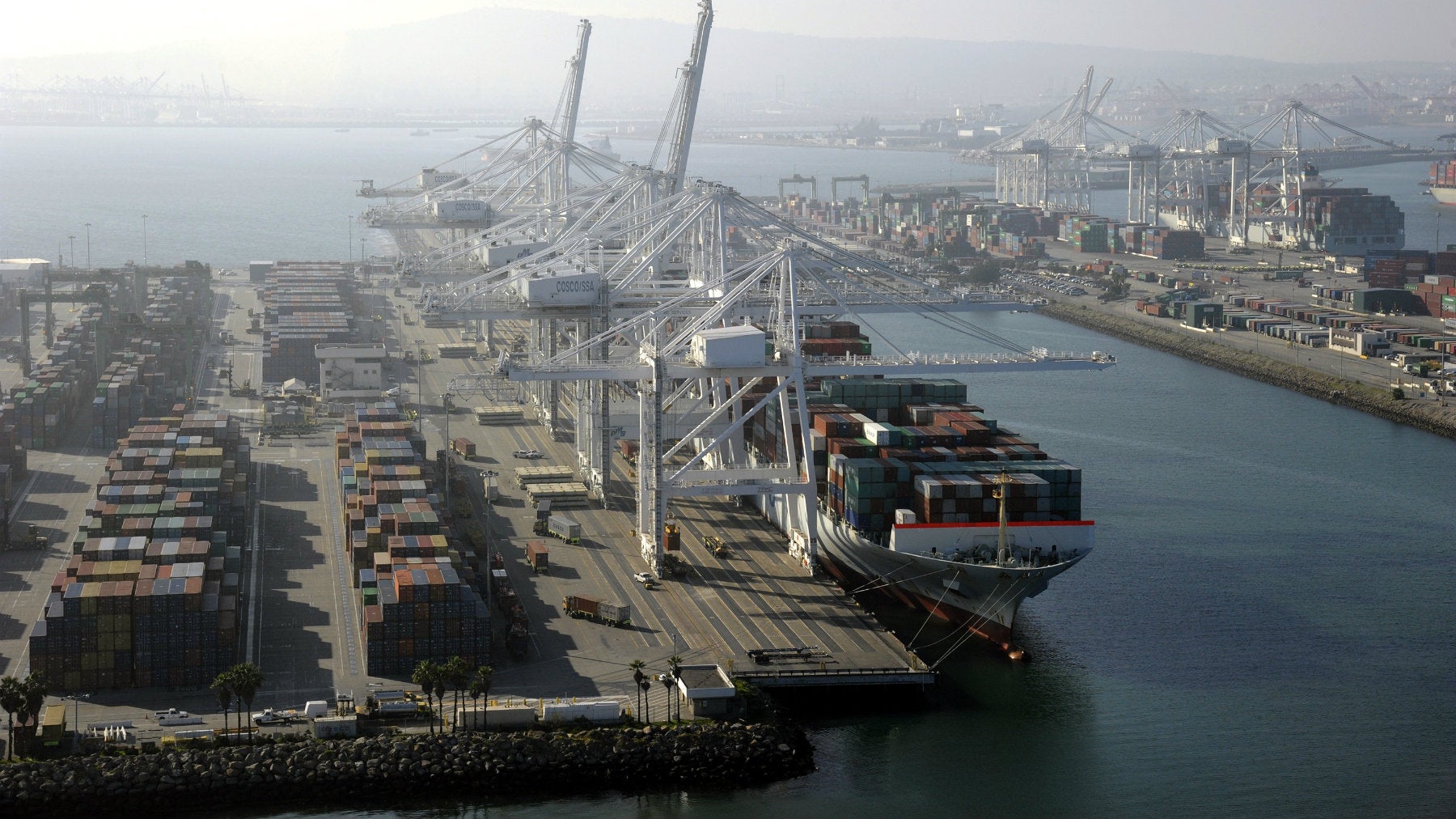
The American economy grew at an annualized rate of 2.3% in the second quarter, according to the Bureau of Economic Analysis.

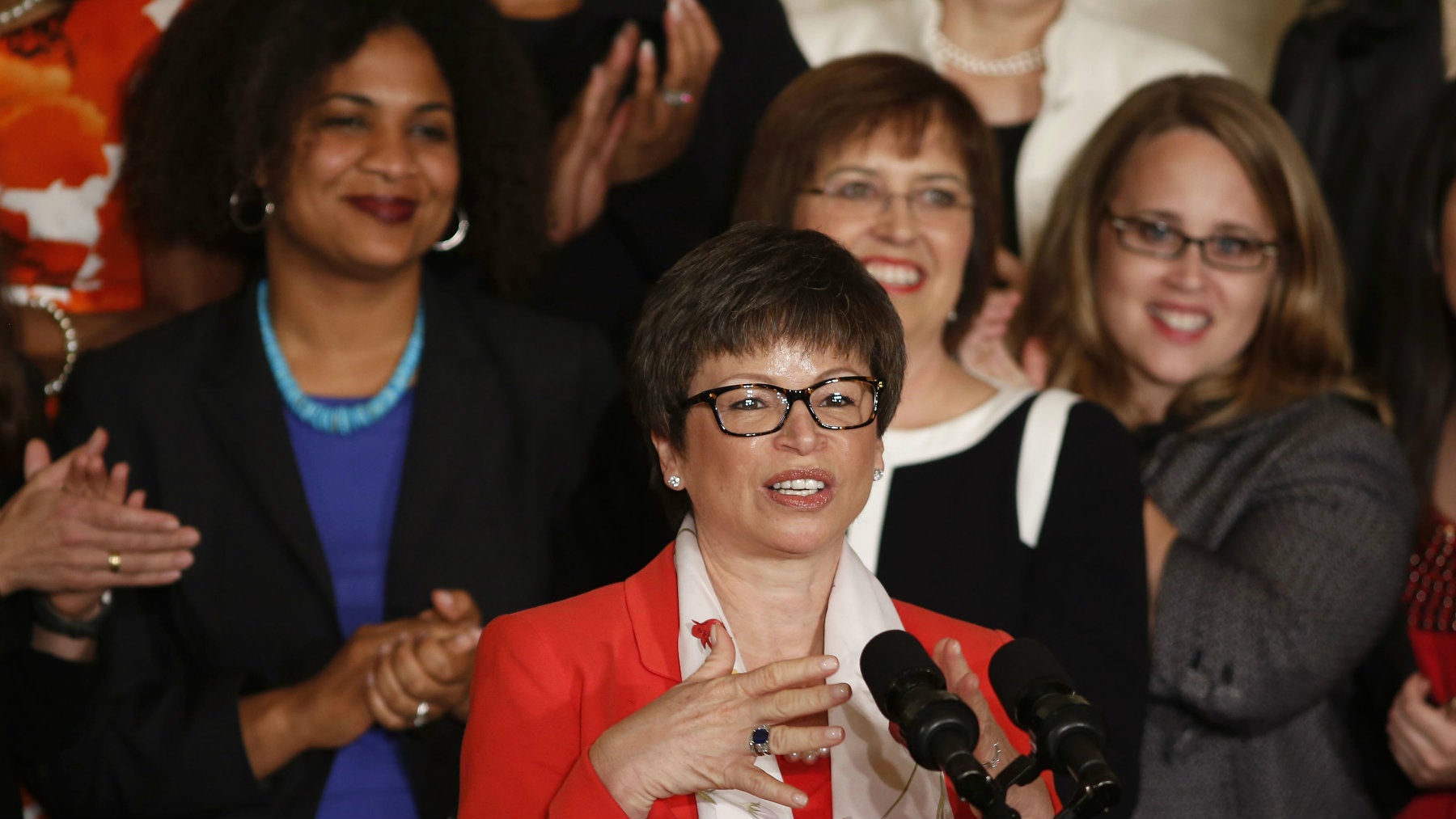
The conversation around the wage gap between women and men is usually carried at the broadest level: all women compared to all men.

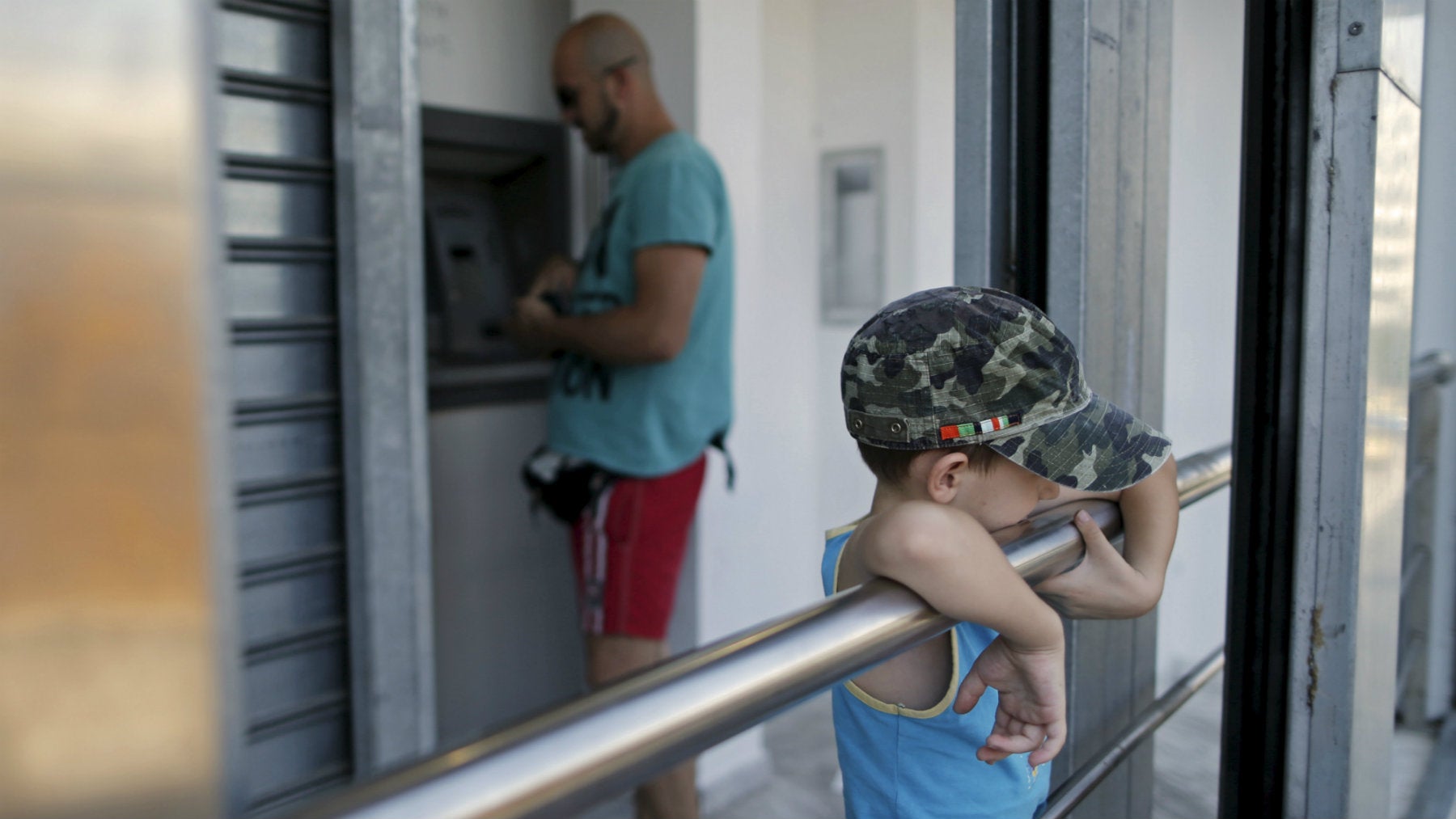
Greek bank deposits sank to €127.5 billion ($140.7 billion) in June, making for the driest coffers since 2003, according to the European Central Bank (section 2.2.3).

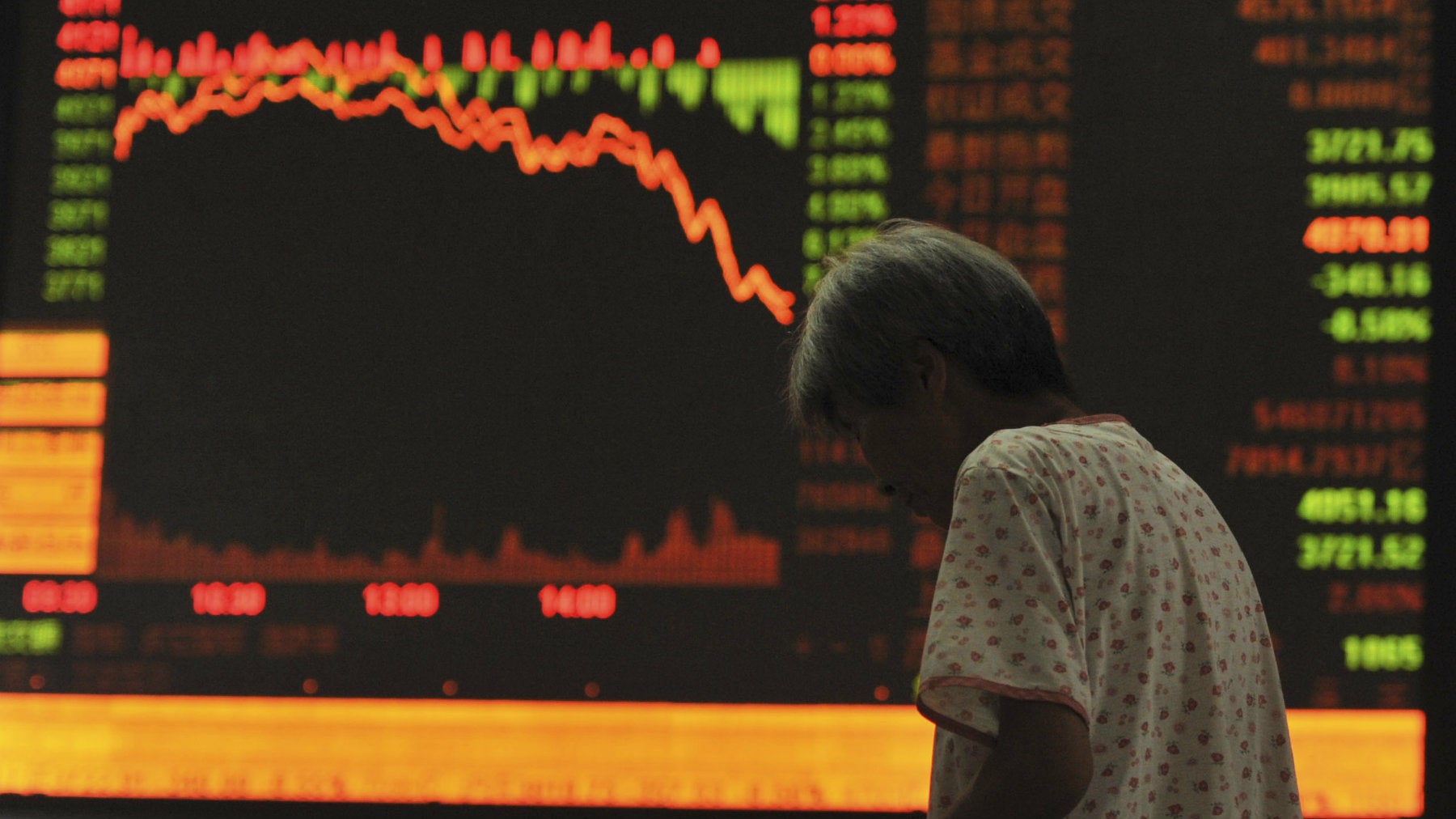
The Shanghai Stock Exchange Composite index fell 8.5% in Monday trading, the worst daily drop since Feb. 27, 2007.

Normally, you’d think your 401k is a force for good. You put money in, let your nest egg grow, and draw it down when it comes time to retire.

As Greece steps back from the brink of economic anarchy (paywall), a few drinks might be in order. But after the Greek government imposed capital controls to lock down the financial sector and avert a panic, there may not be many bars left standing.

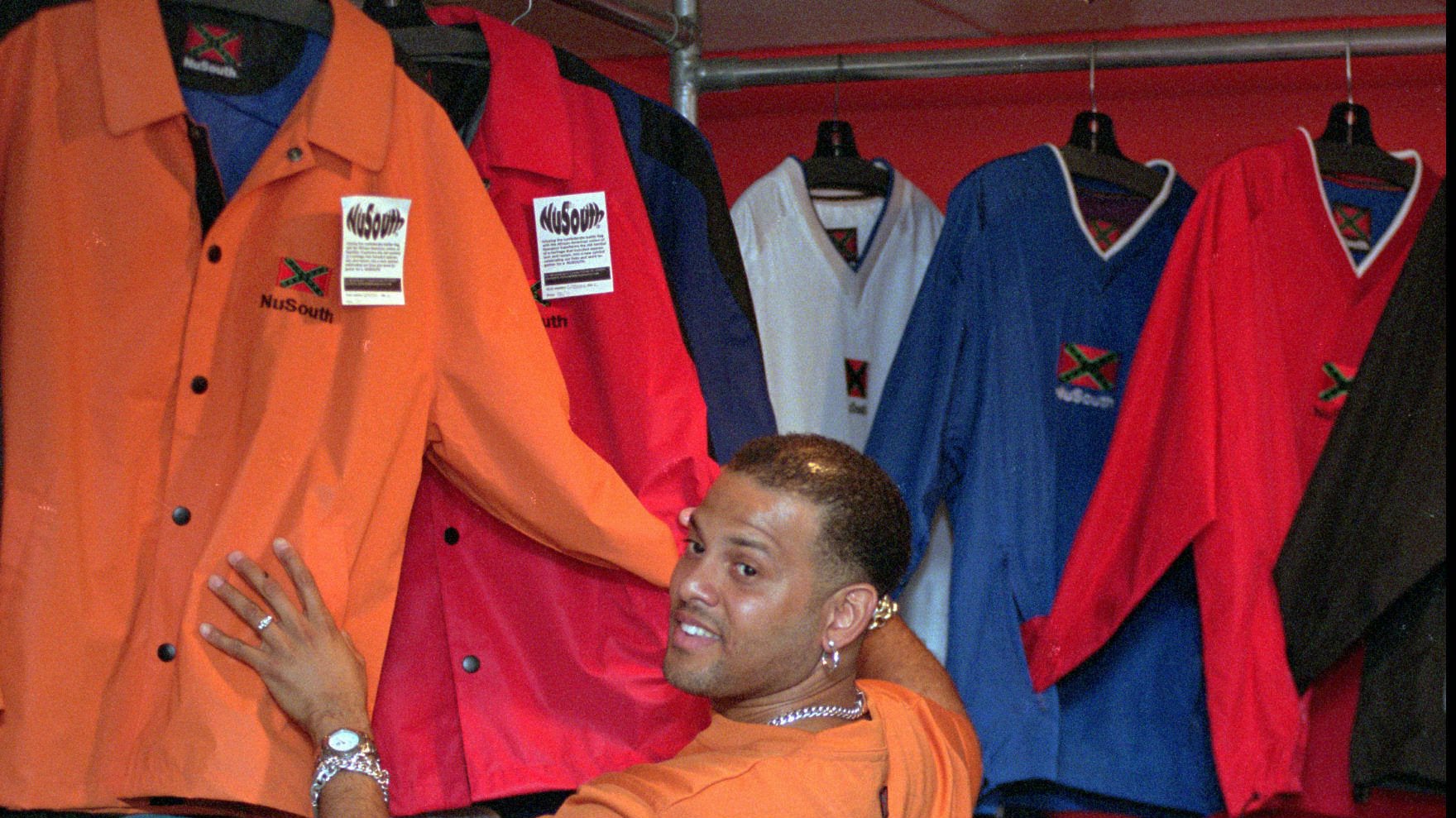
In 1994, long before South Carolina’s long-awaited decision this week to remove the Confederate flag from a prominent place adjacent to the statehouse, where it had been since 1961, Sherman Evans and Angel Quintero made the trip from Charleston to Columbia to demand just that.


A few hundredths of a percentage point here and there can really add up. But the cost is even greater when the disparity is drawn on racial lines.

Greece continues holding on for dear life this week, scrambling to put together a fresh proposal of economic reforms—the latest in a series of increasingly desperate measures to obtain much-needed bailout funds. Here’s a rundown of the country’s current economic situation. The charts show just how dire the past few years have been.

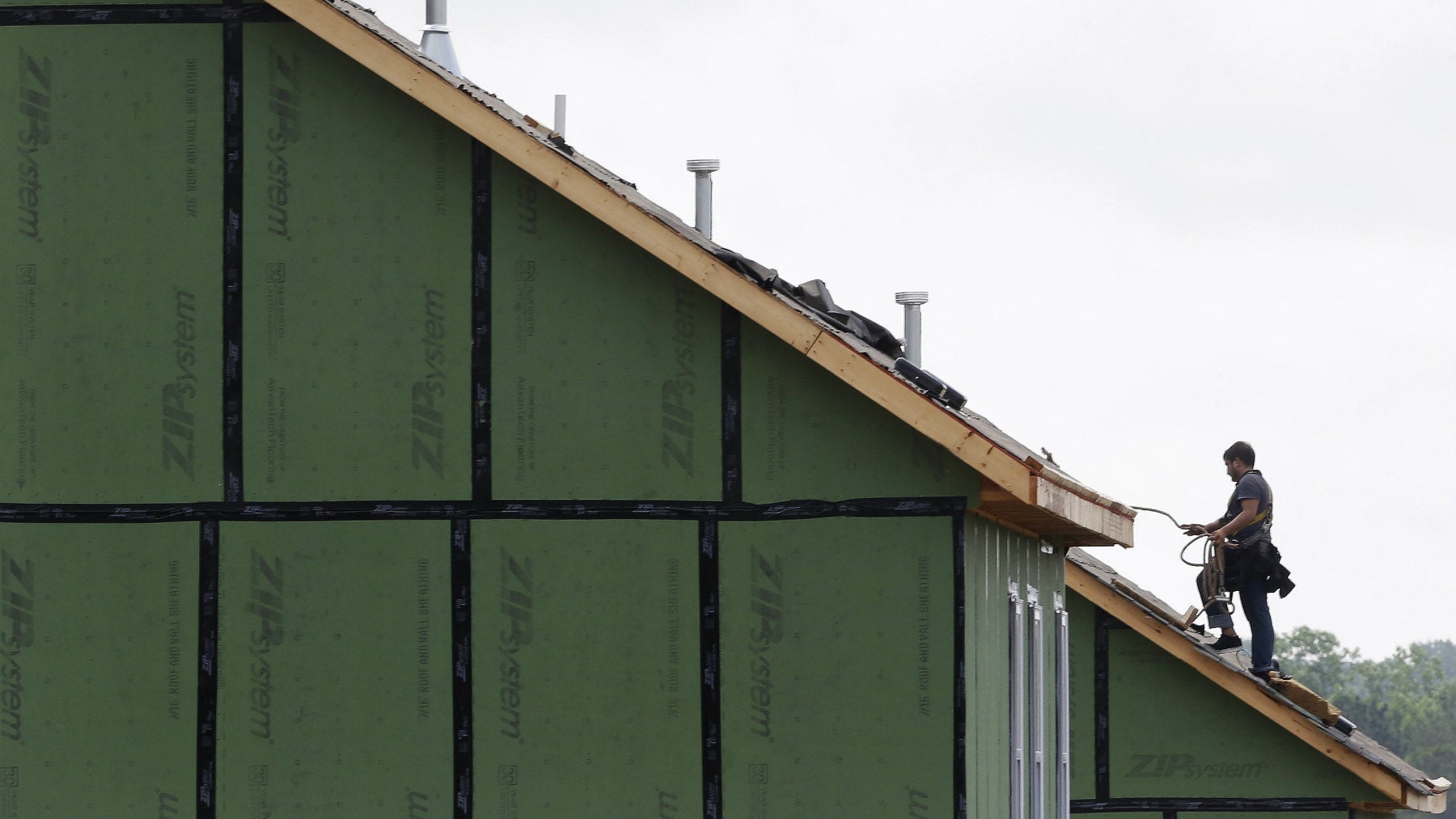
The US housing market remains an enduring symbol of the 2008 financial crisis. But look around today, and you’ll see hints here and there that the business is getting healthier and the US recovery keeps chugging along.

The Commerce Department’s US trade figures for May were pretty ho-hum, with the trade deficit growing a bit to just under $42 billion.

Greece voted down a referendum that would have opened the door to much-needed bailout funds, so the financial universe is imploding now, right? Not exactly.


The state of the South Korean economy is such that a record trade surplus of more than $10 billion is still bad news, even for a country heavily dependent on exports.

It’s a crazy world out there, we know. Asset prices are always zig-zagging back and forth, volatility spikes and subsides, liquidity is abundant and then suddenly nowhere to be found.

In the market for beverages with no booze, the obvious leaders are the soda giants: your Coca-Colas and Pepsis of the world.

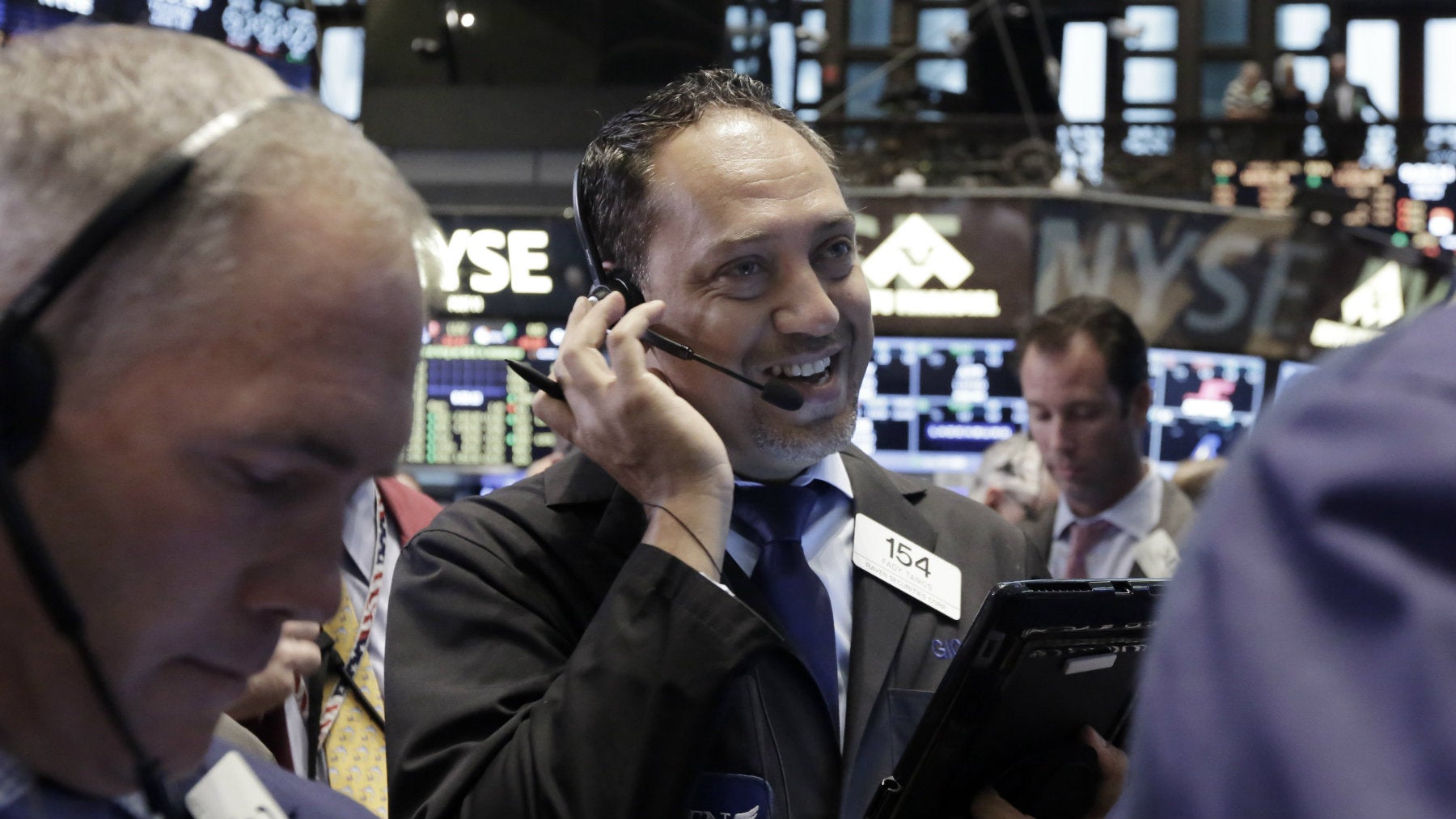
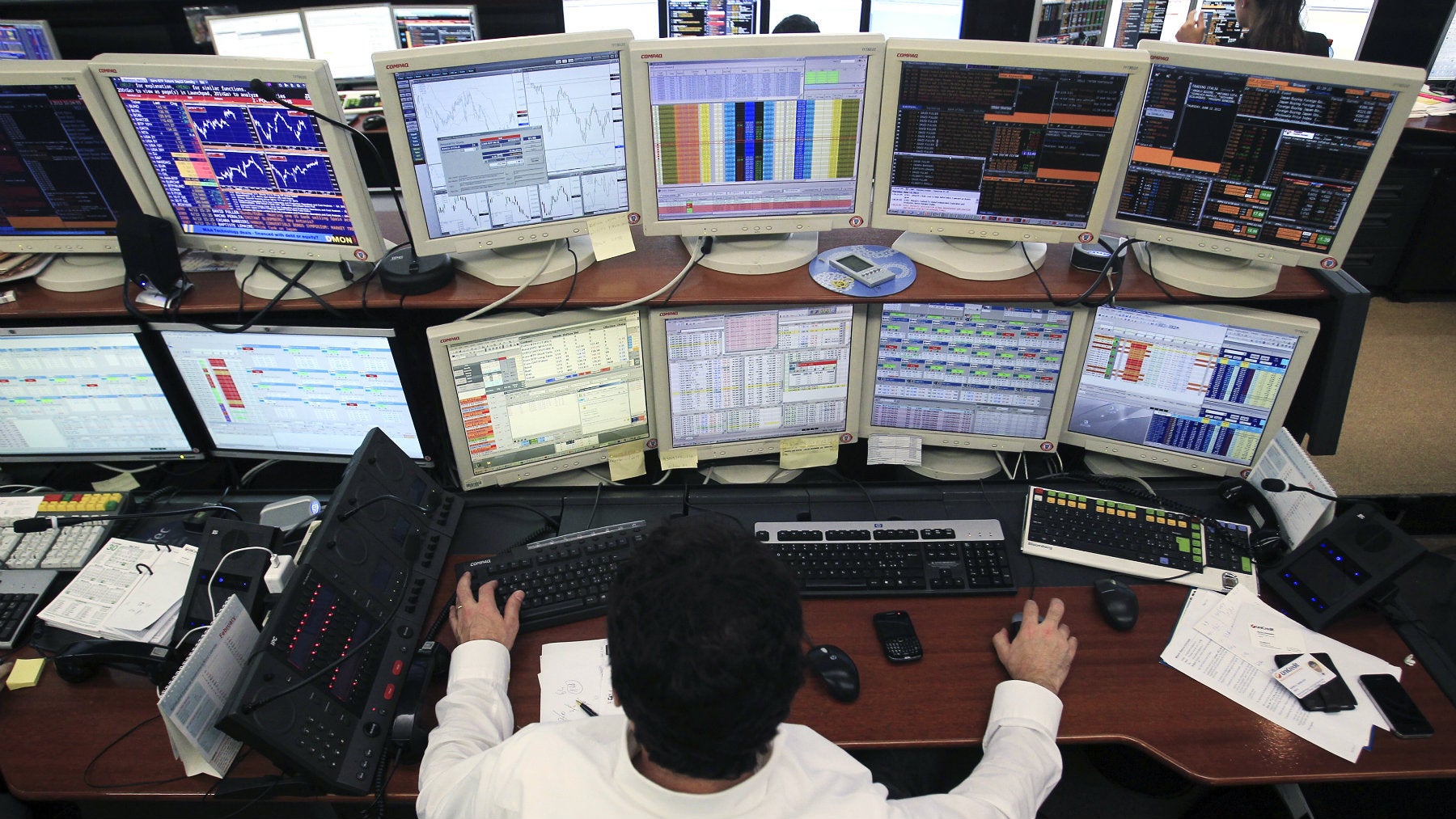
It looks like the gravy train is rolling through Wall Street again.

While Greece totters on the edge of a sovereign default, Germany’s sitting pretty.

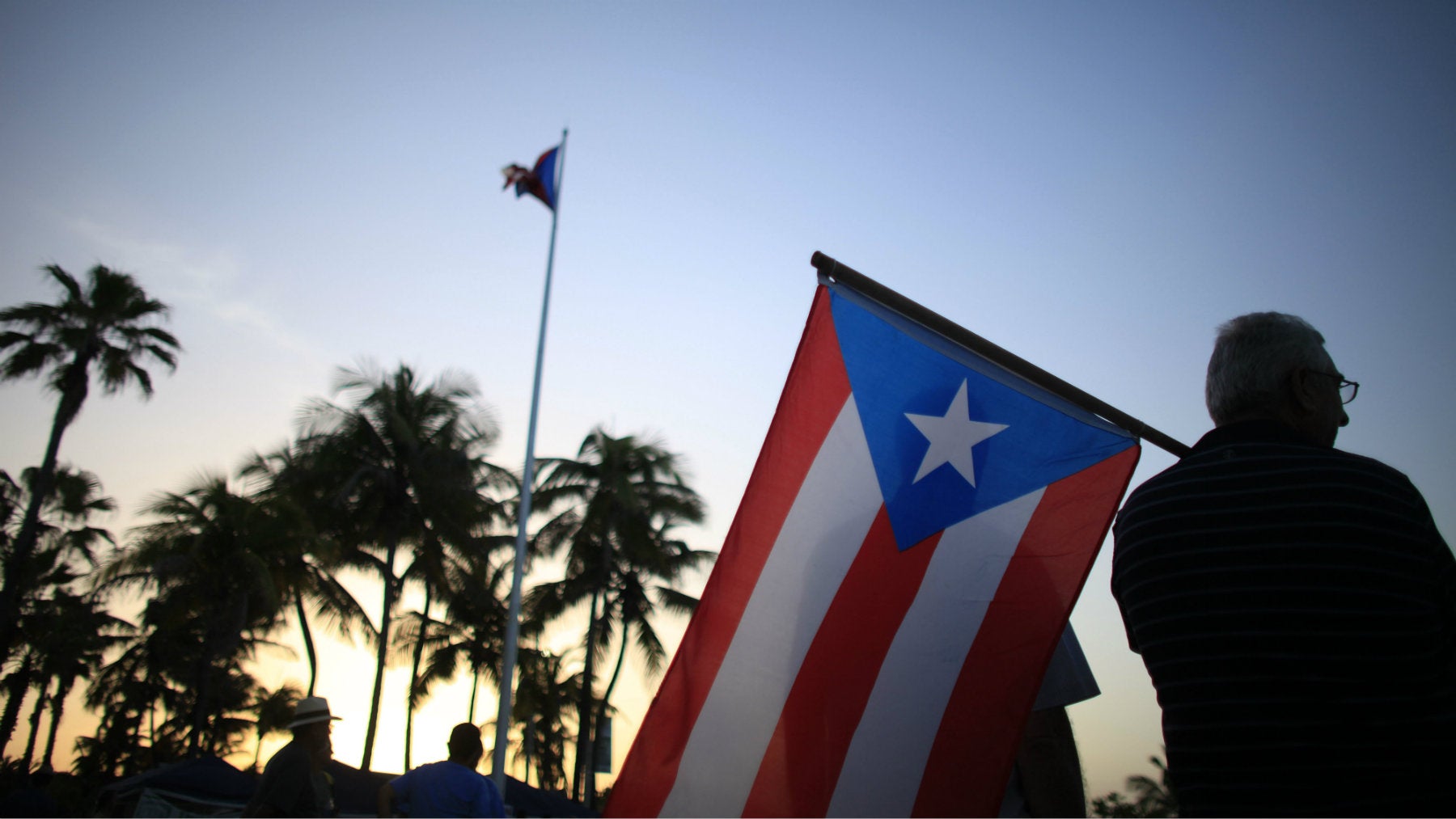
A debt-ridden government, with an economy struggling under austerity and years of decline, has revealed that it won’t be able to pay its debt, sending its bonds tumbling along with the shares of its major companies. It’s not Greece—it’s Puerto Rico.


The US economy is showing a lot of strength, but wage increases have been the missing piece that would really get things going. There was good news on that front Thursday.