

Money & Markets
See? America’s first quarter GDP numbers weren’t as bad as they seemedRemember the drastic economic slowdown the US had in the first quarter? It was not as bad as previously thought.
Updated July 21, 20221 min read
Remember the drastic economic slowdown the US had in the first quarter? It was not as bad as previously thought.
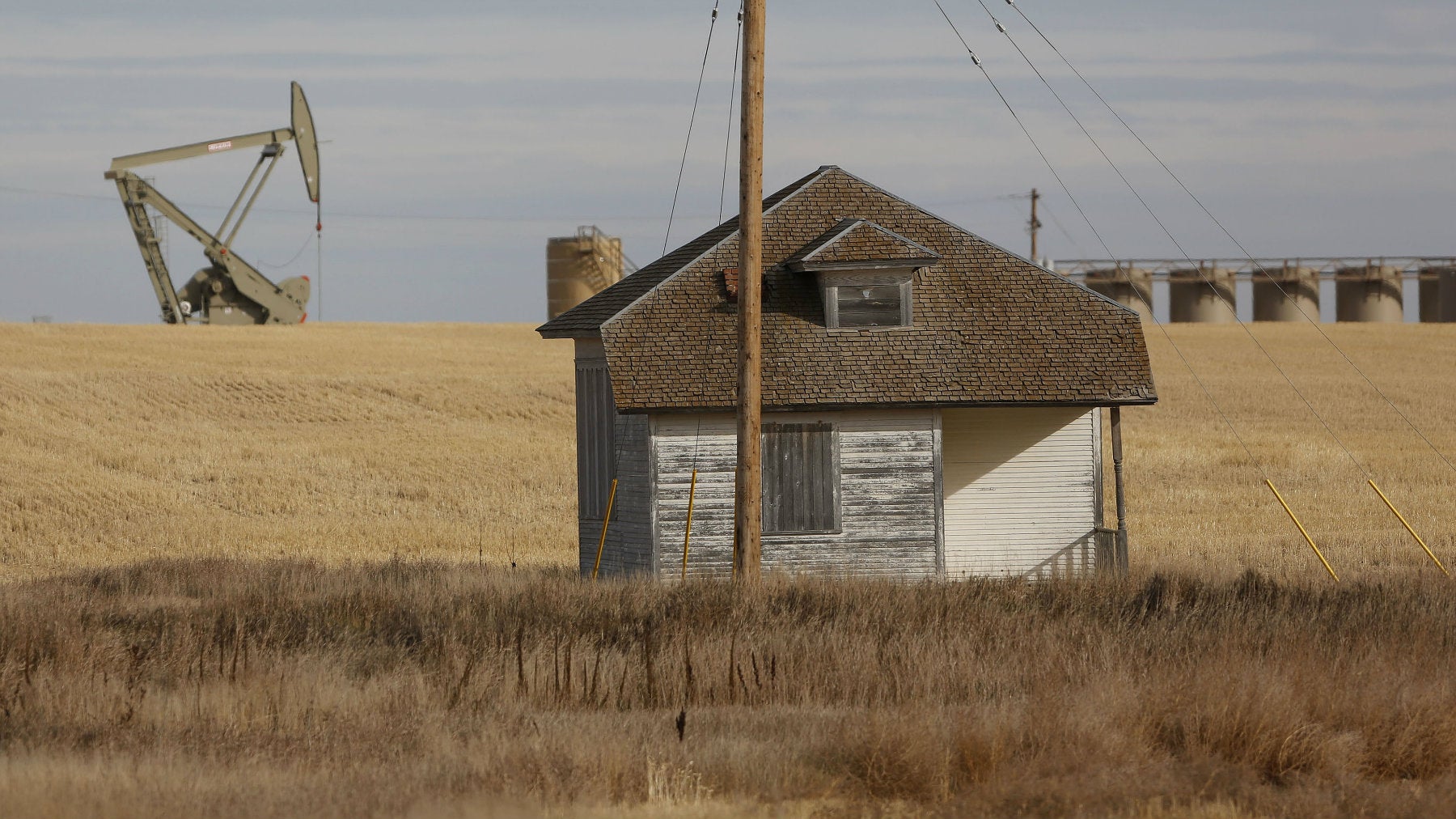
The first quarter wasn’t just rough on the US energy industry—farmers were also hard hit.
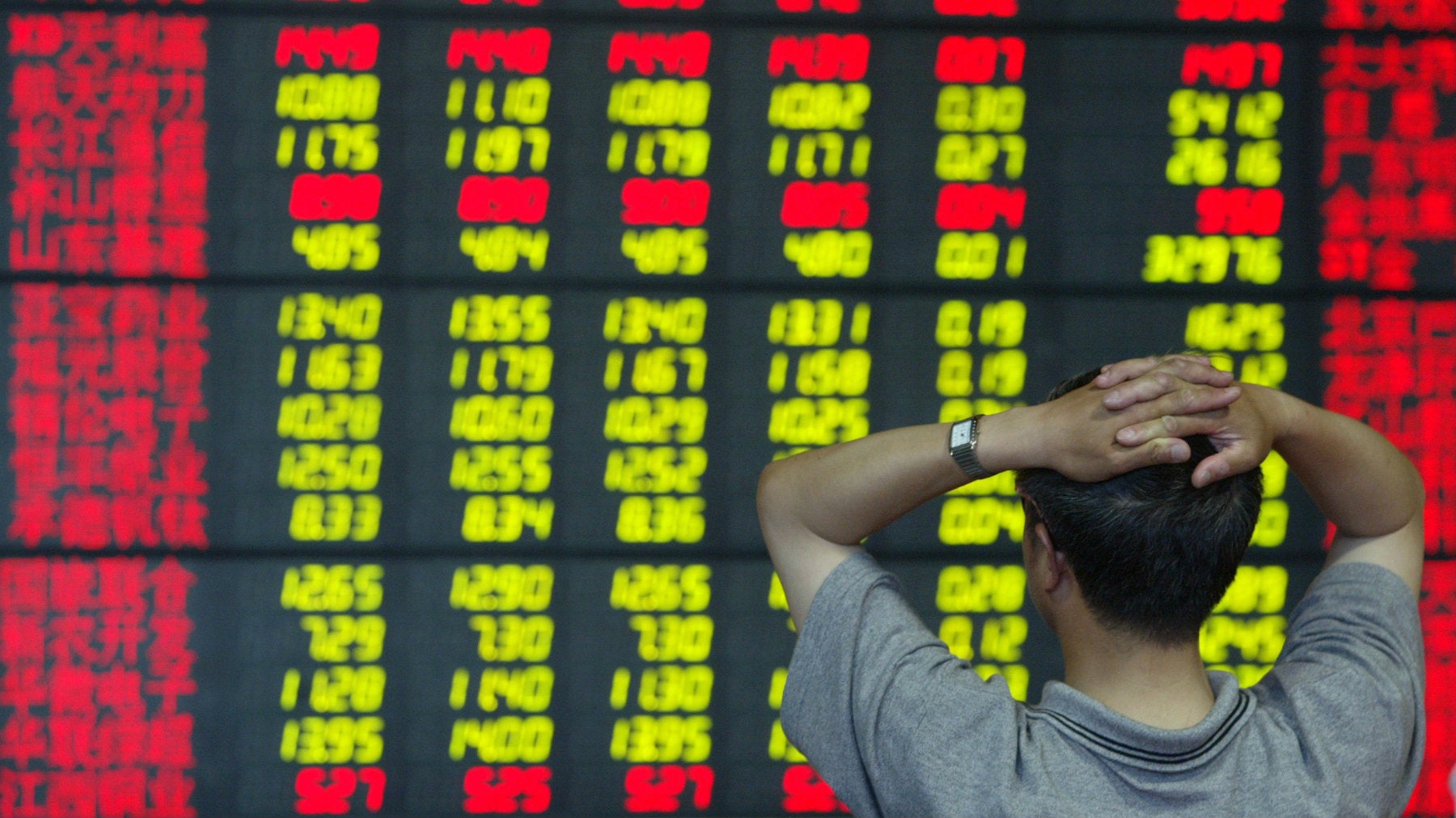
The Shanghai Composite and Shenzhen A Share stock markets had bad weeks. Really bad weeks. Both lost more than 10% of their market value, and each fell about 6% in Friday’s trading alone. The catalyst for this week’s volatility? Queaziness from abroad (paywall).

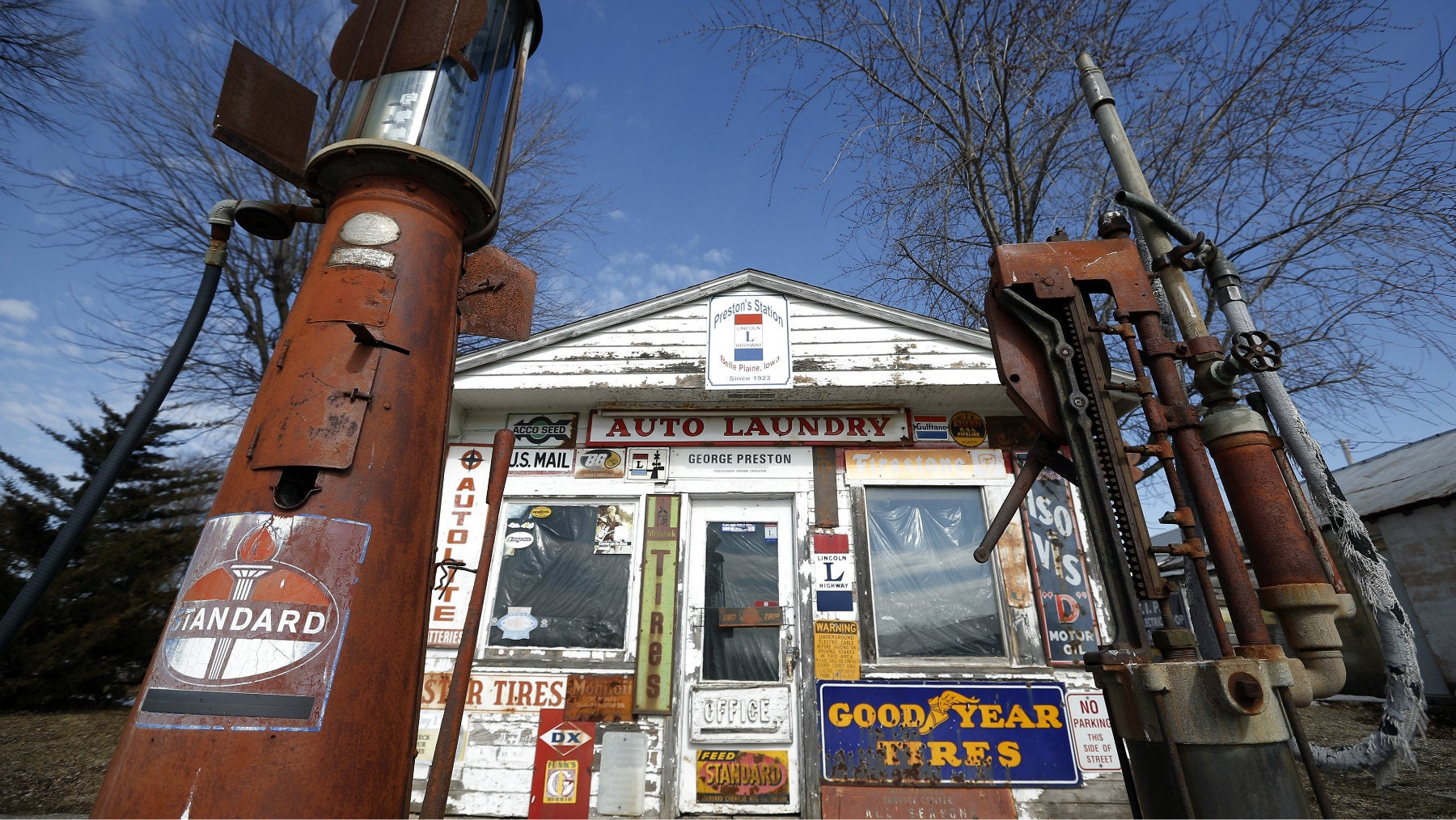
The Federal Reserve’s new, softer outlook on the US economy—its conviction that the economy needs more time to strengthen before raising interest rates—comes as another implicit form of stimulus, cheap gas prices, appears to be ending.
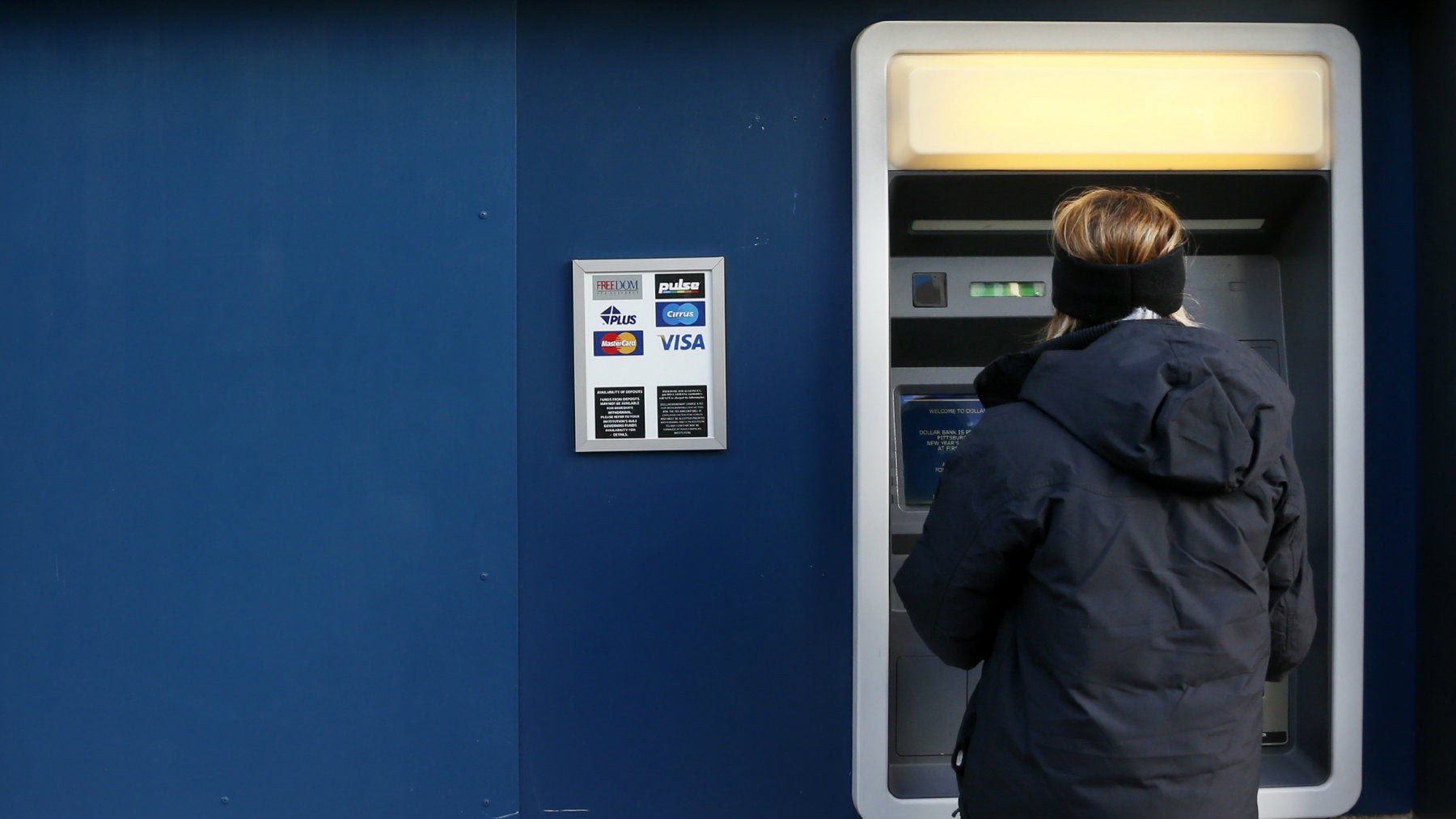
All those ATM fees you pay to take out cash really add up.
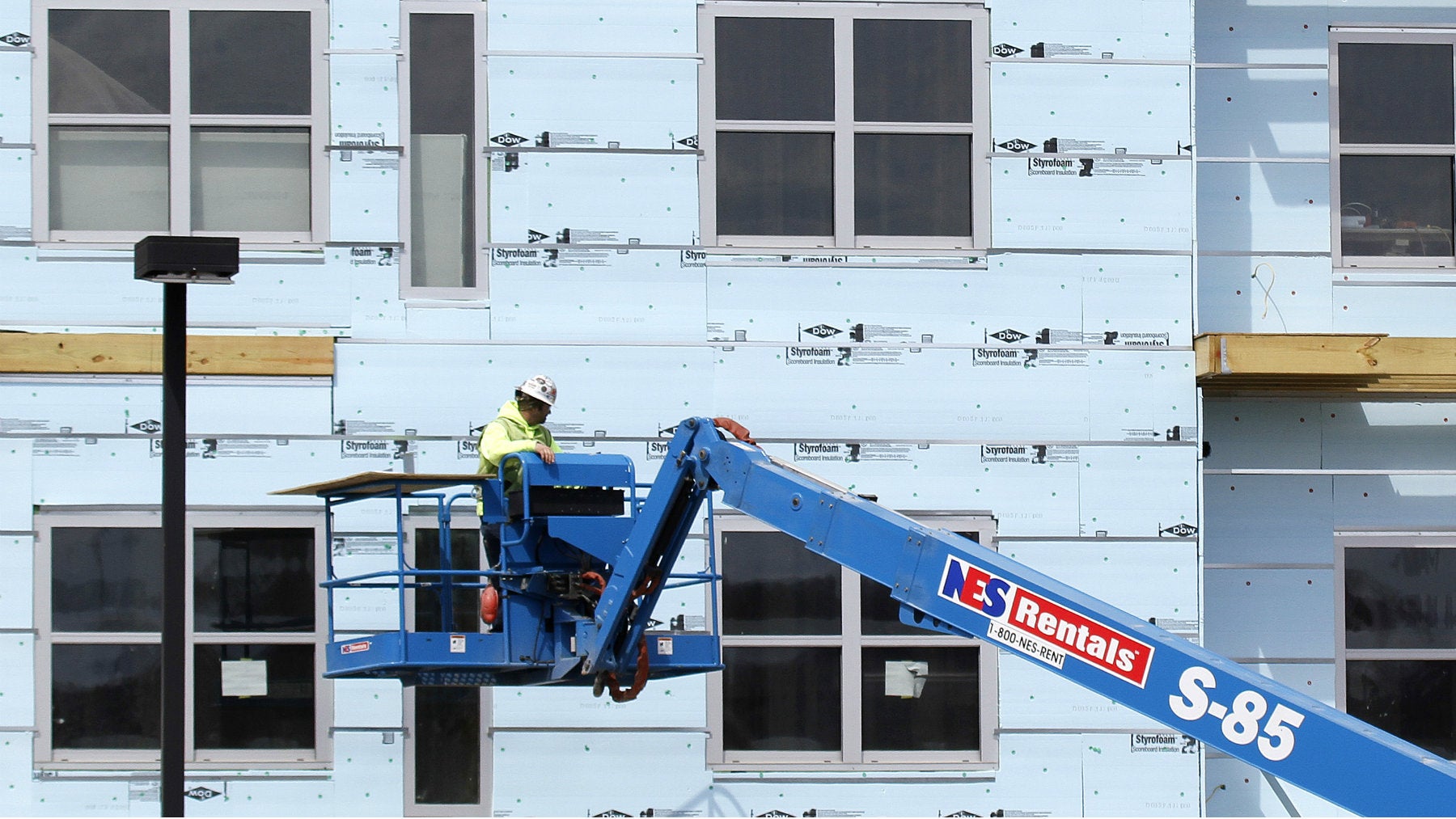
The US Census Bureau’s numbers on housing for May are in, and they’re looking really good. Homebuilders started construction on fewer homes, condos, and apartments last month than in April (down to an annual rate of 1 million units from 1.2 million), though a big part of that was making up for lost ground during the winter. Year-over-year growth is still relatively solid.

If you needed another reminder that Brazil’s economy is struggling mightily as it slides towards a recession, it released retail sales numbers that were down 3.5% from this time last year, a drop twice as large as analysts were expecting. That comes on top of bad industrial production numbers, a weakened currency, wild inflation, and the high interest rates the Central Bank of Brazil is using to combat that inflation.
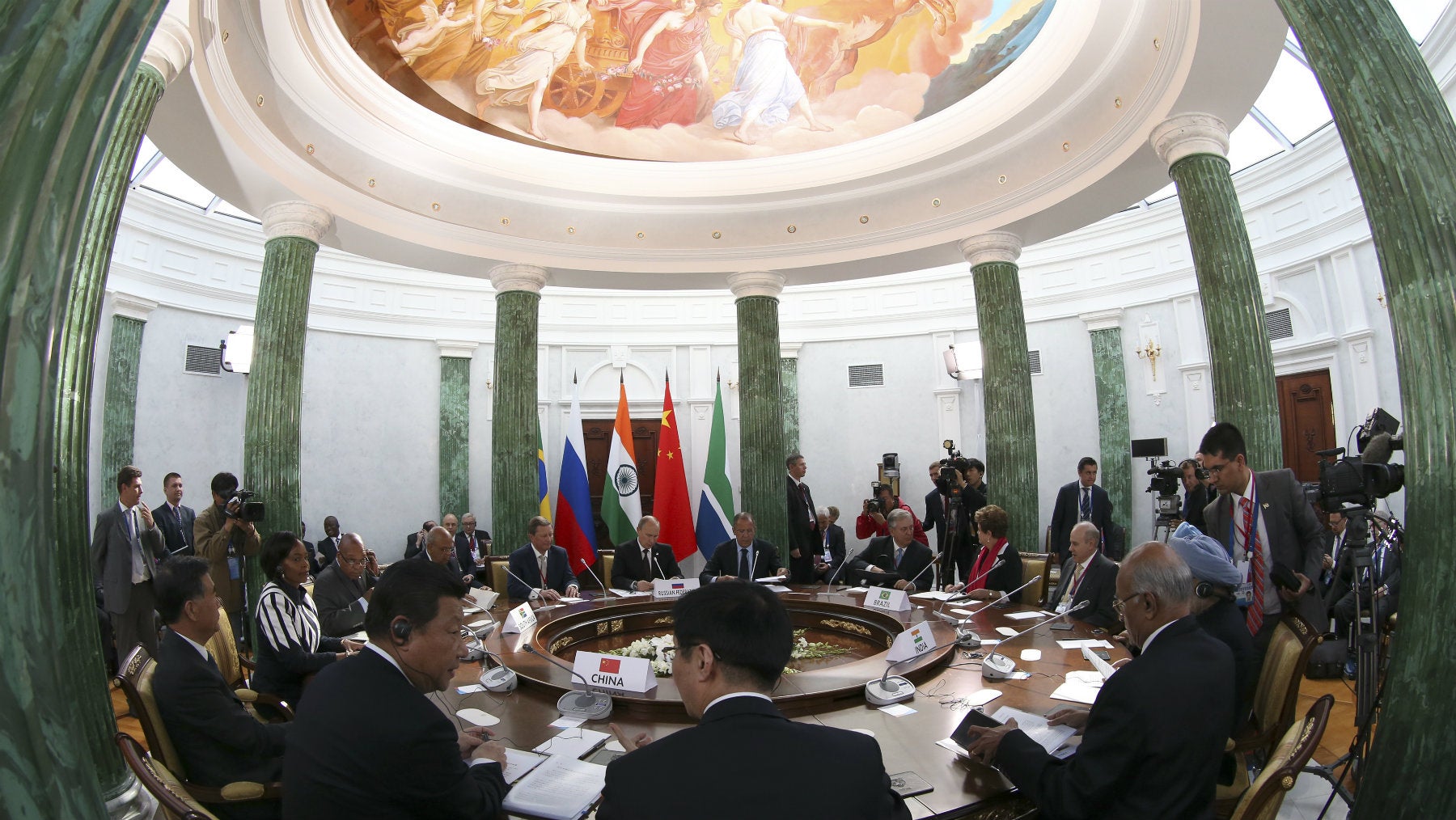
The Central Bank of Russia has just announced plans to cut its key interest rate again. The cut, from 12.5% to 11.5%, comes after new figures showed that inflation is slowing (though still very high) and the ruble is stabilizing. Coming just six months after the central bank hiked the rate to 17% in a desperate attempt to keep the ruble from collapsing, it’s clearly a good sign for the economy.

The rise of internet banking is making itself felt in an unexpected area: American civil-rights law.

Up until this week, the view on Japan’s economy was decidedly negative. Despite a massive bond-buying program poised to continue expanding, economic growth was looking fairly weak and the policy had failed to stoke inflation. As a result, investors started dumping the currency, which fell hard against the US dollar, sliding 5% between May 13 and June 5 and bottoming out last week after a very solid US jobs report, which boosted the dollar in relative terms.
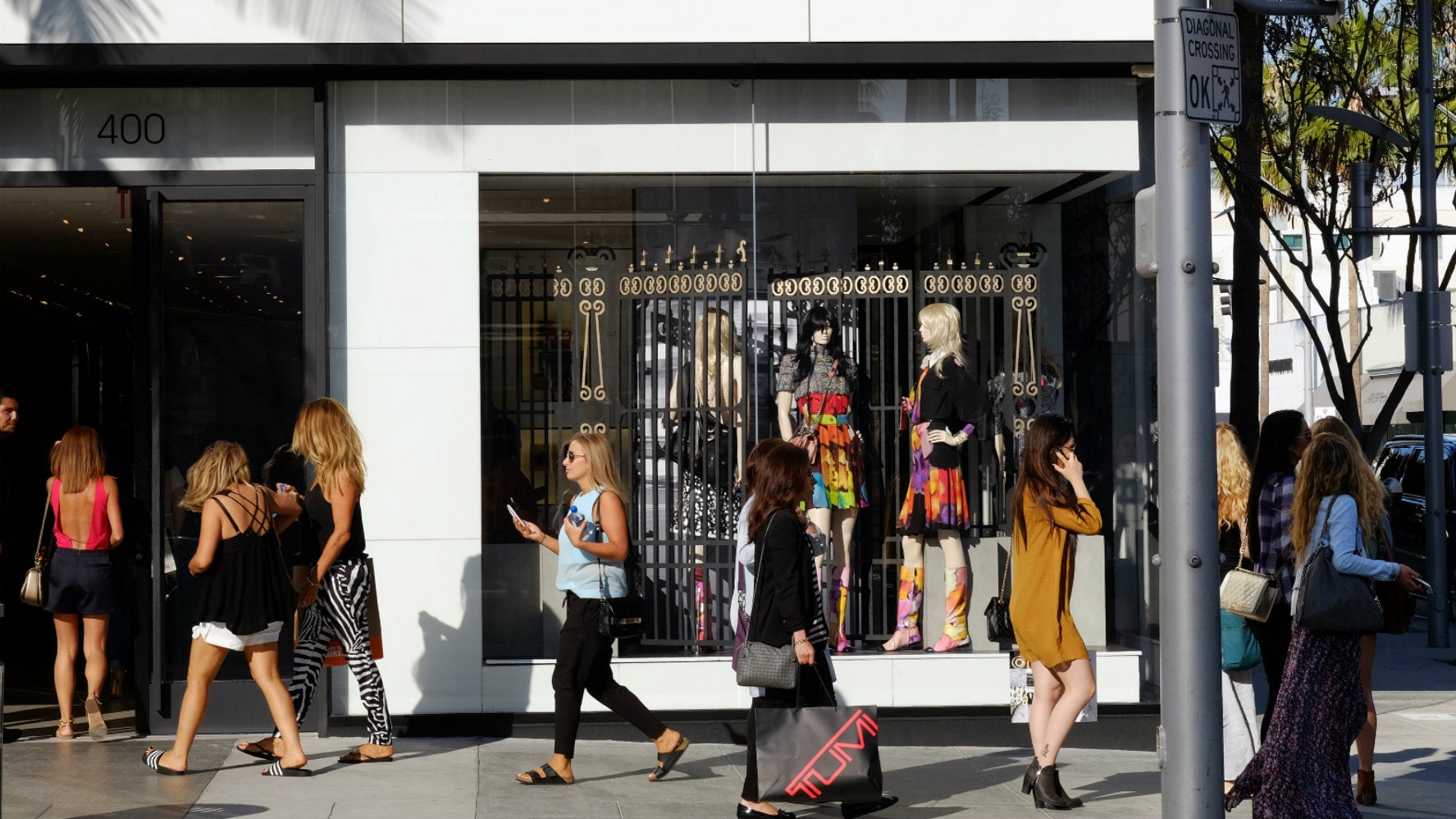
The preliminary US retail sales numbers for May (pdf) are fresh from the US Census Bureau, and they’re looking pretty good, up 1.2% from April. Year-over-year growth is climbing again, too, after several months of declines during what was a particularly harsh winter for large portions of the country.

Just days after Apple announced a streaming music service poised to take on Spotify, the latter is making clear how big a challenge that will be.

BP just dropped its latest annual look at global energy markets, and though the plunge in oil prices might seem temporary, the company thinks there are larger effects at play.
A torch was passed today, as Netflix’s stock market value surpassed Yahoo’s in intraday trading.
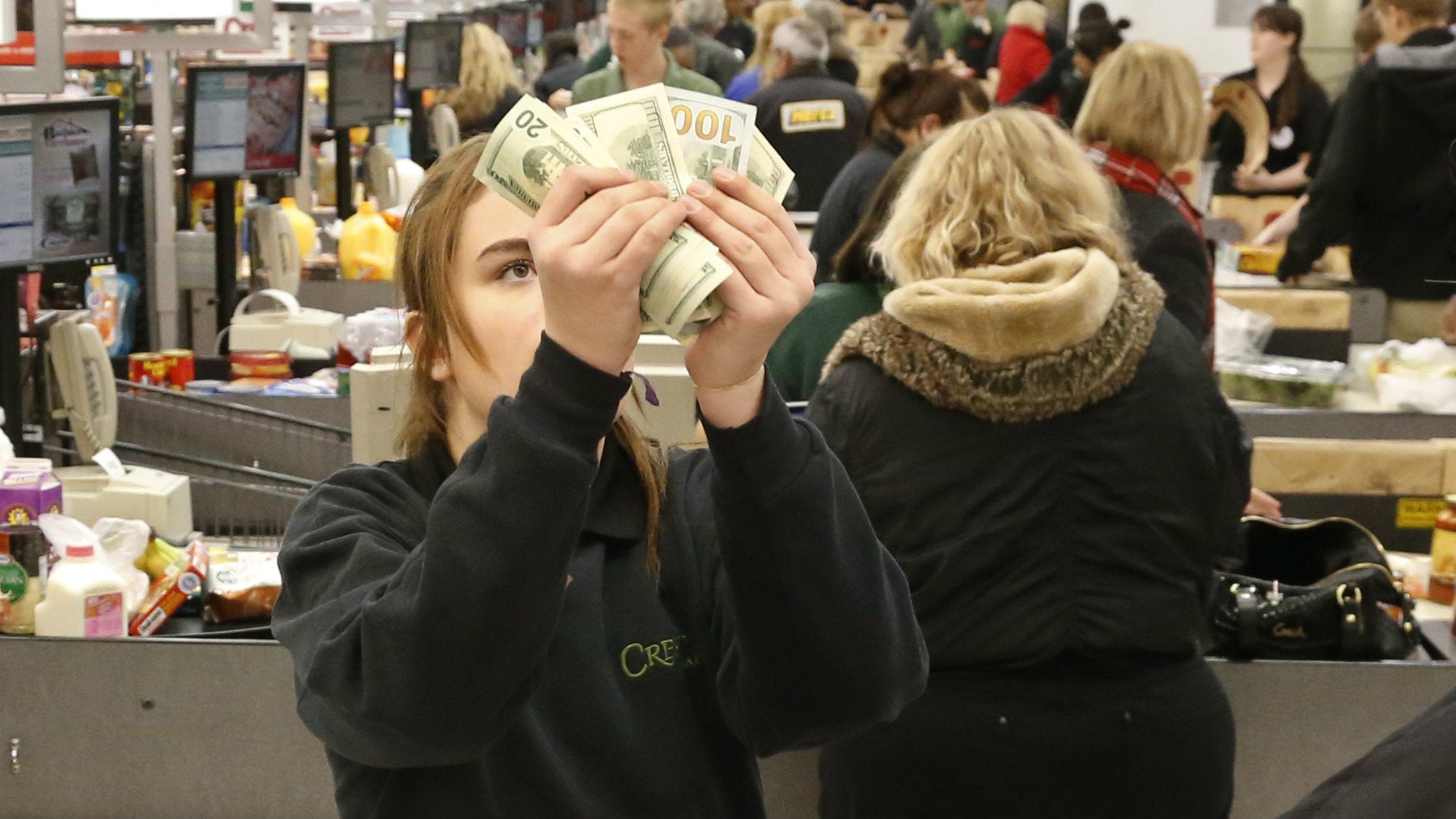
Here’s another sign that wage growth is finally coming to the US.

While everyone on the internet (Quartz included) was going on and on last week about John Paulson’s $400 million gift to Harvard University, Howard University was busy getting its bonds downgraded by Moody’s.

The last time we wrote about Chinese stocks in our Friday markets wrap-up, it looked like the end might finally have been nearing, the correction come due. Nope.

This article has been corrected.
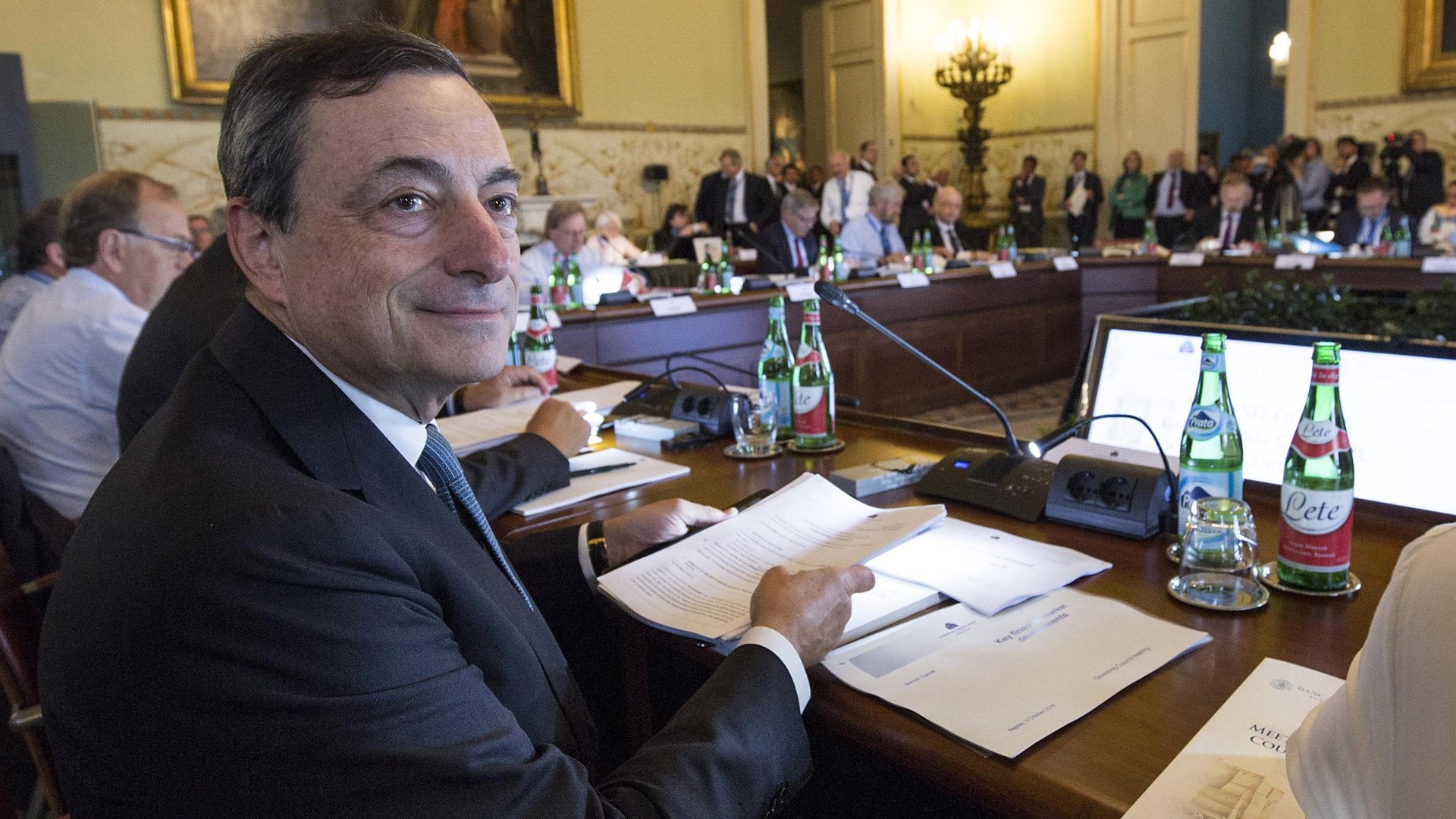
It was a big day for euro zone-watchers, with lots of data and a European Central Bank presser to boot. On the data front, we got numbers on retail sales (up 2.2% from last April) and unemployment (down to 11.1%). On the ECB front, the monetary policy committee kept short-term interest rates low (the interest rate on excess deposits will stay at -0.2%).
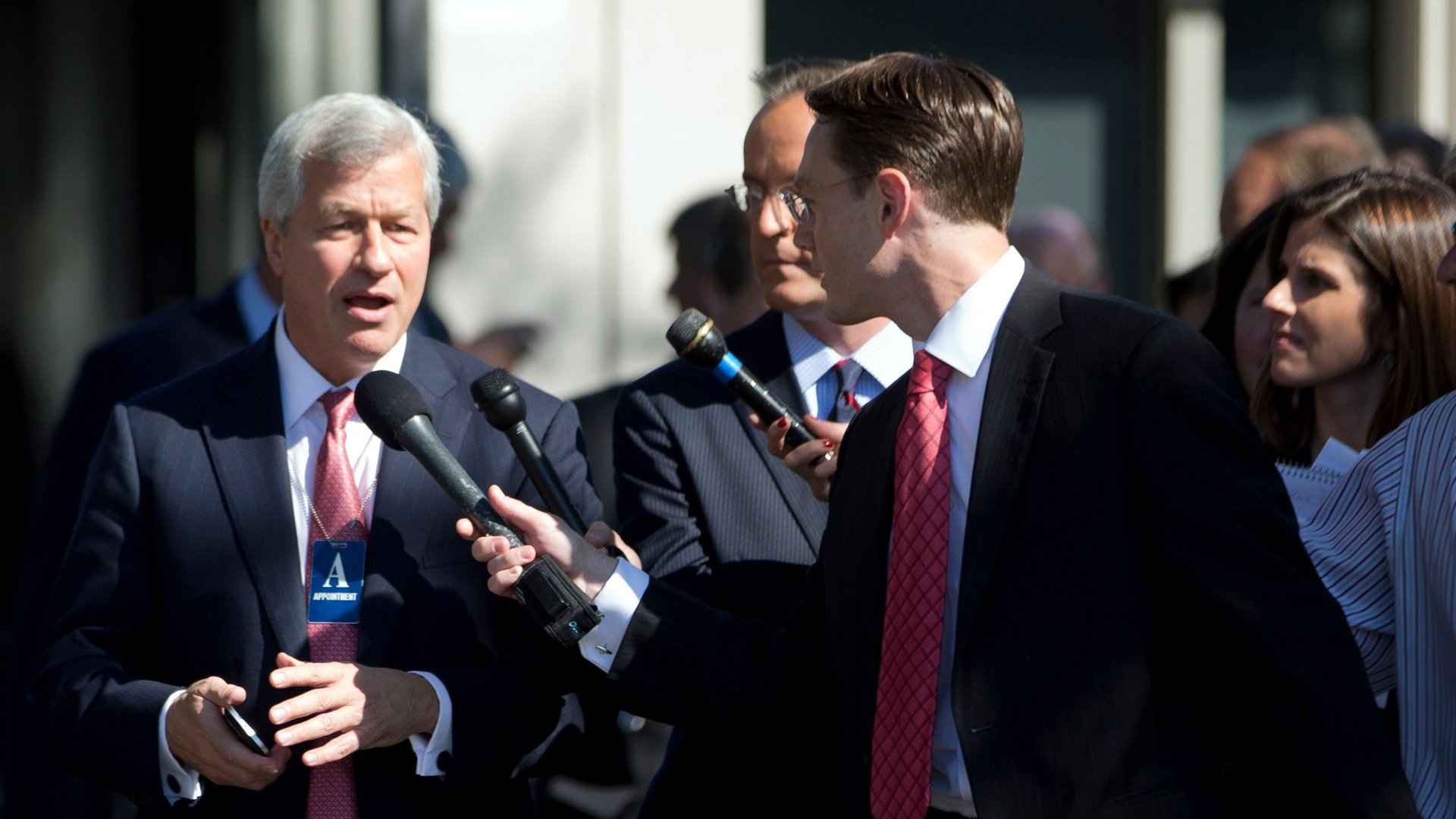
Like almost everybody else, JPMorgan Chase employees don’t want to check voicemails anymore.

Brazil released its latest measure of industrial production for April, and it’s bad—down 7.6% from the same month last year.