It’s been almost a year since oil prices came crashing down, and since analysts started saying US consumers would use the savings to boost consumption. But the forecasters got way ahead of themselves.

It’s been almost a year since oil prices came crashing down, and since analysts started saying US consumers would use the savings to boost consumption. But the forecasters got way ahead of themselves.

It’s almost Memorial Day in the US, which marks the beginning of what can be the start of a long summer lull in activity on Wall Street. (This is where the old—and iffy—adage “sell in May and go away” came from.)


Apple’s reign is over.

The Bureau of Labor Statistics looked into people who juggle multiple jobs in its April Monthly Labor Review, and it found that the practice is getting less and less popular these days.

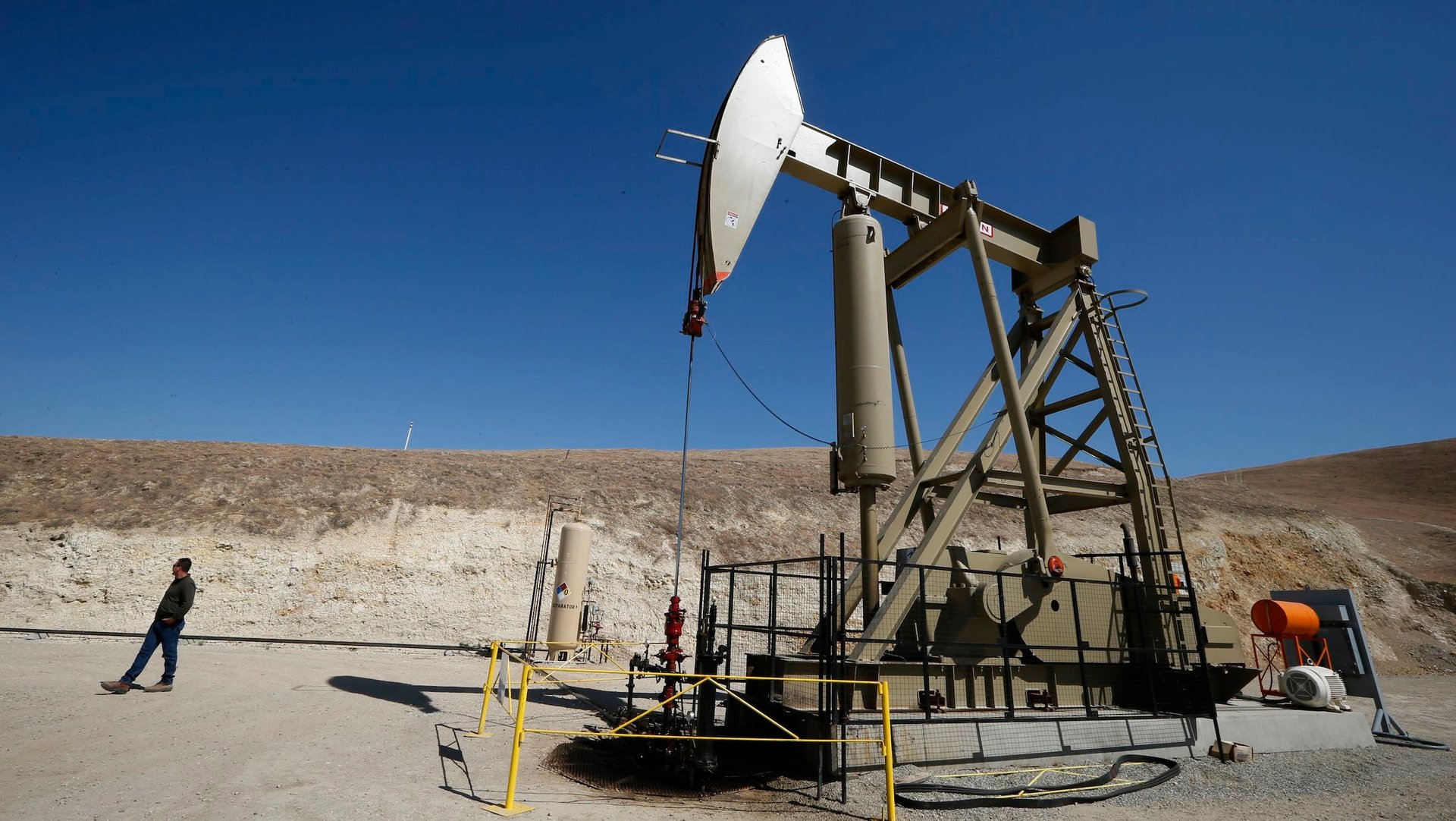
Here, a brief tour of why American crude oil stockpiles have been falling for several weeks:

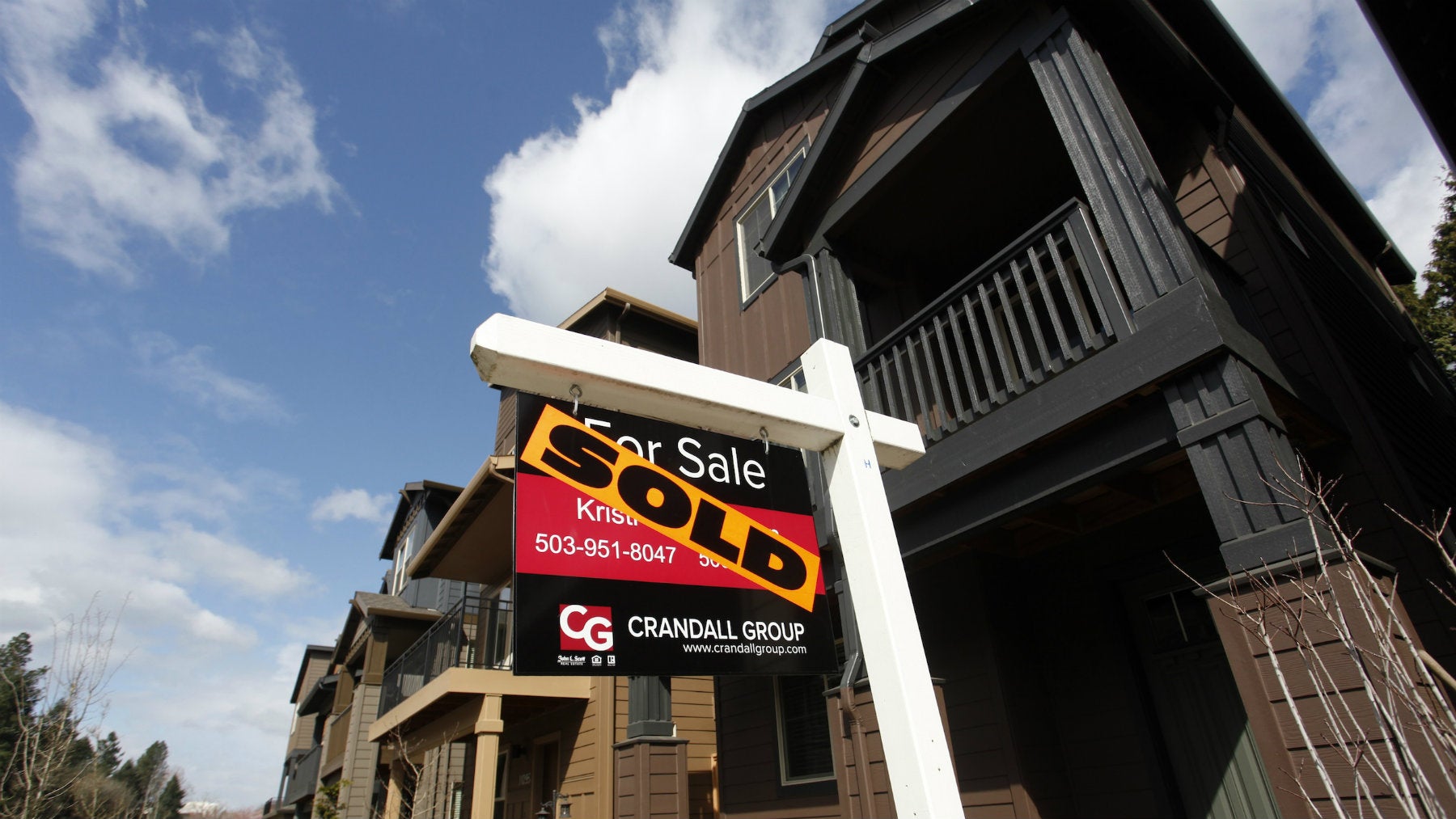
In a sign that America’s housing market is strengthening, housing starts (the number of new residential construction projects in a given month) turned around last month, and there appears to be increasing demand for some of that new inventory.

Now that the snow has melted, the real estate industry is getting back on its feet in a strong way.

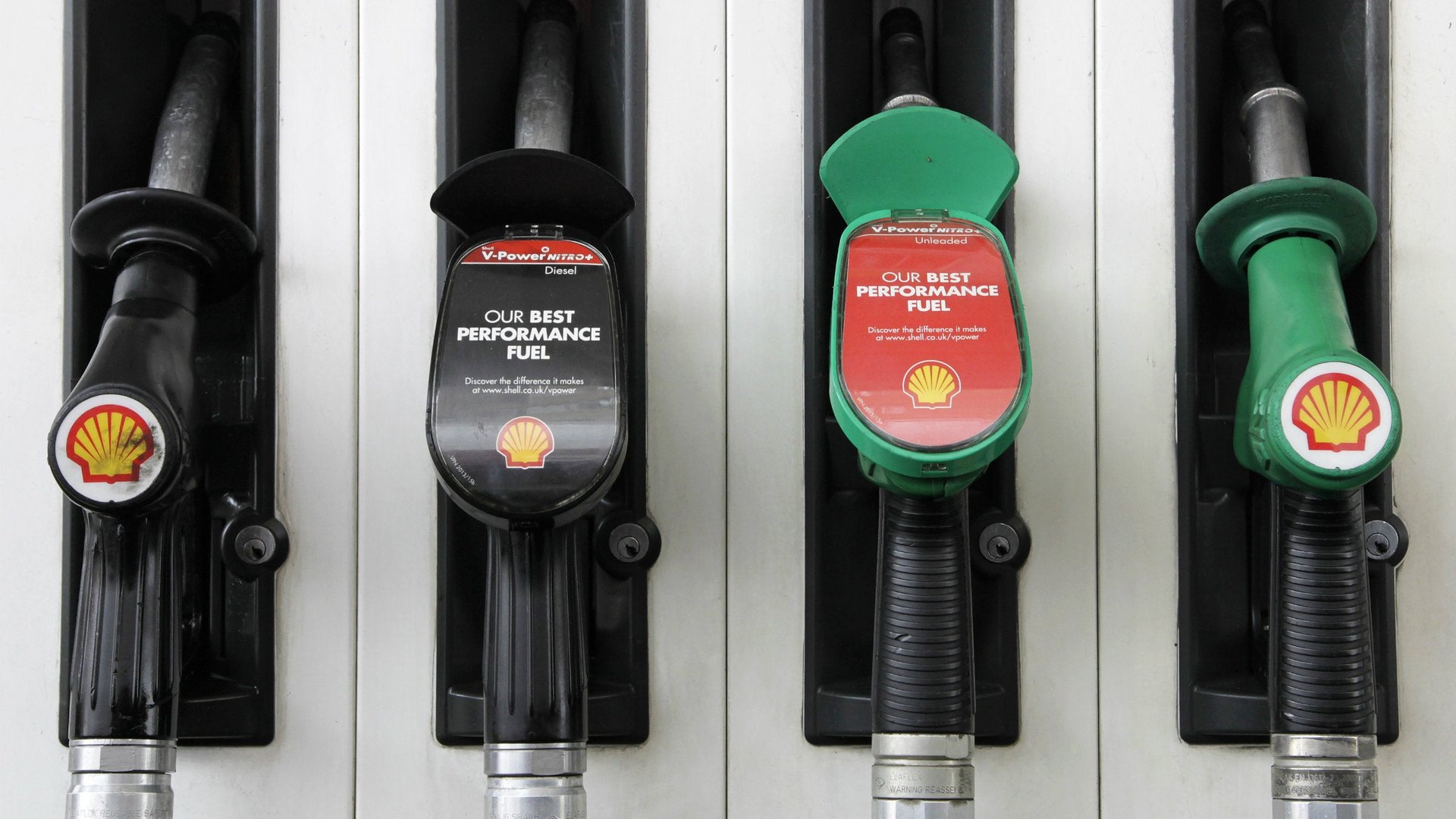
With oil prices on the rise, it looks like persistent higher gas prices might hurt bond investors both at the pump and in their portfolios.

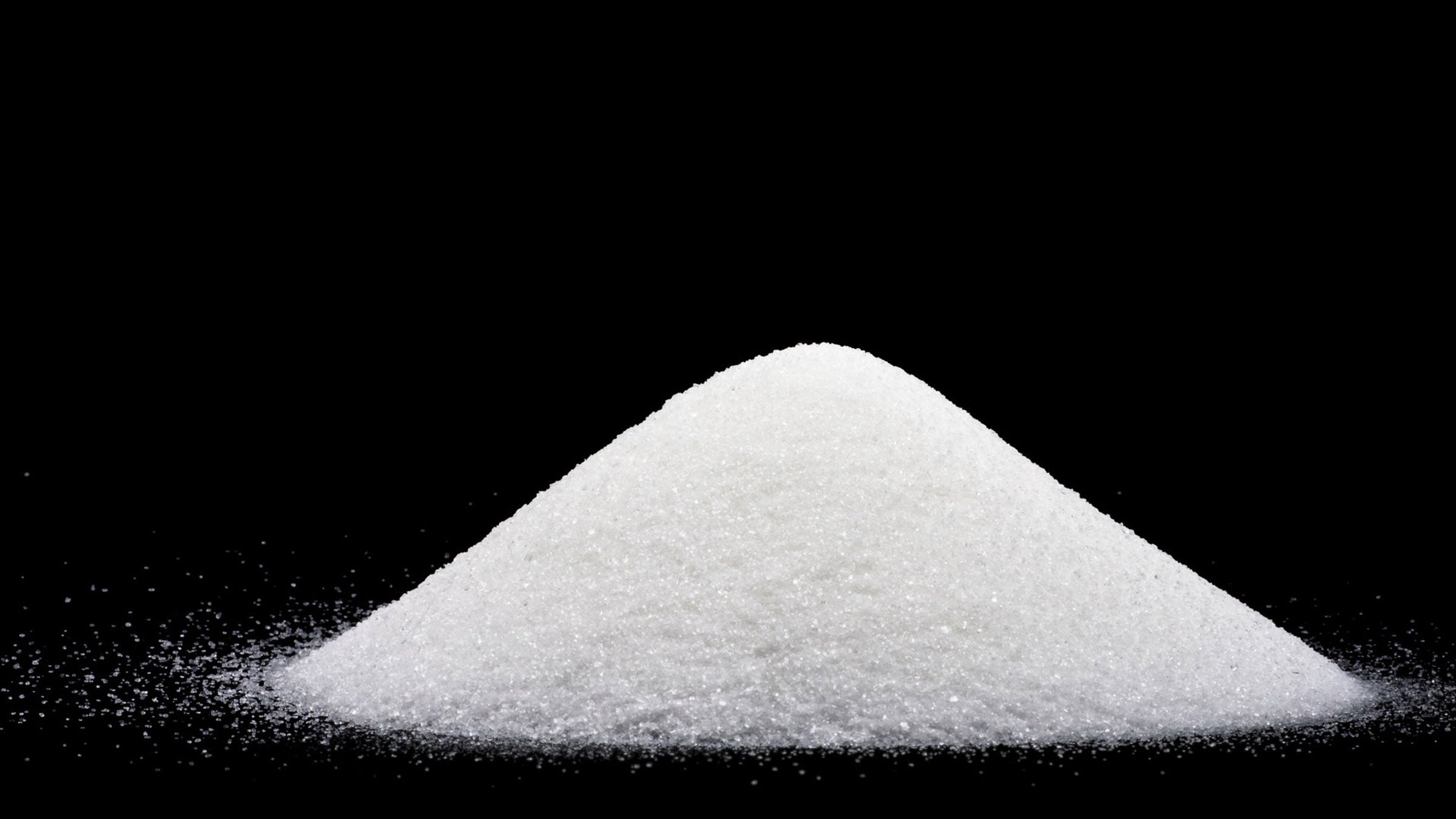
Sugar has the same problem as a lot of other commodities: oversupply from key producers and a lack of global demand.

Russia’s economic growth has been grinding to a halt in the past couple years, and last quarter it finally began to shrink. Economic sanctions from the West over its aggression in Ukraine and low oil prices put a squeeze on things, and the rapid inflation that came with the collapse of the ruble hurt growth further.


As fraught negotiations play out in Europe over a Greek bailout, the country has fallen back into recession.

Conventional wisdom about the disappointing data points coming out of the US is that a brutally cold winter in major portions of the country had been a drag on growth. But the April (i.e. early spring) retail sales numbers that came in this morning (pdf) from the Census Bureau are challenging that view a bit; they’re up only 0.9% year-over-year, and stripping out auto sales makes the number flat.

It’s a bit unclear exactly where overall wage growth is going American workers. But there is one place where it’s really jumping. Sales. Yes, sales. Sales and related occupations had year-over-year wage-and-salary growth of 6.2% in the first quarter, compared to a 2.6% rate for all workers. Stripping out the effect of incentive-based pay—many sales jobs are based on on commissions—overall US wage-and-salary growth was up an even-more-muted 2.2%, year-on-year.

Young Americans get a bad rap: they’re often considered entitled, selfish, and behind the curve academically. But apparently, one thing they have in their favor compared to other generations is they’re working. The Pew Research Center, in a report released this morning, noted that workers born after 1980 are now the largest part of the US labor force. Generation X, which Pew pegged at aged 35-50, only had a few years on top before handing over the spot they had just snatched from the Baby Boomers in 2012.

Chinese stocks have been on a tear for months. They rose in the mainland. They rose in Hong Kong. They rose in spite of—thanks to?—a huge wave of amateur investors piling into the market. They rose despite a slowing economy and mountains of debt in margin accounts and corporate balance sheets all over the country.


Everyone’s wondering when the US economy will get back to normal.

It’s time for what’s arguably the world’s premier economic update: the US jobs and employment report. Economists, policy makers, pundits—and those simple seeking a new gig or a raise—will be watching the April update for signs that the US has shrugged off an ugly first quarter. We’ll scour the data for the most insightful trends and blast out charts that tell the tale early and often.

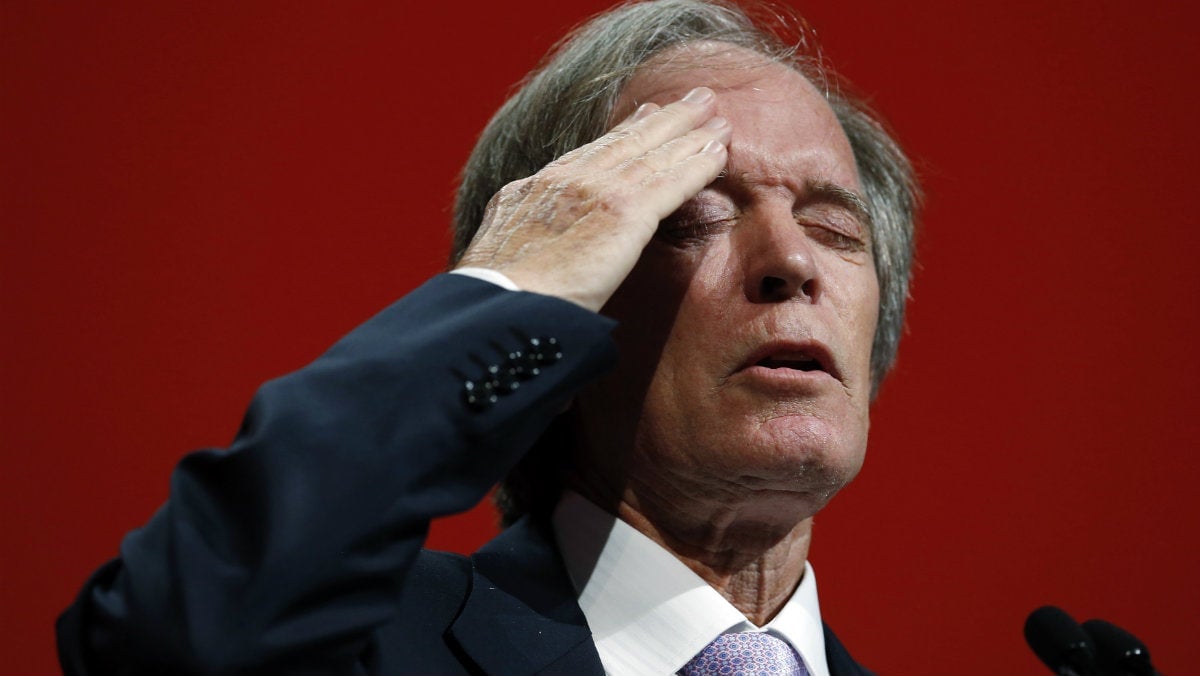
Investing legends Bill Gross and Jeffrey Gundlach have called the German 10-year bond (known as a “bund”) the “short of the century” (paywall) after it soared to record low yields (and high prices) per bond—and now their bets against it have been proved right. The yield on the 10-year is up to 0.59%, after reaching a low of 0.05% just a couple weeks ago.

Arguably the biggest story in finance in late 2014 and early 2015 was the huge drop in oil prices, which drove inflation into the ground, led to layoffs the world over, and screwed up currencies from the Russian ruble to the Nigerian naira. But since March, crude has been on a rebound.

There are fresh indications American pay packets are getting a boost.

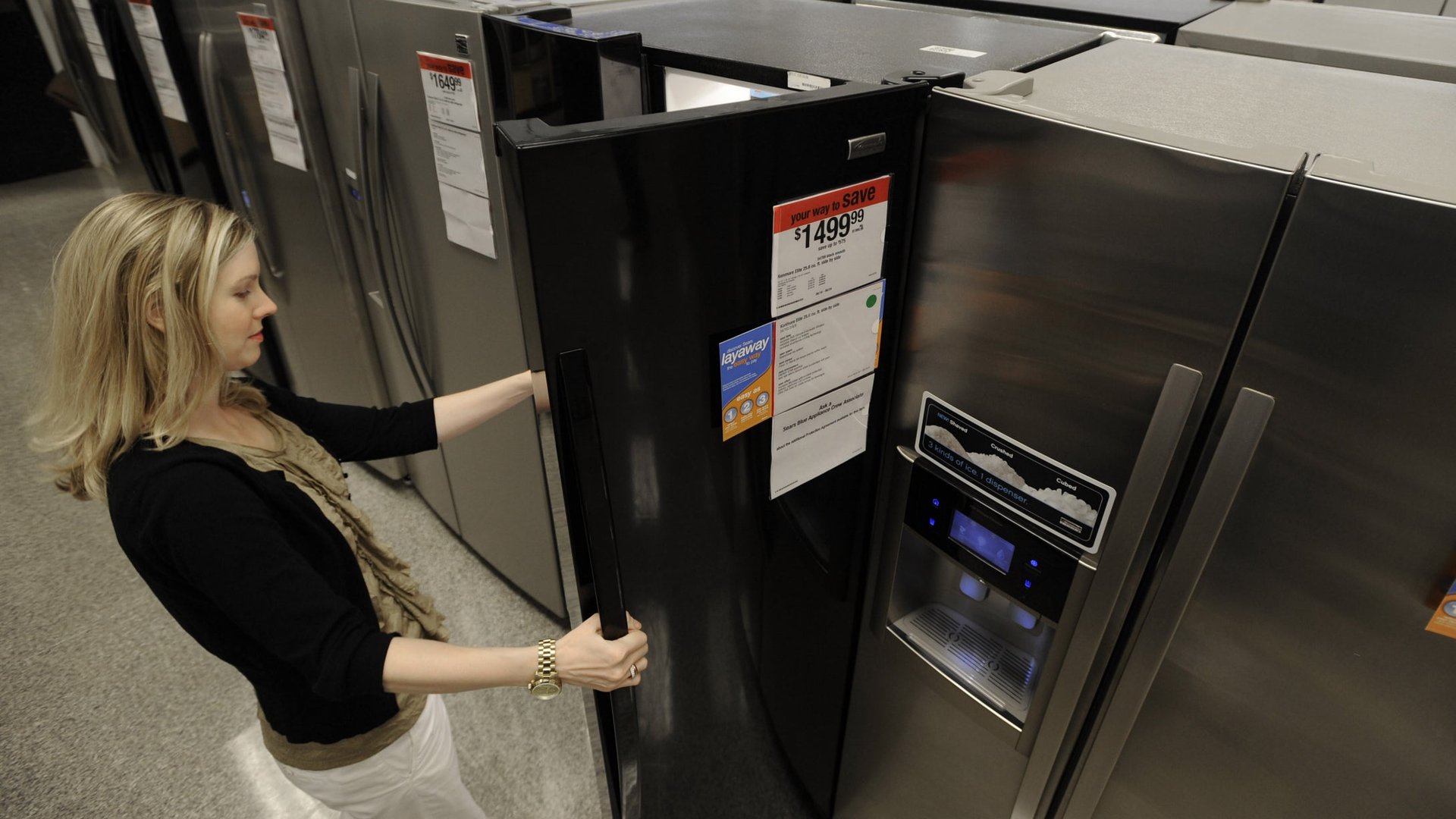
Americans are buying in bulk again.