
Tech & Innovation
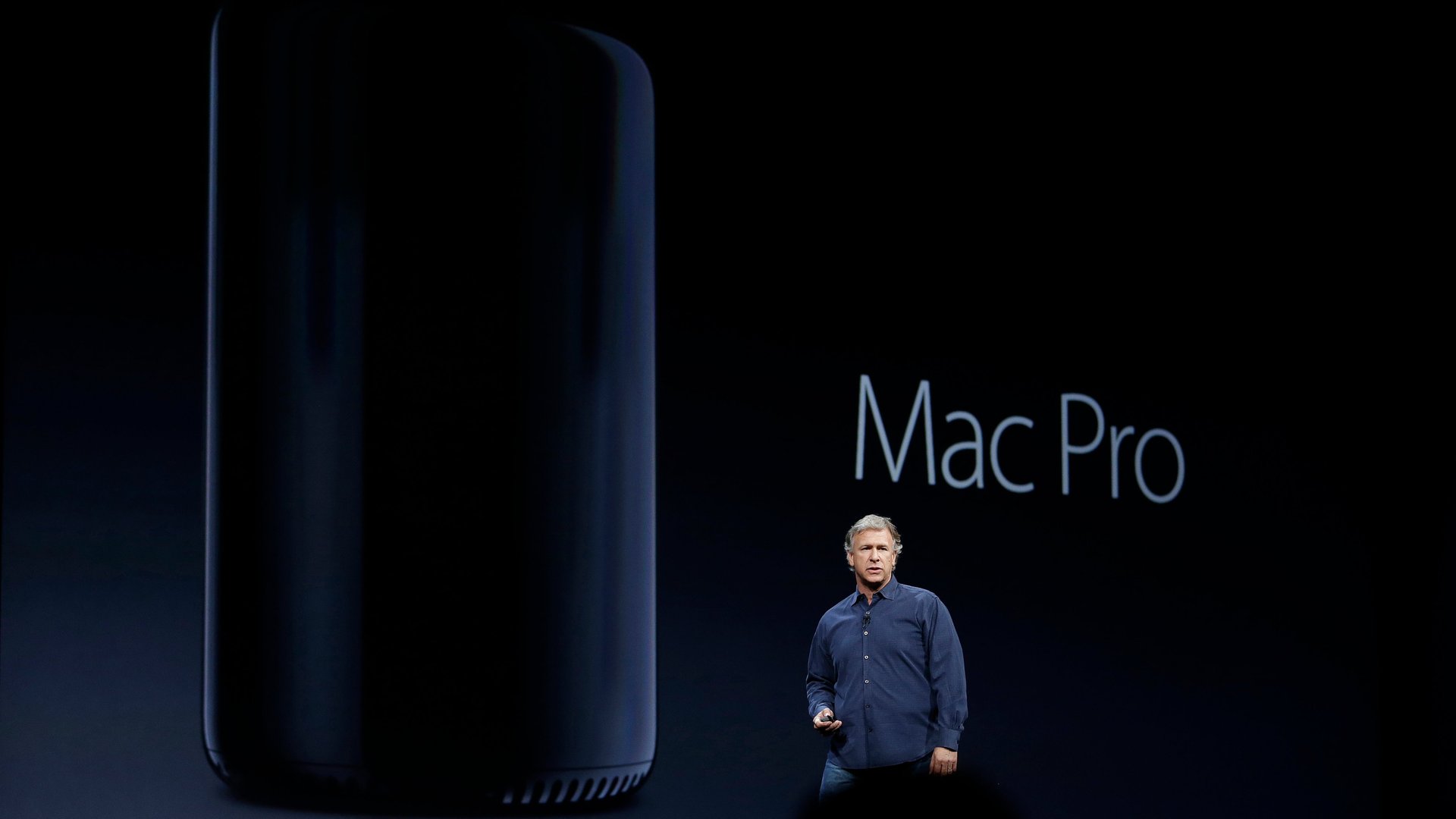
Apple’s answer to Amazon Echo and Google Home might be on its way“Hey Siri. Hey Siri. HEY SIRI. HEY SIRI. What’s the weather—”
Updated July 20, 20222 min read
“Hey Siri. Hey Siri. HEY SIRI. HEY SIRI. What’s the weather—”

Last quarter, Apple sold more iPhones than it had ever sold before, and brought in more revenue than it had in any quarter in its 41-year history. What does it have in store this time around?

From oil to gadgets, pharma to food, a huge range of companies reported their latest quarterly earnings today.
Alphabet, and Google before it, has made a habit of making the impressive look mundane.
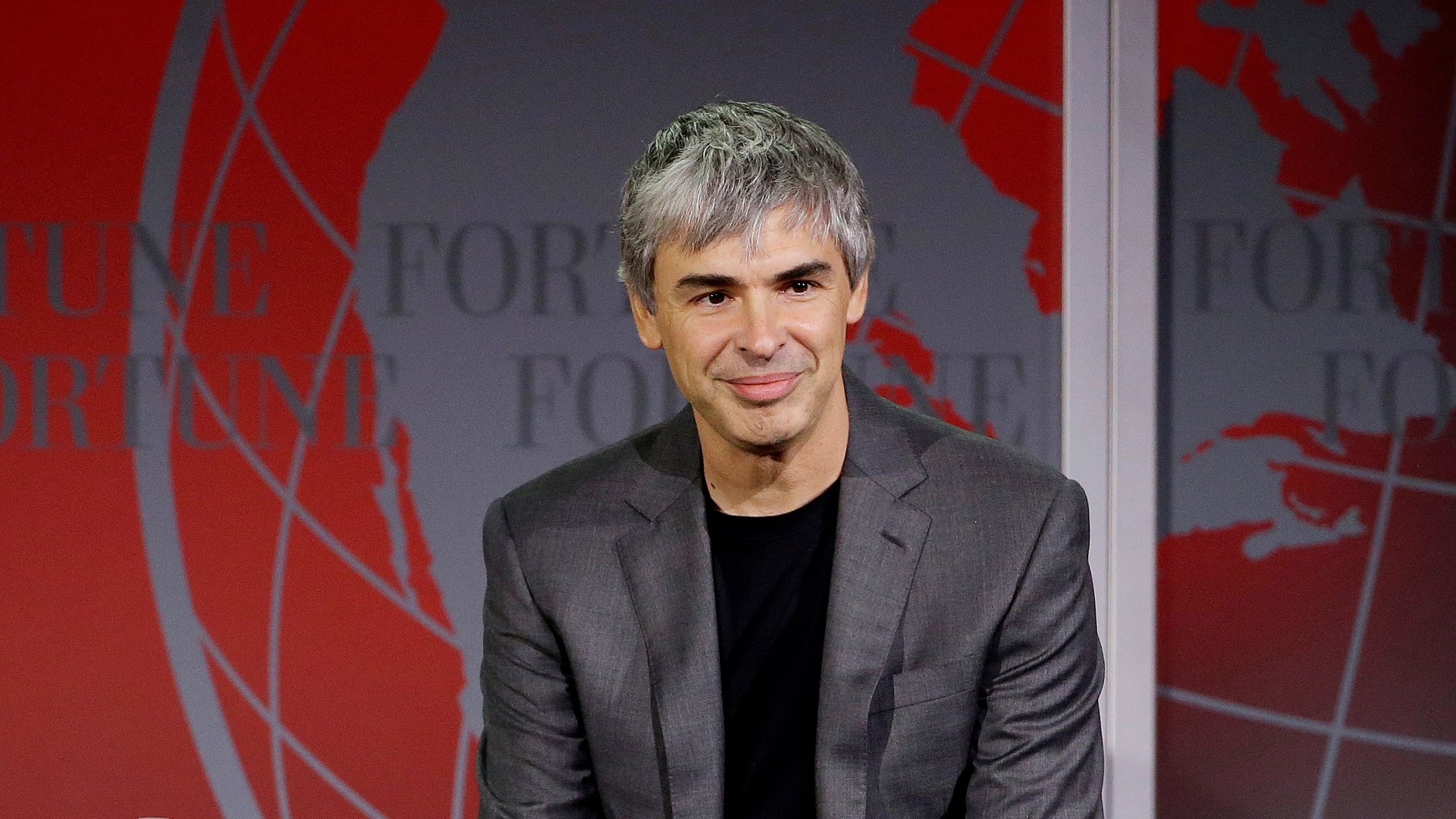
Alphabet, Google’s parent company, will be publishing its 2017 first-quarter earnings later today (April 27), and ahead of the report, co-founder and CEO Larry Page has penned a letter to the company’s investors. He, or his co-founder Sergey Brin, has written investors a letter every year since the company went public in 2004. This year’s version highlights the myriad new businesses that have spun out of Google entities since Alphabet’s creation.
Later today, Alphabet will report its first-quarter earnings, and there’s one number in particular that investors should focus on for a glimpse of the company’s near-term future. It’s not Google’s advertising business (likely as strong as ever), nor will it be one of its ”moonshot” ideas. It will be the revenue from the company’s burgeoning cloud services business.
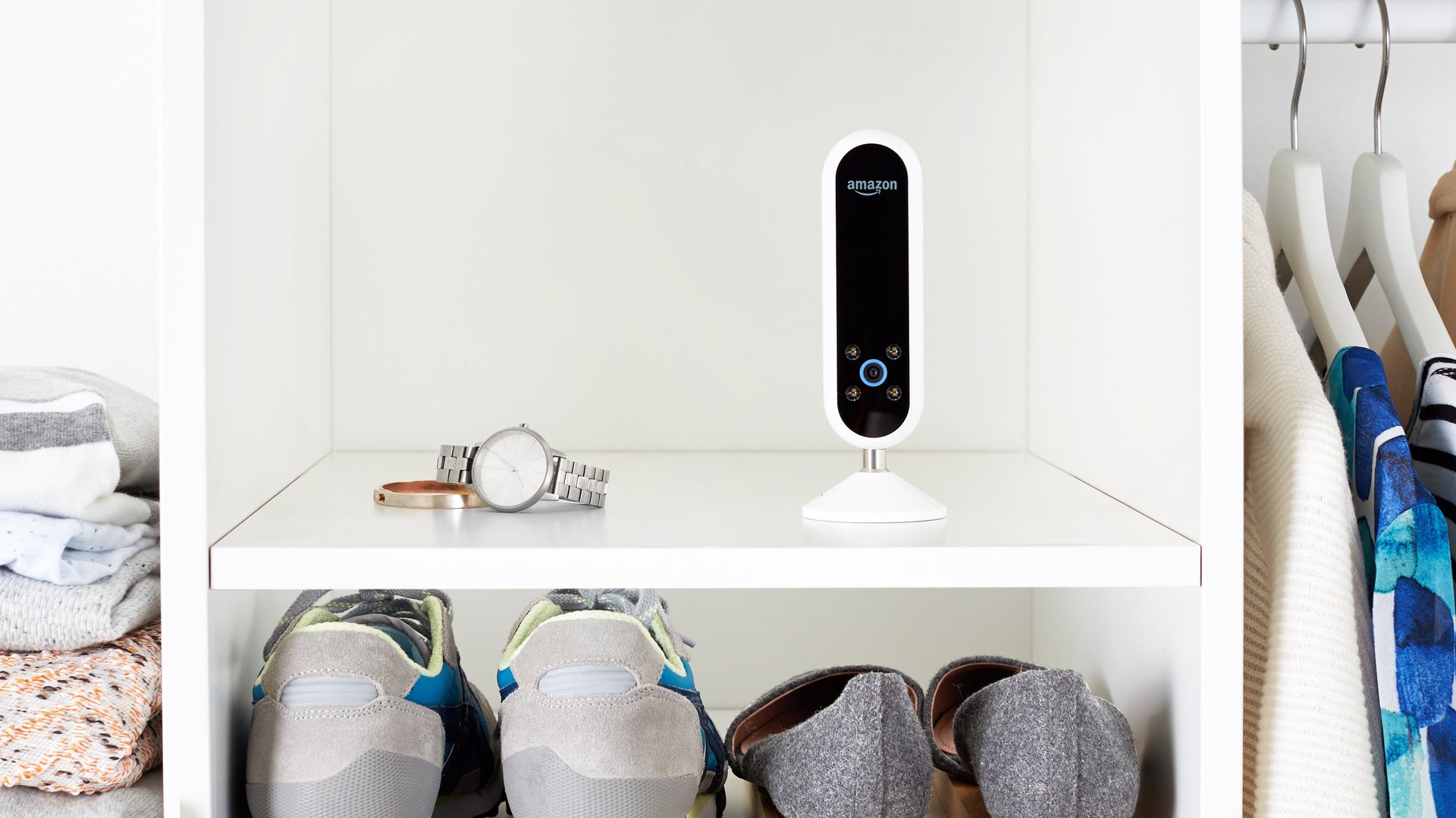
If a computer tells you with 64% certainty that what you’re wearing isn’t your best, would you change? Would you maybe even buy new clothes?

If you’ve just gotten out of school for the day and want to hang out with your friends before you head home, where would you go? In the US, there’s a near-infinite selection of chain restaurants, coffee shops, diners, bookstores, movie theaters, and comic book stores to choose from. But Angela Ahrendts, Apple’s head of retail, wants the answer to be an Apple store.

It’s been two years to the day since Apple CEO Tim Cook introduced the Apple Watch, the company’s first new product line under his leadership, but revenue figures suggest consumers still aren’t sold.

Amazon is exploring what role autonomous-vehicle technology could have in its business, the Wall Street Journal reported today (paywall). The research is still in an early, exploratory phase, the Journal said, but hints at a larger plan of Amazon and its CEO Jeff Bezos: to own the delivery and logistics chain for its packages, and make it as efficient as possible.

Steelcase, one of the largest office furniture firms in the world, has partnered with MIT to create a new form of 3D printing that it believes could potentially change the way that furniture is designed and created.
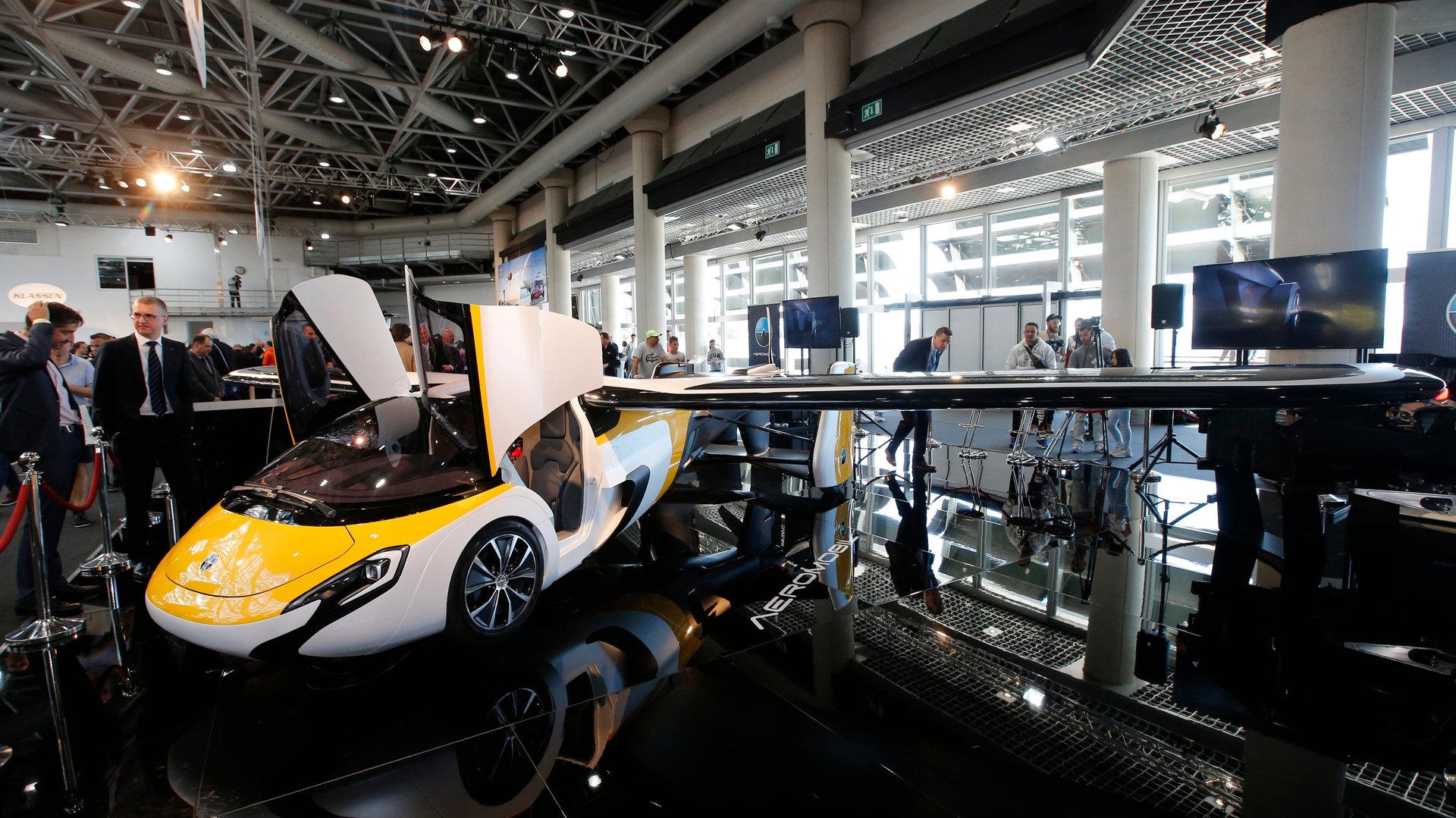
One of the few things that Peter Thiel has said in recent years that pretty much everyone can agree upon was about the current state of innovation: “We wanted flying cars, instead we got 140 characters.”
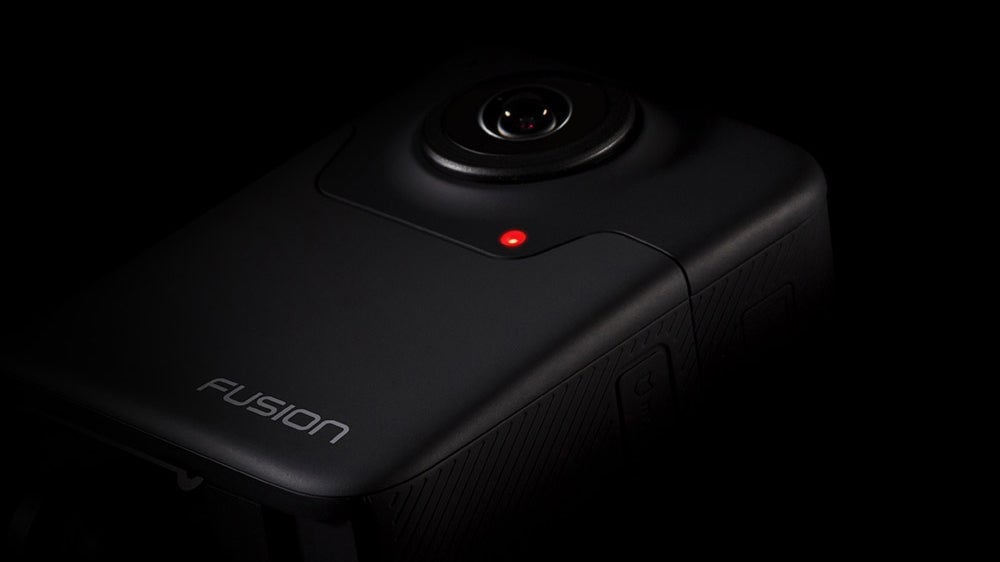
The Fusion, the new high-definition, 360-degree video camera that GoPro announced today, could be exactly what the company needs. It’s been struggling for profitability, laying off large swathes of its workforce, and trying to figure out how to diversify beyond the tiny action cameras that it’s known for. The problem with today’s announcement is, you can’t buy a Fusion now, and it’s not clear when you’ll be able to.

Facebook is on a quest to bring the internet to the half of the world that doesn’t have it yet—presumably so that it can sign them all up for Facebook.
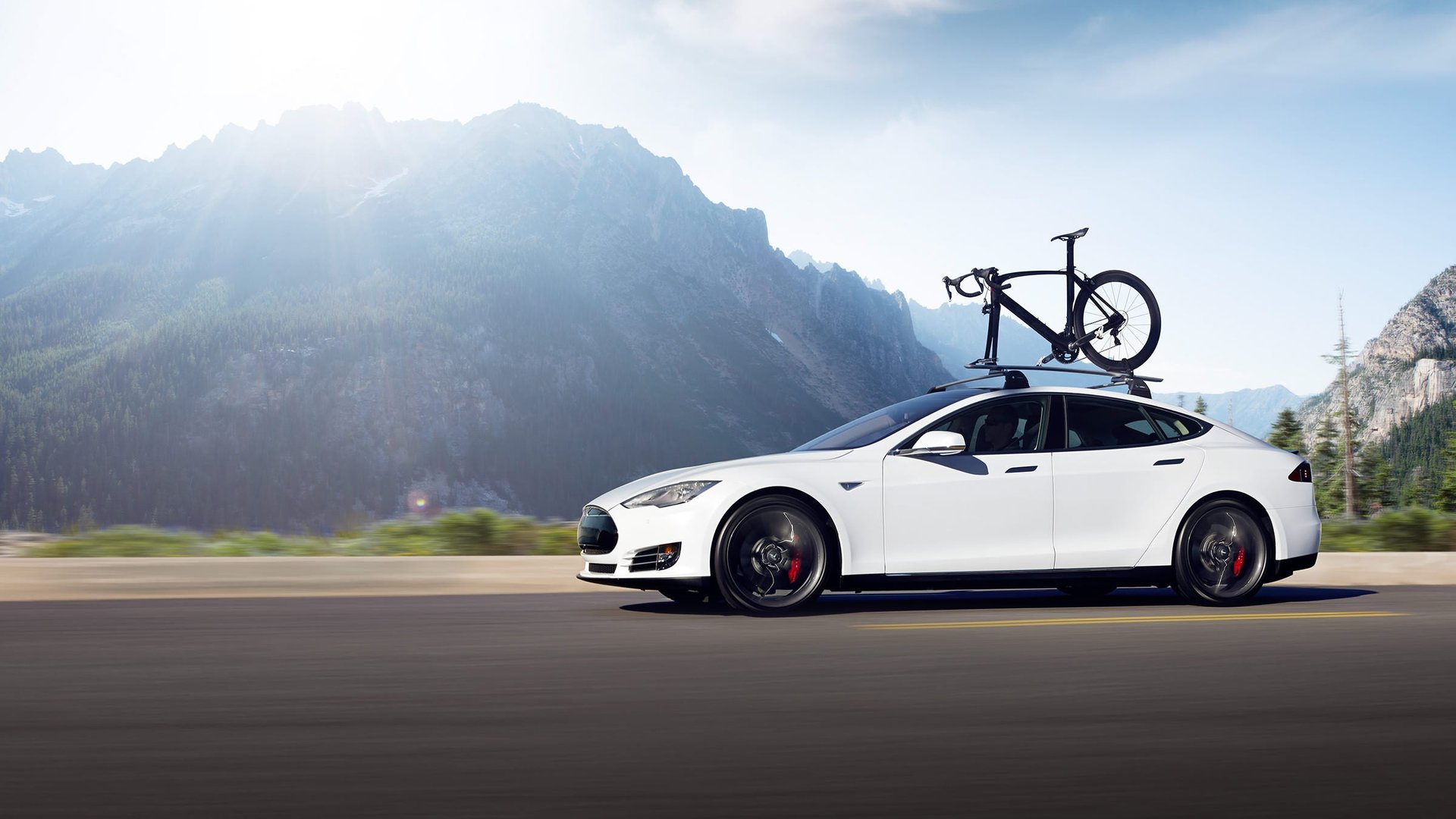
In the near future, when you see a car out on the road—perhaps driving a little slower than you’d like—it’ll be pretty difficult to tell whether a human or a robot is driving it.

You’re sitting in your aging, prewar apartment. The floors are creaking, the lights are off and the heating is turned down to save electricity. Most of your furniture was sold over the last year to pay your electric bill and to buy a new computer to run the Oculus Rift 3. You haven’t been outside since January, and you can’t remember the last time you showered, but no one has seen you in weeks, unless you count the operator at the end of that delivery drone that flies up to your window three times a day. Your eyes are bloodshot, your hair is patchy, and your skin is paler than it’s ever been. But none of your friends or coworkers see that. They see you, fresh-faced, clean-shaven, with a massive smile on your face as you log into Facebook Spaces and Facebook Spaces For Work every day. You speak up in meetings, making good points and impressing your boss. You post screenshots of your virtual dance parties you host online with your friends’ avatars to your Facebook wall. Your WhatsApp stories are full of 360-degree videos of vacations you didn’t have to leave your room to take. You have thousands of followers on Instagram and often hang out online with fans. The faucet is dripping somewhere in the background. You turn up Spotify at your virtual hangout. A fuse blows on your fridge, which you haven’t opened in weeks. You don’t notice.

Facebook’s annual developer conference, F8, kicks off in San Jose, California, today. The two-day event is filled with talks and workings sessions to help developers, advertisers, and publishers use Facebook more effectively and build its future. It needs the help: Facebook’s vision for its future in recent months has looked a lot like a patchwork quilt of ideas lifted from other software companies. One of the companies that Facebook has leaned most heavily on for ideas is Snapchat. The company has incorporated ”stories”—the ability to post public photos or short videos that disappear after a day, just as they do on Snapchat—into just about every single one of its products.
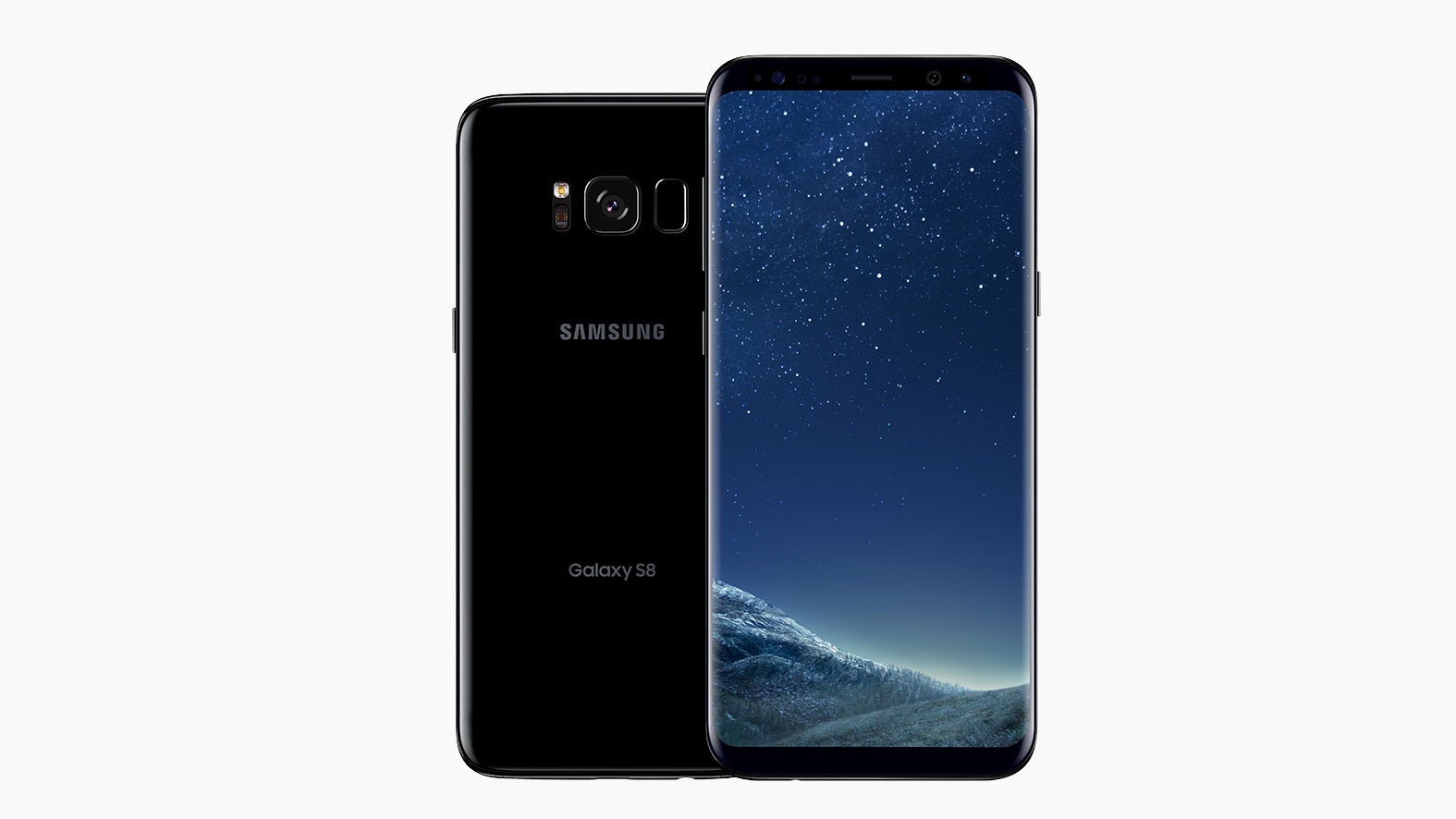
Last summer, Samsung released a really excellent phablet. I said it was the best large phone on the market, and recommended it to anyone looking for a bigger smartphone. It was a great device that could likely have tipped the high-end smartphone wars in Samsung’s favor over Apple, which has fallen into a rut in recent years. But then it started blowing up.

Last year was supposed to be the year of virtual reality.

Warning: This article contains spoilers for The Force Awakens, and hopefully, The Last Jedi.

Apple may soon join the ranks of Silicon Valley and Detroit companies testing self-driving cars on the streets of northern California.

Apple has often been known to corner the market for certain parts it needs to bring its latest creations to market. And in its push to become known as one of the greenest companies in the world, it seems that’s also the case when it’s dealing with foliage.
It might not be long until Snapchat’s business model fades as its messages do.
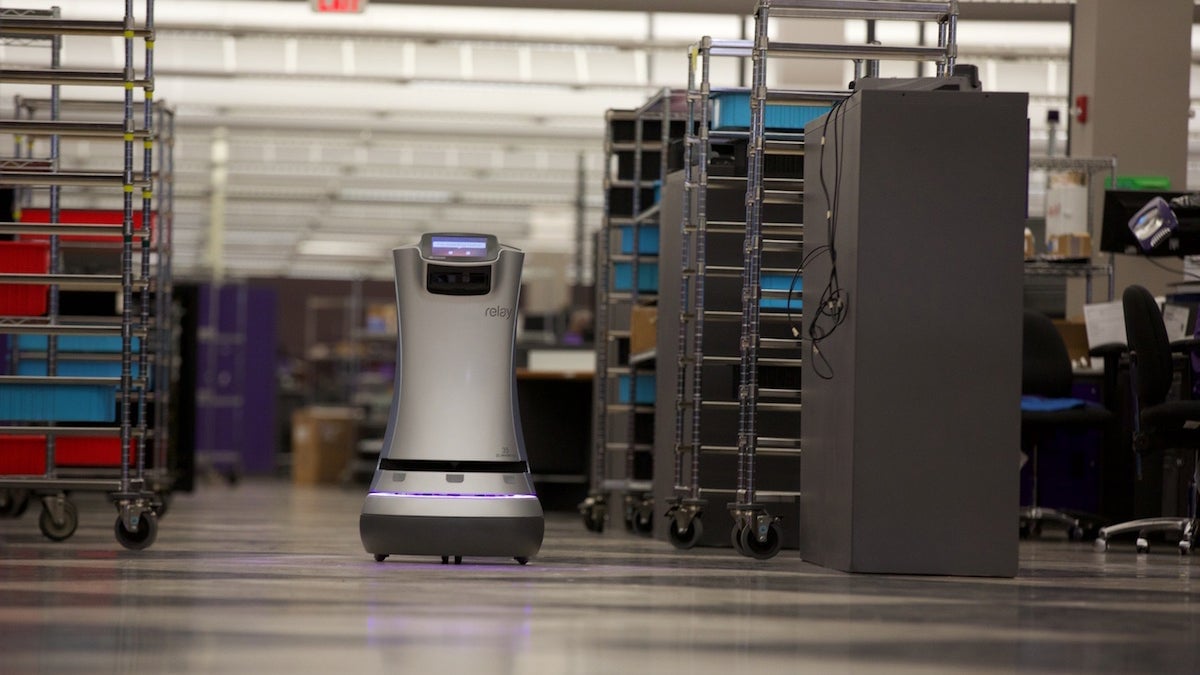
Over the last year, FedEx has been working with Savioke, a Silicon Valley company that makes autonomous indoor delivery robots, to develop a robot delivery system for its repair facility in Collierville, Tennessee. The bots are used by workers to move items around the office, cutting down on wasted time, and storage space, as workers no longer have to spend time walking around picking up and dropping off items, or need a mailroom clerk to do it for them.