
Tech & Innovation
The Russian internet security firm Kaspersky is accused of sabotaging its rivalsThis post has been updated with a comment from Kaspersky.
Updated July 21, 20223 min read
This post has been updated with a comment from Kaspersky.
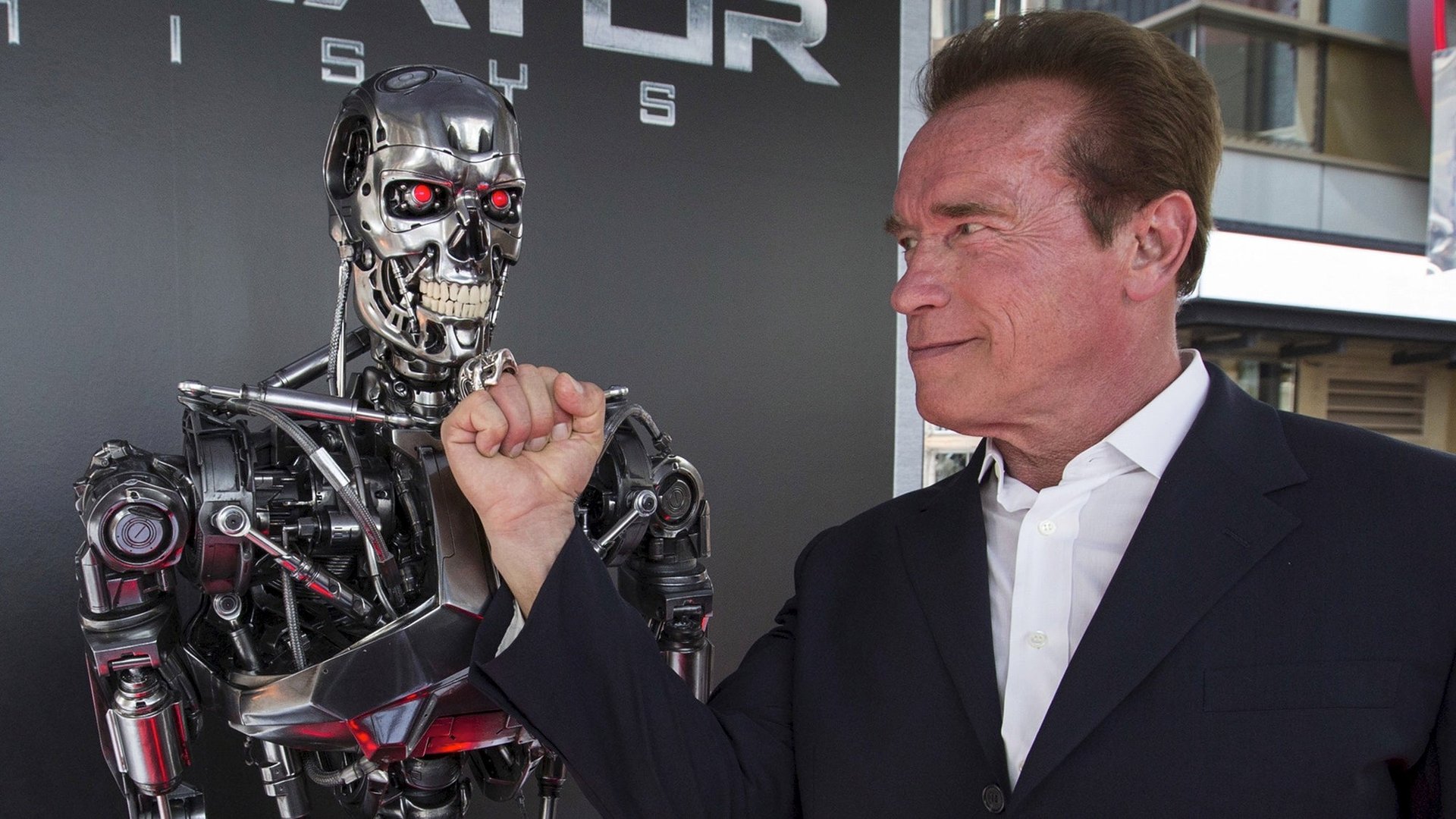
In just about every dystopian film where robots have taken over, they’ve gotten to their dominance over humanity by being able to self-replicate and get better with each new model. Once they’ve become self-aware, they use their superior machine intelligence to make, faster, better, stronger versions of themselves. Scientists at the University of Cambridge have seemingly doomed us to this fate: They’ve designed a robot that builds baby robots, and uses natural selection to determine which one is best to make more of.
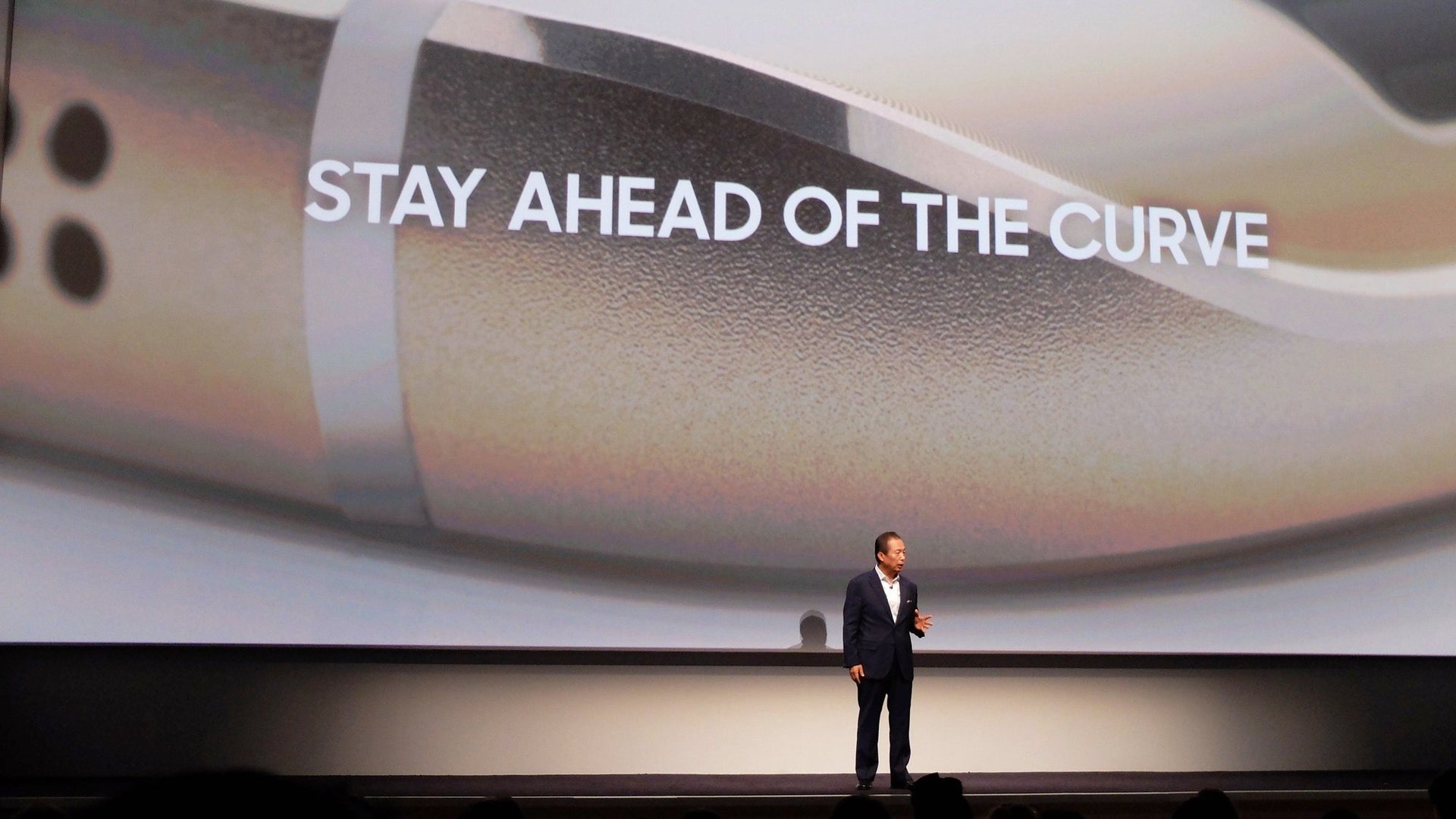
It’s 2015. What do you feel you’re missing most when you’re out and about on your smartphone? Is it your old BlackBerry’s physical keyboard? Your Palm Pilot’s stylus? A screen the size of your laptop? If you’ve been pining for a way to combine the greatest technology accessories of the last 15 years into one device, you’re in luck. Samsung’s new Galaxy Note 5, announced today (August 13) at an event in New York, might be the phone for you.
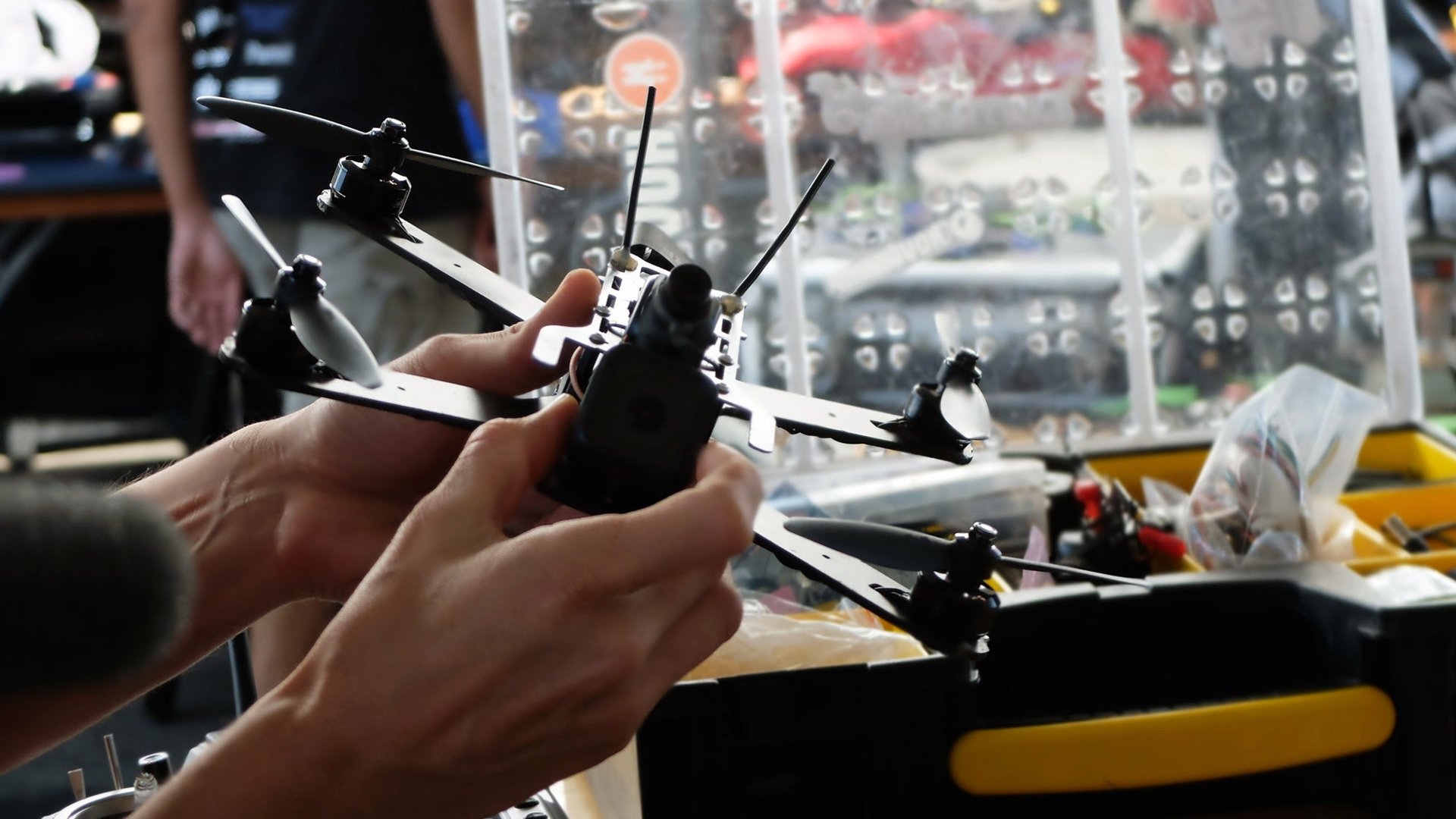
Drone racing might be getting ready for prime time. Real estate developer and Miami Dolphins owner Stephen Ross has invested $1 million into the Drone Racing League (DRL), a New York startup looking to bring live drone racing to the public, the Wall Street Journal (paywall) reported today.

This post has been corrected.
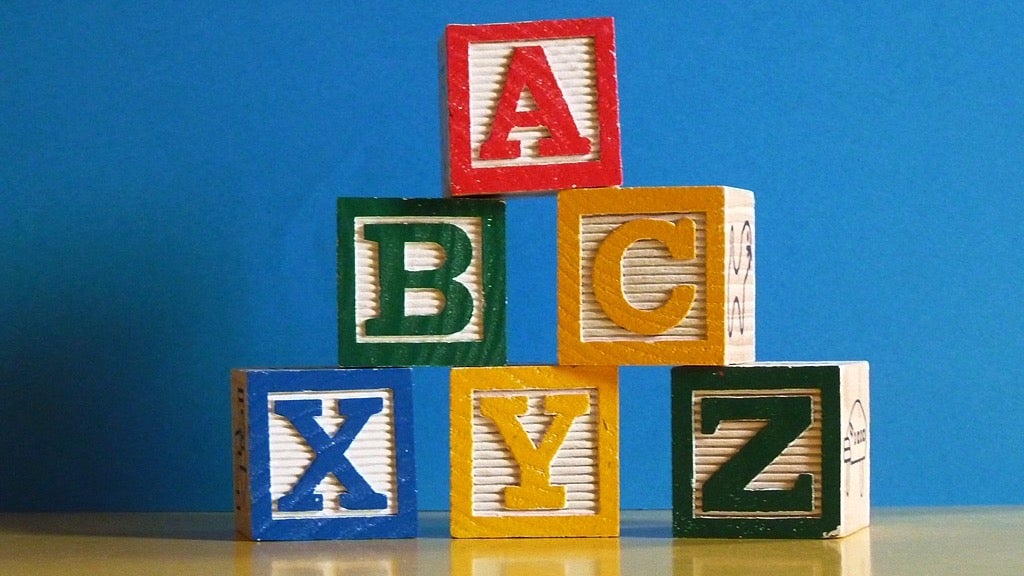
Google has announced that it will be folding itself into a larger company, called Alphabet. The new “slimmed down” Google, as current CEO Larry Page put it, will now be run by Sundar Pichai, hitherto the company’s product chief. Pichai will manage Google’s core businesses—like search and advertising. Alphabet will essentially be a holding company for Google, as well as all the projects, crazy ideas, capital investments, and subsidiaries that Google has acquired over the years. Page will stay on as the CEO of Alphabet, and Google co-founder Sergey Brin will be its president.
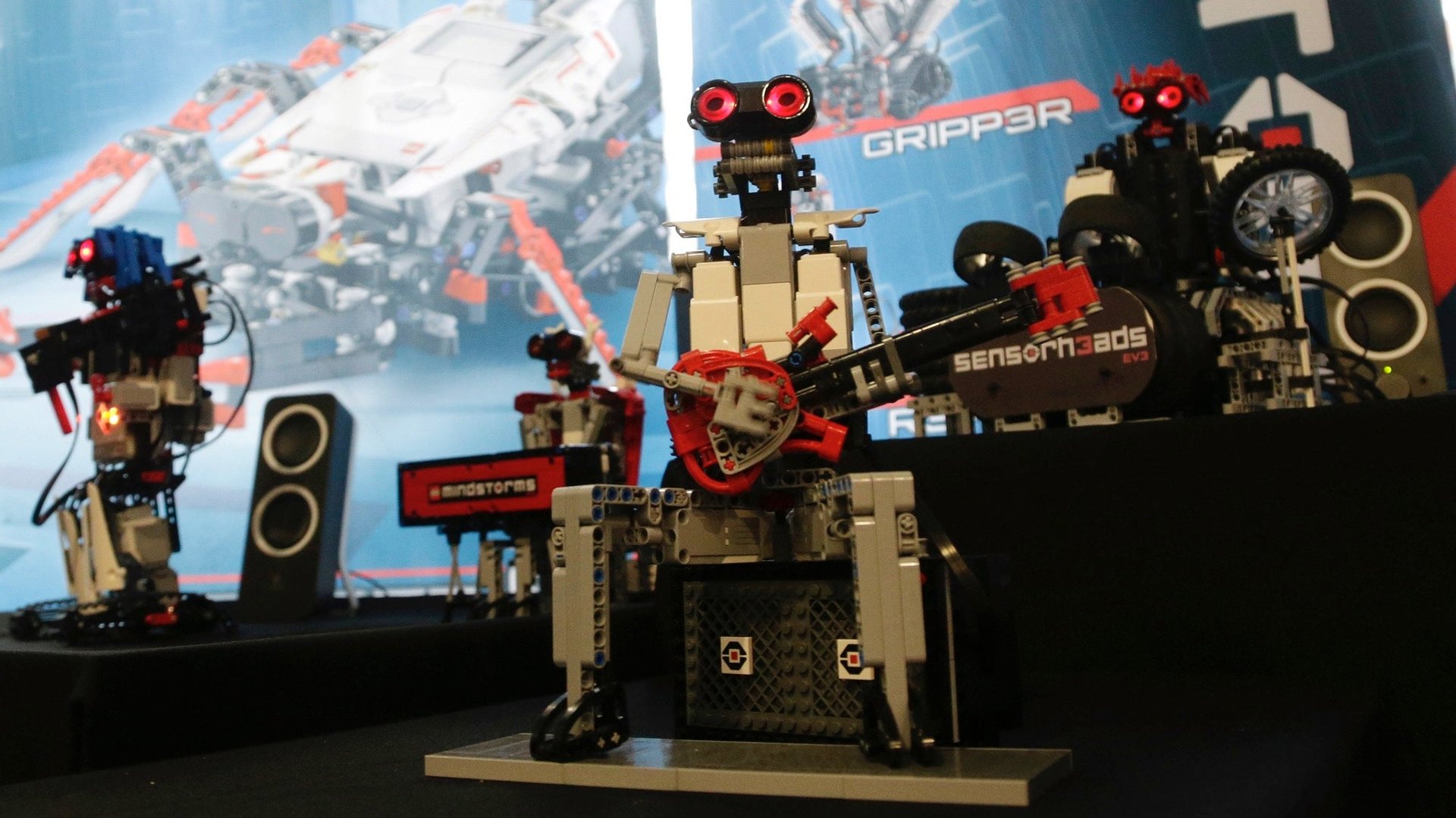
As the band gets into their groove, the guitarist gets ready to rip a solo he’s practiced for endless hours. The crowd knows he’ll pull it off perfectly. That’s because he’s a robot; it’s always perfect.
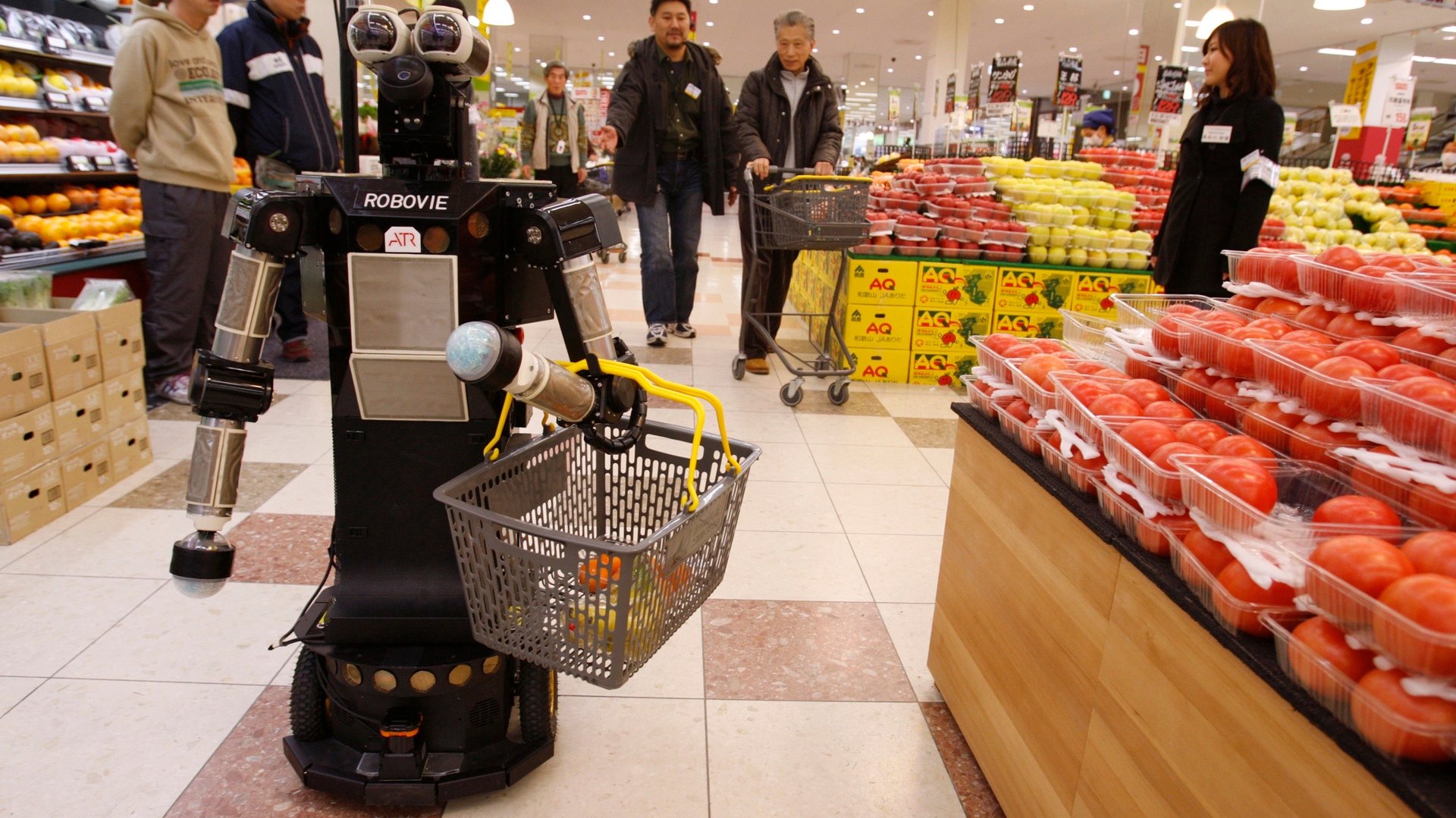
What drives someone to attack a robot? Is it a fear of the potential robot uprising? Is it sport? Perhaps it’s a general lack of brotherly love? Whatever the reason, scientists in Japan are teaching robots how to avoid human bullying.

Segways are terrible—and not as easy to ride as you think—but they may have been the Apple Newton to the eventual iPad of personal transporters. A new tranche of compact devices cut out the tiresome daily activity of having to walk small distances.

Good morning, Quartz readers!
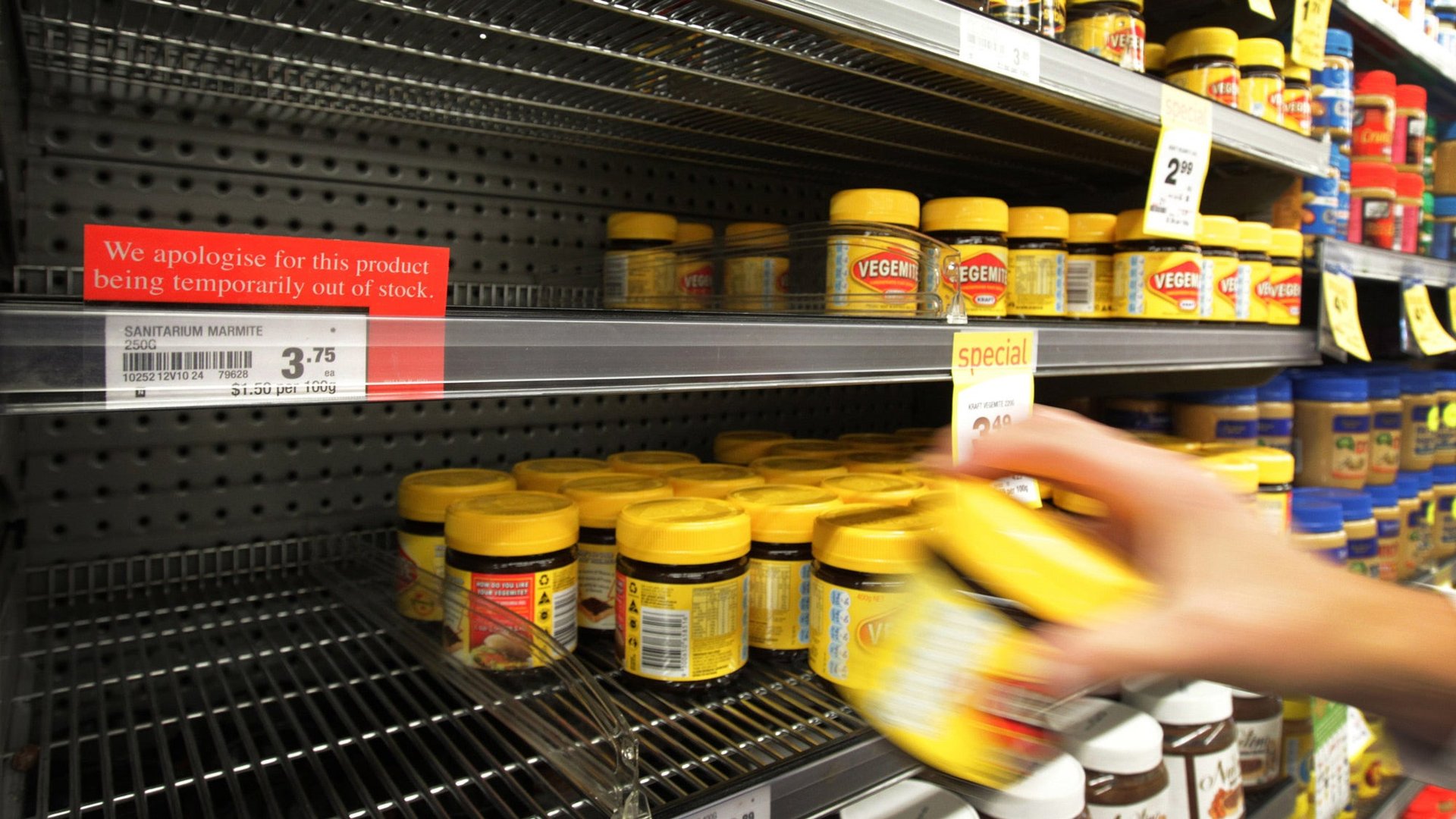
Nothing is more Australian than a Vegemite sandwich, so why is the government proposing a limit on how much of the spread people can buy?

Space: the final frontier for leafy greens.

NASA released a GIF of the dark side of the moon as it passed across the illuminated face of the Earth.
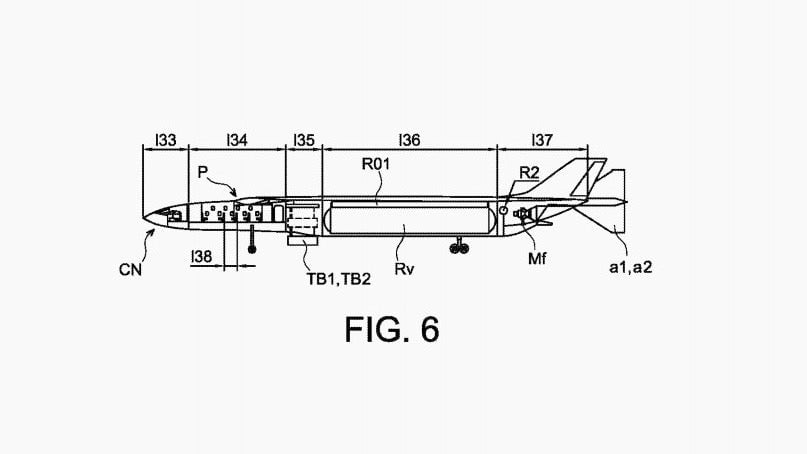
Imagine a transcontinental flight that allowed you to wash your hands of screaming babies and cranky flight attendants after just a few hours. Airbus wants to make it so. The aircraft manufacturer has patented an “ultra-rapid” plane that could fly at more than four times the speed of sound. The vehicle would be able to cover the distance between Paris and San Francisco or Tokyo and Los Angeles in three hours.

Comic book conventions: You will never find a more wretched hive of scum and villainy. But if you manage to wade through the ranks of nerds, cosplayers, and vendors, sometimes you find something great. Like Mark Hamill signing Star Wars trading cards of himself as Luke Skywalker with ridiculous captions.
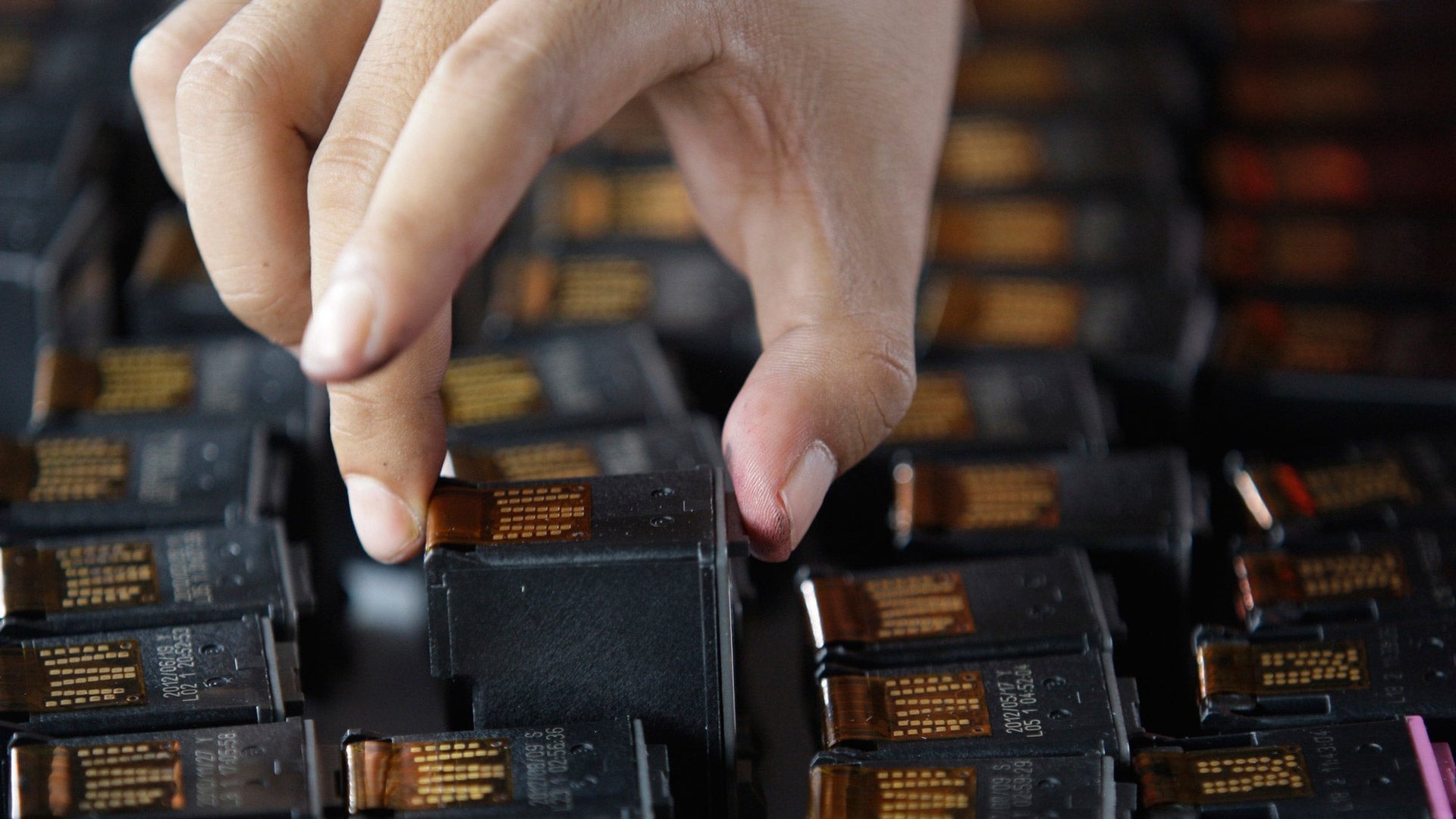
You decided on a whim to go to a baseball game. You bought your ticket online and the game starts in just over an hour. Before heading out, you go to print your ticket. But what prints is a washed-out, mainly magenta mess of lines. You’re certain it’s only been a couple weeks since you changed out the printer cartridge, but it’s empty again. Furious, you head to the stationery store and end up missing the start of this game, cursing Epson, Brother, and both Hewlett and Packard.

Every video you’ve seen of someone doing something extreme with a GoPro camera is choppy, shaky, and sort of nauseating. That’s because the cameras are usually attached to someone’s hand, head or whatever method of transport they’ve chosen to risk their lives on. Those things don’t tend to be very stable, making footage a mess. Footage shot from drones, however, always seems to be smooth and serene, even though most consumer drones use GoPro cameras. It’s like you’re watching someone floating with a steadicam in their hands. How do drone cameras get such smooth shots? By using a gimbal—a piece of technology dating back thousands of years.
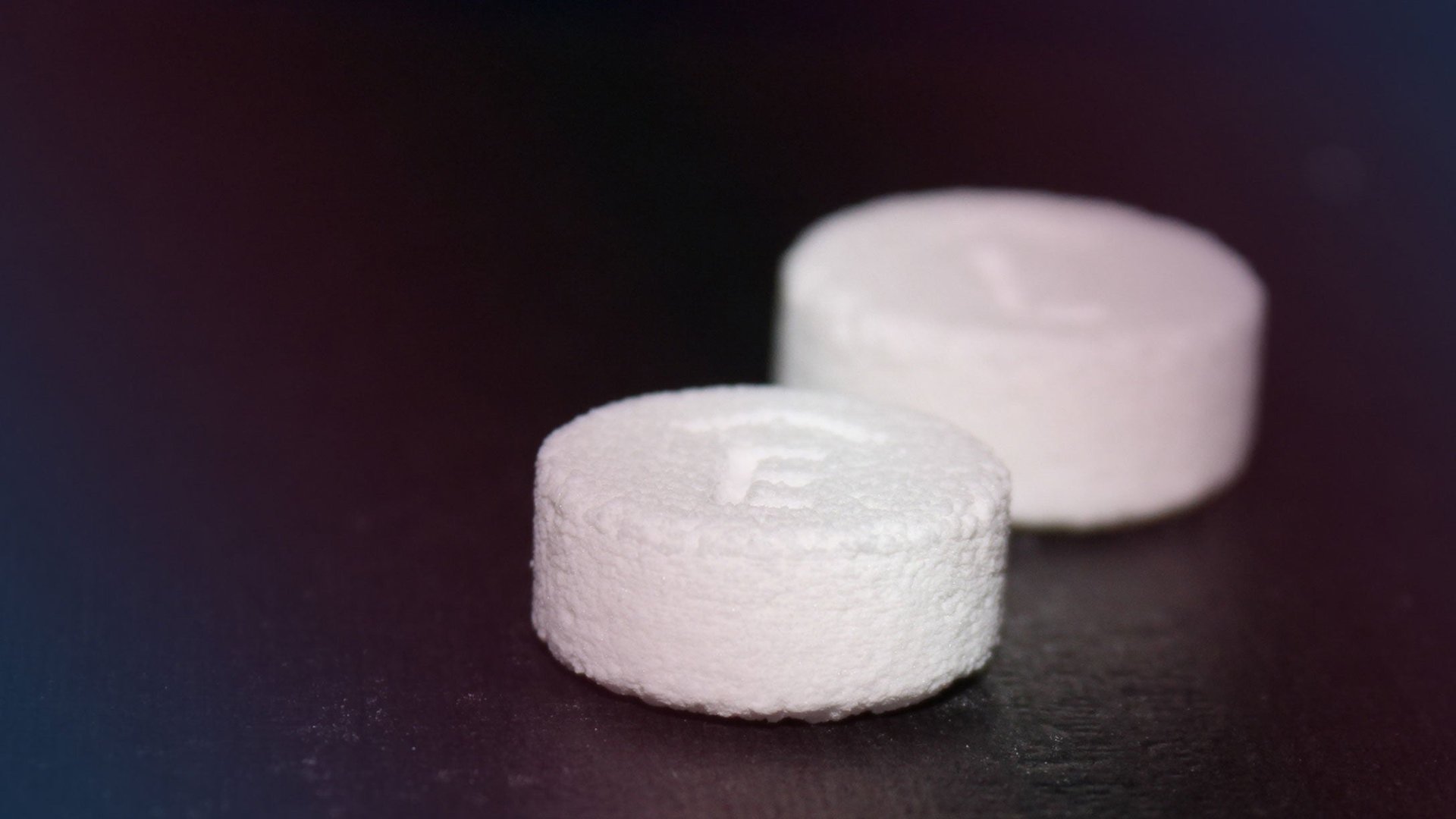
3D printing, a technology still in search of a market, may have just found a home in the world of medicine. The US Food and Drug Administration approved an epilepsy medicine called Spritam that is made by 3D printers, making it the first 3D-printed product that the FDA has approved for use inside the human body.
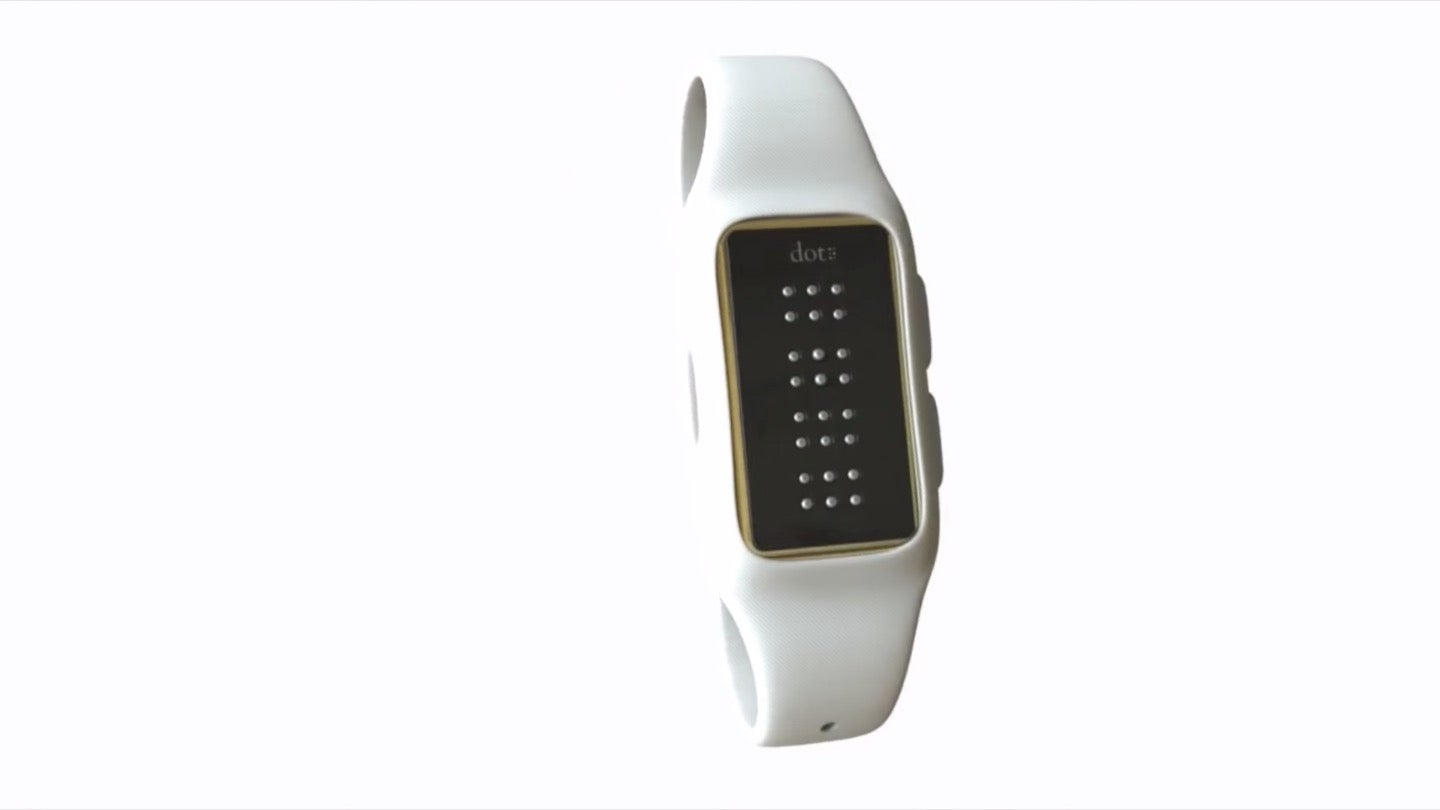
Our daily lives are increasingly conducted through screens. Phones, televisions, computers, and monitors have become integral to the way we communicate and work. For the blind, there are all sorts of workarounds so they can interact with devices, but there’s no simple way to use them with braille. A South Korean startup, called Dot, wants to change that with the first smartwatch for the visually impaired.
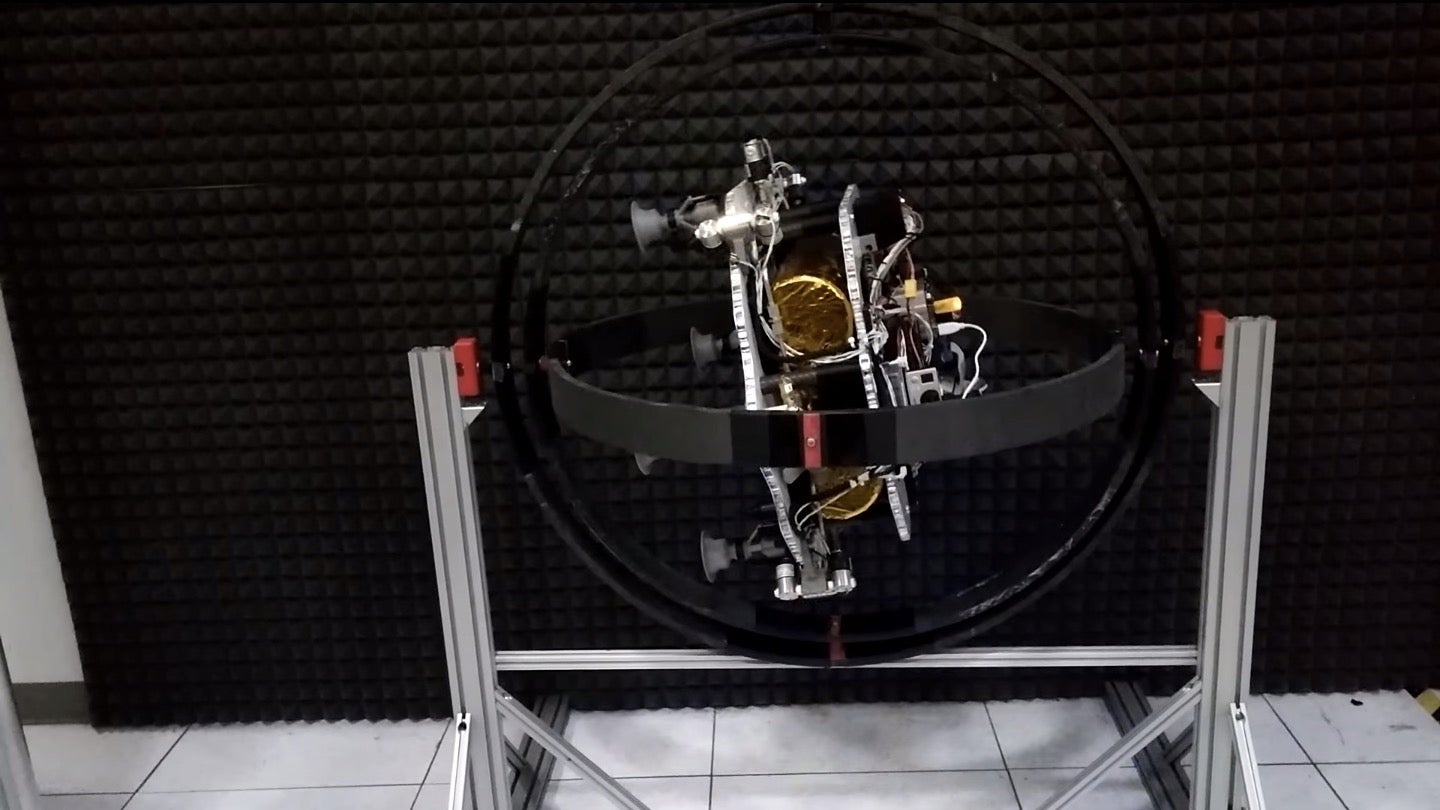
NASA is building robots to explore other planets, and drone technology for Earth. The logical next step: robot drones in space.
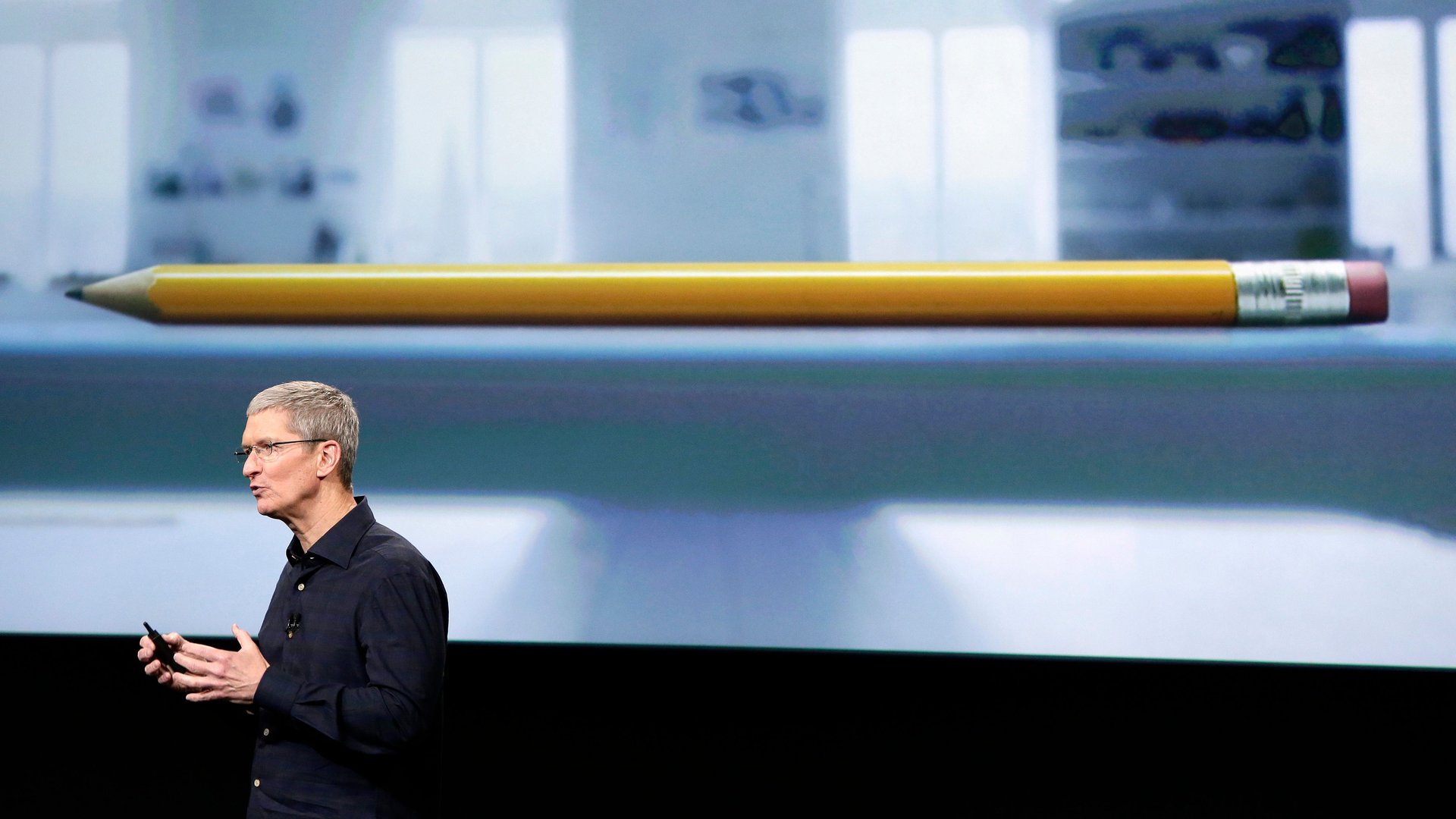
Signs are pointing to Apple releasing a stylus in the near future. Apple is rumored to be releasing a larger-screened, more powerful “iPad Pro” later this year, and two patent applications uncovered June 30 suggest Apple may be exploring adding a stylus as an input method for its upcoming tablets.
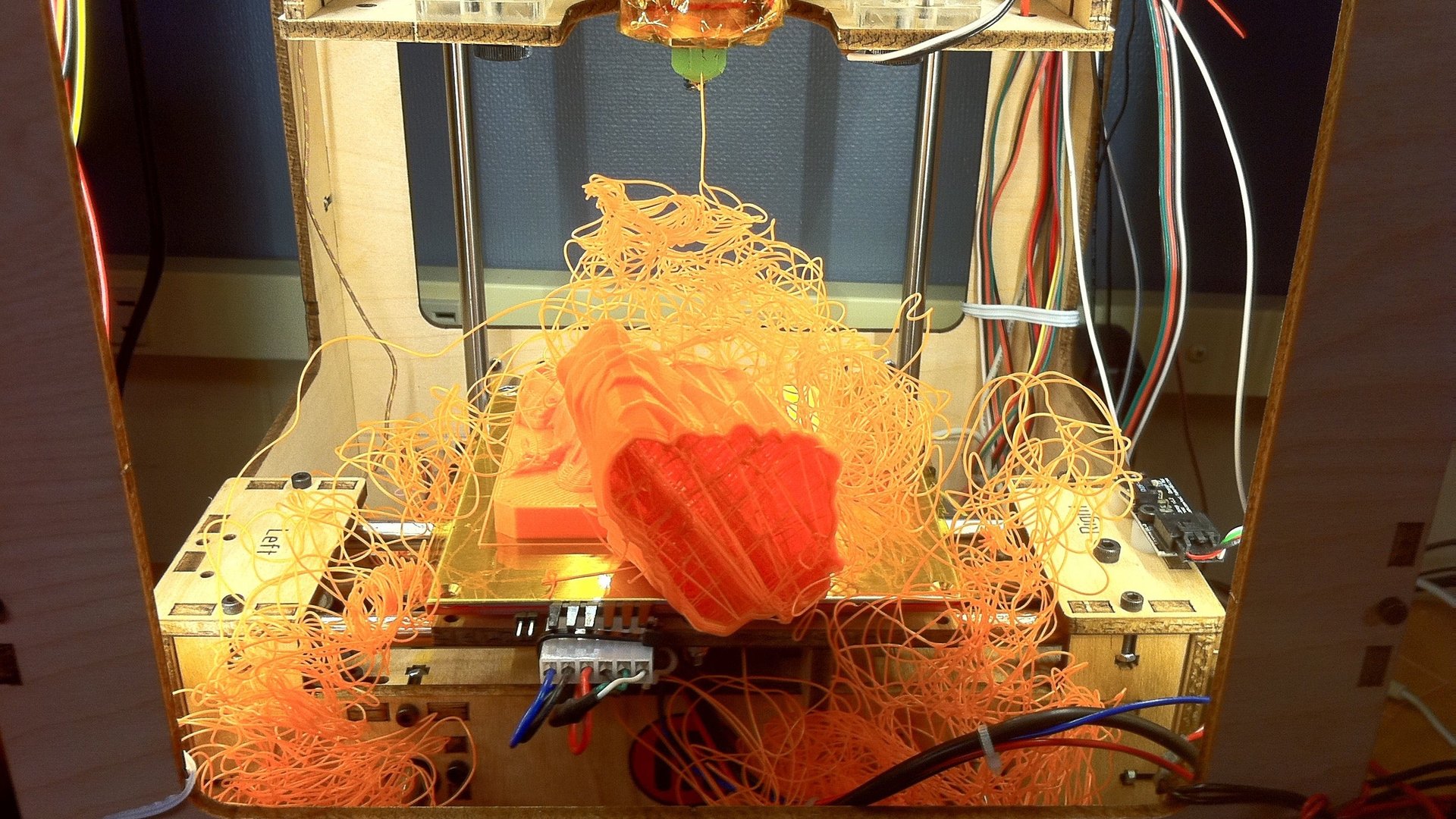
3D printing has been hailed as the future of manufacturing for years now. Consumers and investors were sold on the idea of being able to print anything at any time from a little box in their houses. But that Jetsons-like vision hasn’t come to pass. The 3D printers available to consumers are great for making small prototypes or tchotchkes. But they’re still slow, inaccurate and generally only print one material at a time. And that’s not going to change any time soon.
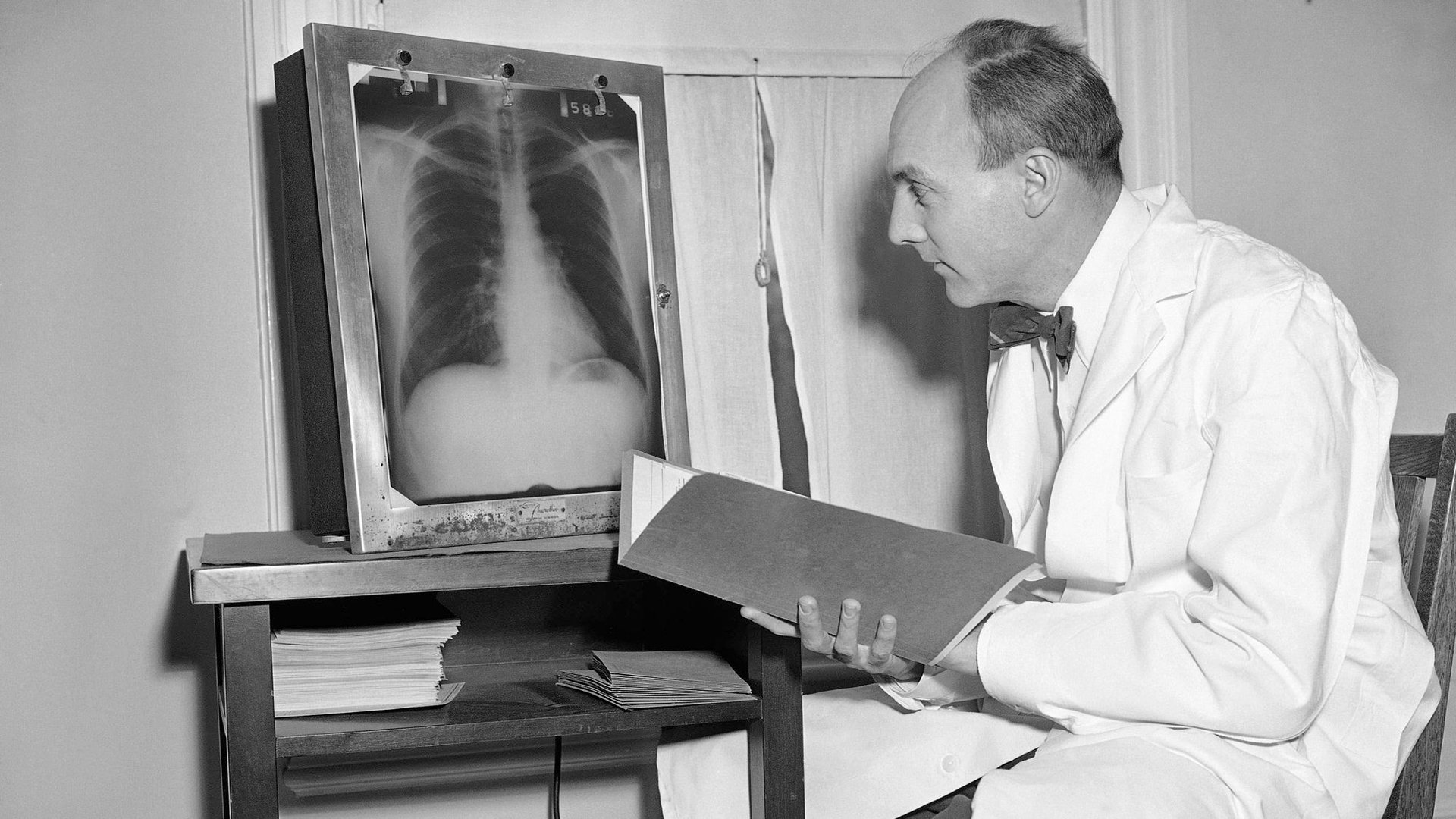
Going to the doctor is rarely a pleasant experience. Beyond the sterile atmosphere and high prices (at least in the US), there’s the poking, the prodding, the injecting, and the inserting. According to the American Cancer Society, everyone over the age of 50 should get a colonoscopy to be screened for colorectal cancer. But many shy away from the procedure that involves sticking a camera up somewhere things don’t often go. However, a new product being developed might make checking for colon cancer as easy as swallowing a pill.

One of the world’s oldest art forms could inspire some particularly futuristic technology. In a paper published in Nature today, a team of scientists from Cornell University showed how origami influenced designs for atom-thick graphene objects that could one day be used in nanotechnology.