
Tech & Innovation
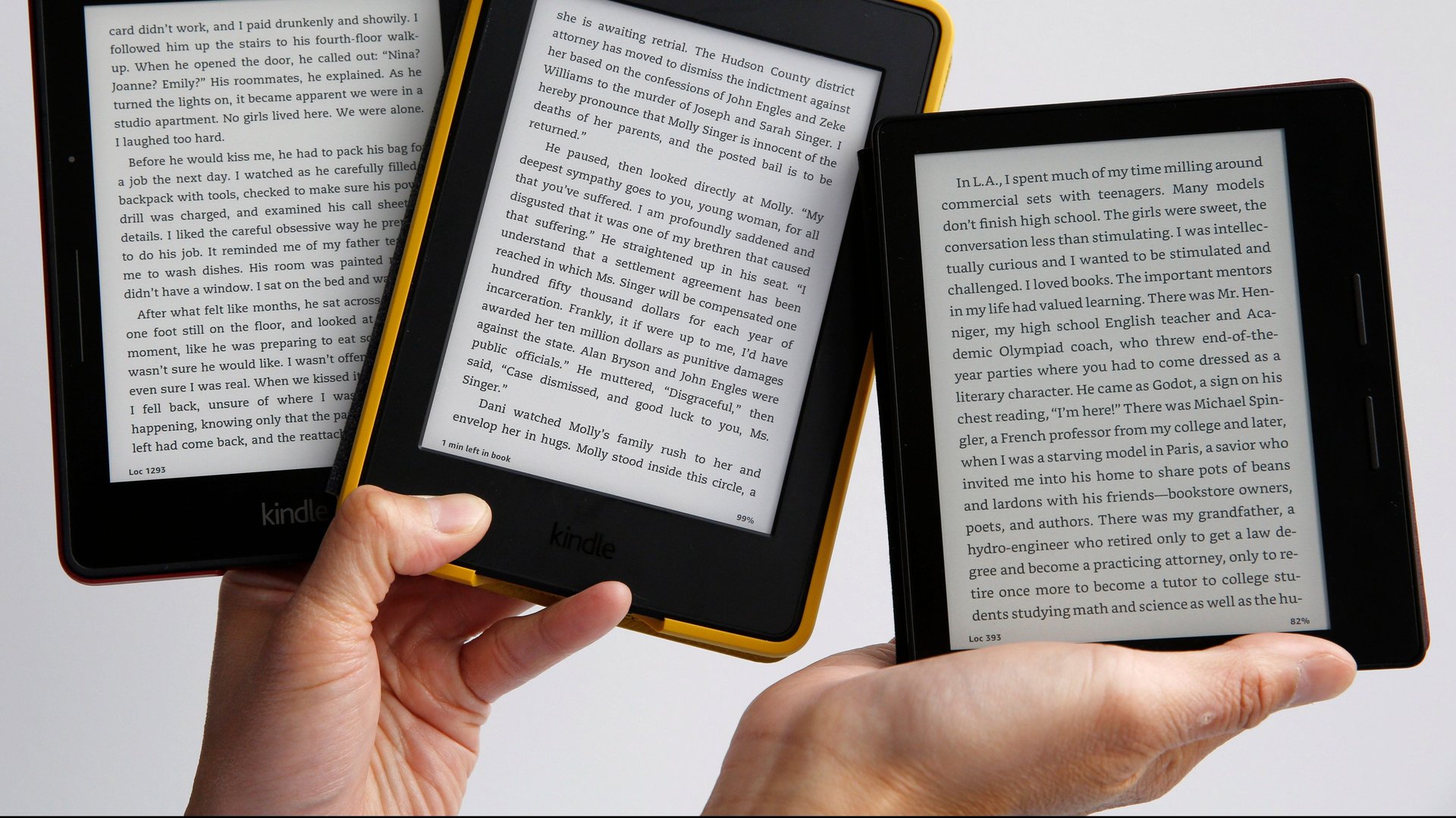
Which e-reader is the best to buy this holiday season?You’ve grown weary of the physical page, yet you love reading as much as you ever did. This year may be the one you finally get an e-reader.
Updated July 21, 20222 min read
You’ve grown weary of the physical page, yet you love reading as much as you ever did. This year may be the one you finally get an e-reader.
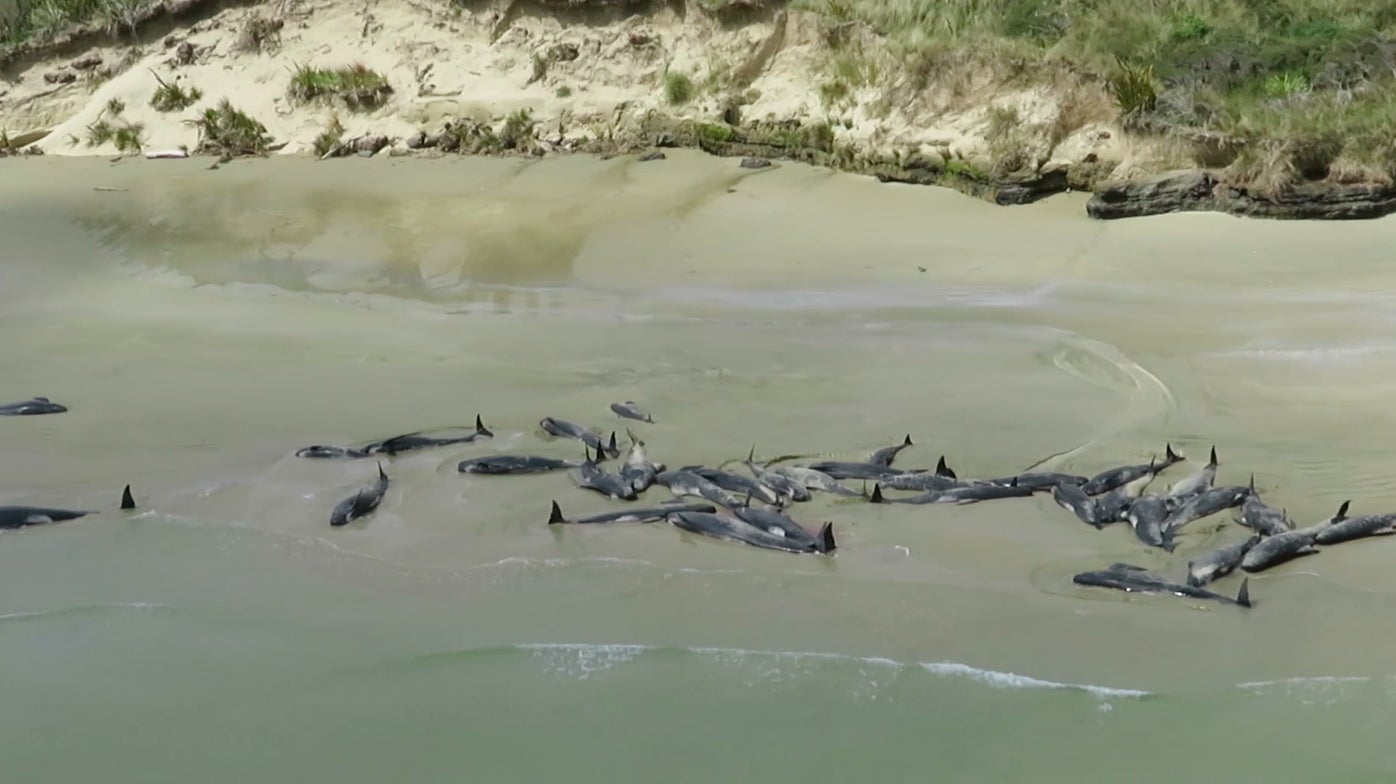
When more than 140 pilot whales beached themselves on the coast of New Zealand’s Stewart Island over the weekend, conservation workers came as quickly as they could—but much less quickly than they needed to.
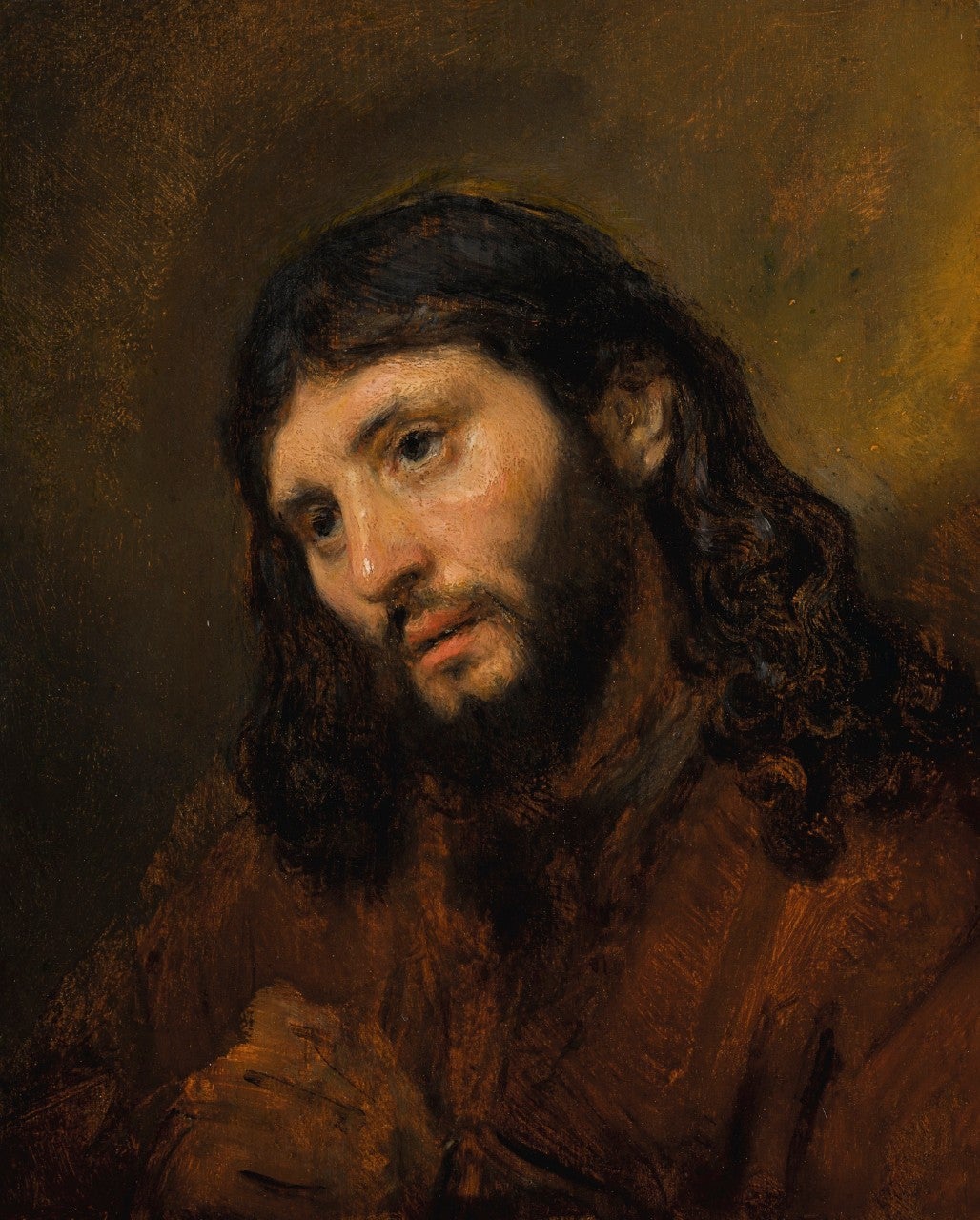
Sometime around 1650, the Dutch painter Rembrandt Harmenszoon van Rijn, now known mononymously, was at work on a sketch of a young man. His sloe-eyed model adopted a clasped-handed pose, while Rembrandt worked quickly in burnt umber and vermillion paint. He applied layer after layer, piling on more pigment even before the underlay was dry.

There was a time in the US before the Macy’s Thanksgiving parade—a time before festive football and falling asleep on the sofa to the soothing sounds of the dishwasher or Charlie Brown.
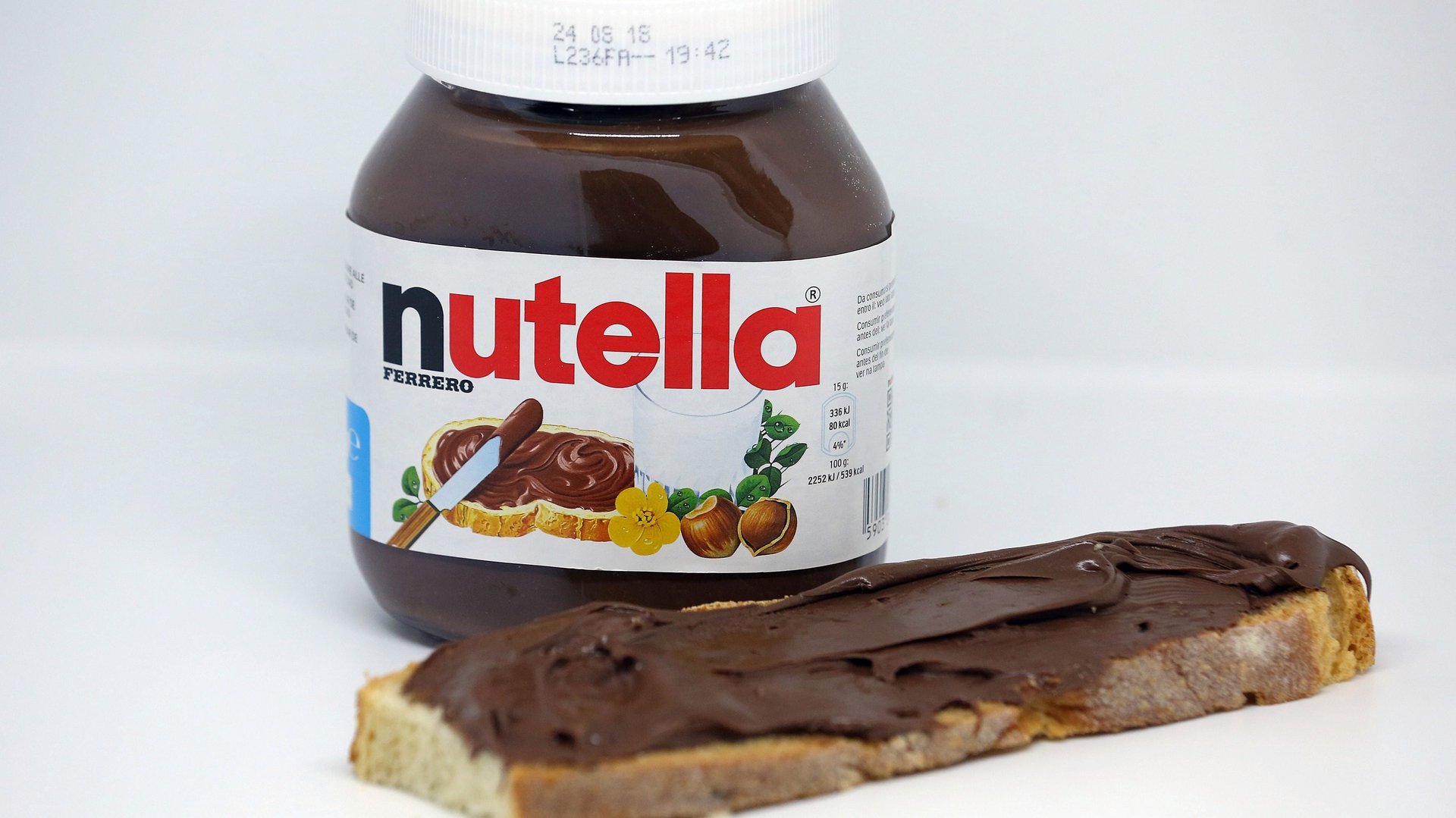
It’s being called the jar wars.

The West Bank is a territory roughly the size of Delaware that stretches between Israel and Jordan. Since the 1967 Six-Day War, it has been occupied by Israel; in the decades since, around 500,000 Israelis have moved in, many of them in settlements widely considered to be illegal under international law. (Close to 3 million Palestinians also call the area home.)

Some of the world’s most restricted women have found a subtle way to speak out about yet another limitation in their lives: not having the right to choose their clothing.
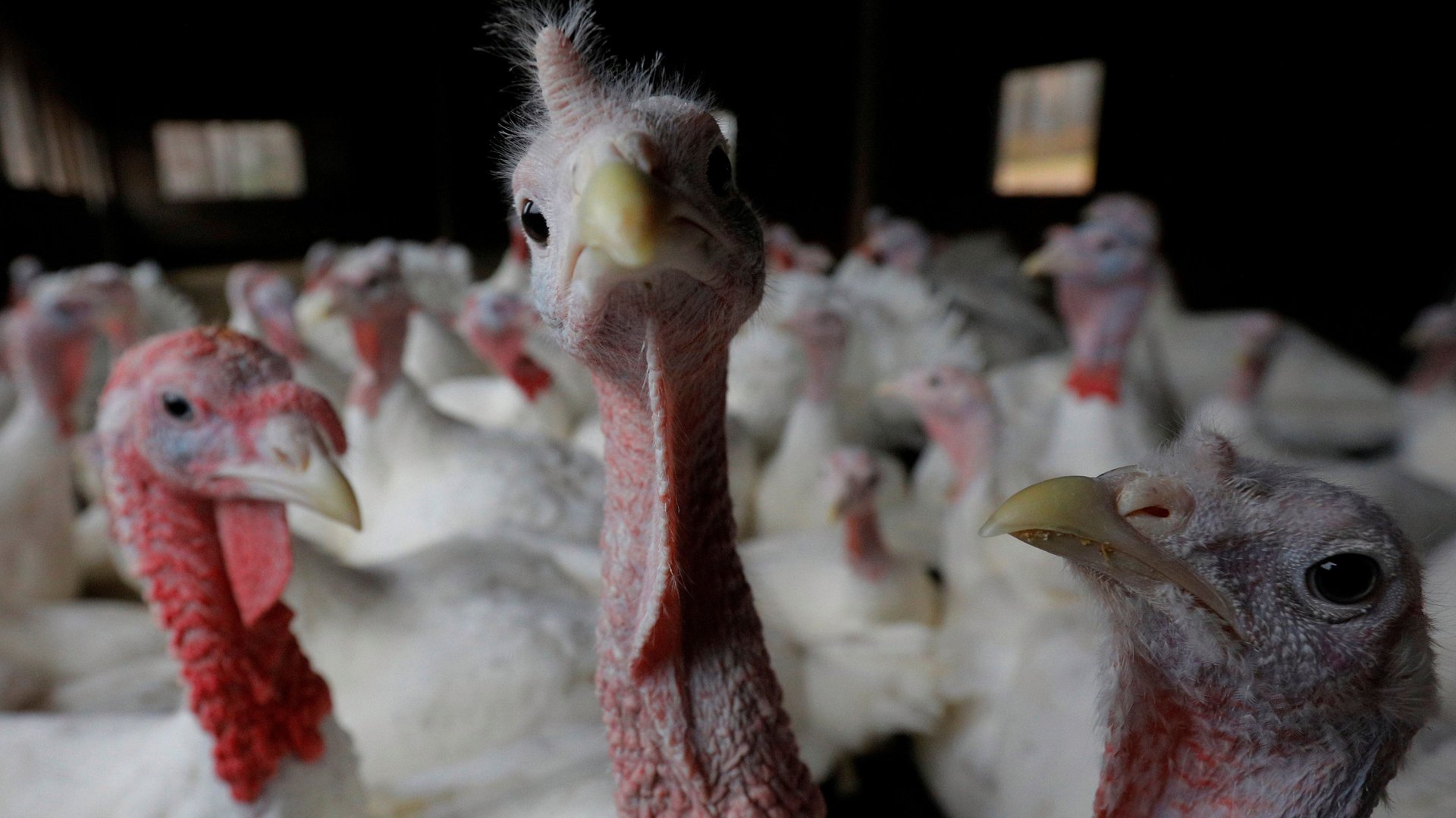
Philosopher Peter Singer has no time for the strange, deeply American tradition of a presidential turkey pardon.
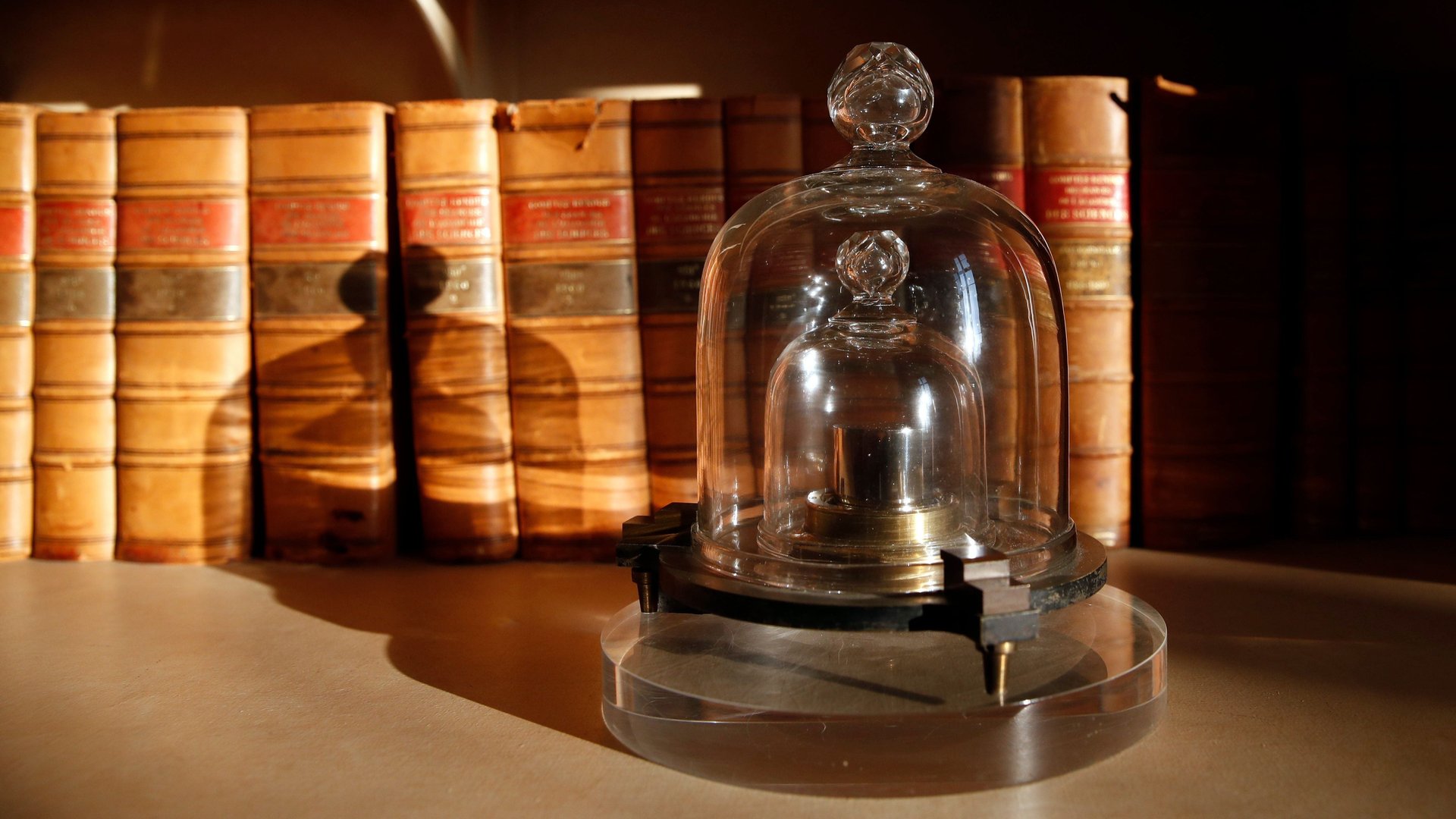
As of today (Nov. 16), the kilogram is dead. The International Prototype “king” Kilogram, held in sanctitude in Paris, has been stripped of its title; a new system for deciding the weight of a kilogram, based on electric current, now takes its crown.

It may have been the seductive call of museum-grade air conditioning. It may, as the museum’s curator suggests, have been a glimpse through the windows of friendly-looking black cats in a photo exhibition. It may simply have been feline curiosity.
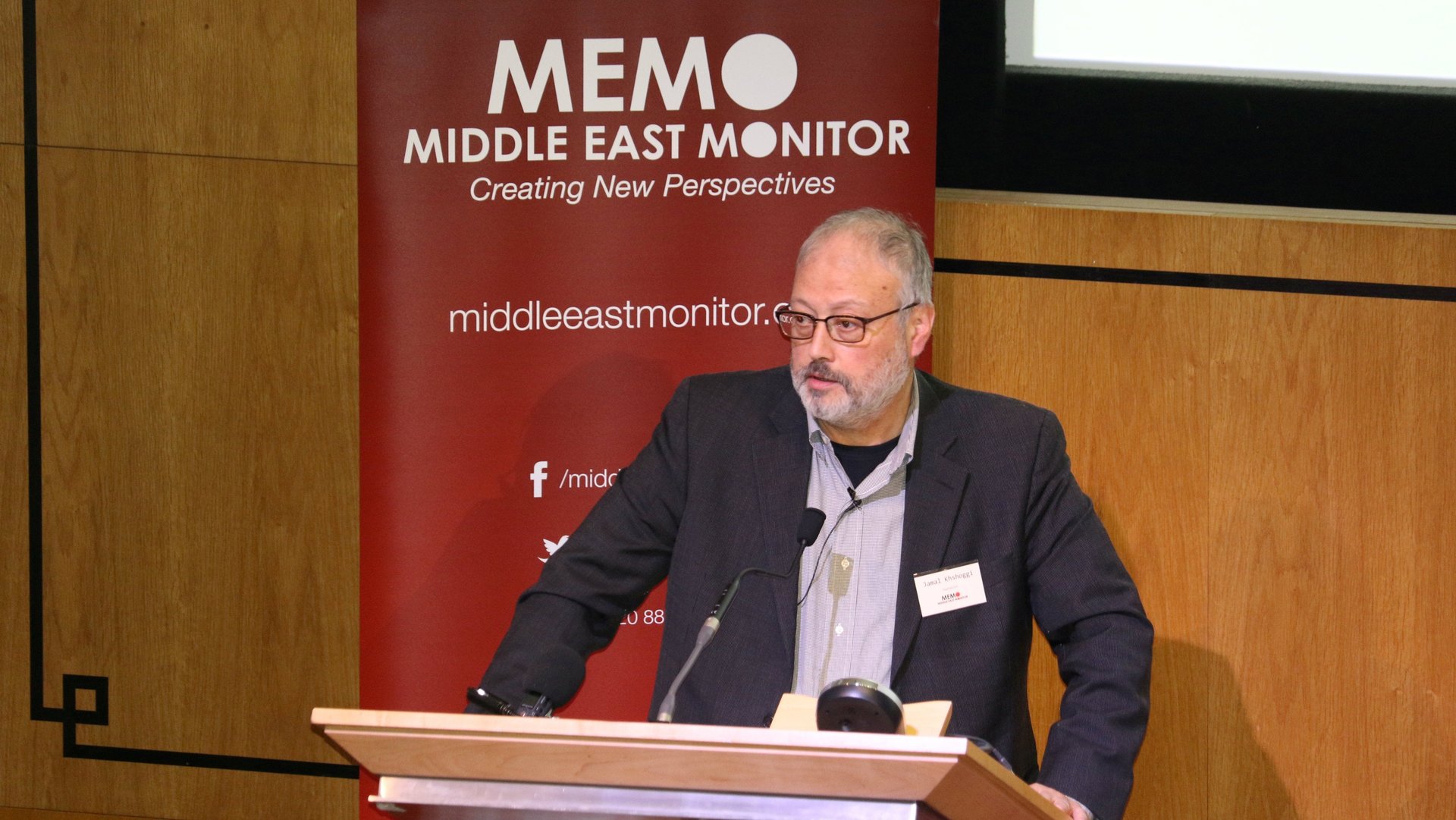
Who killed journalist and Saudi dissident Jamal Khashoggi? The Saudi public prosecutor indicates he’s got a pretty good idea.
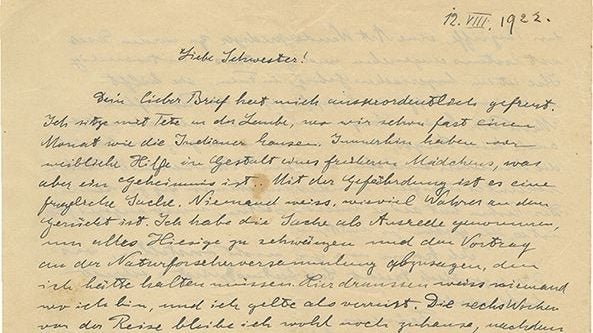
In a letter dated more than 10 years before the Nazis came to power, Nobel prize–winning physicist Albert Einstein warned his sister Maja of grave dangers ahead. That letter has now sold for $39,350 at an auction in Jerusalem, almost doubling the house’s estimate of $20,000.
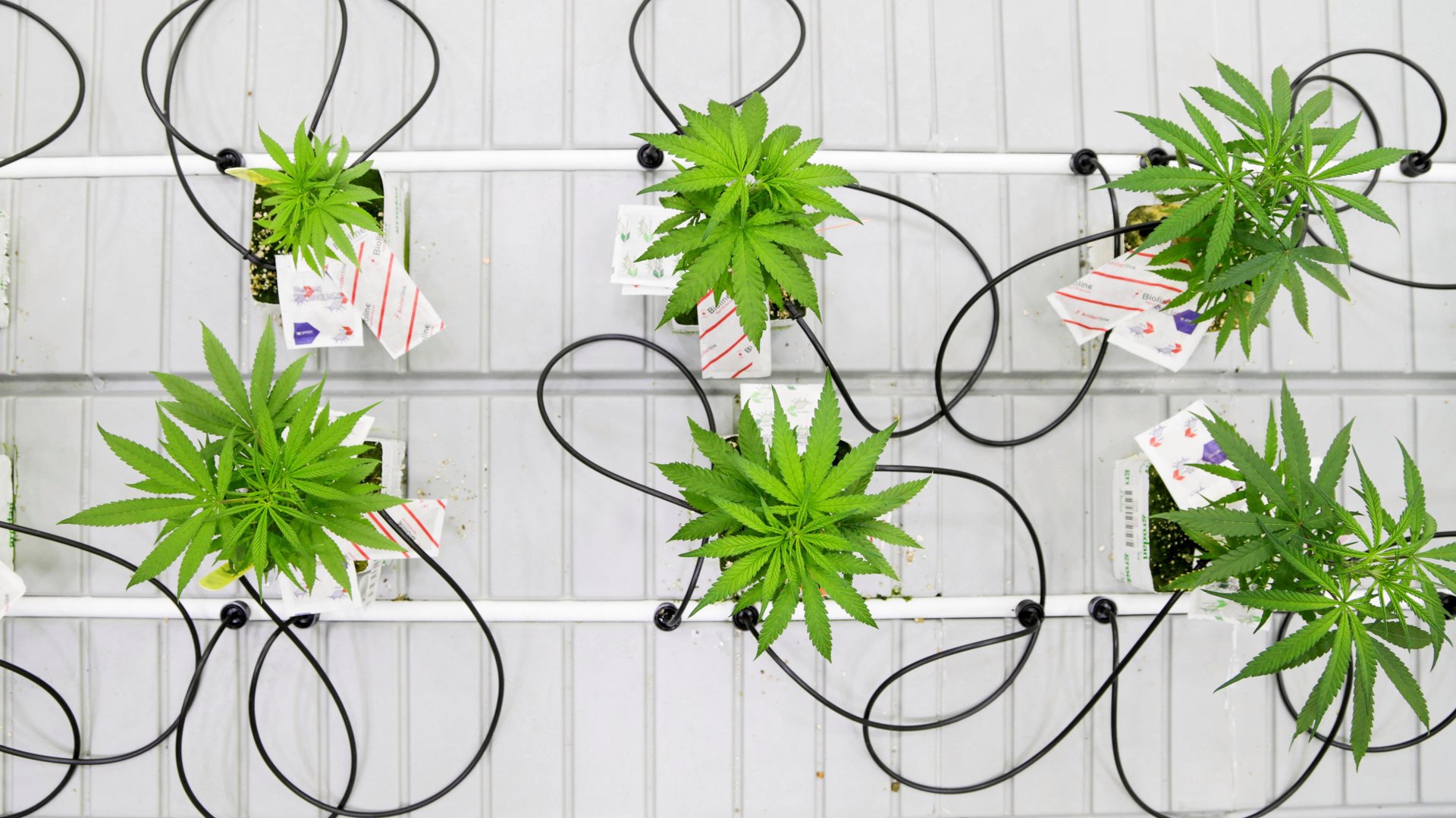
Canopy Growth Corporation, the Canadian-based marijuana producer that is one of the world’s largest, was expected to have had a bounteous quarter. Instead, as investors learned today (Nov. 14), second-quarter revenue was lower than the previous quarter, with the biggest loss in the company’s history. The share price tumbled in response, closing down more than 10 percent at $34.30.
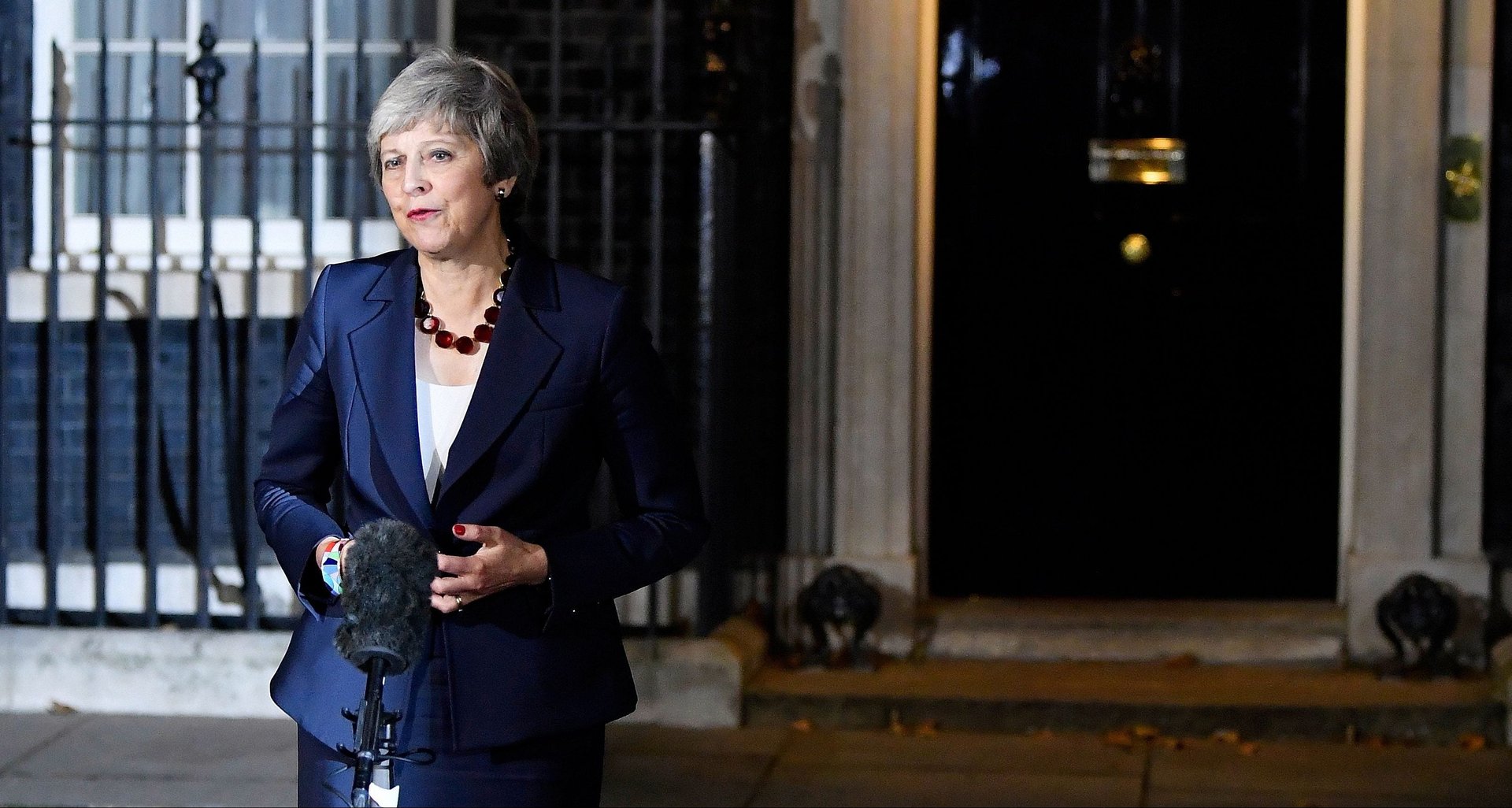
It’s 585 pages of legalese—and an awful lot of it is still to be determined. Yet now, after nearly 20 months of negotiating and renegotiating, hand-wringing and back-stabbing, plotting and scheming, UK prime minister Theresa May and the EU have finally reached a draft agreement about how Brexit could roll out.

The 1929 Edward Hopper painting Chop Suey sold for a record-breaking, drink-spitting, eyebrow-yanking $92 million at auction last night (Nov. 13) at Christie’s. It’s more than double his previous high ($40.5 million for East Wind Over Weehawken in 2013) and far beyond the expectations of many gallerists ahead of the auction.

It’s one of the most valuable but under-appreciated substances on Earth, and it’s trickling through our fingers. For centuries, we’ve been trying to work out how to reuse our water and get it to those who need it most. Though we’re a ways off using colossal hydro-cannons as a means of water transportation, many of the solutions of yesteryear now don’t seem so remote after all.
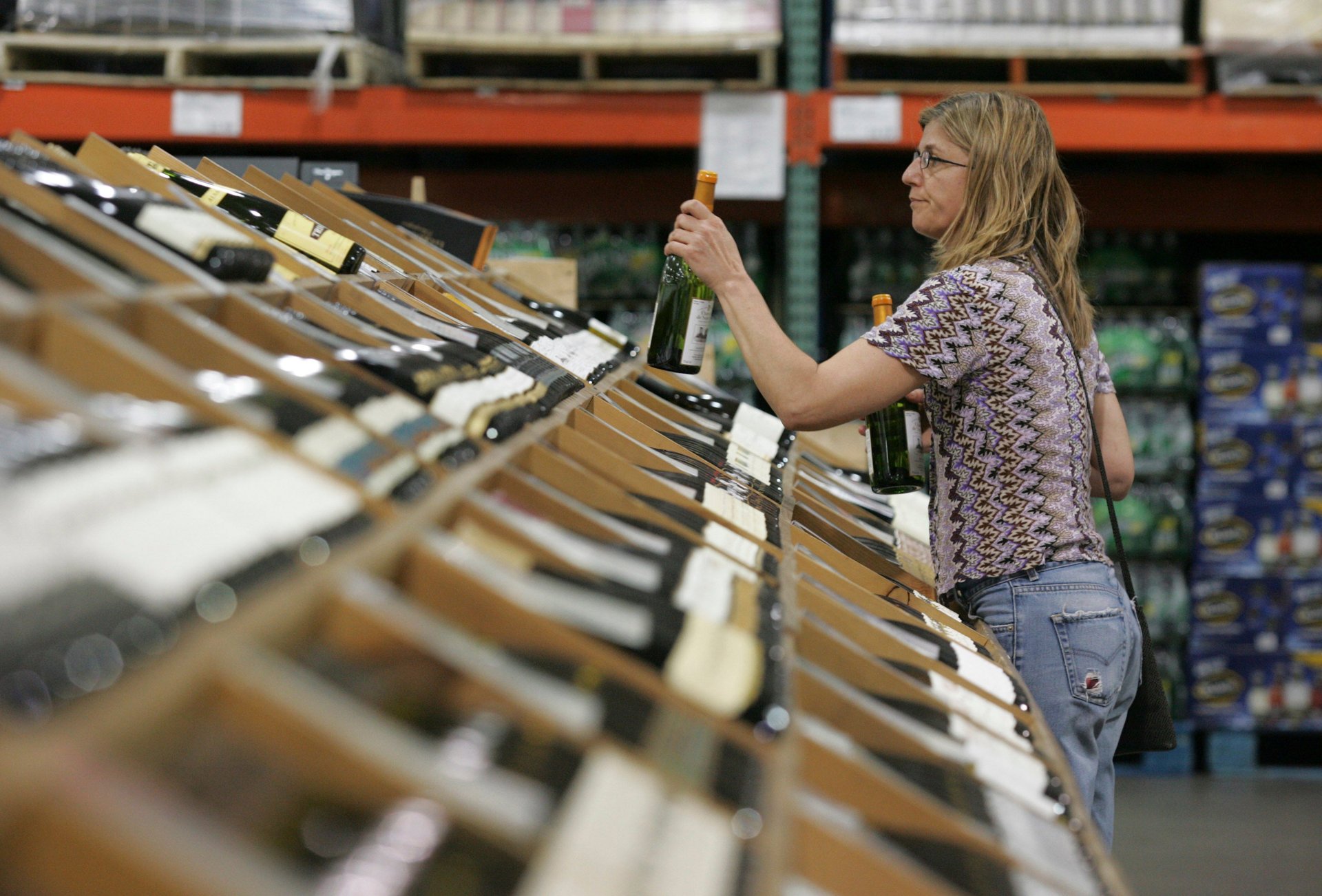
This is why we can’t have nice things. After a contentious diplomatic trip to France, Donald Trump fired off a series of rambling tweets about the host nation—its military history, its commitment to NATO, its weather. And then he remembered French wine.
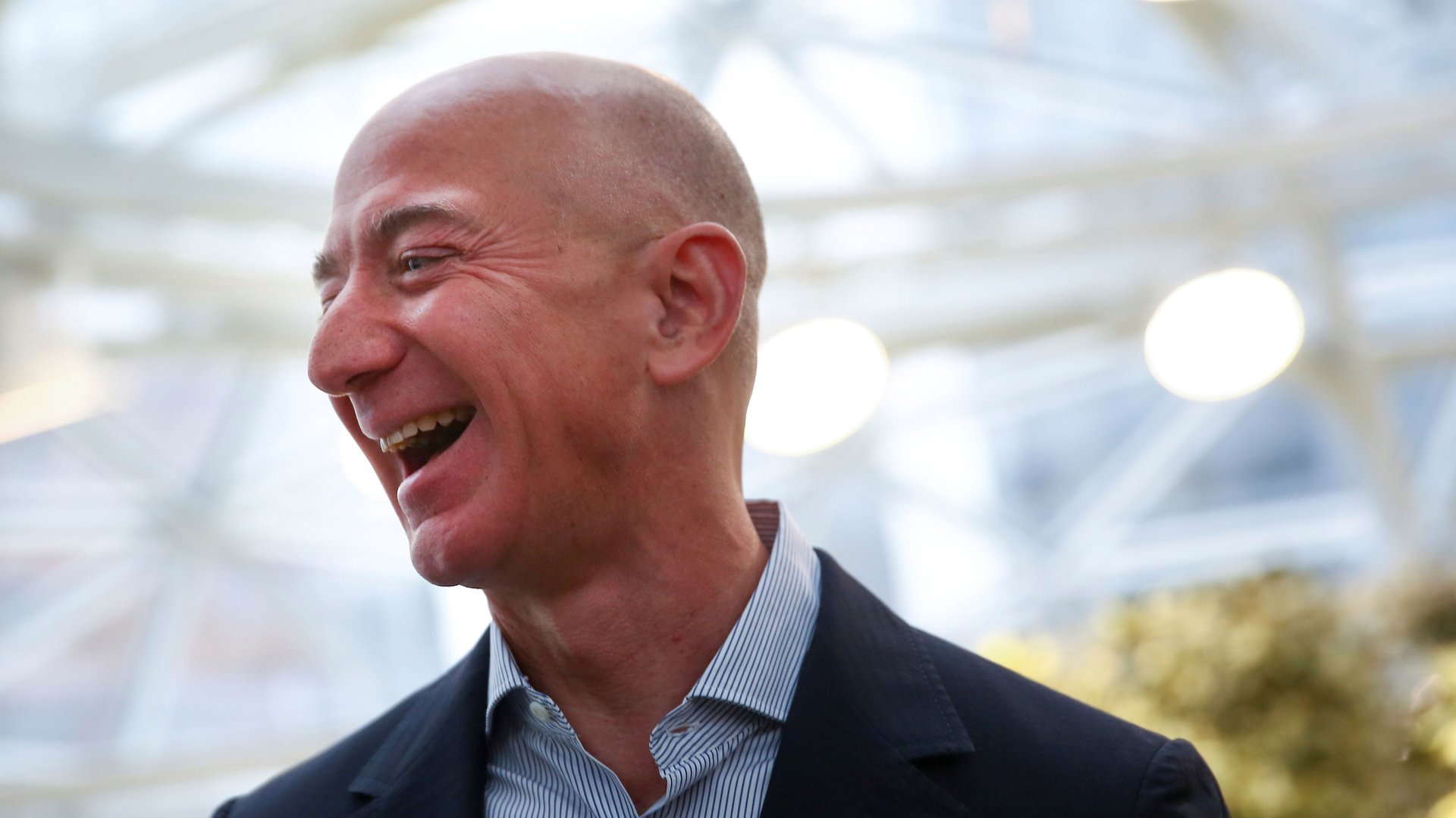
Jeff Bezos is the richest man in the tech sector, in the US, and in the world. And if present trends continue, he’s about to get a whole lot richer: Over the past 12 months, he doubled his net worth, at a rate completely unlike any other billionaire. Some calculations suggest his wealth may be growing at $260 million per day, which would bring his wealth to slightly under $200 billion by the end of 2018.
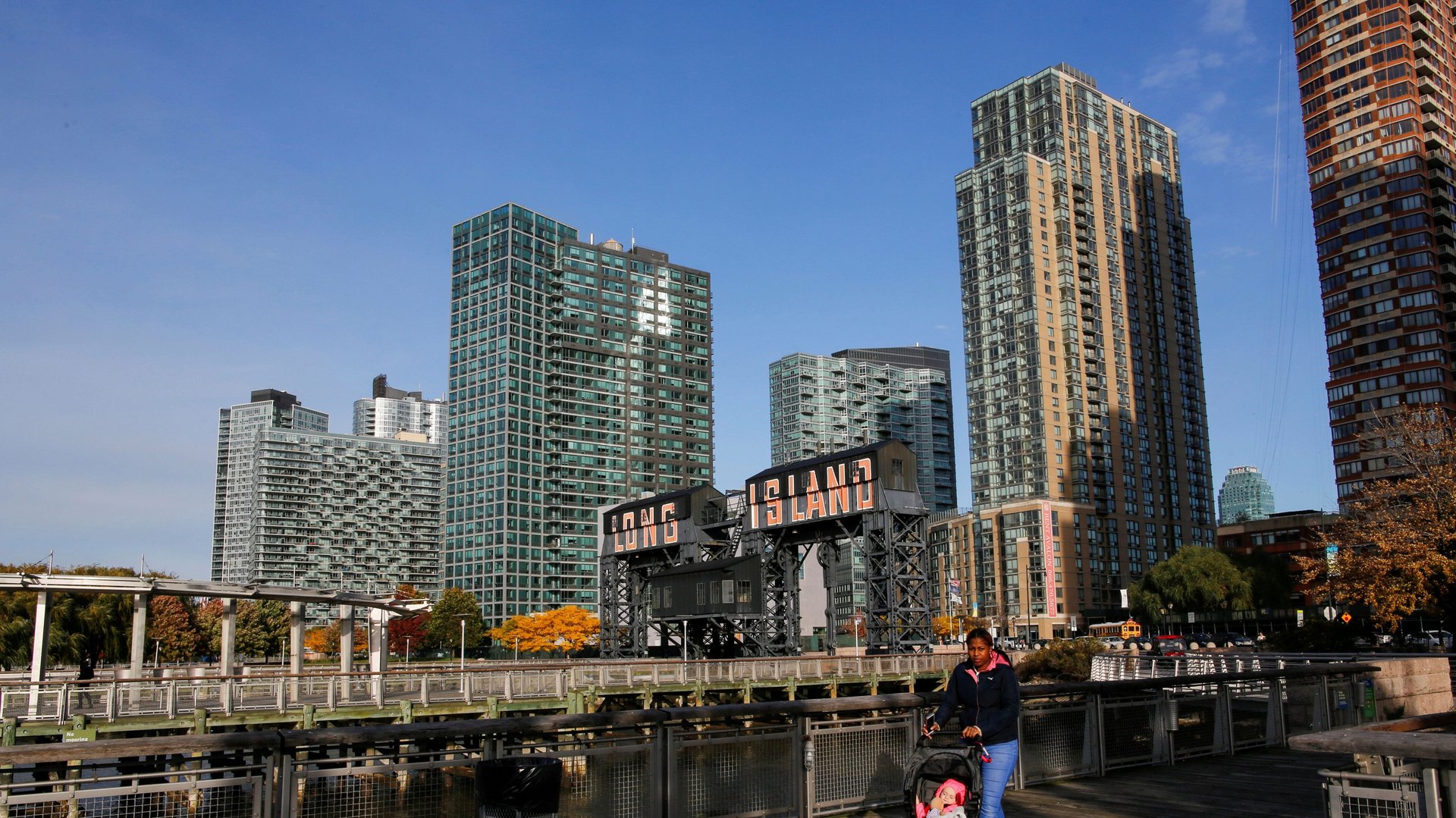
The 7 train is safe. Well, perhaps. A memorandum from New York officials teases a glamorous alternative to the already overstuffed subway line that serves Amazon’s new Queens neighborhood: Jumping in a helicopter.
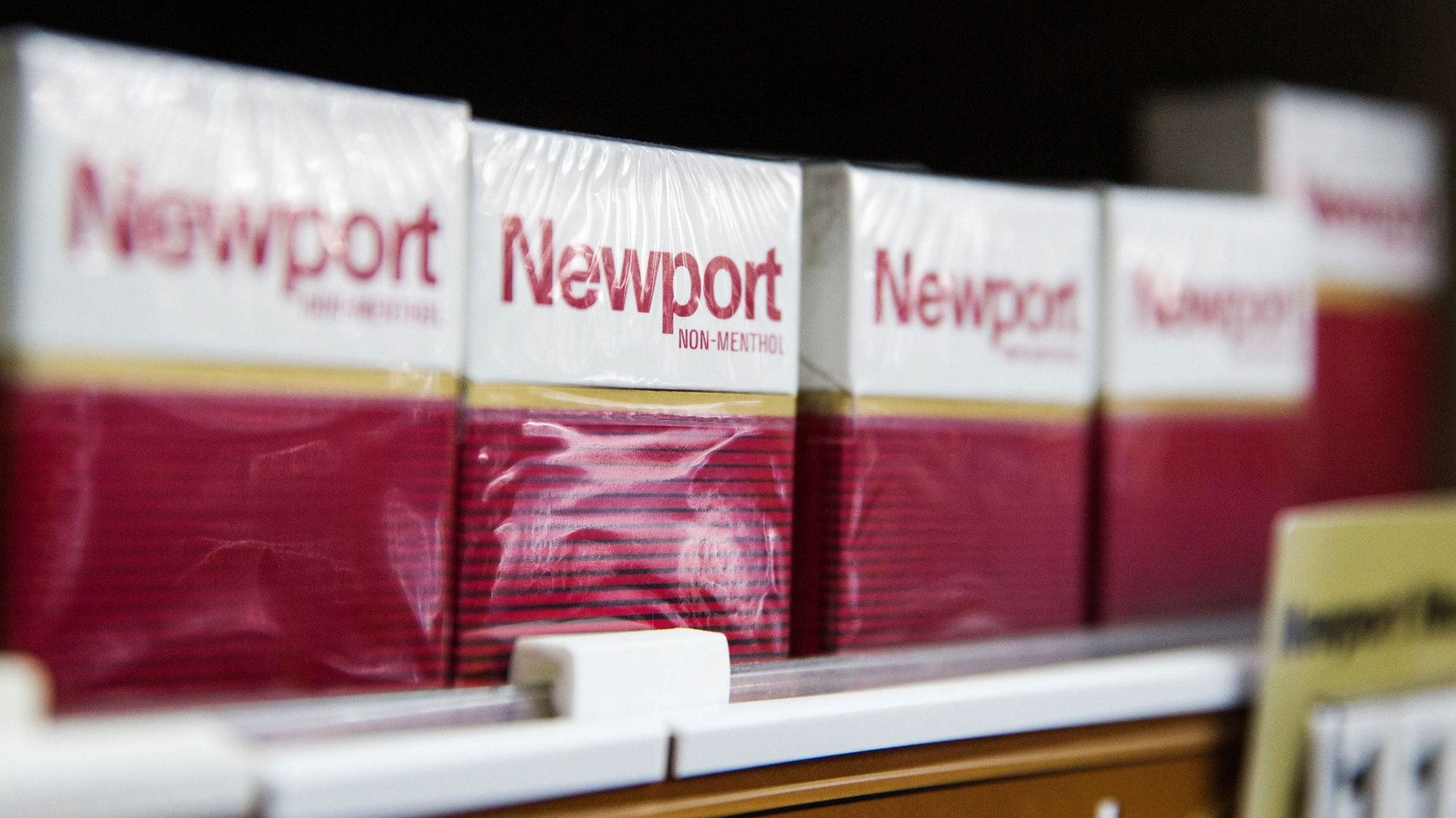
It may not affect customers this year, or the next, or possibly even the one after that. But if rumors are true, the days of menthol cigarettes and e-cigarettes could be numbered.
Canadian intelligence officers have now listened to the grisly audio recording of journalist and Saudi dissident Jamal Khashoggi’s death, according to Canadian Prime Minister Justin Trudeau. Speaking to journalists in Paris today (Nov. 12), Trudeau said he had not heard the recordings personally, but had spoken to Turkish president Recep Tayyip Erdoğan about it over the weekend.
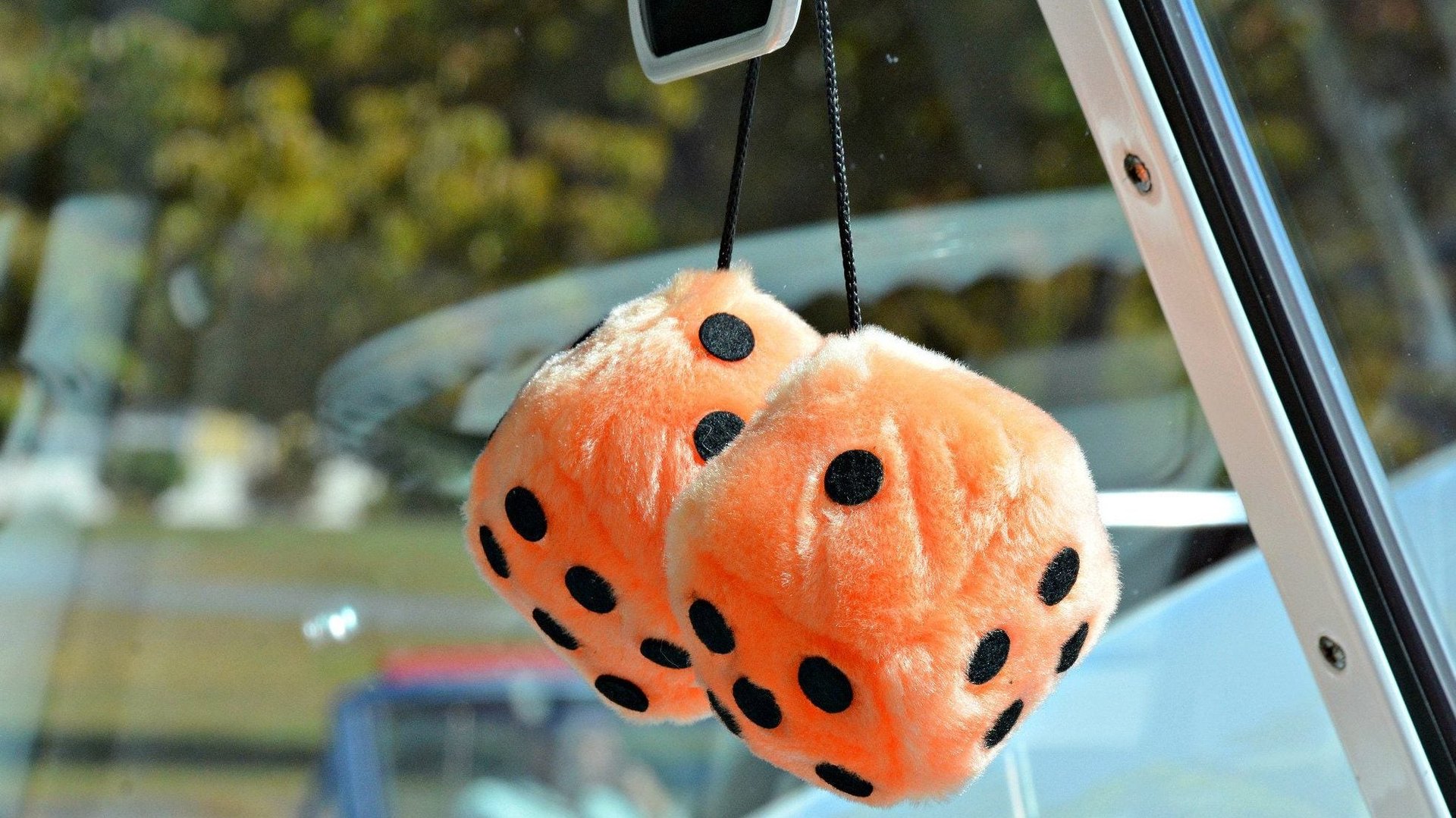
On its 13th page, a forthcoming paper in the journal Annals of Tourism Research makes a bold prophecy: People are going to have sex in driverless cars—and probably sell it, too.

It was supposed to be the measurement system for all people, in all places, for all time—one which used the natural world as its basis. But in the centuries since king Louis XVI of France first tasked a group of scientists to help him develop a new system of measurement, many of the foundations of the metric system have been shown to be fundamentally unsound. Few features of the system have been more troublesome than the measurement standard for the kilogram, which may change for good after a vote coming up this week at the annual General Conference on Weights and Measures.
It’s a problem previously more common to drug cartels: How do you move high-risk substances between one place and the next? In the murky world of international drug trafficking, past solutions have involved catapults to hurl packages over borders, or fake buttocks with compartments to hide drugs. Others take their chances with FedEx.