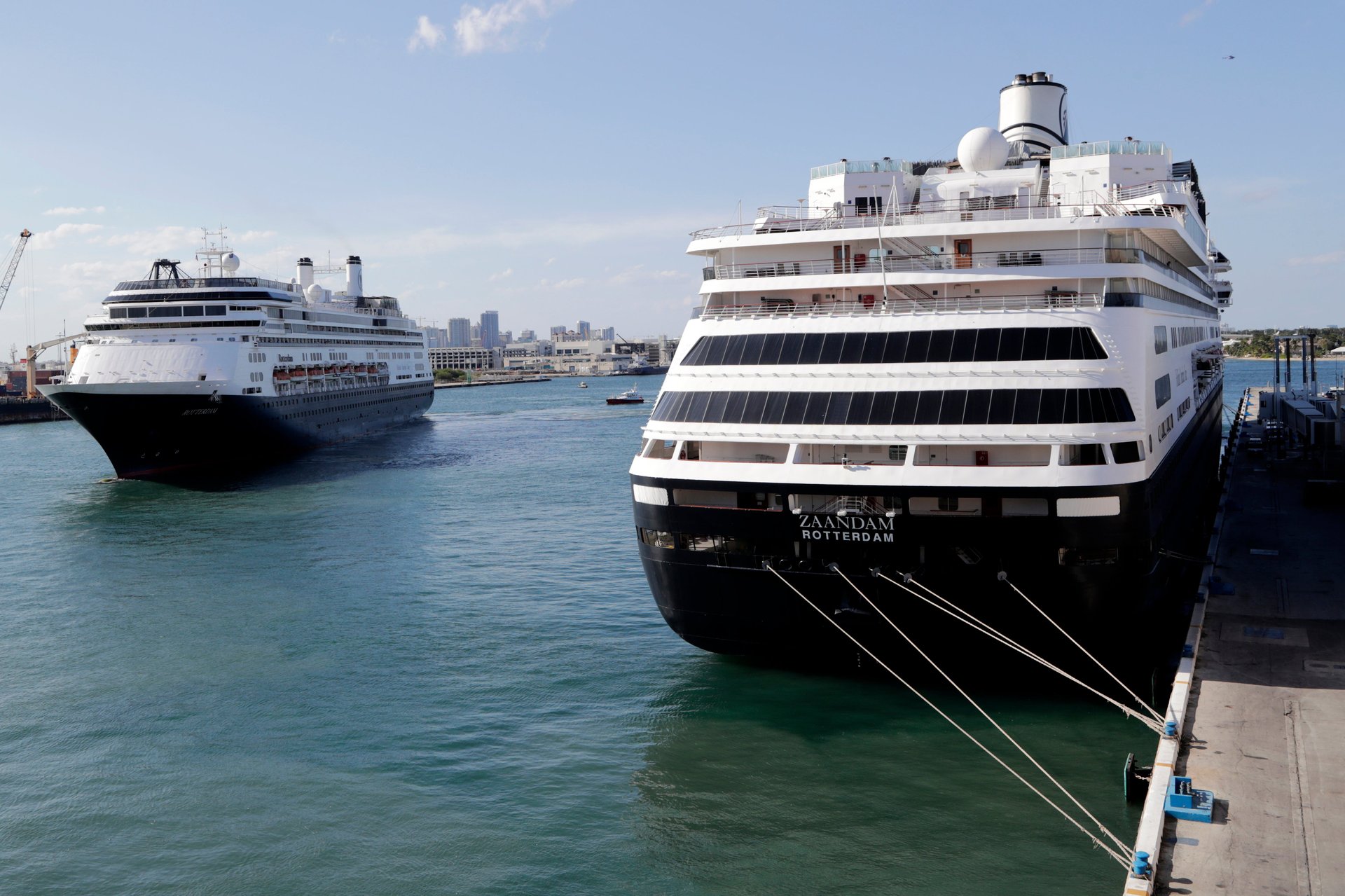
In late February, as the first cases of Covid-19 were reported in the US, Melinda Mann, a crew member with the cruise company Holland America, boarded the Oosterdam in San Diego, to take a job working with youth staff and children on board.

In late February, as the first cases of Covid-19 were reported in the US, Melinda Mann, a crew member with the cruise company Holland America, boarded the Oosterdam in San Diego, to take a job working with youth staff and children on board.

Long after “stay home” measures have been officially lifted, we probably won’t be straying too far from our own backyards.

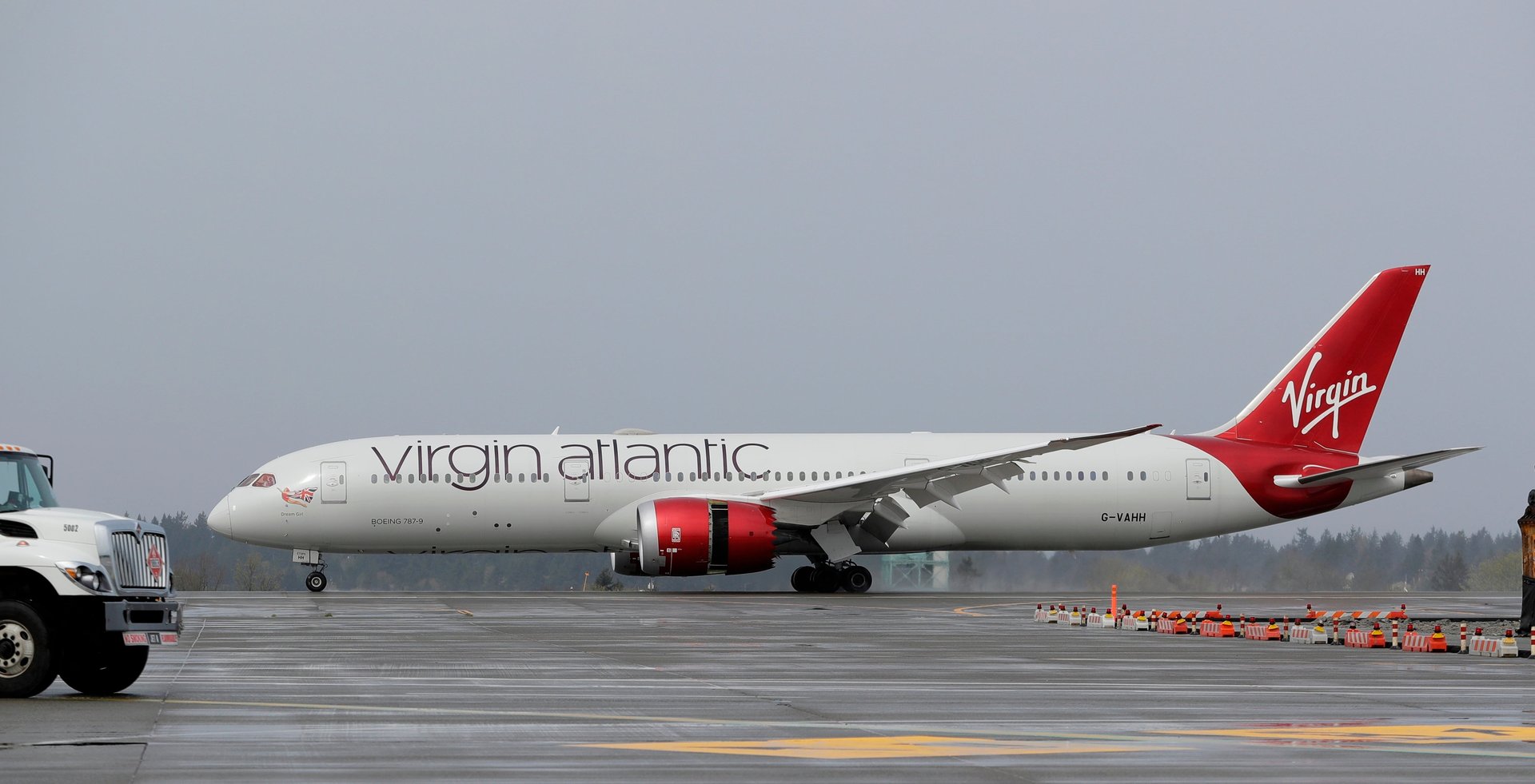
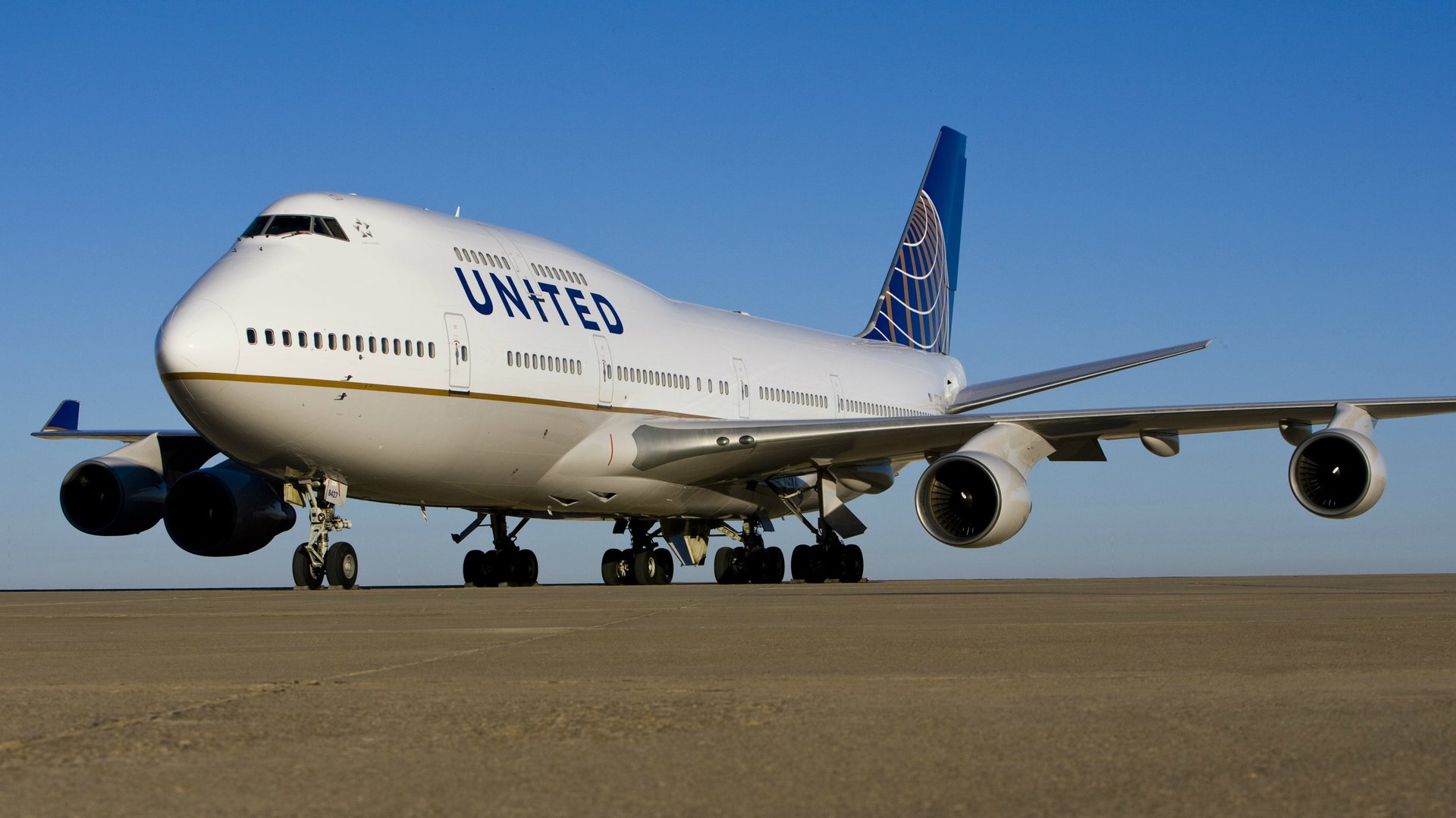
Some 3,400 management and administration jobs are to be cut at United Airlines. More than 3,000 positions are being eliminated at Virgin Atlantic. And nearly 1,900 roles are gone at Airbnb. These are the first of a wave of deep cuts expected to be announced by some of the biggest players in global travel this week, as an already floundering industry faces many more months of difficulty.

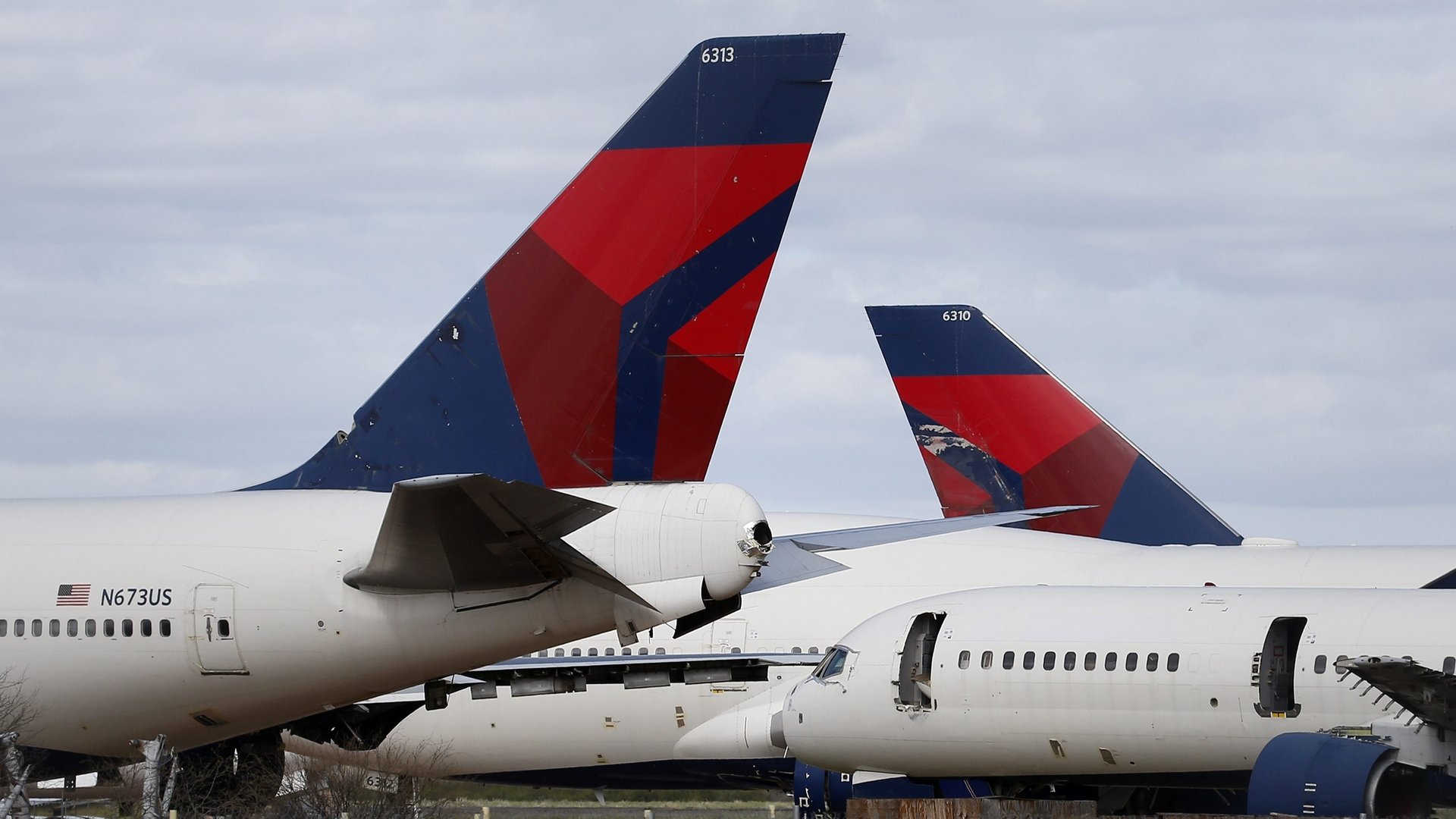
With the Covid-19 crisis likely to reform the make-up of airline fleets, wide-body planes appear to be first in line for the chopping block.

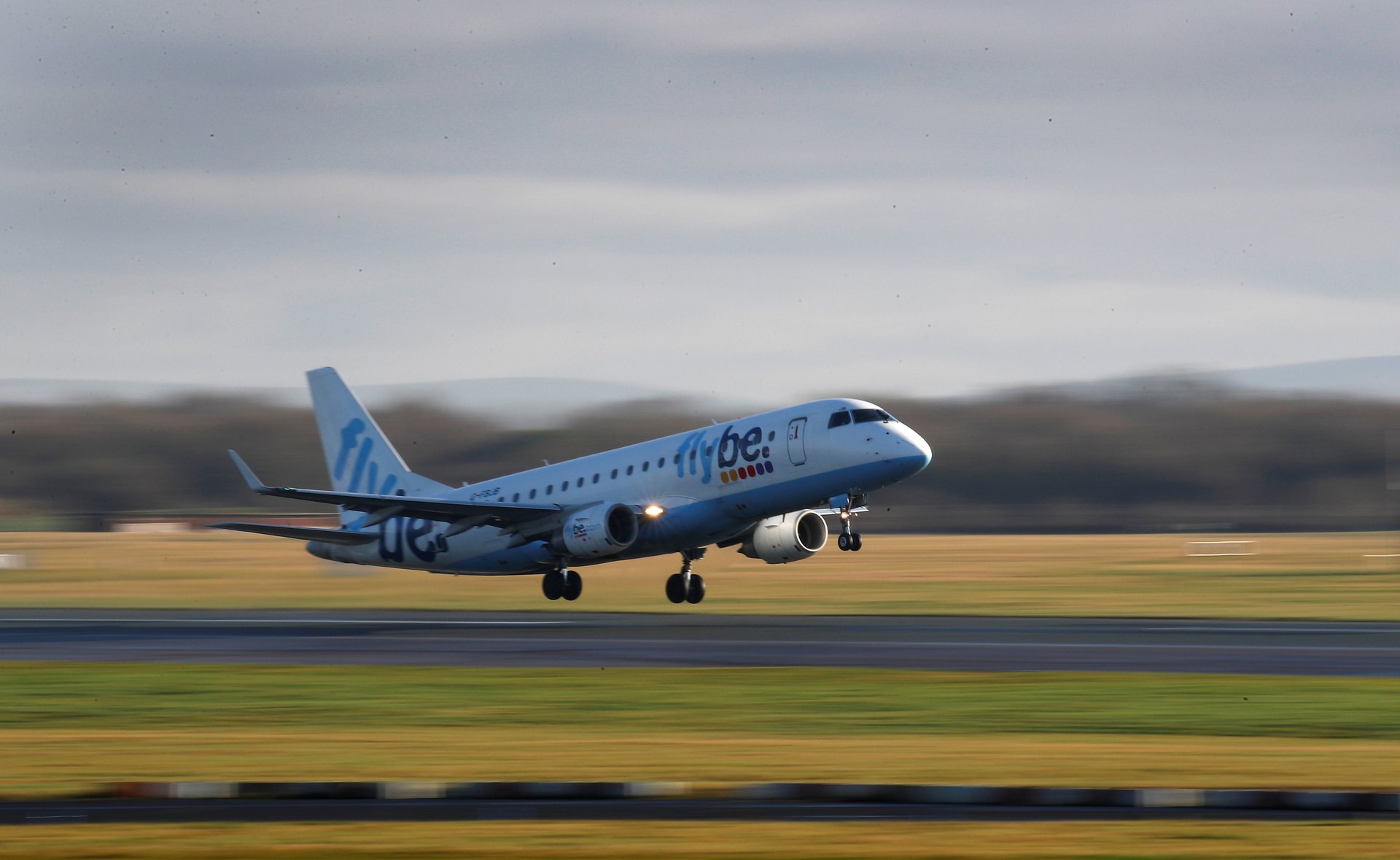
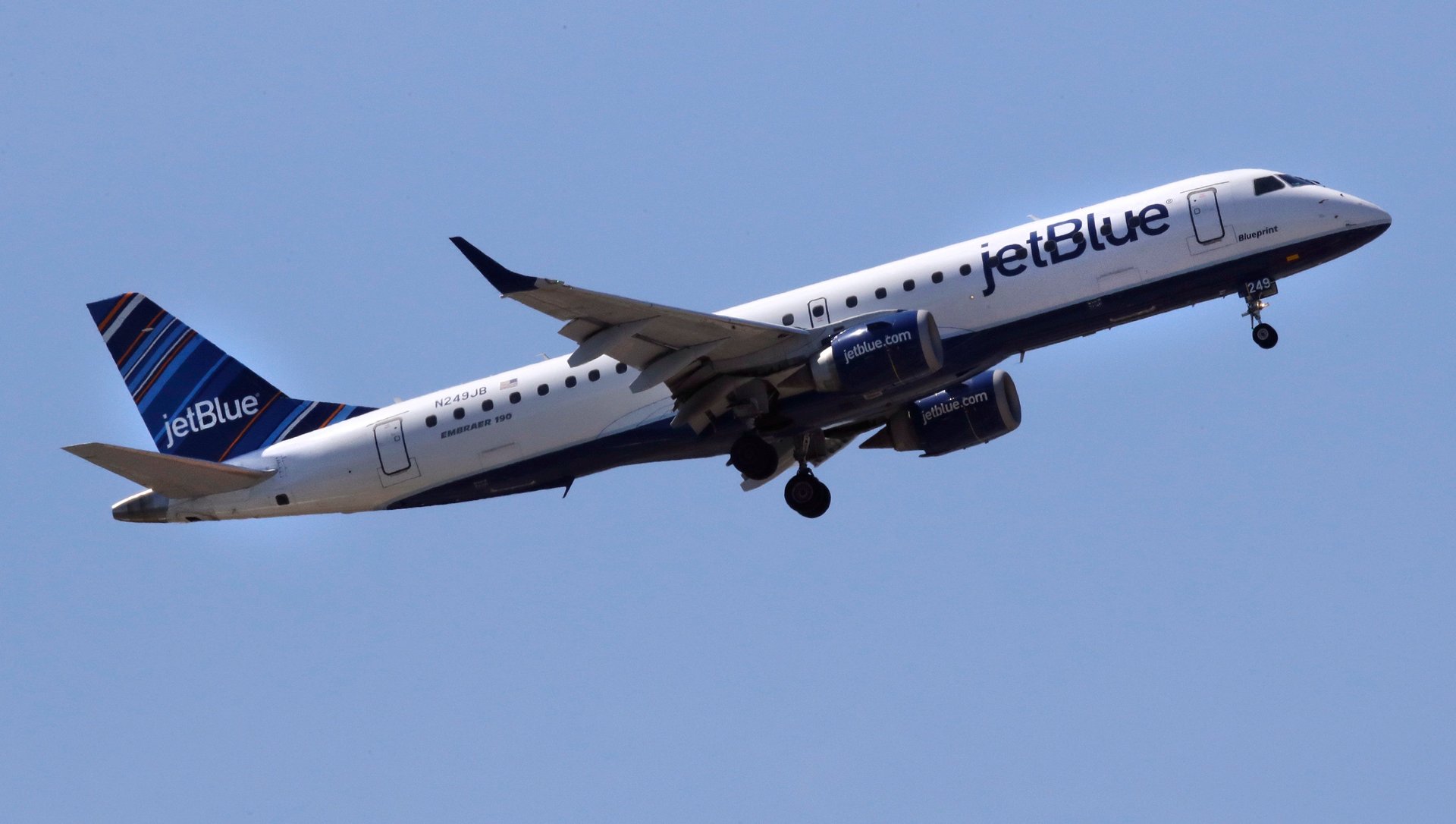
In the quiet of lockdown, the occasional whine of a passing jet is a conspicuous reminder of a surprising truth: Airplanes are still flying.

For countries hit hard by the coronavirus, China has served as a time machine of sorts. Just weeks or months after watching the crisis unfold at distance, the world has followed closely in its footsteps, from the proliferation of extraordinarily creative at-home TikTok videos to the widespread adoption of masks and the national lockdowns once decried as impossible outside the Middle Kingdom.

Sir Richard Branson, the founder of the Virgin Group, is on the hunt for a white knight. With coronavirus wreaking havoc on the world’s airlines, Virgin Atlantic will need a substantial boost from the public or private sector, if not both, to prevent its collapse.

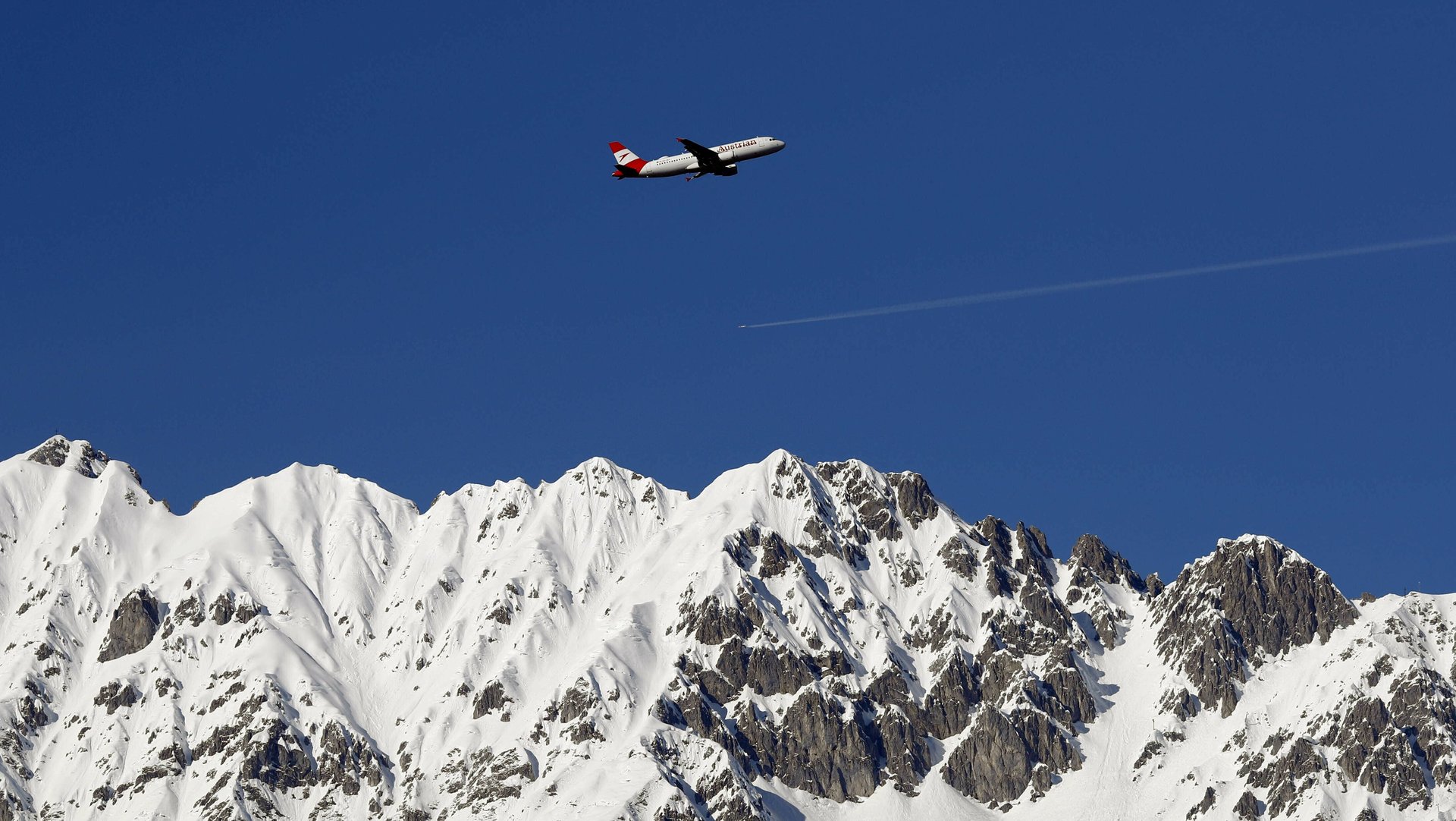
Of the dozens of countries throughout the world that have bailed out their struggling airlines, Austria’s government is the first so far to propose adding environmental conditions to its grant.

On July 24, 2019, after years of prosperity and growth, global aviation hit a new milestone: In a one-day record, more than 225,000 flights criss-crossed the world, as summer vacationers and business travelers journeyed from one corner of the globe to the next.

Expect quieter skies—and better service. This was the future promised by Ed Bastian, CEO of Delta Air Lines, in a call yesterday with investors, who described “a more premium experience” for “the customer of tomorrow.” In other words: Pay up.

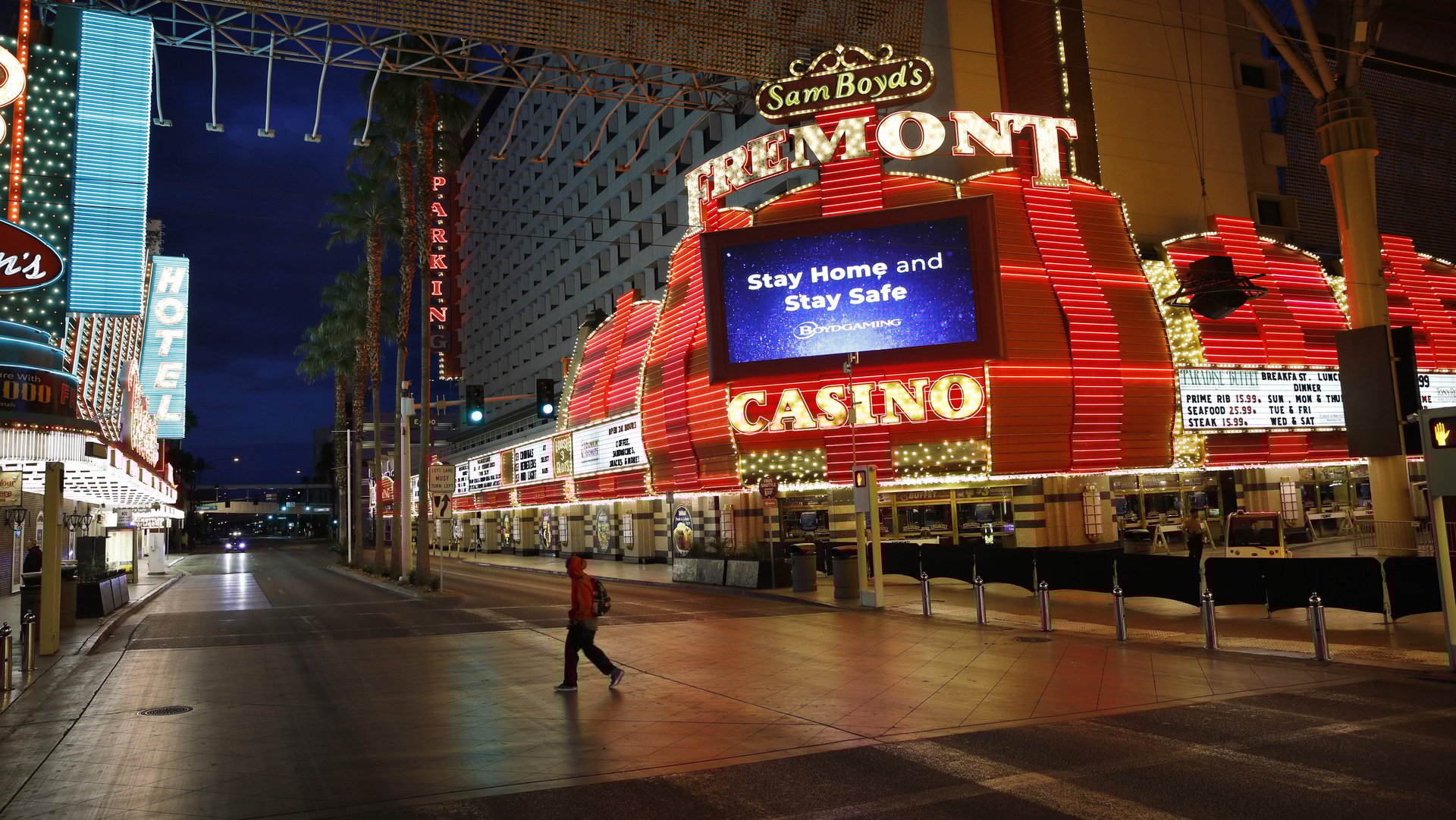
In an April 19 open letter to Nevada governor Steve Sisolak asking to reopen the state’s casinos next month, Matt Maddox, the CEO of Wynn Resorts, turned to the poetics of Zen : “The only way to cross this river is one stone at a time, and we need to put our feet in the water before it is too late.”

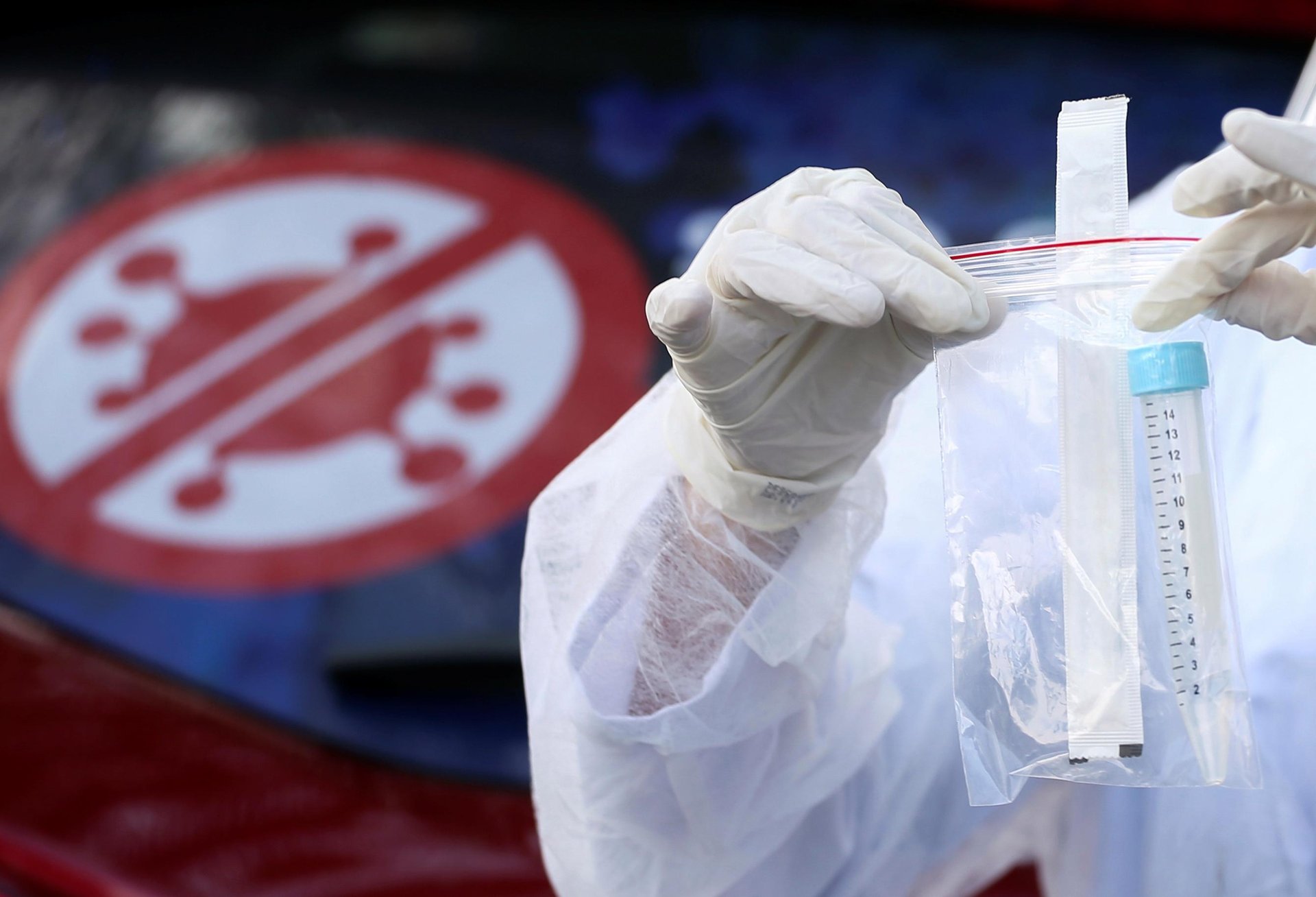
Ahead of boarding their Emirates flight from Dubai to Tunisia yesterday (April 15), masked passengers were given blood tests for Covid-19, with results delivered within 10 minutes. Emirates, which claims to be the first airline to perform these tests, now intends to scale up its capabilities until they are available before any flight to destinations requiring the Covid-19 test certificates currently under consideration by countries such as Germany and the UK.

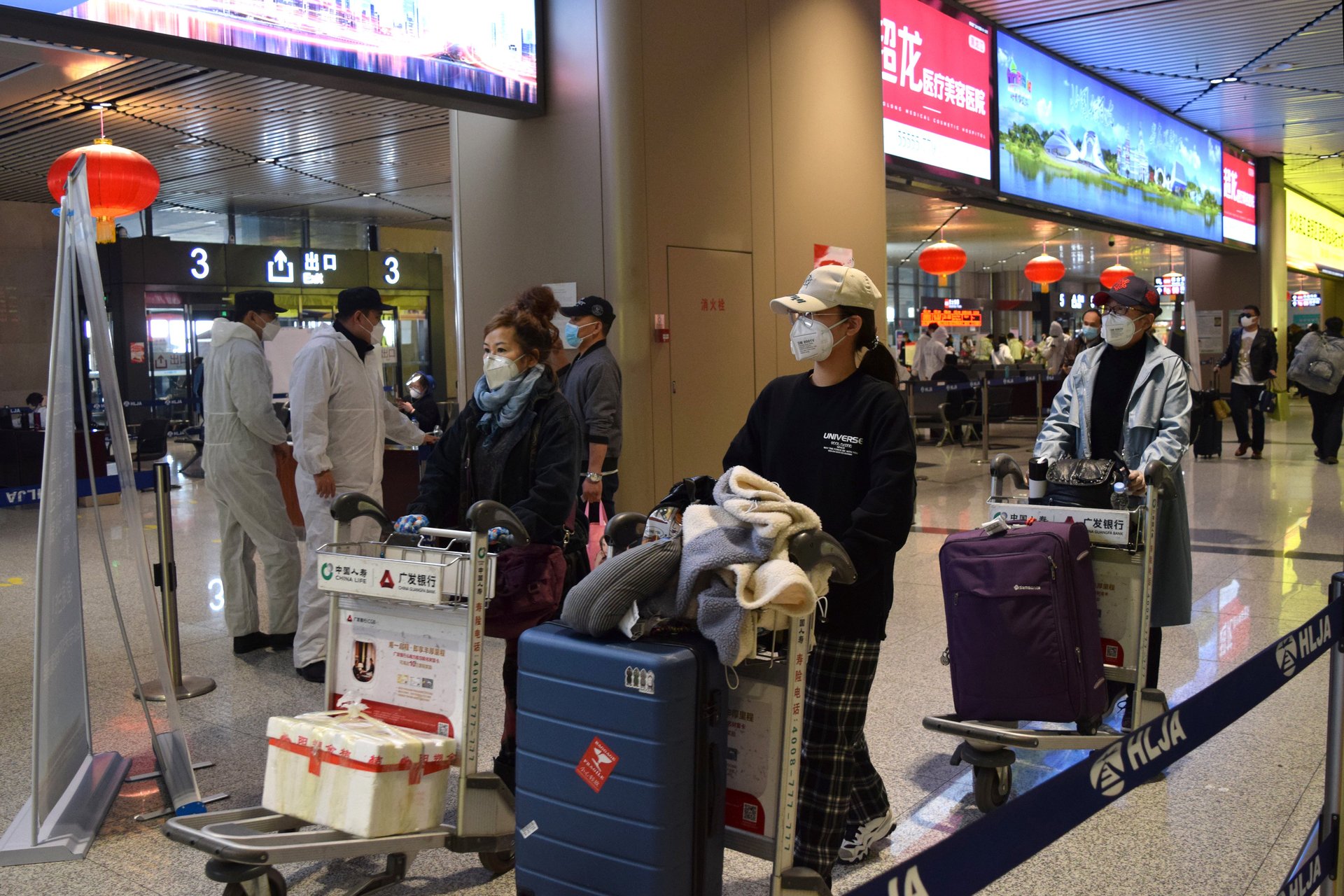
Navigating customs and immigration processes can be stressful at the best of times. Enter a global pandemic, and it can be hard to know which is the best course of action.

Force majeure. It sounds like an artistic technique—a foil to deus ex machina, for instance, or the technical name for the thrilling final movement of a great symphony. In fact, it’s an obscure legal term that does indeed denote something dramatic: “an event (as war, labor strike, or extreme weather) or effect that cannot be reasonably anticipated or controlled,” as defined by Merriam Webster’s legal dictionary.

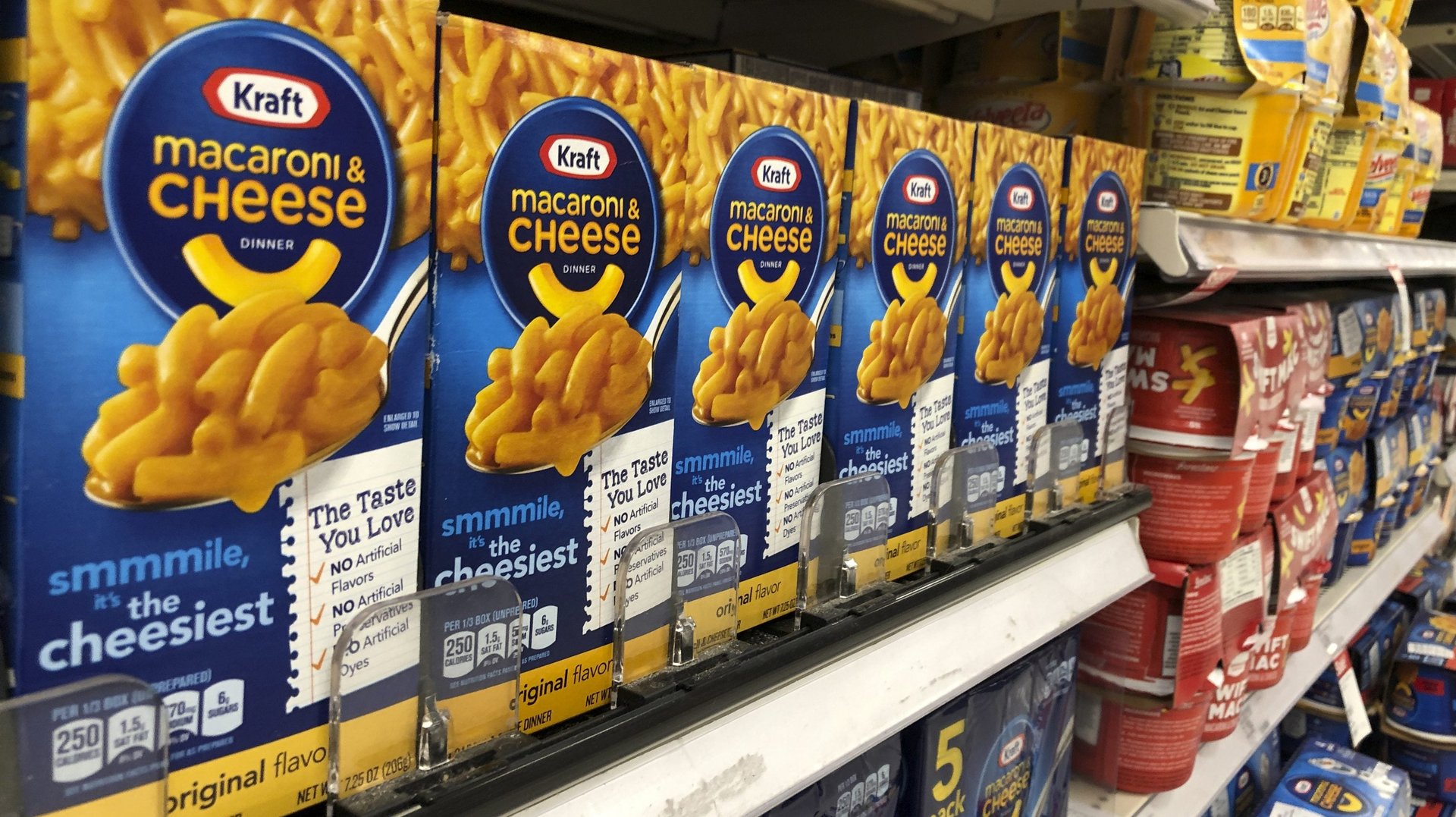
Time and time again, the analysis was the same: Newly health-conscious Americans, with their penchant for sourdough and gojuchang, had grown too sophisticated for Kraft Heinz and its stable of packaged products. In turn, the company, which makes everything from Cool Whip to Shake ‘n Bake, has struggled. Shares had slumped; credit raters downgraded the company to junk; sales grew ever more sluggish.

Most people in lockdown, as 75% of Americans are at the moment, are probably experiencing big changes to their usual routine. There’s no office commute, no school bus shuttle; there are no parties to attend, no group dinners to plan. It’s unsurprising, then, that for a lot of people, those changes may also be affecting their sex life.

In an enforcement notice published today, the US Department of Transportation left little wriggle room for troubled US airlines. “Passengers should be refunded promptly when their scheduled flights are cancelled or significantly delayed,” wrote Blane Workie, the department’s assistant general counsel for Aviation Enforcement and Proceedings.

New York’s gilded Upper East Side has been rendered a ghost town. The tourists are at home; the shops are shuttered, with their shelves bereft. Many of its residents, meanwhile, are as far away from the new center of a global pandemic as their wealth can take them—in the country, by the shore, on a hilltop, virtually anywhere else.

For the second time in less than two decades, US airlines have come, hat in hand, to the government. This time, they stand to receive more than $50 billion in assistance to shore up losses stemming from the coronavirus.

As coronavirus-hit airlines line up for government hand-outs, airports the world over fear being overlooked in their own time of crisis.

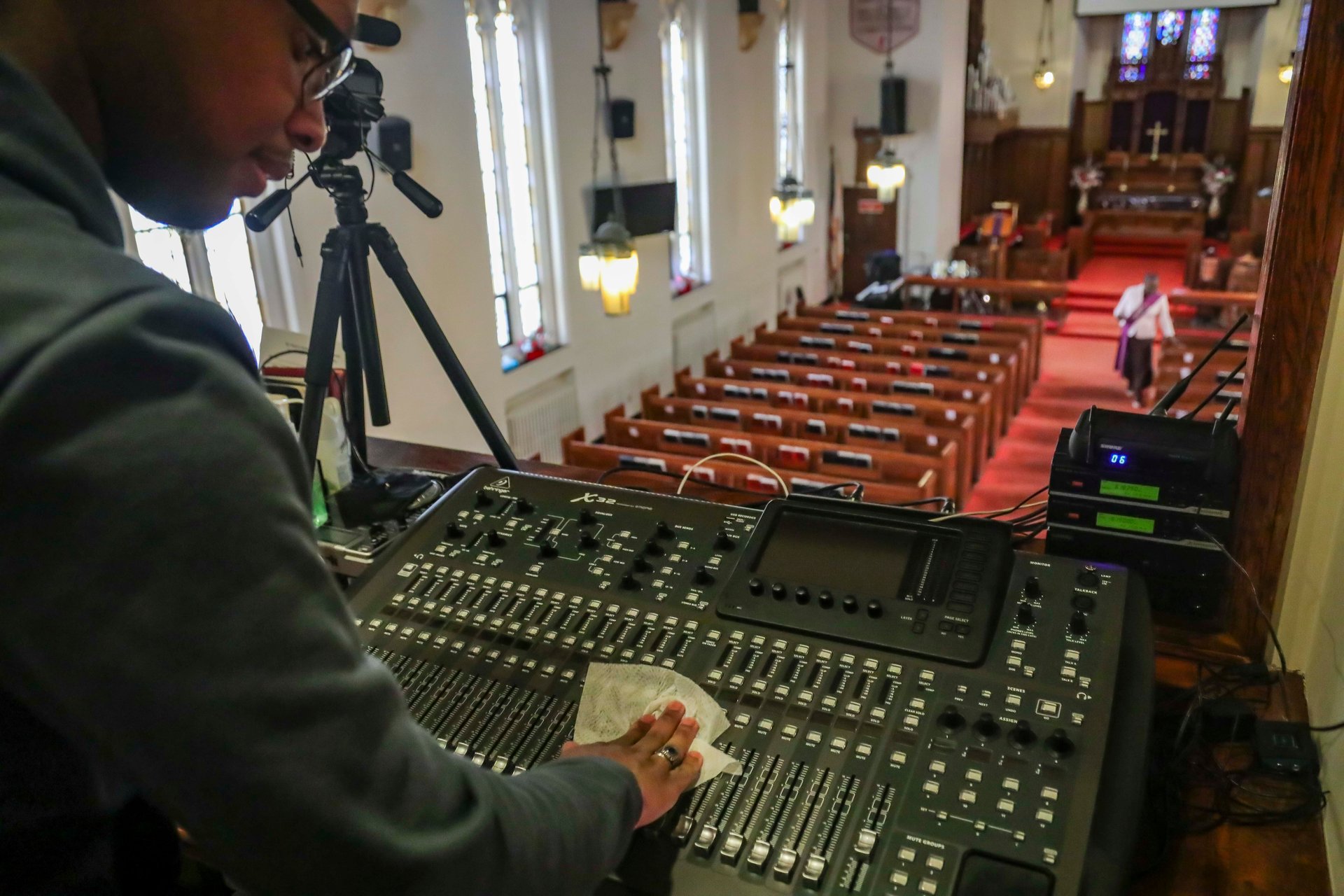
At this year’s Purim service at Romemu, a progressive synagogue on New York’s Upper West Side, a lay reader addressed an absent congregation of more than 500 remote watchers: “This is where you get your graggers out,” he said, looking up from the scroll. “So, wherever you have them hidden in your home…”

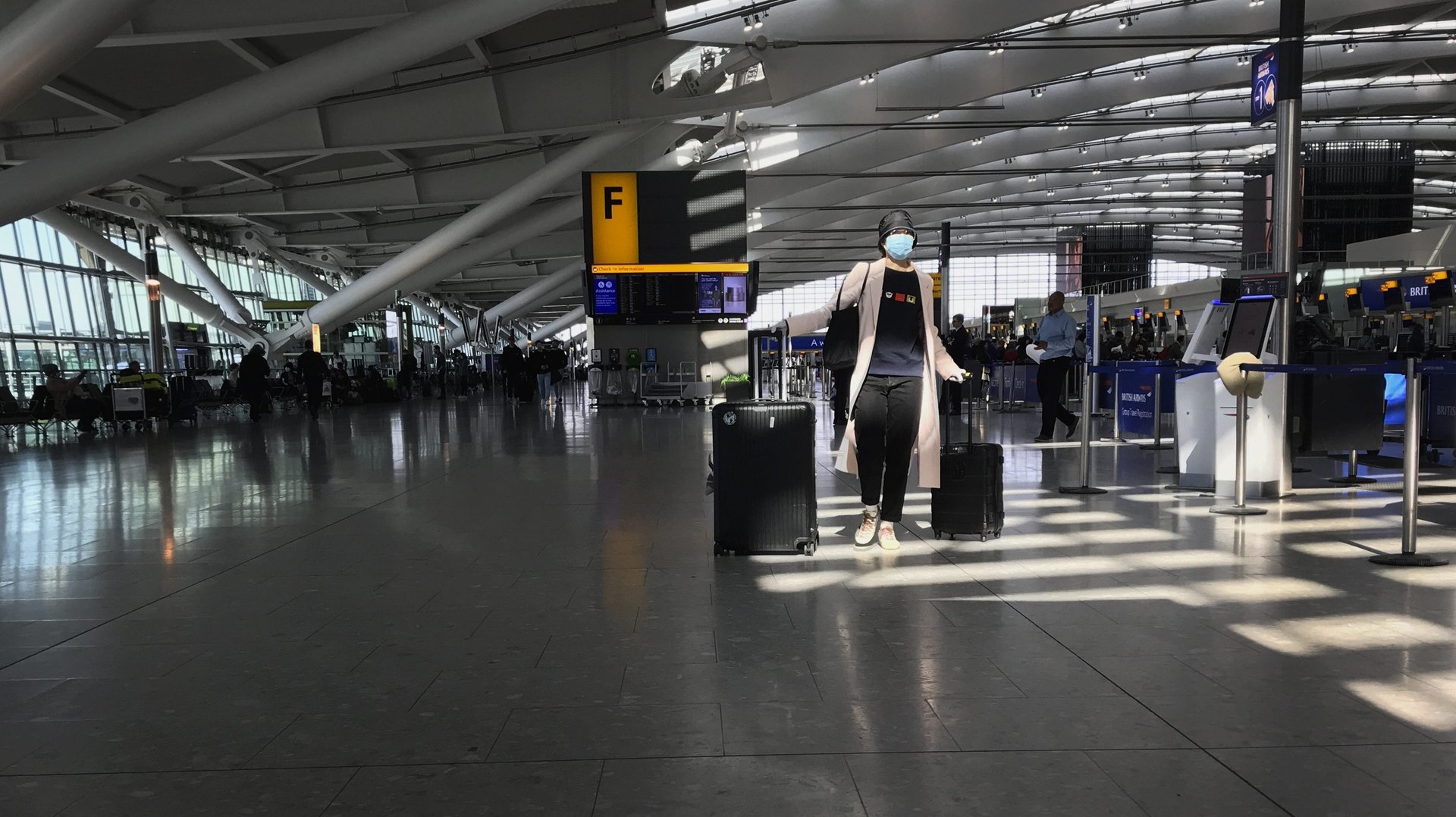
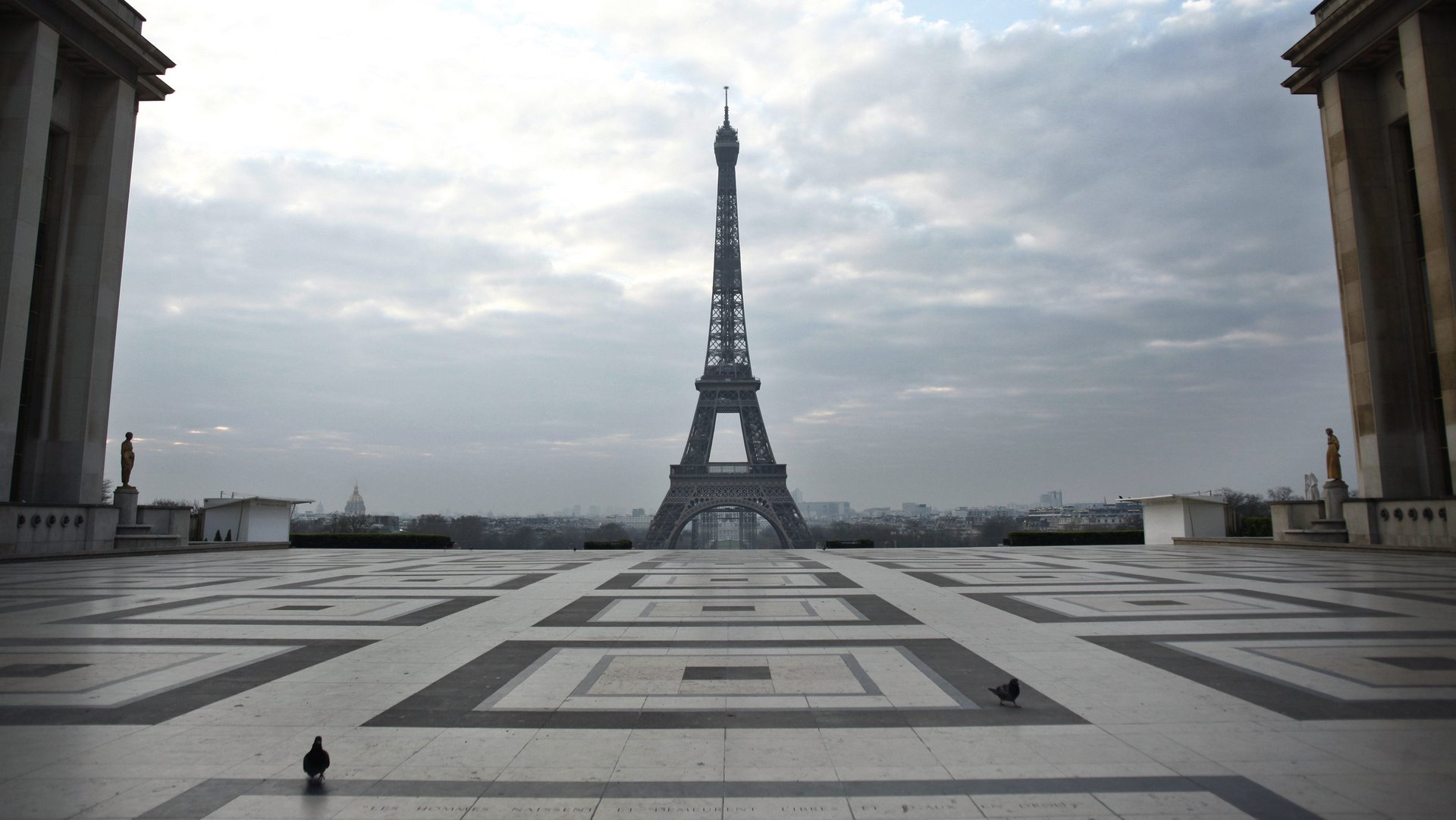
As the coronavirus forces airlines to suspend flights and cities to impose restrictions on gatherings, some of the most trafficked tourist destinations in the world are now bereft of their usual thousands of visitors.

There are good reasons not to travel right now. Self-quarantine keeps you and other more vulnerable people safe; limited social contact has so far proven to be the best way to “flatten the curve” of the spread of the new coronavirus. And if you have even a slightly sore throat, it’s definitely worth staying home and minimizing the risk.

On any given day last year, an average of about 25,000 European residents, excluding people based in the UK, entered the US. Some were there for work, others commencing long-awaited vacations, or visiting faraway family members.