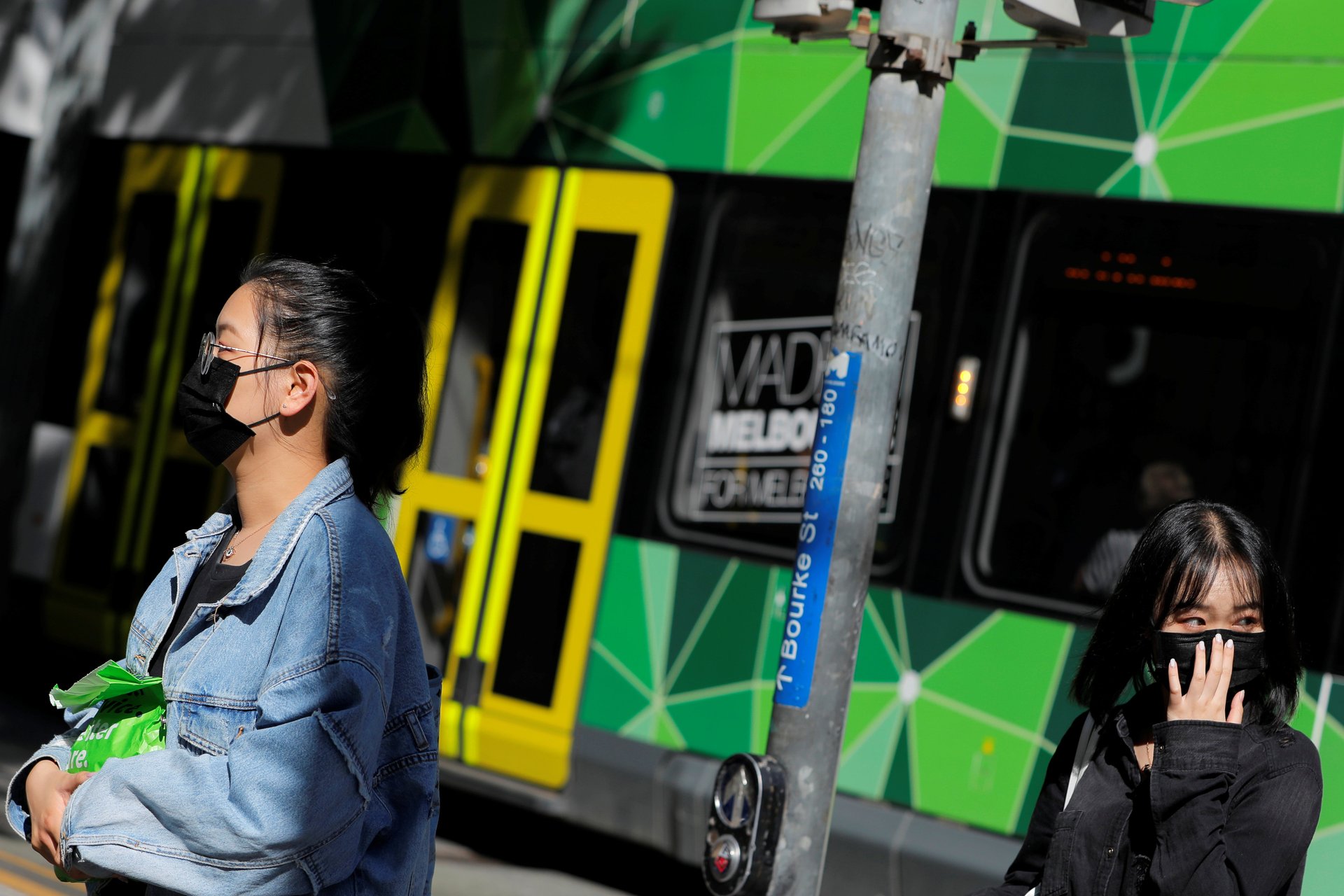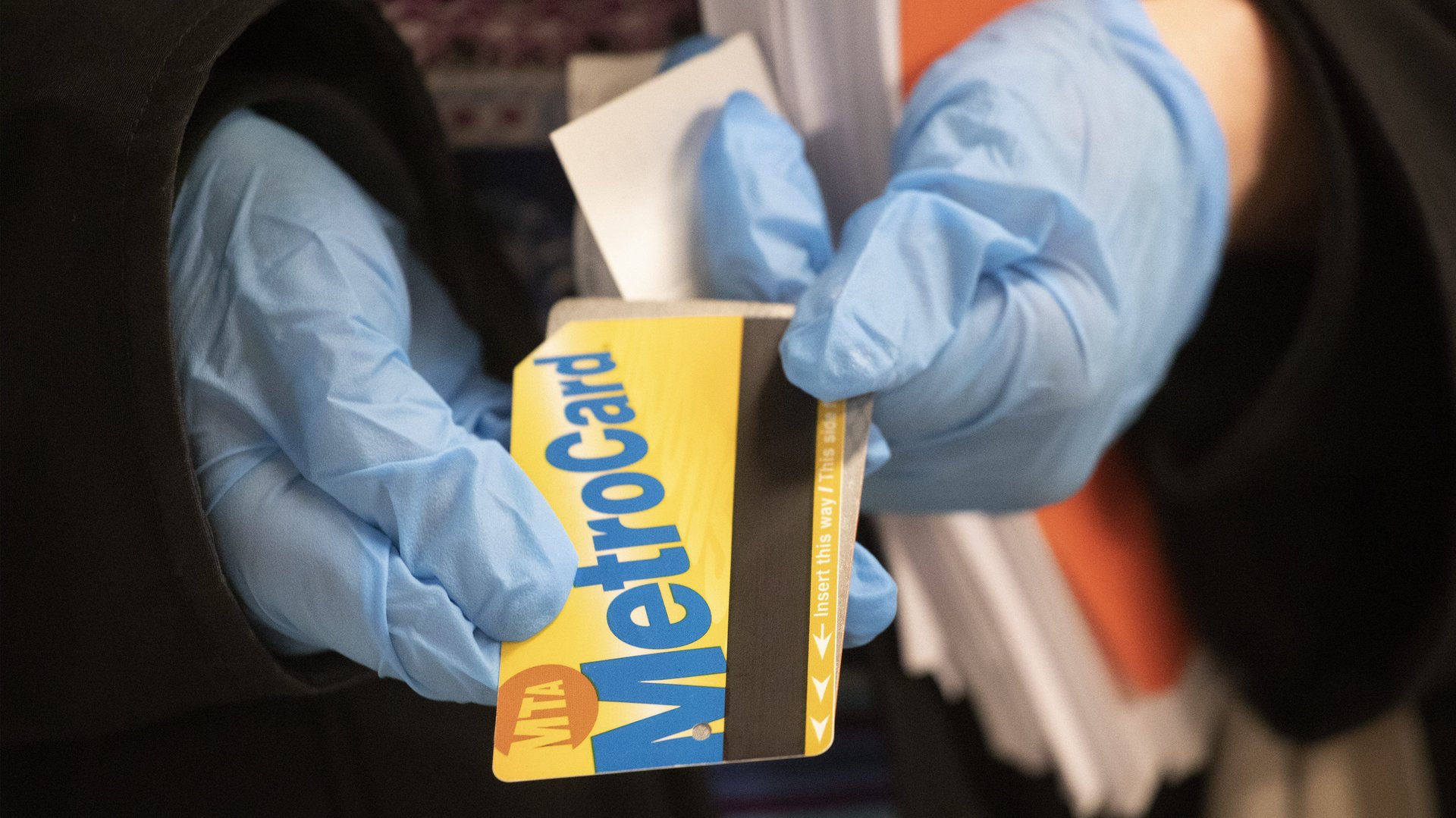
New Yorkers are starting to avoid the subway—especially if they have the means to explore other transit options, or stay home.

New Yorkers are starting to avoid the subway—especially if they have the means to explore other transit options, or stay home.

With more than 1200 confirmed cases of the new coronavirus in the US, the country’s president, Donald Trump, today announced far-reaching restrictions. Chief among them: a ban an all inbound flights from Europe for a month, arguably the most stringent peacetime restriction on travel in US history.

You’d expect coronavirus-hit air carriers to be popping champagne corks: Crude oil fell by almost a third to $31 a barrel—the largest drop in almost 20 years. After all, fuel can account for as much as 20% of an airline’s expenses. But many will see little relief, or none whatsoever, due to a quirk of jet fuel purchasing.

You’re a staggeringly wealthy person, and you’d like to get out of quarantined Hong Kong, stat. What to do? Under normal circumstances, flying commercial might fit the bill, albeit at the front of the plane—Cathay Pacific runs five non-stop flights every day from its Hong Kong base to New York. But for the next several months, with the new coronavirus wreaking havoc on global aviation, the airline is running just one daily flight between the two locations. If you’re flying first class, round-trip ticket prices start at about $32,000.

The Japanese city of Nara, a 45-minute train journey from Kyoto, has an unusual calling card: approximately 1,000 free-roaming deer that greet tourists (and ask for treats) with a polite bow.

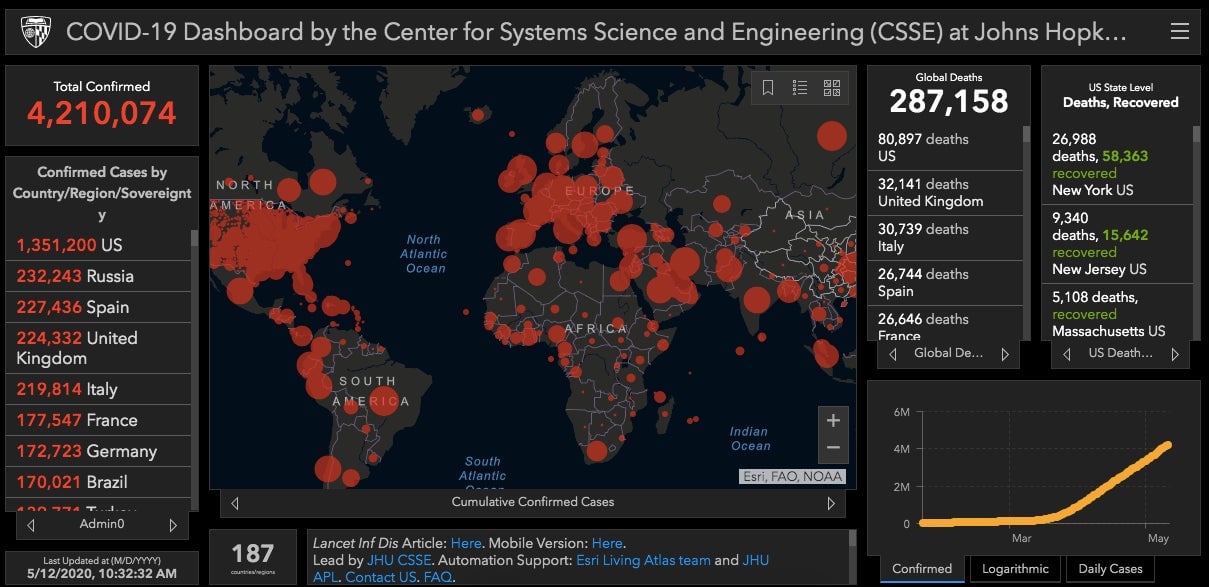
At the time of writing, there are 105,558 confirmed cases of Covid-19, of which 58,354 have recovered, while 3,555 have died. But don’t take my word for it—you can follow the progress of the coronavirus as it moves around the world, in real time, thanks to a spell-binding “interactive web-based dashboard” hosted by Johns Hopkins University’s Center for Systems Science and Engineering.

Rare is the dish that speaks to both a global public health crisis and a nation’s rising soft power. Enter ram-don, a student-friendly mix of two popular instant noodle flavors—and the uncredited star of Parasite, which last month became South Korea’s first Academy Award–winning film.

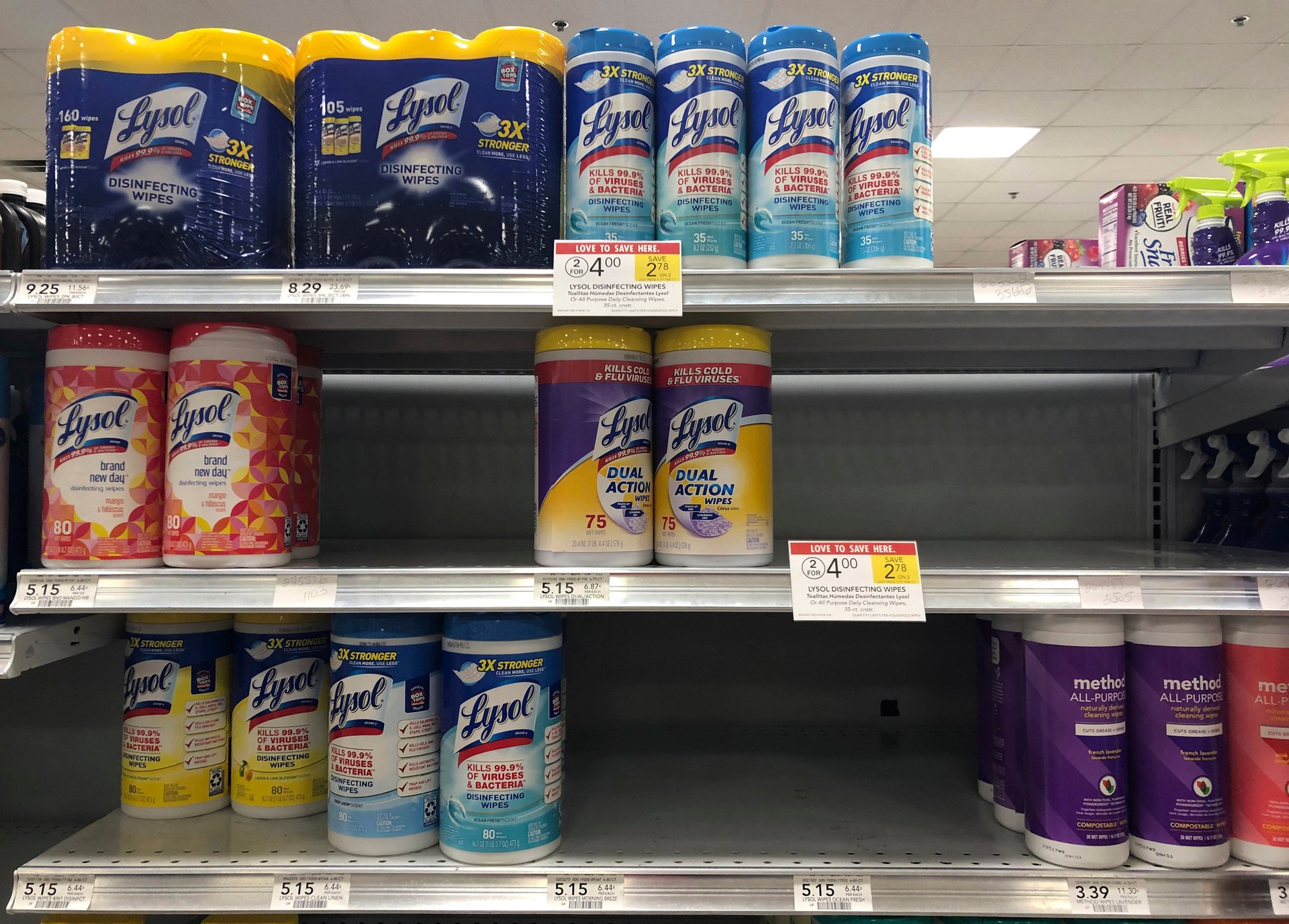
At a press conference earlier this week, Aimee Sisson, the health officer of Placer County, California, gave a few words of advice following the first deaths from the new coronavirus in the state. “It’s good to have two weeks of supplies on hand,” she said, “in case your family was asked to quarantine.”

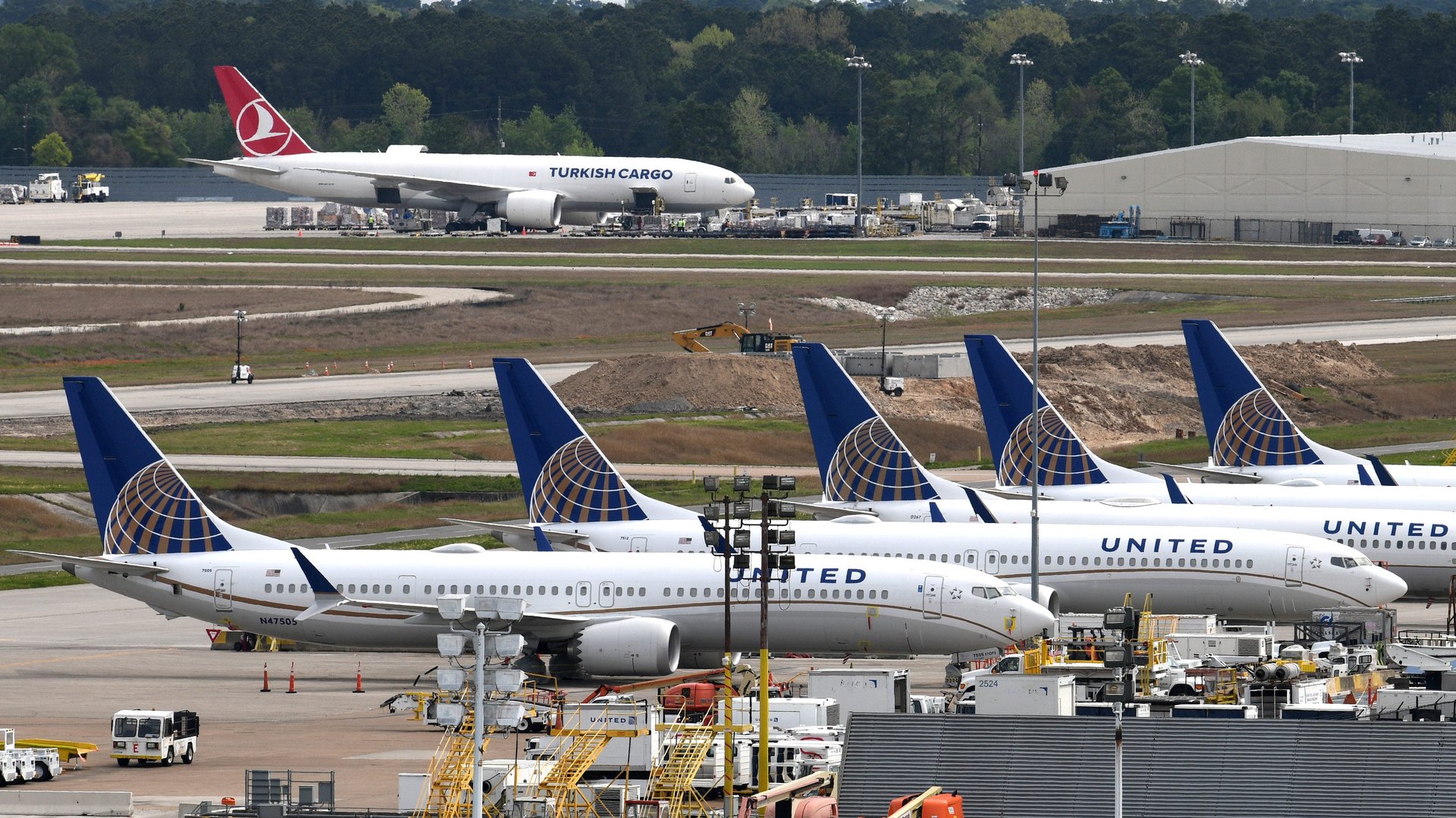
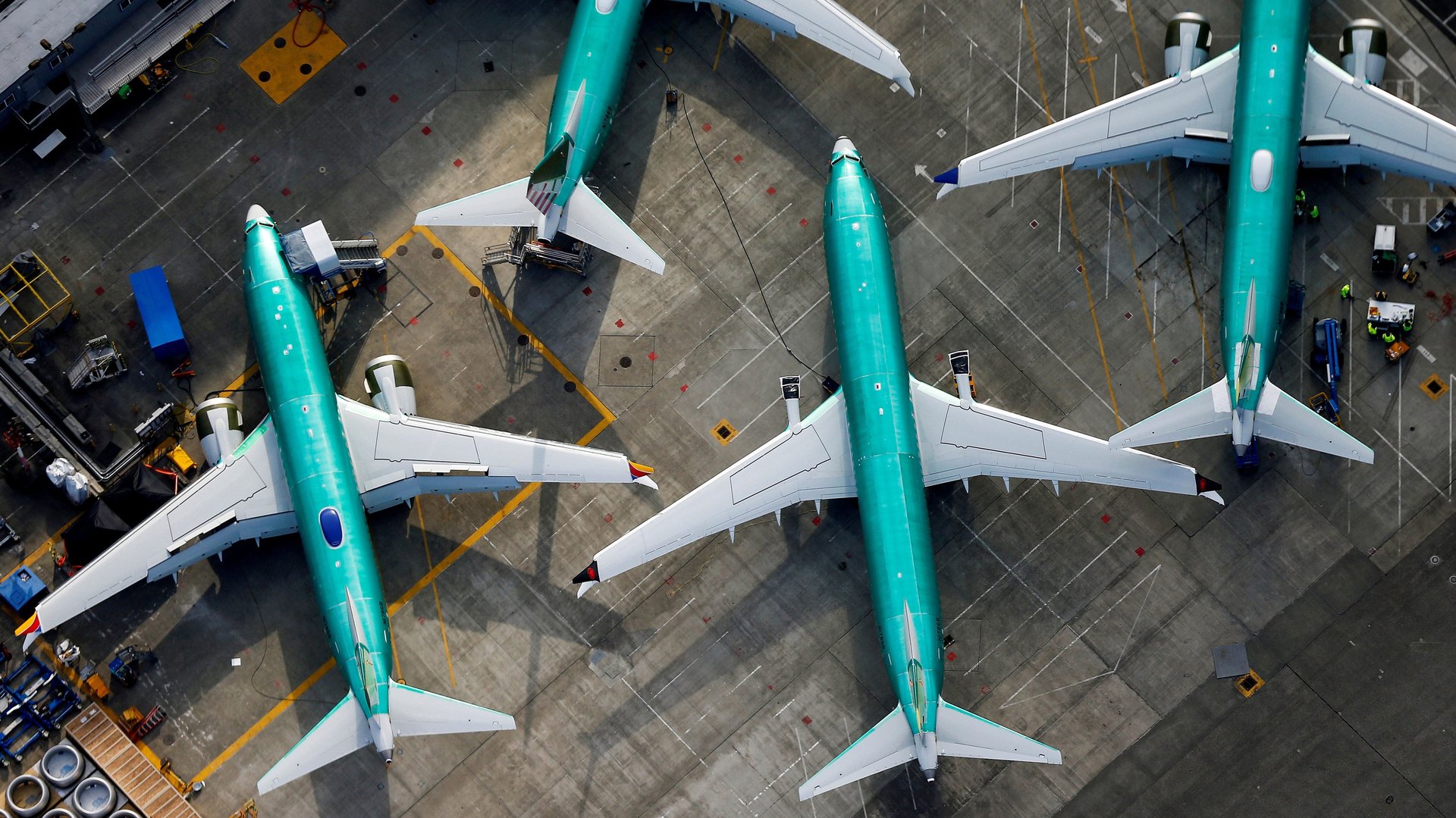
Two months ago, United Airlines was in a bit of a pickle. The US carrier, which was forced to cancel dozens of daily flights in the wake of the Boeing 737 Max crisis, was looking ahead to months of variously swapping out planes, cancelling flights, or finding larger aircraft to work around the shortage of planes.

RIP, Flybe. After months of difficulty, the small British airline yesterday succumbed to the effects of Covid-19. In a widely-reported statement, the airline said that its financial challenges “compounded by the outbreak of coronavirus, which in the last few days has resulted in a significant impact on demand.” The 40-year-old budget carrier flew British tourists to regional destinations like Italy and France, and had its headquarters in Exeter, England.

Schools are closed; events and conferences are cancelled; face masks are suddenly hundreds of dollars (or simply unavailable). With tens of thousands of reported cases of the new coronavirus in more than 35 countries, it’s not unreasonable to be second-guessing that long planned vacation. So, should you cancel your trip? And if so, how much is it going to cost you? And if you’re considering booking travel, what do you need to know?

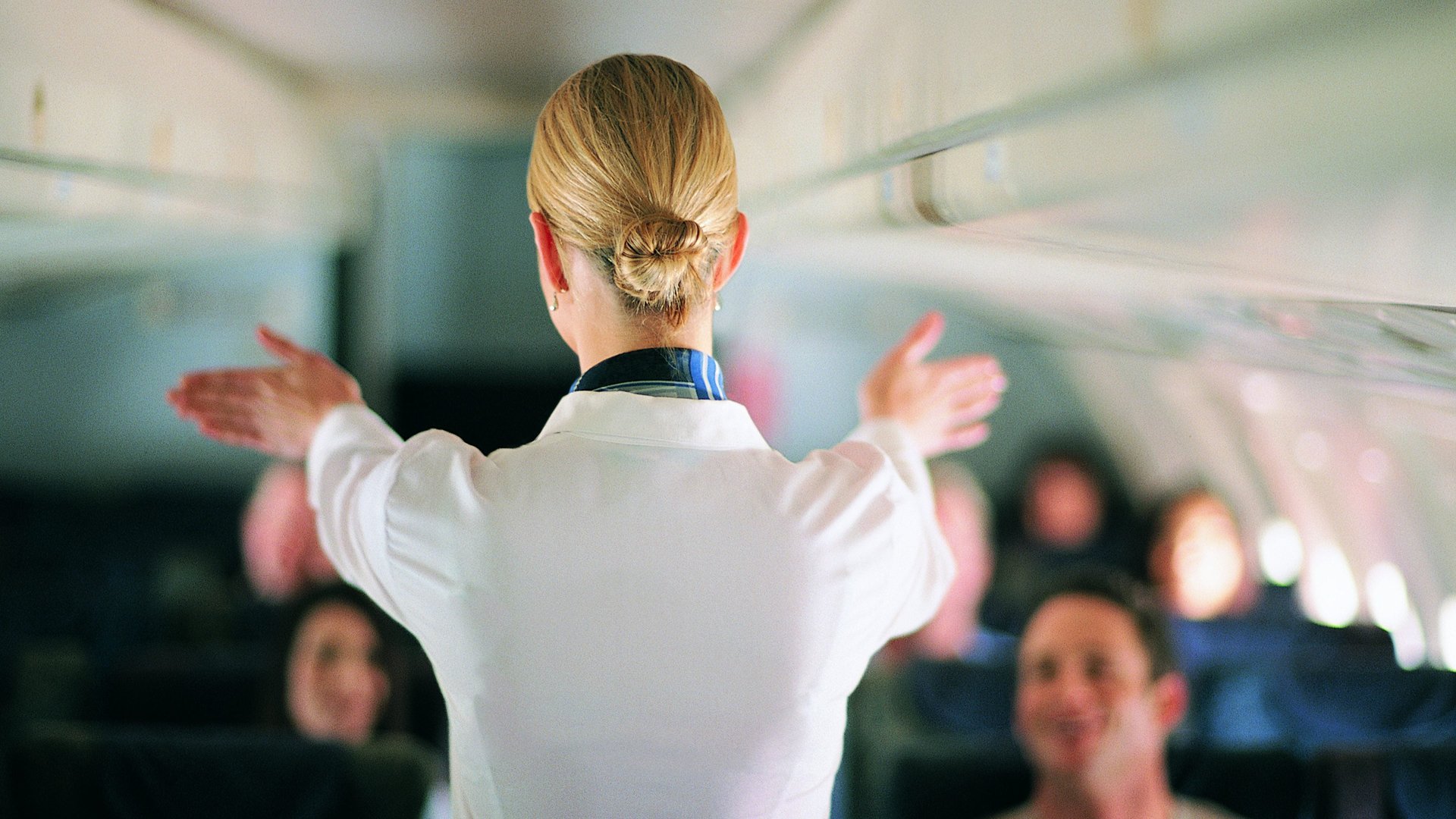
For most flight attendants, it’s a pleasure to sling diet cokes in the sky. On anonymous job review sites, cabin crew members report working alongside “amazing people” and making the most of an “awesome opportunity” to travel the world. After all, they’ve beat out tens of thousands of wannabes for the privilege and its perks—including the legendary post-work partying.

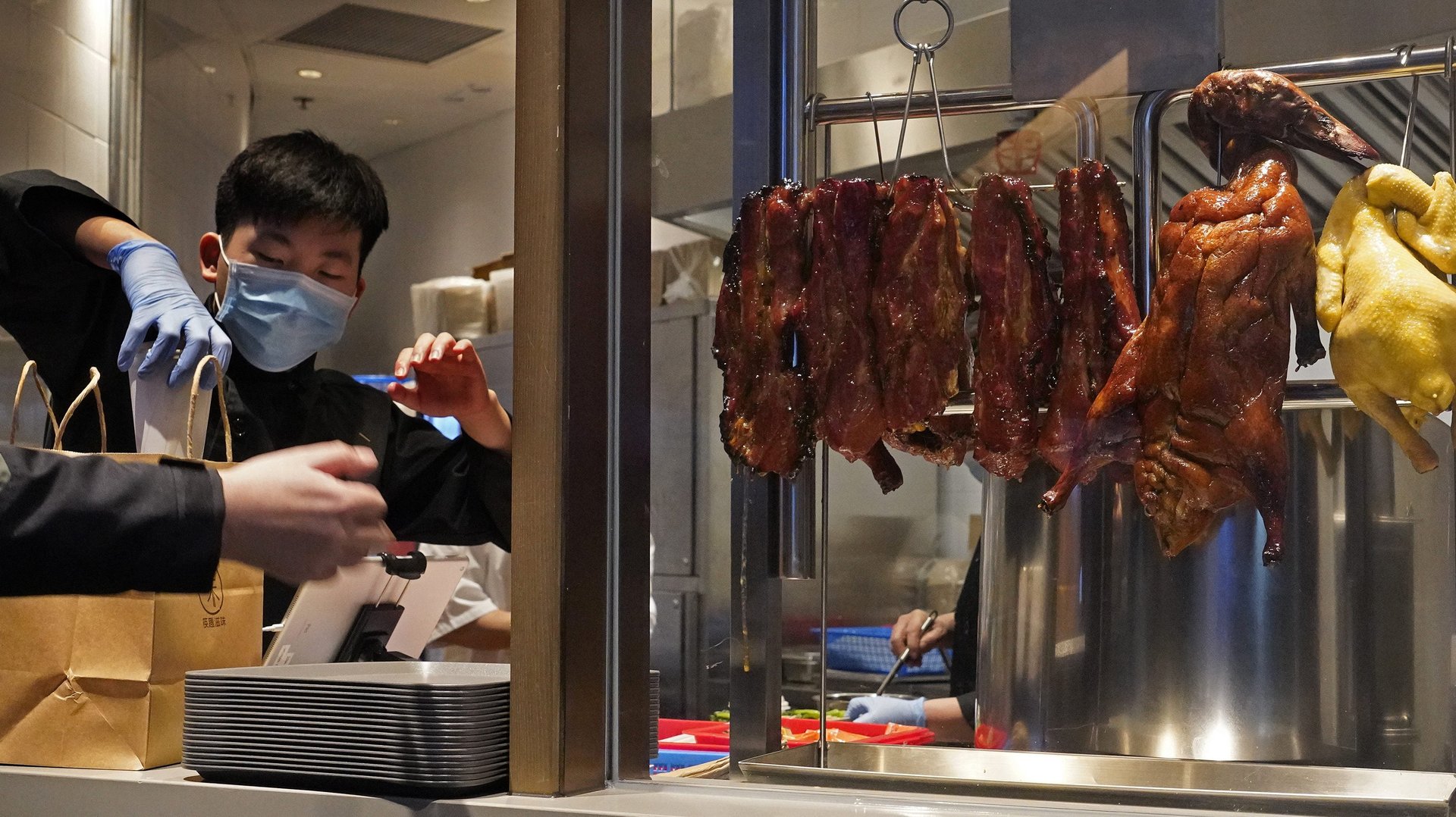
AA Bakery and Cafe in San Francisco’s Chinatown usually has customers out the door for its egg tarts and pineapple buns. But a rumor about an employee said to have contracted coronavirus has sent prospective customers scurrying elsewhere, according to local CBS affiliate KPIX. The bakery’s owner, Henry Chang, says none of his workers are ill. Coronavirus fears have gripped the neighborhood, though. Foot traffic in the area is down by more than 50%, local residents and merchants estimate.

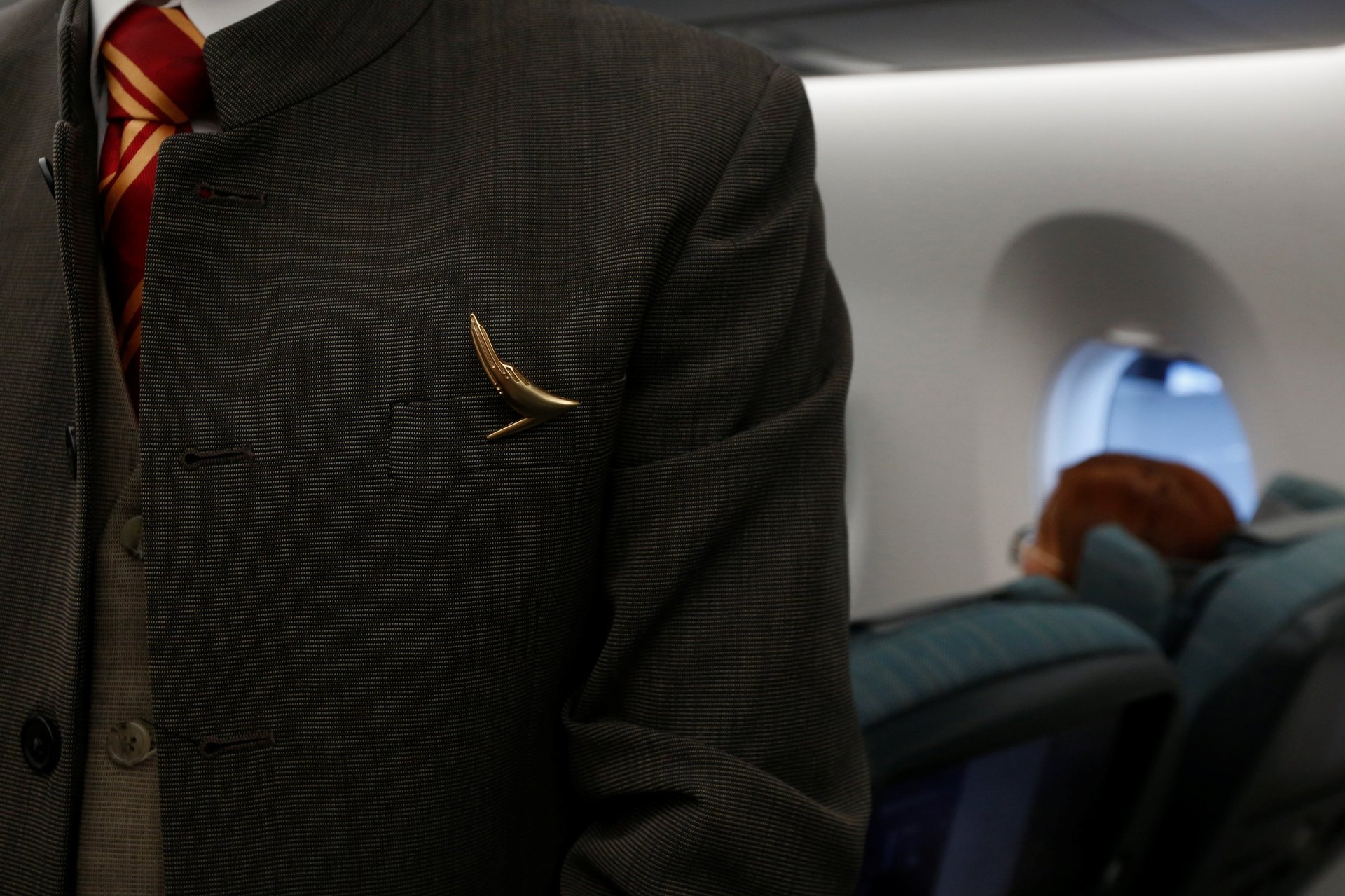
The 27,000 employees of Cathay Pacific Airway each have a tricky decision to make: Take three weeks’ voluntary unpaid leave between March and June, or risk layoffs and, perhaps, the collapse of Hong Kong’s largest airline.

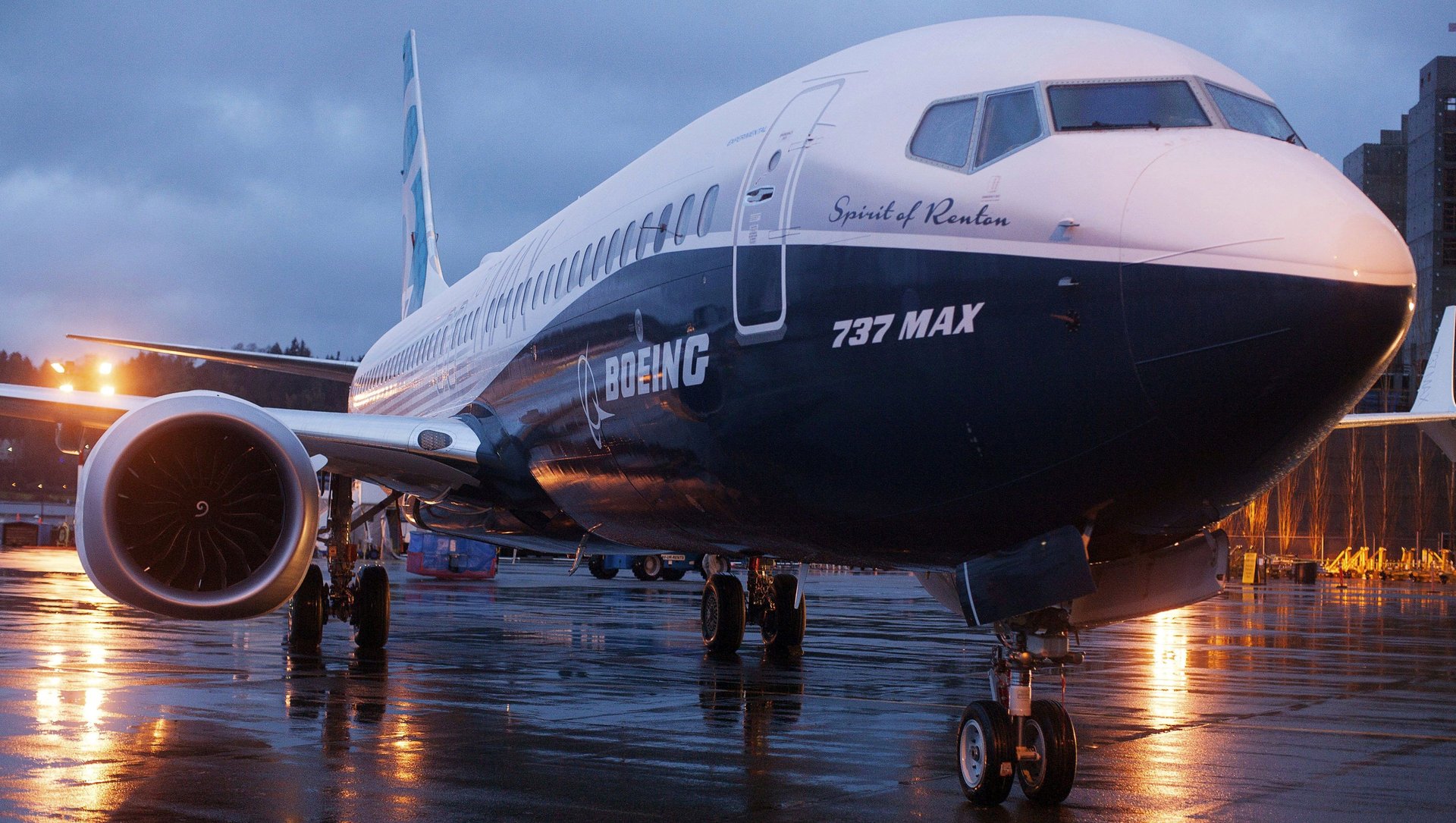
Next month will mark one year since the second fatal Boeing 737 Max 8 crash—the tragedy that sparked an annus horribilis for the US plane manufacturer. In the less than 12 months since, it has lost orders, its CEO, and investor and consumer confidence alike.

Tonight is the night: Super Bowl 54 is happening at Hard Rock Stadium in Miami, Florida, with the San Francisco 49ers taking on the Kansas City Chiefs for the NFL championship.

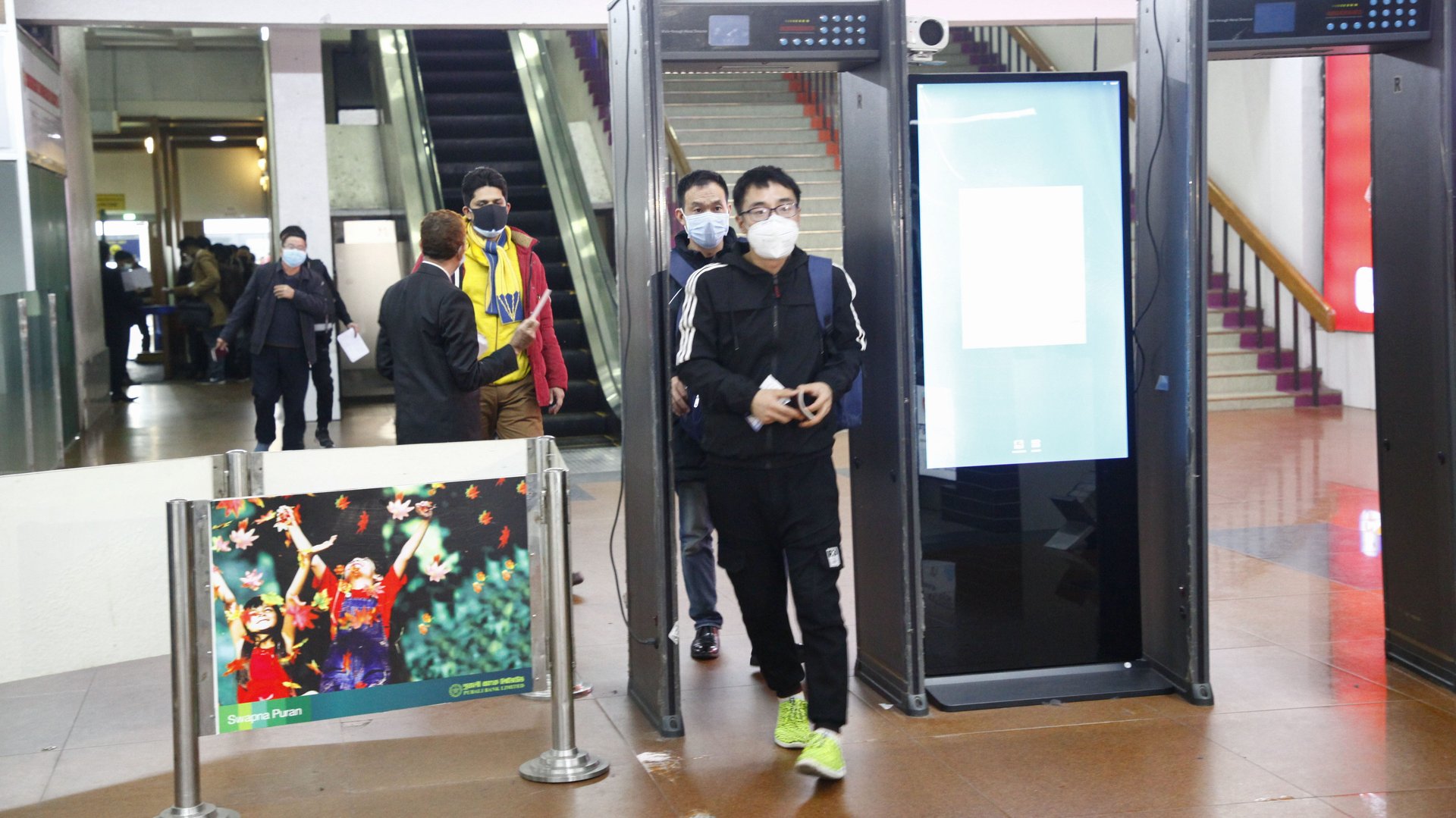
On almost every continent, countries have taken the dramatic step of closing their borders to most, if not all, flights from China, or to foreign visitors who’ve been to China or certain parts of it. With more than 300 now dead from the Wuhan coronavirus, the US, Israel, and a handful of other nations have imposed stringent restrictions on air travel.

The 2020s are off to an inauspicious start for the land once known as the Lucky Country. In the first month of the year, Australia saw significant drought and the worst wildfires in its history, which decimated native wildlife and produced about 900 million metric tons of carbon emissions. In what would ordinarily be high tourism season, visitor numbers have slumped due to the fires.

As Boeing’s new CEO, Dave Calhoun has more than a few looming questions to answer.

Boeing posted its first annual loss since 1997, with a per-share loss of $2.33 in the last three months of 2019. Revenue plunged 37% to $17.9 billion in the final quarter. The company is restricting production of its 787 craft.

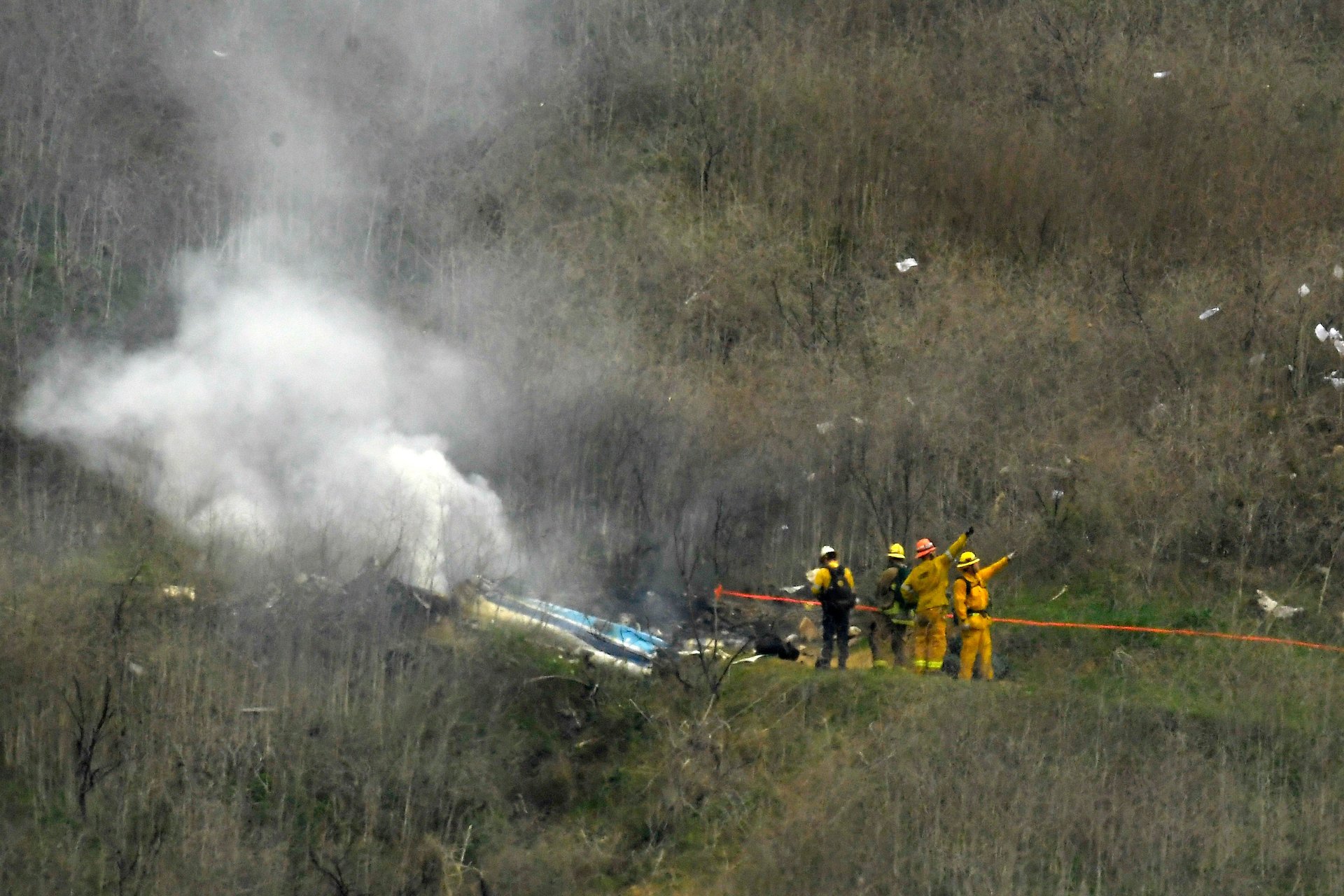
On Sunday morning (Jan. 26), US basketball legend Kobe Bryant, his 13-year-old daughter, and seven others died in a helicopter crash about 30 minutes outside Los Angeles. Fatal helicopter accidents of this sort are, happily, quite rare—over the same approximate distance, you’re much more likely to be involved in a fatal accident driving in a car or SUV.

Under normal circumstances, the week of the Lunar New Year should be a highlight of the Chinese tourism industry’s calendar. Every year, in the space of a week, Chinese make around hundreds of millions of trips—boarding flights, visiting family and friends, and making the most of big-ticket domestic tourism sites. Between Jan. and 19, there were nearly 120 million railway trips in preparation for the holiday, according to the transport ministry, a 20% increase compared to last year.

Two years ago, US president Donald Trump closed US borders to citizens of seven countries. Now, seven other countries across the world are rumored to be added to the list in the coming days, according to the Wall Street Journal.

Steven Udvar-Hazy, the founder and chairman of plane leasing giant Air Lease Corp., has a seemingly radical suggestion for Boeing: the 737 Max should never fly again.