
Tech & Innovation
Hong Kong is showing the world how to protest anonymously in an era of mass surveillanceThis story is part of an ongoing series on how China is reshaping our world.
Updated July 21, 20222 min read
This story is part of an ongoing series on how China is reshaping our world.
This story is part of an ongoing series on how China is reshaping our world.
There is a long and growing list of global companies, artists, and institutions that have “hurt the feelings of the Chinese people.” Last week it was video-game powerhouse Blizzard. Before that, the general manager for the NBA’s Houston Rockets. But it goes back much further.
Chinese censorship is expanding well beyond China’s borders. With China’s government and social media so often aligned on a nationalist worldview, companies from everywhere in the world are being pressured to self-censor and avoid offending China’s sensibilities. Hong Kong deputy editor Isabella Steger, producer Tony Lin, and reporter Nikhil Sonnad discuss how Western corporations and institutions navigate Chinese censorship.
This story is part of an ongoing series on how China is reshaping our world.
Hong Kong bureau deputy editor, Isabella Steger, reporter Nikhil Sonnad, and producer Tony Lin to discuss the changing face of China’s diaspora in English-speaking countries around the world.
This story is part of an ongoing series on how China is reshaping our world.
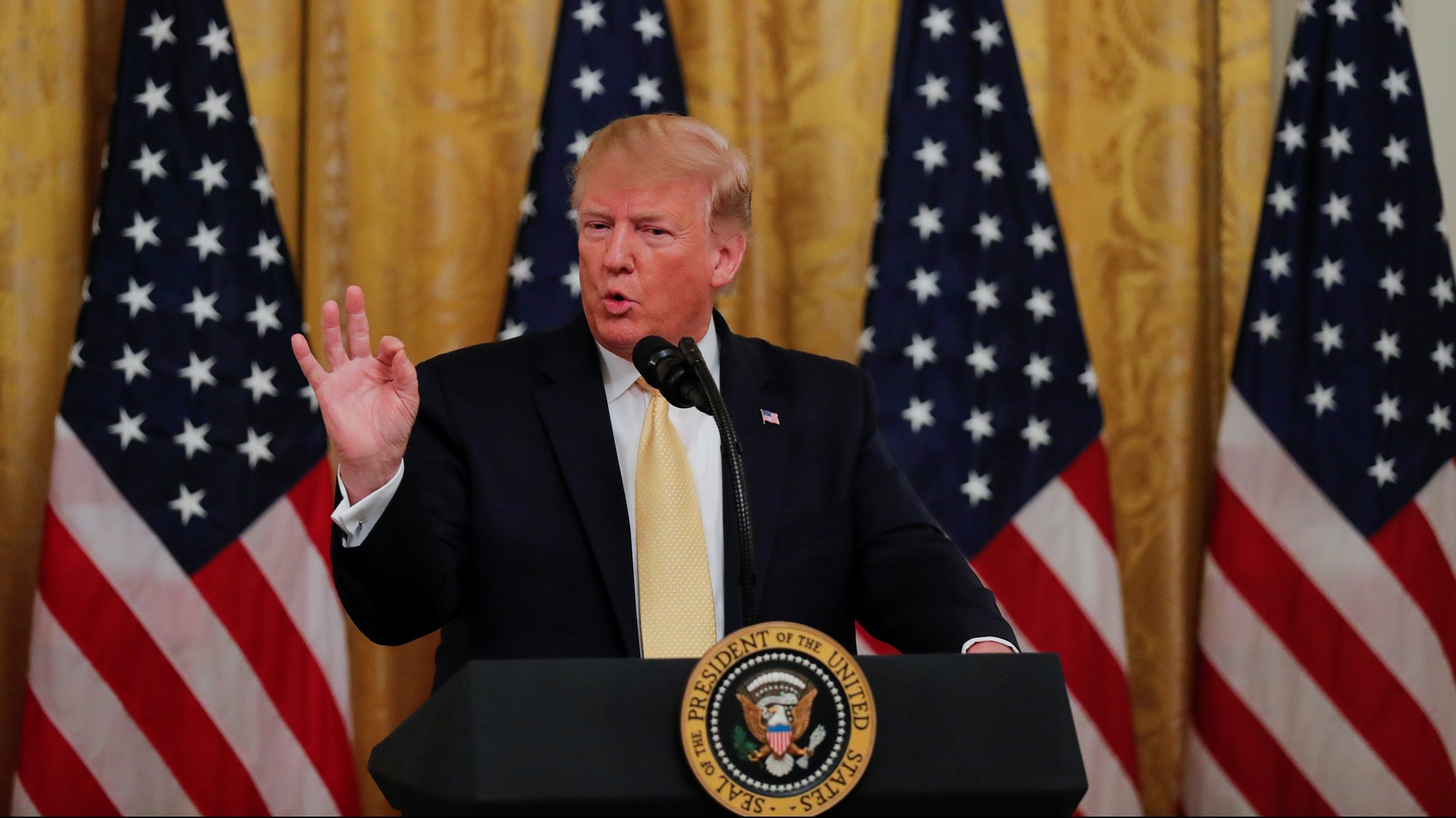
The Trump administration may be preparing to implement rules to combat what it perceives to be a left-wing bias among tech companies that would affect the content distributed on platforms like Facebook and Twitter.
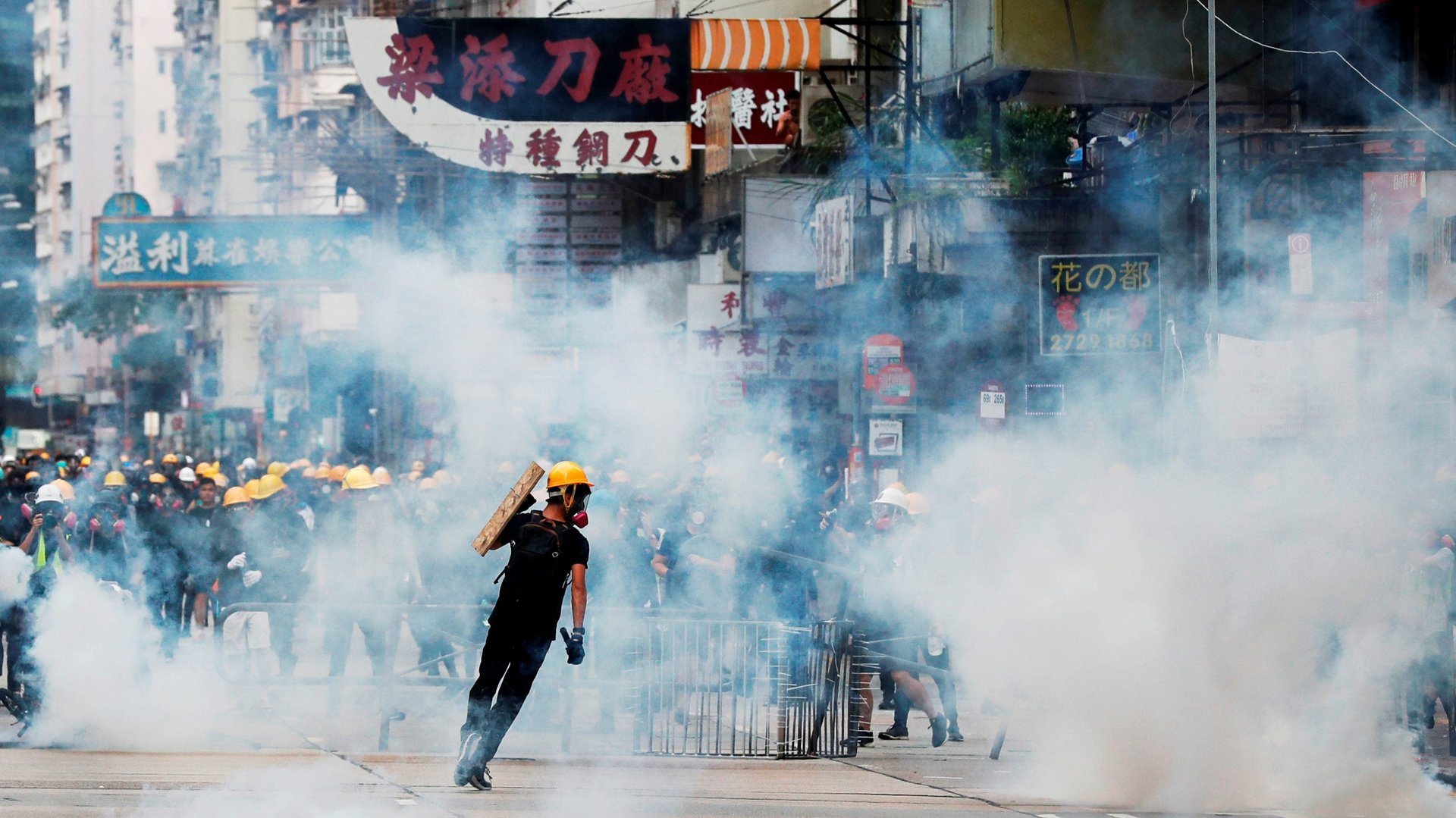
Scenes from across Hong Kong over the weekend show the city’s police force resorting to harsher tactics than ever as it struggles to put down the mass protests of the past 10 weeks.
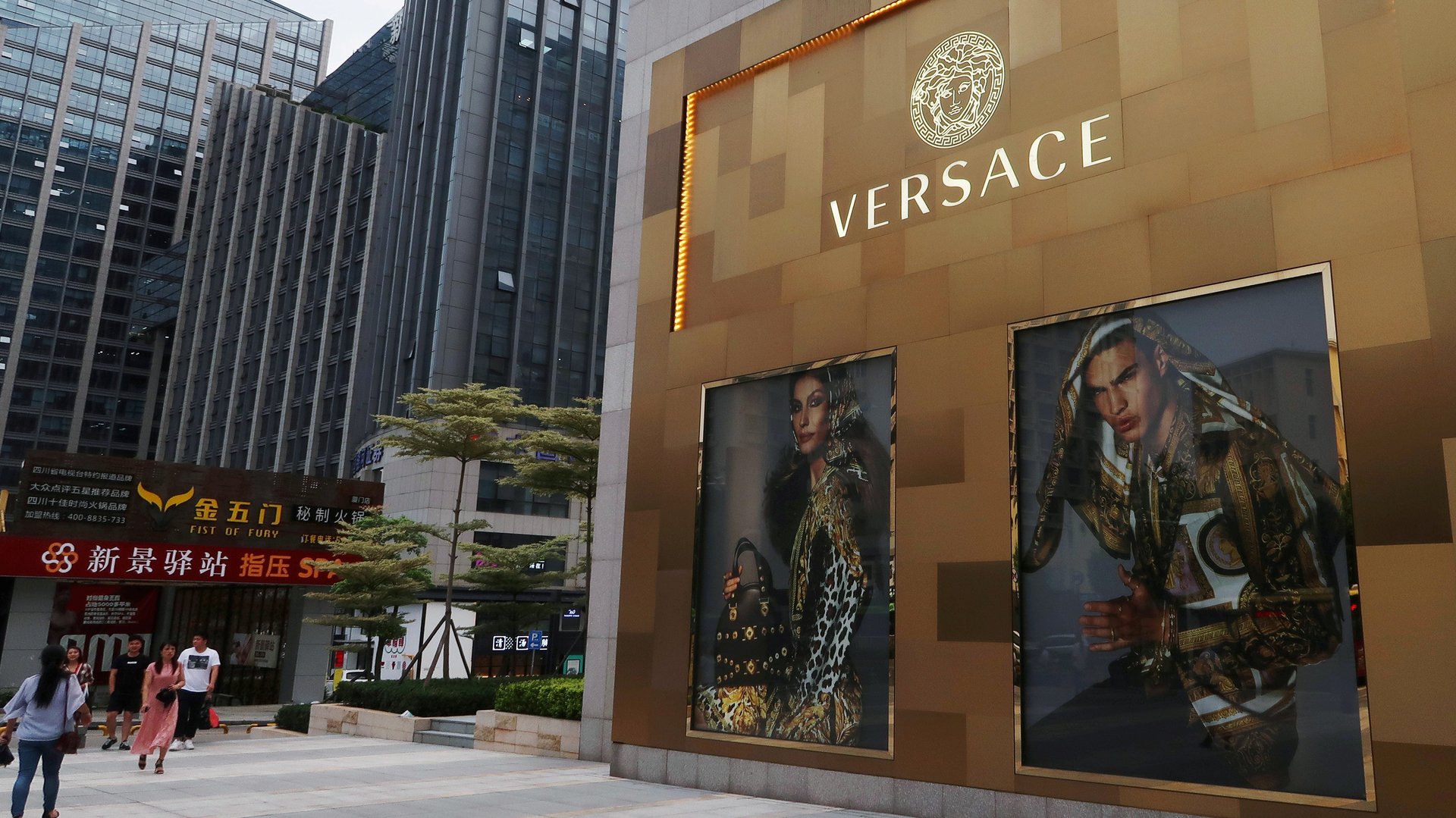
This innocent-looking t-shirt has become so controversial in China that Versace, the company that made it, has today apologized for it publicly, stopped selling the shirt, and destroyed all of the ones it hadn’t sold. It is far from the first such apology by a major brand to China, as the list below demonstrates.
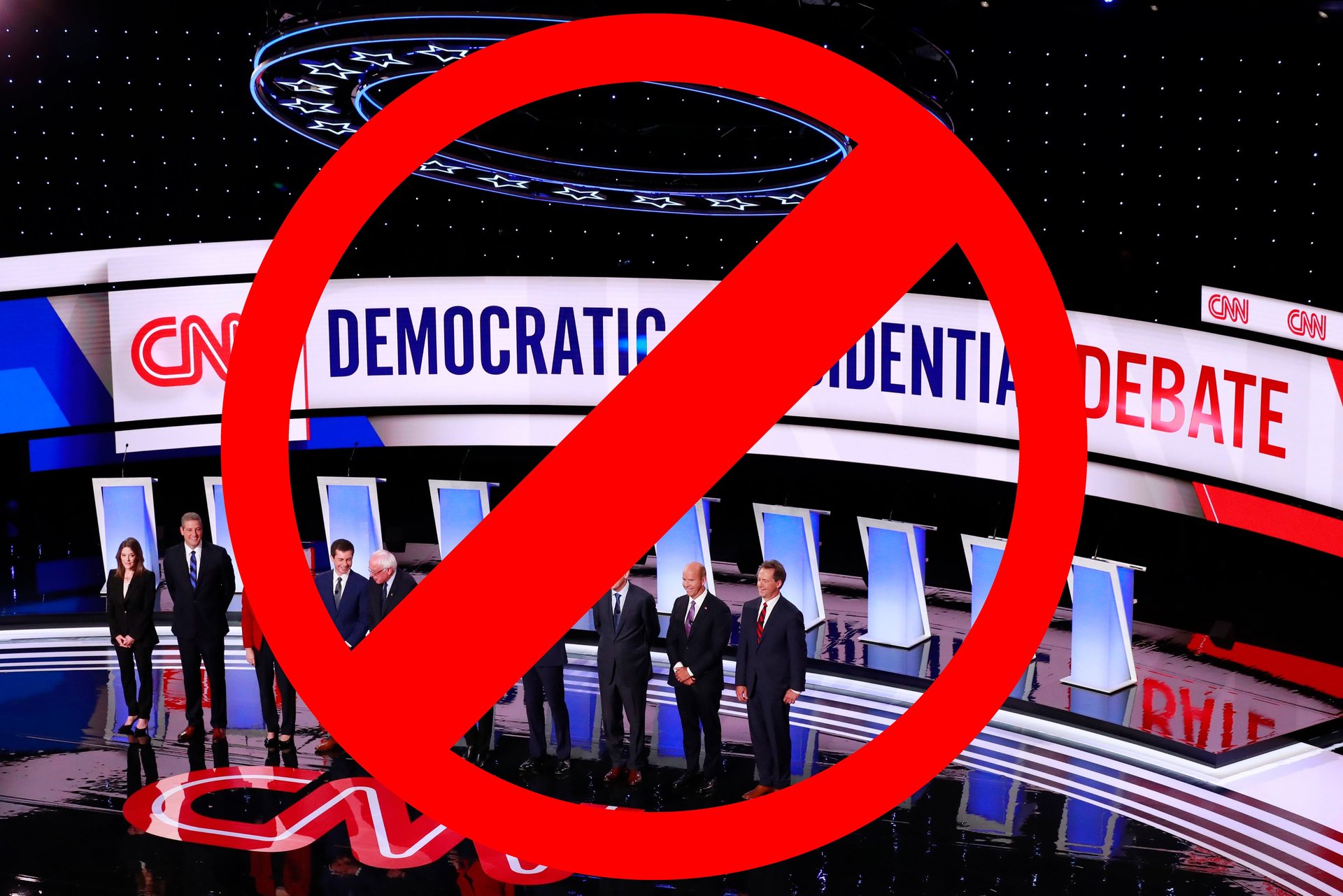
This week, all 3,972 Democratic presidential hopefuls are engaged in a televised presidential debate, our society’s best impression of the Hunger Games. There are endless guides online telling you how to watch the debates, “even if you don’t have CNN,” which is both moderating and broadcasting them.

Typical travel can feel a bit hollow. With just one or two weeks to discover a new place, there’s time to see the must-sees, try some great restaurants, and even discover a spot or two off the beaten path. But you leave with little more than a vague impression of the place, and when someone asks you about it a few weeks later, all you can say is, “It was great!”
This story is part of an ongoing series on how China is reshaping our world.
Internet censorship in China is nothing new. Most of us are familiar with how the “Great Firewall” blocks certain terms and scrubs “sensitive” images and videos from the web. But those are crude techniques, and censorship in China is becoming ever-more sophisticated.
This story is part of an ongoing series on how China is reshaping our world.
This story is part of an ongoing series on how China is reshaping our world.
This story is part of an ongoing series on how China is reshaping our world.
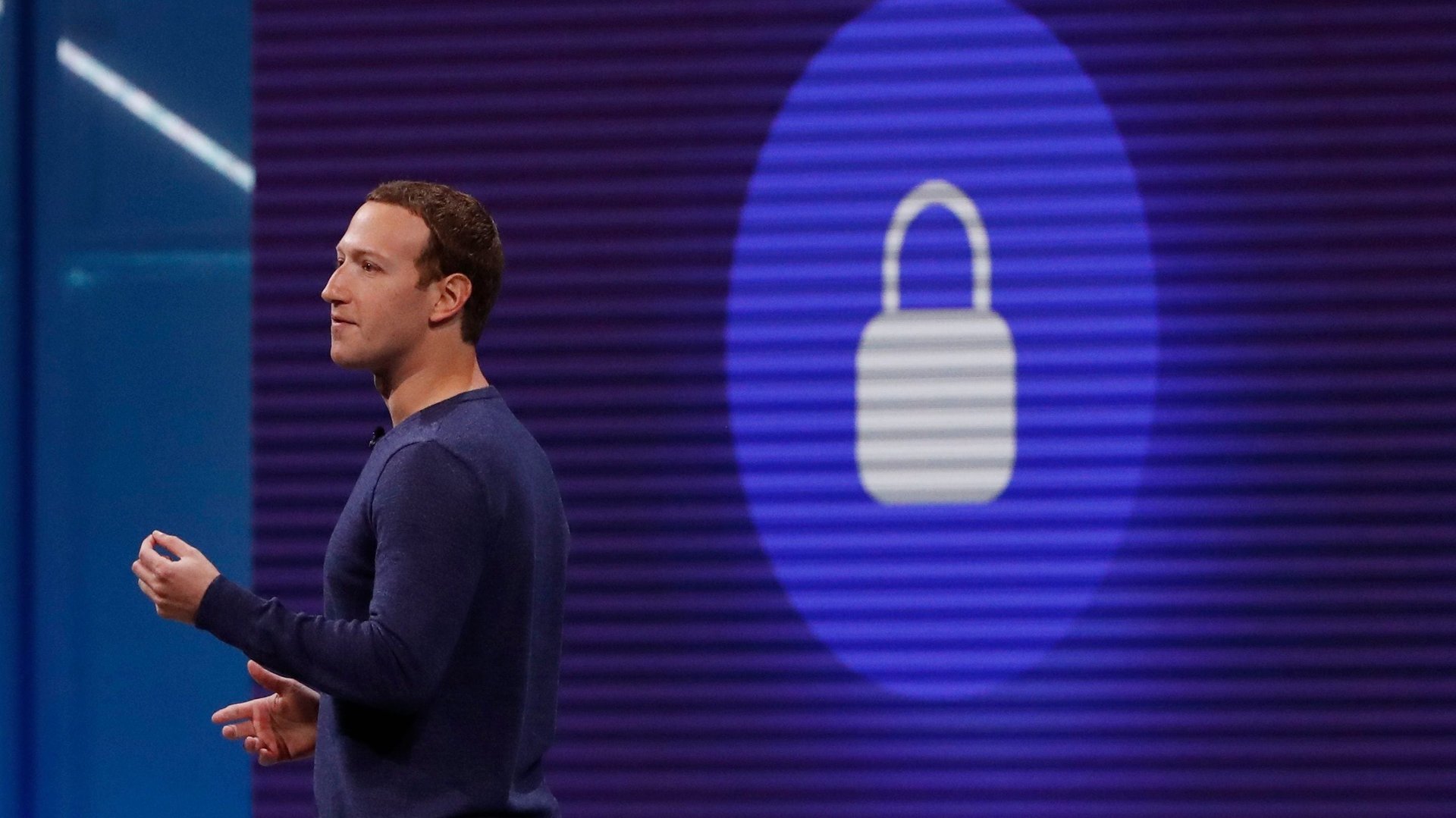
Facebook CEO Mark Zuckerberg published a post today (March 6) outlining what he calls a “privacy-focused vision for social networking.” That sounds nice, until you realize that his definition of “privacy” is… confusing.

What is broken in a breakup? The relationship? Each individual person?

Howard Schultz is a billionaire. Just don’t call him that.
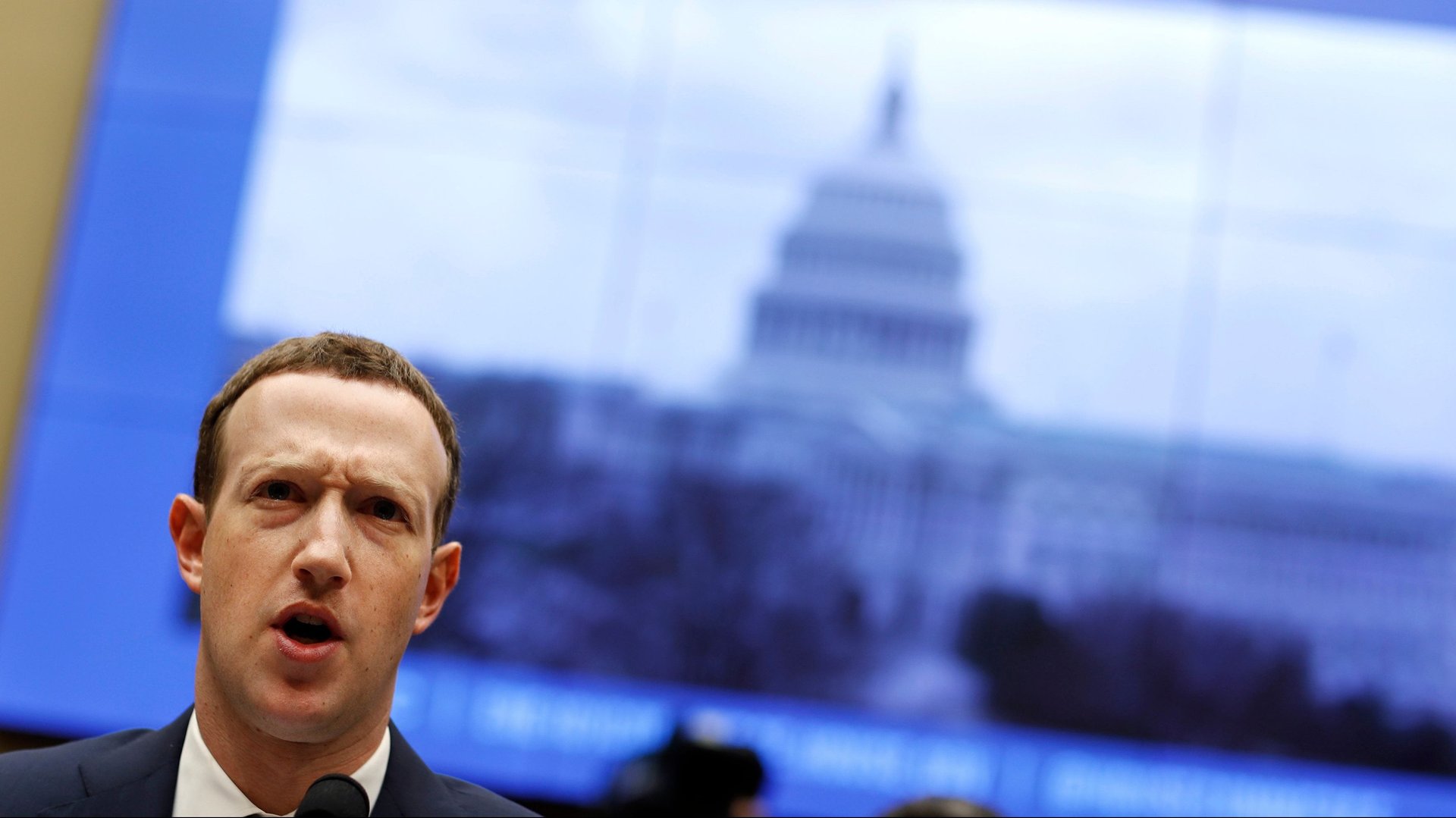
Facebook is truly massive. Like, probably even more massive than you think. One-third of all living humans uses the site every month, even though it is banned in China, the world’s most populous country. And while the company has been mired in one scandal after another over the past couple years, it is only getting bigger.
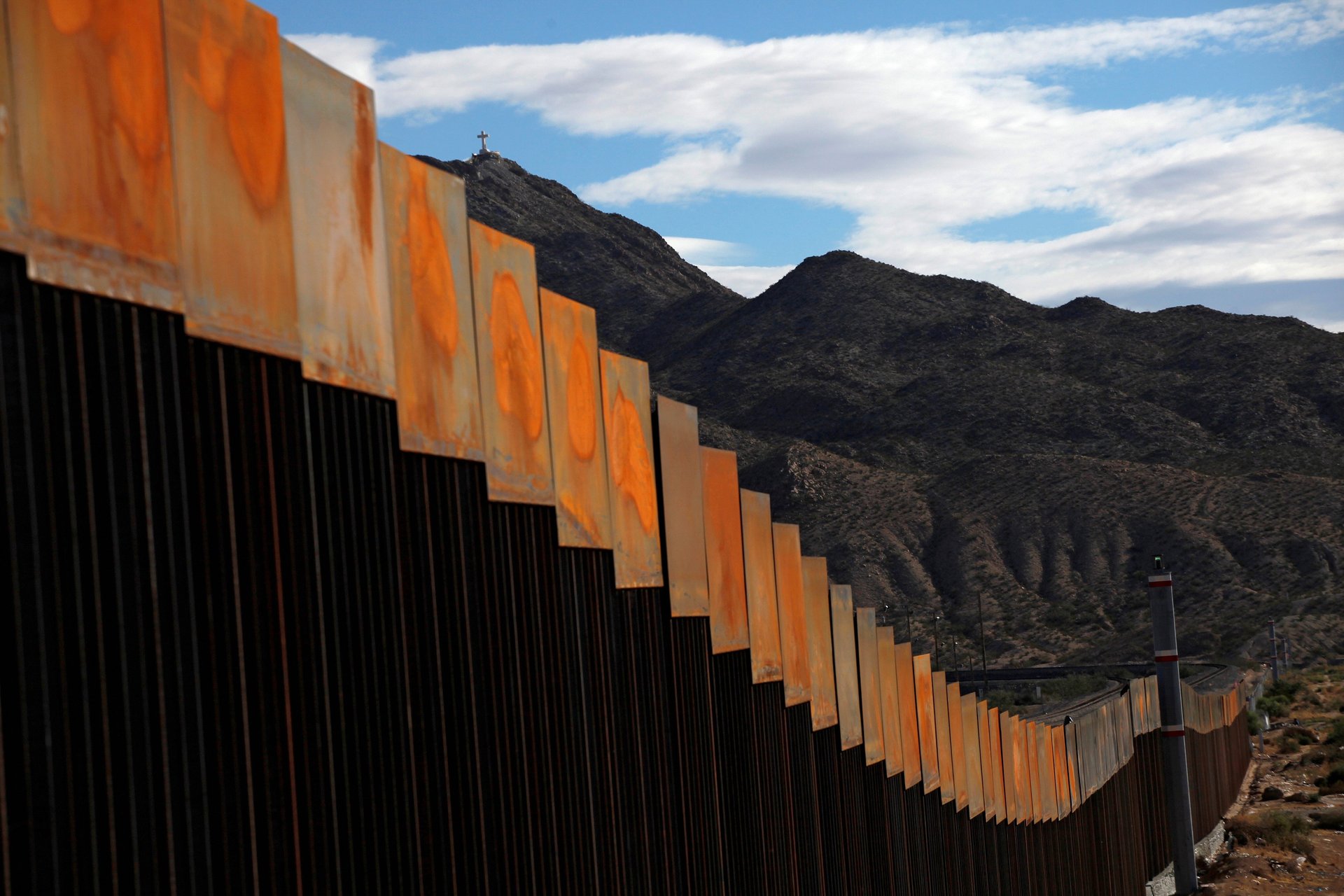
“We do not need 2,000 miles of concrete wall from sea to shining sea. We never did, we never proposed that, we never wanted that.” —President Donald J. Trump, January 25, 2019
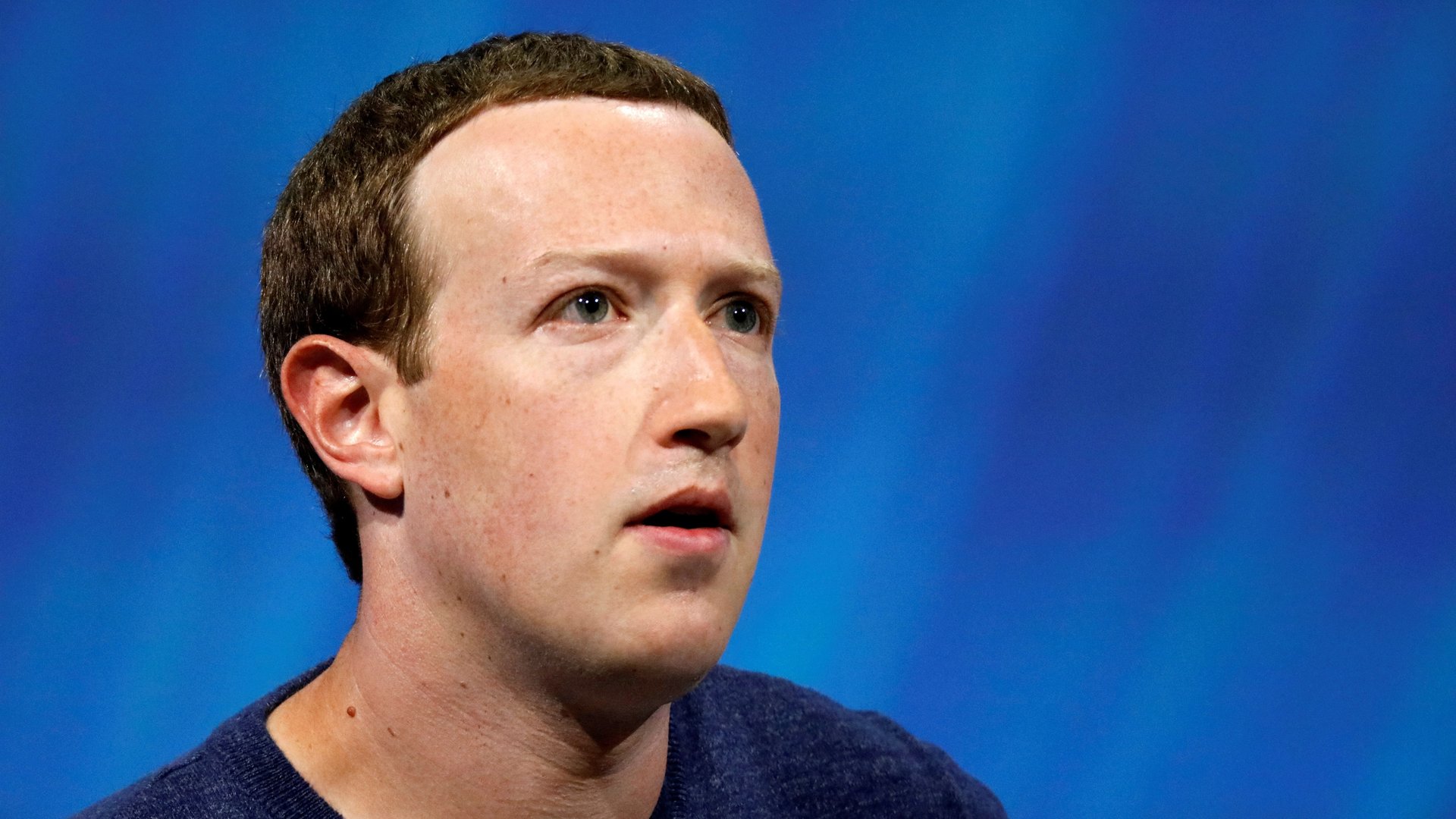
Today (Jan 25), the Wall Street Journal published an op-ed by Mark Zuckerberg. It’s called “The Facts About Facebook” (paywall).
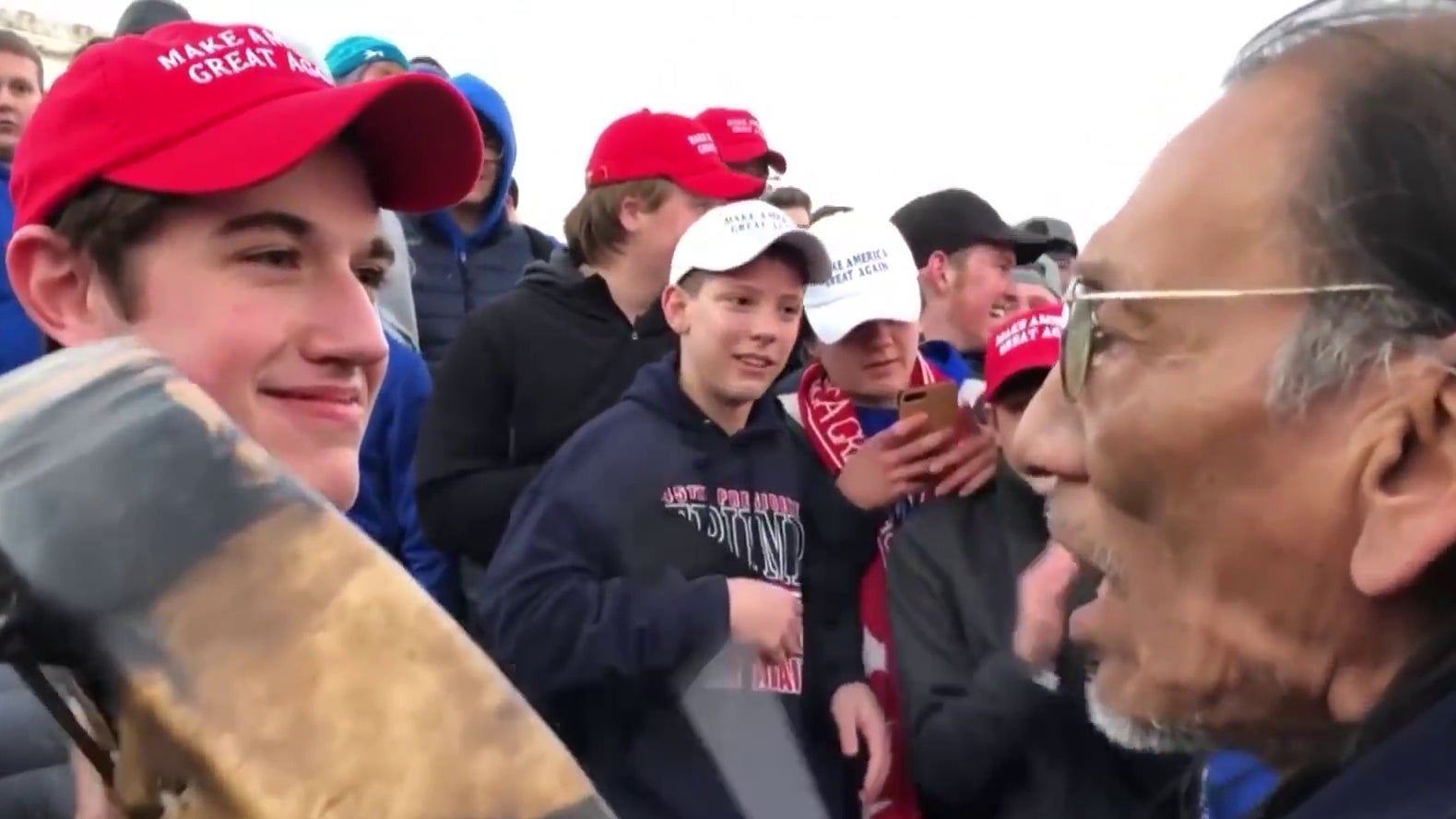
The most controversial accessory in the United States looks simple enough. A straightforward phrase: “MAKE AMERICA GREAT AGAIN.” An ugly design: barely legible text printed on blinding red fabric, in a font that looks like it was last used in 1996.