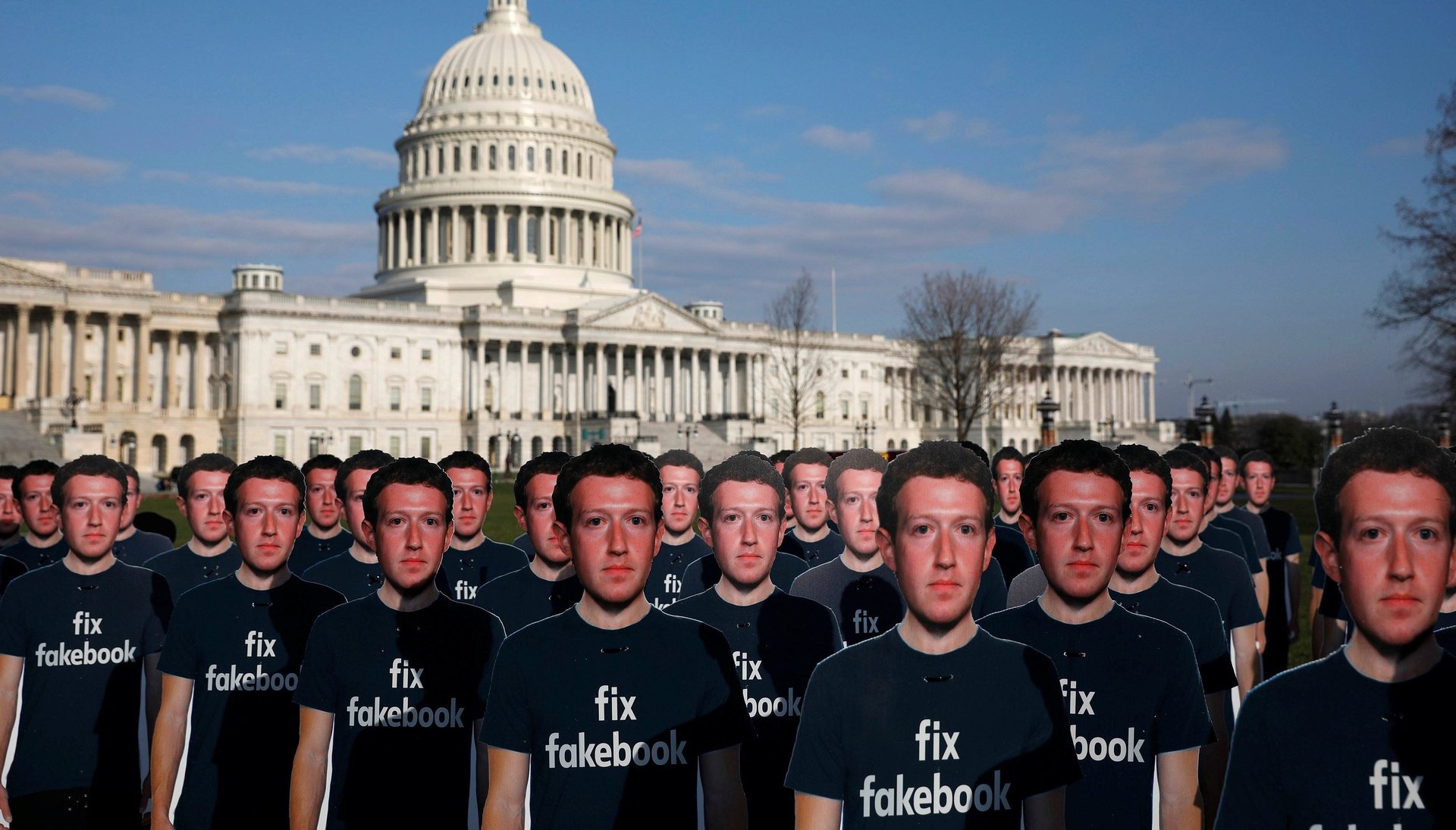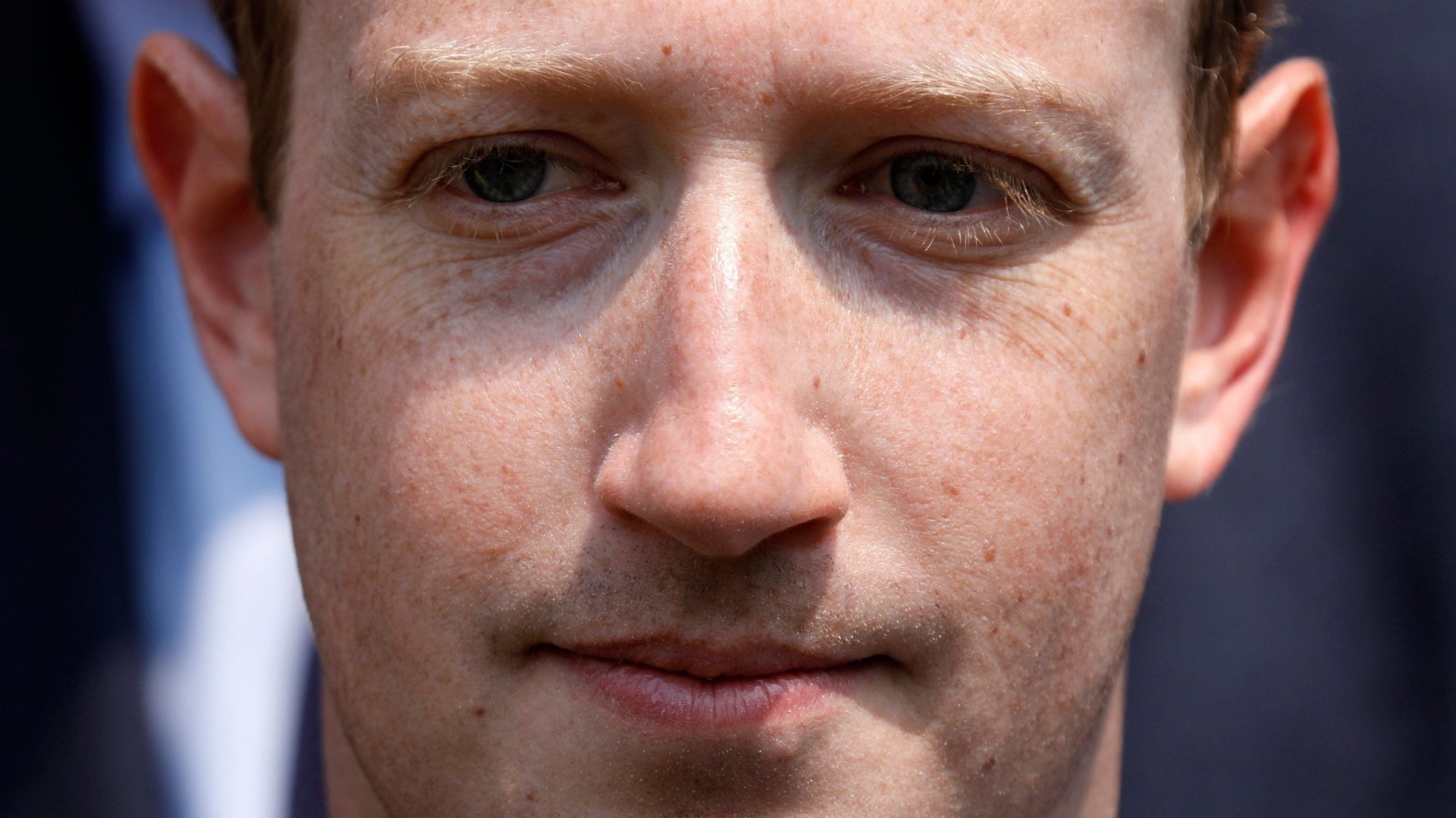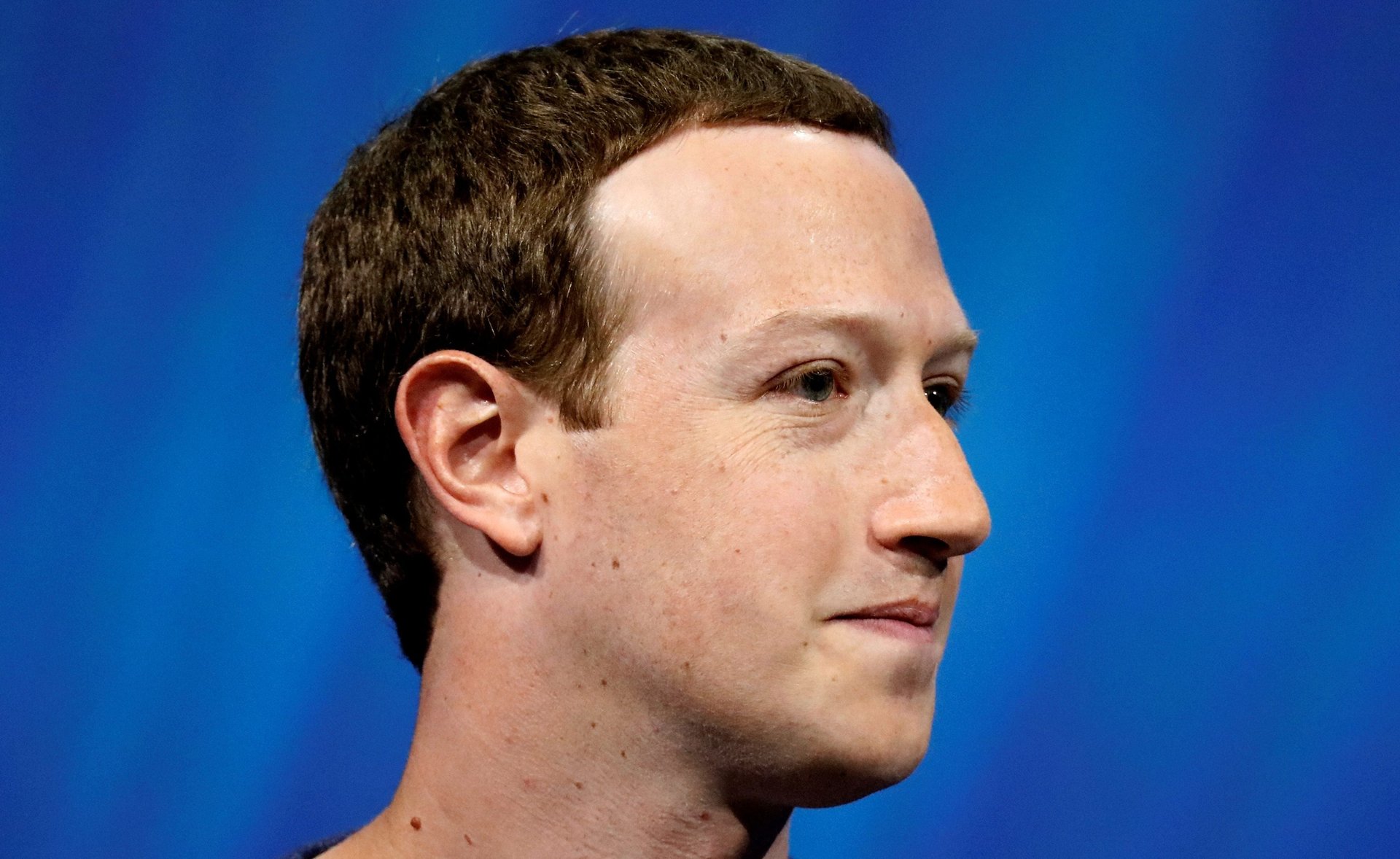
With 2.3 billion monthly users, Facebook constitutes the world’s biggest single entity—larger than the population of China and the total number of Christians.

With 2.3 billion monthly users, Facebook constitutes the world’s biggest single entity—larger than the population of China and the total number of Christians.

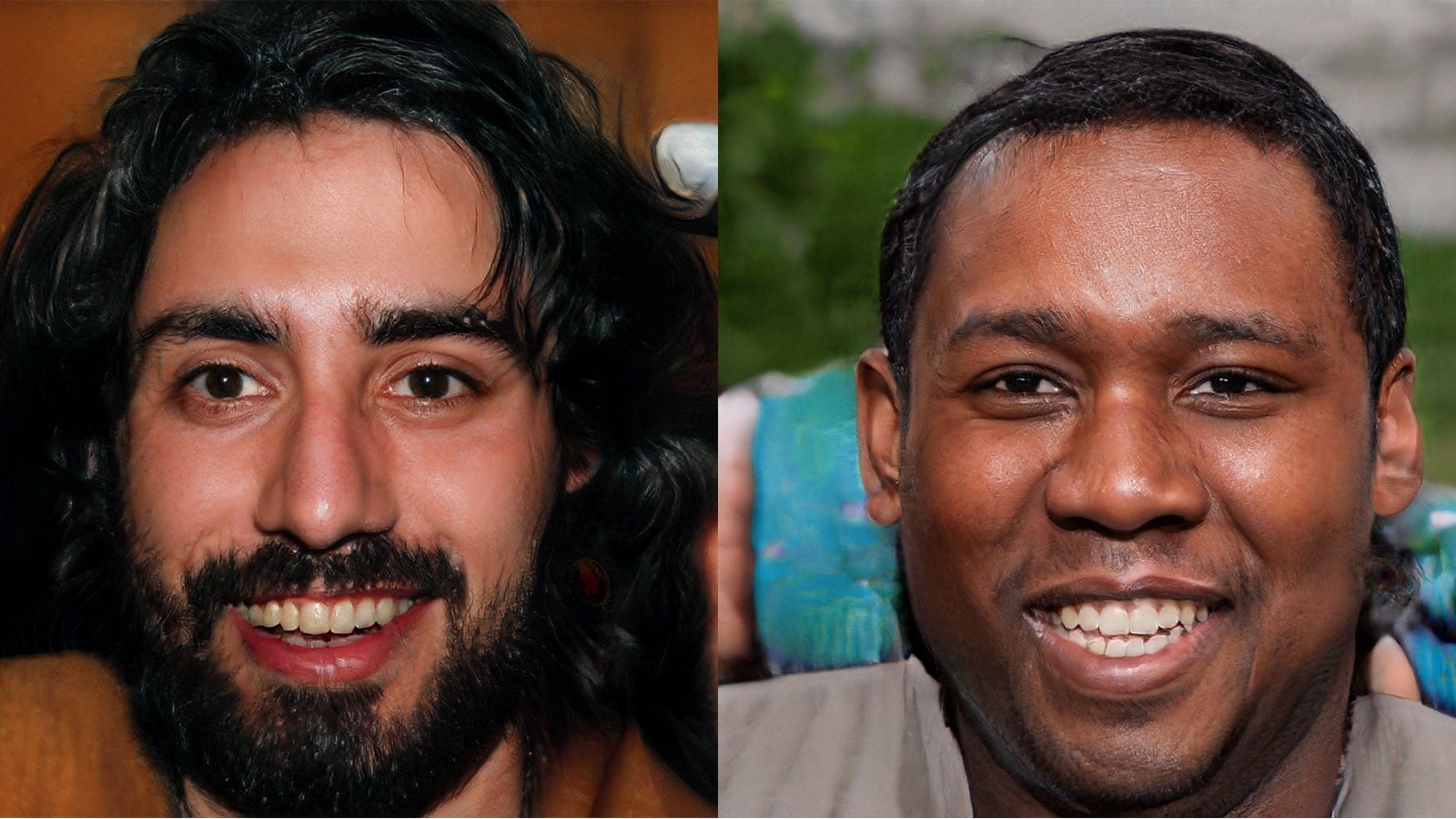
A new paper from researchers at Nvidia demonstrates how artificial intelligence can be used to generate realistic-looking faces. What happens when this technology is unleashed on Tinder?

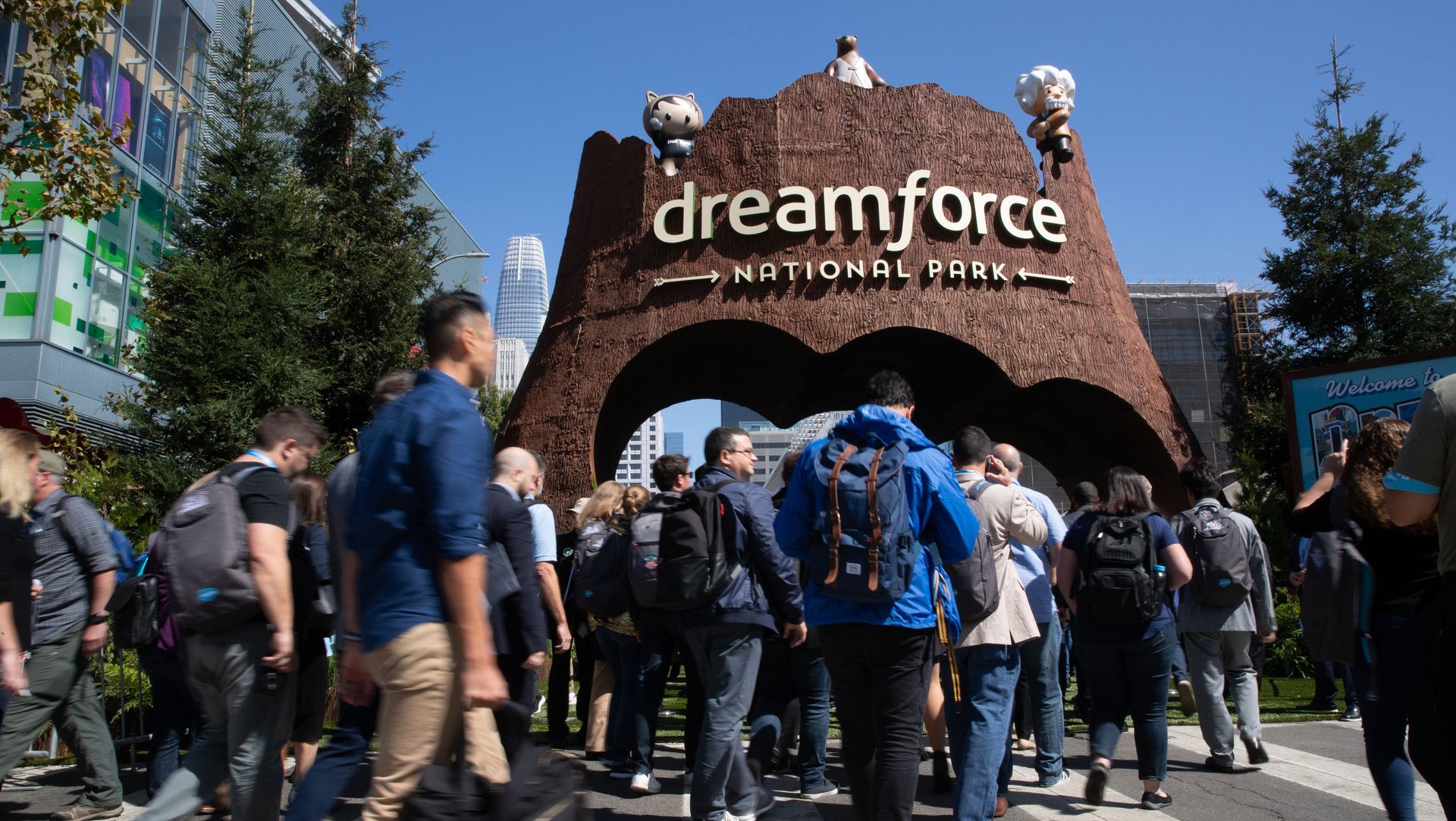
It was only day two, and already the spectacle that is Dreamforce had left me no choice but to eat some weed. I chewed up half of a strong California gummy, the kind that you buy legally in an Apple store for stoners, and settled into a couch on a terrace overlooking San Francisco.

News headlines are dominated by large countries, but there are over 70 countries with fewer than 1 million citizens. And in an increasingly connected, globalized world, such places can find it difficult to control their own destinies.

Governments don’t really like cryptocurrencies. India wants to ban them. Following its own ban, China censored news about them. Many countries, including the United States, have taken it upon themselves to warn citizens against investing in currencies like bitcoin.

Over the weekend, Taiwanese voters were asked to answer yes or no to this question, as part of a referendum: “Do you agree that Civil Code regulations should restrict marriage to being between a man and a woman?” The “yes” votes won, in a “a bitter blow and a step backwards for human rights in Taiwan,” according to Annie Huang of Amnesty International Taiwan.

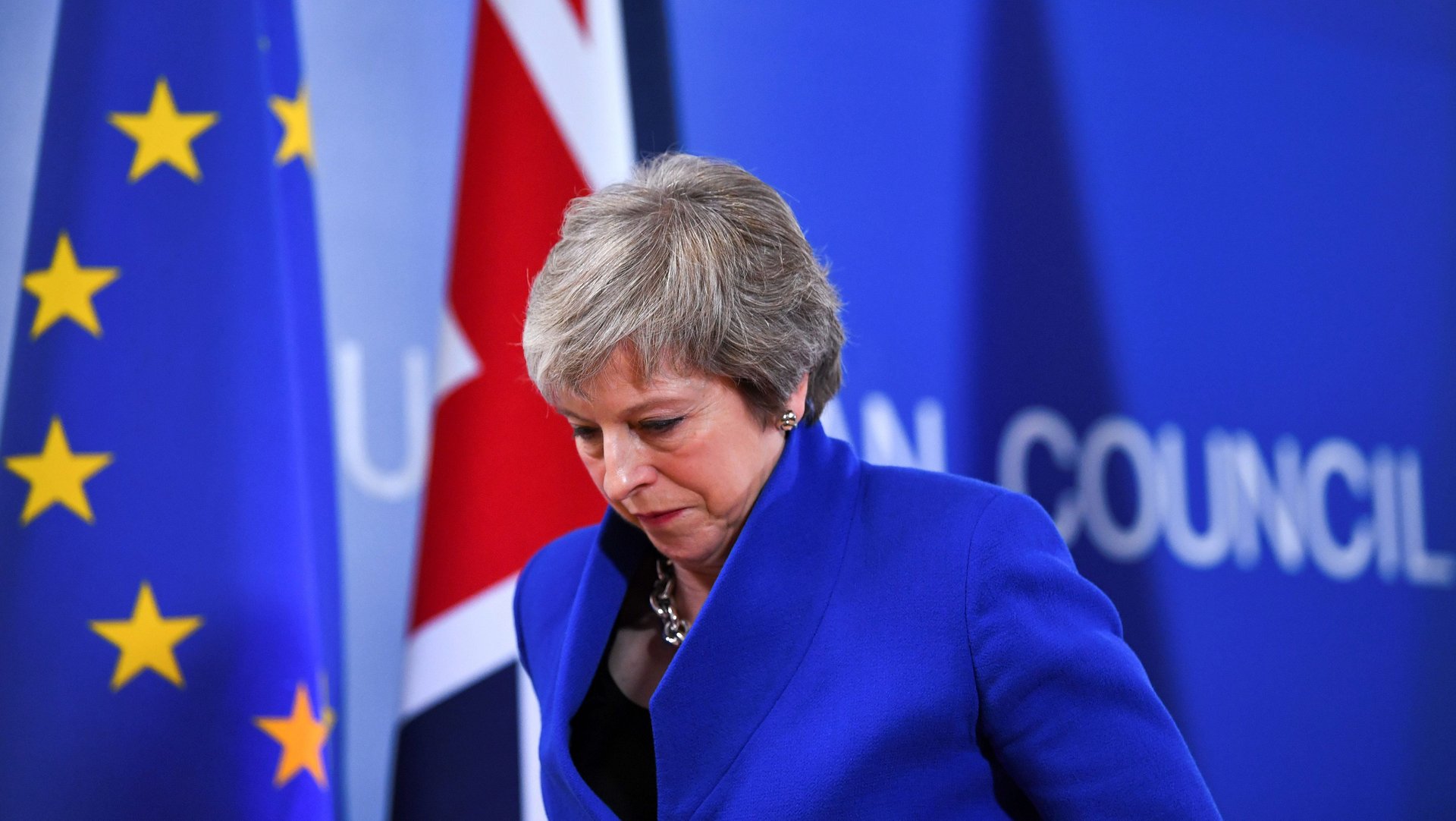
After a year and a half of negotiations, European Union leaders have finally endorsed a plan for the United Kingdom’s departure. That doesn’t mean they like the deal.

As far as Asian countries go, Taiwan is not very big. It is home to about 23 million people, compared to 127 million in Japan, and, you know, 1.4 billion in China. Even so, every autumn Taiwan hosts the largest gay pride parade in Asia. This year, more than 130,000 people showed up to march.

I have criticized Facebook a lot. I’ve even called it “evil.” But I still have an account.

“Two-factor authentication” is a reassuring phrase. Setting it up feels like installing a brand-new, heavy-duty deadbolt on your door. Until you realize that there is a single building that stores the working keys for millions of deadbolts, paired with your name and address, and that that place is guarded by people who don’t understand locks very well.

Earlier today (Oct. 13) Sabah, a pro-government Turkish newspaper, reported that Turkish officials have an audio recording of the torture and murder of Jamal Khashoggi, a Saudi journalist who has gone missing. The source of that audio, the newspaper says, is none other than Khashoggi’s Apple Watch.

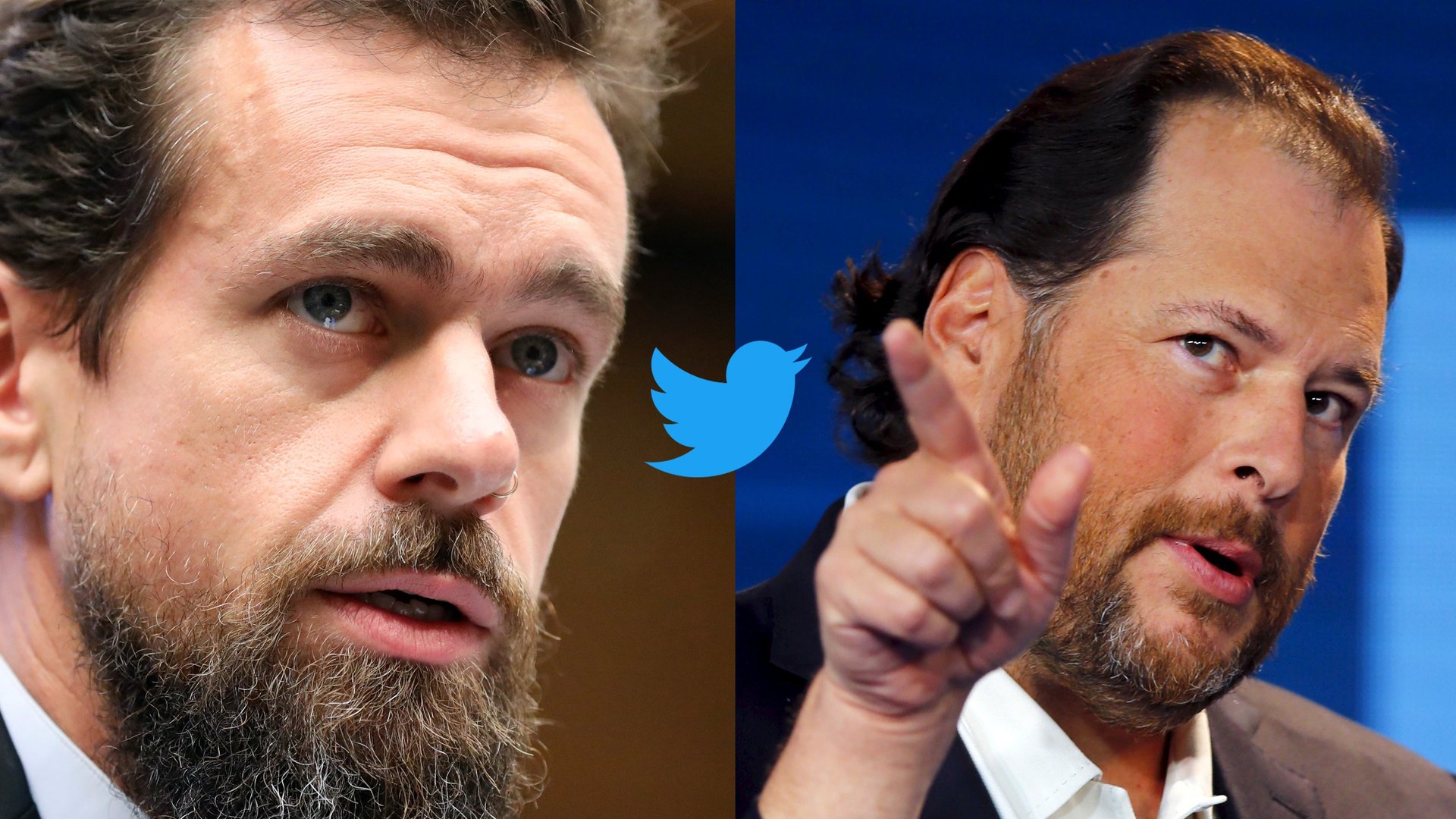
It began innocently enough on the evening of Oct. 8, when Marc Benioff, the founder and co-CEO of Salesforce, shared this tweet:

Next week, I am joining a cult.

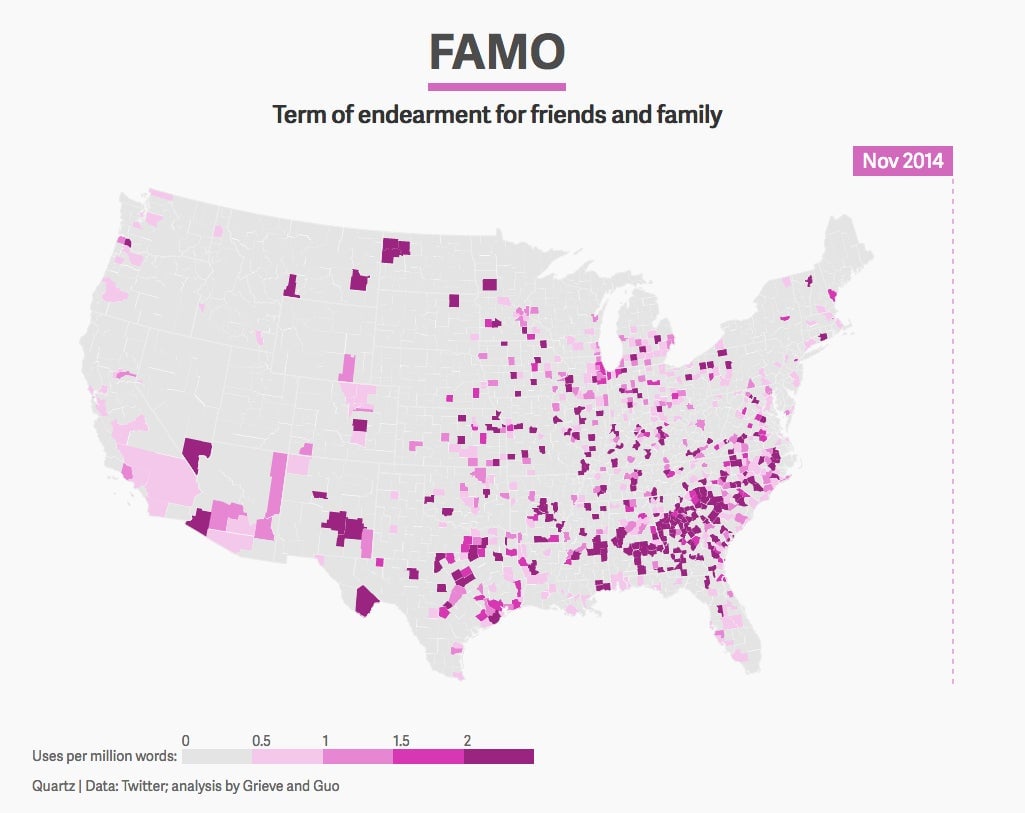
African American English may be America’s greatest source of linguistic creativity.

Expressions that refer to weather and climate are everywhere throughout language, English or otherwise. Emails come in floods. Consciousness is a stream. Heads get foggy or are in the clouds.

Ten years ago, the 2008 global financial crisis brought on worldwide recessions and fears of total economic collapse. It also introduced the public to a pile of incomprehensible financial terms, from “subprime lending” to “mortgage-backed securities,” “shadow banking,” and “tranches.”

At the end of this month, one nation will hold a referendum on support for joining the European Union. If it passes, that nation will no longer be known as “Macedonia.”

There is a computer program called Vim, based on software created in the 1970s. It is famously difficult. Computer programmers have endless jokes about how much of a challenge it is just to exit the program. It is also ubiquitous. If you are on Mac or Linux, it is already installed on your computer, whether you know it or not. And it has a cult following of devoted evangelists who will talk your ear off about why it’s the best thing ever, sorta like In-n-Out Burger.

In the age of streaming, people are all about discovering new music. I’m here to tell you that discovering old music is better.

Even people who hate America love America. The late Kim Jong Il was obsessed with Hollywood movies; the same left-wing Europeans who call the US an imperialist hegemon sing along to Bob Dylan; terrorists are on Facebook.

There’s “world news” and there’s “news from around the world.” In the first category are matters of global importance: The US-China trade war, say. In the second is, you know, this story of a German cyclist caught by a traffic camera going 30 miles an hour, naked, in the city of Kiel.

In June 2016, Antonio Perkins unintentionally broadcast his own death to the world. It was a sunny day in Chicago, and he was sharing it on Facebook Live, a platform for distributing video in real-time, released just a few months earlier.

Australia is one of many countries that frequently accuses immigrants of failing to assimilate into mainstream culture. The right-leaning government of prime minister Malcolm Turnbull is trying to make it harder for people to enter the country and gain citizenship, proposing measures like testing for English proficiency and “Australian values,” whatever that means.

Mark Zuckerberg’s social awkwardness is readily apparent to anyone who has heard him speak. Yet to his credit, the Facebook founder and CEO has been willing to engage in candid interviews, speaking openly with CNN and Wired in the aftermath of the Cambridge Analytica scandal and, earlier this week, diving headfirst into a round of hard questions from Recode’s Kara Swisher.