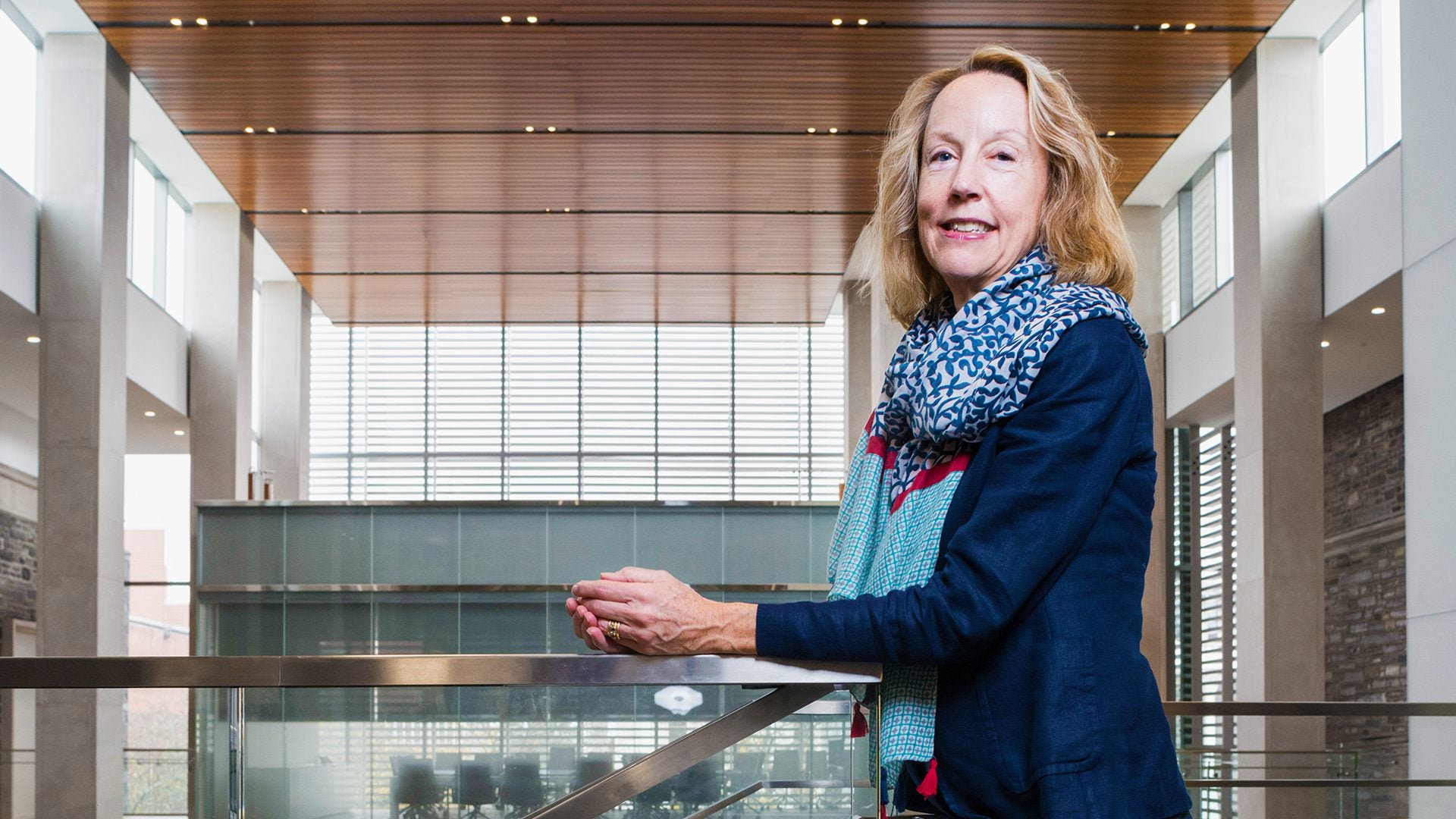
Anne Case knows exactly what she likes about economics. “You can follow your nose. See where data and theory lead you. Discover things you never dreamed of.”

Anne Case knows exactly what she likes about economics. “You can follow your nose. See where data and theory lead you. Discover things you never dreamed of.”

Google “bitcoin bubble” and you’ll get at least 16.9 trillion results—ranging from mildly concerned to outright alarmist.

On Nov. 5, a gunman took the lives of 26 worshippers gathered at the First Baptist Church of Sutherland Springs, Texas. When Devin Patrick Kelley open fired during service, he also wounded another 20 victims. Stephen Willeford, who lived nearby, heard gunshots and charged into the church wielding his own gun—hitting Kelley in the leg and torso. Willeford and a motorist later chased Kelley as he fled. Kelley then was found dead in his car.

In a year of hurricanes, wildfires, nuclear threat from North Korea, and a #MeToo movement that toppled powerful men, the markets remained eerily calm. The VIX—the market’s collective “fear gauge”—hit an all-time low, bottoming at 9.14 in November, dropping more than 17% over all of 2017.

A funny thing happens when the unemployment rate dips really low. It has a tendency to rise sharply, usually within a year or so.

In a time of surging global income-inequality, one country’s gap between its very poorest and richest is shrinking.

No one seems to agree on how the GOP tax plan, finally ready to be signed by Trump, will affect millennials. To some, it’s blatant generational theft—a last way for aging boomers to screw over the adults of the future. To others, it’s a boon; the bill may finally offer millennials burned by the 2008 crisis a chance at economic comeback.

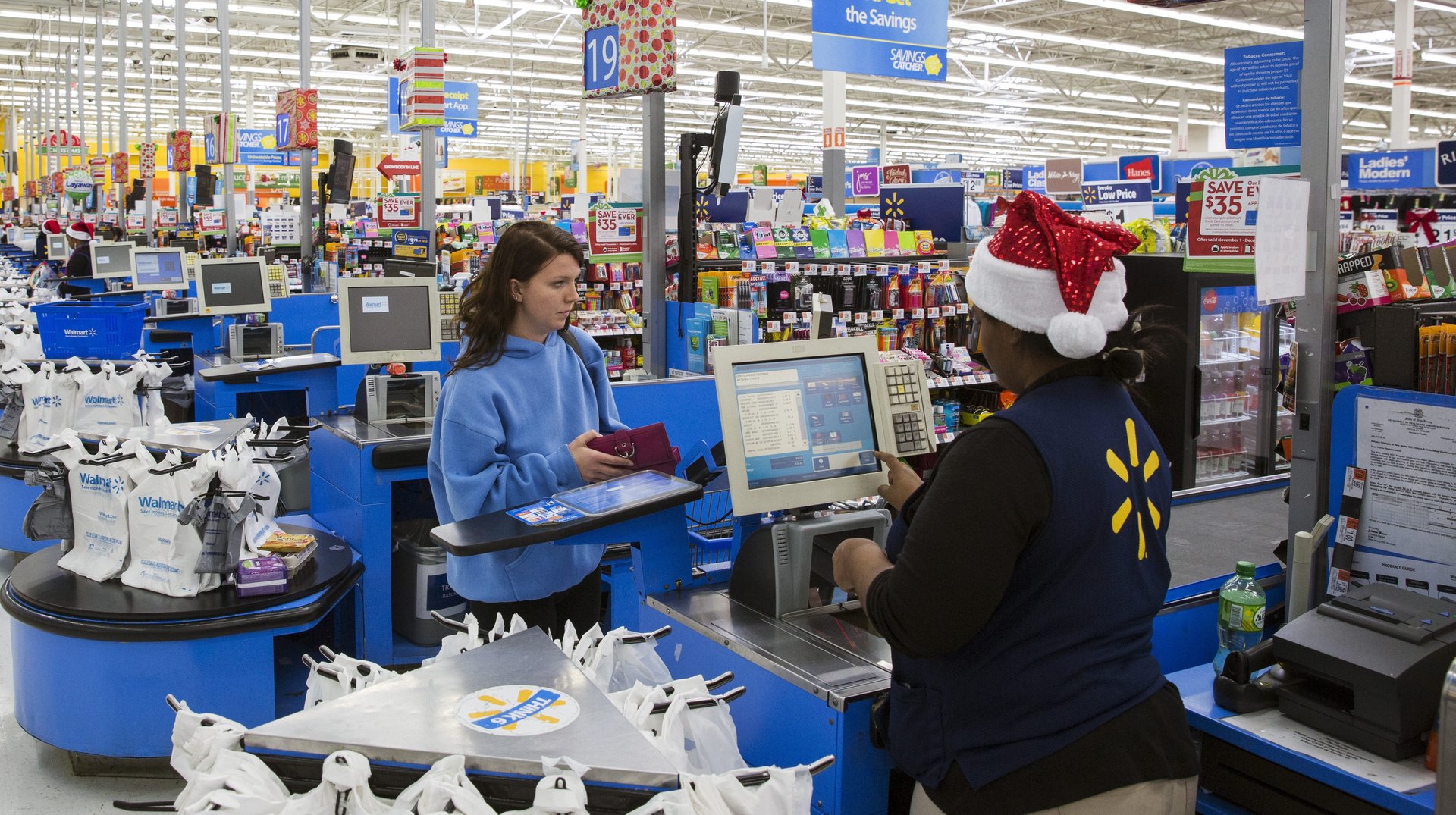
In a year of nuclear threats, #MeToo, and an all too House of Cards-like White House, the US job market hummed along nicely. Jobs were plentiful, as the post-financial crisis recovery continued apace.

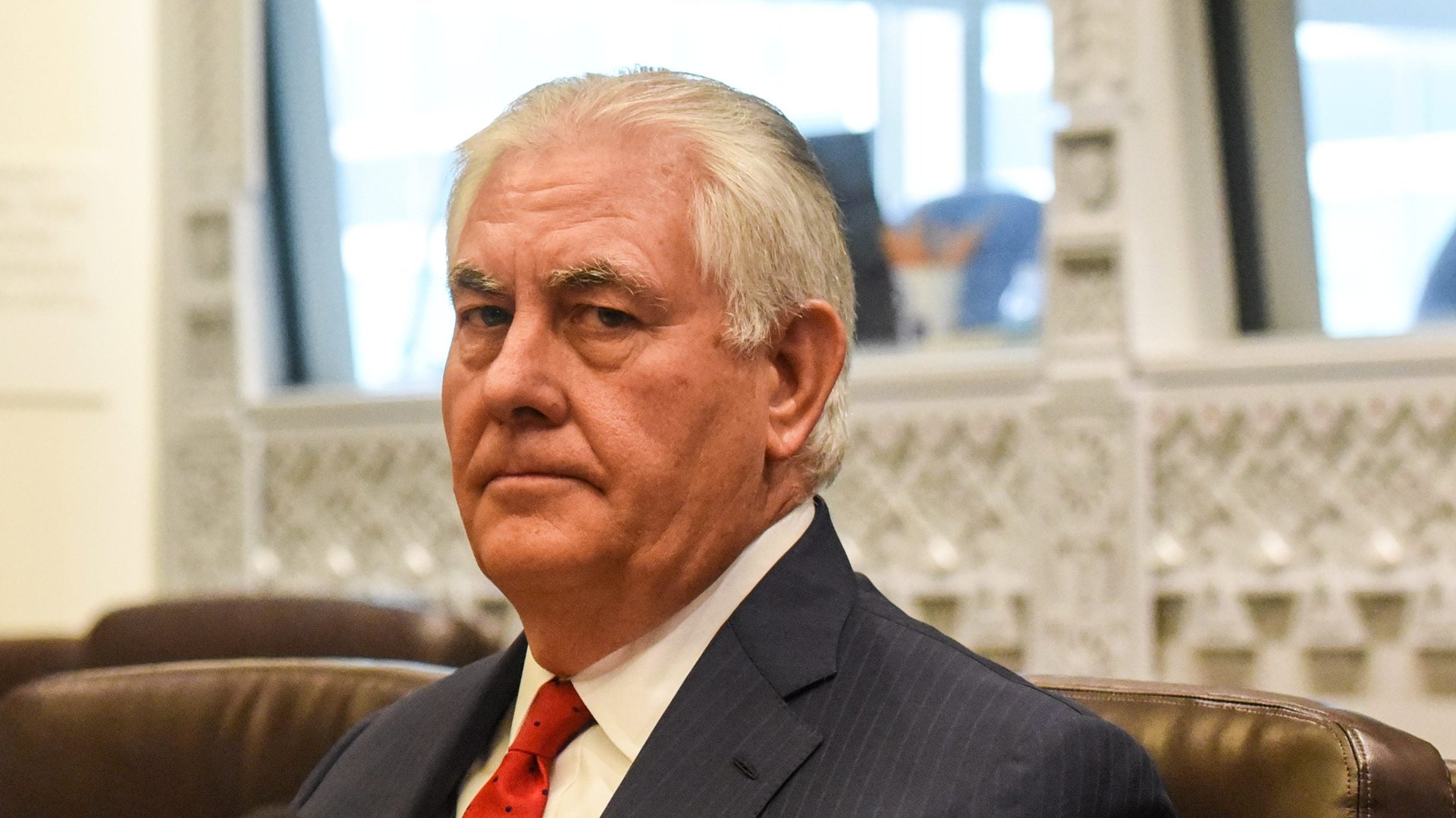
The question to Rex Tillerson was polite, if a bit direct. And it was certainly logical.

On Dec. 14, Disney announced it would buy 21st Century Fox in a deal valued at more than $66 billion. The House of Mouse will take on Fox’s movie studios, sports networks, Nat Geo, FX, Star TV, stakes in Hulu, and oh—$13.7 billion of Fox’s net debt.

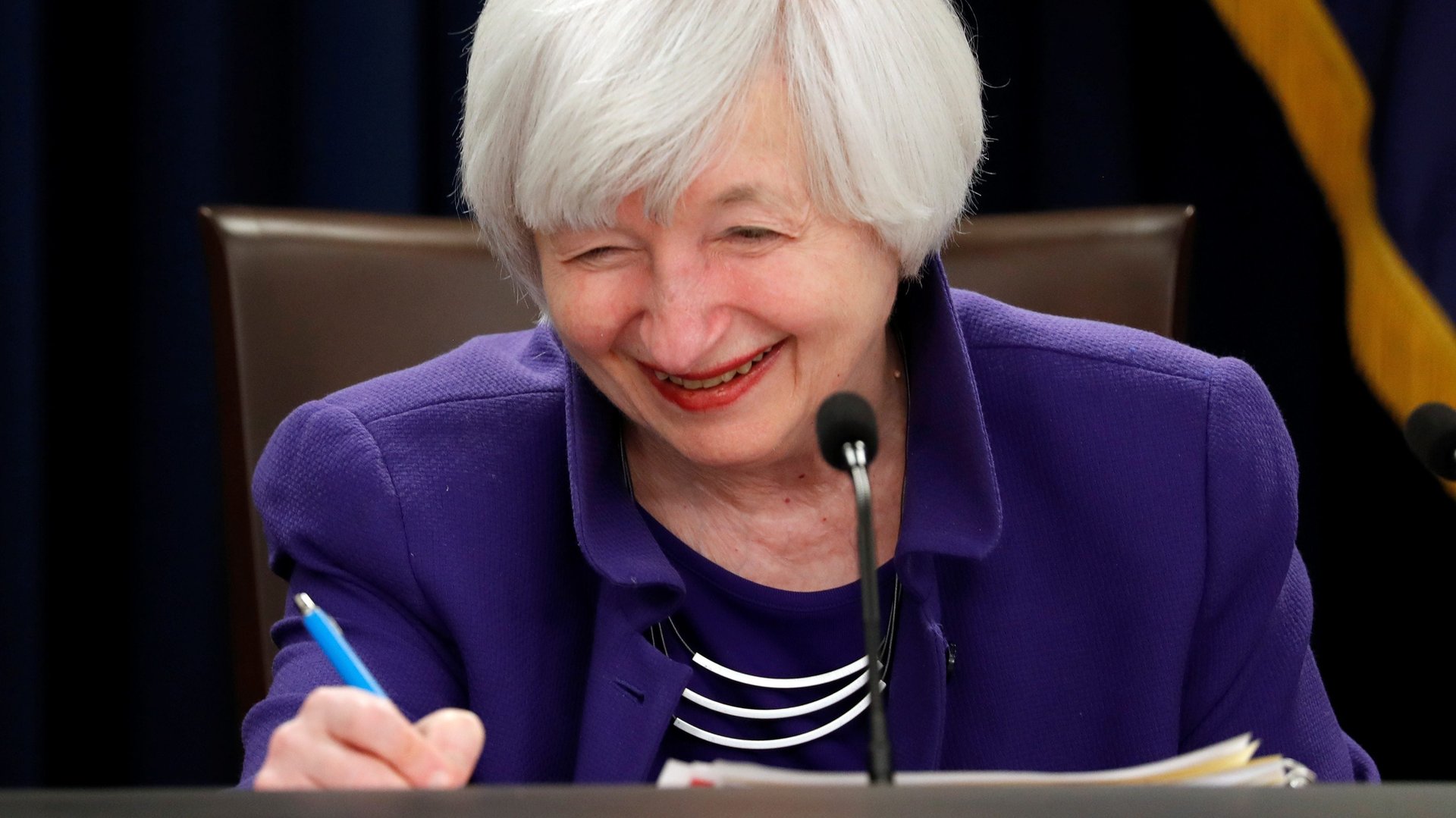
Let’s hear a round of applause for Janet Yellen.

American Express has announced that the ancient way of proving authenticity—the signature—won’t be a part of your purchase process come April, matching similar moves by rivals such as Mastercard and Discover.

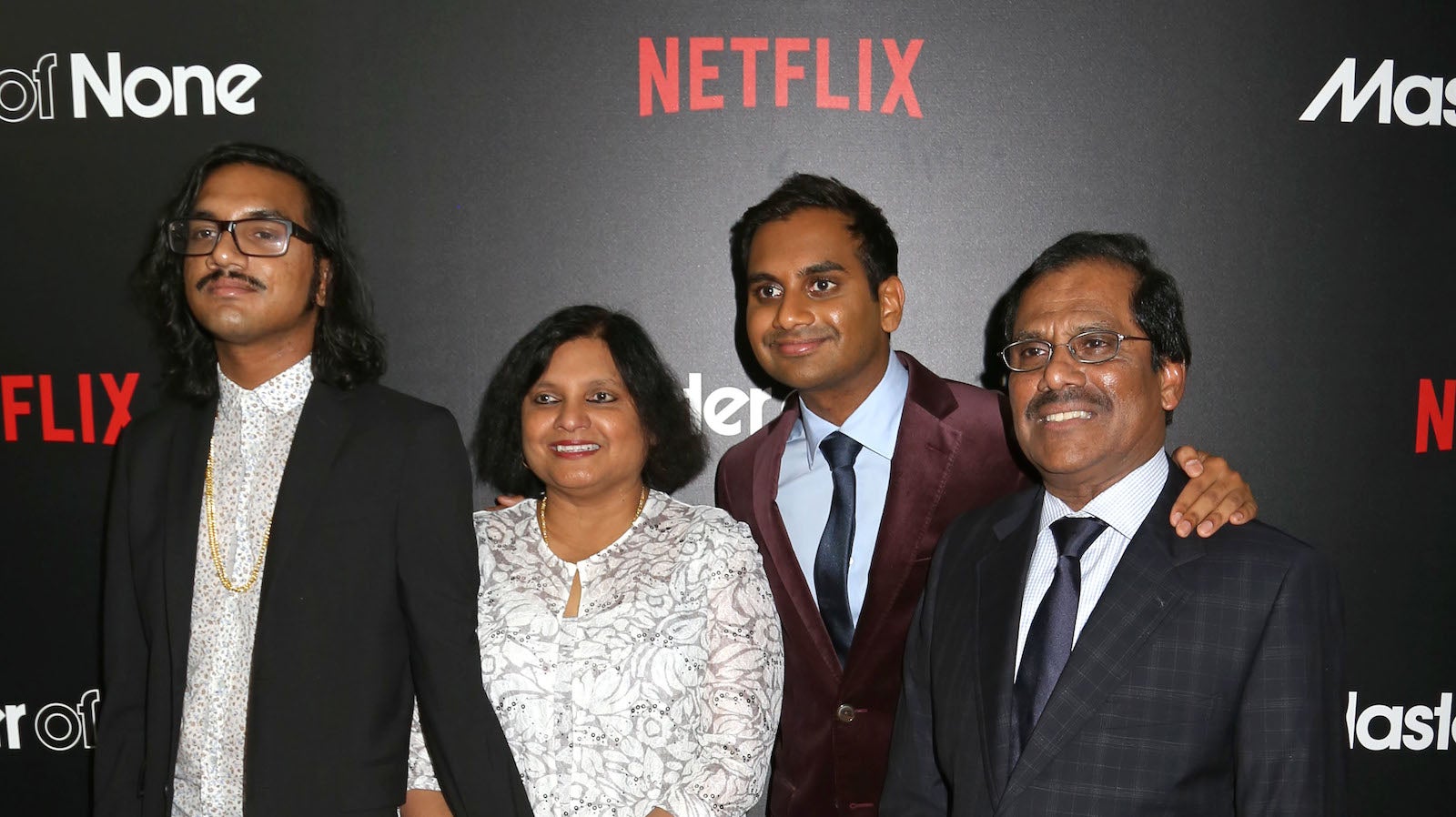
As of last week, the US Census Bureau is taking stock of just how many people in the US speak Tamil—along with Punjabi, Telugu, and Bengali.

Earlier this year, news stories spread about Witchsy, a successful online startup that sells whimsical accessories, and its founding team: Penelope Gazin, Kate Dwyer, and “Keith,” the male cofounder they made up to be taken seriously. It’s no surprise the duo felt pressured to concoct Keith.

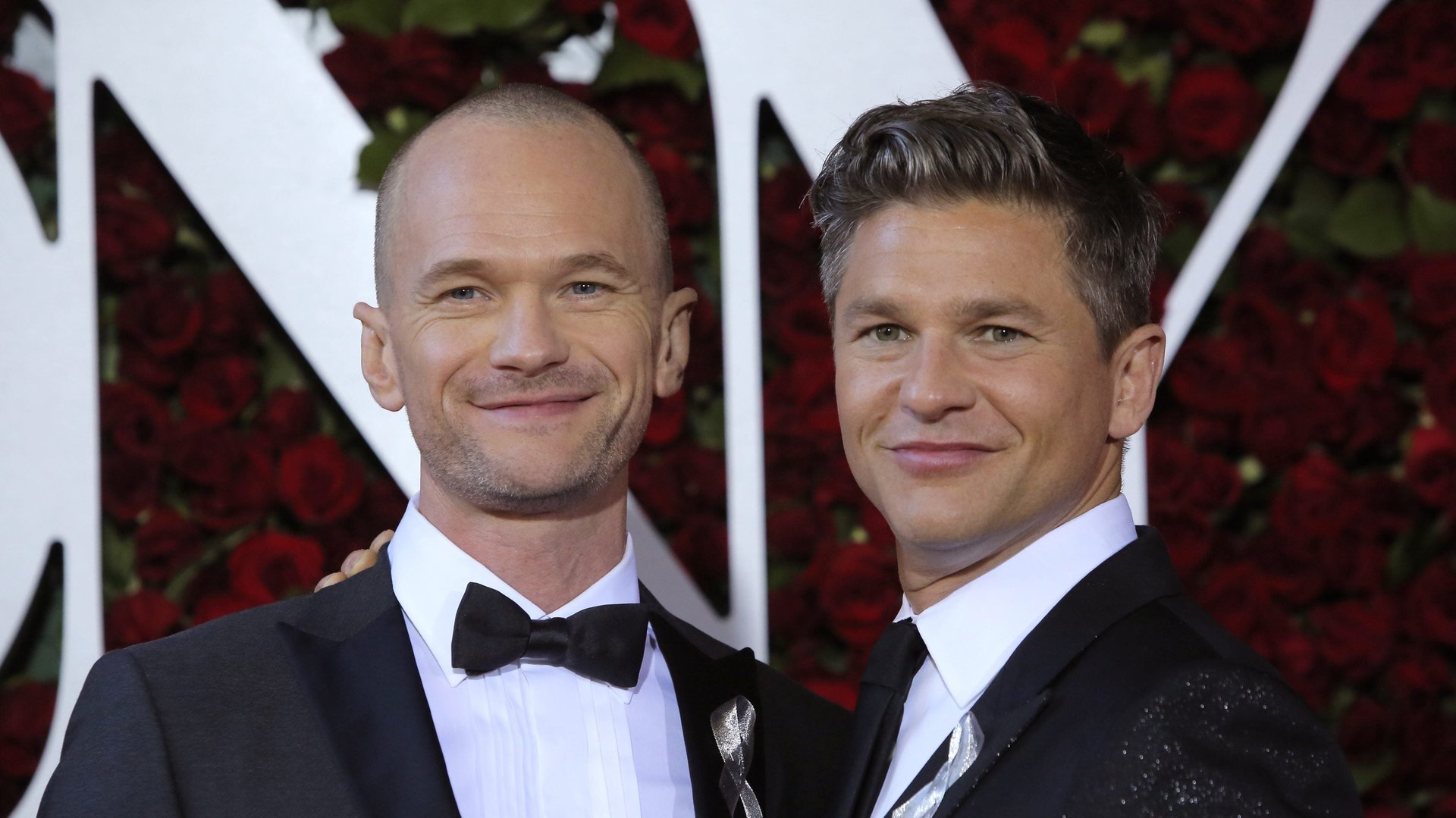
It’s a well-documented fact that lesbians, on average, make more than straight women—what economists have taken to calling the “lesbian premium.” Equally established is that gay men earn less than straight men, dubbed the “gay penalty.”

Turns out, helicopter parenting pays off in one surprising way—modern parents spend more time with their children than parents of any other time since the 1960s.

The pot economy is way bigger than we think.

For universities who took a hit during the recession, foreign students are a boon. Last year, new foreign students spent $15.5 billion on a US education—back in 2008, they’d contributed about a third of the amount.

Econ 101, the introductory college economics course that is often held in overcrowded lecture halls packed with half-asleep freshmen, is finally getting a facelift.

Donald Trump is set on upending the only financial institution designed to protect regular people. Why? Because the Consumer Financial Protection Bureau (CFPB), created to police the kind of predatory lending that helped kickstart the financial crisis, has apparently left Wall Street on its knees.

One aspect of the Republican tax plan would, incongruously, make the US more like a country known for high taxes and socialism: Sweden.

In an economic climate where the top 1% own half the world’s wealth, a new analysis by Credit Suisse suggests that millennials in several advanced economies are likely going to face the worst income inequality of any generation in recent memory. The report, which focuses on the US, Germany, France, and Spain, shows that millennials are generally saddled with more student debt, less inherited money, and stricter mortgages than previous generations. At the same time, a lucky few are set to become spectacularly wealthy, widening the already large gap between rich and poor. Why?

When developed countries face challenges like an aging population, a shrinking workforce, and weak growth, one solution is to open up to immigrants.

New analysis from economists Gabriel Zucman, Thomas Tørsløv, and Ludvig Wier shows that tax avoidance by big companies has preserved billions in revenue that could have gone to government coffers.