There’s a new future to explore but it’s not the stuff of spaceships and flying cars. A recent spate of scientific research draws upon behavioral biases and social psychology prompting the turn inwards: our future self.

There’s a new future to explore but it’s not the stuff of spaceships and flying cars. A recent spate of scientific research draws upon behavioral biases and social psychology prompting the turn inwards: our future self.

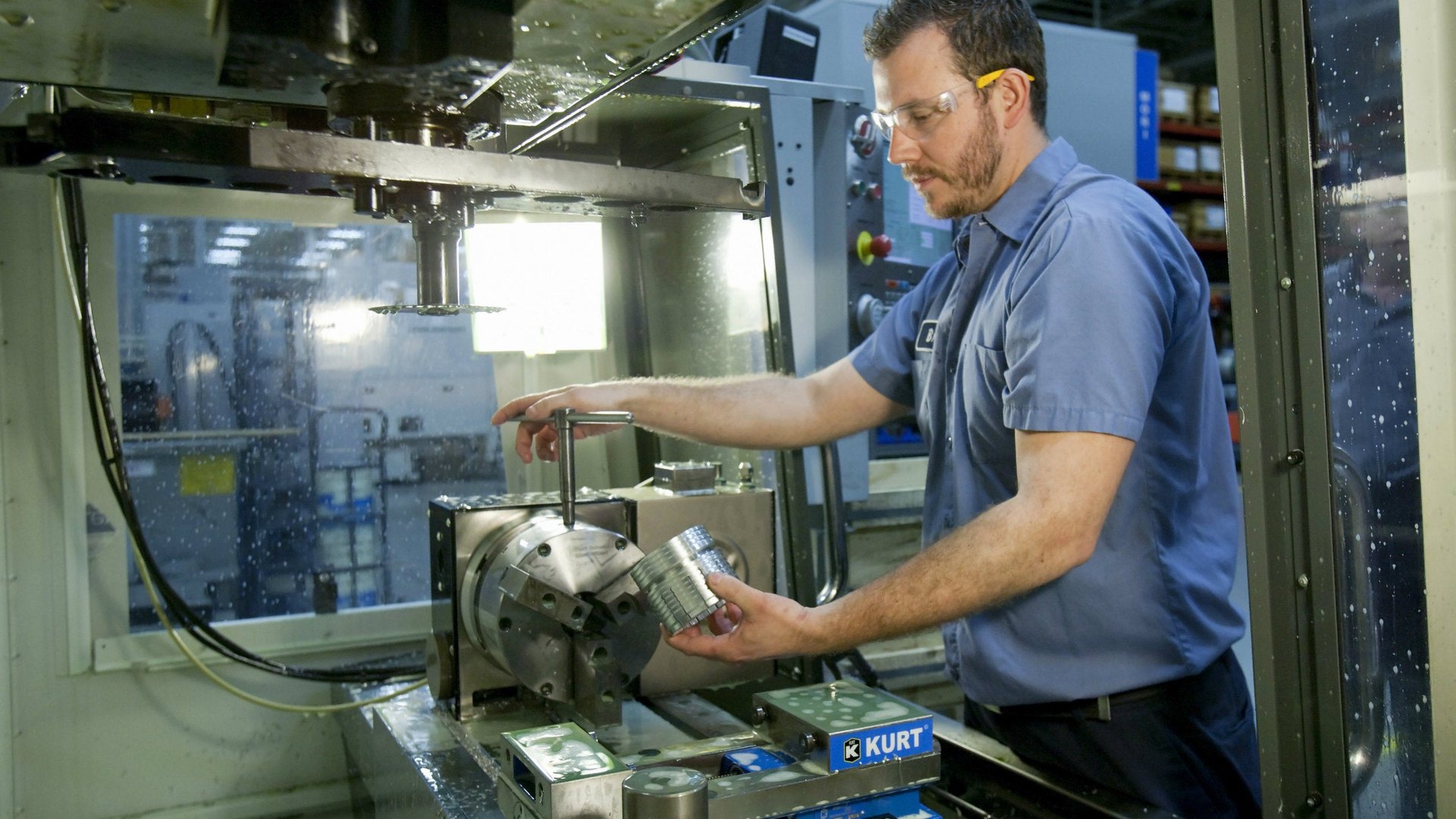
The new manufacturing worker is a knowledge worker. No longer equipped with a high school diploma and union card, he’s got advanced skills in programming and statistics. That’s what’s needed for a manufacturing renaissance. Here’s the catch: It might take 50 years.

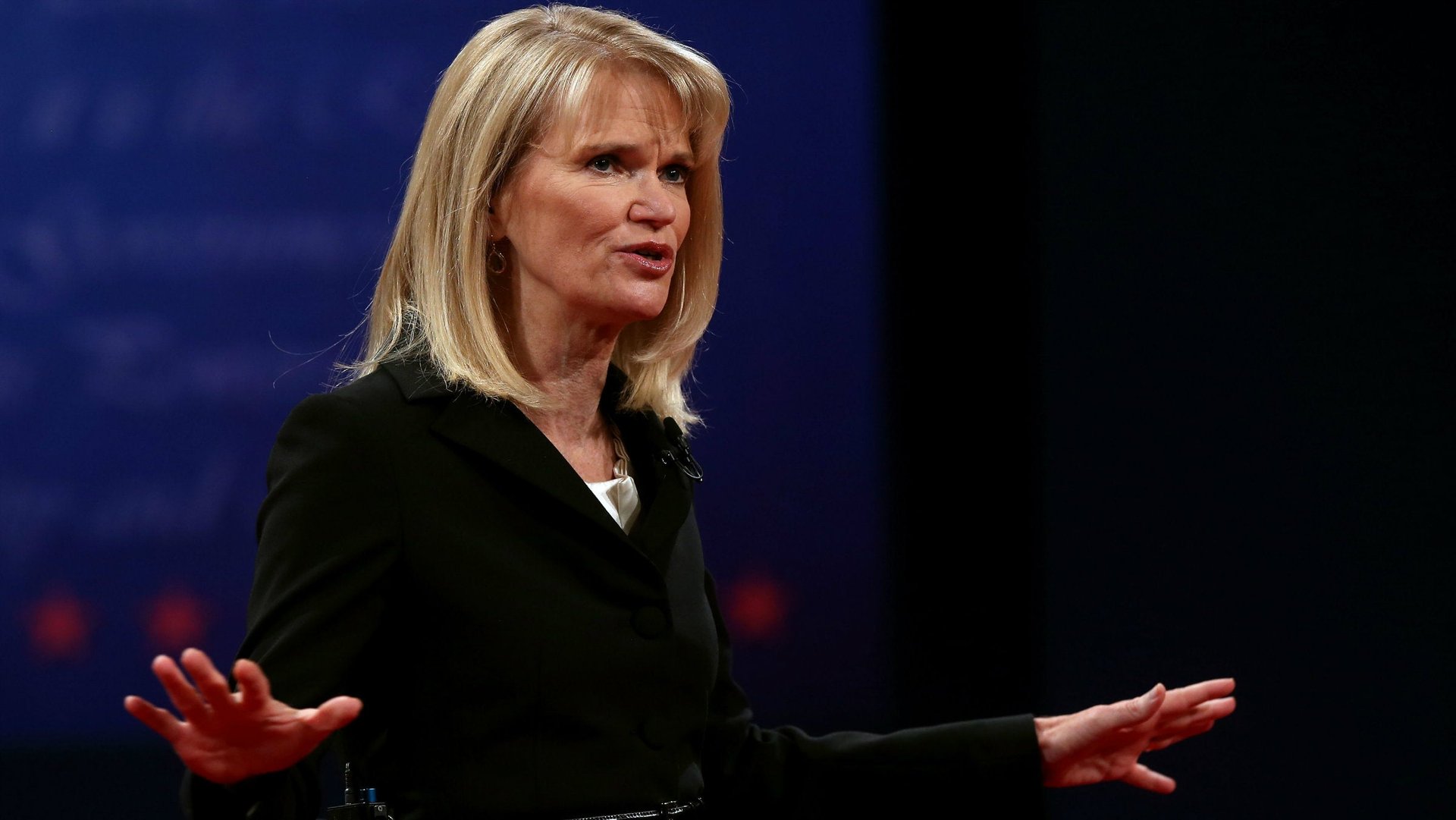
There was one reason that the US vice presidential debate was a success: moderator Martha Raddatz. The ABC News foreign correspondent drew overwhelming support, pushing for specifics, asking tough questions, prompting a lively debate.

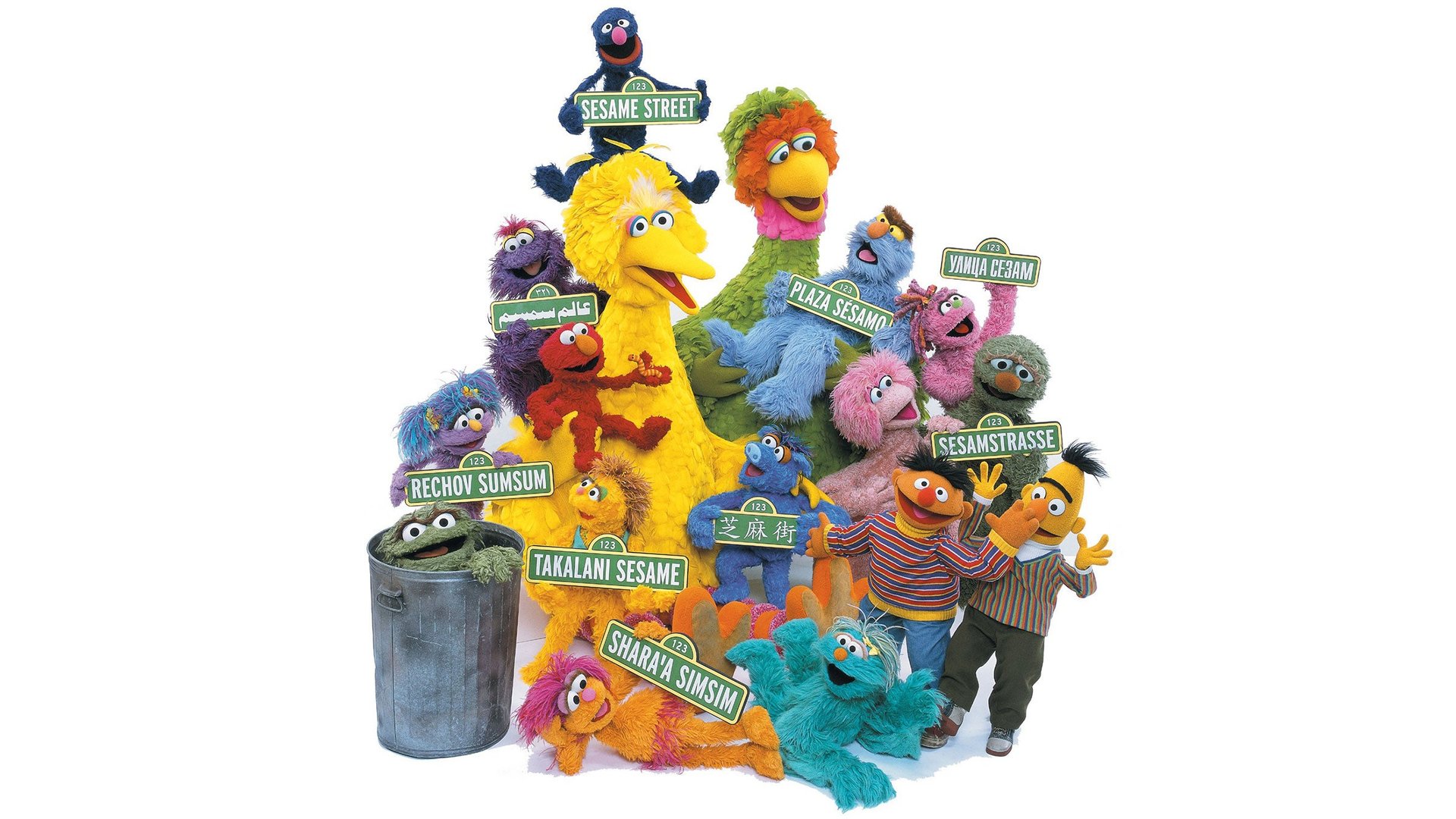
Alongside tax plans and unemployment, Big Bird and his Sesame Street pals took center stage during last week’s US presidential debate when candidate Mitt Romney said he would cut funding for the educational PBS show. Yet this is not the first time the fun-loving Muppets have been in the political spotlight.

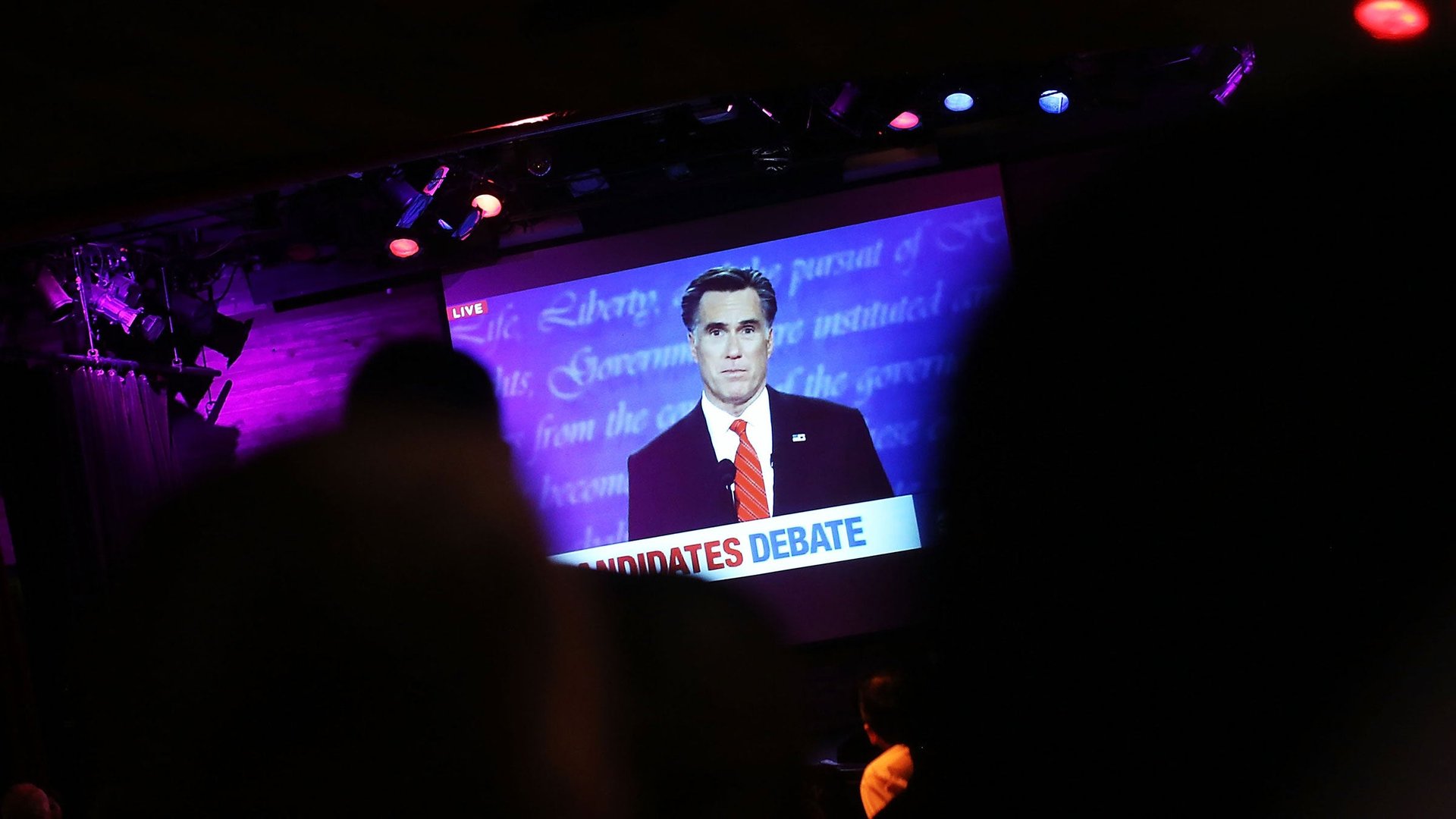
After the first US presidential debate, an almost universal reaction is that Romney won. With his trove of zingers and aggressive style, he made Obama look asleep and at times bumbling. Here is some of the best analysis from around the web:

There was the expected talk of tax plans, job creation, deficit reduction, healthcare, and the role of government. But during their first US presidential debate, incumbent Barack Obama and challenger Mitt Romney drew upon some interesting people and places to make their points.

Once upon a time, China appeared to be a sure thing for multinationals looking to tap into an emerging market. Now, political and economic uncertainty cloud the picture. The viability of state-owned enterprises has been called into question and it’s becoming less clear how China will weather an apparent slowdown. China’s manufacturing has contracted for an 11th straight month and may post its first below 8% GDP growth since 1999.

Don’t forget about the Caucasus. Laurence Sheets for Bloomberg View reminds readers that Georgia is about to face its most uncertain parliamentary elections since its independence 20 years ago. There is fear that the losing party will not concede defeat, especially since campaigning between the ruling United National Movement Party and the Georgian Dream opposition has been contentious so far. There are larger implications for unrest in Georgia, since most of the gas and oil pipelines that pass through there touch the region’s hotspots.

Don’t forget about the Caucasus. Laurence Sheets for Bloomberg View reminds readers that Georgia is about to face its most uncertain parliamentary elections since its independence 20 years ago. There is fear that the losing party will not concede defeat, especially since campaigning between the ruling United National Movement Party and the Georgian Dream opposition has been contentious so far. There are larger implications for unrest in Georgia, since most of the gas and oil pipelines that pass through there touch the region’s hotspots.

During the waiting game to see just how slow a slowdown in China could be, investors are focusing on a new darling: the Philippines. The country saw 6.3% growth during the first quarter of the year, second only to China in Asia, and the S&P and Fitch rate the country just one grade below investment level. Further, the peso has been the best performing currency in Asia this year.

During the waiting game to see just how slow a slowdown in China could be, investors are focusing on a new darling: the Philippines. The country saw 6.3% growth during the first quarter of the year, second only to China in Asia, and the S&P and Fitch rate the country just one grade below investment level. Further, the peso has been the best performing currency in Asia this year.

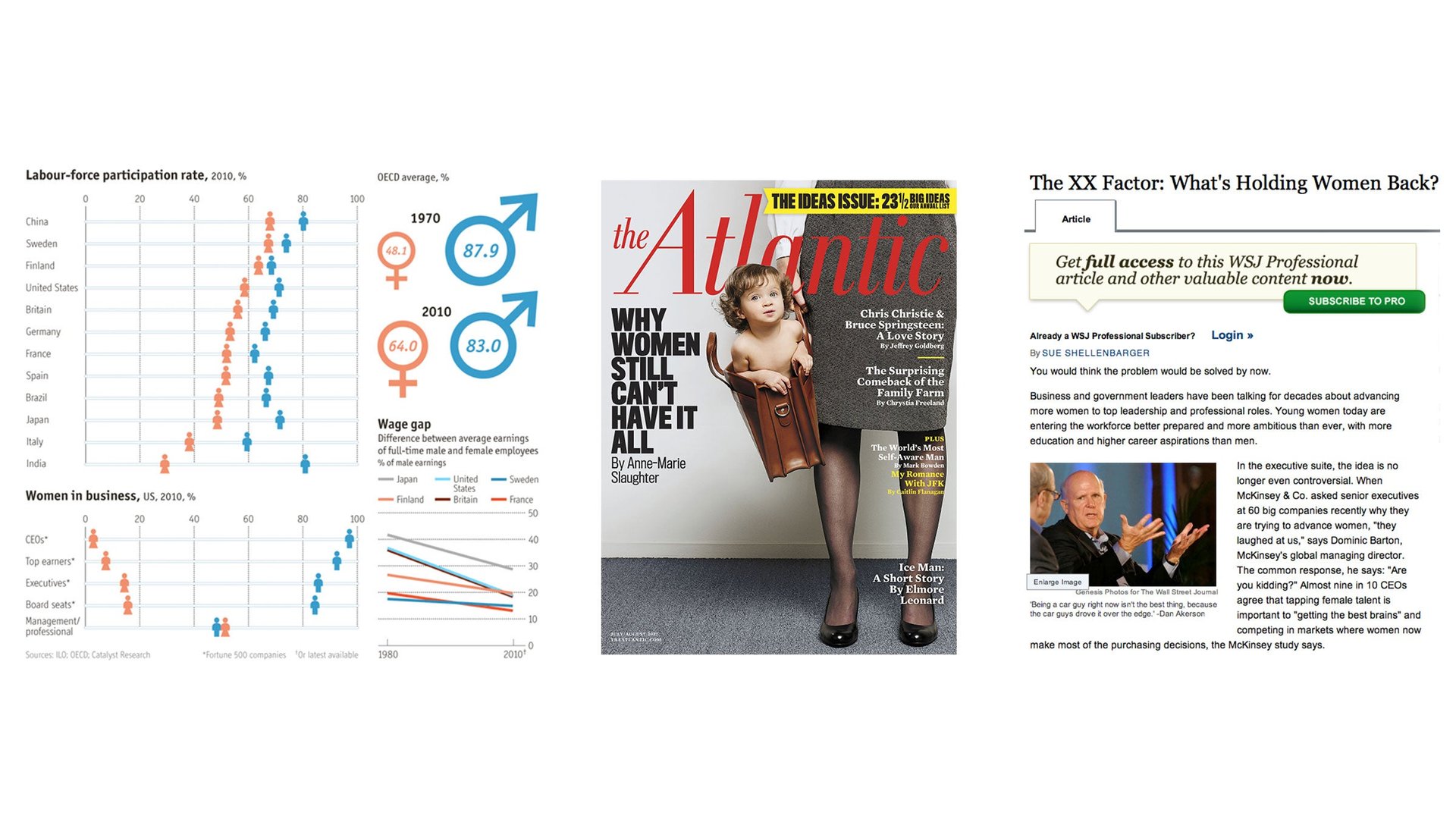
This week, the Wall Street Journal offered advice from Heidi Miller, the retired president of JP Morgan’s international business, on how women can get ahead on Wall Street. I attended the same panel, hosted by the New America Foundation, and was especially struck by her new take on a well-treaded theory about what holds them back: Women are their own biggest impediments in the workplace.

This week, the Wall Street Journal offered advice from Heidi Miller, the retired president of JP Morgan’s international business, on how women can get ahead on Wall Street. I attended the same panel, hosted by the New America Foundation, and was especially struck by her new take on a well-treaded theory about what holds them back: Women are their own biggest impediments in the workplace.

The foreign investment Russia didn’t want. Masha Gessen in The New York Times’ Room for Debate debunks the notion that a tide of protests in Russia have been funded by the US State Department. She should know; she was involved in the protest movement from last December through June and says most of the money came from wealthy Russian donors. Of Putin’s government, “The regime’s cherished illusion is that by shielding the country from foreign influence it will secure its own future indefinitely.”

The foreign investment Russia didn’t want. Masha Gessen in The New York Times’ Room for Debate debunks the notion that a tide of protests in Russia have been funded by the US State Department. She should know; she was involved in the protest movement from last December through June and says most of the money came from wealthy Russian donors. Of Putin’s government, “The regime’s cherished illusion is that by shielding the country from foreign influence it will secure its own future indefinitely.”

The formula to friendship. Steven Strogatz in The New York Times answers the question of why your Facebook friends always seem to have more friends than you. In a colossal study of millions of Facebook users, researchers found “the average number of friends of friends is always greater than the average number of friends of individuals.” No duh, you say? To reach that conclusion, though, involved invoking algebraic equations like:

Be careful what you wish for, Germany. For Bloomberg View, Clive Crook explains that a German exit is a fine solution (better than giving Greece the boot) but a return to the Deutsche Mark could very well lead to a recession in the Motherland. “The counterpart of growing exports and higher employment across the rest of the euro system would be falling exports and higher unemployment in Germany.” Maybe this’ll scare Germany into playing nice with the EU.

Be careful what you wish for, Germany. For Bloomberg View, Clive Crook explains that a German exit is a fine solution (better than giving Greece the boot) but a return to the Deutsche Mark could very well lead to a recession in the Motherland. “The counterpart of growing exports and higher employment across the rest of the euro system would be falling exports and higher unemployment in Germany.” Maybe this’ll scare Germany into playing nice with the EU.

Why do some CEOs survive while others get canned? Barclays’ Bob Diamond was ousted almost immediately after the Libor scandal, while Jamie Dimon and Lloyd Blankfein remain in place. William D. Cohan in Bloomberg View says that’s because regulators in the UK are much tougher on accountability and capital requirements than their US counterparts. Also notable: Mary Schapiro, the chairwoman of the SEC, was given a $9 billion parting gift when she left Finra, whose board is made up of Wall Street execs.