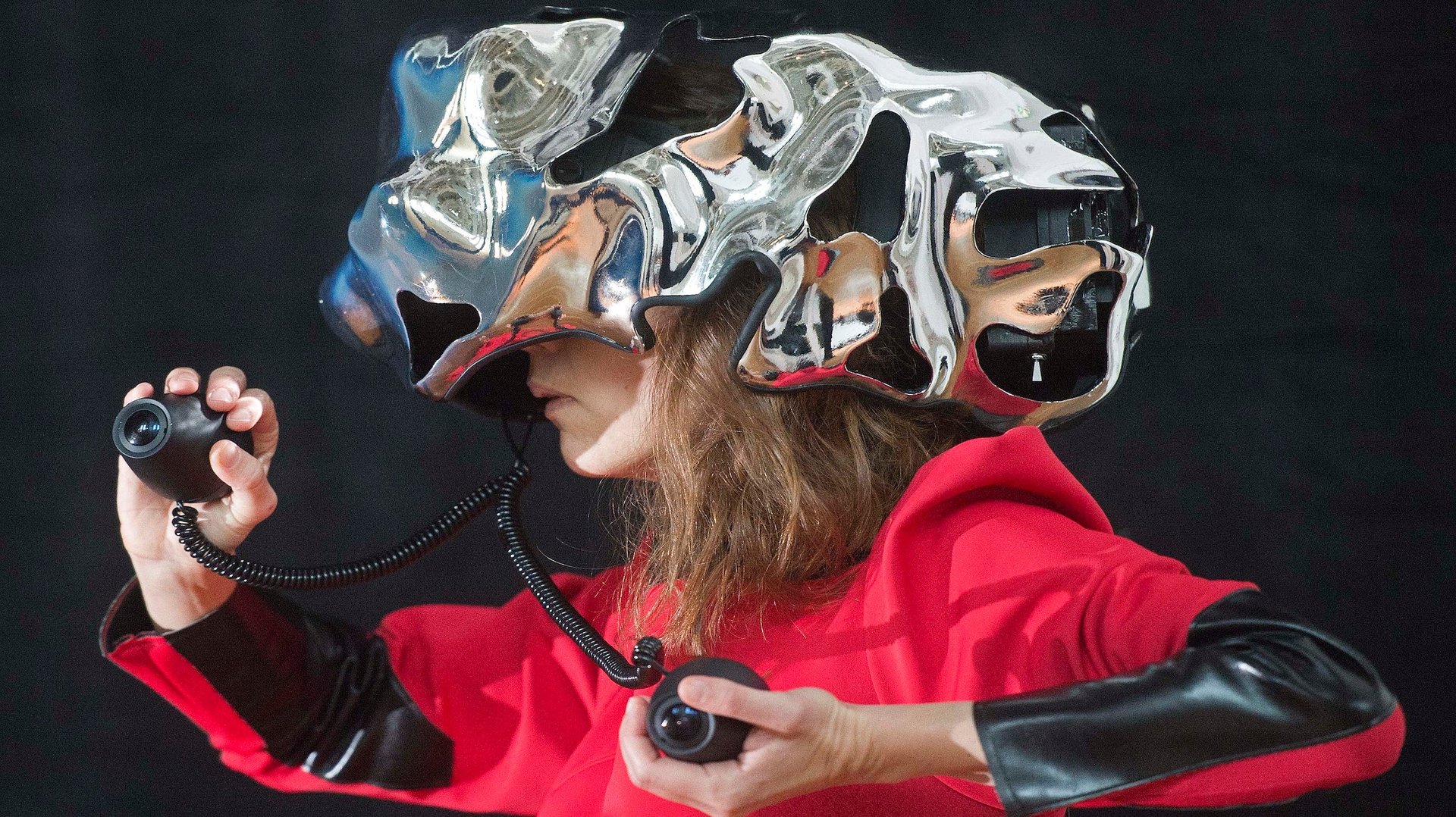
Virtual reality could make it to the mainstream soon, but no need to brace for a dystopian nightmare. It turns out that immersing ourselves in simulations and games—if we do it right—could actually make us better people.

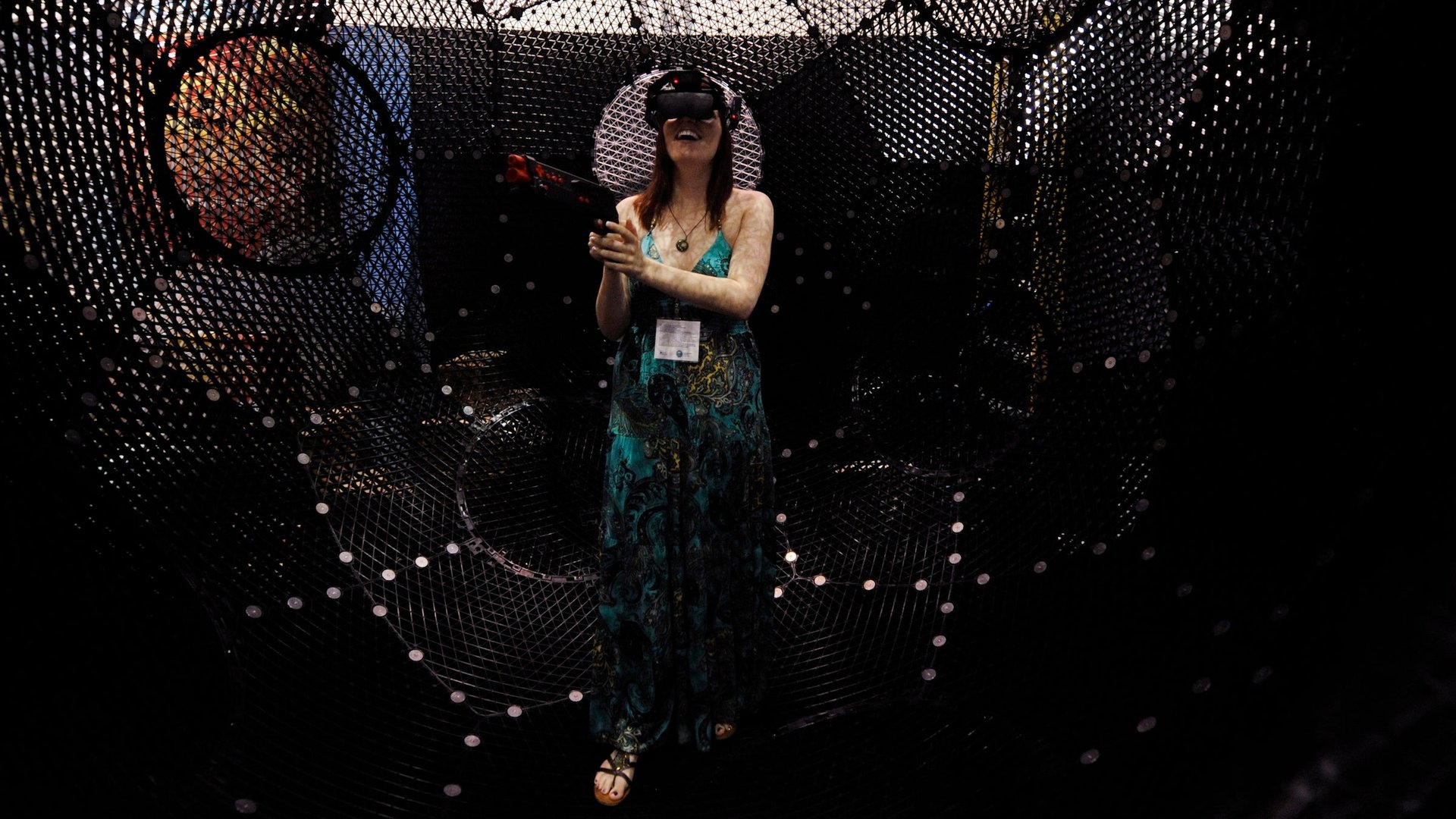
Virtual reality could make it to the mainstream soon, but no need to brace for a dystopian nightmare. It turns out that immersing ourselves in simulations and games—if we do it right—could actually make us better people.

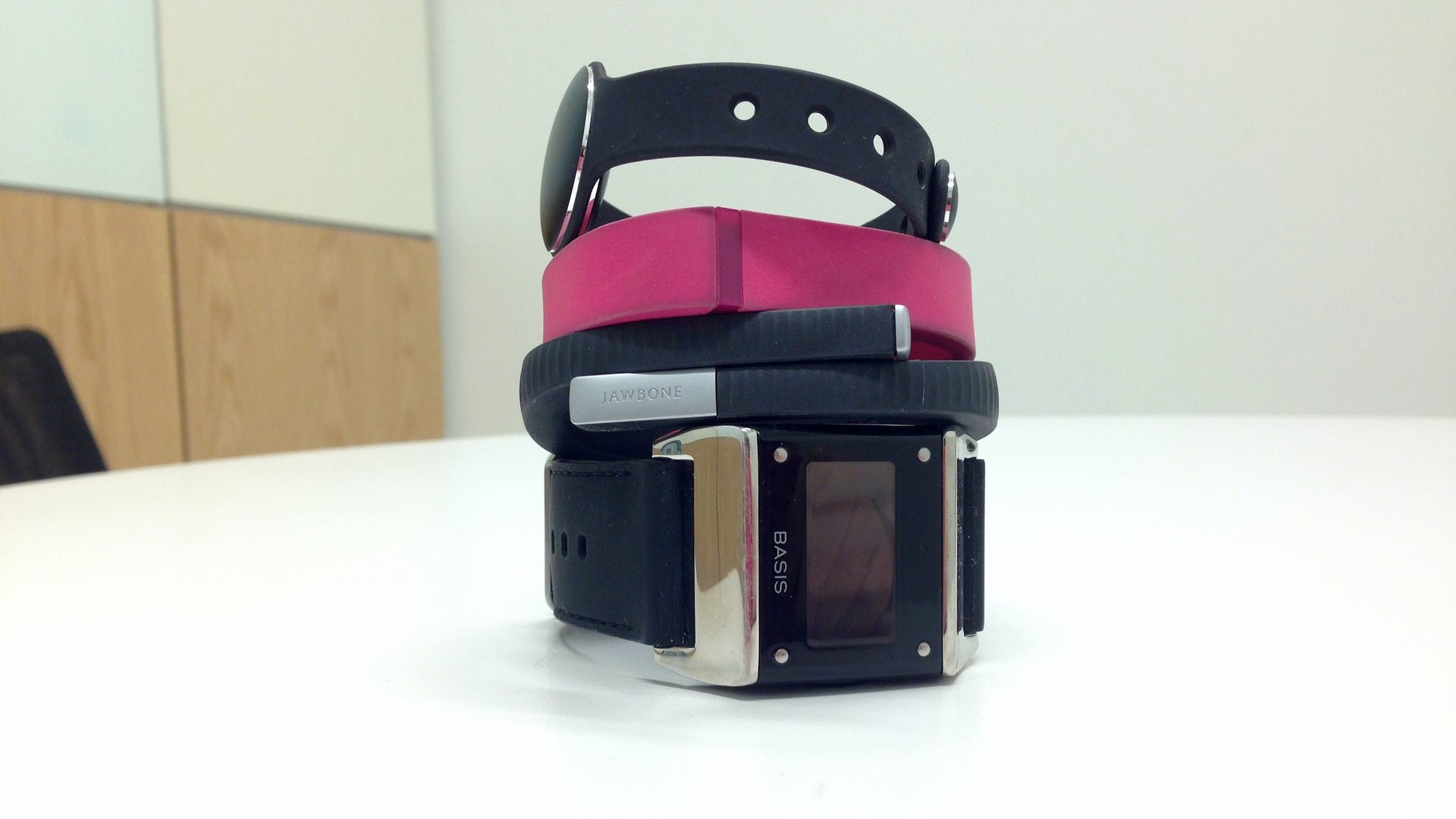
For 10 days last month, I strapped on four fitness trackers for every waking hour—all in the name of science. I wore them to brunch. I wore them on my birthday. I wore them when I got sick and spent a full day in bed. For a week and a half, I was quantified—in quadruplicate.

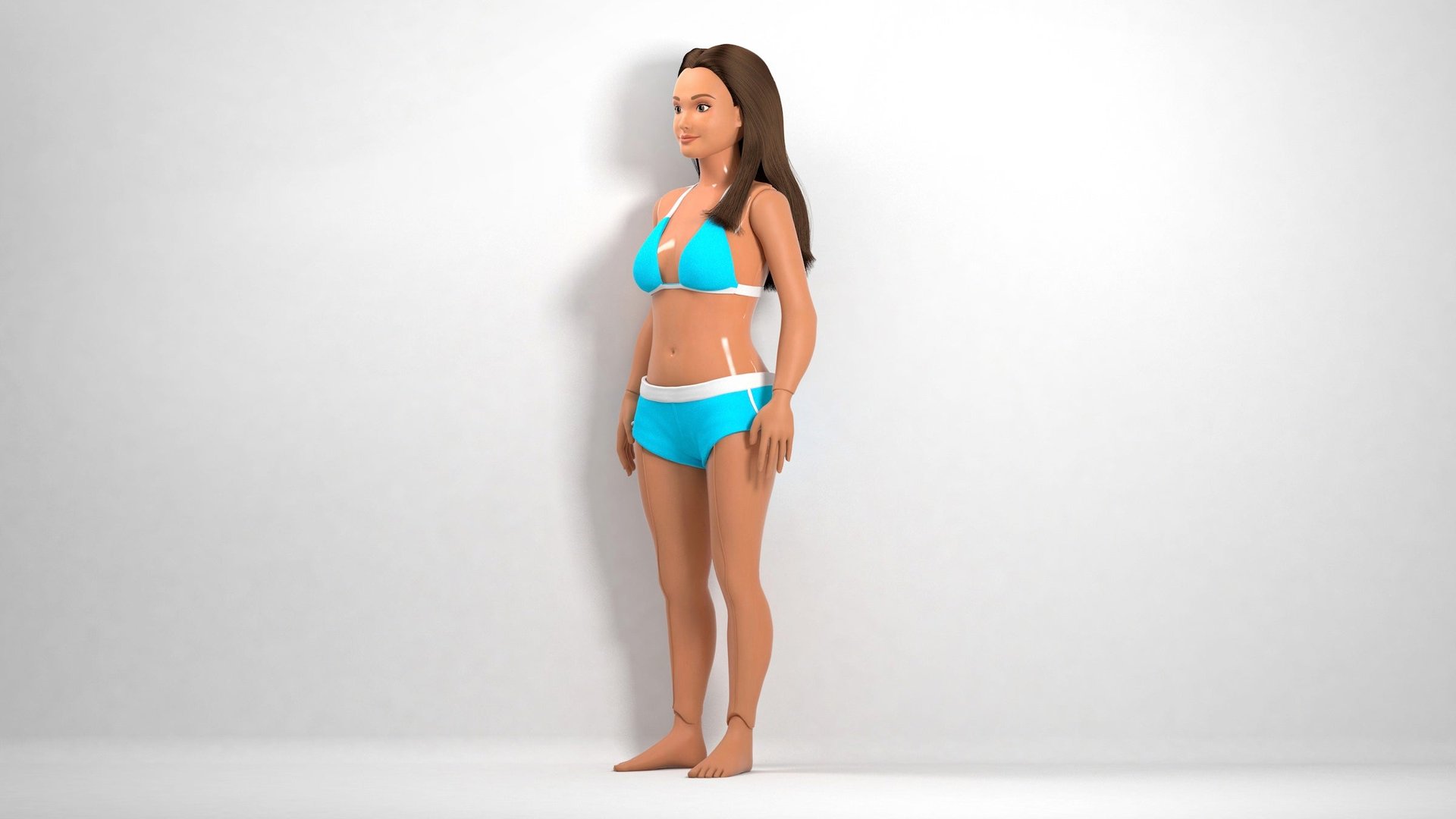
Soon, you could buy your kids a doll that looks like a healthy, average young woman. Last year, artist and researcher Nickolay Lamm created a “Barbie” based on the measurements of average US females. The concept went viral, and now he’s crowdfunding its production using CrowdtiltOpen, taking pre-orders for dolls to be shipped late this year (assuming he reaches his crowd-funding target) and costing $17 and up each. But Lamm isn’t going for total inclusivity, and he won’t be making his dolls any heavier than average.

Duncan Lamb, a product designer formerly of Nokia and Skype, thinks that our connected devices are far too app-happy. Today he launches Aether Things, a San Francisco-based company that he says will integrate hardware and software to make things that are simpler—and more beautiful—than other contenders in the expanding Internet of Things.

Today is International Ear Care Day, and the World Health Organization has two major directives: Getting you to turn your music down and stop sticking things in your ears, dammit.

It’s no surprise that Gravity took home an Oscar for sound mixing. The thriller, which puts the viewer in the open void of space, used immersive audio to great nerve-jangling effect. Gravity‘s sound effects may have put you on edge, but chances are you didn’t experience the full impact of the film’s audio.

The best way to invent new recipes is to enlist the help of a supercomputer, says IBM. Data-driven delicacies—dishes created through the work of a cognitive computer system—are being served by IBM out of a food truck. Right now it’s only parking at events like the IBM Pulse conference and tech/music/film festival SXSW. But while the IBM food truck may be a promotional gimmick, you can expect to be consuming more and more dishes—and media—created by computers. Here’s why:

The internet has been with us for 25 years, and it’ll come as no surprise that American adults are smitten, according to Pew’s latest data (pdf). More surprising is the news that despite the country’s increasing dependance on the internet, survey respondents who have landline phones still thought that their home phones would be harder to give up than social media:

Spritz is an app that feeds you emails one word at a time, supposedly to make you read faster and more efficiently. Not a new concept, but the developers say the app will have a unique focus on centering each word on a single point. So basically, your eyes will never have to move.

A/B testing is all the rage in online marketing now, but you could be doing it all wrong. And the results of a poor test can do more harm than good, experts say.

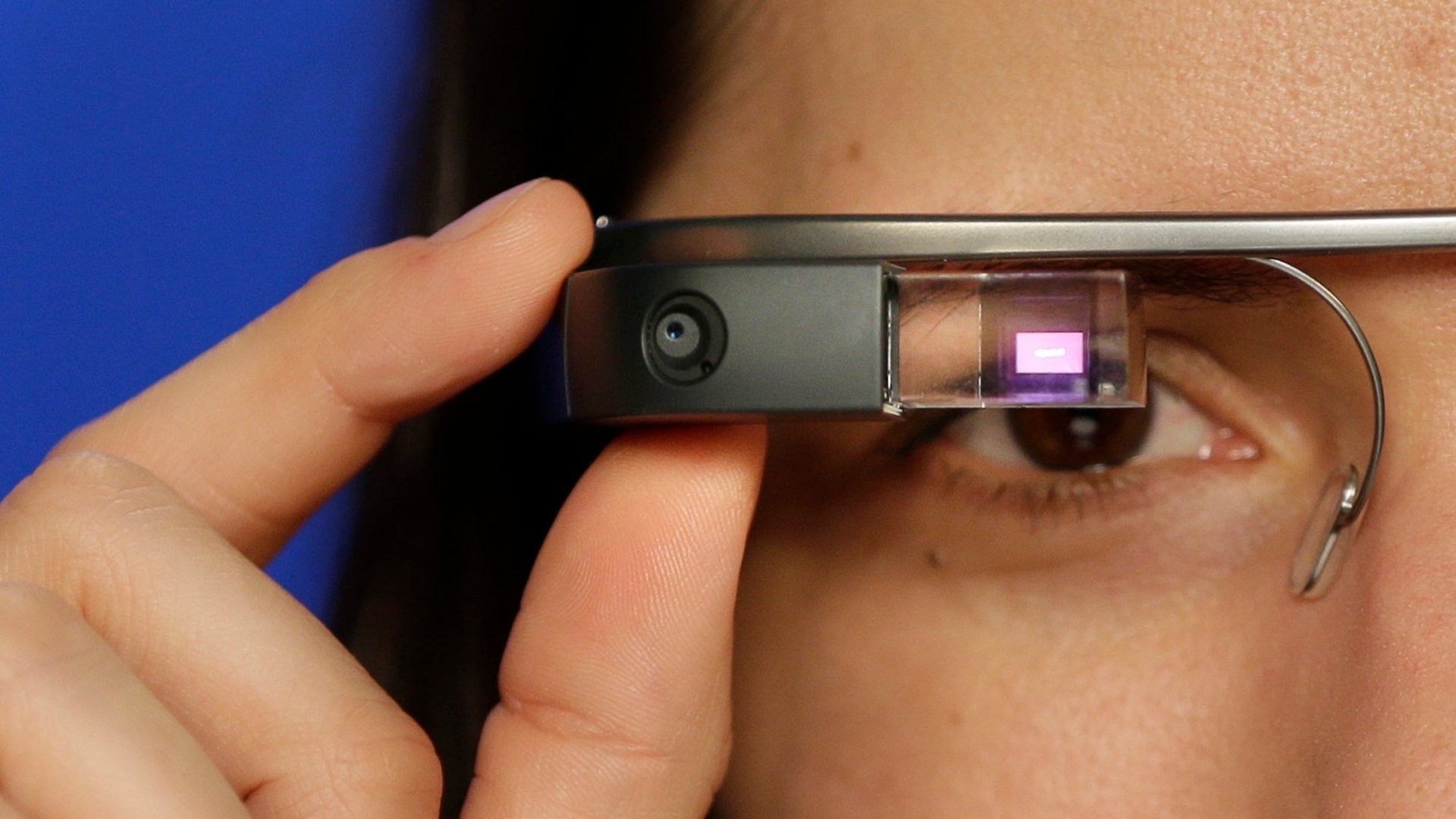
Image-recognition and augmented reality app Blippar will be the first of its kind on Google Glass, the company announced today at the Mobile World Congress. That means that entertainment—and advertisements—on Glass’s screen will interact seamlessly with the real-world objects in front of you.

On Feb. 24, the iconic “Got Milk?” tagline was laid to rest. Since 1993, the US Milk Processor Education Program, a marketing board made up of milk processors and monitored by the US Department of Agriculture, has used the slogan to promote drinking cow’s milk. In the past decade, the print version of the ads have featured an eclectic cast of celebrities—Taylor Swift, Steven Tyler, and even Dr. Phil. Now, it’s switching from the nostalgic phrase to a jazzier “Milk Life” campaign that focuses on the dairy product as a source of protein—and by extension, energy and strength.

Kinshasa, the capital city of the Democratic Republic of Congo, is home to 10 million people—and now a couple of traffic robots, too.

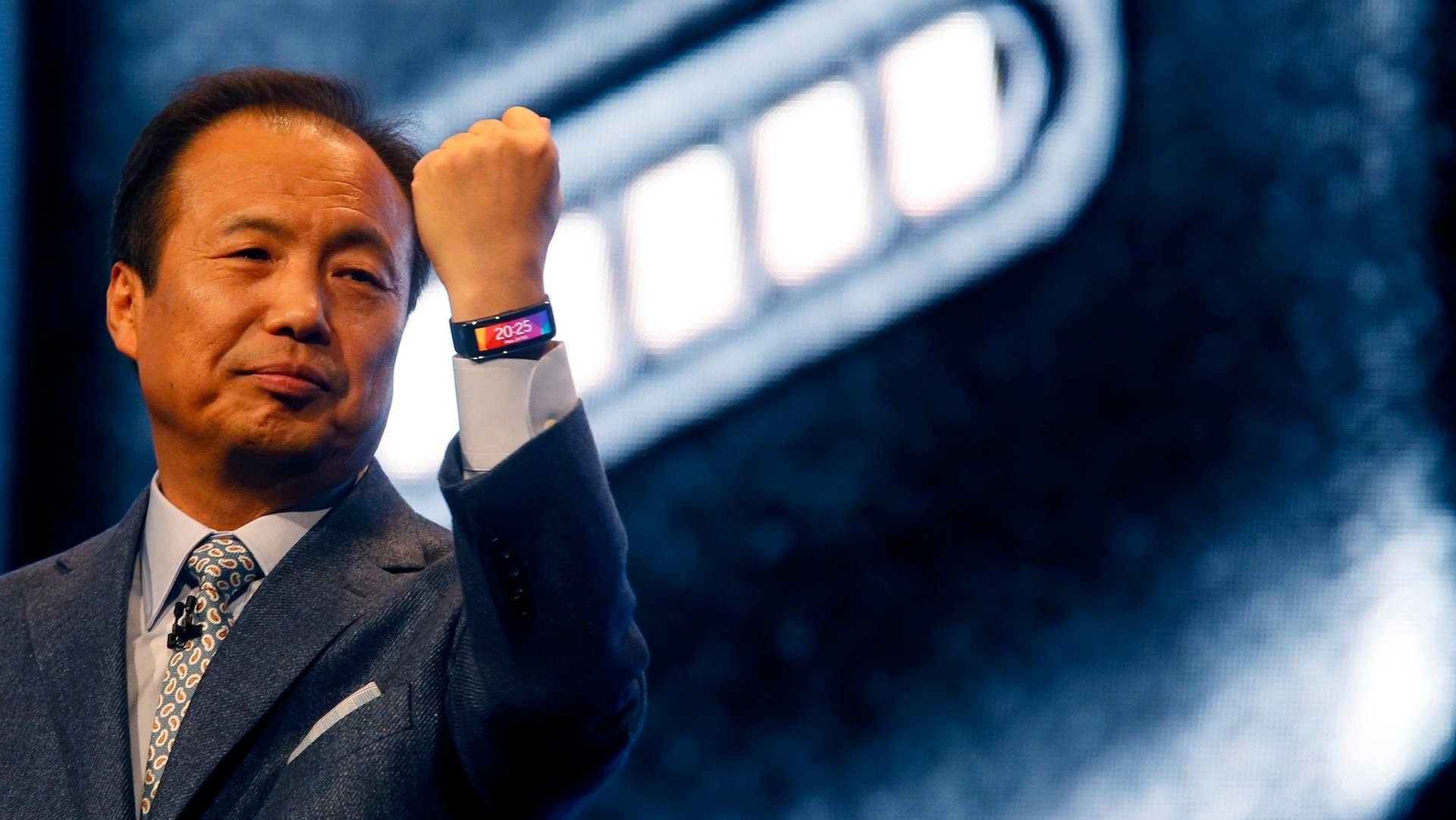
Today at the Mobile World Congress, Samsung unveiled three new wearables to replace their previous flop: The Galaxy Gear 2, the Gear 2 Neo, and the Gear Fit. The first two are smartwatches like the original (widely-panned) Galaxy Gear. The third marks the company’s first foray into fitness tracking.

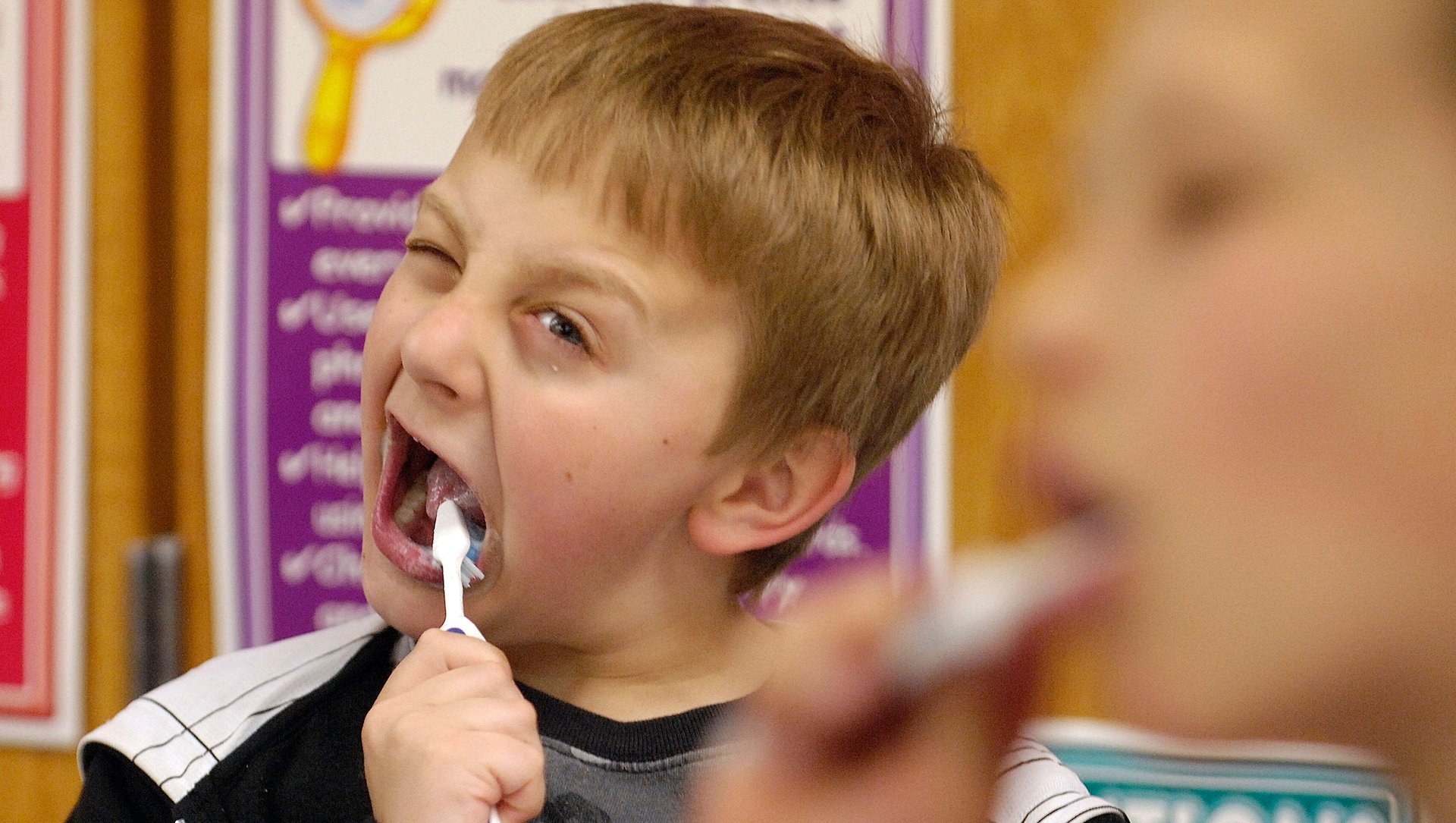
What’s your dental hygiene routine lacking? Smartphone connectivity, obviously.

With marijuana legalization spreading in the US, the cannabis industry is booming. One company set to reap the benefits is VapeXhale, makers of a high-tech vaporizer, a device used to extract the active ingredients in marijuana and other smokable substances—medicinal herbs like chamomile, for instance, or tobacco.

Analysts expect that the wearable computing industry will be worth $6 billion by 2016. But where on their bodies will we put these wearables? Here:

Today, Glow CEO Mike Huang announced that his app, which uses data tracking to help couples conceive, will now be offered to companies as an alternative method of insuring employees who are monitoring their fertility.

For the hotel industry, getting you a good night’s sleep is a valuable science. Methods vary; some chains use free-standing laboratories where amenities are tested on staff and volunteers, and others dedicate individual rooms in operating hotels to new design ideas. Either way, a lot of research and development goes into minute details, like how your towels are folded. Here are some findings you can take home with you:

You look at reviews before you purchase a new product or choose a restaurant for dinner, but do you read them before picking a doctor? Around one out of four US adults surveyed has used online reviews of physicians to make their healthcare choices, according to a study published Feb. 19 in JAMA. A previous study in Germany found about the same usage, with a British study reporting only 3%.

Your five senses are so closely related that your favorite music and colors can predict what smells you’ll enjoy. But those preferences aren’t always straightforward: Not everyone who likes the color blue will love the smell of the ocean. So how does one determine which sensual choices overlap? By collecting tons of data and seeing which streams cross.

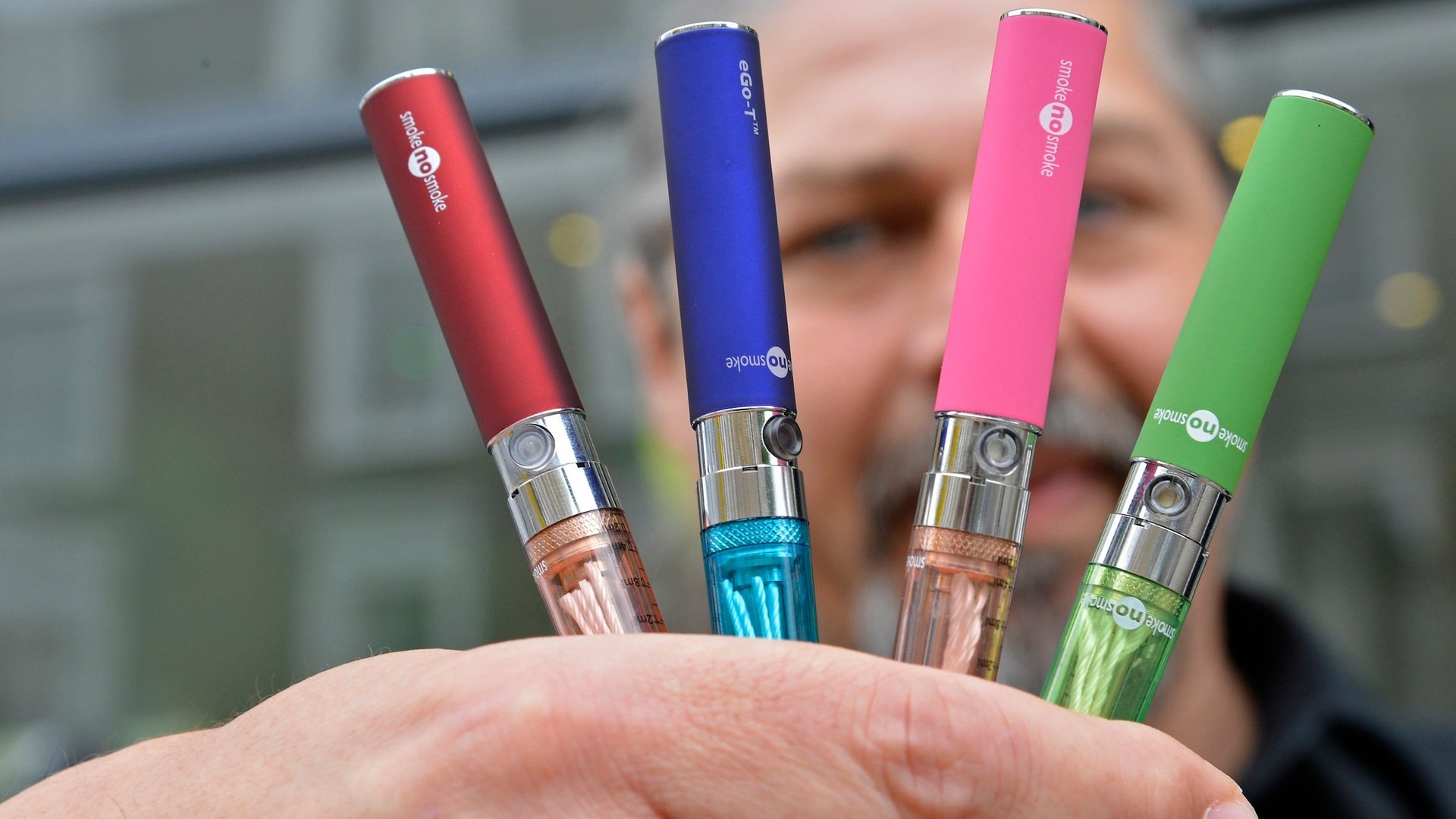
Electronic cigarettes are a good alternative for those unable to cut out nicotine, but fears are mounting that they could also represent a gateway vice for kids who might never have smoked in the first place.

Drones are being used to film ski and snowboarding events at the Winter Olympics in Sochi, as you may have noticed. But the use of unmanned aerial vehicles for sports photography is far from a passing gimmick. In fact, you should expect more and more athletic events to be filmed by drone.

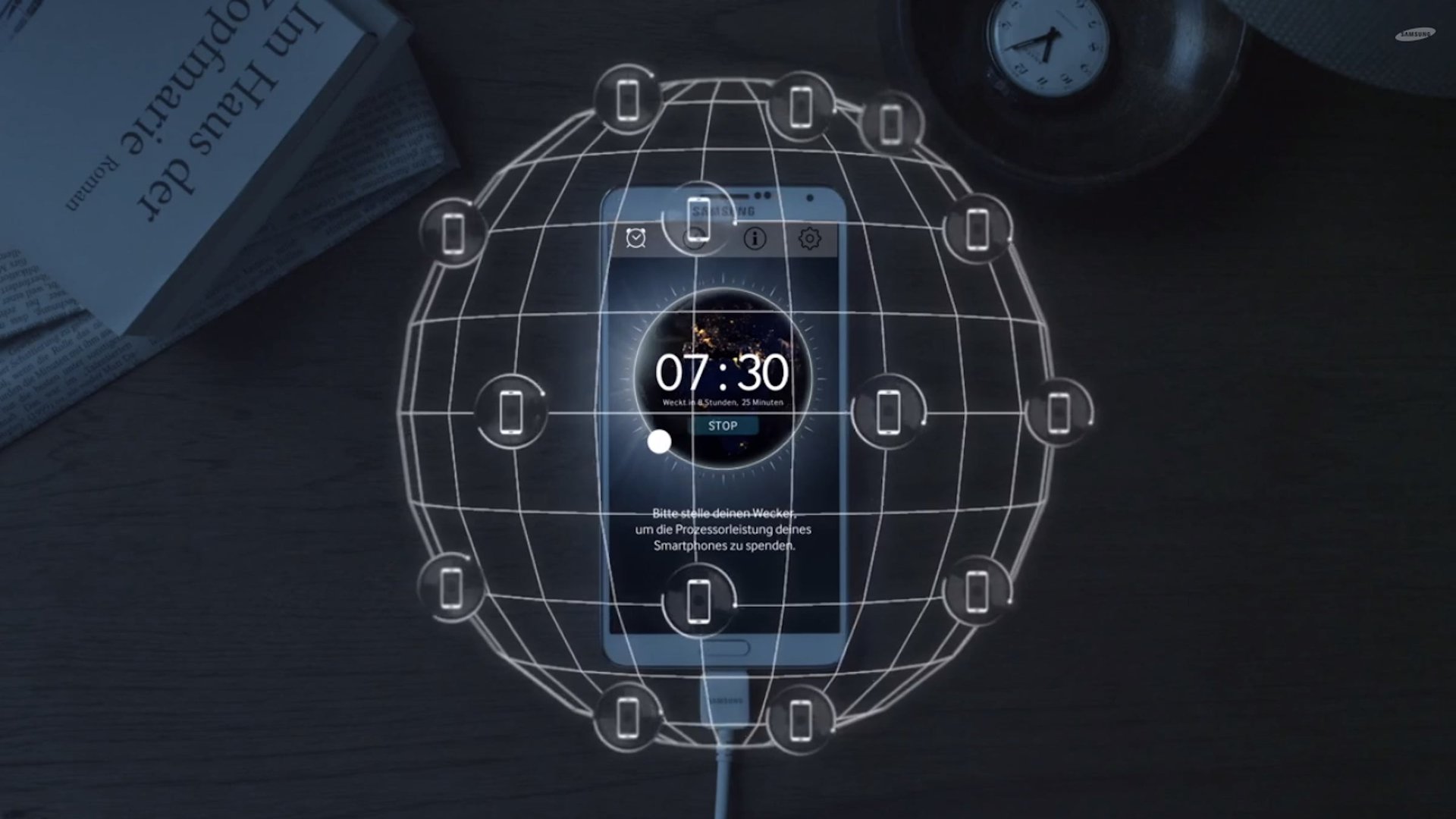
As it turns out, mobile phones probably aren’t giving us cancer. But the computers inside them could help cure it.