In the months since Russia invaded Ukraine, the US has inexplicably kept enforcing a 25% tariff on Ukrainian steel that dates back to the Trump presidency. On May 9, the Biden administration lifted those tariffs—but for just one year.

In the months since Russia invaded Ukraine, the US has inexplicably kept enforcing a 25% tariff on Ukrainian steel that dates back to the Trump presidency. On May 9, the Biden administration lifted those tariffs—but for just one year.

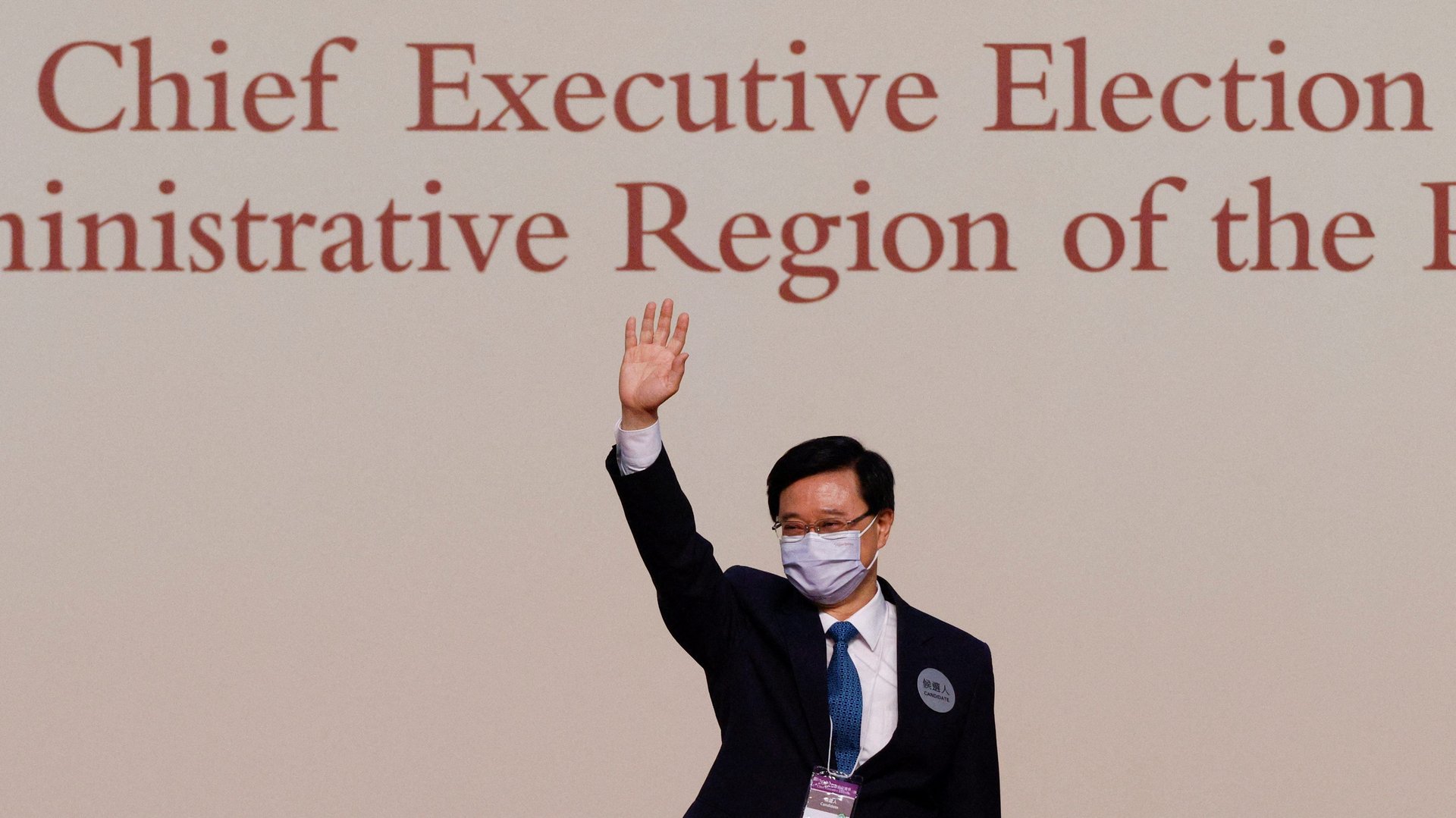
John Lee, a career police official turned security bureaucrat, became Hong Kong’s new chief executive on Sunday (May 8), after “winning” Hong Kong’s most one-sided election in decades. Lee earned 1,416 of 1,424 electoral college votes—but he was the only candidate permitted to stand by Beijing.

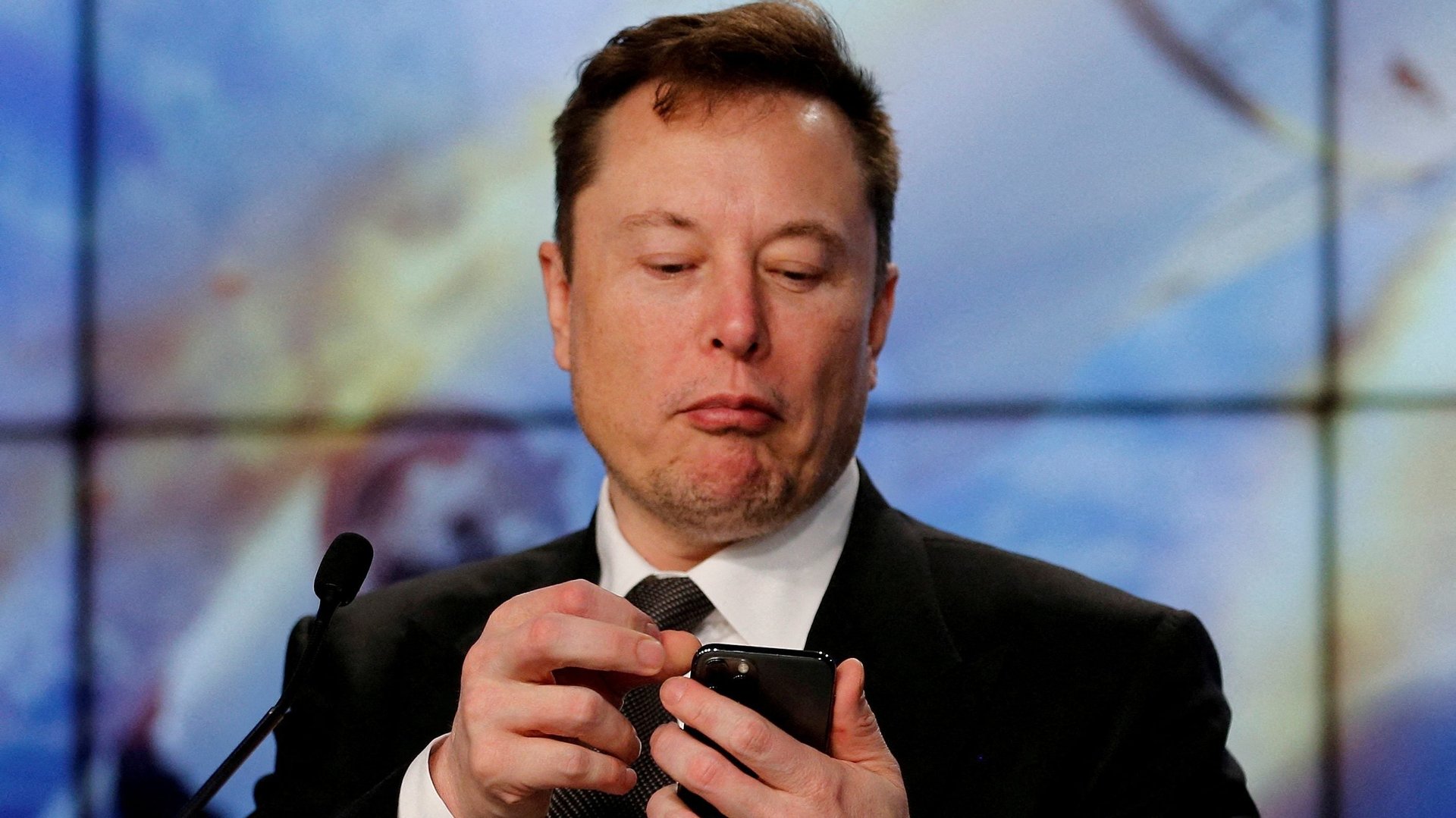
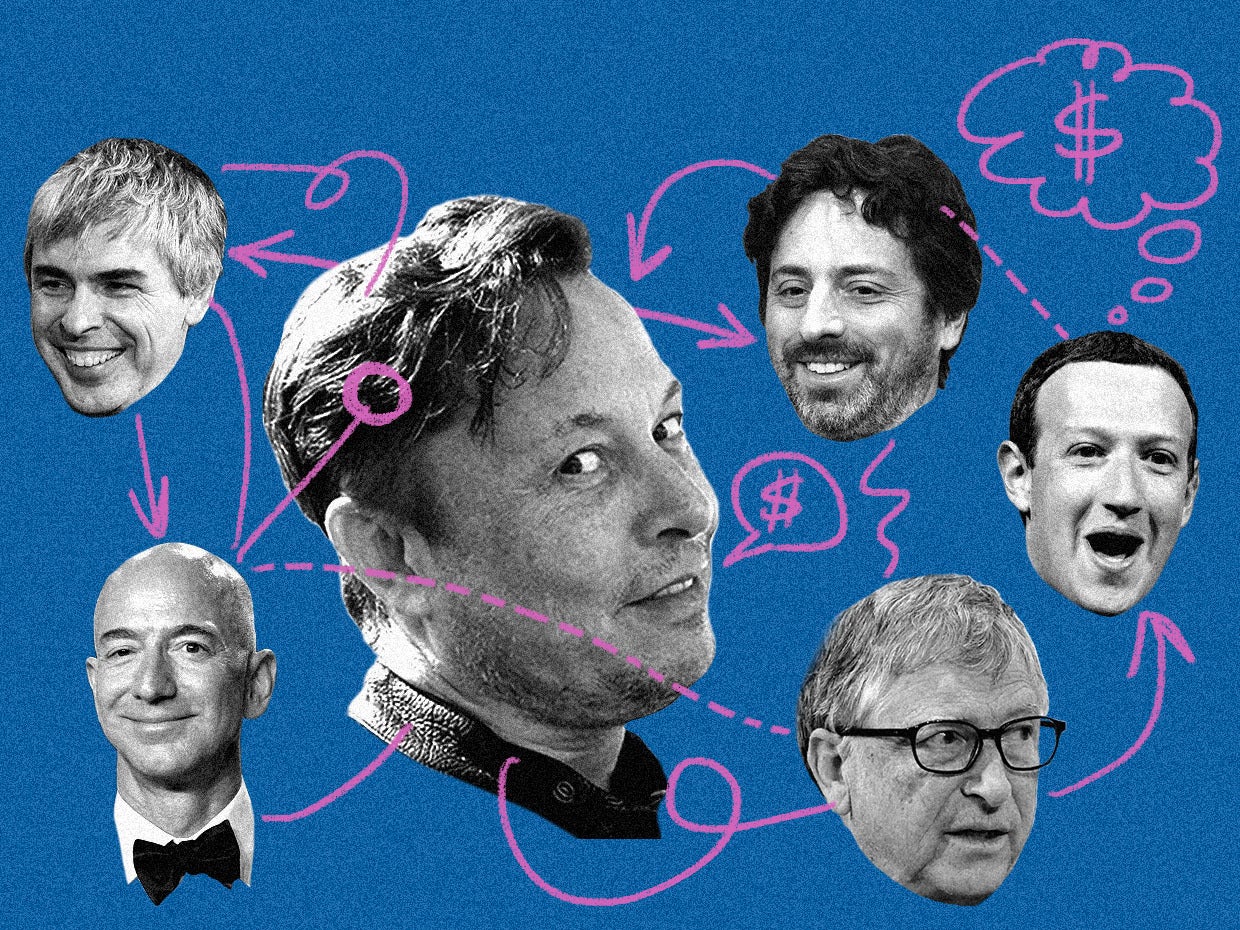
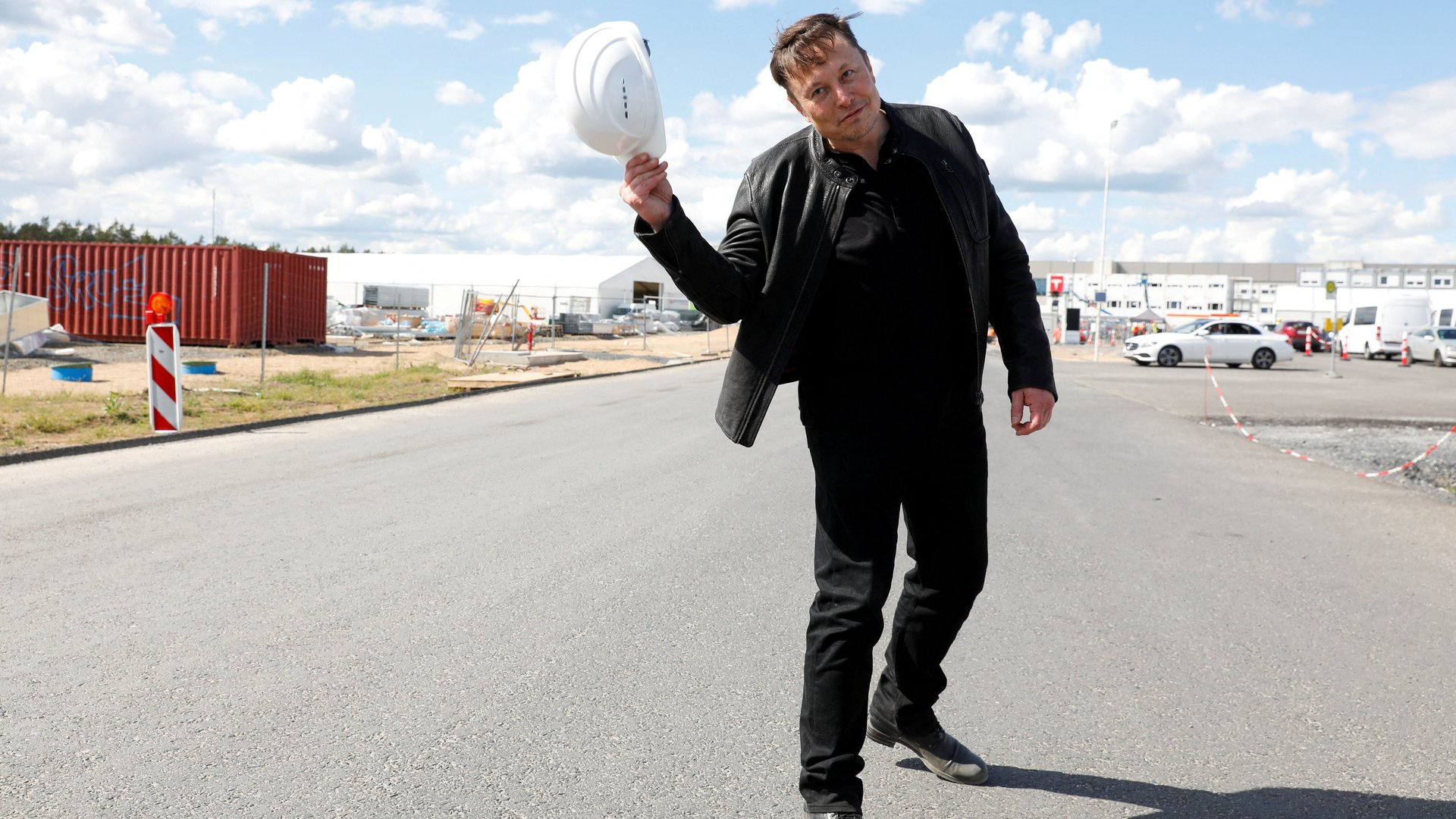
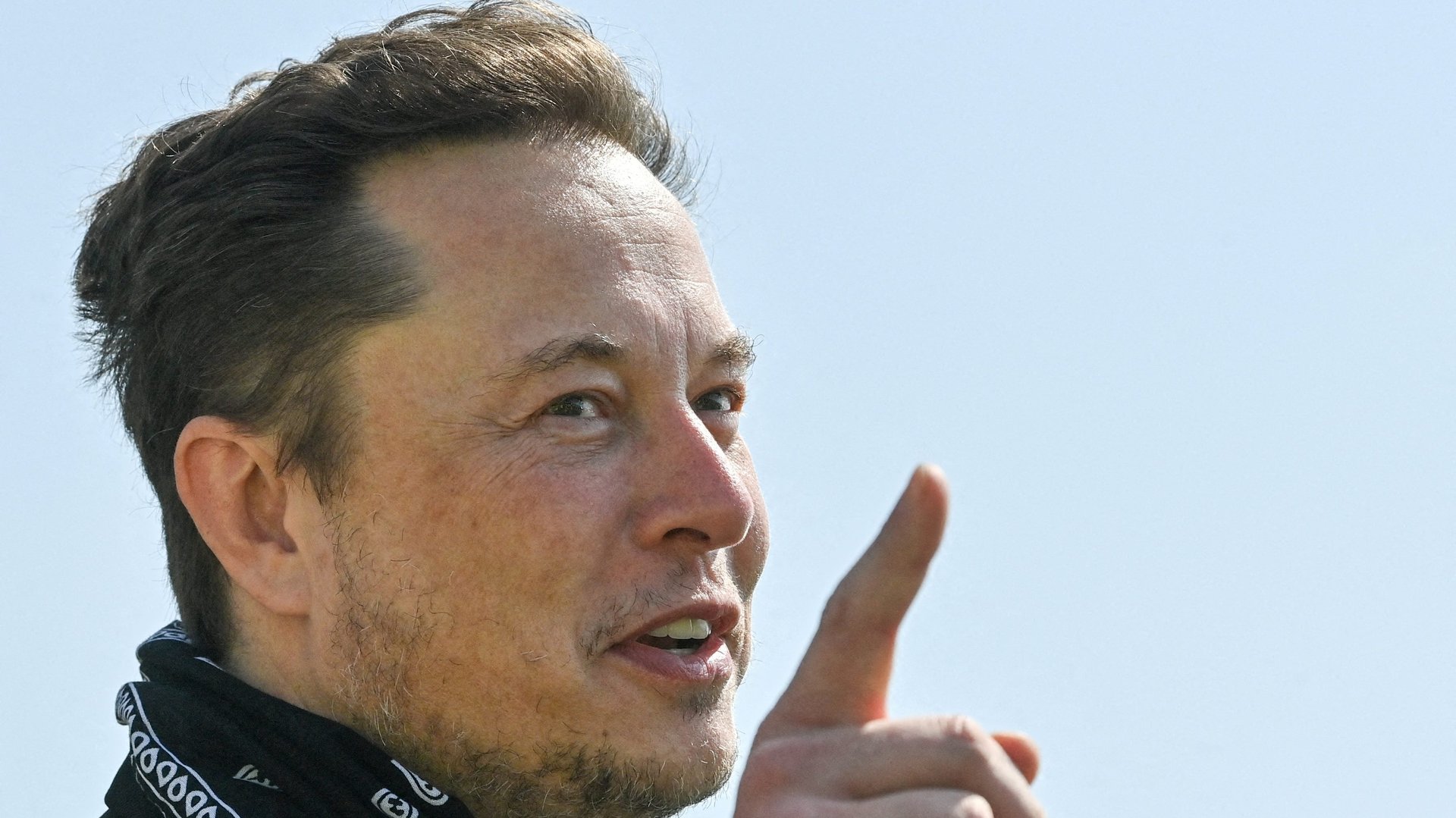
Late in April, Twitter’s board announced its agreement to sell the social media platform to Elon Musk. According to the terms of the deal, he would buy out all the company’s shareholders for a total of $44 billion, paying them roughly $54.20 per share.

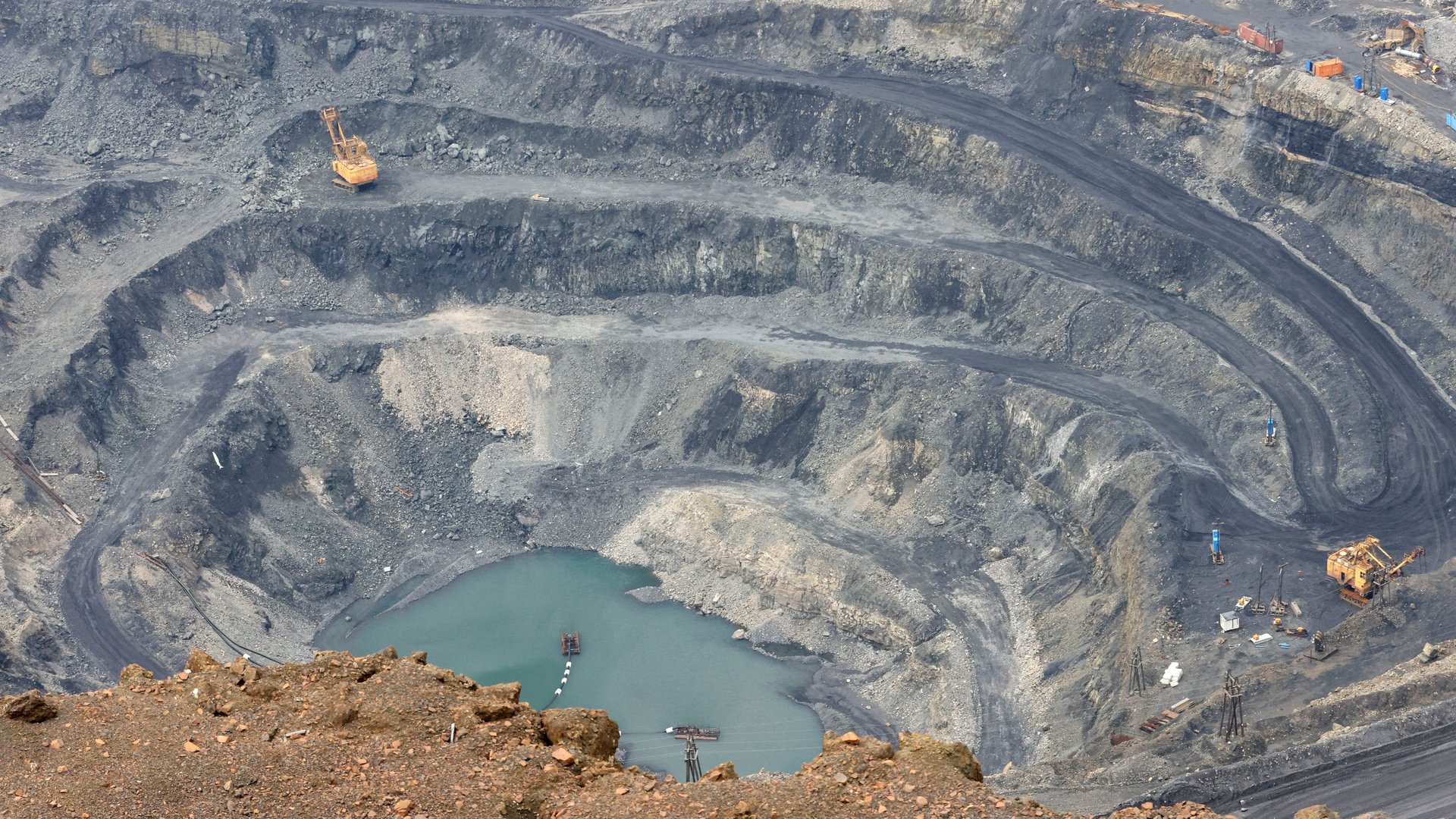
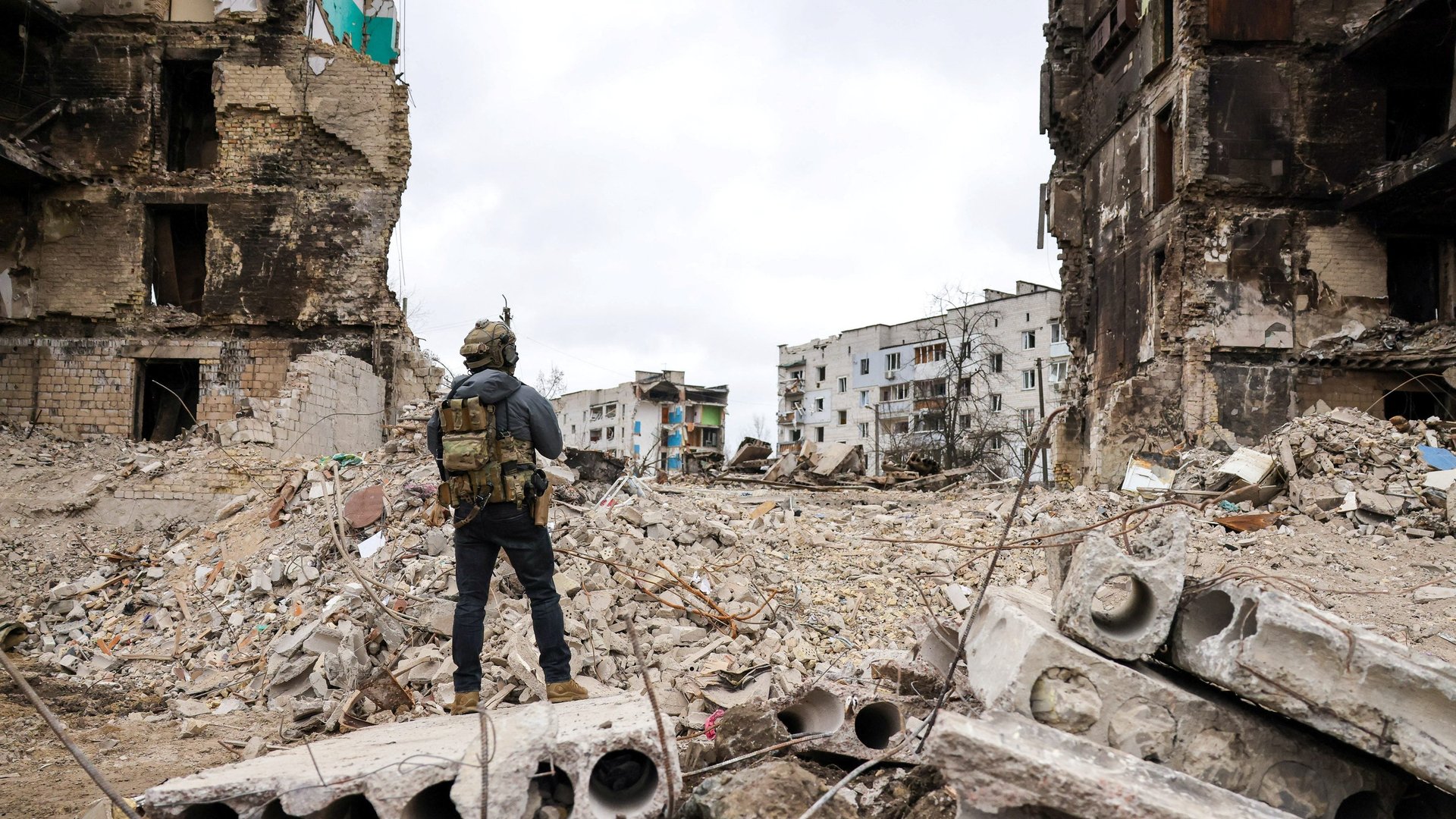
Before the war this year, foreigners went to the Donbas region, in eastern Ukraine, for different reasons. Some went to mountain resorts, others to check out the coal or metal ore mines, still others to monitor the fragile peace after Russian-backed separatists declared breakaway republics in 2014.

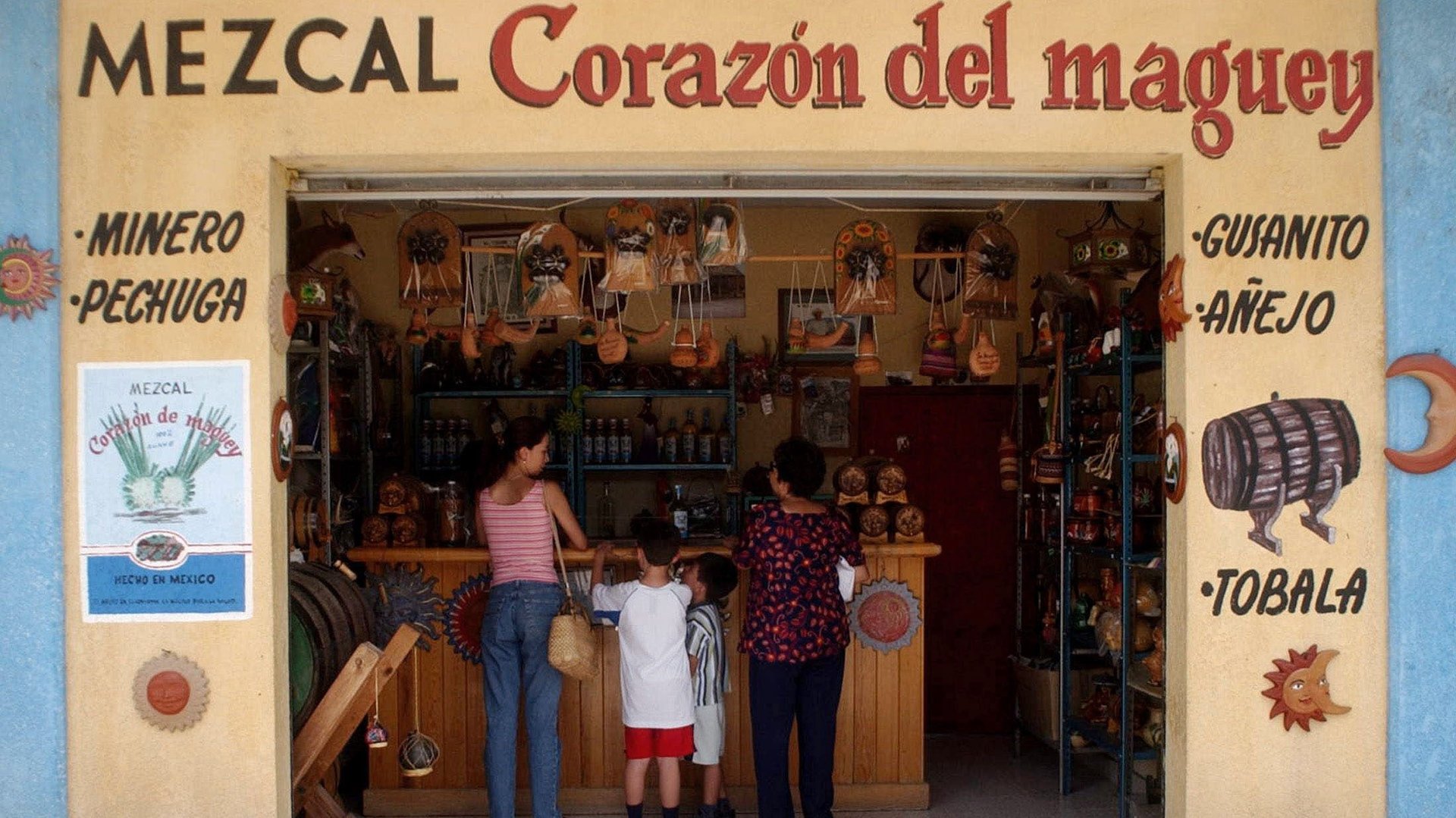
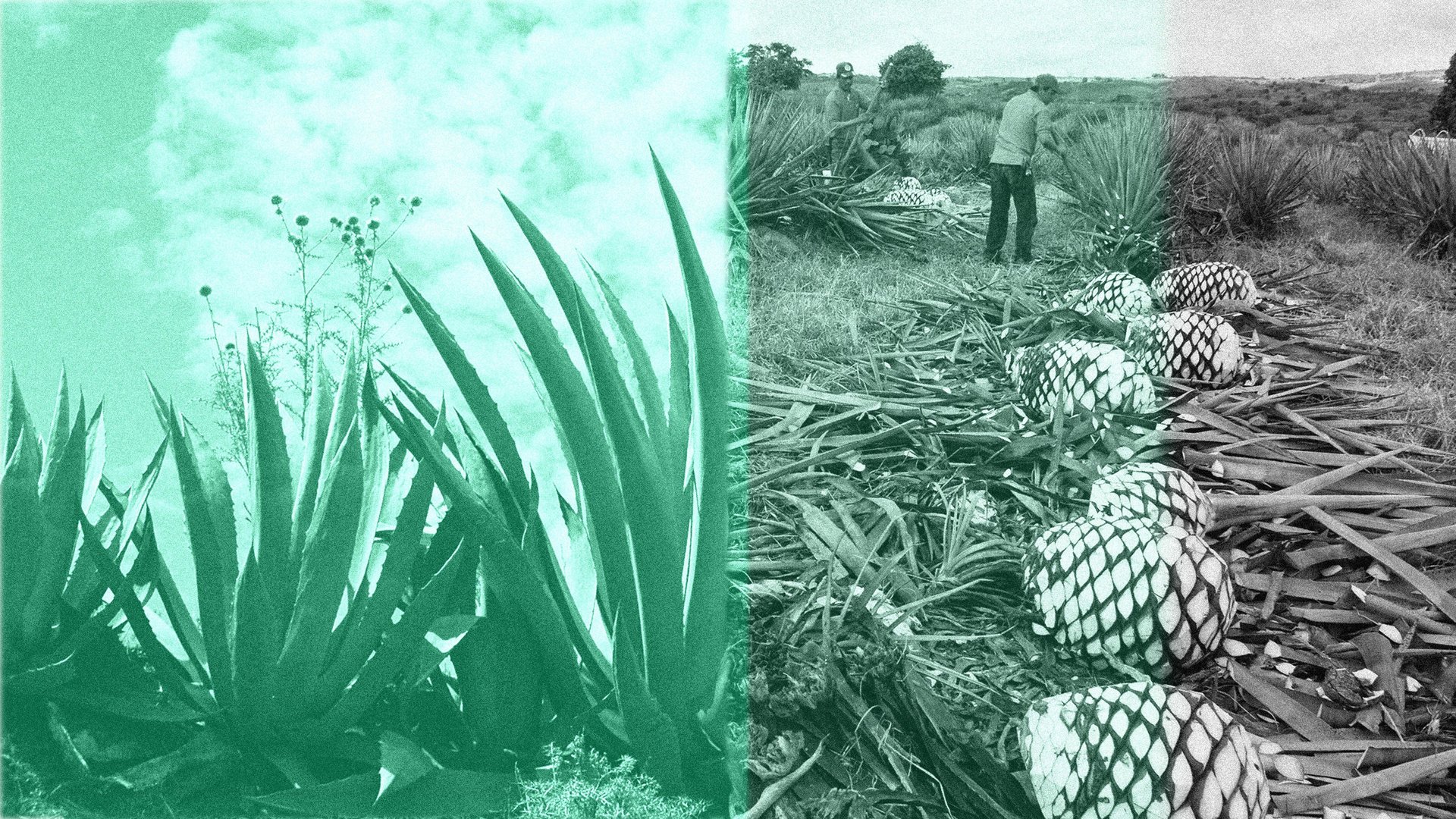
For decades now, every Cinco de Mayo, Americans have consumed thousands of liters of tequila and Mexican beer—sometimes more, in fact, than for the Super Bowl. The holiday, which was never a major Mexican celebration to begin with, has been crafted by American party and liquor companies into an occasion for celebratory drinking.


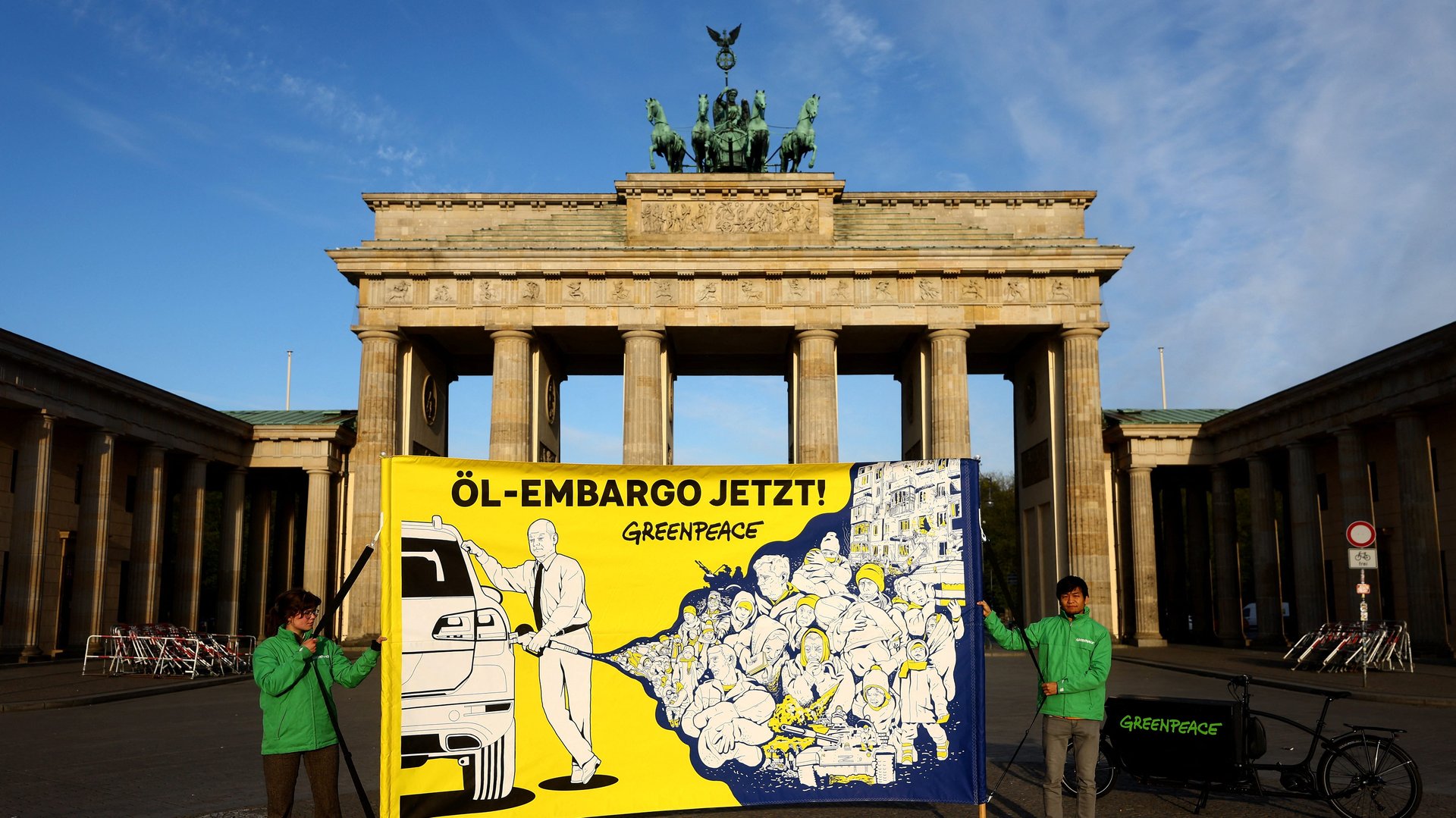
After weeks of reluctance over banning Russian oil imports, German officials today (Apr. 29) reversed course, agreeing to a gradual, EU-wide embargo. Other European countries have recently grown more amenable to such a ban as well, as Russia’s war on Ukraine has persisted.

Read this story in English.

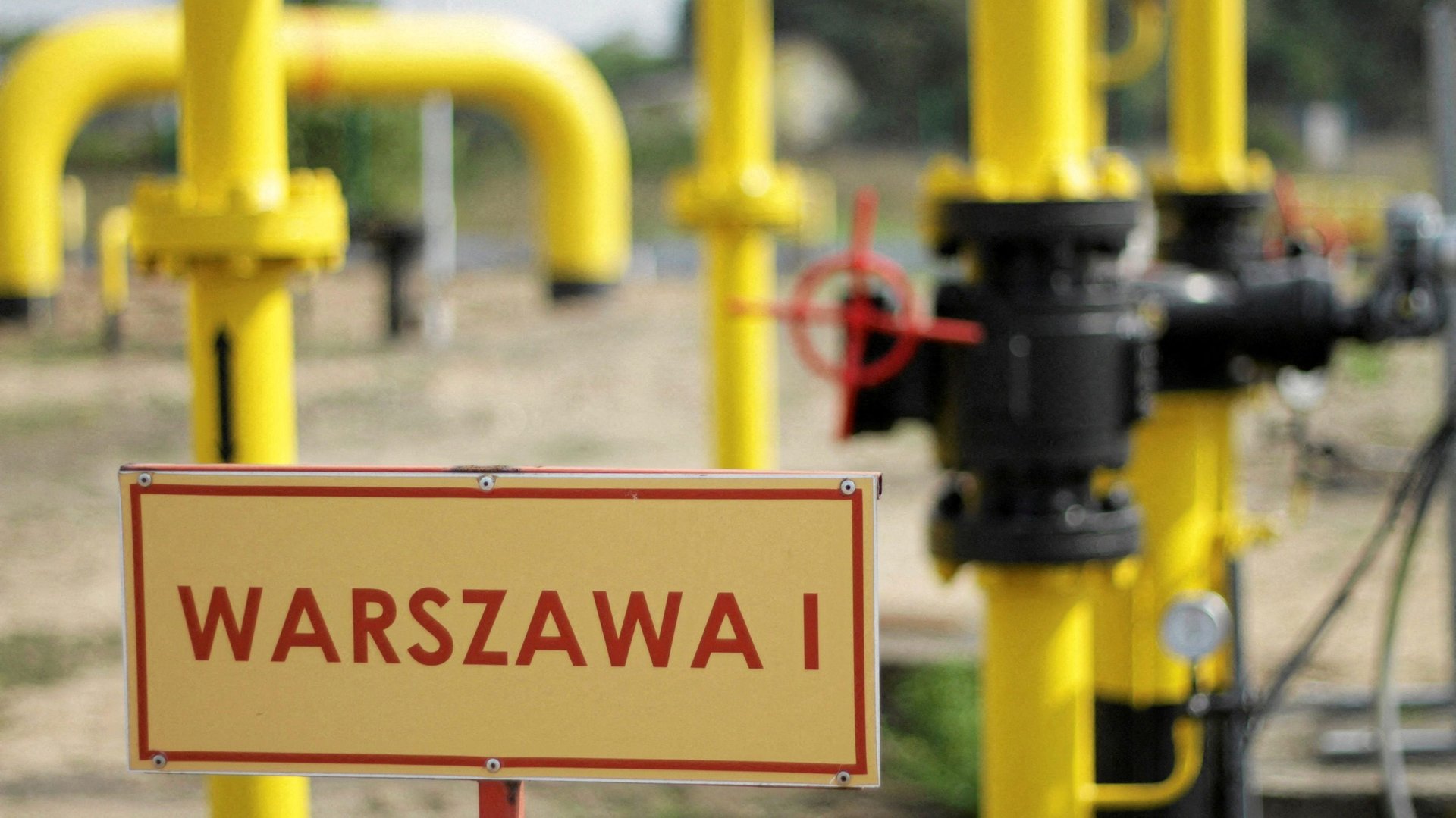
The Russian energy giant Gazprom has stopped supplying gas to Poland and Bulgaria, claiming they have failed to pay for their energy in rubles. Ursula von der Leyen, the president of the European Commission, described the move as “yet another attempt by Russia to use gas as an instrument of blackmail.”

The announcement of Elon Musk’s purchase of Twitter has prompted a wave of despair over the future of this already imperfect platform: people planning to leave Twitter, or worrying about the safety of their data, or wondering if Donald Trump will be allowed back on. Musk has declared that his interest in the company lies in encouraging free speech, which could loosen even the few existing controls against hate speech and disinformation that Twitter imposes.

The Florida legislature voted on Wednesday (April 20) to annul Disney’s powers to govern its own special district in the state. The move, seeming retribution for Disney’s criticism of Florida’s new “Don’t Say Gay” law, could end in the dissolution of the Reedy Creek Improvement District, created in 1967 especially for the company to build Walt Disney World.

Individual recruitments at big companies like Tesla don’t ordinarily attract outside attention. But when, in mid-April, an exploration geologist announced on LinkedIn that he’d left Rio Tinto to join Tesla, it sparked speculation. Why a geologist? Why Tesla? What kooky plans did Elon Musk have in store now?

Vladimir Putin has a “win-by” date for the war he has launched on Ukraine, which likely means an intensification of the assault upon Ukrainian towns and civilians.

Elon Musk didn’t accept a board seat on Twitter. Now he wants a bigger prize: all of Twitter itself.

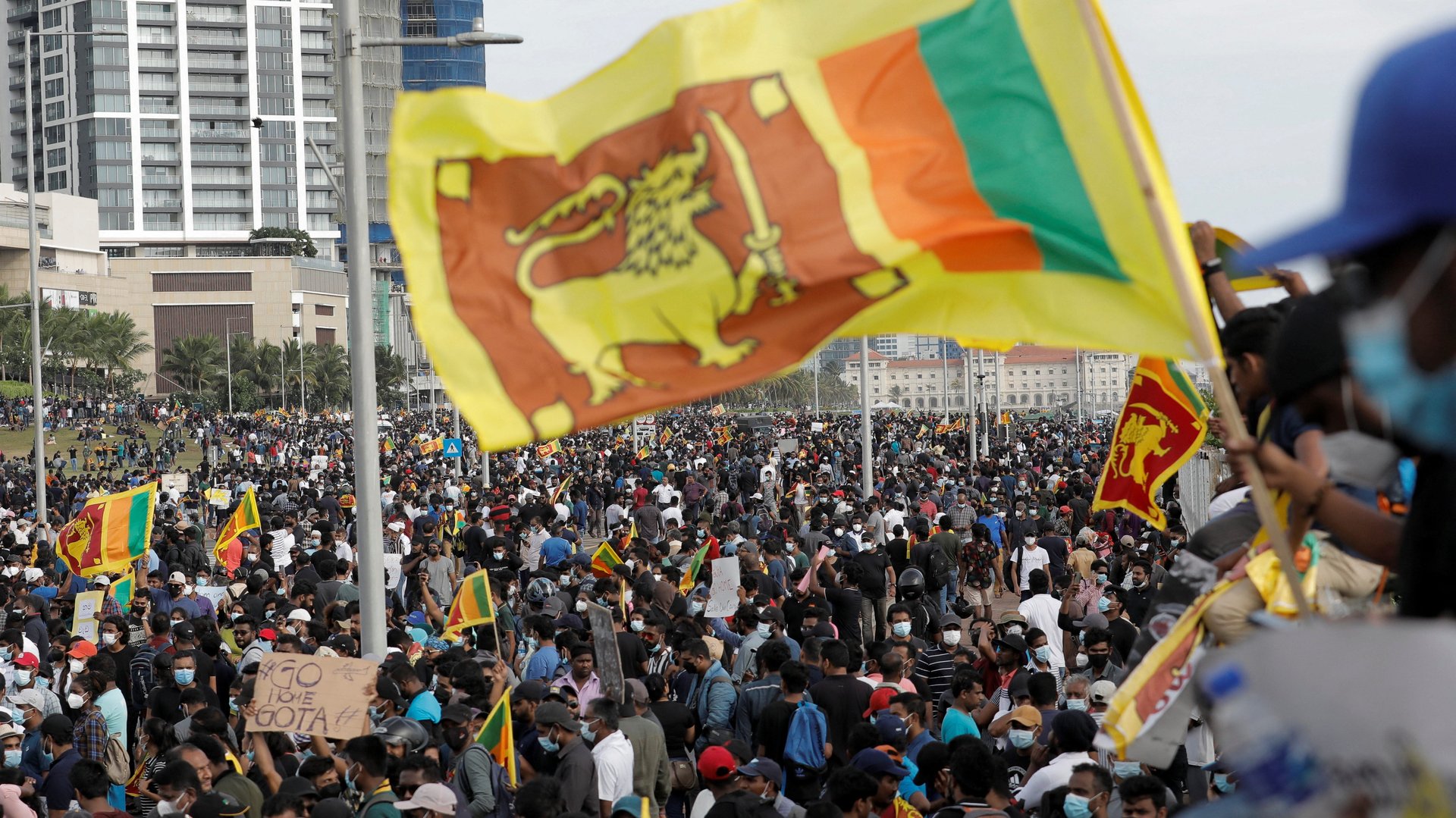
A long-escalating fiscal crisis has forced Sri Lanka to announce a default on all its outstanding foreign debt, running to $51 billion. The move is “a last resort in order to prevent a further deterioration of the Republic’s financial position,” the finance ministry said today (April 12).

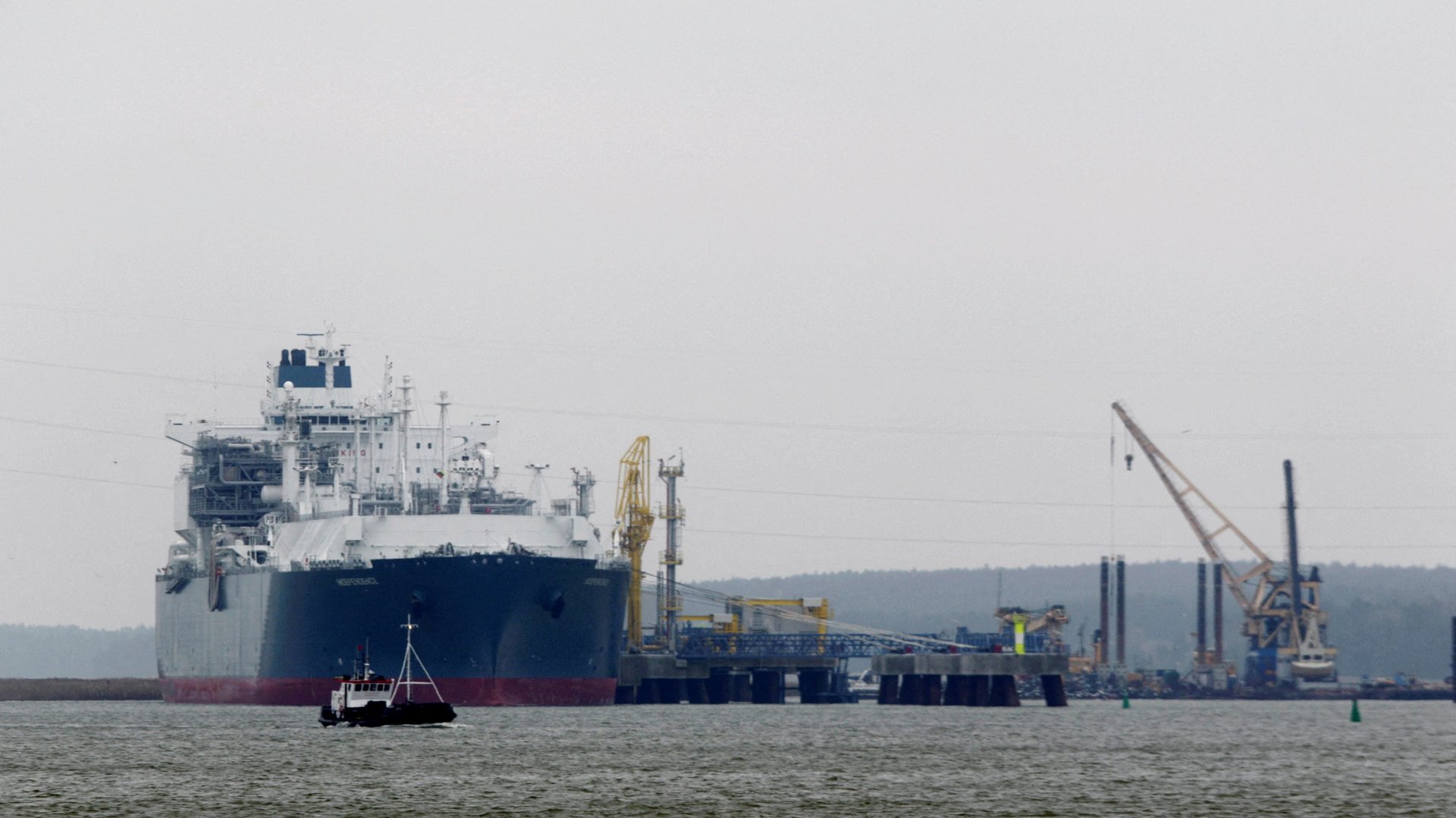
Early in April, Lithuania became the first EU country to suspend all Russian gas imports, in response to the ongoing war in Ukraine. “Years ago, my country made decisions that today allow us with no pain to break energy ties with the aggressor,” Gitanas Nausėda, Lithuania’s president, tweeted. “If we can do it, the rest of Europe can do it too!”


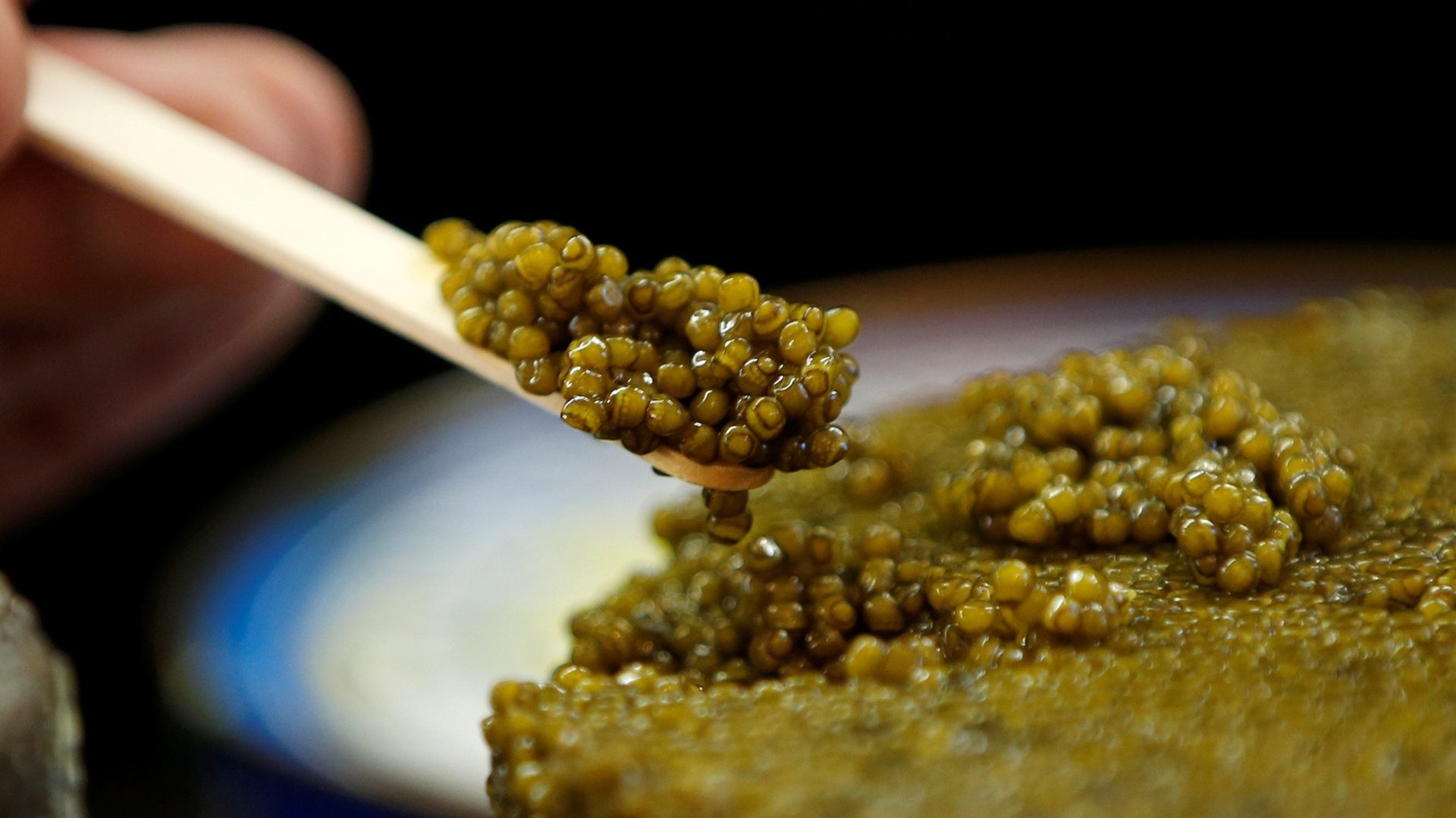
In a new raft of sanctions on Russia, announced on Apr. 8, the European Union seemingly ruined James Bond’s staple diet. In addition to banning the import of Russian spirits, the EU sanctioned high-end Russian seafood as well. No more vodka martinis and caviar, Bond might think morosely.


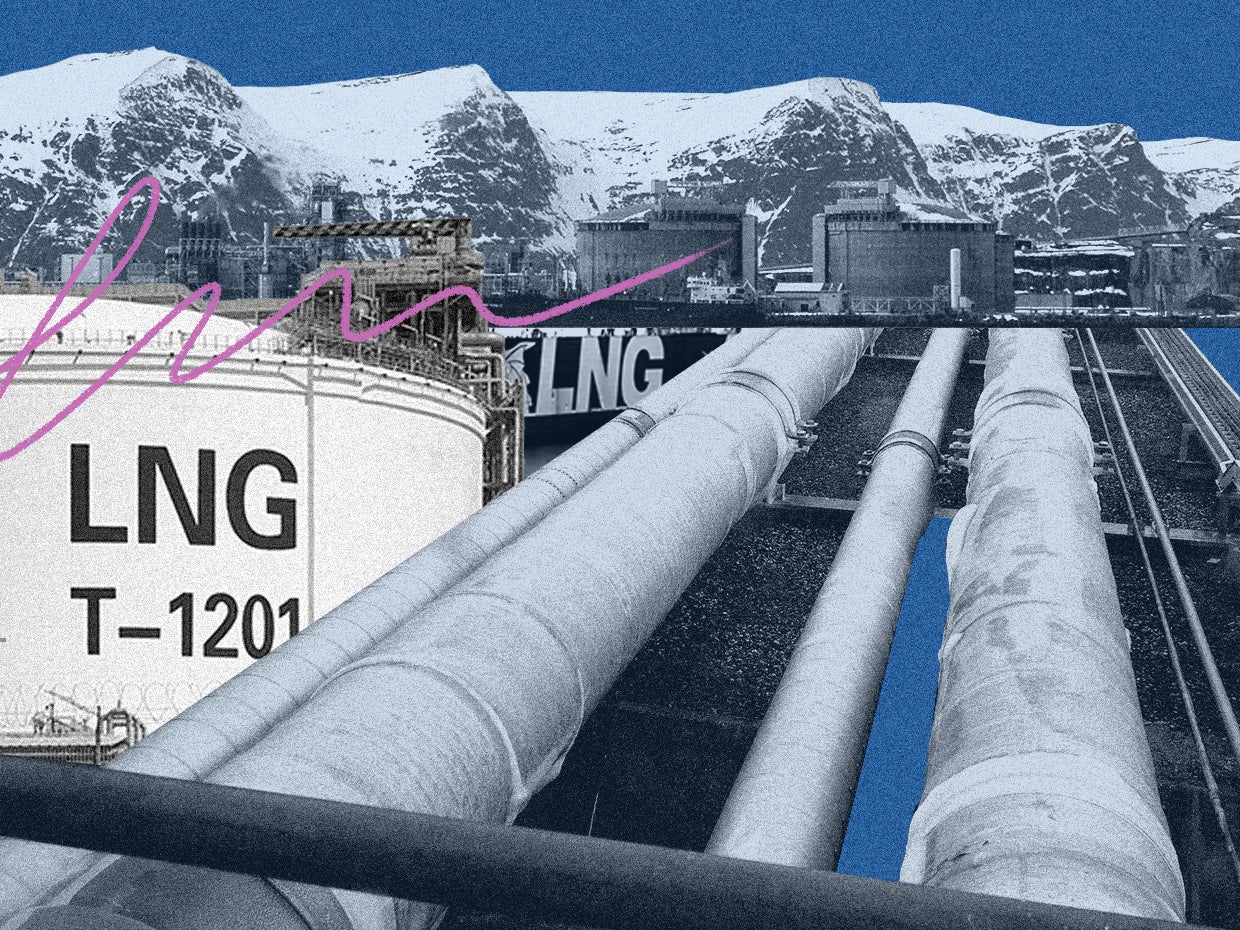
In an effort to wean Europe off Russian energy, the US is preparing to sell more of its own liquiefied natural gas (LNG) to European countries. Europe will buy 37 billion cubic meters of LNG this year, compared to 22 billion last year.

Barely a month after the West imposed heavy sanctions on Russia, the ruble has bounded back up against the US dollar, to levels last seen before the invasion of Ukraine. It prompts the question: Why isn’t the ruble feeling the pain? Are sanctions not working?

In an effort to combat rising energy prices, the US government is dipping back into its strategic petroleum reserve with its largest oil release in history, putting out 180 million barrels over six months. It would be the largest such withdrawal from its reserves since they were first set up in the wake of the 1973 oil crisis. But will it work?

Russian president Vladimir Putin is insisting that 48 “hostile nations“—the US, the UK, and the EU’s members among them—pay for Russian gas in rubles. The demand is more than provocation; it’s a strategy to force the West to dilute the effects of its own sanctions on Russia over its invasion of Ukraine.

The European Union is divided on banning Russian oil imports—and rightly so, because its 27 members buy a quarter of their oil and more 40% of their gas from Russia. Finding replacements overnight will be a near-impossible task.