Enabling notifications is essentially giving other people permission to schedule blocks of time in your day. Specifically, in 23-minute chunks.

Enabling notifications is essentially giving other people permission to schedule blocks of time in your day. Specifically, in 23-minute chunks.

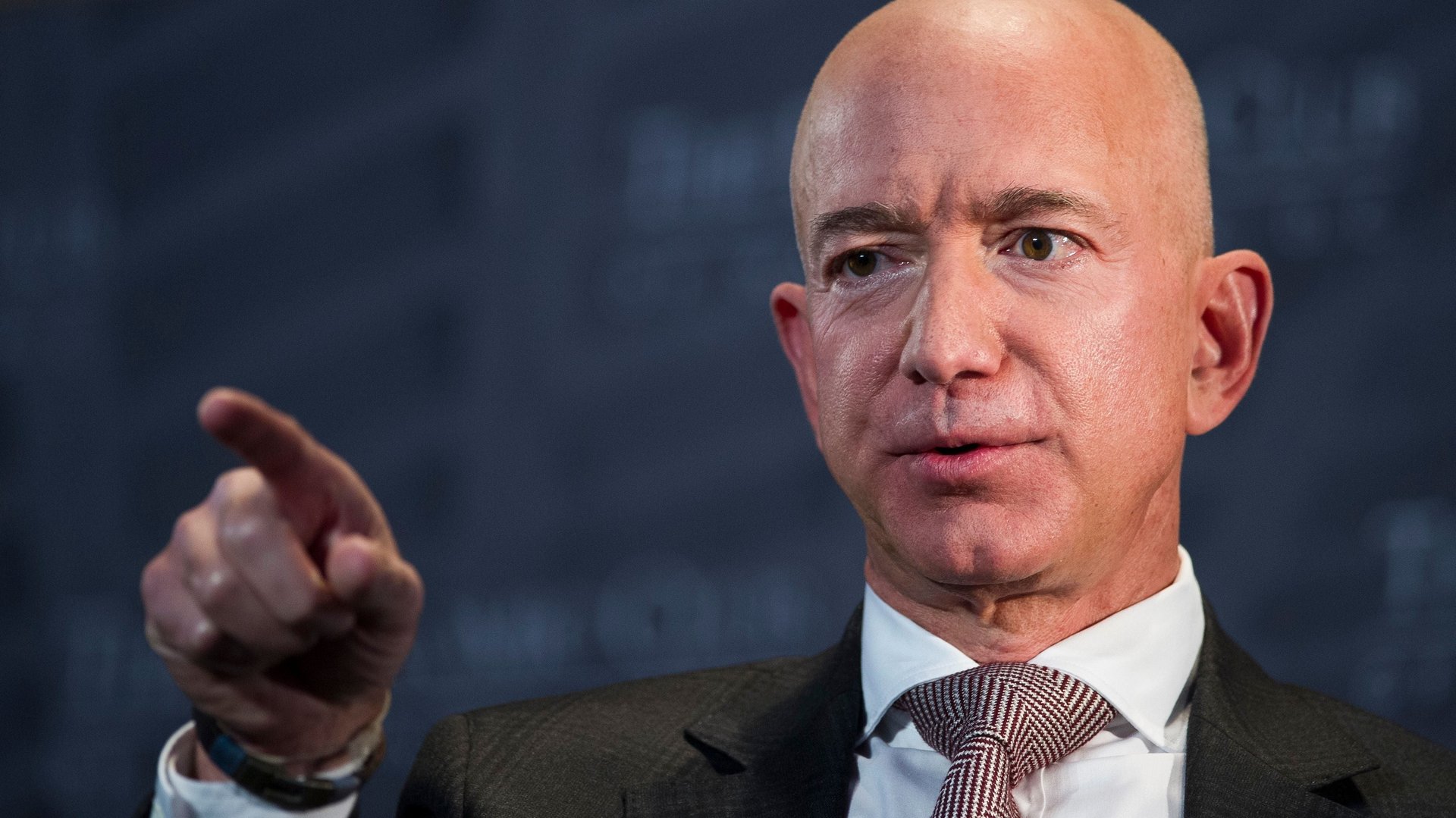
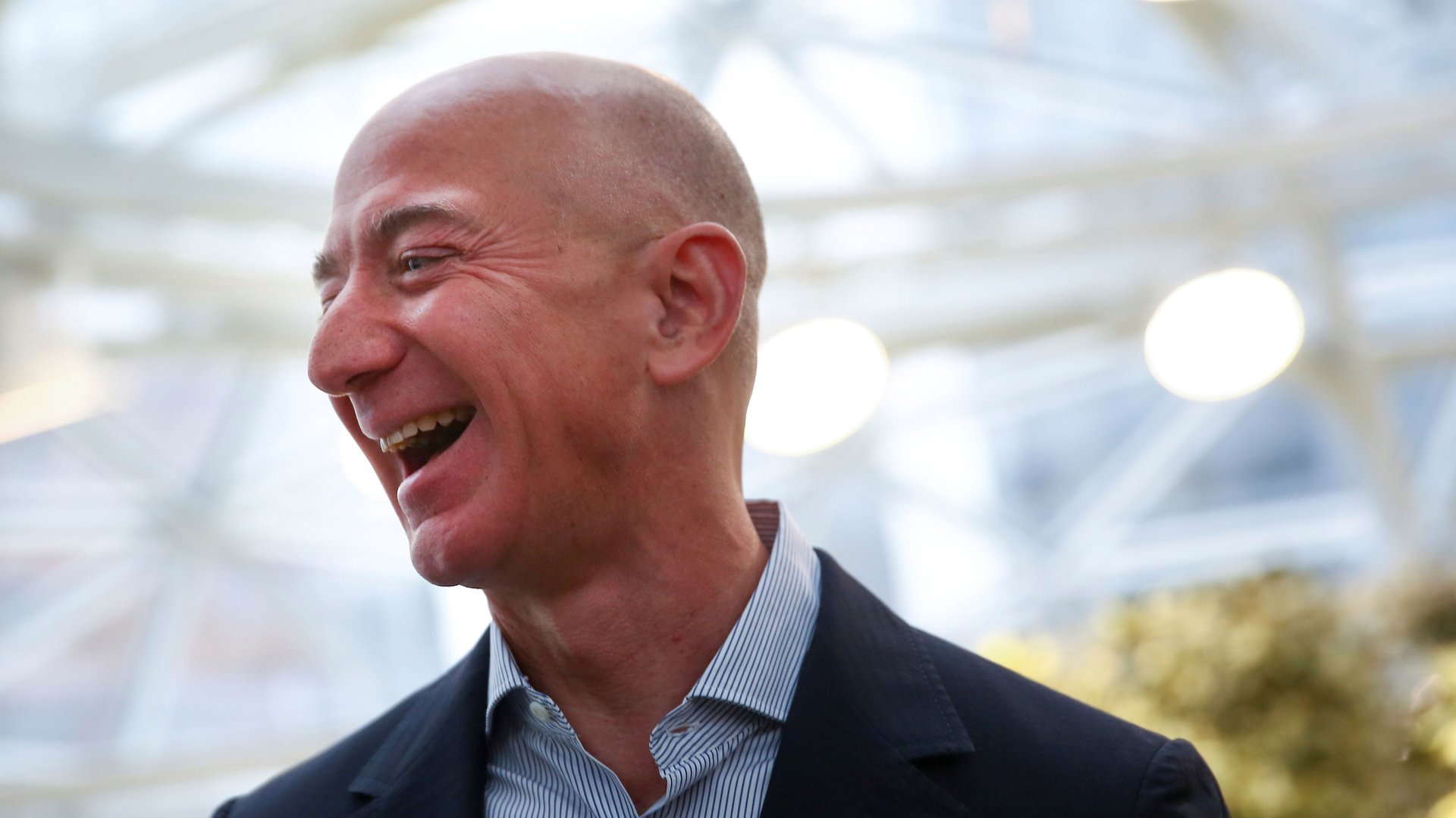
Jeff Bezos has been running Amazon for 24 years, many lifetimes in entrepreneur years. At Wired’s 25th anniversary summit in San Francisco today (Oct. 15), he imparted some of his wisdom onto the aspiring entrepreneurs in the crowd.

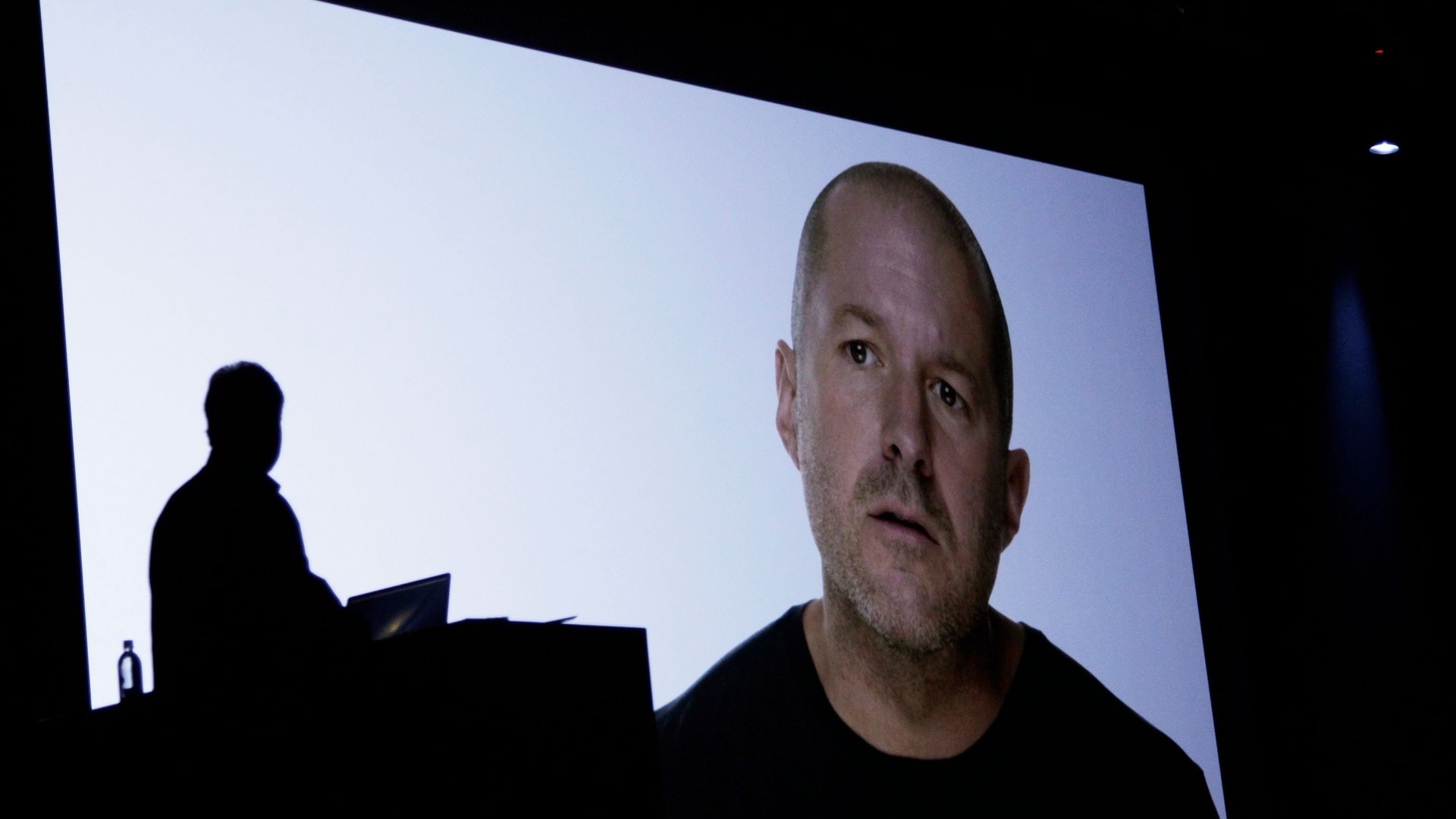
Apple is a notoriously secretive company.

In Silicon Valley, transparency is celebrated—at least in concept.

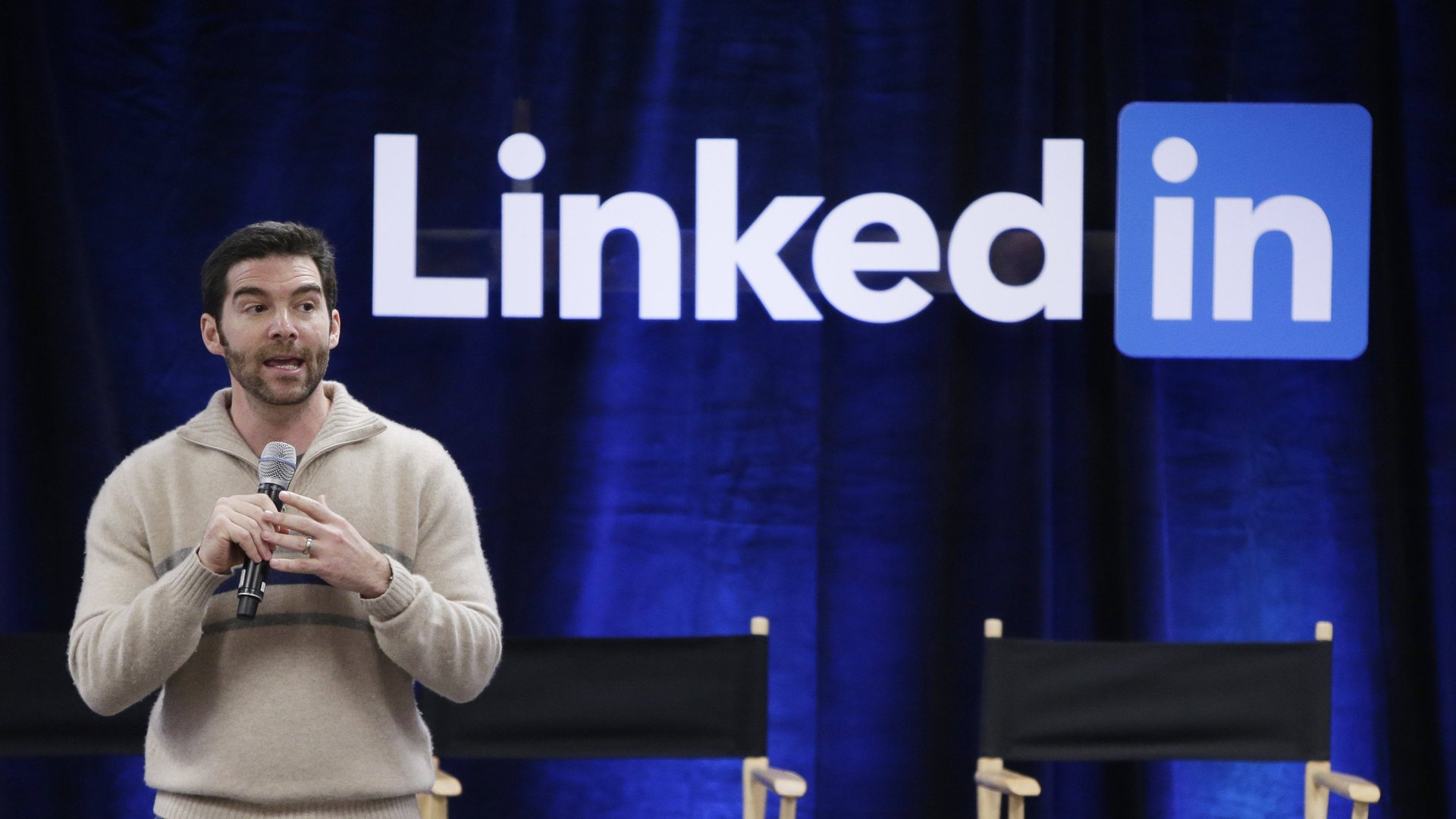
Ask anyone which professional skill is most in demand right now, and they’ll likely say coding. But ask LinkedIn CEO Jeff Weiner, and he’ll give you a different answer.

“The digital revolution is whipping through our lives like a Bengali typhoon,” wrote Louis Rossetto, the founder of an upstart magazine called Wired, in its inaugural issue in 1993. “If you’re looking for the soul of our new society in the wild metamorphosis, our advice is simple. Get Wired.”

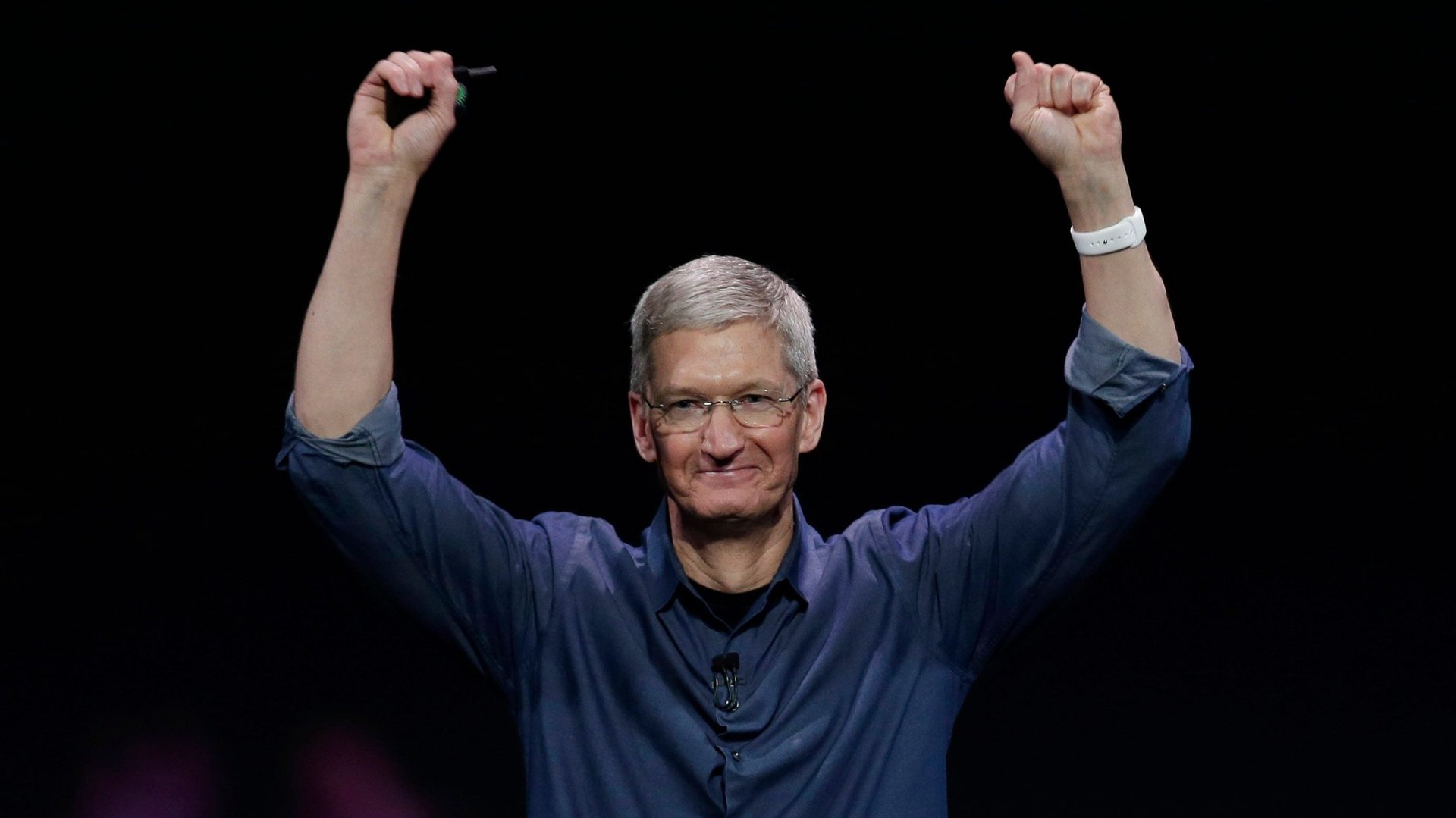
Tim Cook has an opinion on LGBT rights. Mark Zuckerberg has an opinion on immigration. Stewart Butterfield has an opinion on prison reform. But they’re not politicians. They’re CEOs of technology companies. Do they really have to let their political beliefs be known?

You might think the creative types will be the last to go.

Jack Dorsey, CEO of Twitter and Square, tweeted out a note this afternoon that he had written to his Square colleagues about his CFO, Sarah Friar, who is leaving the company to become the CEO of Nextdoor.

What have you been doing to help promote democracy recently?

Sometimes you fall off the horse and get back on. Other times, you get nudged off the horse by the SEC, and then decide to straddle three new horses at the same time.

Companies are encouraging their employees to go on Facebook at work.

I, like Mark Wahlberg, wake up every morning at 2:30 AM. I start my day with 30 incantations of a personalized mantra given to me by a Nepalese shaman before completing my seven-minute abs in exactly six minutes and twenty-five seconds. But after Mark’s daily routine went viral last month, I figured it might be time to switch things up.

Laszlo Bock is the closest thing the HR world has to a rock star.

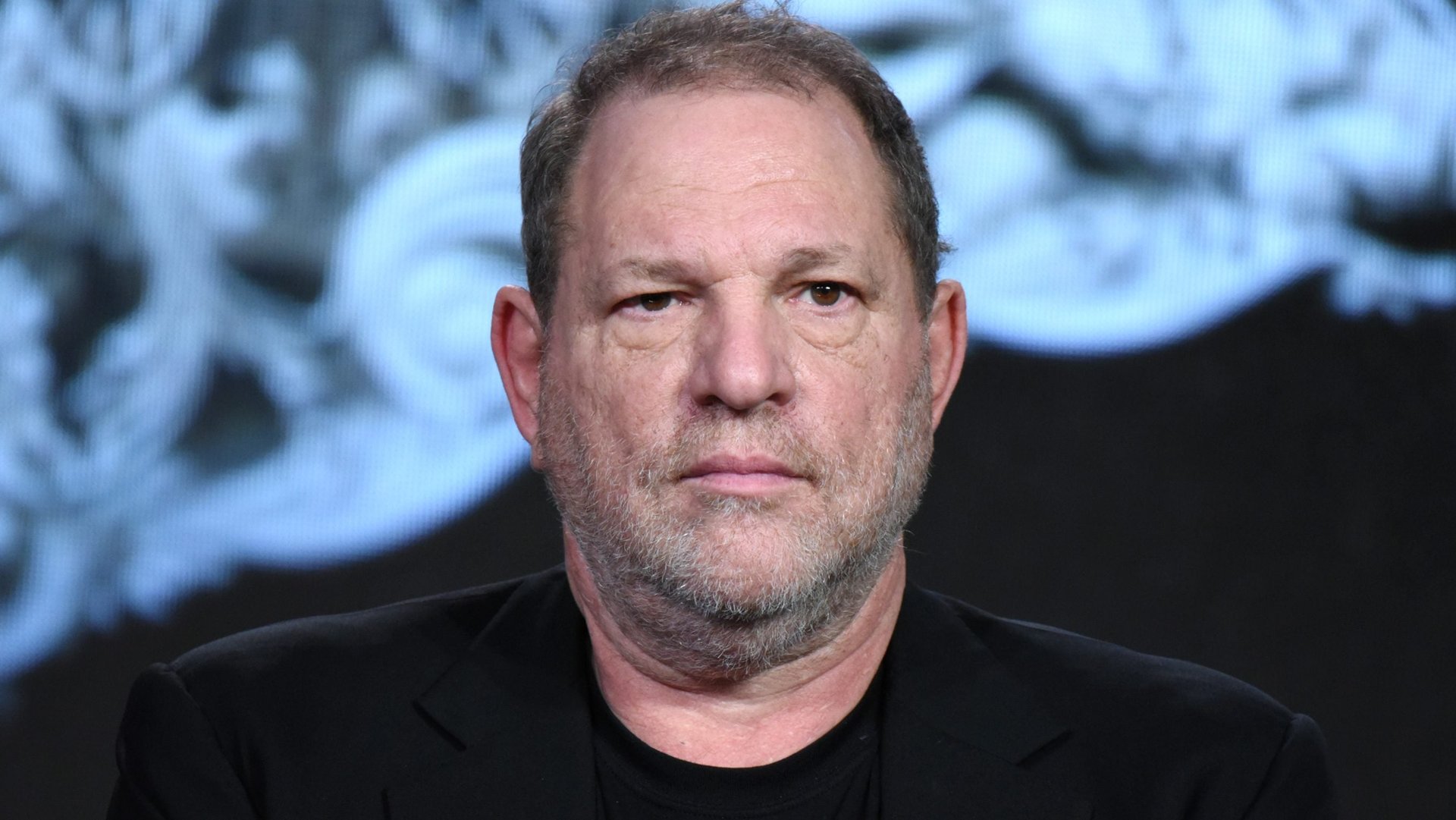
One year ago today (Oct. 5), a story in the New York Times sparked a global conversation about sexual harassment in the workplace. But in the year since film producer Harvey Weinstein was exposed, has anything at work really changed?

Video games used to be what we played when we didn’t want to think about school. Now they could be homework.

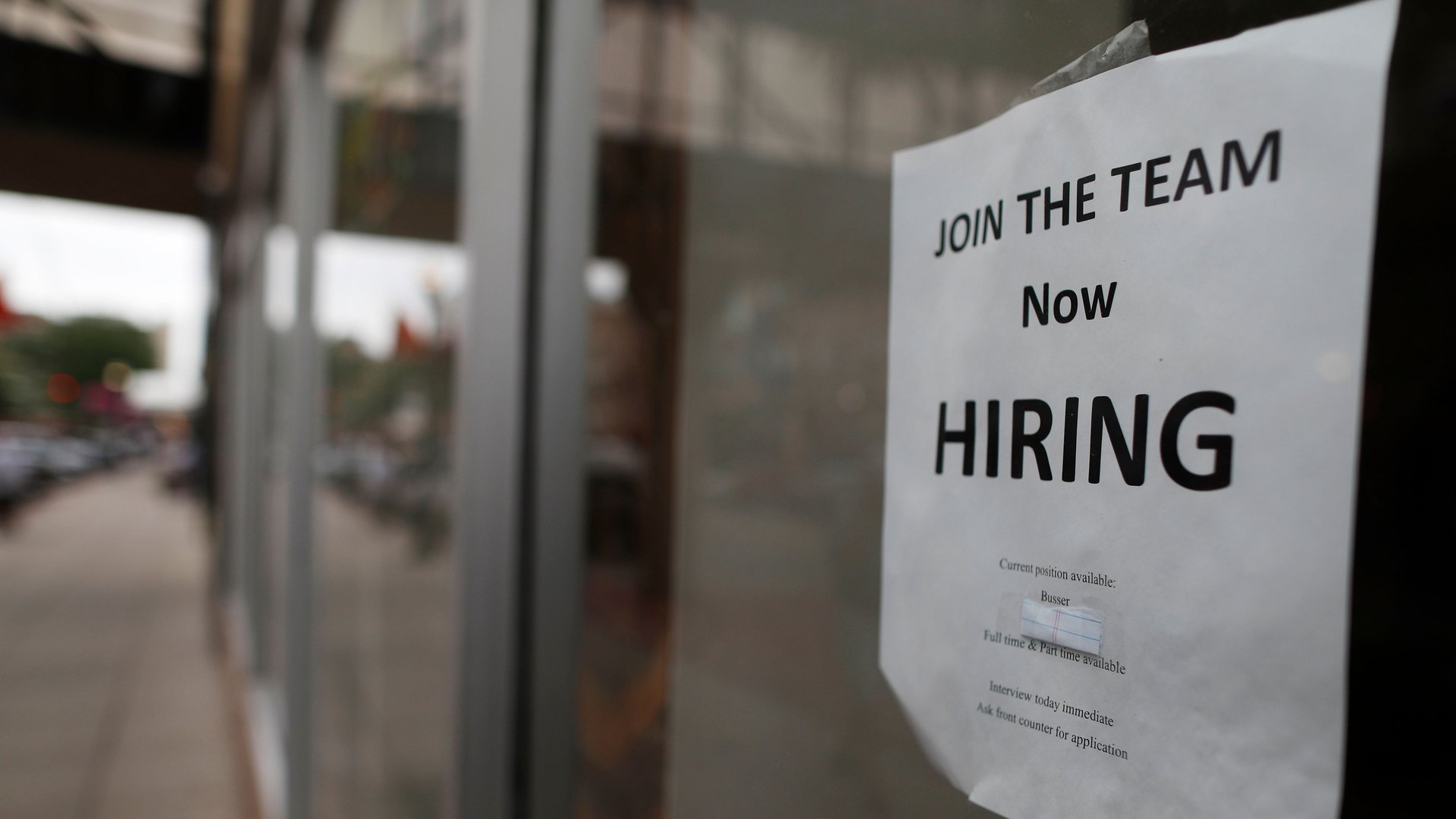
The US labor market reached a tipping point this year. For the first time since the federal government began tracking job openings in 2000, there are more openings than there are unemployed people looking to fill them. Presumably, all job seekers need to do now is send out their resume, and voila, an offer should appear.

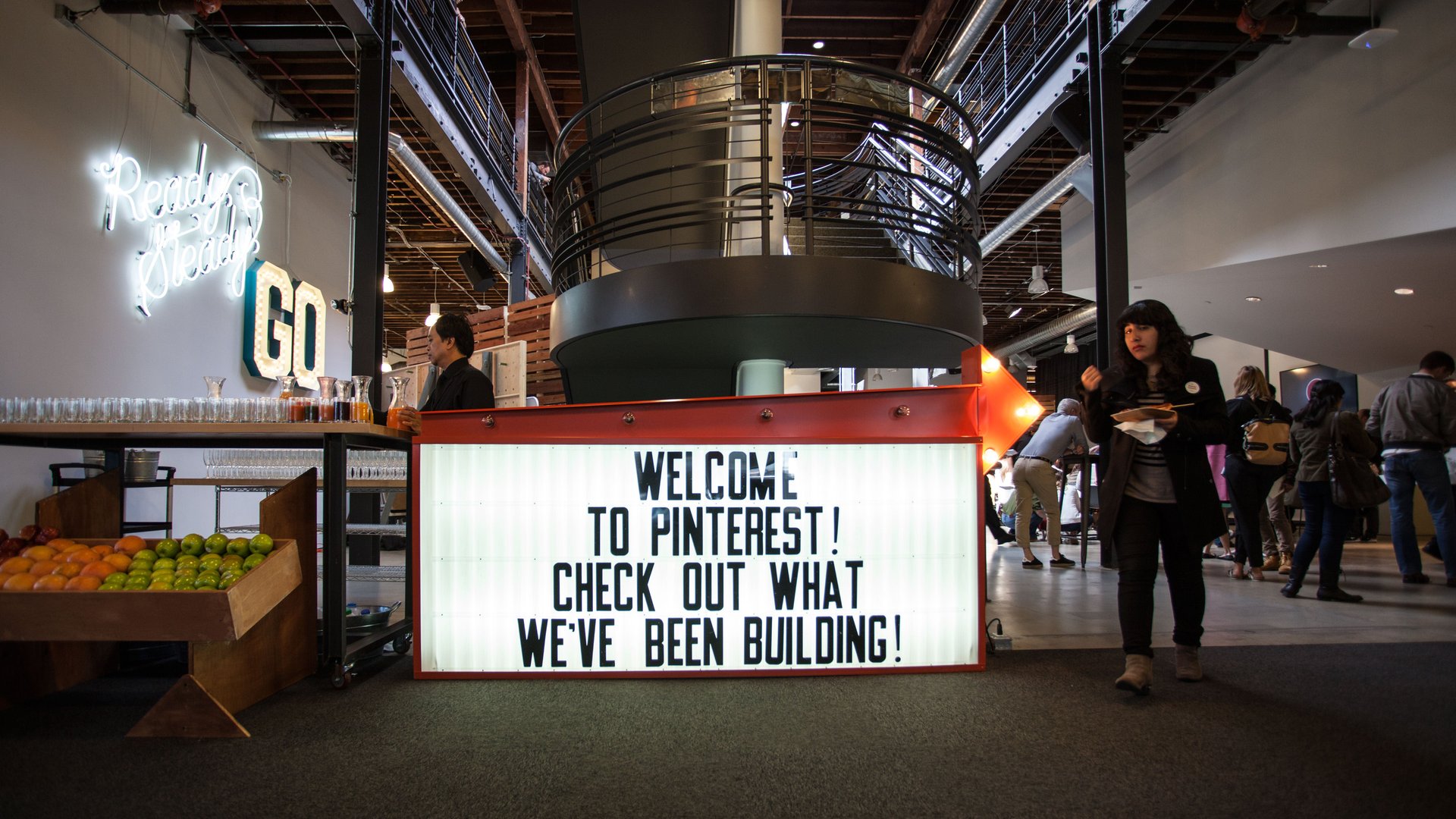
Here’s what to expect when you’re expecting at Pinterest:

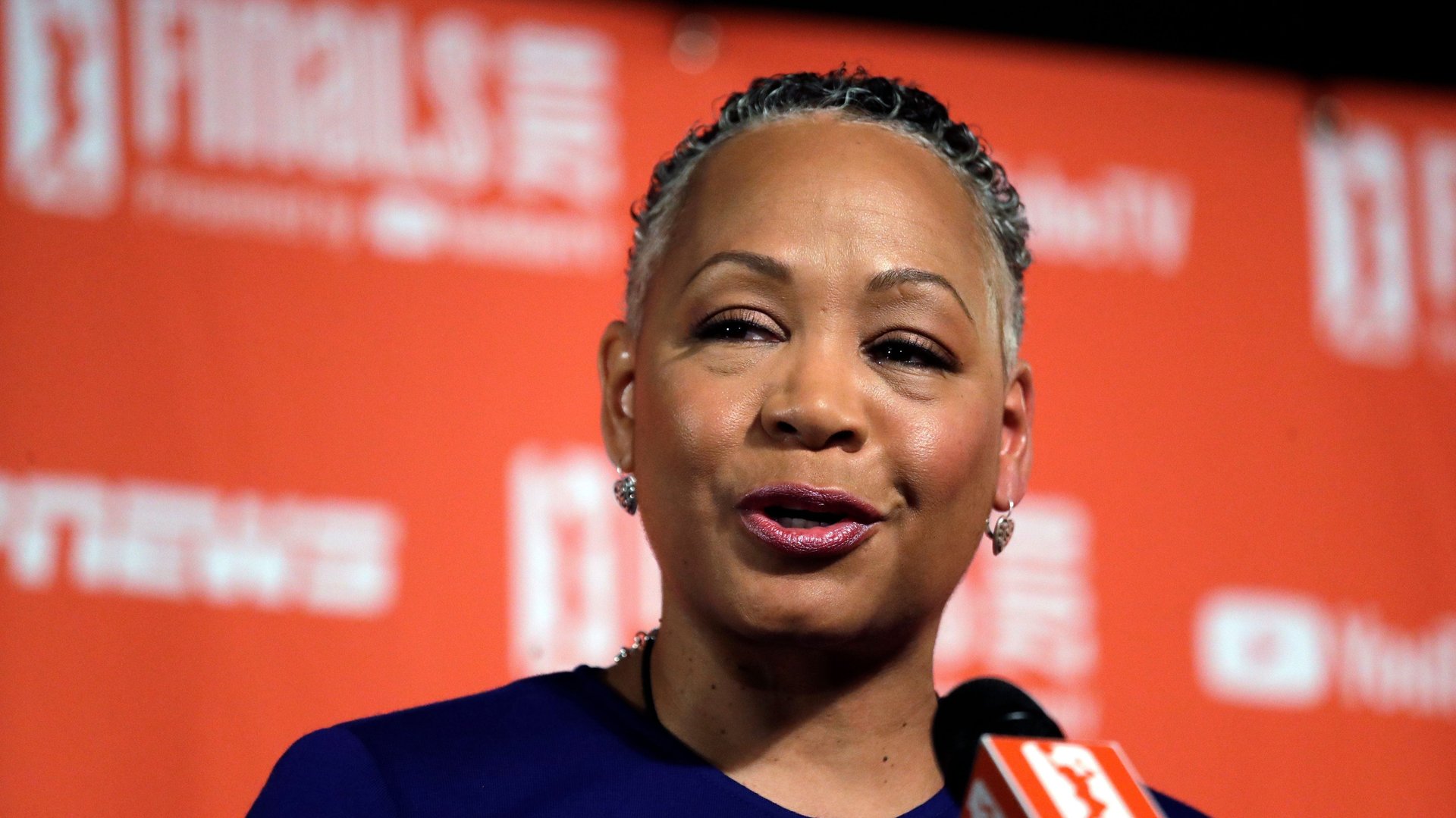
Time’s Up, the #MeToo-inspired, Hollywood-born legal defense fund fighting sexual harassment in the workplace, now has a chief executive.

I was there to see the headquarters of one of the most influential technology companies in the world, and it looked like a Lego fortress. The campus was all primary colors and serrated edges, as if cut from card stock for an elementary-school bulletin board.

In a historic move, Amazon announced today (Oct. 2) that it will raise the minimum wage for all of its US workers to $15 an hour, a move that will affect 250,000 full-time employees and 100,000 seasonal workers for the e-commerce giant. Assuming a 40-hour work week, Amazon’s lowest-paid full-time employee in the US will make around $30,000 a year.

When the job market is strong, it’s harder to leave—especially when you’re paying for the privilege.

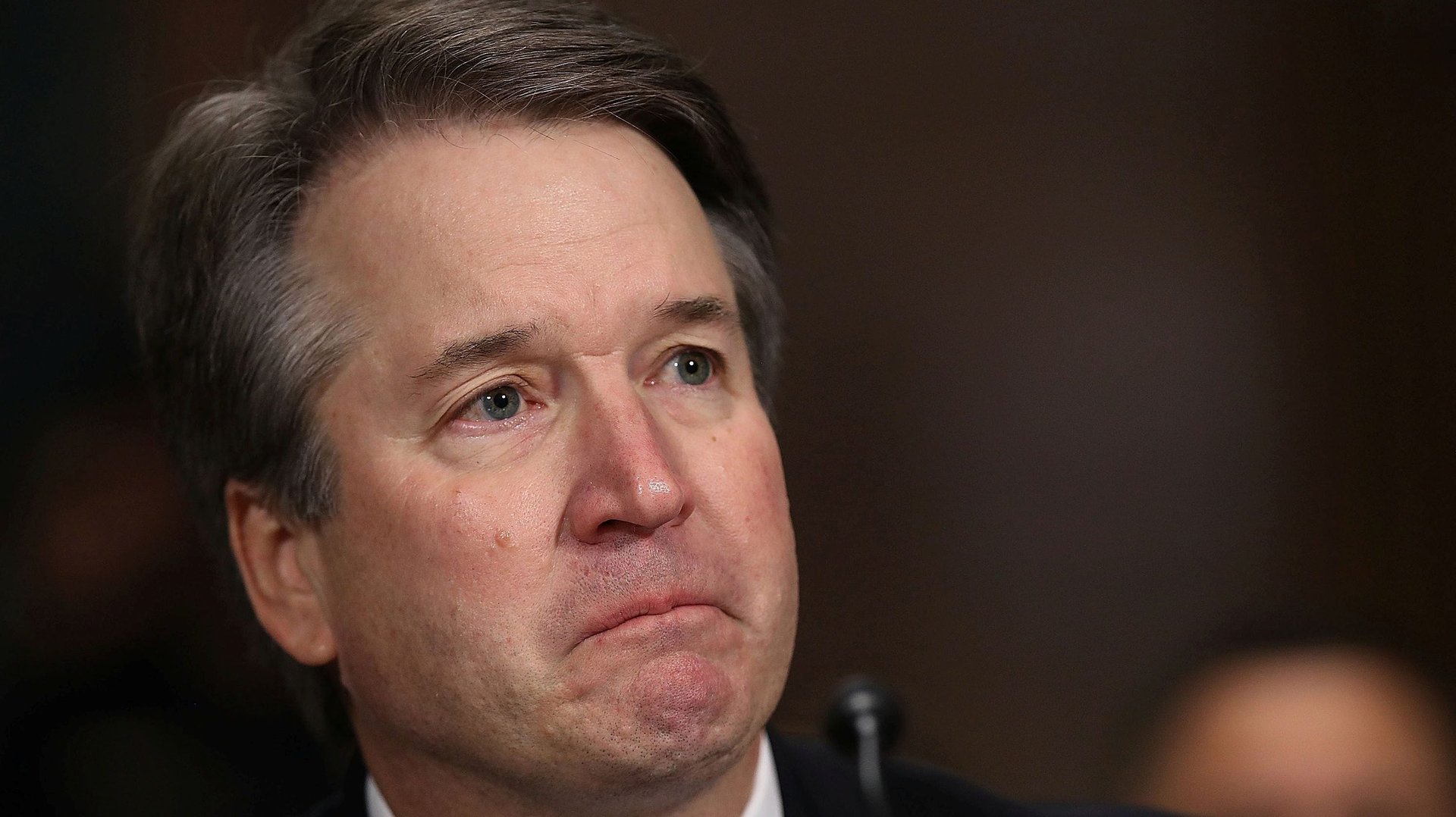
Donald Trump has directed the FBI to investigate the sexual-assault allegations against his US Supreme Court nominee Brett Kavanaugh.

The jury is out on what should be considered “progressive” when it comes to vacation policies. IBM introduced the idea of unlimited paid time off in the 1990s—with newer tech giants like Netflix and LinkedIn also championing the movement. Proponents argue that bottomless holidays are a sign that management trusts workers to take time off when they need it. But critics aren’t so sure.