
Tech & Innovation
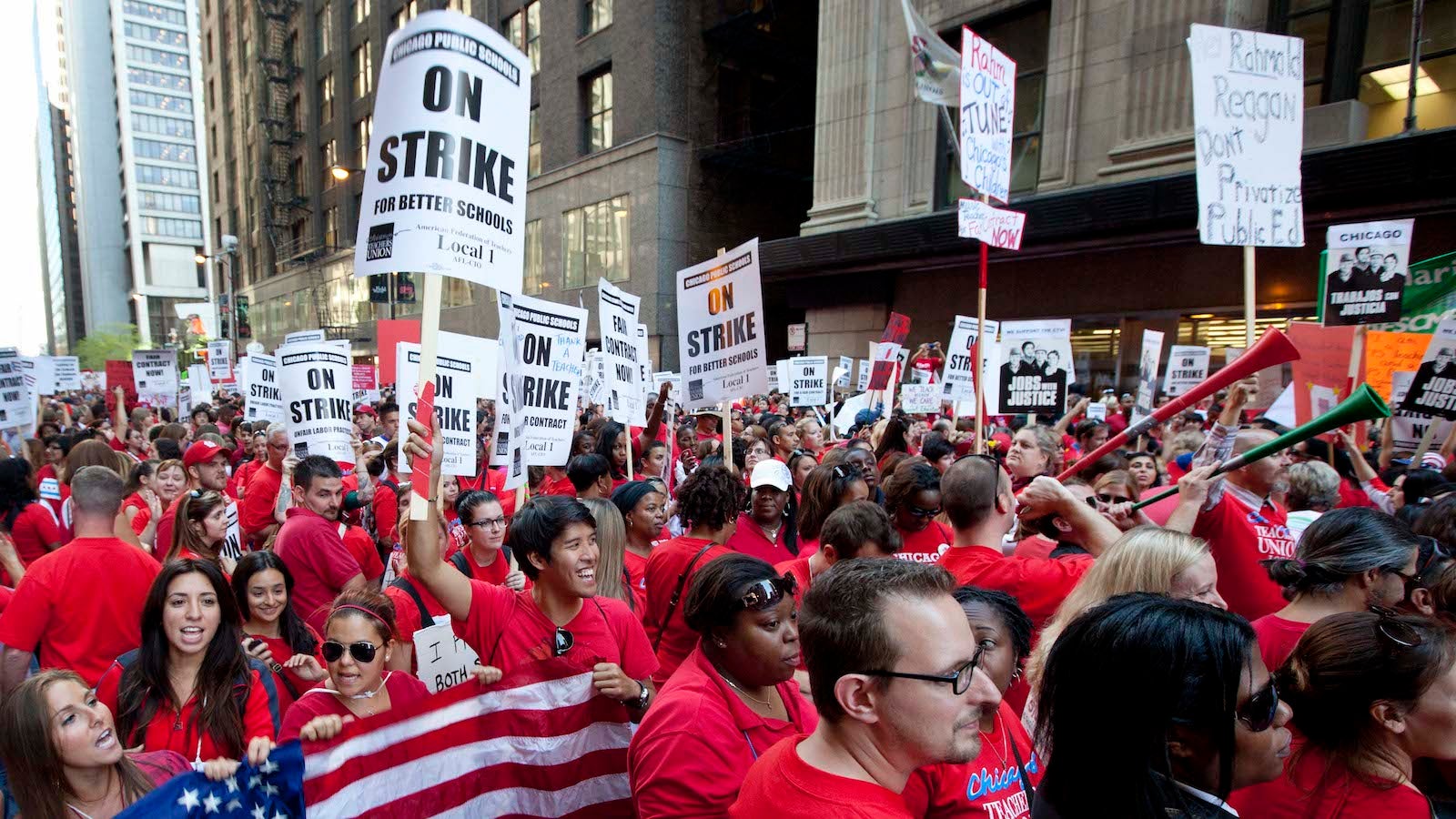
One thing millennials haven’t killed: the labor unionMillennials are murderers.
Updated July 20, 20222 min read
Millennials are murderers.

When you work from home, you don’t have to wear pants. You do, however, have to act like a professional.
There’s a common understanding that there are two types of people in this world: Slack people and email people. In reality, most modern offices use both (if not Slack, one of its messaging competitors; here at Quartz we happen to use Slack). But there’s a cognitive cost to switching back-and-forth between multiple workplace communication apps.
In the high-tech gold rush, Gitlab, alongside competitors like Github and Bitbucket, is selling the shovels.

Equity isn’t just something to strive for in the workplace. It’s something to own.
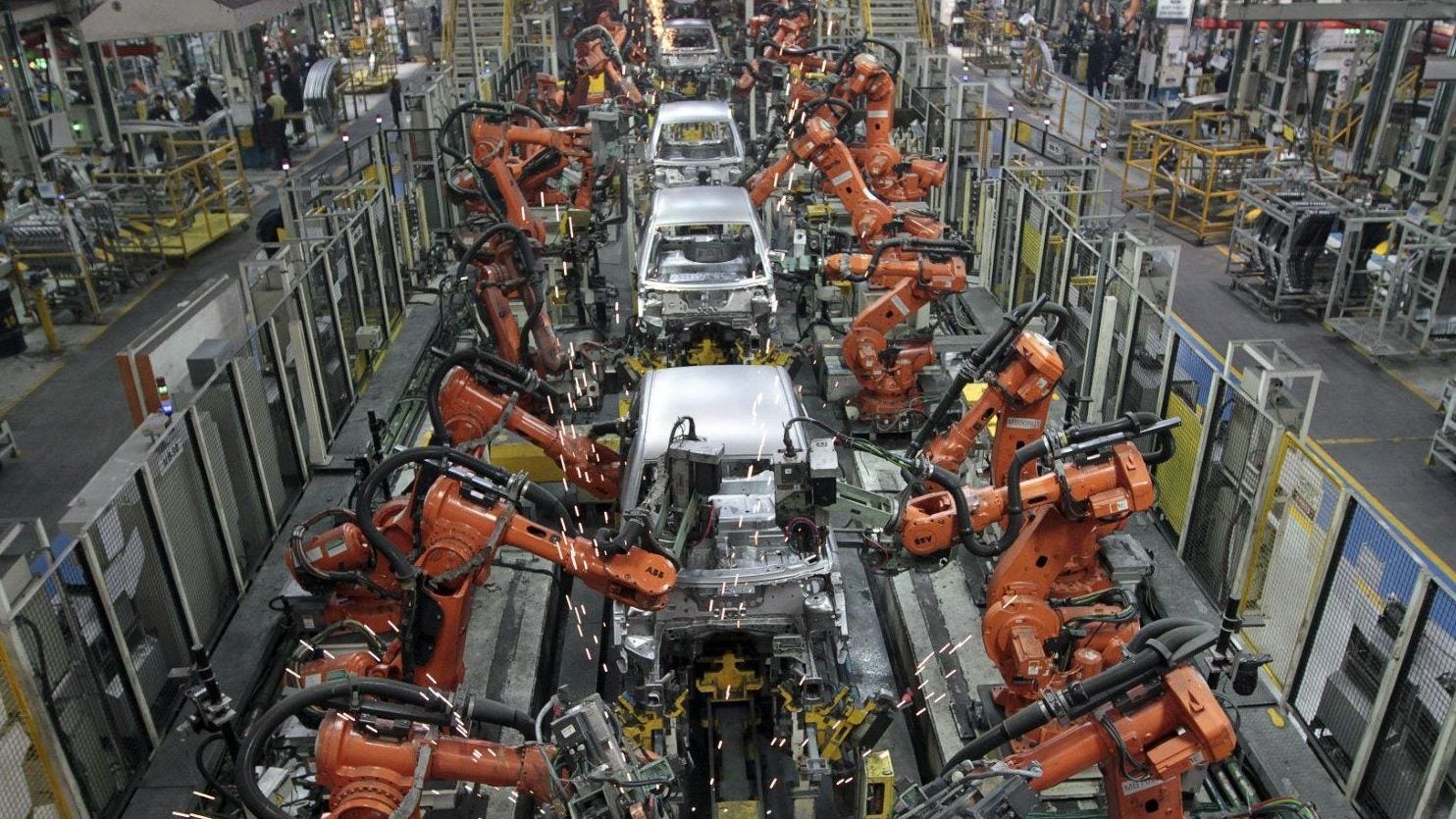
There’s one number that people forget to talk about when bemoaning the imminent robot apocalypse.
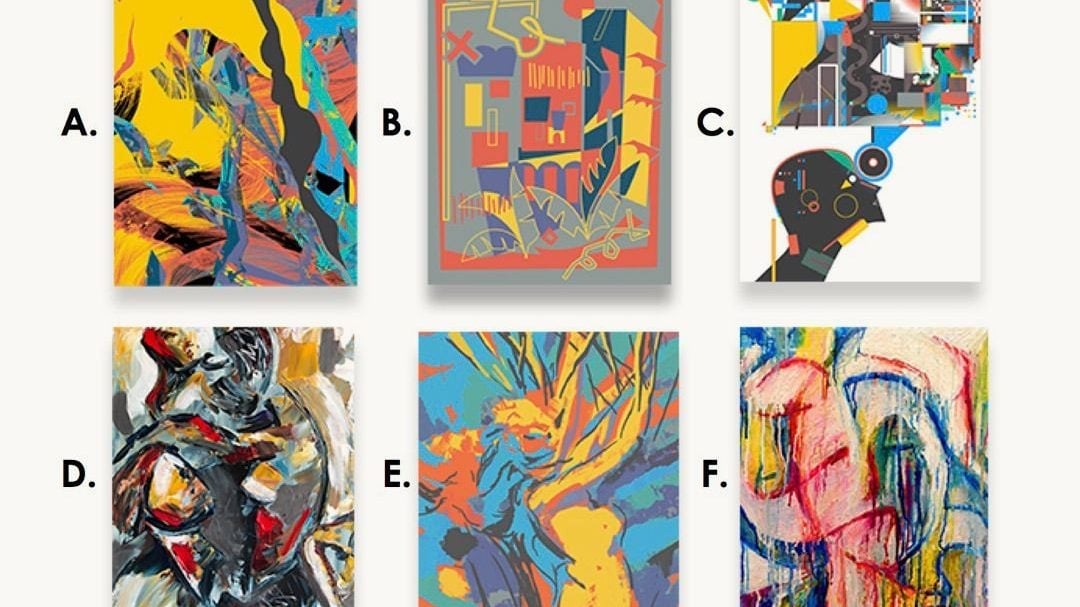
Take a look at the paintings above. Five were painted by artists from around the world. One was painted by a robot. If you can’t tell the difference, you’re not alone.
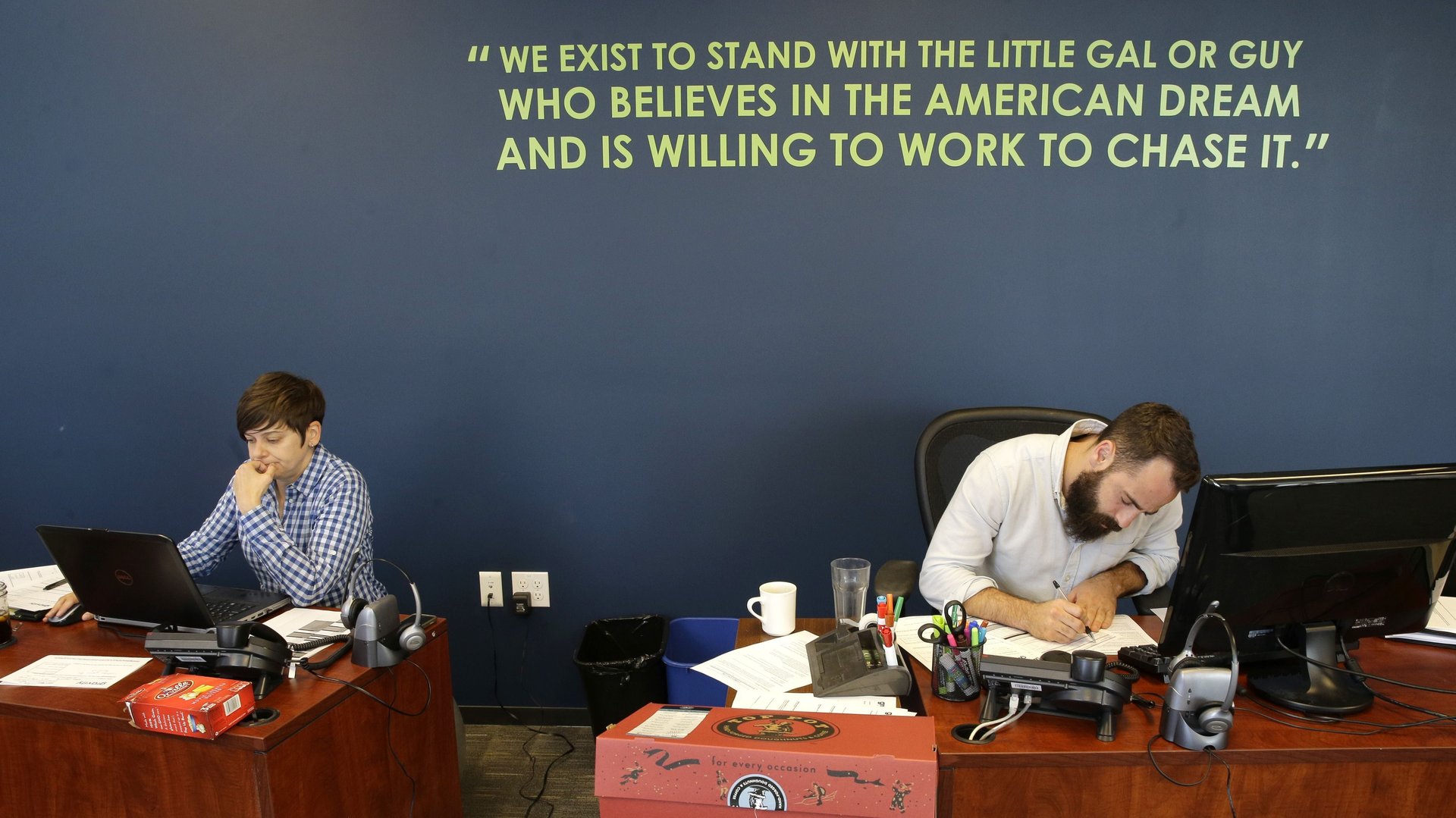
Respect. Integrity. Communication. Excellence. Now those are some values worth getting behind!
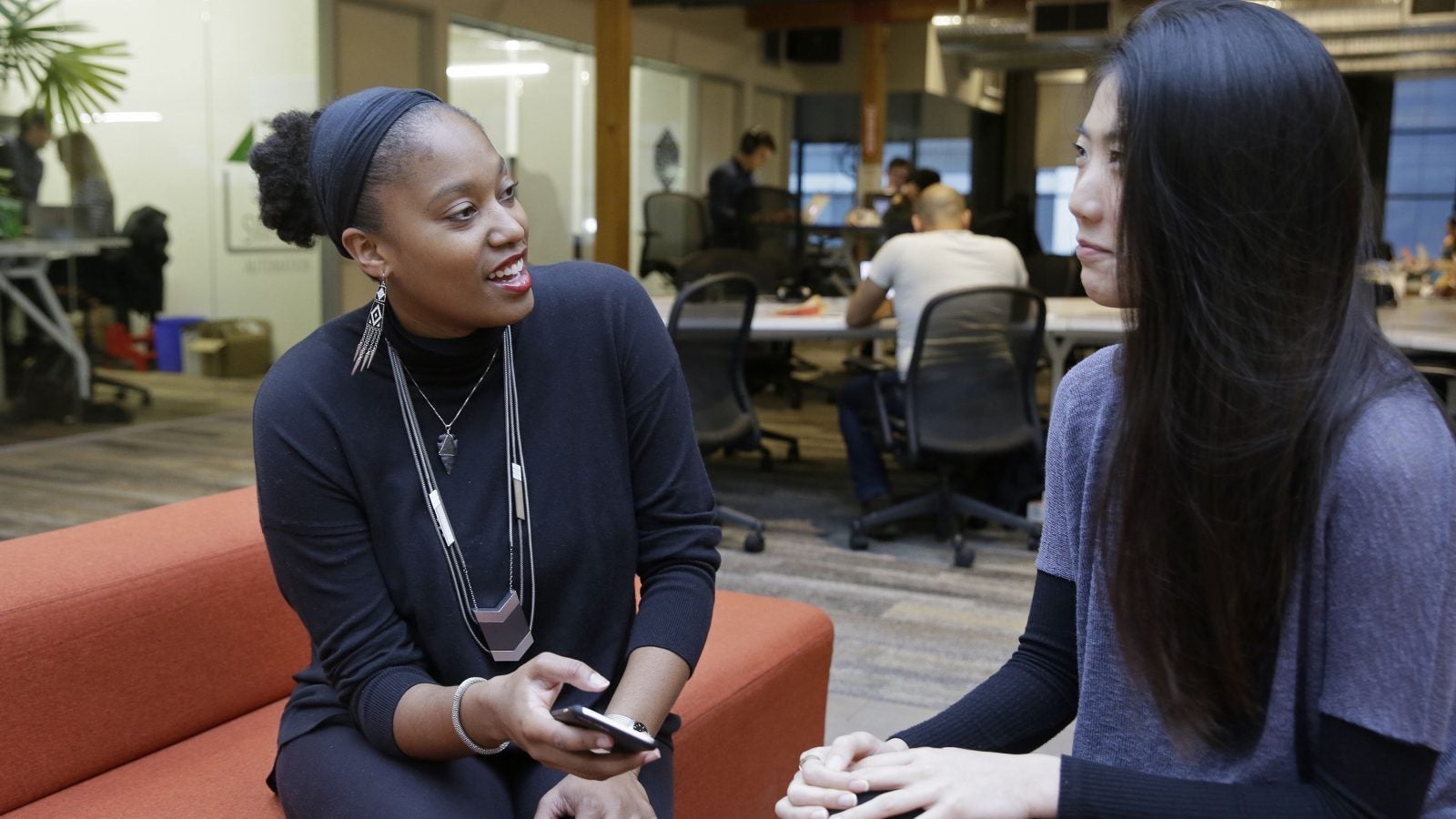
At Facebook, the share of white employees has decreased from 57% in 2014 to 49% in 2018. The share of women has grown from 31% to 36% in the same time frame. Similar trends hold true at Google, Apple, and other major tech companies. With a wide lens, Silicon Valley seems to be getting more diverse.
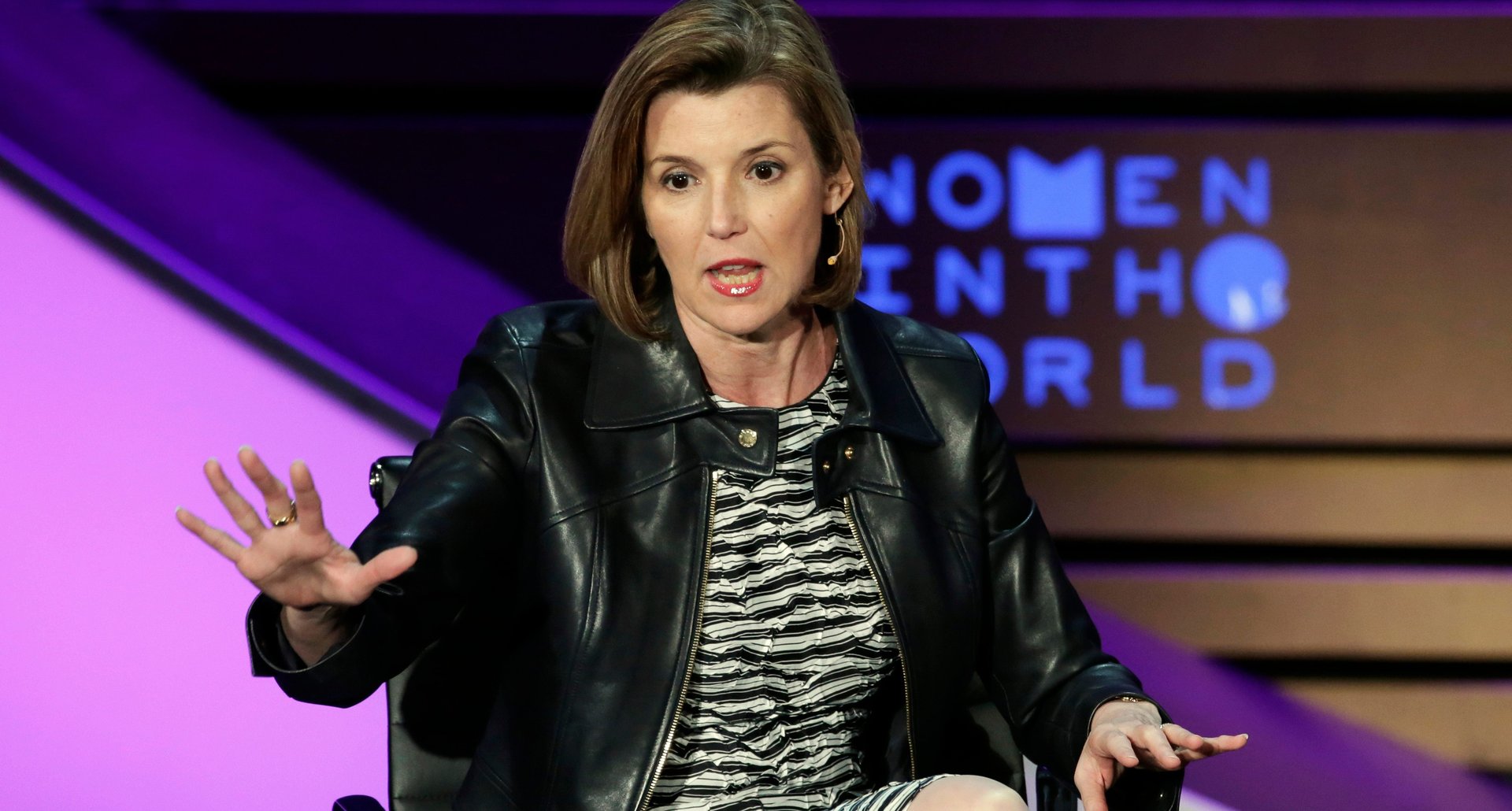
Raising venture capital is often the difference between a shot at success and never getting a chance.

Steph Korey, the co-founder of the e-commerce luggage startup Away, was about to give a talk at a conference of CEOs when one of the attendees approached her in the hall.
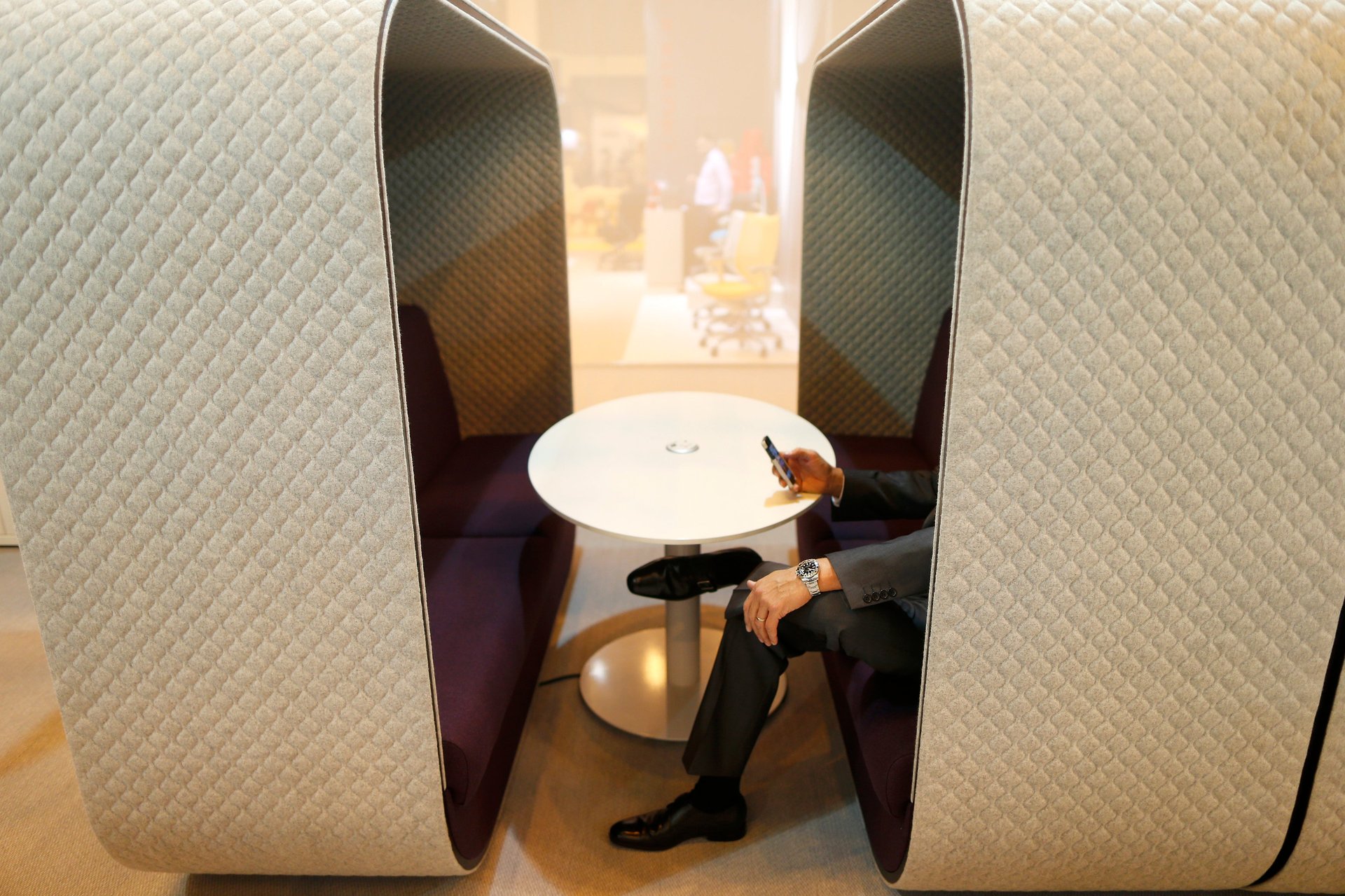
On day one of any new job, employees engage in a sort of Faustian bargain: In exchange for a shiny new computer, they sign away their digital rights. The thinking goes that as long as an employee is on a work device, the employer has the right to monitor what you type.
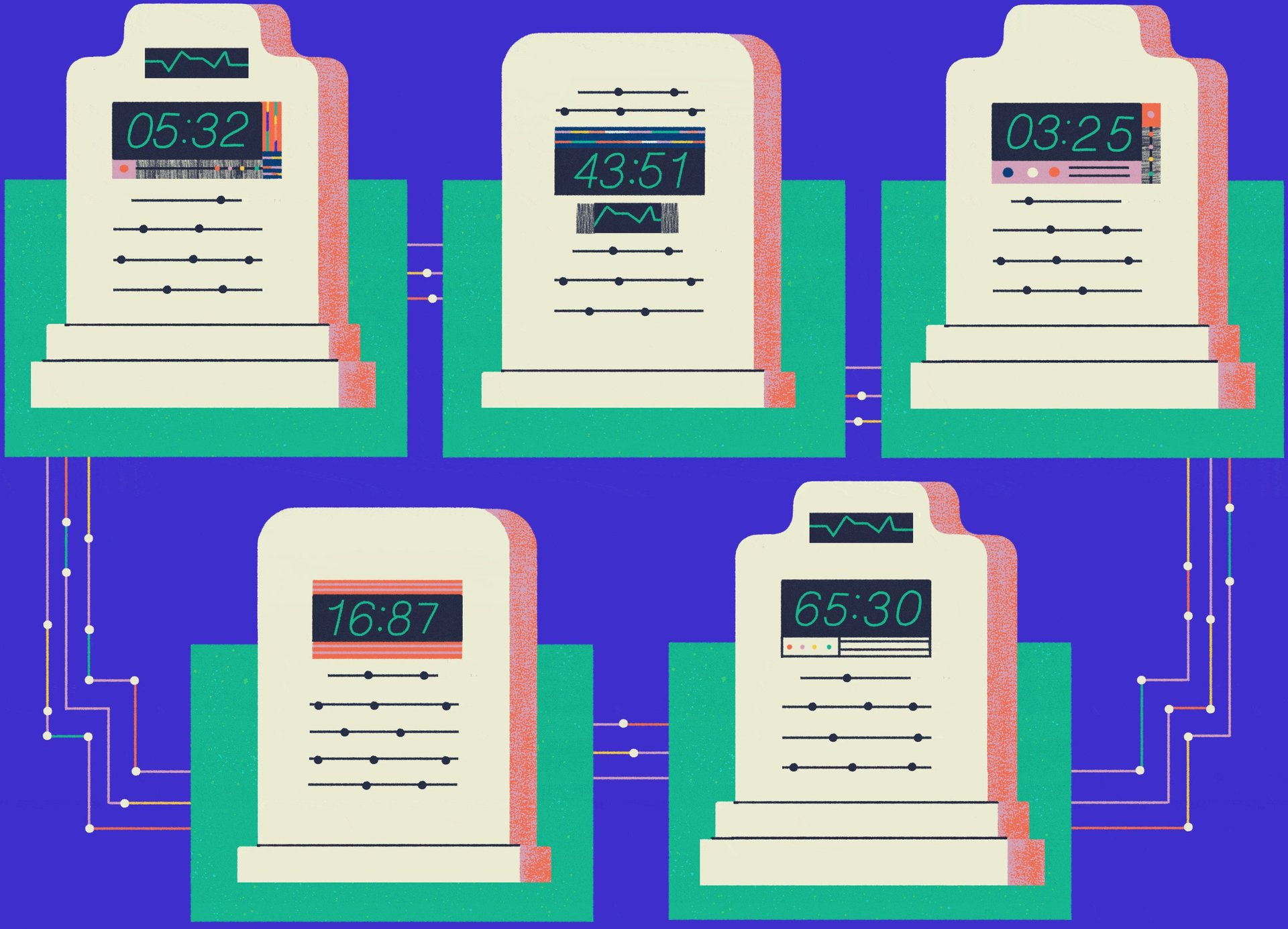
When Roman Mazurenko was killed by a hit-and-run driver in late 2015, his friend Eugenia Kyda, then in her late 20s, found herself scrolling through their old text conversations. She was searching for vestiges of her friend in his digital footprint. Roman was always fascinated by the idea that our data would outlive our physical selves, so as an homage, Eugenia decided to use Roman’s online data—at least what she could access—to bring her friend back to life.
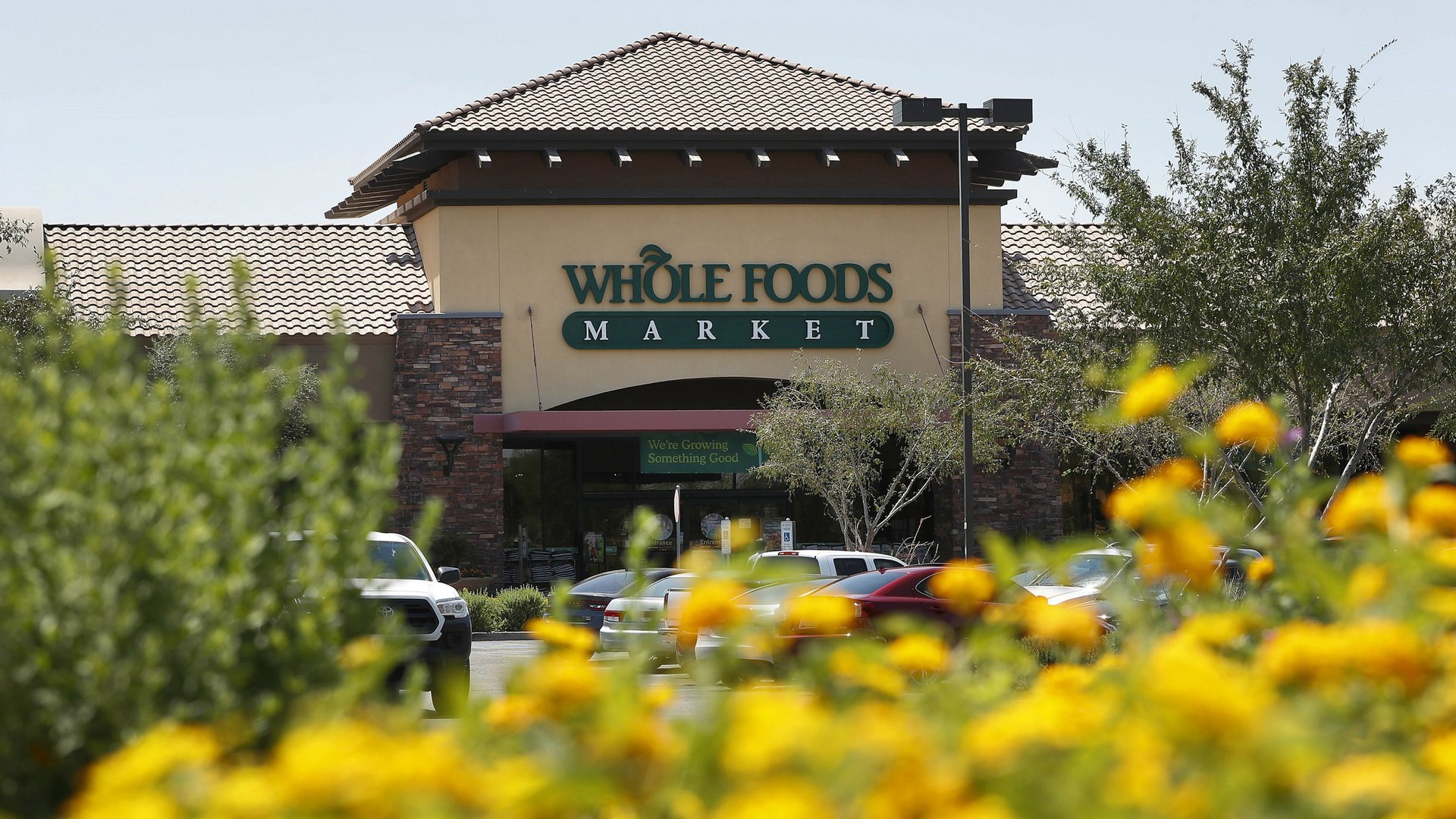
On Thursday (Sep. 6), a group of Whole Foods employees sent an email to co-workers at all 490 stores, urging them to support an effort to unionize. The proposed union would seek better compensation and benefits in the wake of worsening conditions since Amazon bought the organics grocer last year.
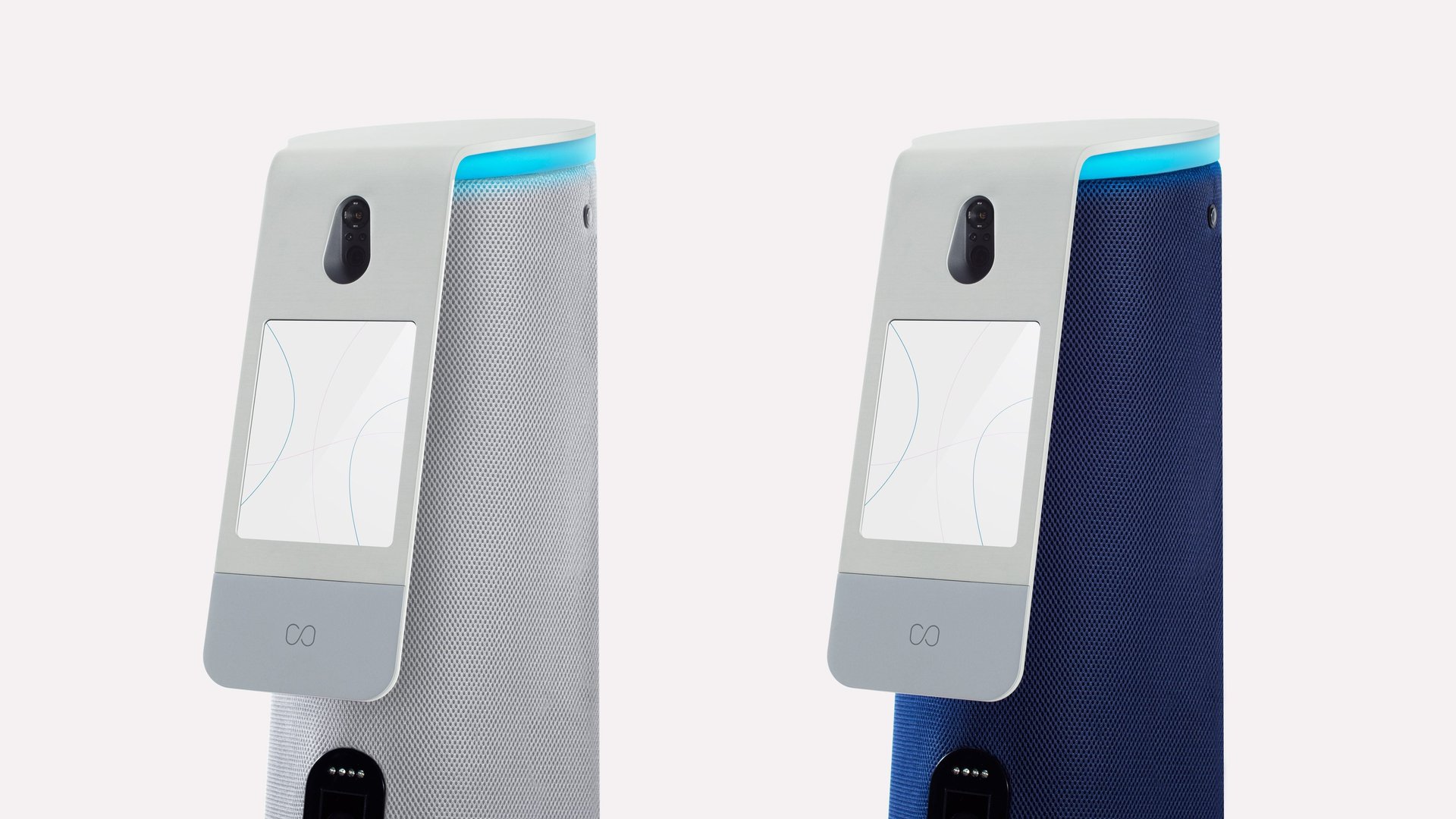
Automation is becoming more and more visible.
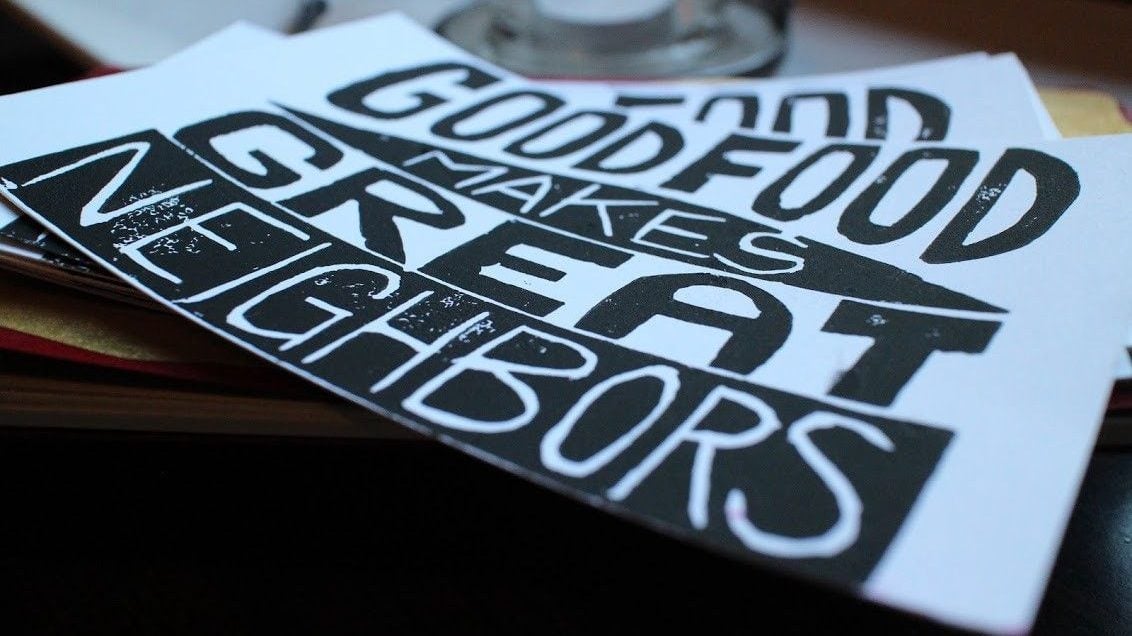
Last week, California lawmakers unanimously passed a bill, AB 626, that would create a permitting system for people to sell meals they make at home. The bill is the result of more than three years of collaboration between state health regulators, food-justice organizations, and Josephine, a startup where I used to work that enables home cooks to sell food to their neighbors.

No one talks about day five after you’ve decided to switch careers.
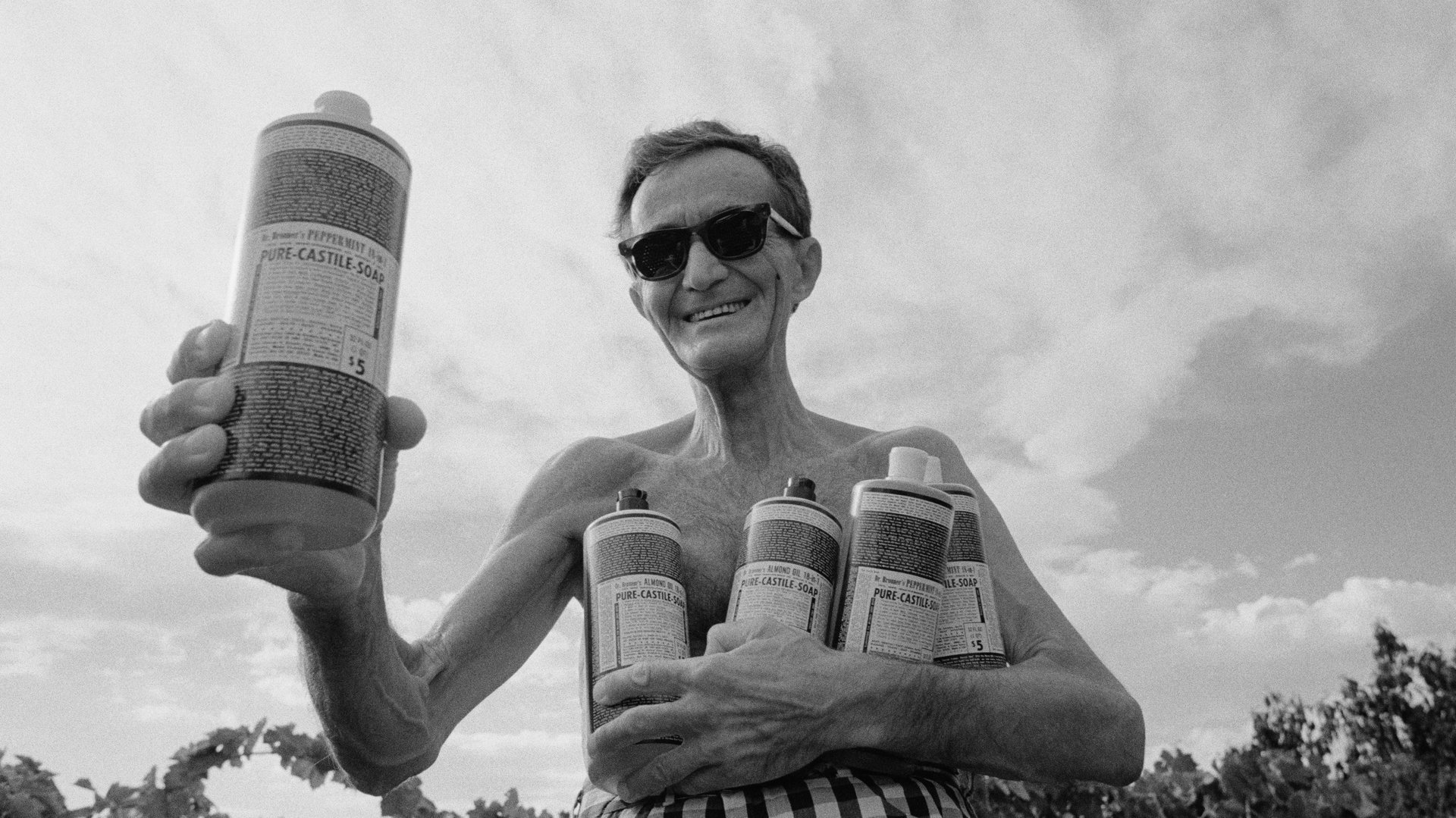
When Dr. Bronner’s soap launched in Trader Joe’s supermarket in the year 2000, customer after customer would approach Michael Bronner, the grandson of the company’s eponymous founder, to ask the same question: Where had Dr. Bronner’s gone?
Twitter has been doing everything in its power to maintain its standing as an unbiased platform.

For first responders, minutes can often mean the difference between life and death.
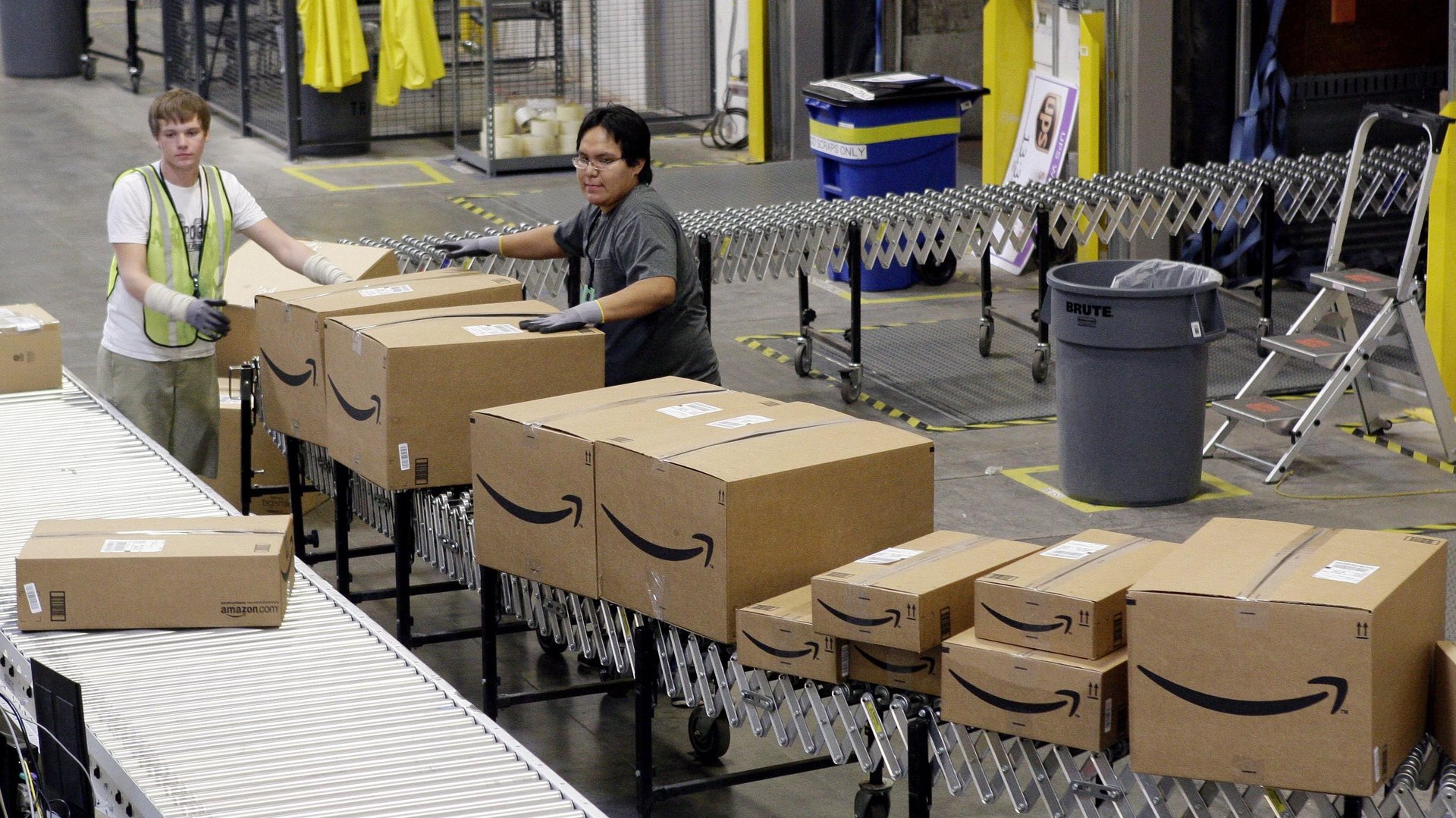
There’s a new social media influence campaign trying to sway public opinion on the internet. But instead of Kremlin-linked hackers, this time, it’s Amazon warehouse workers.
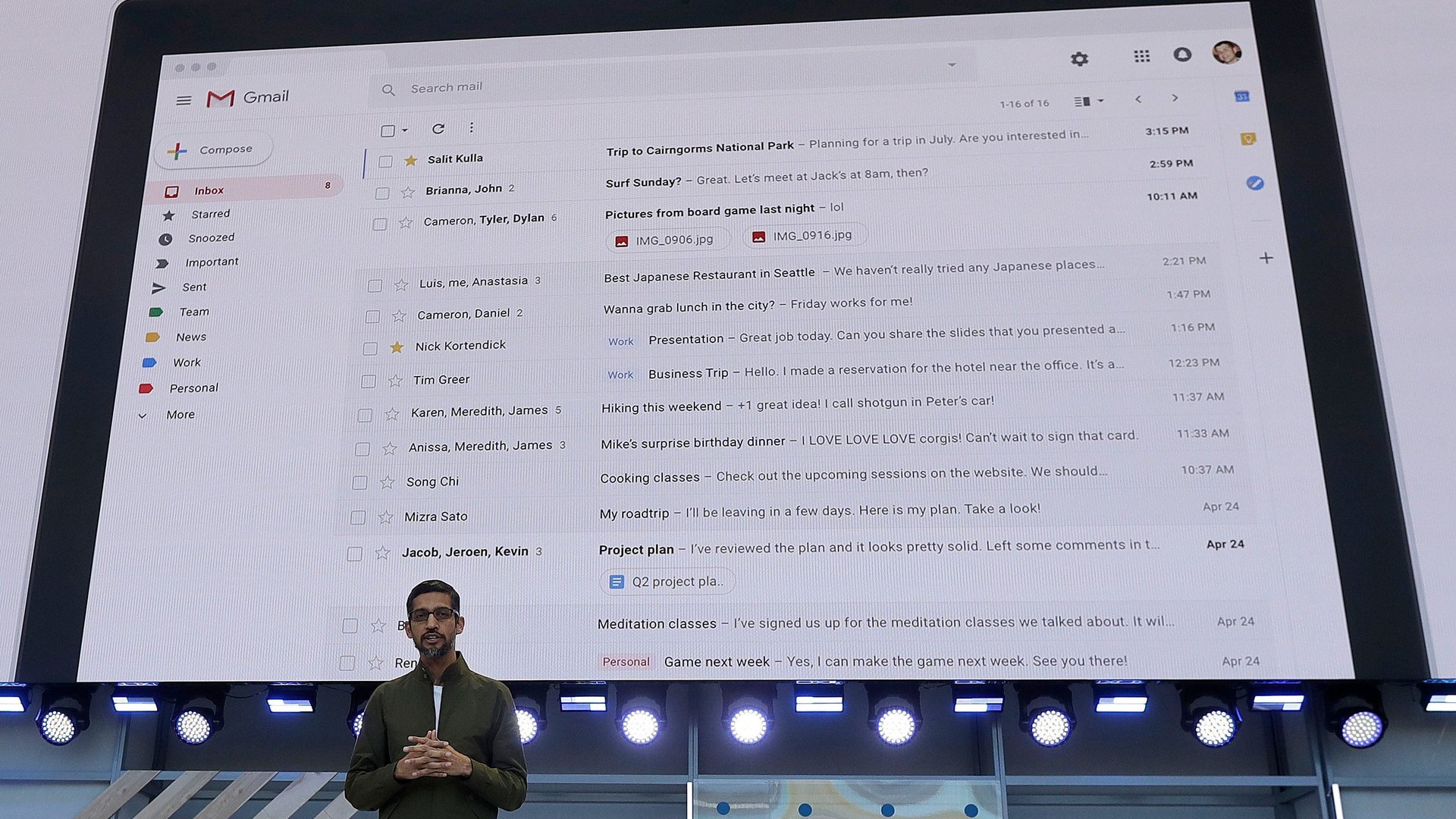
Google rolled out its widely-anticipated “confidential mode” this week. But after a series of recent privacy mishaps, it’s the search giant that may want to go incognito.

It’s costing more and more to escape capitalism.
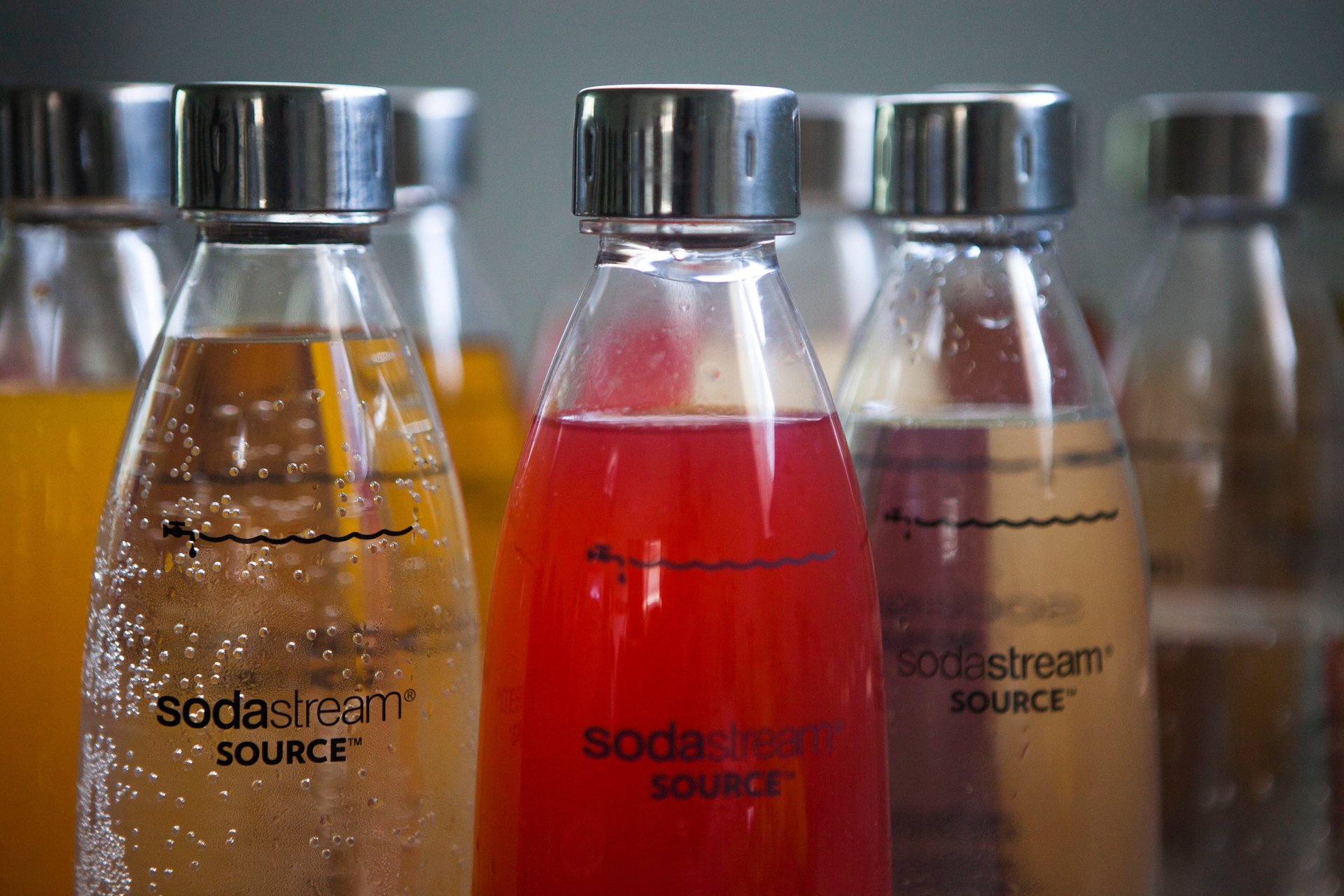
The seltzer hype is bubbling over.