The pot-puffing residents of California only had a few days to enjoy a new legal regime for recreational cannabis in their state before the Trump administration pulled the rug out.

The pot-puffing residents of California only had a few days to enjoy a new legal regime for recreational cannabis in their state before the Trump administration pulled the rug out.

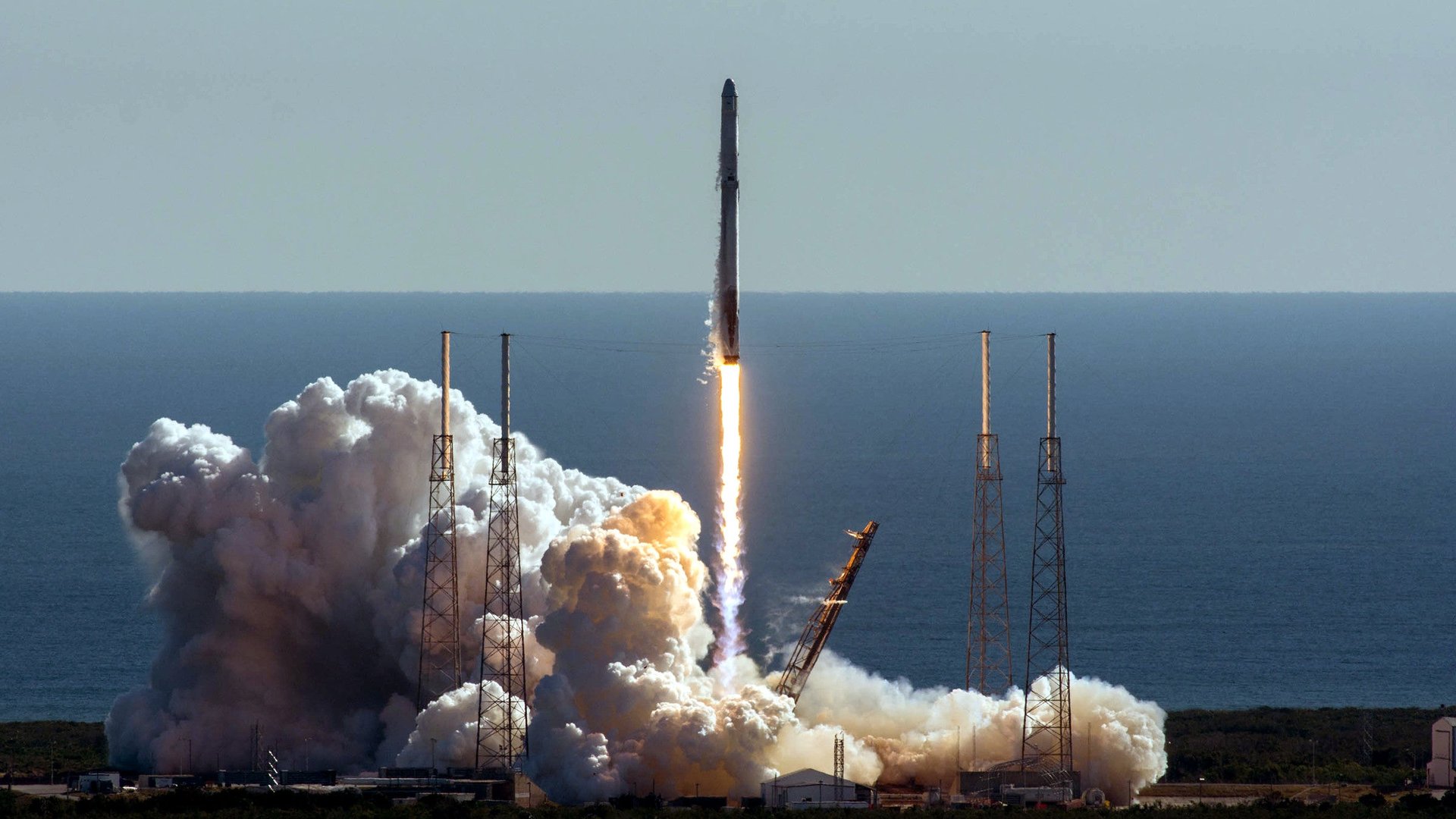
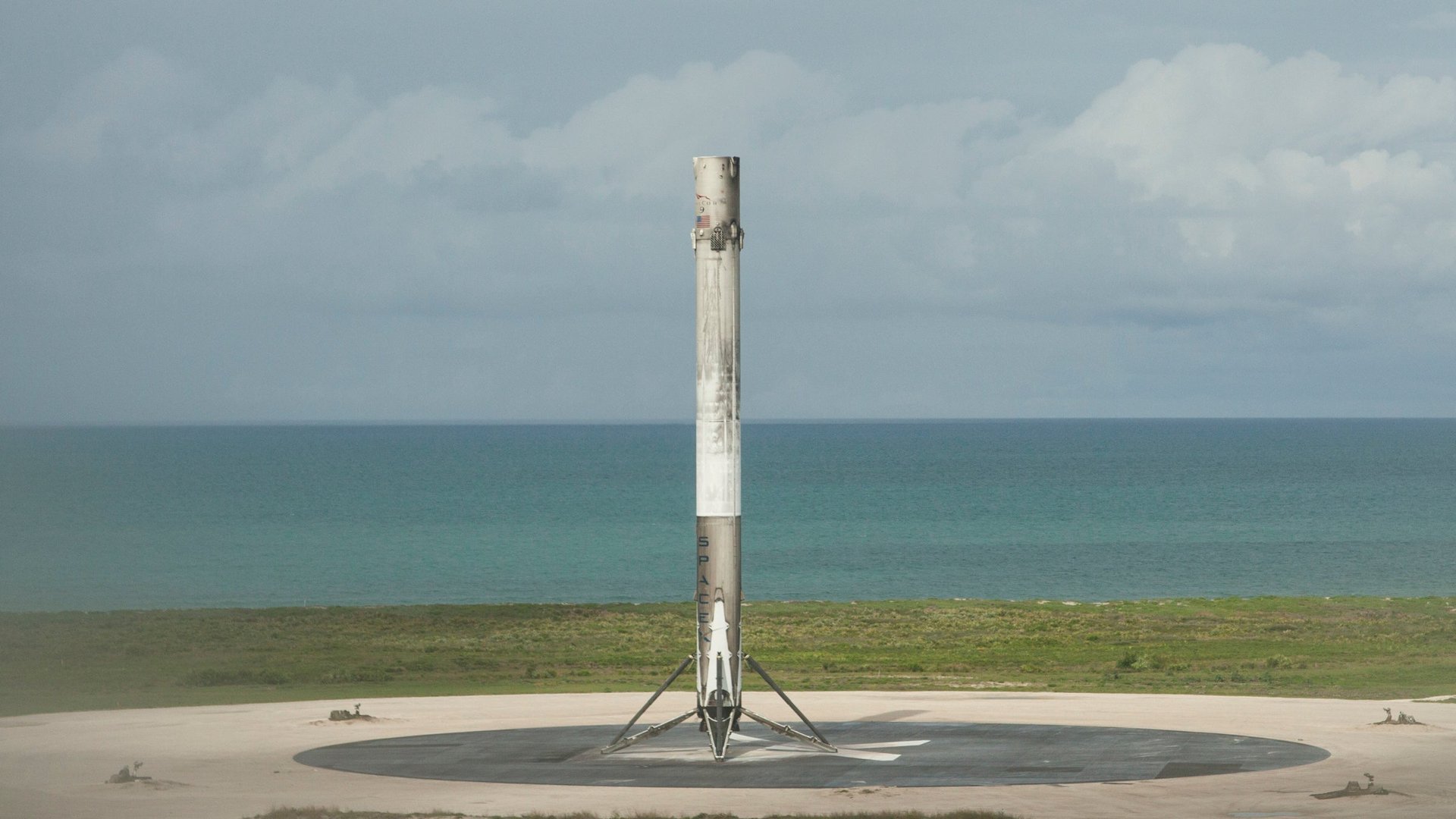
SpaceX is known for its reusable rockets, but one under-appreciated technology it has pioneered is letting them self-destruct.

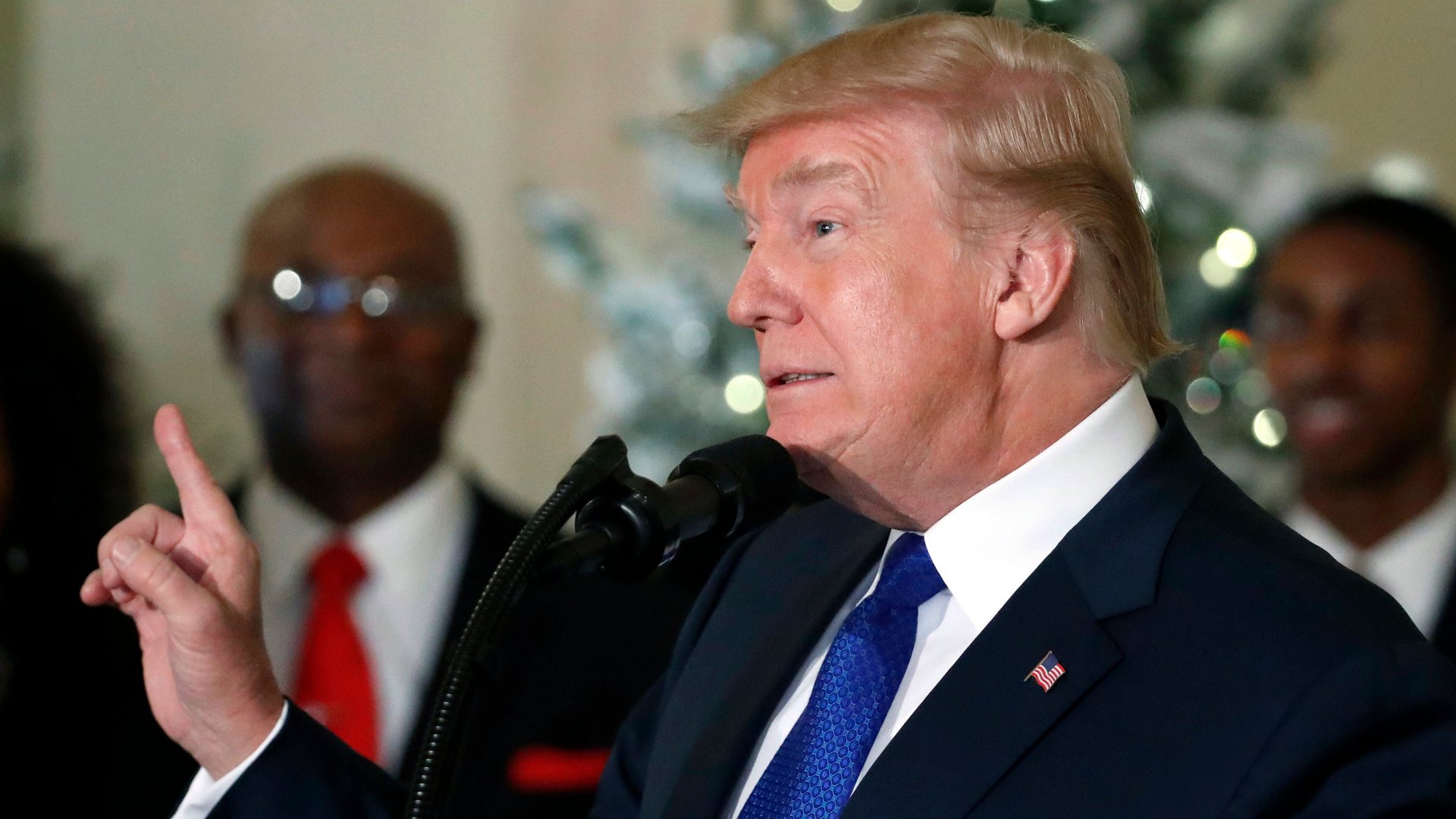
President Donald Trump used a recent wave of anti-government demonstrations in Iran to criticize a 2015 deal the US and other global powers made with the country’s theocratic regime, which lifted wide-ranging economic sanctions in exchange for Iran putting an end to its plan to develop nuclear weapons.

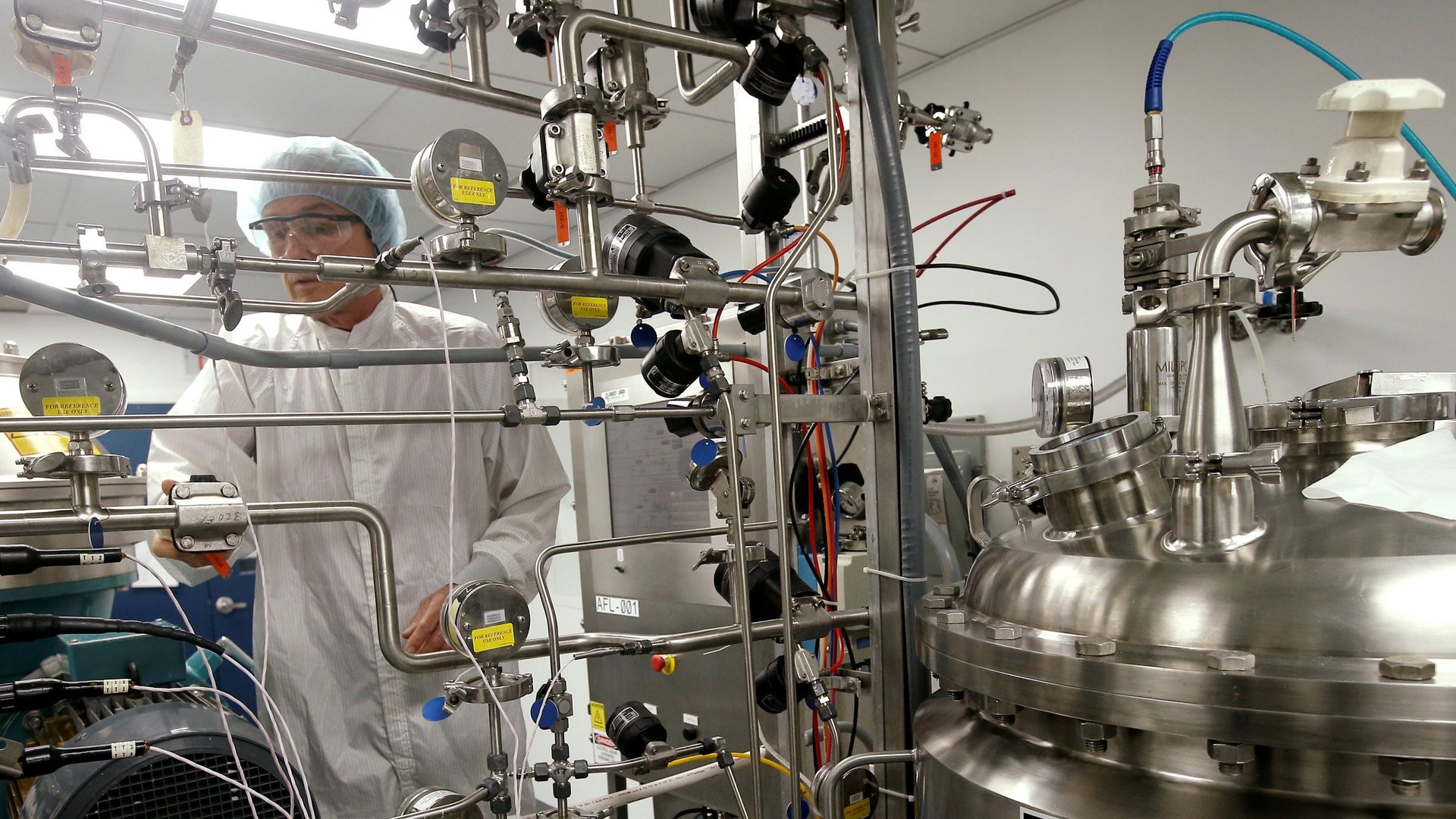
One of the most frustrating things about science is that it’s an incremental process. This, however, is a feature, and not a bug; in order to advance our understanding of ourselves and the world around us, we need to test and retest—and retest and retest—everything new thing we think we’ve discovered. That means it’s easy to miss scientific breakthroughs amid the churn of the daily news cycle, especially in the current political climate. So we’ve decided to look back at 2017, and highlight some of the advances made in various scientific fields that we feel were both underrated and are likely to have a major impact in 2018 and beyond. In no specific order:

If tonight’s mission goes as planned, Elon Musk’s space company will once again set the record for most orbital rockets launched in a single year.

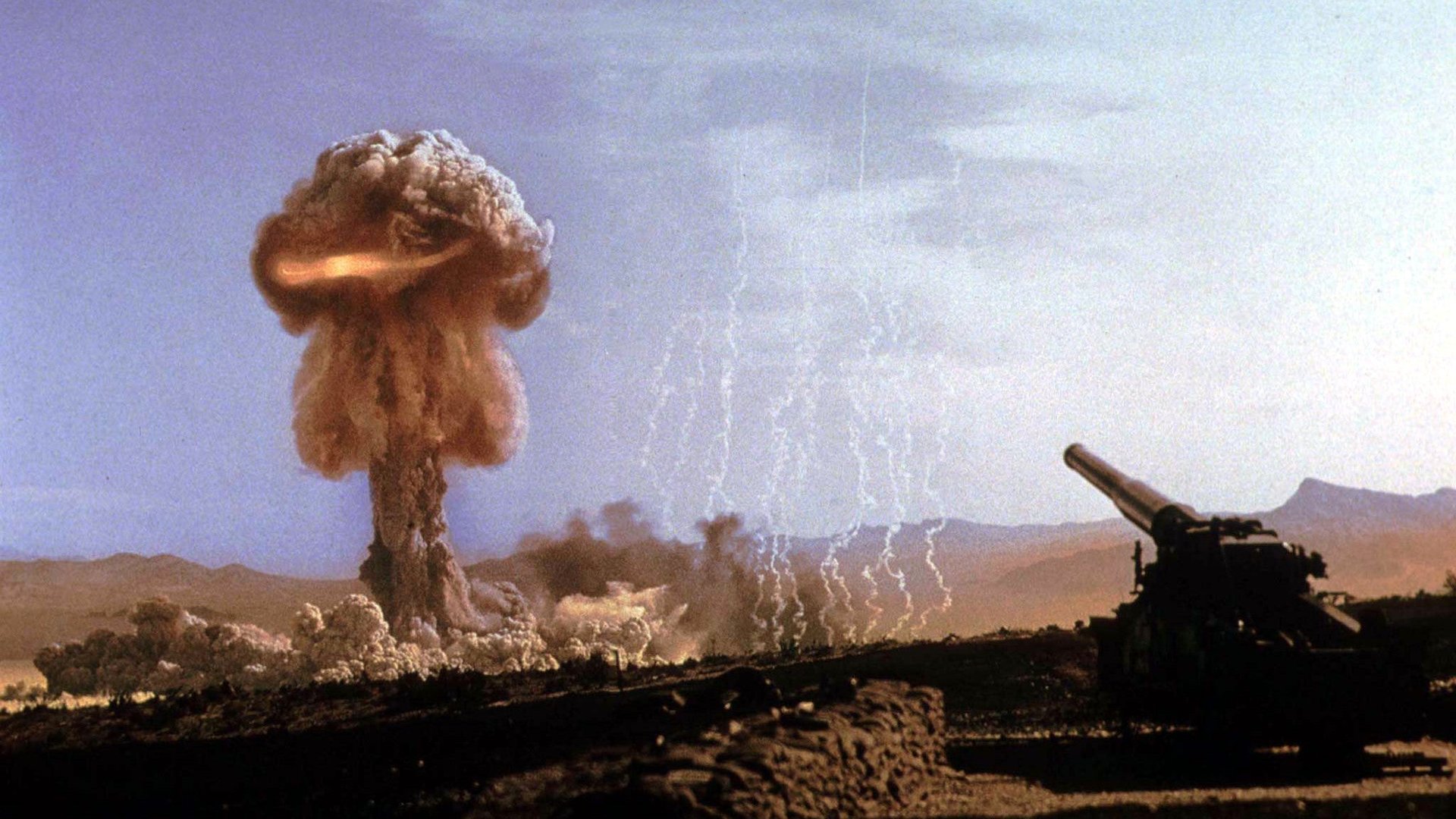
When the US entered the nuclear age, it did so recklessly. New research suggests that the hidden cost of developing nuclear weapons were far larger than previous estimates, with radioactive fallout responsible for 340,000 to 690,000 American deaths from 1951 to 1973.

The GOP’s new tax overhaul may appear to be a victory for Donald Trump’s nationalist politics—but it’s not. In reality, the bill endorses globalization and backs business trends that shift jobs from the US to the rest of the world.

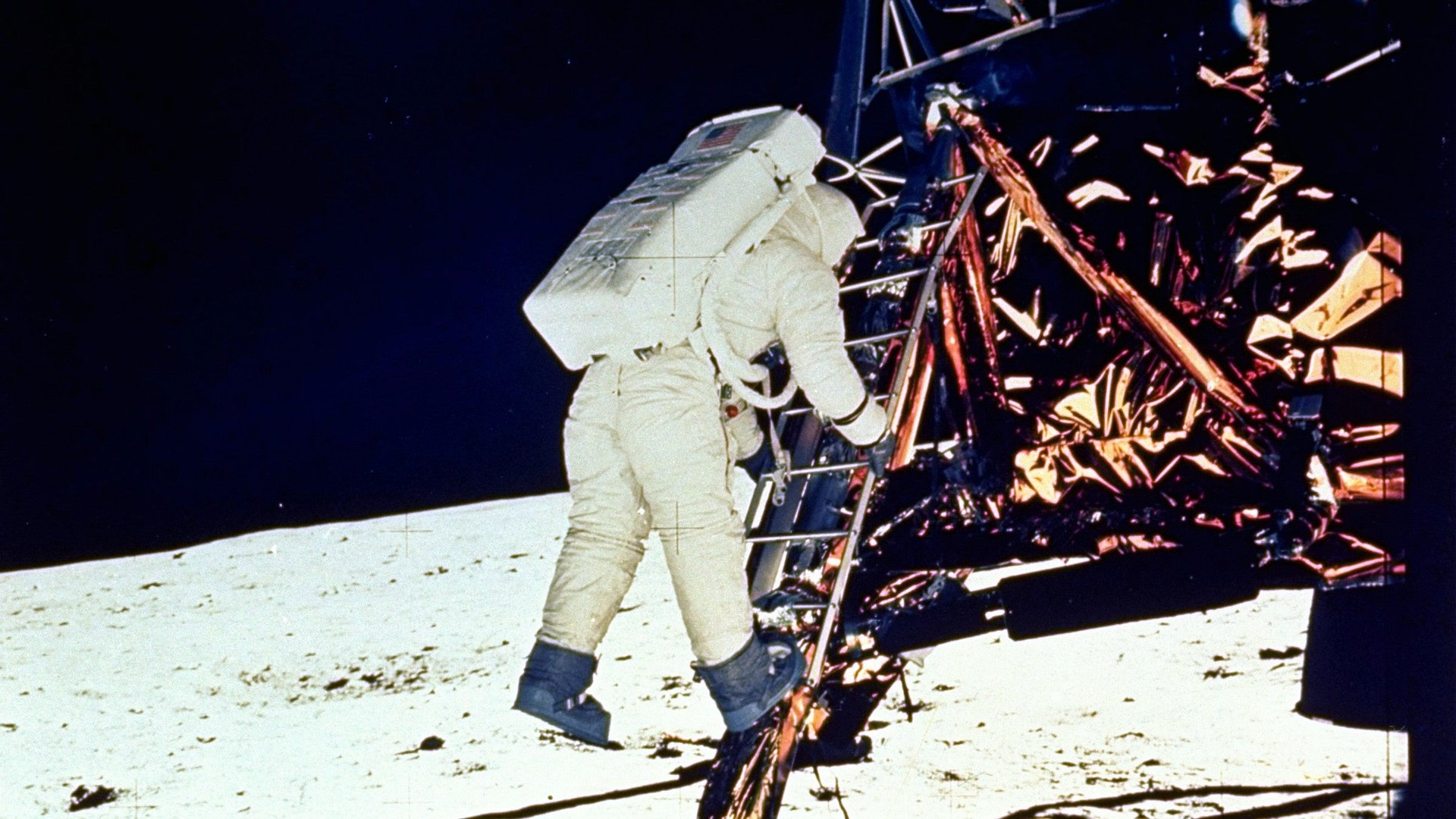
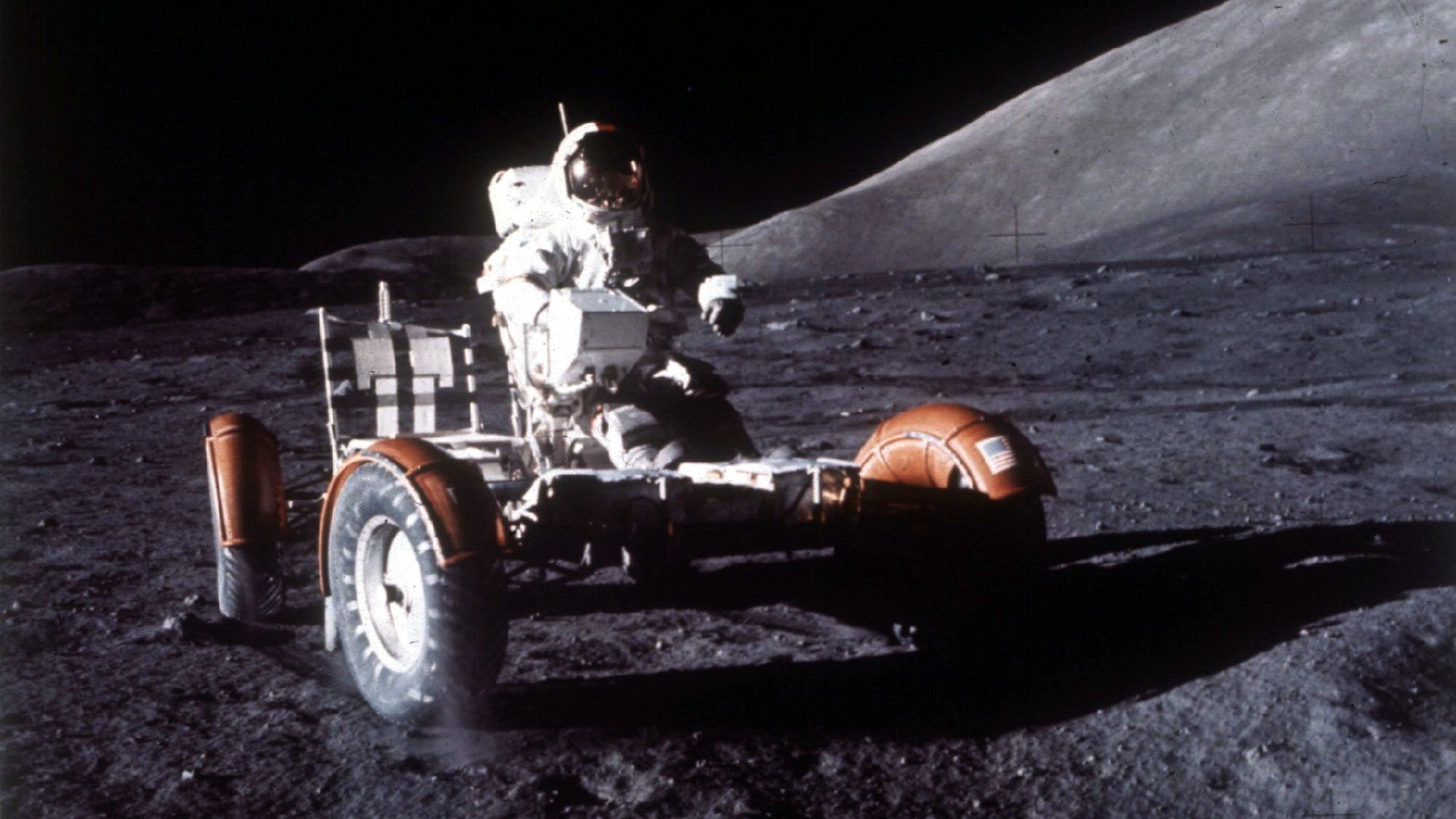
The US is now dedicated to “long-term exploration and utilization” of the moon, but in practice that goal will be shaped more by a scramble of private companies than any mission executed by NASA alone.

Elon Musk’s space company will launch its fourth previously flown booster rocket today (Dec. 15) in a mission to the International Space Station. Then, while a Dragon spacecraft carries more than two tons of research and supplies to the orbiting lab, the booster will attempt to return to land at Cape Canaveral for future re-flight.

The financial mood is heady. The price of bitcoin is surging, forcing deep thinking about the nature of money. Meanwhile, Republicans in Congress are embracing voodoo economics as they enact a tax cut that will add $1 trillion or more to national debt.

An embattled president trying pass controversial legislation is taken aback by a shock victory in a special senate election. What happens?

And he made it more nebulous.

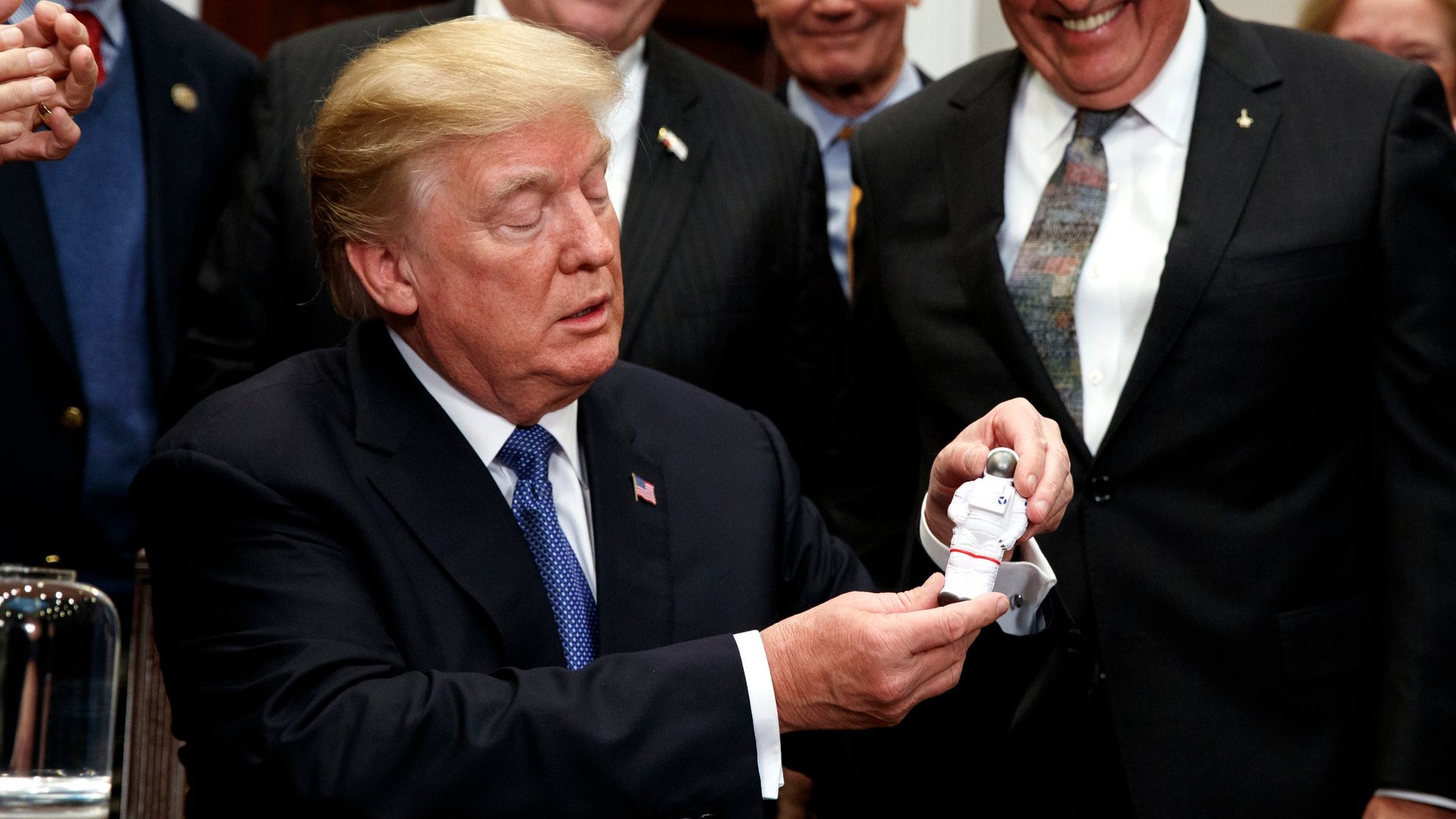
Today Donald Trump will sign Space Policy Directive 1, an order to send humans back to the moon and beyond. A draft copy of the order seen by Quartz declares that “the United States will lead the return of humans to the Moon for long-term exploration and utilization, followed by human missions to Mars and other destinations.”

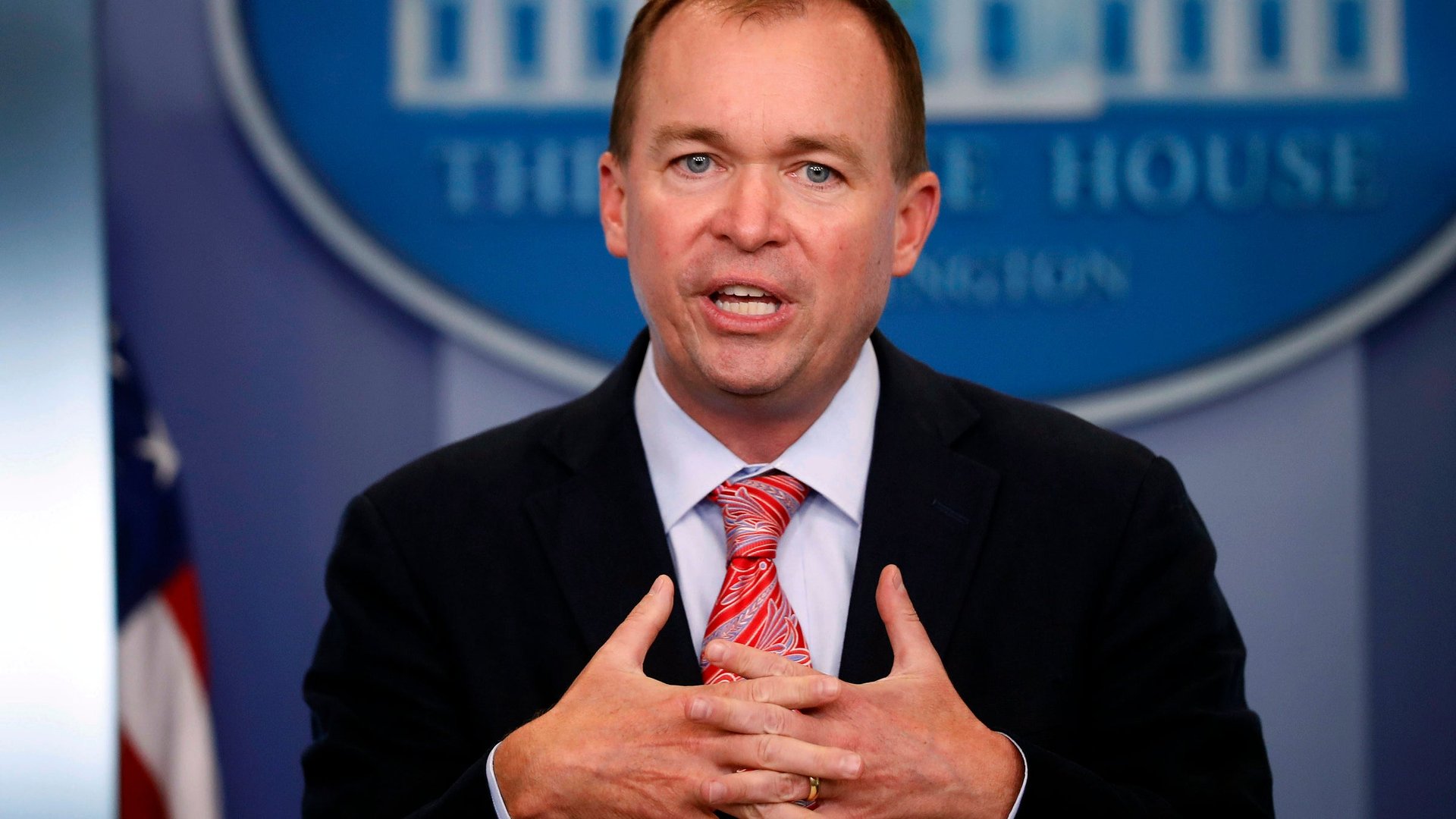
Donald Trump’s new head of the Consumer Financial Protection Bureau (CFPB) is undermining his predecessors’ work.

In their scramble to get a tax cut bill over the line, Republican senators have accidentally repealed one of the most beloved tax breaks, a credit for research and development.

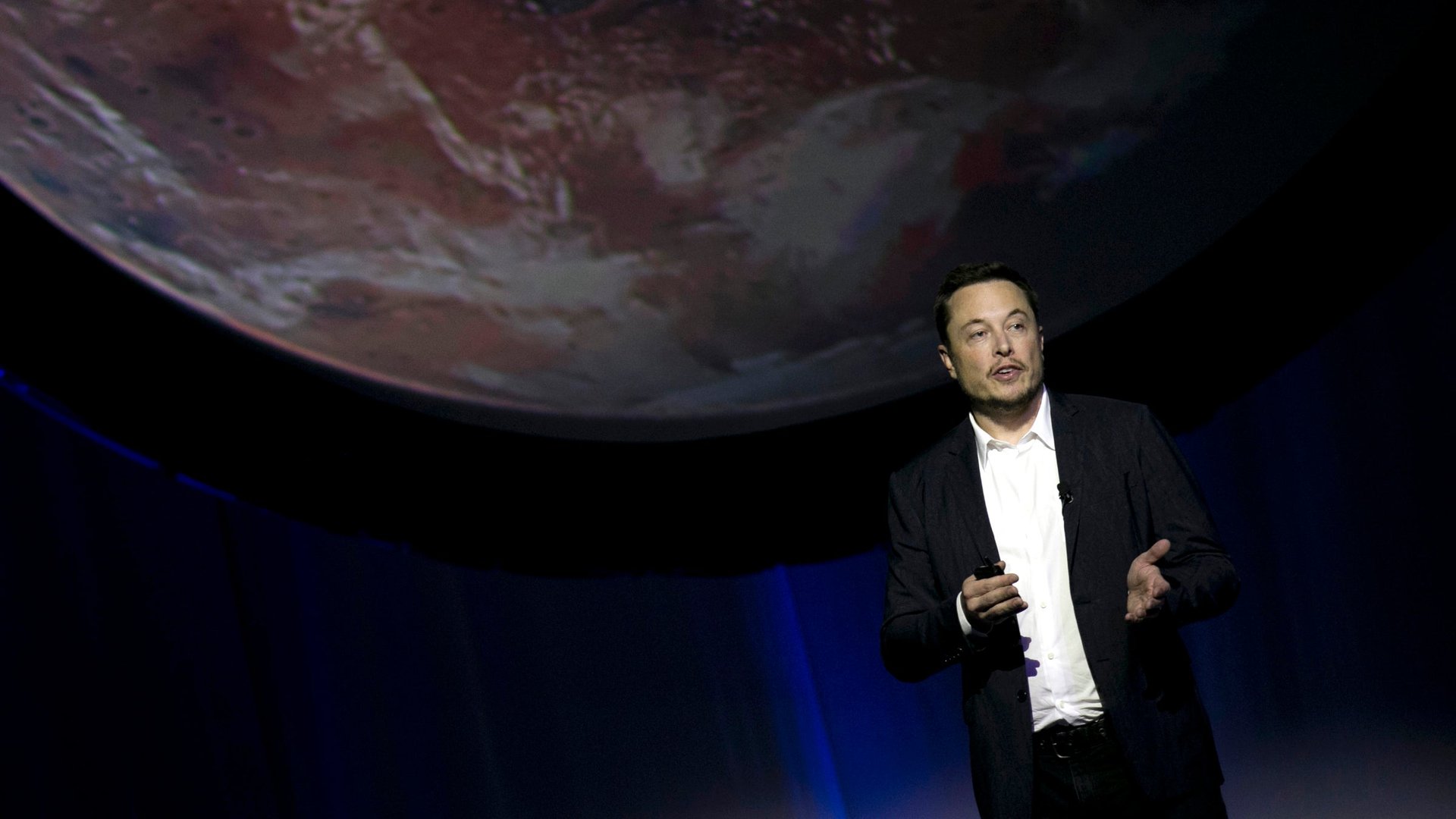
Mock Elon Musk’s plan to launch his personal Tesla roadster to Mars on a brand-new SpaceX rocket if you must, but it’s more than just ridiculous inter-planetary brand synergy: It’s bringing the technology mogul back to his roots.

Tax law may seem like it is all about the economy—or, last week, all about cutting taxes on the highest-earning Americans—but it touches on all aspects of society. As Republican lawmakers spend the week reconciling two versions of their bill to cut taxes, they’ll have the opportunity to endorse or reject several measures that hit not just Americans’ wallets, but how they worship, where they learn and what drugs they do.

“We’re just shipping company after company after company is leaving this country and leaving jobs behind,” president Donald Trump said on the campaign trail last year. “And I’m going to get it stopped.”

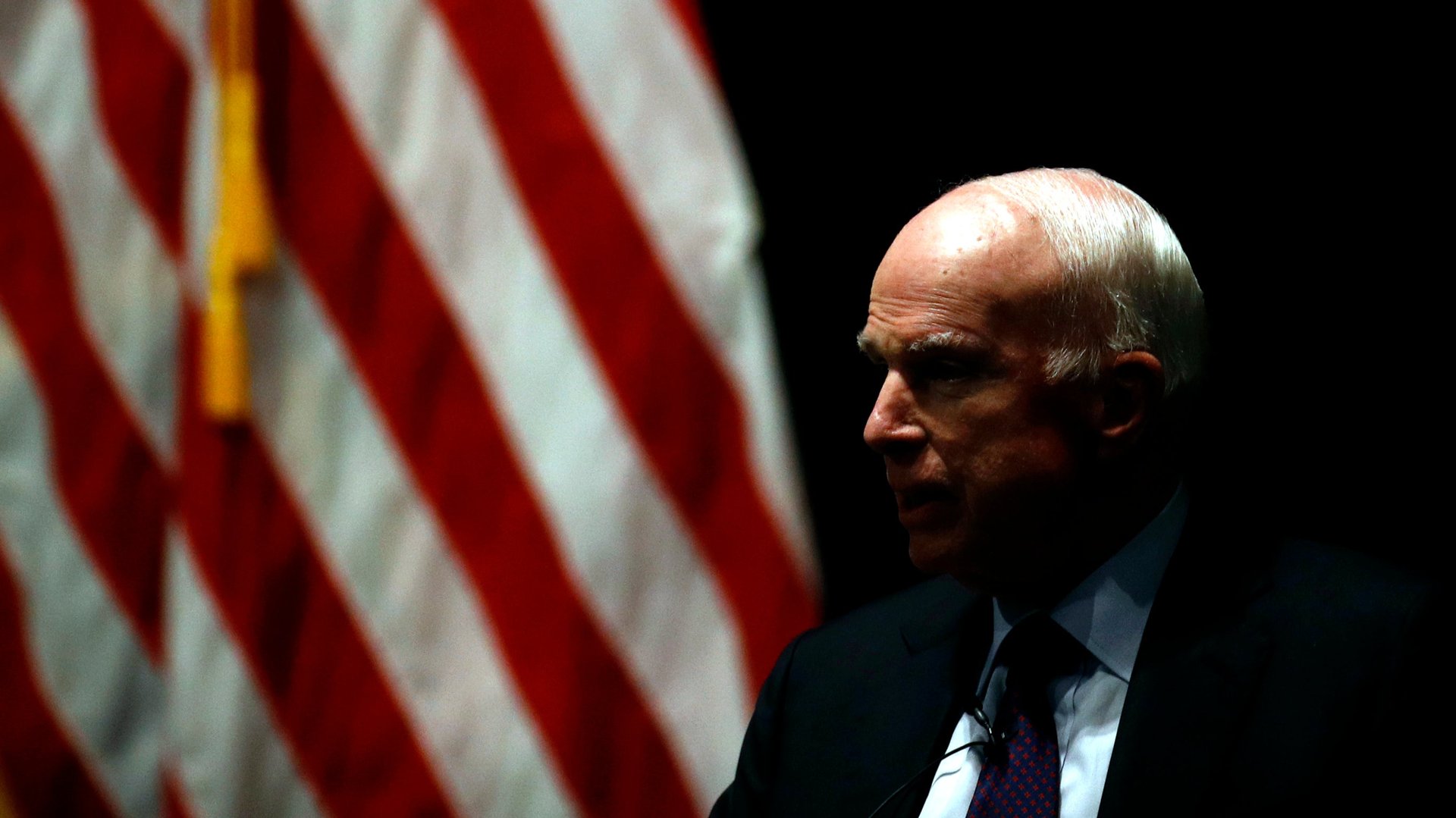
John McCain, the self-styled maverick who helped sink Republican plans to repeal Obamacare earlier this year, was eyed as a potential “no” vote today on a bill to cut taxes on corporations and high-earning Americans. Now, he says he’ll vote yes, but his statement sounds like someone closing his eyes to reality. Let’s take a look:

Signaling confidence in Elon Musk’s reusable rocketry, NASA has signed off on using a previously-flown SpaceX Falcon 9 rocket to send supplies to the International Space Station (ISS) next month.

At a Nov. 6 press conference with US President Donald Trump, Japanese prime minister Shinzo Abe was asked if Japan would respond to North Korean missile launches by shooting them down.

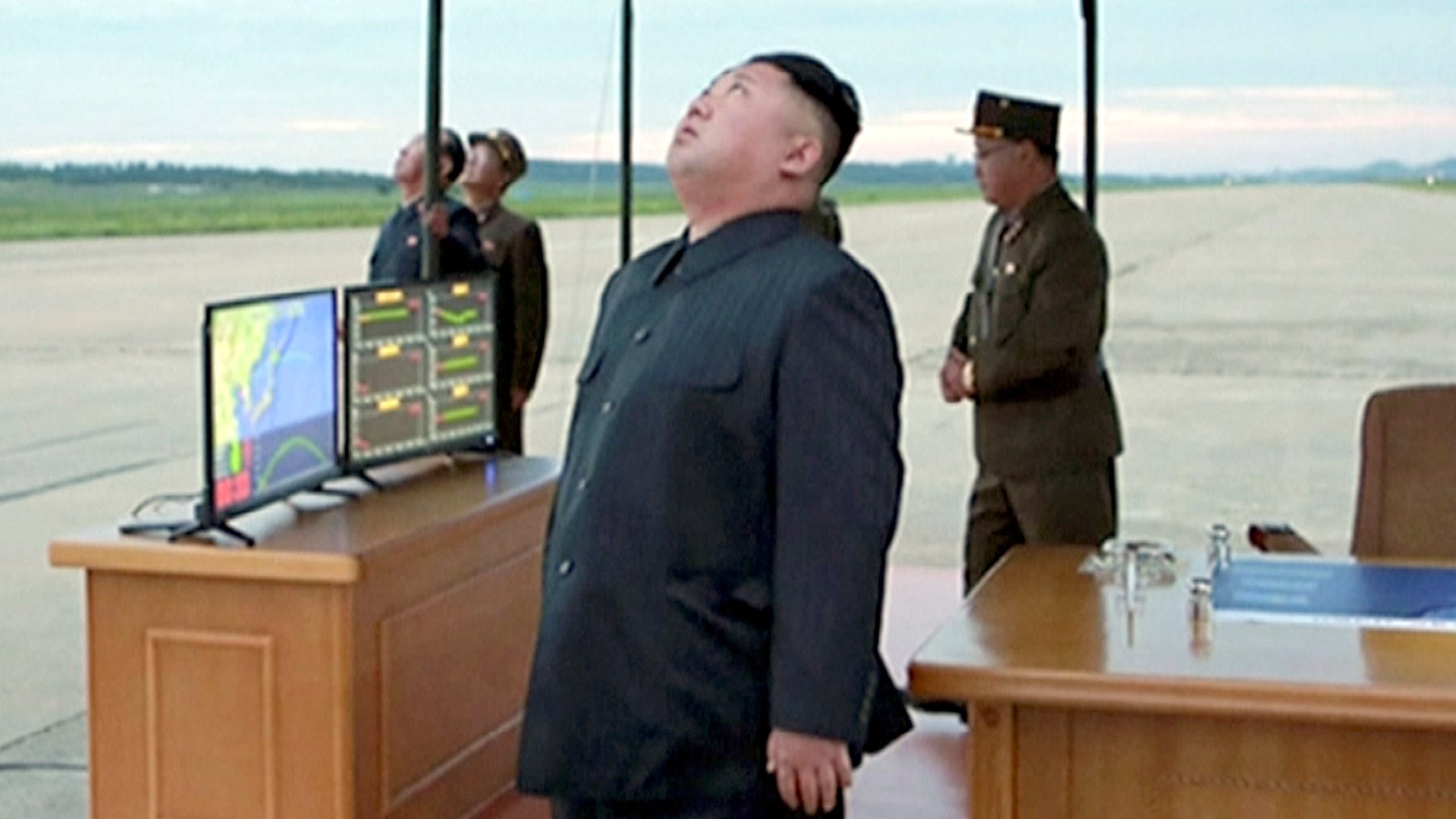
North Korea hasn’t been deterred by Donald Trump’s bluster, United Nations sanctions or whatever backroom pressure China has to bring. Kim Jong-un wants to see missiles fly over the Pacific, and today one did, per South Korea’s Yonhap news agency.

Republican leadership in the senate wants a Nov. 30 vote on a tax bill that will lower the incomes of working people while delivering big tax cuts to the highest earners. Since they have ruled out cooperating with Democrats on the bill to pass it on party lines, losing just three votes means the bill will fail.

Who will lead the only US financial regulator focused on protecting regular people? That’s a problem that will need to be solved by the courts, thanks to a legal mess created by president Donald Trump.