

Money & Markets
The insane logic of cutting taxes on the highest earners in the United StatesThe US is moving swiftly toward a massive tax cut for the highest earners. But the question is, why?
Updated July 20, 20222 min read
The US is moving swiftly toward a massive tax cut for the highest earners. But the question is, why?

Americans have a love-hate relationship with turkey: It dominates the traditional Thanksgiving holiday table, but it’s also tricky to cook and not exactly the most delicious bird. Some even call it “flavorless.”

In another case of the “America First” president cutting off his nose to spite his face, Donald Trump is considering the appointment of someone with no background in statistics to run the US census. Running a shoddy survey, out of political opportunism or simple incompetence, would compromise one of the great advantages of the United States: Trusted data about who Americans are, how they work, and where they live.
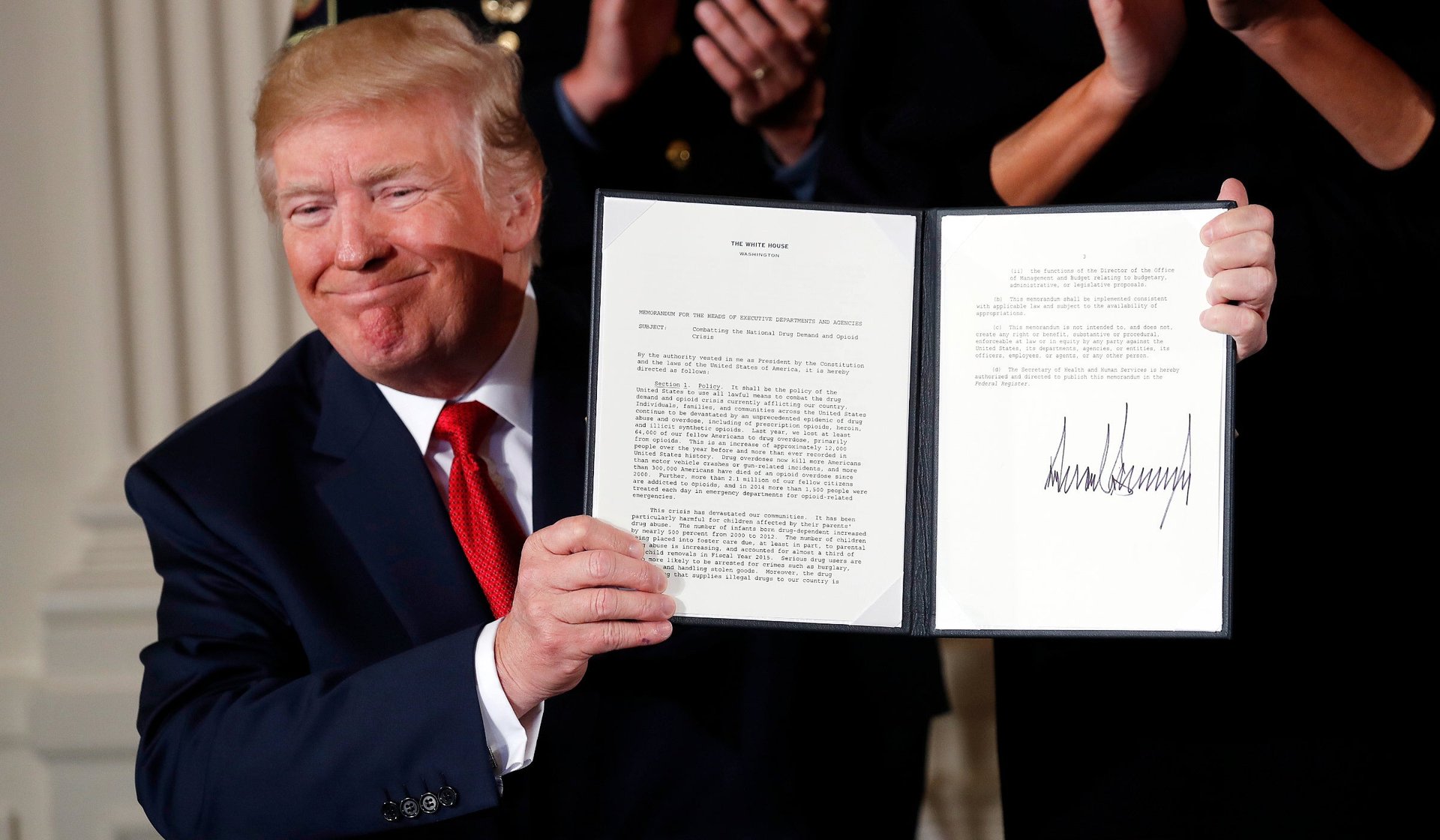
Donald Trump has resisted calls to throw resources into the fight against opioid addiction, but now the call is coming from inside the White House: New research from the Council of Economic Advisers (CEA) says the cost of the crisis in 2015 was more than $500 billion, almost 3% of US annual economic production.

The US Senate’s new tax bill will mean lower incomes on average for the working class, especially after temporary breaks expire in 2025, according to a new analysis by the Center on Budget and Policy Priorities (CBPP):
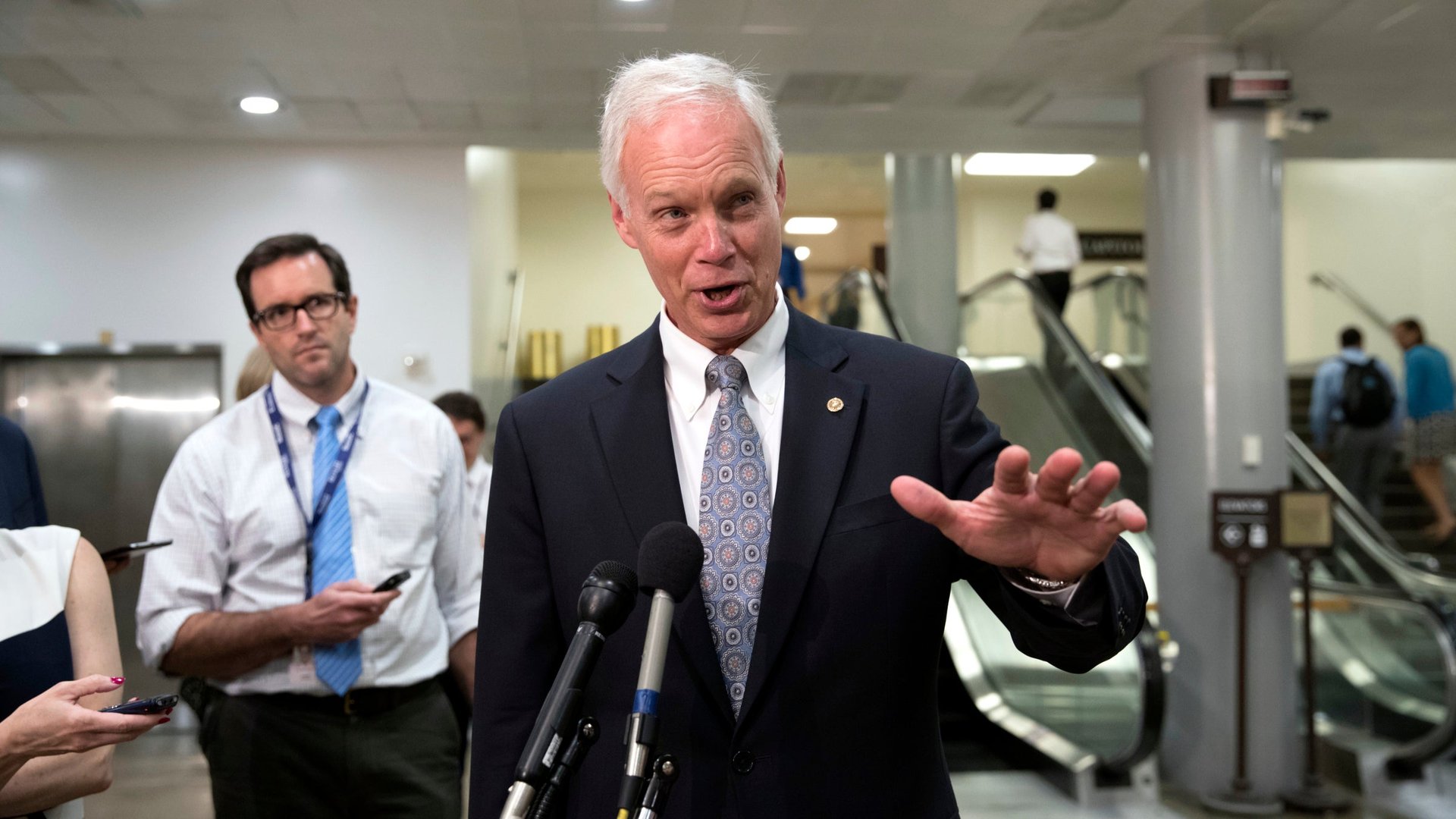
Senator Ron Johnson is a conservative Republican from Wisconsin, a trained accountant, and the founder of a family-owned manufacturing business. Unexpectedly, he is also the first Republican lawmaker to say he won’t vote for the senate’s tax bill as currently written.
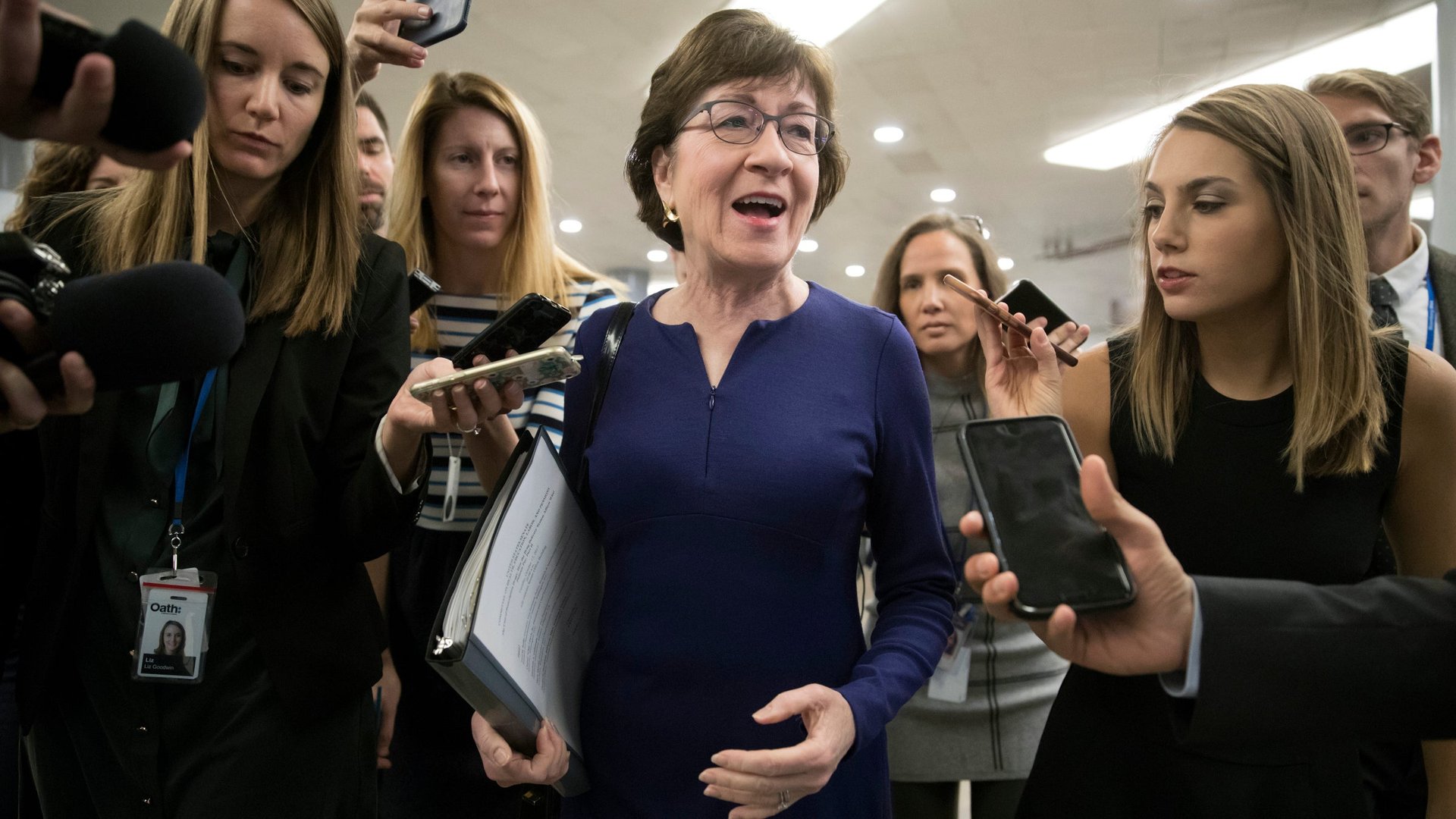
As both candidate and president, Donald Trump promised not to cut either Medicaid or Medicare, the government health-insurance programs for the poor and the elderly. The Republican party’s tax reform proposal, however, looks set to break that promise.

Update: SpaceX has cancelled this launch. The company “stood down” in order to examine data it obtained during recent tests of the Falcon 9 rocket’s fairing, the aerodynamic, carbon fiber shell that protects the satellite during launch. Presumably, this data suggested potential problems. ”We will take the time we need to complete the data review and will then confirm a new launch date,” a company spokesperson said.
The rotten core of the US tax system is how it treats overseas business earnings. Large American companies hold nearly $1 trillion overseas, and it’s not taxed as long as the money stays abroad. Republicans want to make that tax holiday permanent. To do so, they’ll give 14% of middle-class families earning between $50,000 and $200,000 a tax hike next year.

In just months, more than 600,000 members of Myanmar’s ethnic Muslim minority, the Rohingya, have fled persecution into neighboring Bangladesh. When that many people move on earth, you can see it from space.

Planet, the American satellite company, is now snapping a picture of every part of earth’s landmass every single day.
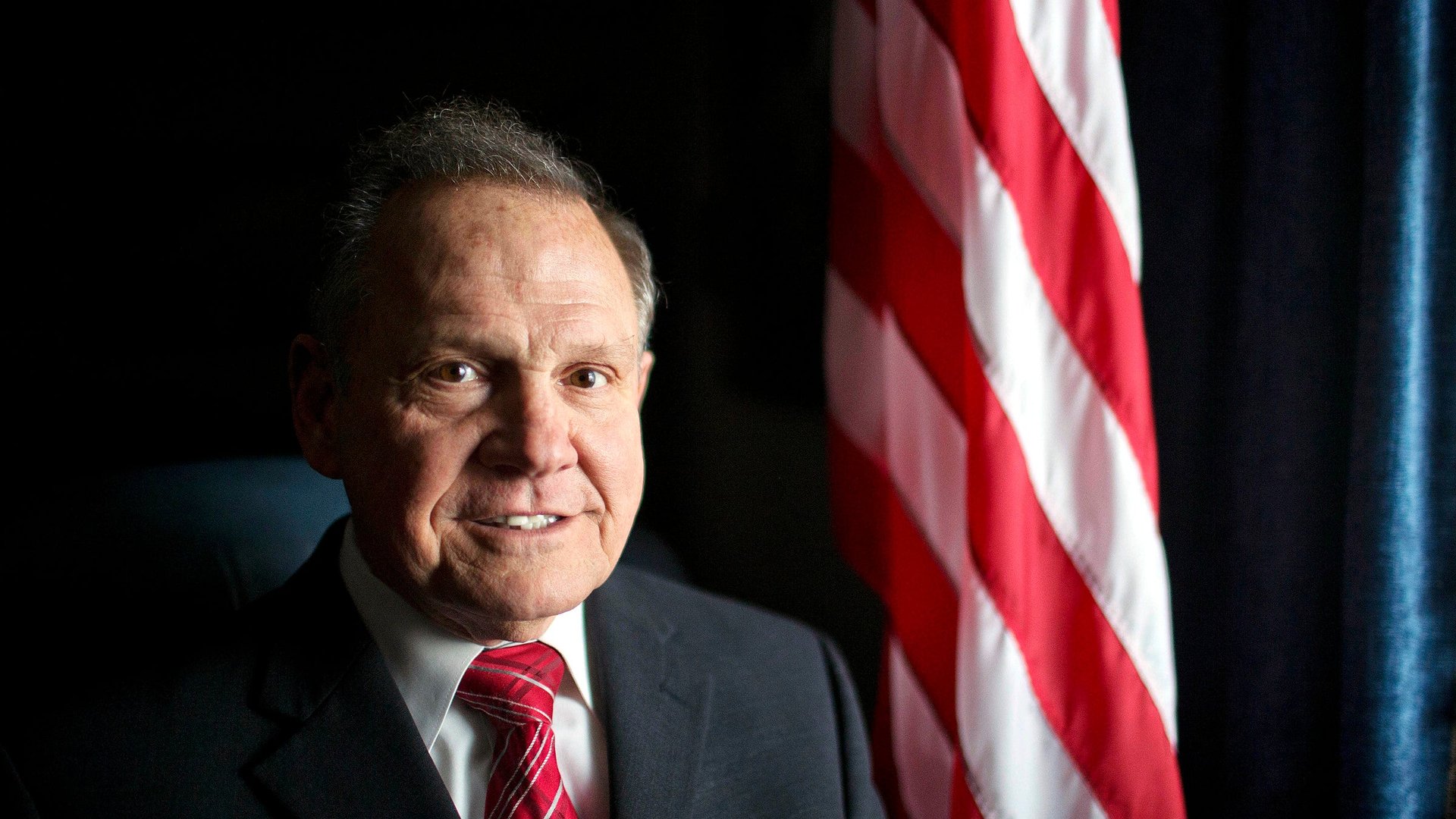
The Washington Post reports that judge Roy Moore, the Republican front-runner in Alabama’s senate race, romantically pursued several teenage girls when he was an assistant district attorney, and initiated a sexual encounter with a 14-year-old. He says the stories are “very definition of fake news.”

Donald Trump never liked his predecessor’s decision to ease the US embargo on Cuba. Now his administration has decreed new restrictions on how its citizens can interact with Cuba’s socialist government, including a lengthy list of entities they are forbidden to do business with.
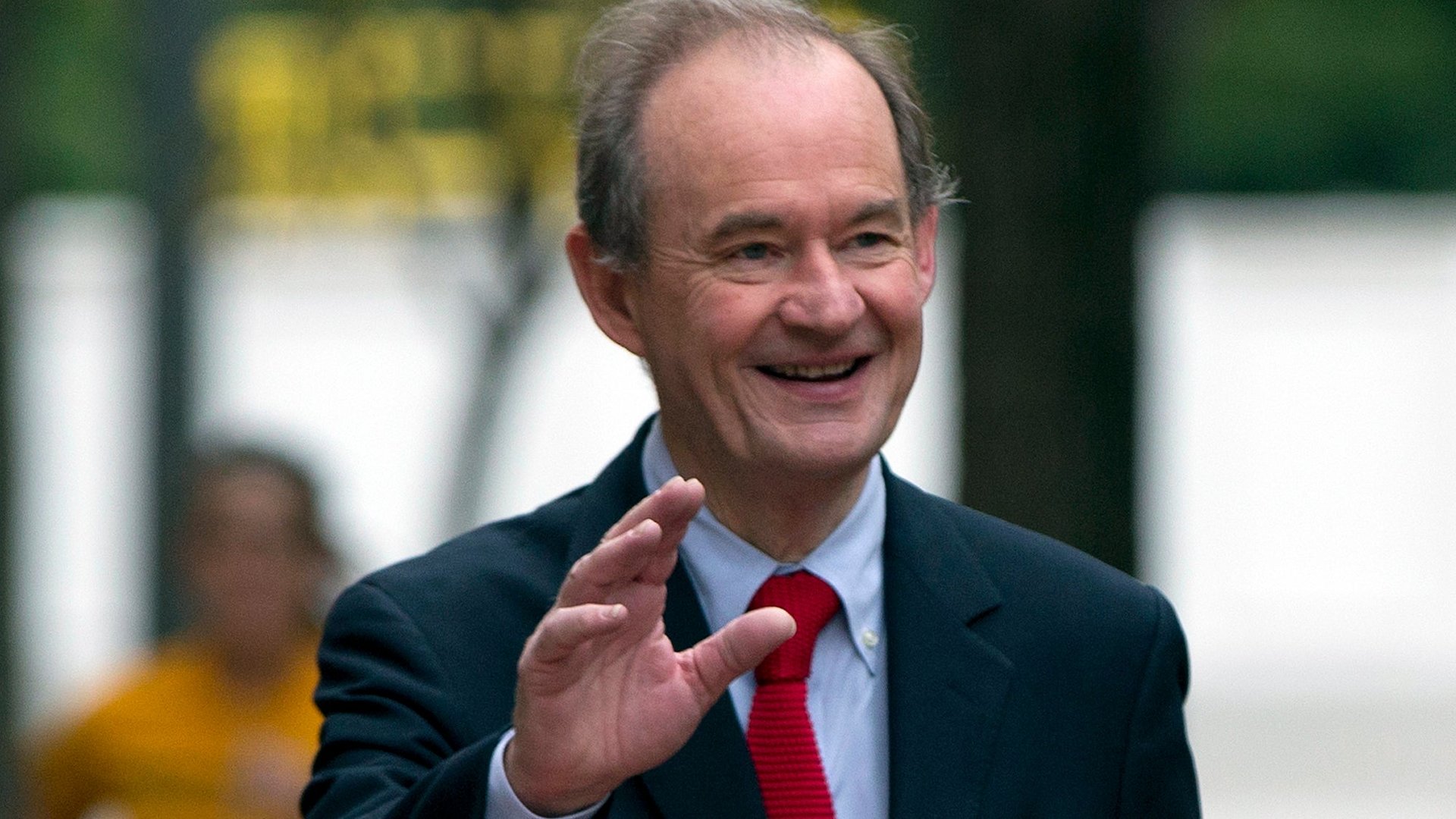
David Boies made his name as a litigator helping break up the Microsoft monopoly and fighting for Al Gore in the Supreme Court. Until yesterday, his career helping the wealthy and powerful dispel unwanted scrutiny remained under the radar.
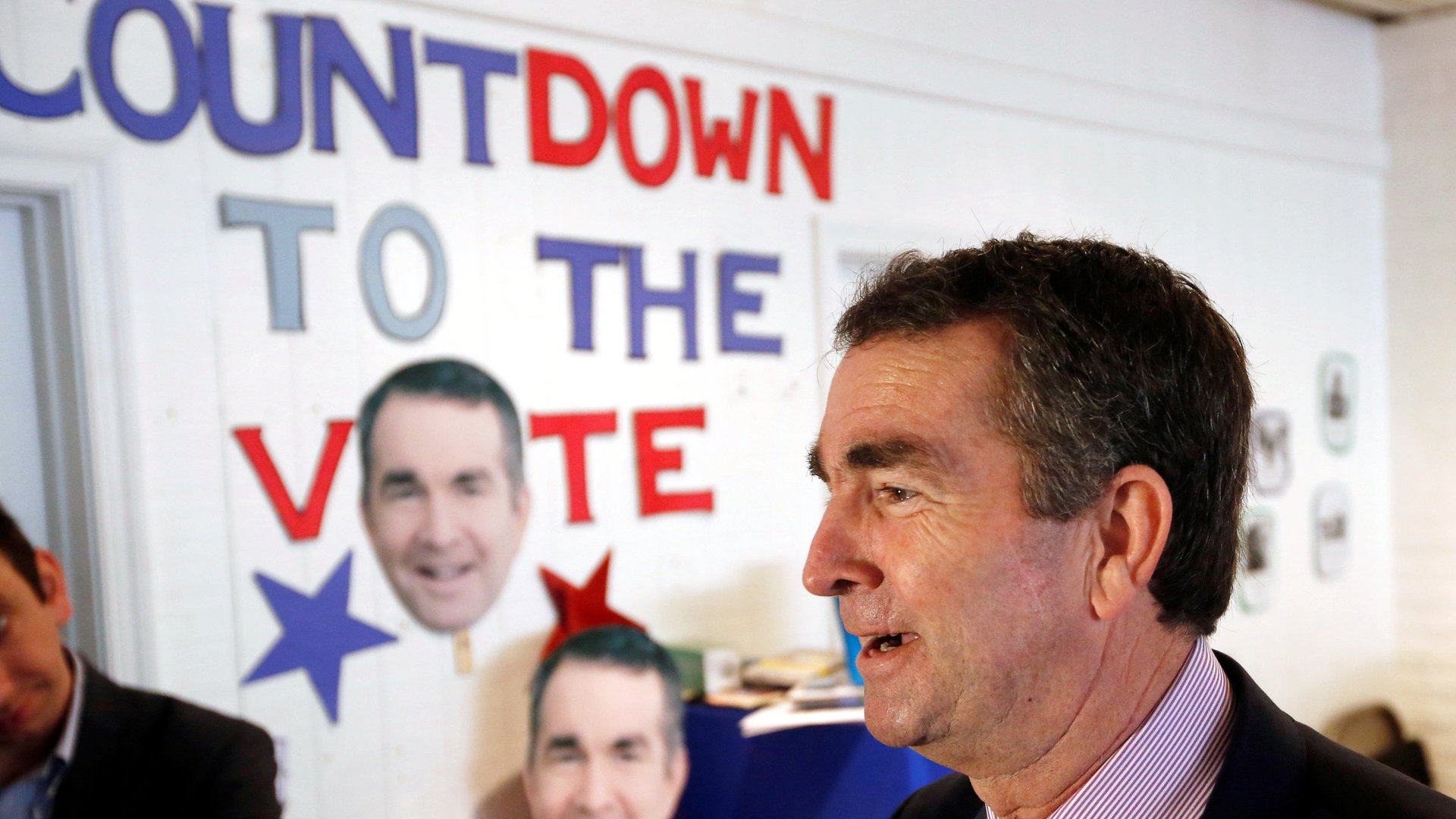
Update, Nov. 7 9:31pm ET: The Associated Press is reporting that early unofficial results show that Democrat Lt. Gov. Ralph S. Northam was elected governor of Virginia Tuesday, overcoming Republican rival Ed Gillespie.
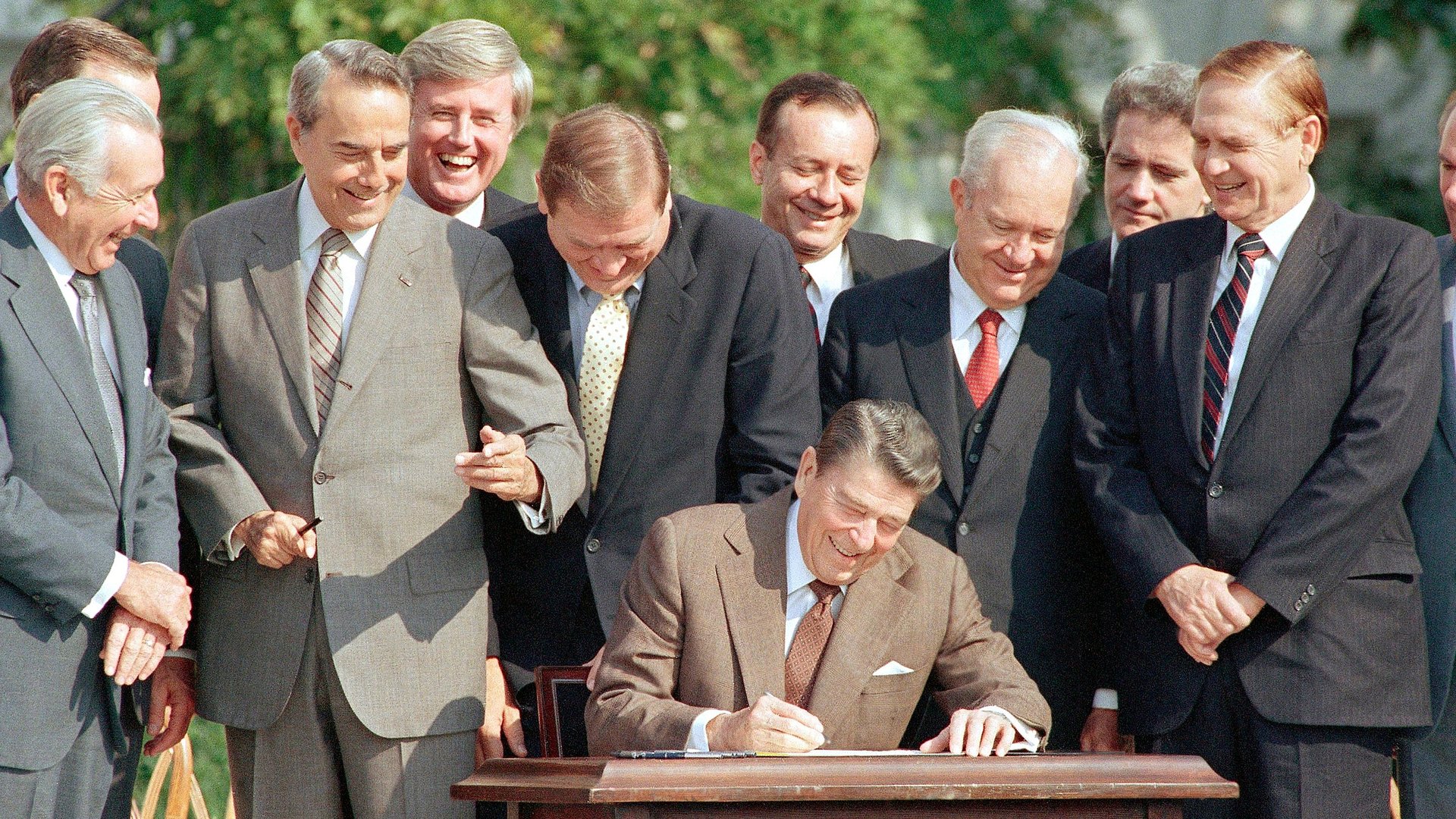
If it wasn’t true before, it’s true now: Donald Trump is the anti-Ronald Reagan.
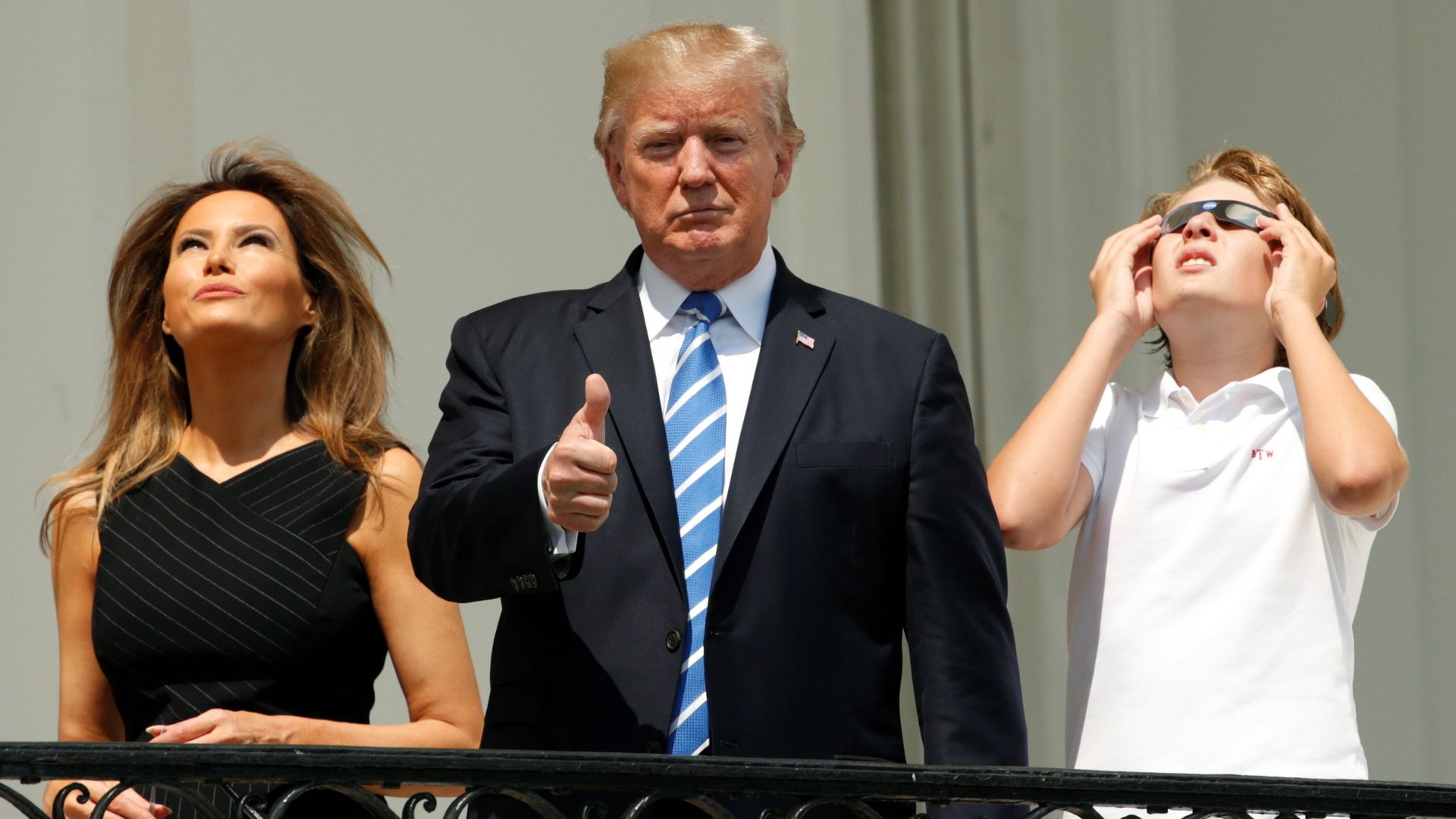
How exactly does the tax bill that US Republicans unveiled yesterday benefit wealthy Americans more than the rest? Let’s use a prototypical example: America’s plutocrat president, Donald Trump.
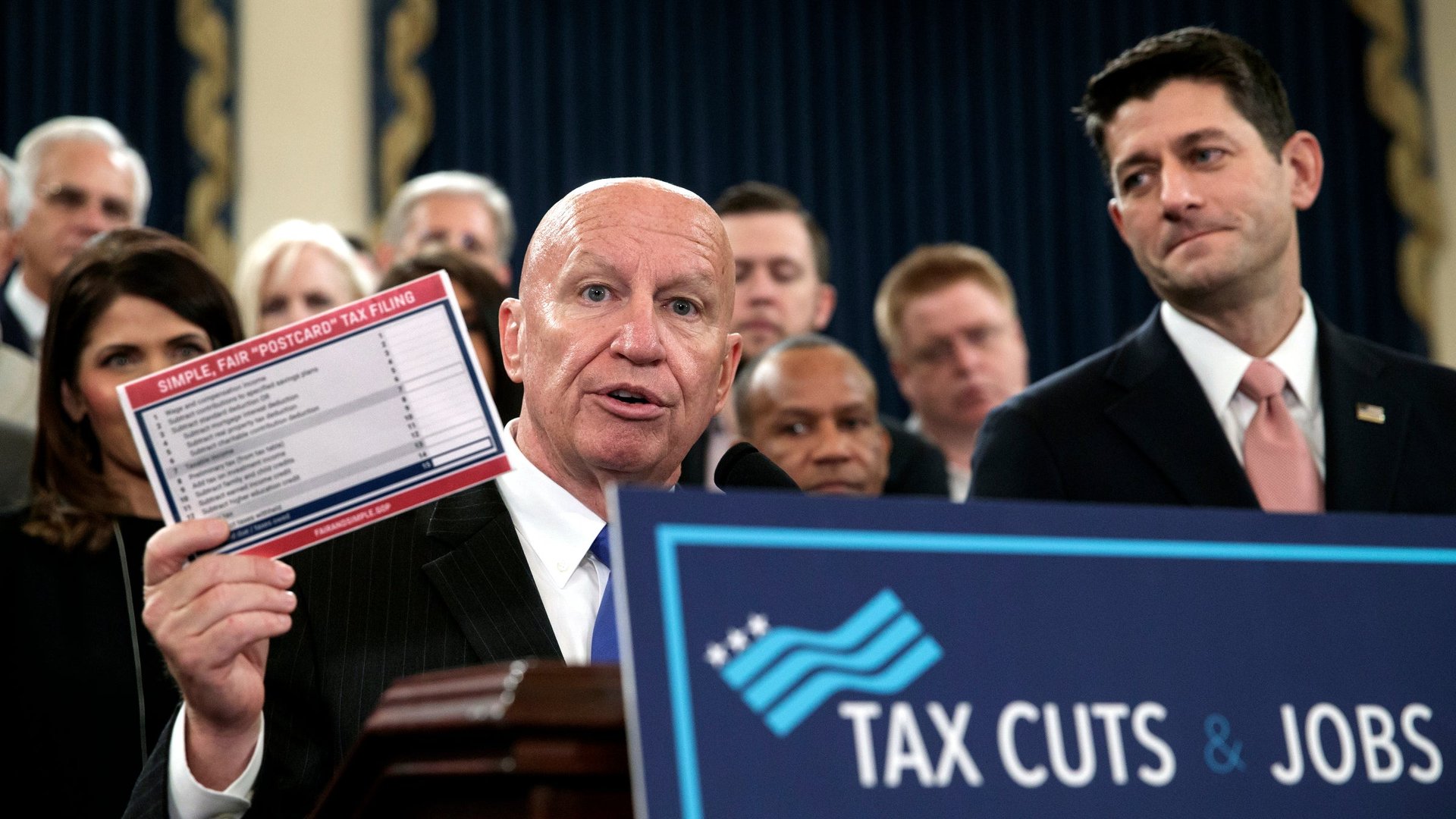
Republican leaders unveiled their tax cut proposal today with a simple message: We are focused squarely on middle Americans living paycheck to paycheck. They emphasized their forecast of a nearly $1,200 reduction in taxes for middle class earners and a far simpler tax return.
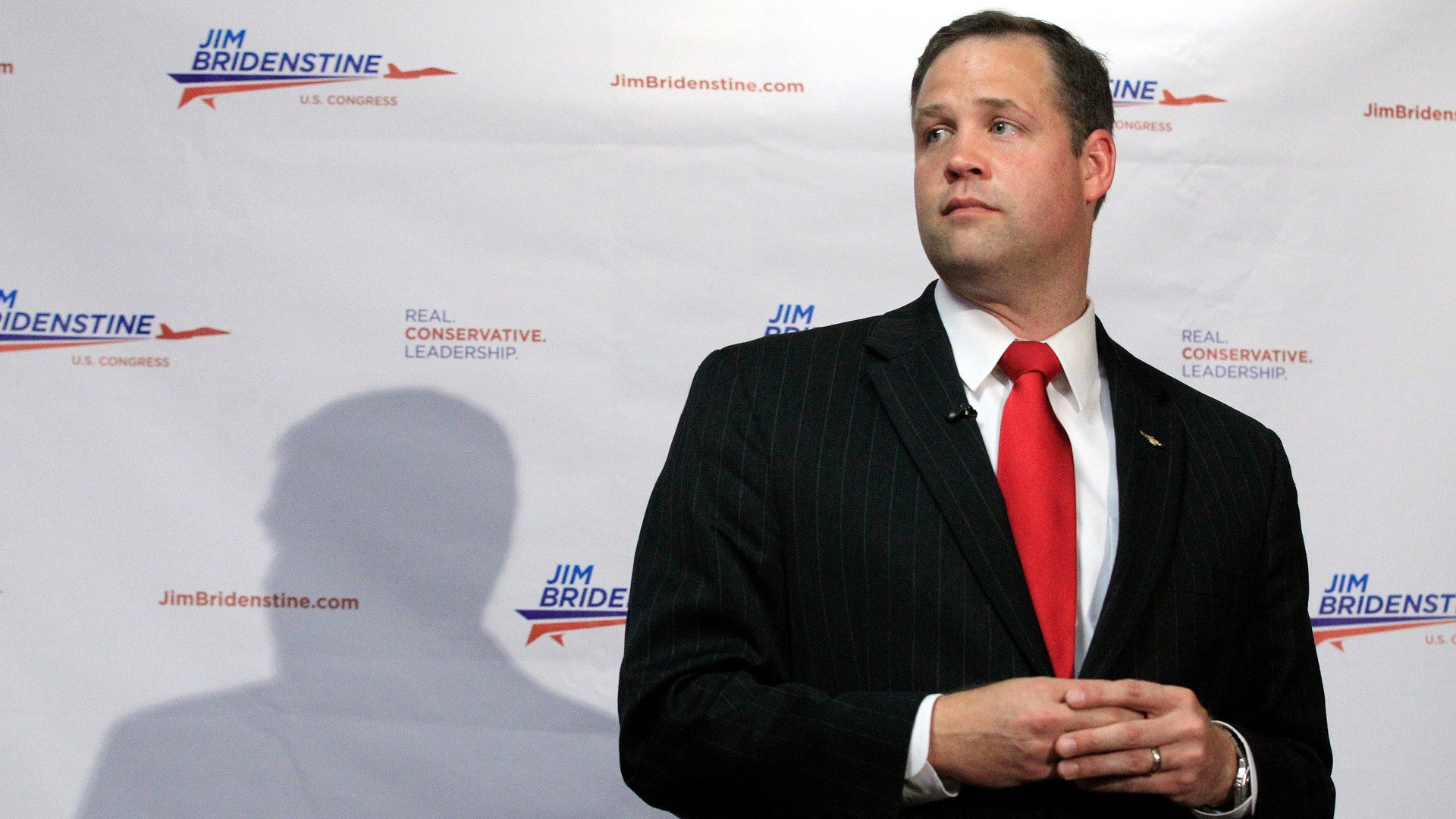
On Wednesday (Nov. 1), senator Bill Nelson leveled a broad attack: You are unqualified, too divisive, and too extreme, with a history of questioning climate science, advocating discrimination against LGBT Americans, and personally attacking people like former president Barack Obama and senator John McCain.

US president Donald Trump’s campaign chairman was indicted for tax fraud, two days before the Republican party plans to roll out more details on its push to cut taxes. Speaker of the House Paul Ryan has insisted the charges won’t derail his push for an accomplishment to take into next year’s elections, but maybe that’s because, as he says, he hasn’t read the indictment. Besides distracting key figures in the White House and weakening Trump’s political clout, the charges against Manafort matter because they underscore who, in the Republican plan, shoulders the tax burden—and who doesn’t.

Elon Musk’s space company will fly its sixteenth rocket to orbit this year, blasting through its previous record and establishing itself as the busiest launch company on earth.
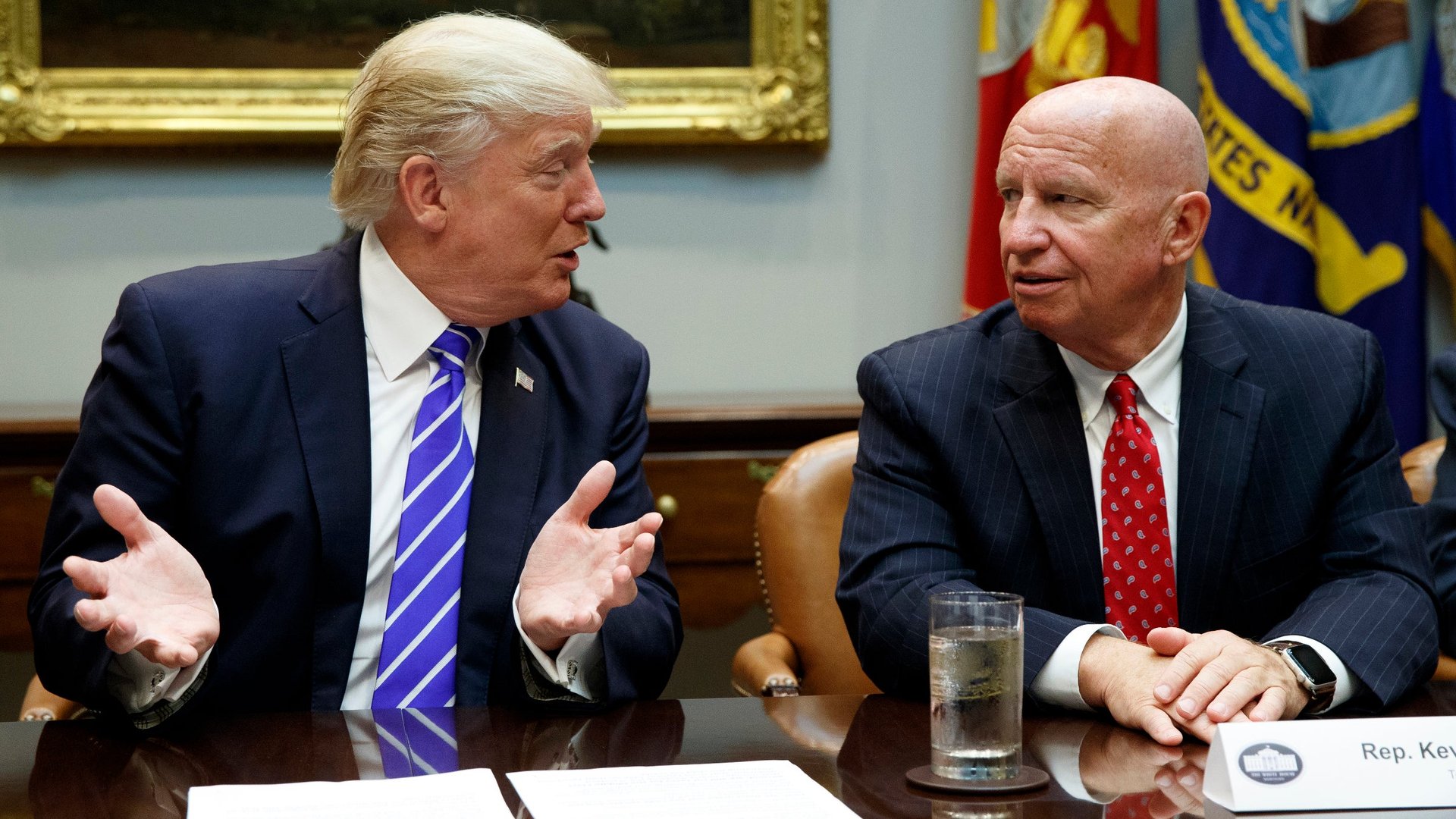
As Republicans in Congress prepare to cut taxes dramatically, they are looking for ways to cover the cost. One idea has dominated the public discussion: Capping the amount of money Americans can contribute to tax-deferred 401(k) savings accounts.
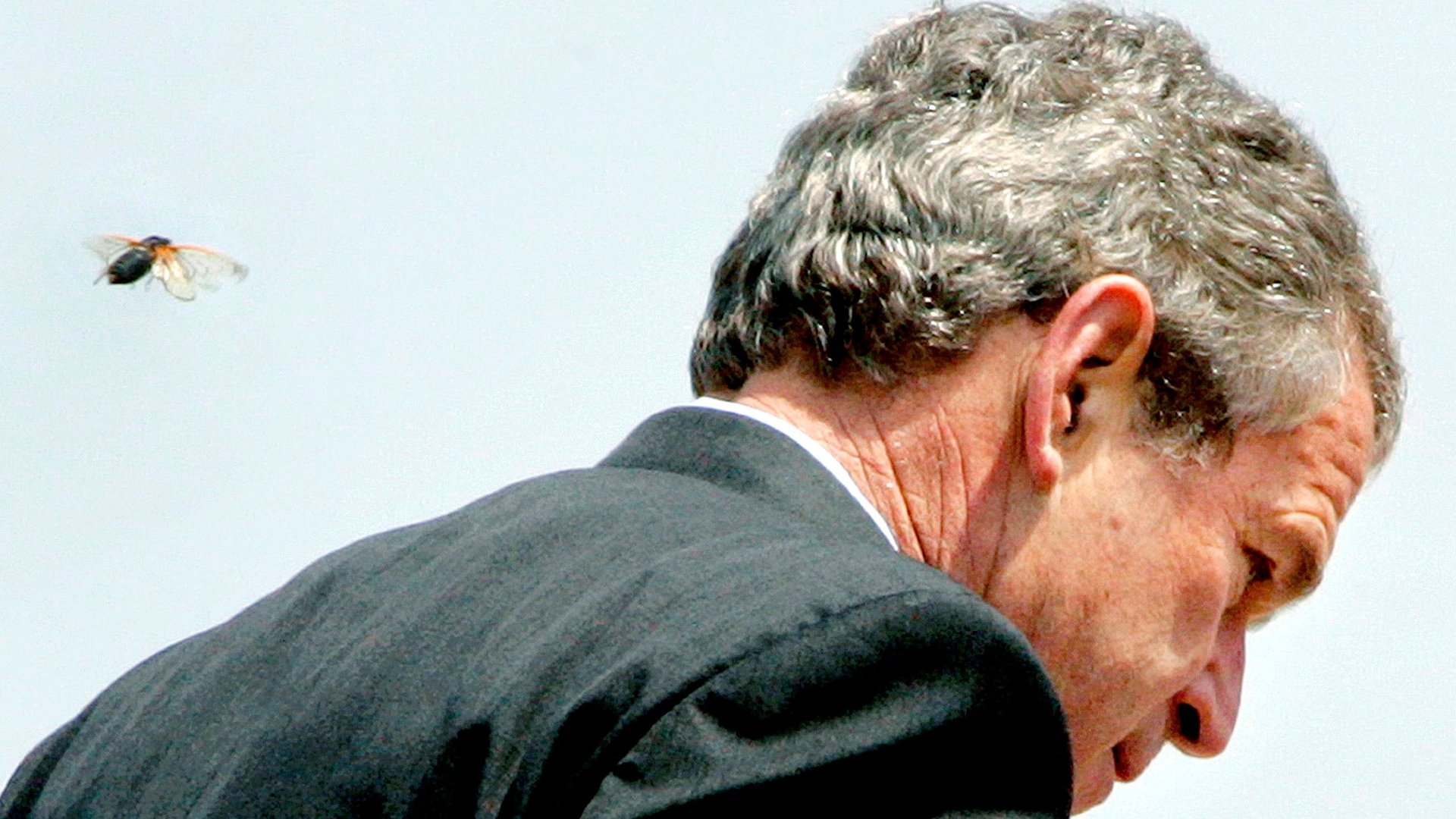
The US pulled the bulk of its diplomats from Cuba in September, blaming attacks on its staff that caused hearing loss and concussions. Cuba has denied any involvement, and now it is offering a counter-explanation: The alleged “sonic attacks” are coming from cicadas and crickets.
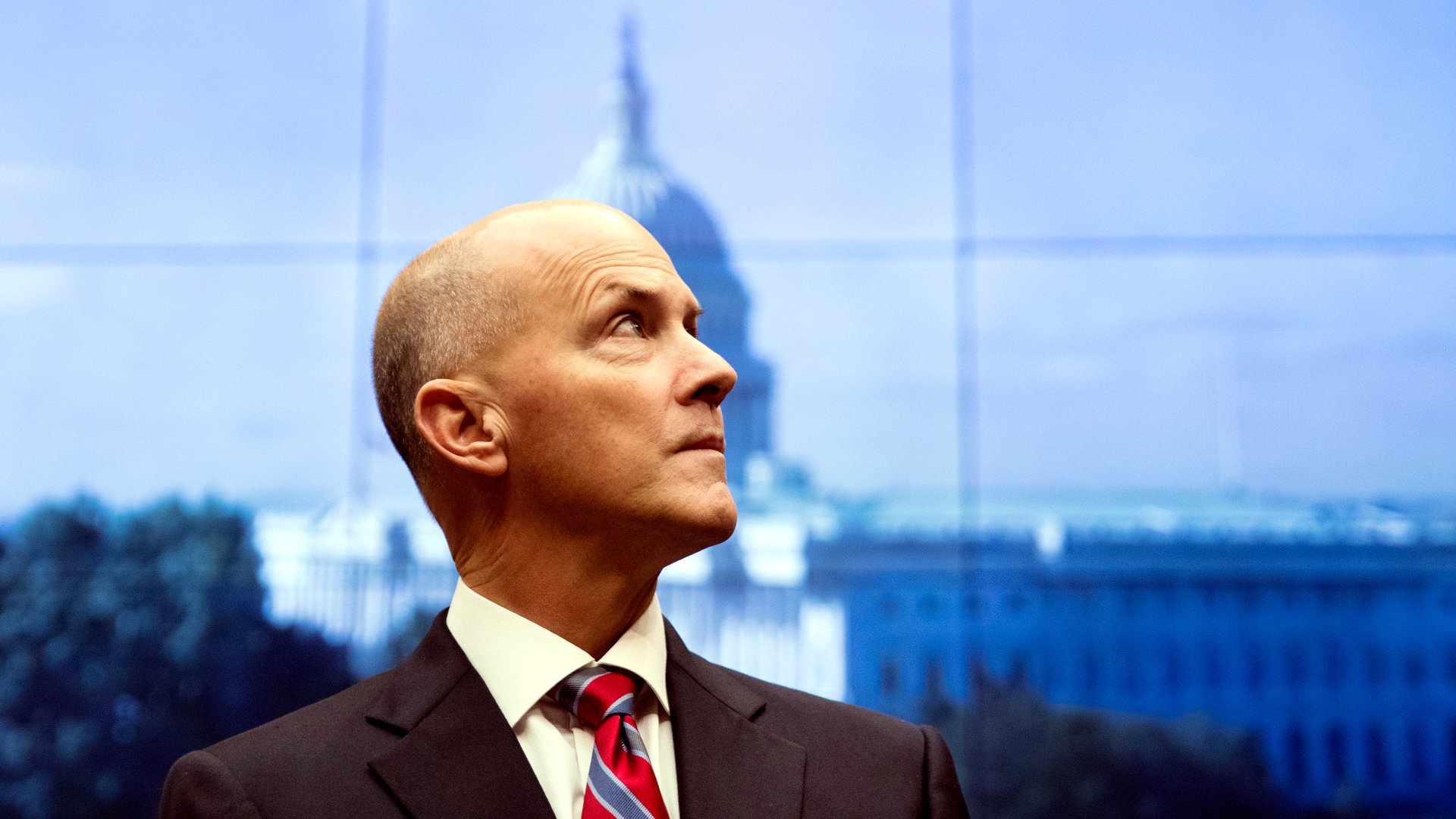
Equifax, the company that exposed the private financial data of 143 million Americans, is set to report earnings today. Are investors worried about the consequences? Not at all.