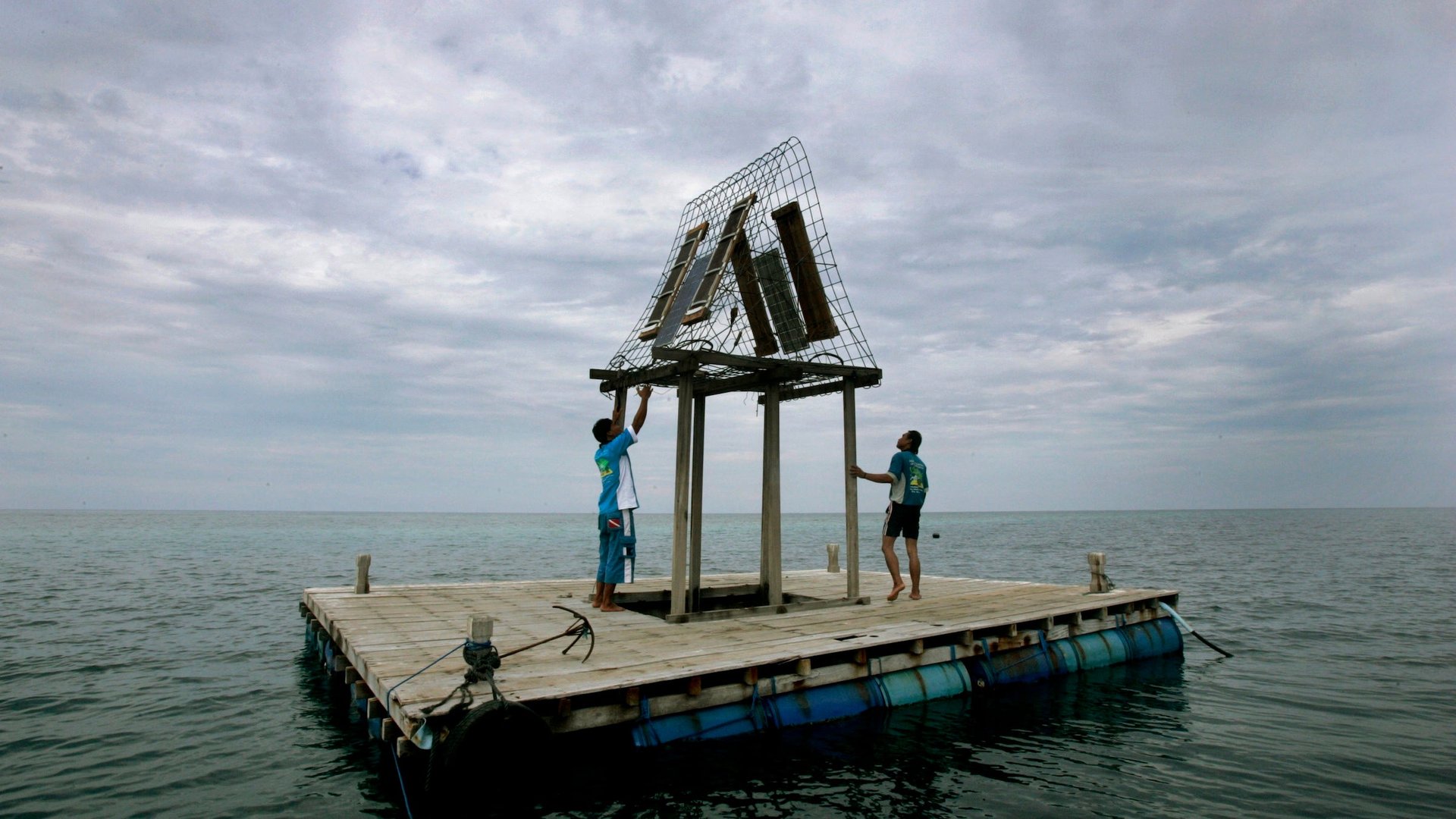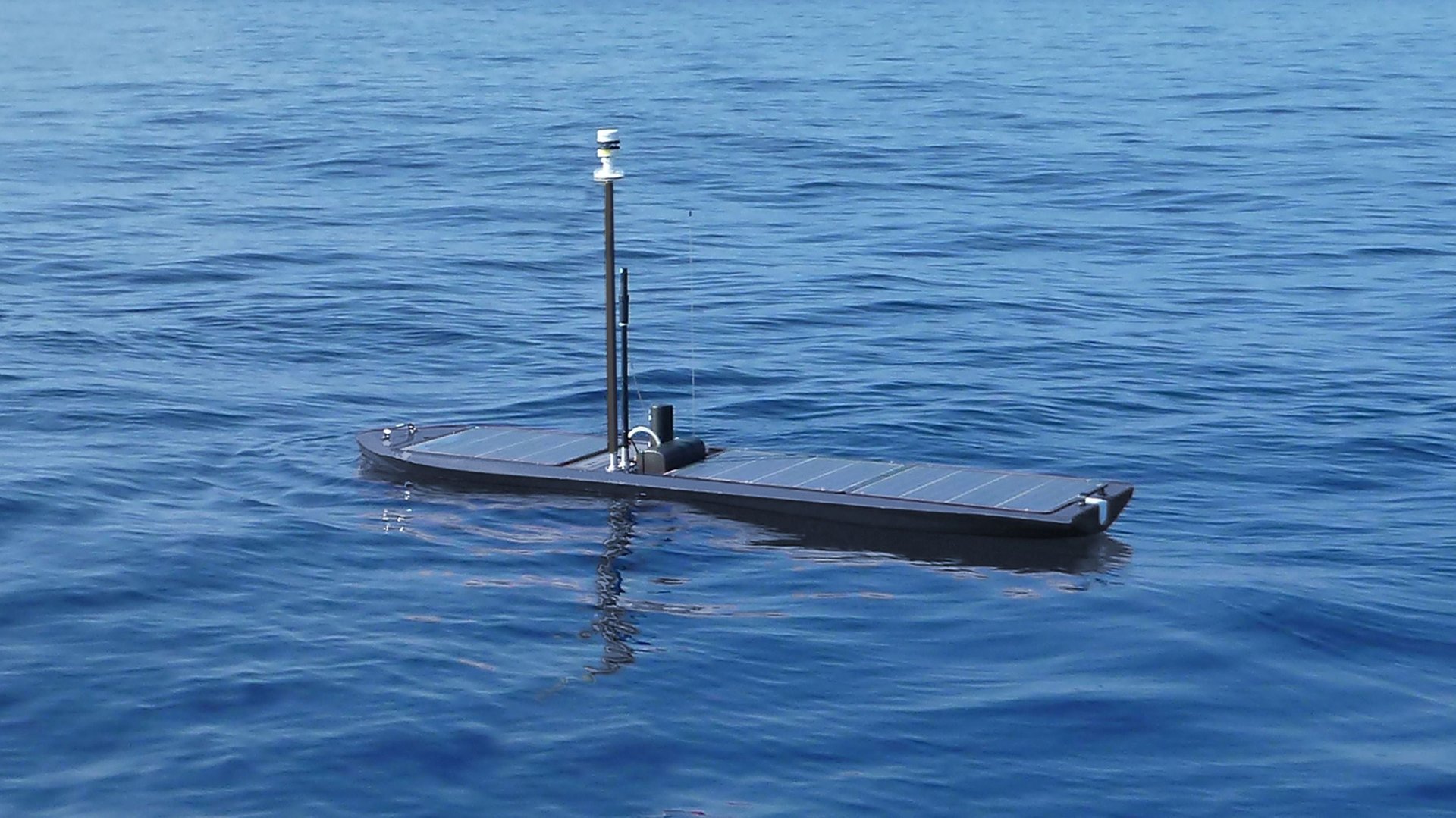
What could be cooler than solar-and-wave-powered robots that roam the oceans collecting data for climate scientists and oil companies while performing top-secret missions for the military? Here’s what: Ones that can think for themselves.

What could be cooler than solar-and-wave-powered robots that roam the oceans collecting data for climate scientists and oil companies while performing top-secret missions for the military? Here’s what: Ones that can think for themselves.

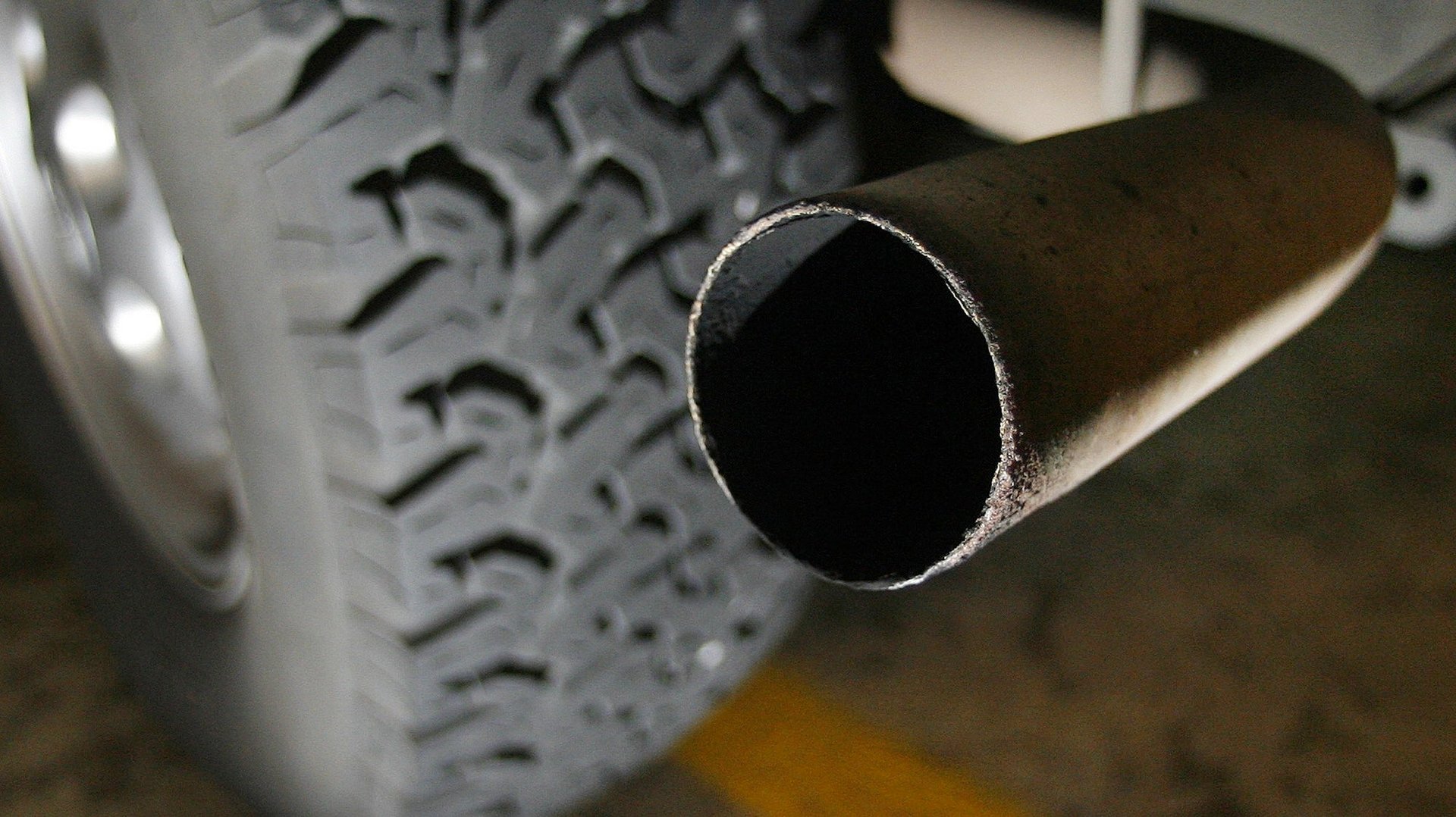
US carbon emissions from energy production last year hit the lowest levels since 1994, according to a report today from the federal Energy Information Administration:

This article has been corrected.

You want an inconvenient truth? Here’s one: Despite the exponential growth of solar energy over the past 13 years, the global production of photovoltaic panels has consumed more electricity than the panels themselves generate, according to a new Stanford University study.

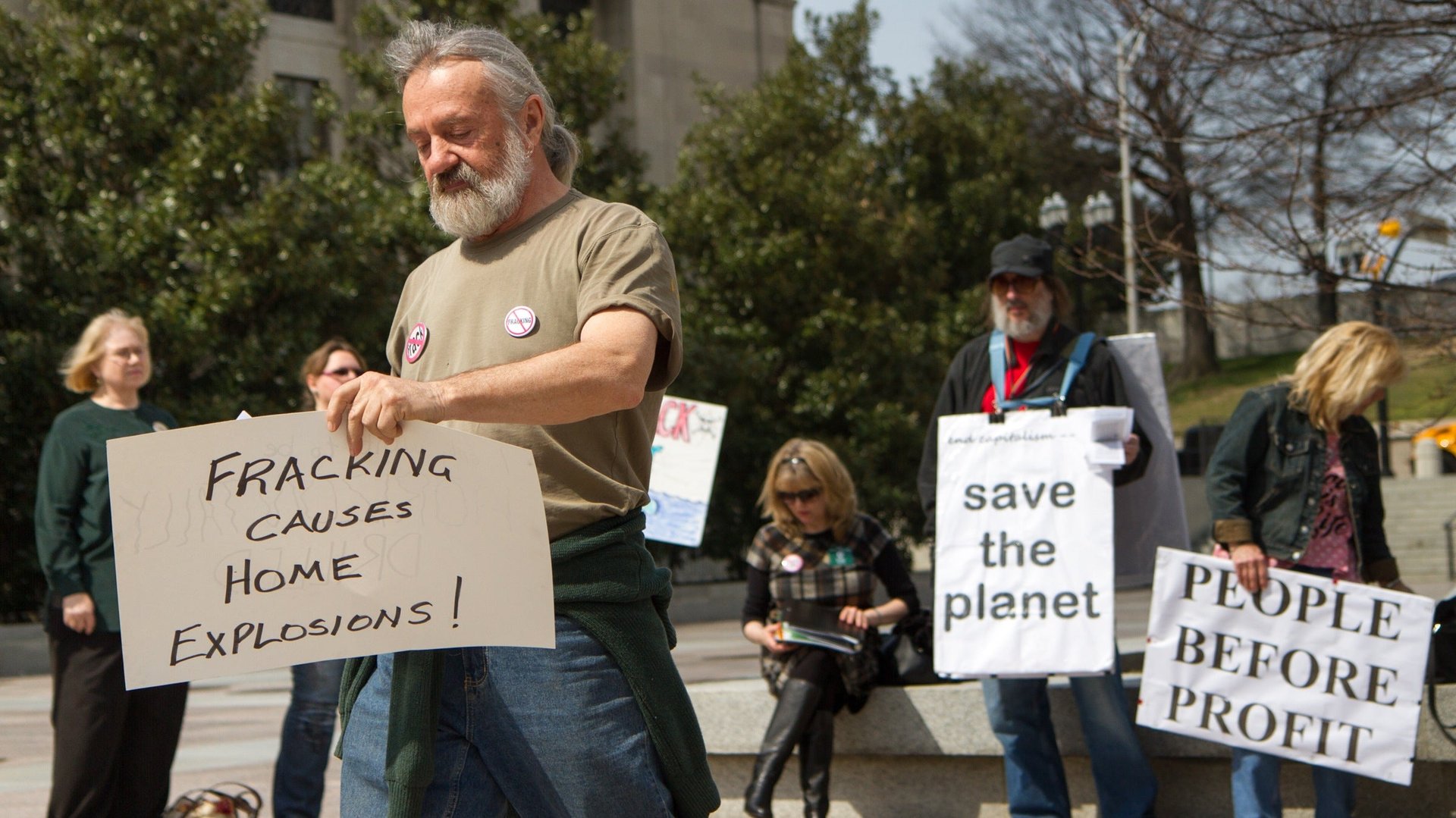
You might expect California, home to vast, untapped reserves of shale oil and a powerful environmental movement, to watch closely every move by its oil and gas industry. But when it comes to the controversial technique of hydraulic fracturing (fracking) used to extract oil and gas from shale, regulators have remarkably little idea what is going on.

Tesla Motor’s “revolutionary” new financing for its Model S luxury electric sports sedan will set you back about $1,199 a month. Or a more manageable $500—if, that is, you value your time at $140 an hour.

What’s Elon Musk up to now? Last week the chief executive of electric carmaker Tesla Motors cryptically tweeted this:

Malaysia, the Philippines and other Asia-Pacific nations used to be the places where solar panels made by American companies such as First Solar and SunPower were assembled, but not sold. Now, however, those countries are also becoming serious markets for the panels in their own right.

New vehicle and gasoline emissions regulations proposed by the US Environmental Protection Agency today will slash harmful pollutants. They’ll also make it harder for Chinese automakers to break into the American market.

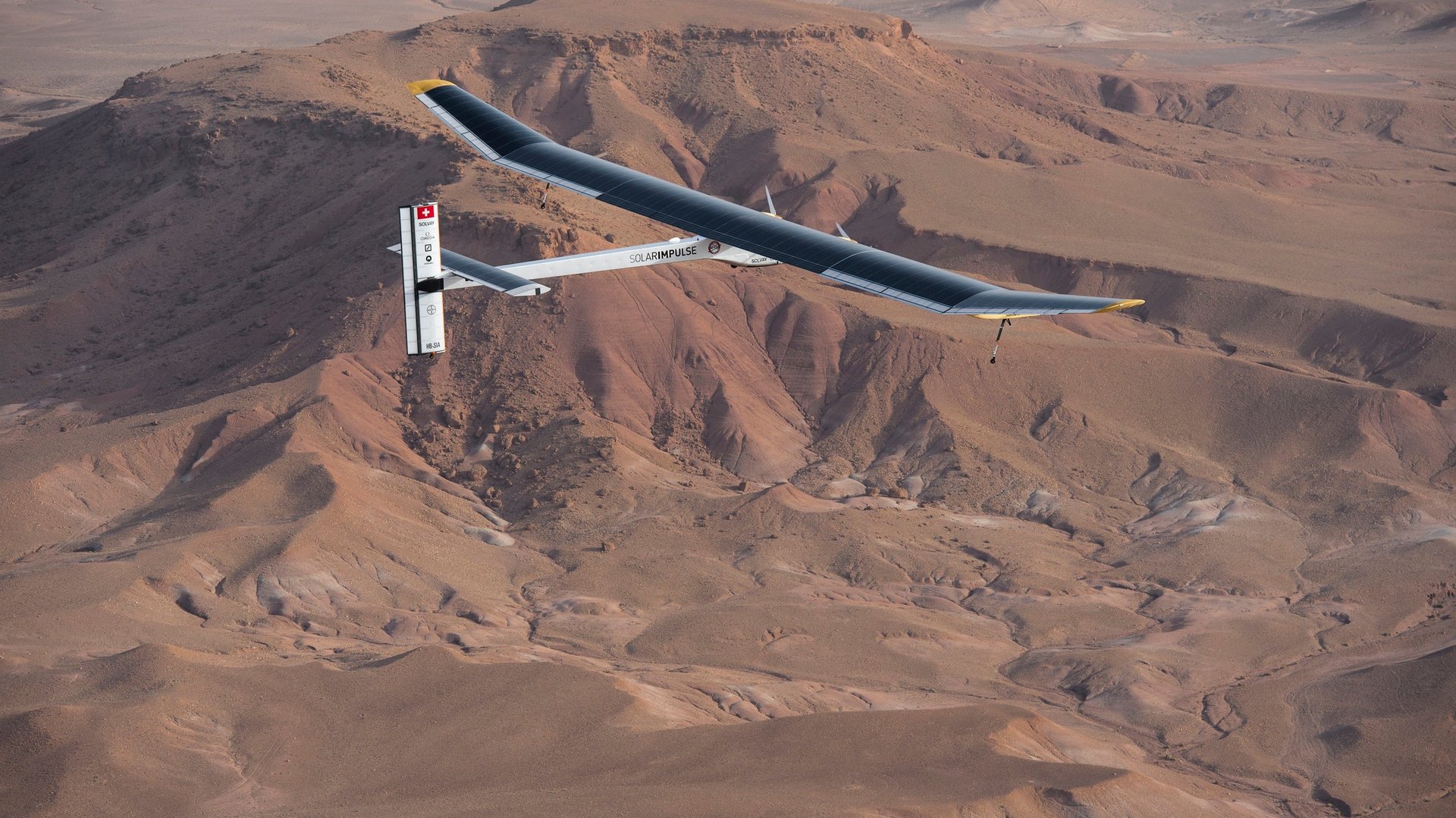
This could give OPEC ministers some nightmares: On May 1, a plane is set to take off from Silicon Valley and fly to New York without using a drop of fuel, powered solely by some 2,000-square feet of solar cells covering its wings.

US president Barack Obama has pursued an energy policy he describes as “all of the above,” a bit of Bill Clinton-style triangulation that seeks to boost production from carbon-intensive oil and gas drilling while promoting clean technologies like solar and wind.

This article has been corrected.

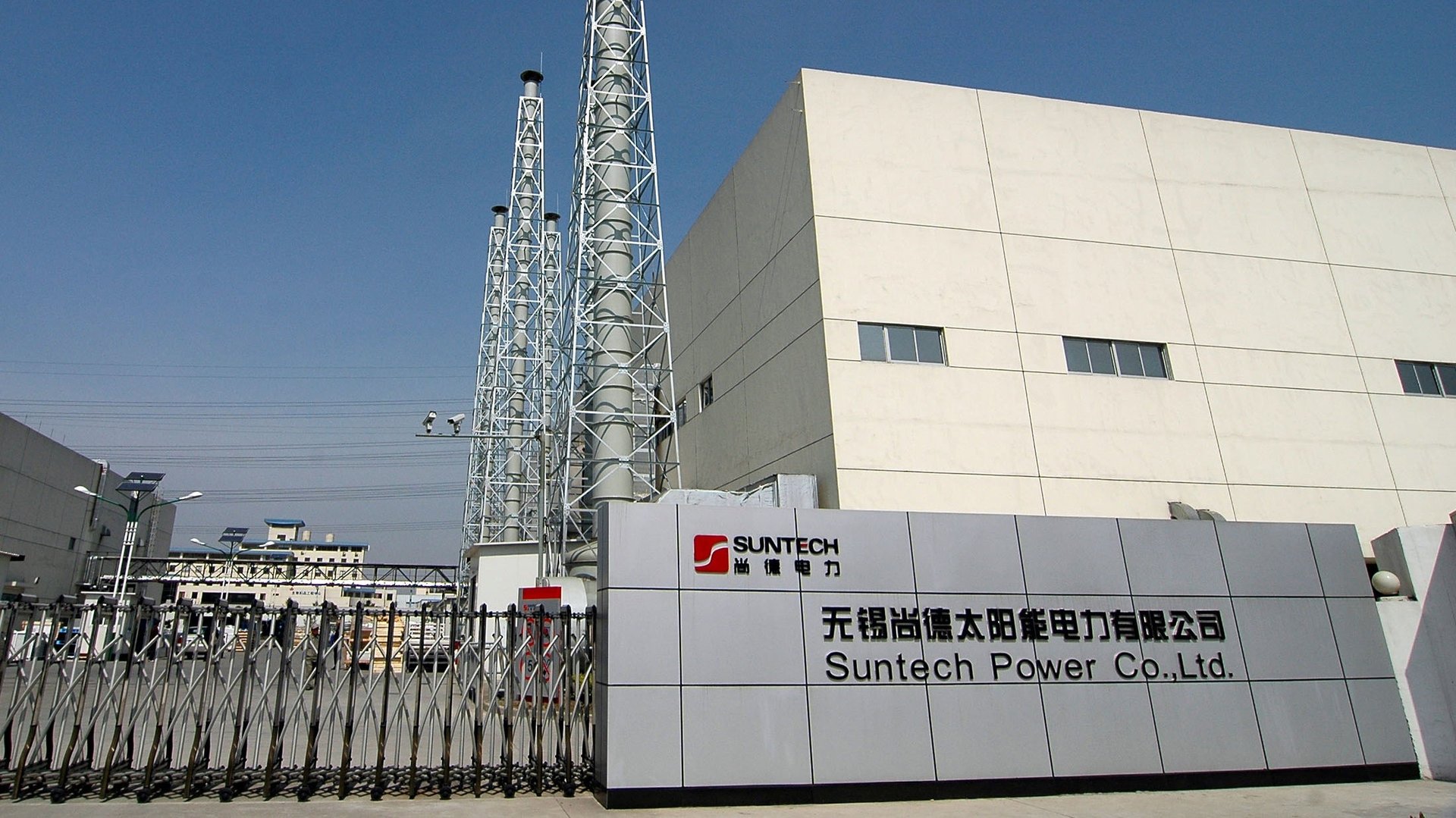
Zhengrong Shi did some rather eyebrow-raising deals when he ran Suntech, China’s biggest solar panel maker. And now the Chinese authorities are, belatedly, getting interested. They have reportedly prohibited Shi and current Suntech CEO David King from leaving the country while an investigation into the struggling company’s finances unfolds.

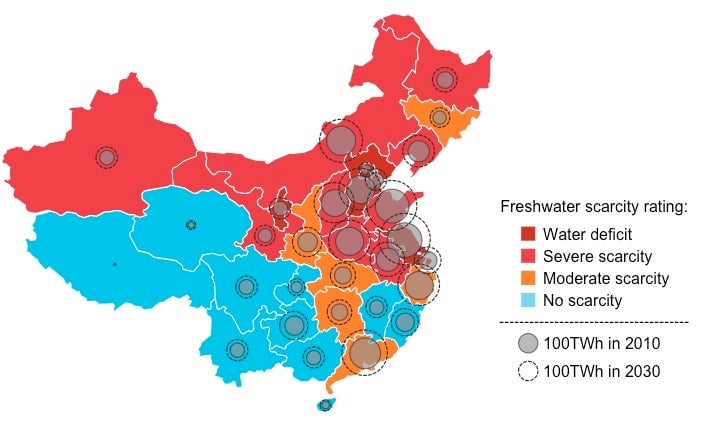
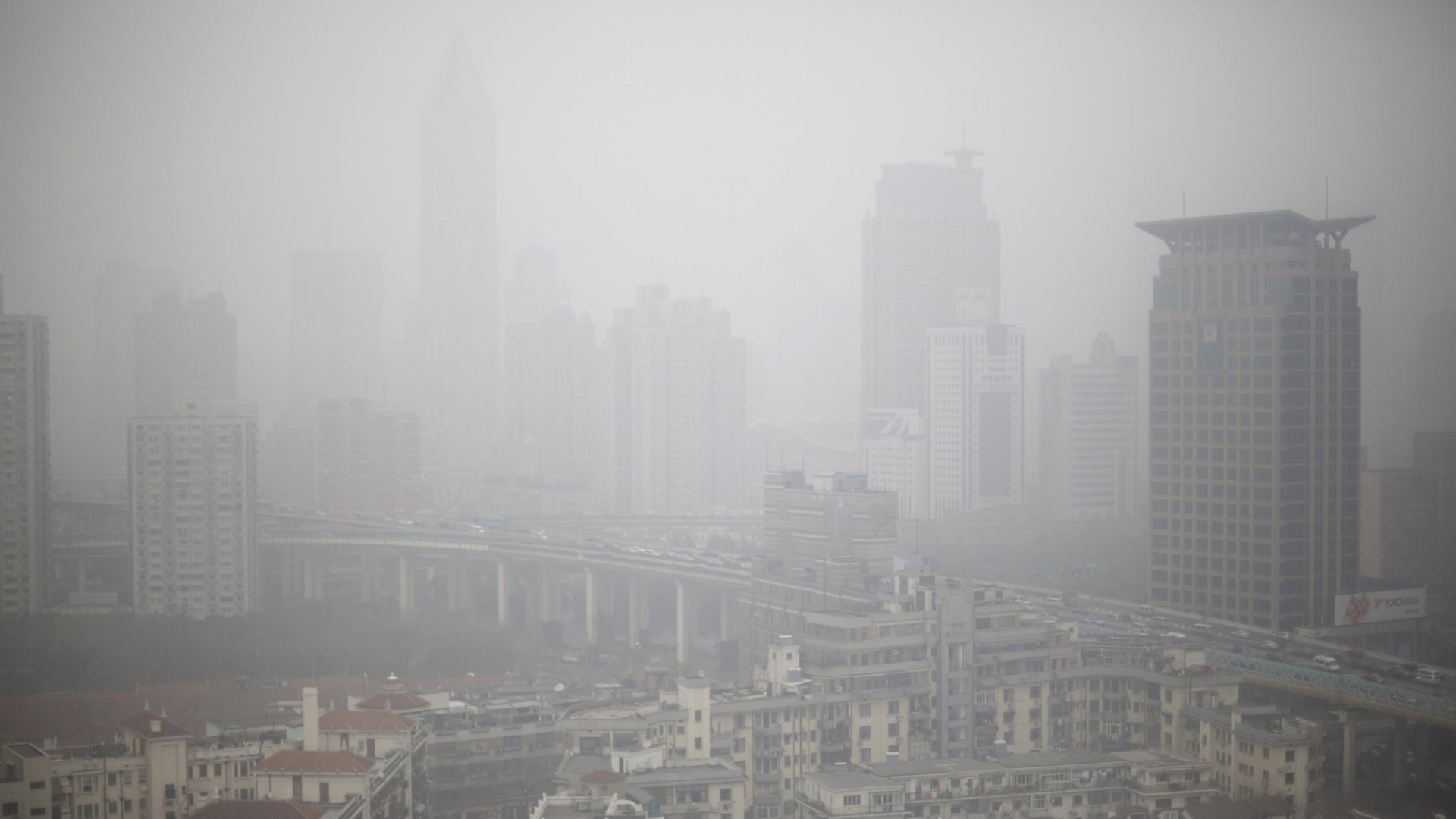
For those keeping track of China’s looming environmental apocalypse, here’s another thing to worry about: The nation’s coal-fired power plants face severe water shortages that could disrupt their operations—and the economy—in the years ahead.

Those iconic Apple Macs, iPhones and iPads now come in green.

For good (Apple) and bad (Lindsay Lohan), California is a global pacesetter. That’s particularly true when it comes to environmental policy and efforts to forge a sustainable economy. A report released this week by Next 10, a San Francisco-based non-profit, charts California’s progress in everything from securing clean tech patents to slashing carbon emissions.

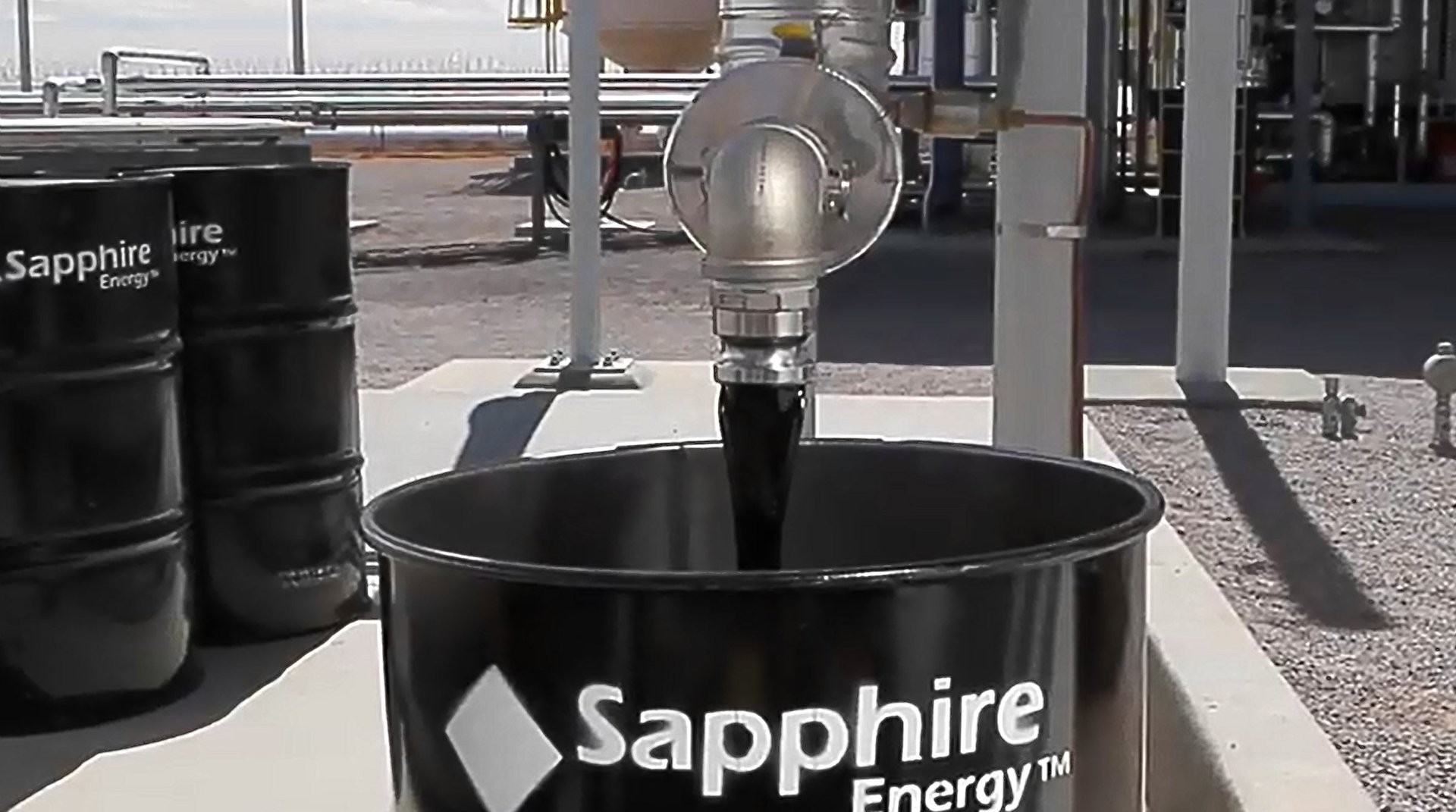
On the scale of oil production, from supergiant oil fields to marginal shale reserves, Sapphire Energy’s output ranks as “artisanal.” In a deal announced yesterday, Sapphire will, for the rest of 2013, supply US oil refiner Tesoro with precisely two barrels, or 84 gallons, of oil a day. Tesoro’s refineries can handle 675,000 barrels a day.

Since former US Treasury Secretary Henry M. Paulson Jr., left Washington, the former Goldman Sachs chief executive has devoted much of his time to promoting sustainable economic growth and combating climate change– in China.

Solar panel maker Suntech said today that eight Chinese banks had filed a petition with a local court to declare the company’s Chinese operations bankrupt. Once the world’s biggest solar module manufacturer, Suntech’s Chinese subsidiary, Wuxi Suntech Power Holdings, owes $1.4 billion to Chinese banks, according to a presentation made to bondholders last November. This morning, Suntech had a market cap of $106 million.

In a sign that a Chinese government takeover of embattled solar panel maker Suntech may be imminent, the company today announced it has appointed an executive from a state-owned holding company as its president. He is Weiping Zhou, who most recently served as chairman of Guolian Futures, a unit of Wuxi Guolian Development Group, a local government-owned conglomerate. The board also appointed a new director, Philip Fan, an industrial developer.

Silicon Valley startup Liquid Robotics said today that it has raised $45 million in new funding to expand its fleet of autonomous solar-and-wave powered robots that are roaming the world’s oceans collecting data for oil companies, climate scientists and the US military.

Estimates of oil and gas reserves are readily available, if much debated. But what about the world’s supplies of renewable energy – just how much wind, solar and biofuels can be tapped in the decades ahead?

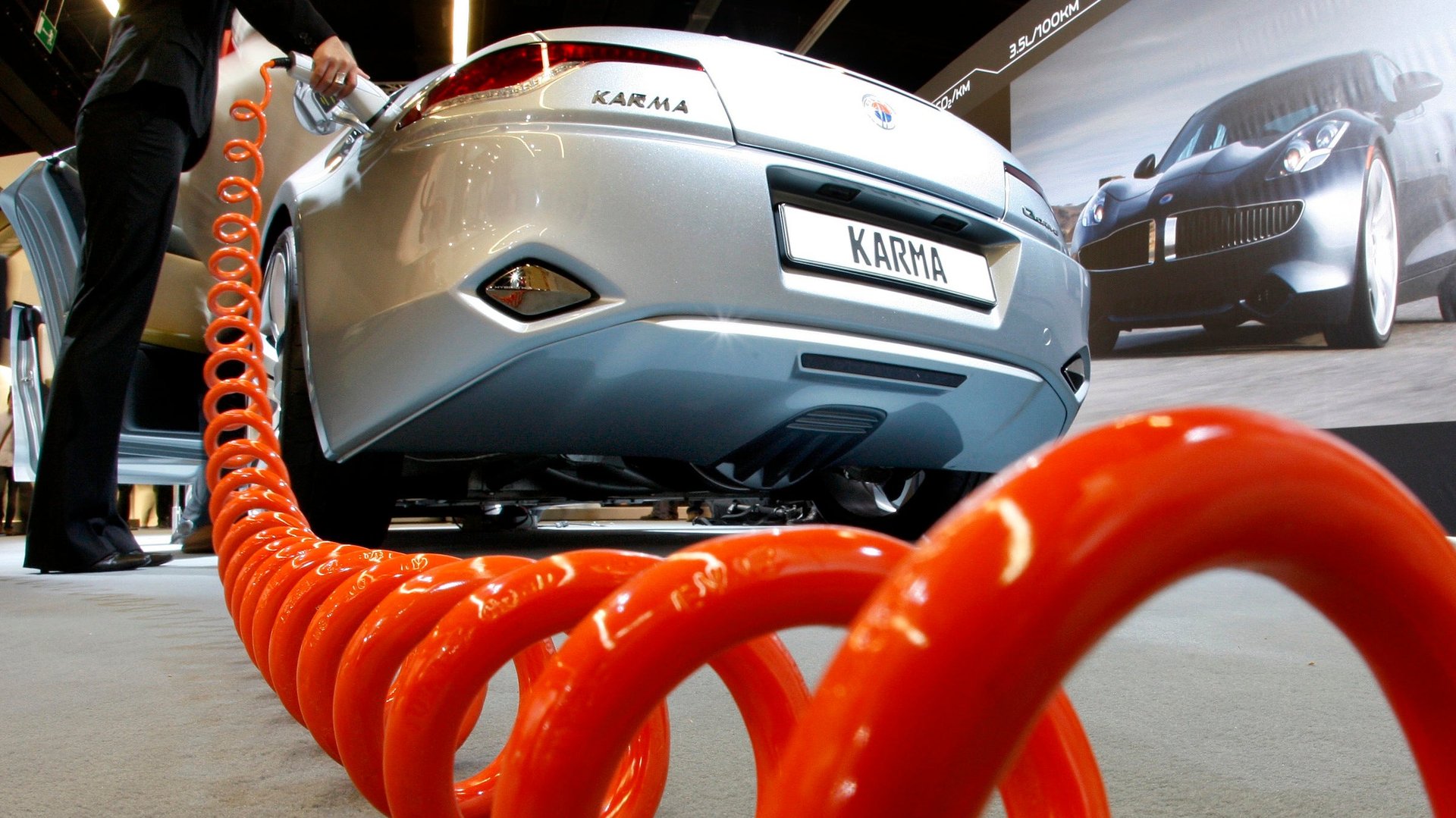
China’s appetite for failing American green-tech firms may seem insatiable, as we’ve reported before—but it’s not undiscriminating. Reuters today reports that China’s Zhejiang Geely Holding Group has shelved its bid for Fisker Automotive, the troubled California startup that makes the Karma, a $108,000 plug-in hybrid electric sports sedan once seen as a rival for Tesla Motors’ all-electric Model S.

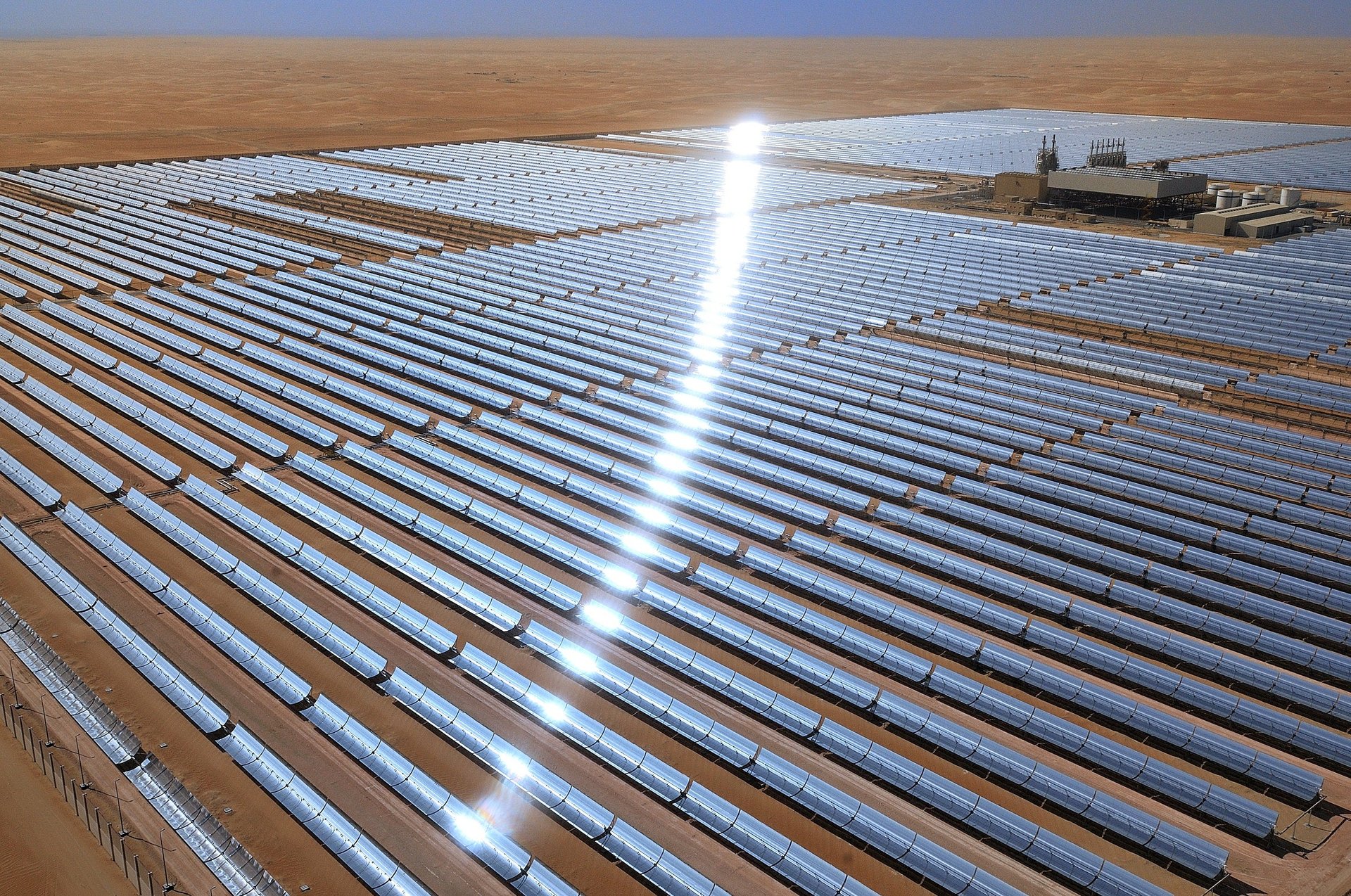
The world’s largest solar thermal power plant went online yesterday—in Abu Dhabi.