
5 of the best travel apps, according to Reader’s Digest
These Reader’s Digest travel apps help with flights, planning, navigation, and road trips — making travel smoother, cheaper, and less chaotic
-1920x1357.jpg)
Dino Reichmuth / Unsplash
Travel has a way of making even the most organized person question their life choices.
One minute you’re confidently packing like a seasoned frequent flyer. The next, you’re sitting on your suitcase, staring at five confirmation emails, a delayed flight notification, and a hotel address you’re reasonably sure you saved somewhere but can no longer locate in the known universe.
It’s not even the big problems that get you. It’s the small, constant ones—gate changes, booking codes, maps that won’t load, and the creeping suspicion that you may have booked the wrong day entirely.
Reader’s Digest leans into a very comforting truth: the best travel apps don’t make travel glamorous—they make it functional. They absorb the friction, organize the chaos, and quietly keep things from falling apart while you’re busy trying to enjoy yourself.
Because modern travel isn’t one task. It’s a stack of them. Flights to track. Hotels to confirm. Routes to figure out. Currency to convert. Plans that somehow always shift mid-trip. And somewhere in there, you’re supposed to relax.
These apps step in where memory, patience, and printed itineraries used to fail. They help smooth out the logistics so the actual travel part—the new places, the good meals, the unexpected detours—can take center stage instead of the panic in the background.
Here are five that stand out.
1. Kayak — the “I just need options, please” app
Global Residence Index / Unsplash
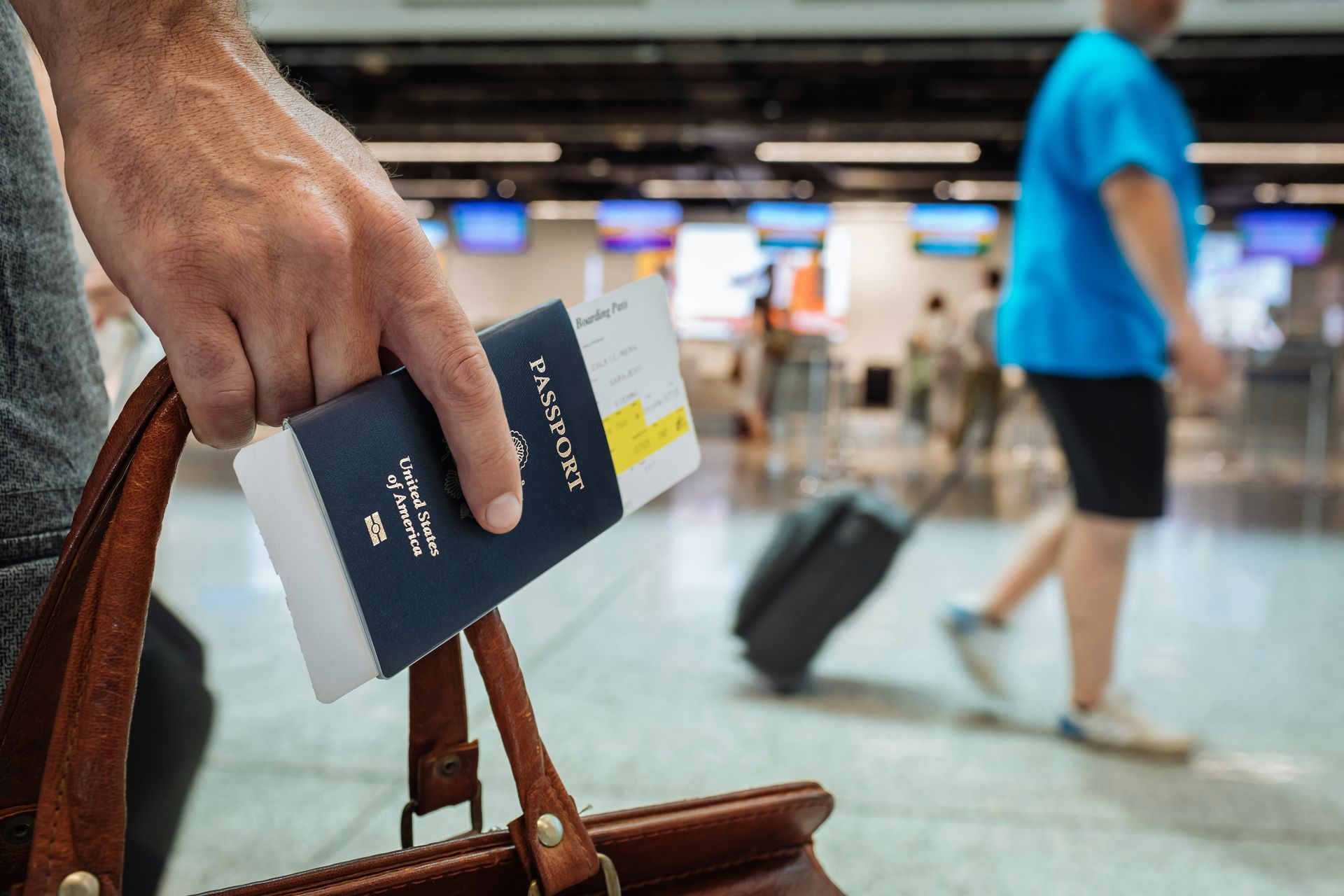
Kayak is what you open when you’re no longer emotionally attached to any one travel plan.
Reader’s Digest describes it as a flight-search tool that compares airlines, departure times, stops, and prices so you can actually see what’s out there instead of jumping between tabs like it’s a sport.
It also handles hotels and car rentals, which means fewer apps and fewer “wait, where did I see that deal?” moments.
It’s basically the digital version of laying all your options on the floor and sorting through them until something makes sense again.
2. TripIt — the organizer that fixes your email chaos

Ilnur Kalimullin / Unsplash
TripIt has one job: take your messy travel inbox and pretend you had a system all along.
According to Reader’s Digest, you forward your confirmations—flights, hotels, PDFs, QR codes—and it builds a clean, single itinerary you can actually follow.
No more digging through emails at airport security like you’re solving a puzzle under pressure.
It quietly turns “Where am I supposed to be?” into “Oh, right, I’m a functioning traveler.”
3. Hopper — your personal “should I book this yet?” advisor
Z / Unsplash
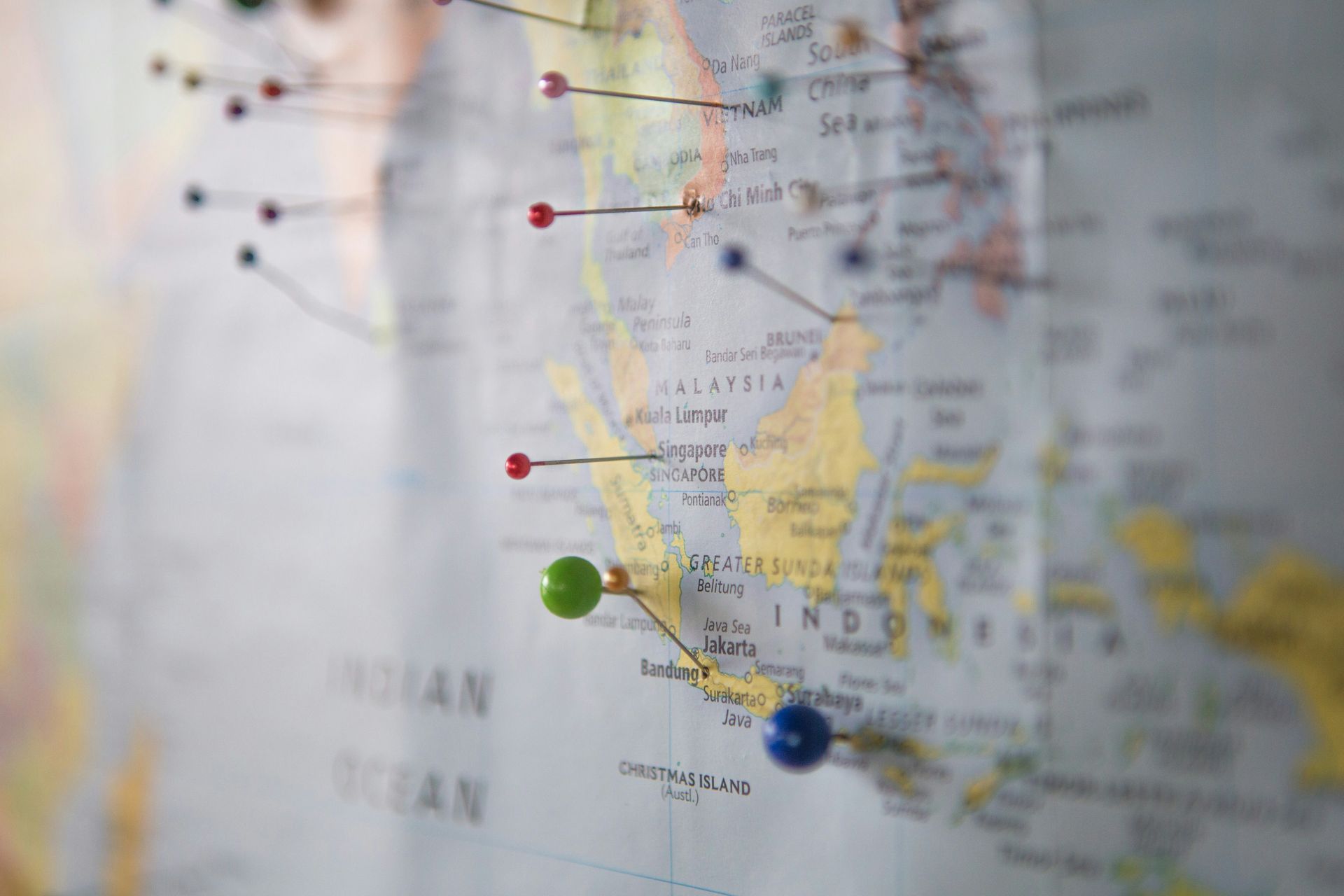
Hopper exists for people who have ever refreshed a flight price more than twice and started feeling personally attacked by it.
Reader’s Digest explains that the app tracks flights and predicts the best time to book, helping you figure out when prices are likely to drop.
It can also send alerts when fares change, which is basically like having someone whisper, “Don’t panic buy yet.”
It won’t eliminate travel anxiety, but it does give it a schedule.
4. Google Maps — the one app everyone forgets they depend on
Henry Perks / Unsplash
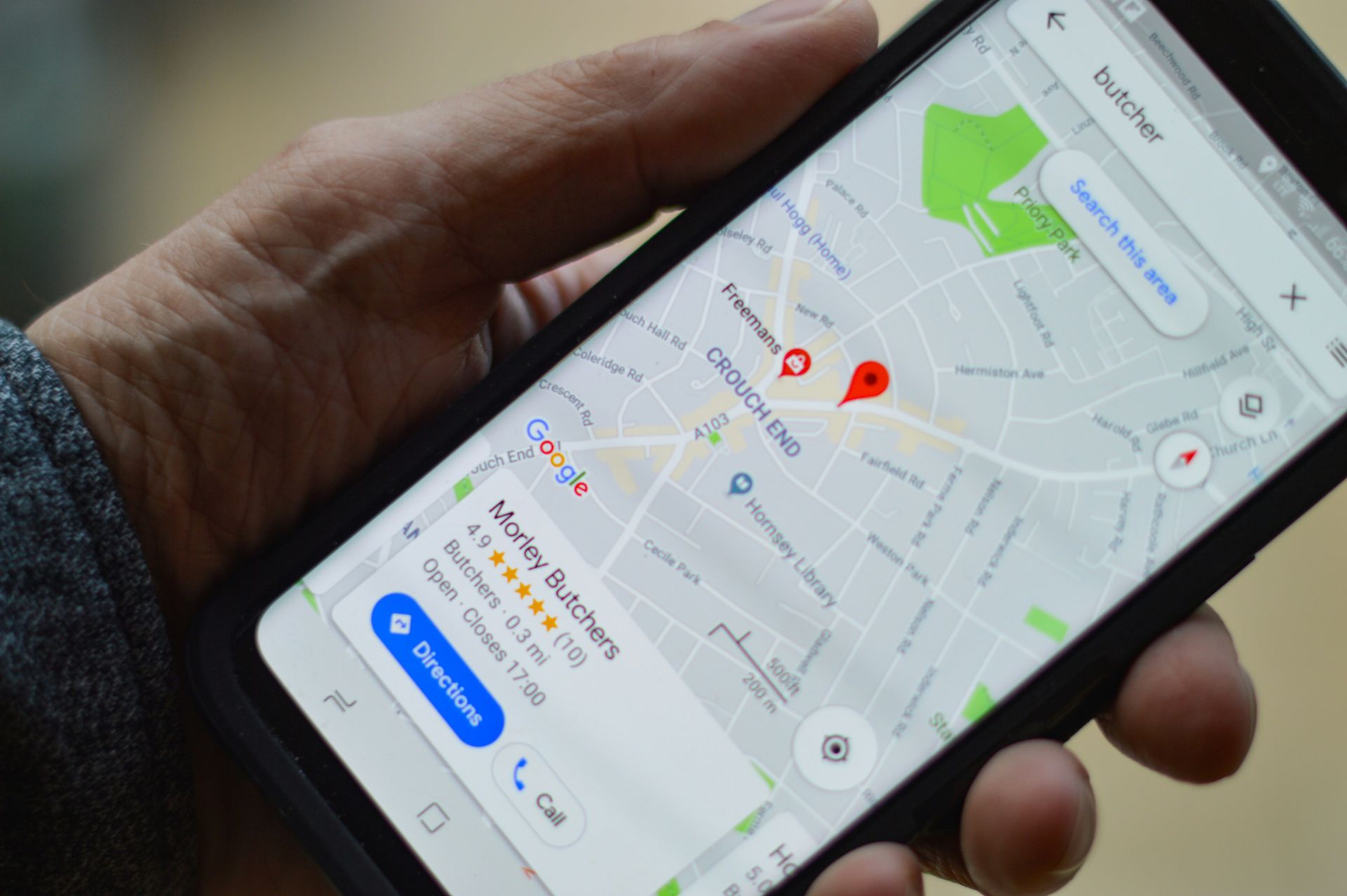
Google $GOOGL Maps is the quiet MVP of travel.
Reader’s Digest highlights its ability to give real-time navigation, traffic updates, and nearby places like gas stations, pharmacies, and restaurants.
The offline maps feature is the unsung hero here—because nothing humbles a traveler faster than “no signal” in a place they definitely need directions in.
It covers over 220 countries, which basically makes it the universal “I’m lost, please help” button.
5. Waze — the app that knows what traffic is doing before you do
-1920x1281.jpg)
Harley Davidson / Unsplash
Waze is navigation with opinions.
Reader’s Digest describes it as a crowdsourced driving app that uses real-time input from other drivers to reroute you around traffic jams, accidents, and whatever else is ruining the road that day.
It also flags things like rest stops and speed traps, which feels less like navigation and more like having a very alert passenger in your phone.
It’s especially useful when roads decide to become unpredictable right when you’re late.