LAS VEGAS — Smart thermostats? They're old news. Smart TVs? Been there, done that. But smart toilets? That's a level of home automation that few have been willing to breach.

AI is everywhere at this year's Consumer Electronics Show, including one appliance where you would never expect to find it
LAS VEGAS — Smart thermostats? They're old news. Smart TVs? Been there, done that. But smart toilets? That's a level of home automation that few have been willing to breach.
At this year's CES show, however, a pair of tech companies are hoping people will make the smart potty their number one (and number two) priority.
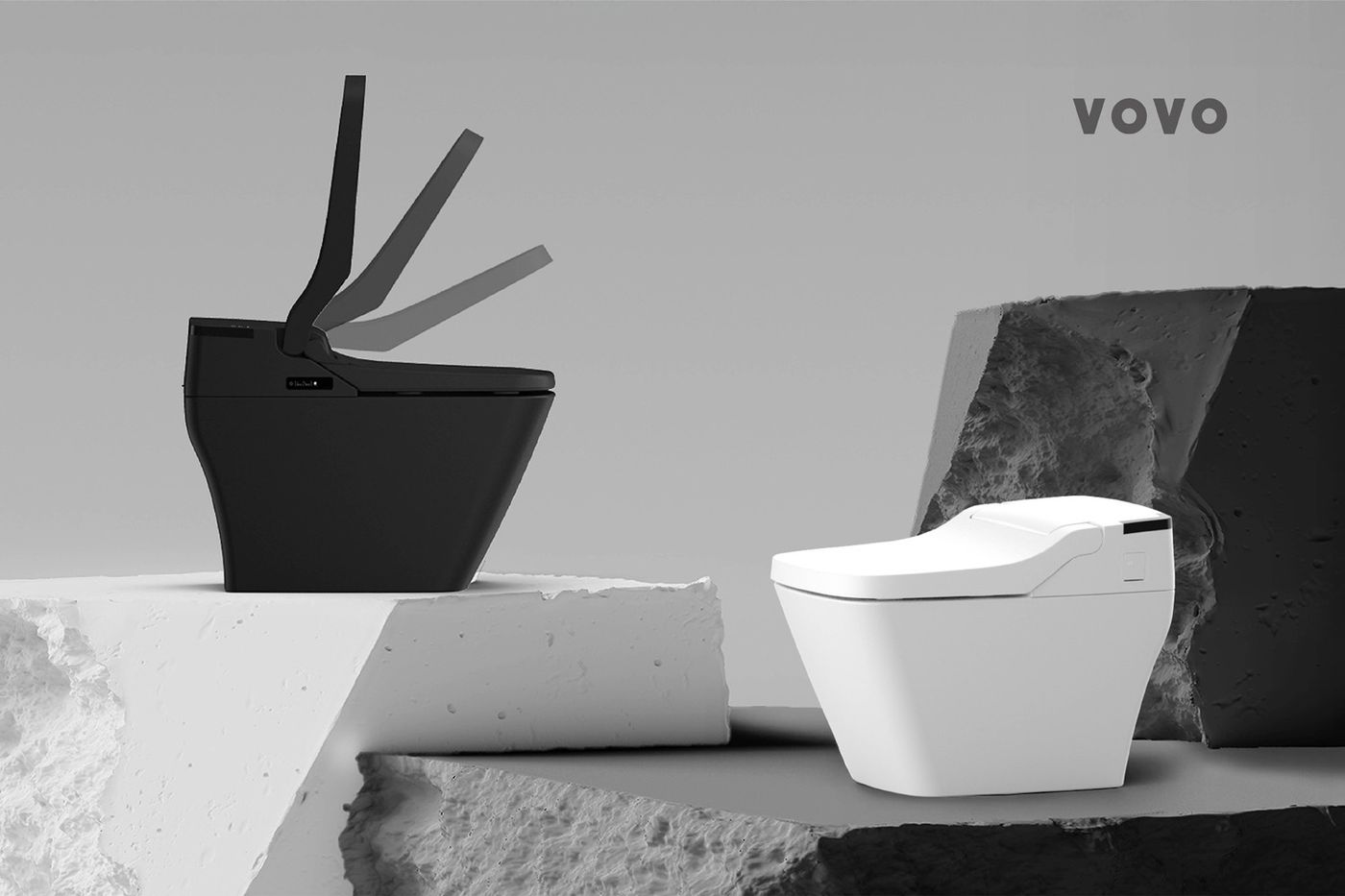
Some of those commodes are turning heads. The Vovo Smart Toilet was a 2026 Innovation honoree by the Consumer Technology Association, which cited its benefits for the elderly and people with disabilities. The toilet comes with a few bells and whistles that have already been incorporated into the high-end latrine world — things like automatic lid opening and closing, auto flushing, and bidet functions. It even has a heated seat.
What makes the Vovo Smart Toilet, which is called "Neo" (really), stand out is a built-in urine analysis sensor that tracks the user's health, displaying results on a wall-mounted monitor. And the smart potty will monitor usage via an AI feature called "Jindo the Dog," sending an automatic alert to family members if the owner doesn't use the toilet for more than 12 hours, something that's useful for seniors living on their own.
Neo's not cheap, though. The suggested retail price for this privy is $4,990.
Wellness company Vivoo, meanwhile, which has been making at-home urine tests for years, is debuting a universal clip-on hydration tracker for existing toilets. That device will analyze urine for eight wellness markers with what the company calls "fully no-touch optical sensing" — a fancy way of saying you won't have to pee on a strip (but please wash your hands afterward, all the same).
While the thought of a smart toilet is certainly odd, both products make use of everyday objects to provide a deeper look into health issues — and help at-risk people maintain their independence.
It's not just toilets, by the way. The Halo toothbrush by Y-Brush uses AI and gas sensors to detect specific volatile organic compounds associated with over 300 health conditions, including diabetes, liver disorders, and gum disease, by "smelling" the user's breath with an AI tool called "SmartNose."
The Halo is scheduled to be released in 2027.
Join 500,000+ readers who start their day with Quartz.
By subscribing, you agree to our Terms of Service and Privacy Policy.