Logo
FacebookXInstagramYoutubeRSS Feed
SitemapAboutAccessibilityPrivacyTerms of ServiceAdvertising
© 2026 Quartz Media Network. All Rights Reserved.
SearchNewsletters
Logo
HomeLatestBusiness NewsMoney & MarketsTech & InnovationA.I.LifestyleLeadership✉️ Emails🎧 Podcasts
Tech & Innovation

A judge approves Elon Musk's SEC settlement — but also raises questions about it

The SEC filed the lawsuit in 2025, alleging Musk waited too long to disclose that he had acquired more than a 5% ownership stake in Twitter

ByCris Tolomia
Share to XShare to FacebookShare to RedditShare to EmailShare to Link
Add Quartz on Google
Share to XShare to FacebookShare to RedditShare to EmailShare to Link

Brendan SMIALOWSKI / AFP

Elon Musk's $1.5 million settlement with the Securities and Exchange Commission received court approval Wednesday, ending a lawsuit over his failure to disclose his growing stake in Twitter $TWTR in 2022 — though the federal judge who signed off on the deal said it raised "red flags."

Despite voicing "significant misgivings" about the arrangement, U.S. District Judge Sparkle Sooknanan signed off on the consent judgment, questioning whether the SEC had adequately pursued accountability from Musk, according to Reuters. In her written opinion, the judge drew a line around the judiciary's proper role. "A court presented with a consent judgment is not a rubber stamp. But neither is it an ombudsman," she wrote, adding that questions about whether the SEC "has done enough to hold Mr. Musk to account for his alleged violation is, like many other issues, for our citizenry to decide at the ballot box."
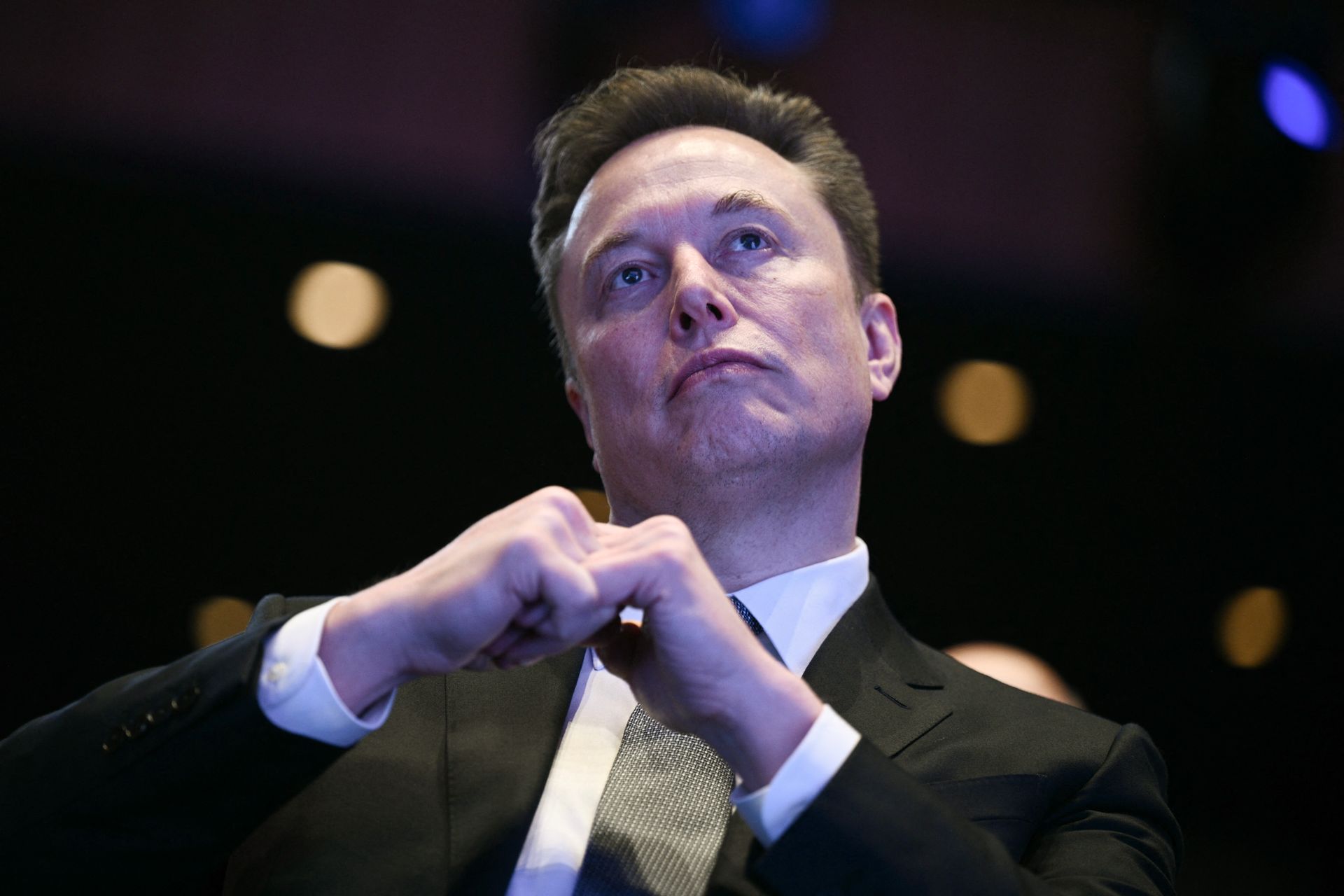

Payment of the $1.5 million penalty falls to a trust bearing Musk's name, and no admission of wrongdoing is required under the agreement's terms. The SEC filed the lawsuit in January 2025, alleging Musk waited 11 days past the legal deadline to disclose that he had acquired more than a 5% ownership stake in Twitter. Because other investors remained unaware of his accumulating stake, Musk was able to keep acquiring shares before prices reflected his buying activity — a dynamic the SEC said ultimately cost Twitter shareholders at least $150 million.

Two features of the deal drew the judge's scrutiny: the SEC's abandonment of any push to recover profits Musk allegedly made at other investors' expense, and the decision to name his trust — rather than Musk himself — as the settling party, an arrangement that gave Musk room to tell the public he had been exonerated. Sooknanan's opinion closed with a pointed question about equal treatment. "The court is left to wonder whether the SEC will afford other alleged securities-law violators such solicitude," she wrote, according to Reuters. "Or is this a one-time deal designed for Mr. Musk negotiated without the involvement of the SEC lawyers litigating this case?"

Margaret Ryan, who had overseen SEC enforcement for roughly half a year before stepping down in March, was no longer at the agency when the settlement was made public in May. The SEC has said the $1.5 million penalty is the largest in its history for this type of violation. In a court filing, the agency said the settlement did not result from collusion.

The case has drawn scrutiny in part because of Musk's ties to President Donald Trump. The gap between the initial demand and the final figure was stark: SEC attorneys had pushed for over $200 million as far back as December 2024, a number that emerged from correspondence Musk's lawyers sent to the agency and that Bloomberg reviewed, before Musk agreed to the $1.5 million settlement in May. Musk's attorney Alex Spiro called it "a small fine for being late on one filing."

The settlement closes out a legal dispute between Musk and the SEC. Musk has said the delayed disclosure was inadvertent. Twitter passed into Musk's hands for $44 billion in October 2022, after which he rebranded the platform as X.

📬 Sign up for the Daily Brief

Our free, fast and fun briefing on the global economy, delivered every weekday morning.

Related Content

U.S. jobless claims are staying near historic lows even as hiring slows
Polestar's second-quarter sales fell 4% as a U.S. market ban closes in