
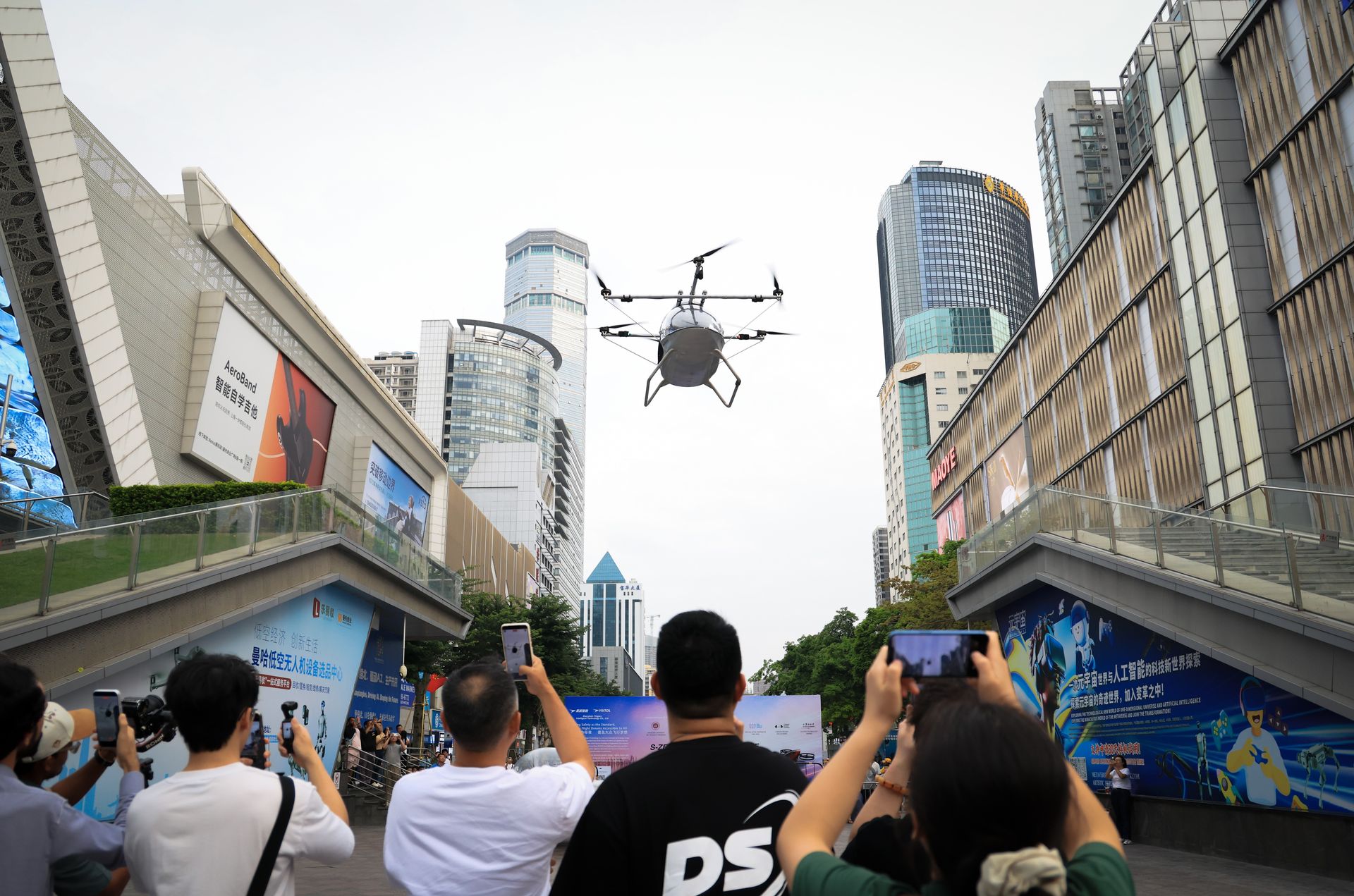
Electric air taxi companies have real aircraft, real flights, and real money behind them. Joby Aviation is a partner in five of eight federal pilot projects. Archer Aviation has a factory ramping up in Georgia. The Federal Aviation Administration has created a formal regulatory pathway for what it calls the first new category of civil aircraft since helicopters. The industry is now years, not decades, from commercial reality.
The optimistic case has never been stronger. It also rests on an assumption that deserves scrutiny: that the industry can reach commercial scale without a serious, public, fatal accident.
The history of novel transportation technologies suggests it can't. When that accident comes, the damage won't be measured in engineering setbacks. It will be measured in public trust, regulatory retrenchment, and years of lost momentum.
The cost of a single failure
Any new technology must compile thousands of safe hours to build confidence, but a single failure can destroy it. Two recent cases show how that plays out.
On March 18, 2018, an Uber $UBER autonomous test vehicle struck and killed a 49-year-old pedestrian in Tempe, Ariz. The National Transportation Safety Board found the probable cause to be the safety driver's failure to monitor the road, compounded by Uber's "inadequate safety culture." By any technical assessment, the crash was an outlier. Human and organizational failures caused it.
None of that mattered. Uber suspended all autonomous vehicle testing across San Francisco, Pittsburgh, Phoenix, and Toronto. Arizona revoked Uber's testing permit entirely. Rivals such as Waymo became more cautious, and by December 2020, Uber had sold off its entire autonomous vehicle unit. One death set the most well-funded autonomous vehicle program in the country back by years and contributed to its corporate abandonment.
The pattern holds at a larger scale. Two crashes killed 346 people aboard Boeing $BA 737 Max aircraft, and the FAA grounded the entire fleet on March 13, 2019. It took 20 months and a wholesale redesign before the aircraft flew commercially again. Boeing disclosed a $5.6 billion reduction in revenue and pre-tax earnings in a single quarter, and the financial toll kept growing for years.
Boeing was the world's largest aircraft manufacturer with a decades-long safety record. The damage reshaped global regulatory behavior and eroded passenger confidence in the 737 Max for years.
Curiosity without confidence
Electric air taxi companies are essentially asking the public to board a vehicle category that has never carried a commercial passenger. The FAA's certification framework, which prioritizes safety above all else, is built around that reality. The certification bar is high precisely because the margin for error is zero.
A 2023 AAA survey of nearly 1,000 U.S. adults found that 68% were afraid to ride in a self-driving vehicle — a 13-percentage-point jump from the prior year and the largest single-year increase since 2020. That fear persists in a technology category with millions of cumulative miles driven. A European safety agency study found the same pattern across 4,000 residents in six cities: 83% expressed initial enthusiasm for air taxis, but safety emerged as the dominant concern once they imagined the aircraft operating above their neighborhoods.
The industry isn't naive about the fragility of public trust. Test incidents have already occurred. The NTSB documented a February 2022 crash of a Joby Aviation pre-production prototype during a remotely piloted test flight near Jolon, Calif. A propeller blade separated at about 210 miles per hour, triggering cascading failures that destroyed the aircraft. No one was injured because the test was conducted over uninhabited terrain. Joby implemented design changes and continued its flight test program, but the incident showed that mechanical failures will occur. And the consequences of such a failure with passengers aboard would be of a different order entirely.
A timeline under pressure
Early commercial aviation faced the same dynamic and navigated it — but at a far greater cost. A 1931 crash that killed Notre Dame football coach Knute Rockne prompted public demands for stronger federal oversight, according to the FAA's historical record. A 1935 crash near Atlanta, Mo., killed Senator Bronson Cutting of New Mexico and forced Congress to investigate federal aviation oversight directly. Those incidents drove the passage of the Civil Aeronautics Act in 1938, creating an independent safety authority that evolved as more accidents and investigations accumulated. Aviation safety regulation was the byproduct of decades of public outrage.
Electric air taxis don't have that kind of time. They're publicly traded, burning cash, and promising investors a timeline measured in years. United Airlines CEO Scott Kirby, who signed a conditional order for electric air taxi aircraft, said in March 2026 that he now opposes operating the vehicles near crowded hub airports, saying he doesn't believe they can be operated safely without disrupting existing flight operations. When an airline CEO behind a billion-dollar-plus order begins backing away before a single passenger flight, the reputational fragility of the enterprise becomes visible.
The most likely scenario isn't that electric air taxi technology fails. It's that it works well enough to enter commercial service, builds a solid early safety record, and then encounters the statistical inevitability of a serious incident.