Quartz
Subscribe
Quartz
Subscribe
Edition
Business News
A.I.
Technology
Money & Markets
Leadership
Lifestyle
Latest

Get Quartz in your inbox

Free daily briefing on global business news.

Business News
AirlinesAutomobilesFoodPharmaceuticalsPolitics & GovernmentRetail & EcommerceSpace & AerospaceEarnings
Technology
A.I.ComputingConsumer TechSpace & AerospaceEarnings
Money & Markets
Economic IndicatorsMarketsPersonal FinanceEarnings
Lifestyle
Cars & BikesCollectingEntertainmentFood & Fine DiningHealth and FitnessReal EstateTravel
Quartz

Global business news for a smarter world

Topics

  • Business News
  • Money & Markets
  • Tech & Innovation
  • Generation A.I.
  • Lifestyle
  • Leadership

Products

  • Daily Brief
  • Weekly Digest
  • Member Benefits
  • Quartz Pro

Legal

  • Sitemap
  • About
  • Accessibility
  • Privacy
  • Terms of Service
  • Advertising

© 2026 Quartz Media, Inc. All rights reserved.

Pharma

FDA panel overrules its own scientists to ease access to unproven peptide injections

The Pharmacy Compounding Advisory Committee voted 8-6 to recommend BPC-157, KPV, TB-500, and MOTS-c for compounding pharmacy access

By Cris Tolomia·2 min read·Updated July 24, 2026
Add QZ to Google
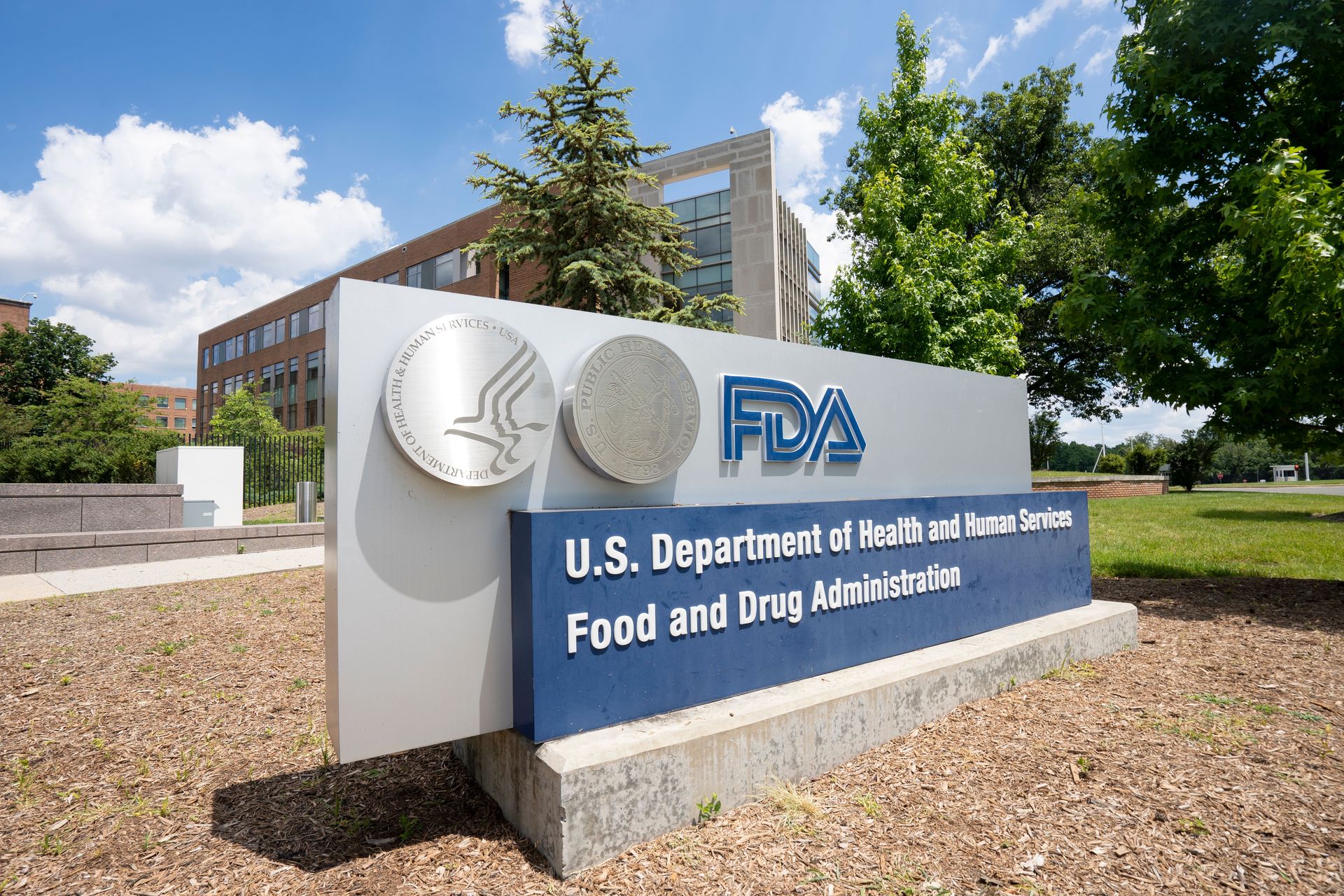
FDA headquarters

iStock Editorial / Getty Images Plus

The Food and Drug Administration's Pharmacy Compounding Advisory Committee voted Thursday to recommend easing restrictions on four peptides, overriding objections from the agency's own career scientists who said the evidence did not support the move.

The panel voted in favor of adding BPC-157, KPV, TB-500, and MOTS-c to a list of substances that specialized compounding pharmacies are permitted to produce. The votes on BPC-157 and KPV were 8-6 in favor, with one abstention, according to NPR. The committee will take up three additional peptides — emideltide, epitalon, and semax — on Friday.

The recommendations do not make the compounds FDA-approved drugs. They would allow the peptides to be produced by compounding pharmacies, with the FDA's final decision to come in the form of a rule proposal, according to NBC News. The FDA retains authority to reach its own conclusion and is not obligated to adopt the committee's recommendations, though it generally does so.

FDA scientists repeatedly raised concerns throughout the session, telling the panel that evidence for the compounds' safety and effectiveness was limited or absent. FDA official Russell Wesdyk described a "foundational challenge" shared by all seven peptides on the agenda: the agency cannot pin down a definitive chemical identity for any of them, which he said makes meaningful quality review nearly impossible, according to NPR.

Of the panel's voting members, eight had joined the committee through appointments made under Health Secretary Robert F. Kennedy Jr., and six of those eight run practices where peptides are administered, according to NBC News. For BPC-157, KPV, and TB-500, all eight of those new appointees voted yes.

Supporters of the recommendations pointed to the compounds' existing presence in an unregulated gray market, noting that online sellers routinely attach disclaimers such as "for research use only" as a workaround to distribute products not cleared for human use. Bringing them into the compounding pharmacy system, proponents said, would give patients access to safer products under physician supervision.

Several panel members who voted no pushed back on that framing. Dr. Elizabeth Rebello, an anesthesiologist at the University of Texas MD Anderson Cancer Center, said the argument that patients are already obtaining the peptides "actually goes against the Hippocratic oath." Dr. Brian Lee, an associate professor at the Keck School of Medicine of USC, explained his no vote by saying that committee approval carries the risk of signaling to the public a level of confidence in these compounds that the underlying data simply does not support.

Kennedy has publicly endorsed easing restrictions on peptides. The advisory panel was recently overhauled, and several newly added members have ties to the peptide industry, which has drawn criticism about potential conflicts of interest.

Daily Brief

The essential business news, delivered fresh every morning.

Join 500,000+ readers who start their day with Quartz.

By subscribing, you agree to our Terms of Service and Privacy Policy.

Related

A.I.Every tech IPO cycle promised to spread wealth around. None of them ever did
PharmaSanofi is scrapping its once-touted eczema drug in a new CEO pipeline overhaul
AirlinesSouthwest Airlines chartered a ship to haul jet fuel to California during spring supply crunch
Business NewsTikTok is facing a massive E.U. fine for exposing kids' accounts to strangers
Economic IndicatorsOdds of a September Fed rate hike surged to 82% as oil topped $100 a barrel