
Higher food prices are now a leading impact from climate change, a new study published Monday found.
Rising temperatures coupled with unprecedented droughts and rainfall is impacting global food costs, a study found
SIA KAMBOU/AFP via Getty Images
Higher food prices are now a leading impact from climate change, a new study published Monday found.
As the world continues to reach record high-temperatures — still the top reported impact from climate change — agricultural production is being affected, in part leading to supply shortages and higher food costs around the globe, according to a study from the journal Environmental Research Letters.
The U.S. experienced an 80% year-on-year price increase in costs for vegetables by November 2022 after California and Arizona experienced an extreme drought, the study found. Plus, heatwaves across East Asia last year impacted the cost of Korean cabbage, which was 70% higher in September 2024 than 2023, and Japanese rice, which was 48% higher in September 2024 than 2023. The price of vegetables in China went up 30% between June and August.
Some food products have seen an even quicker price inflation than others due to heat, drought, and heavy rain brought on by climate change.
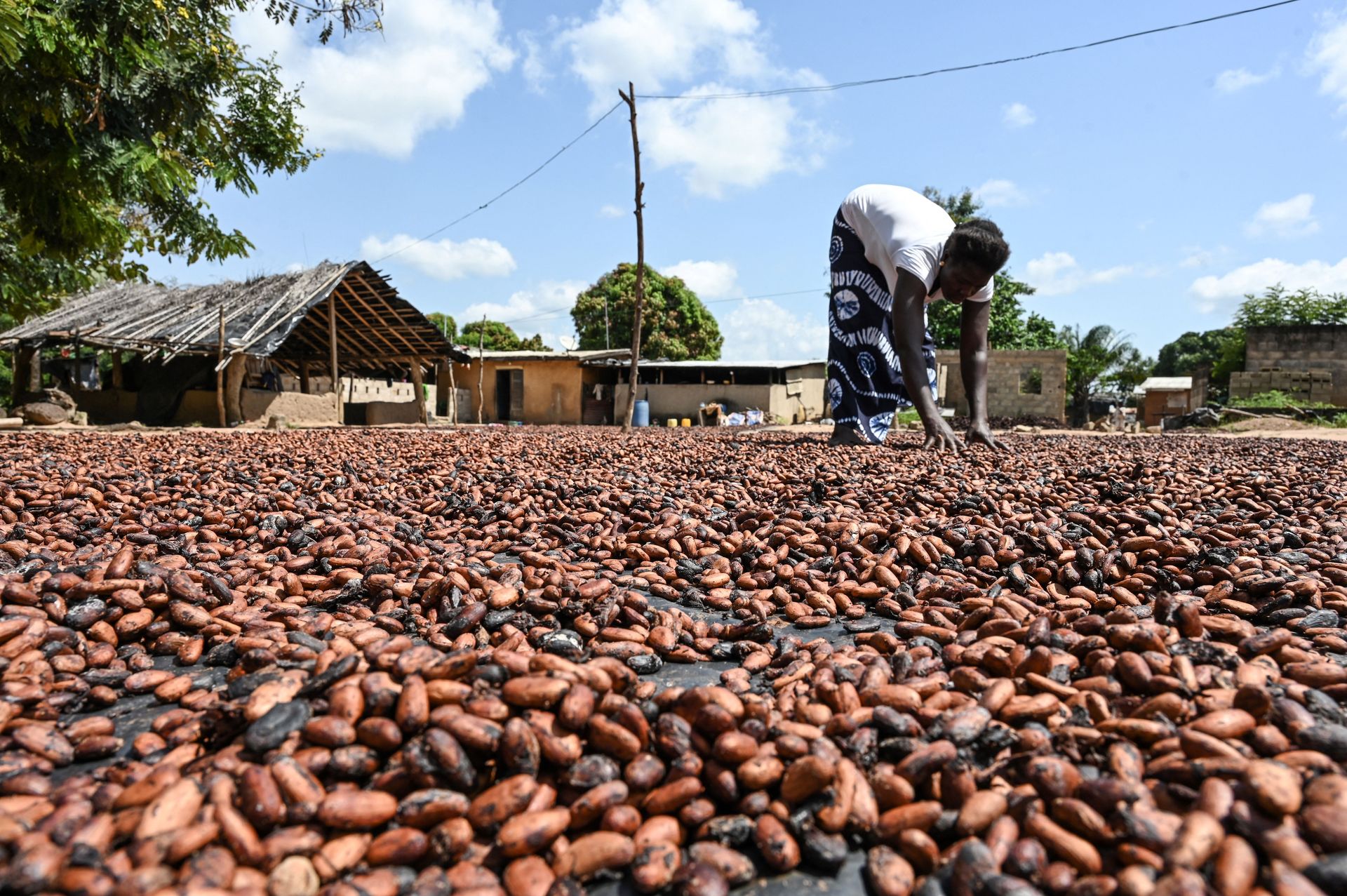
The study noted that extreme weather impacts on food production in some countries can particularly raise costs for consumers in far away nations, especially in regards to products largely produced in exclusive regions. Like cocoa in Ghana and the Ivory Coast, the study saw a 300% markup in crop sales by April 2024 compared to the year prior, following high temperatures and a drought.
Stabilizing inflation rates for food will grow more difficult as globally changing weather patterns lead to higher production costs and shorter supply.
“Central bank mandates for price stability may become increasingly challenging to deliver if more frequent extreme weather events make food prices less stable domestically and in global markets,” the study said.
While tariff threats and high inflation combine to keep already high grocery bills rising for Americans, continued unprecedented global weather events could make that cost even higher.
Join 500,000+ readers who start their day with Quartz.
By subscribing, you agree to our Terms of Service and Privacy Policy.