
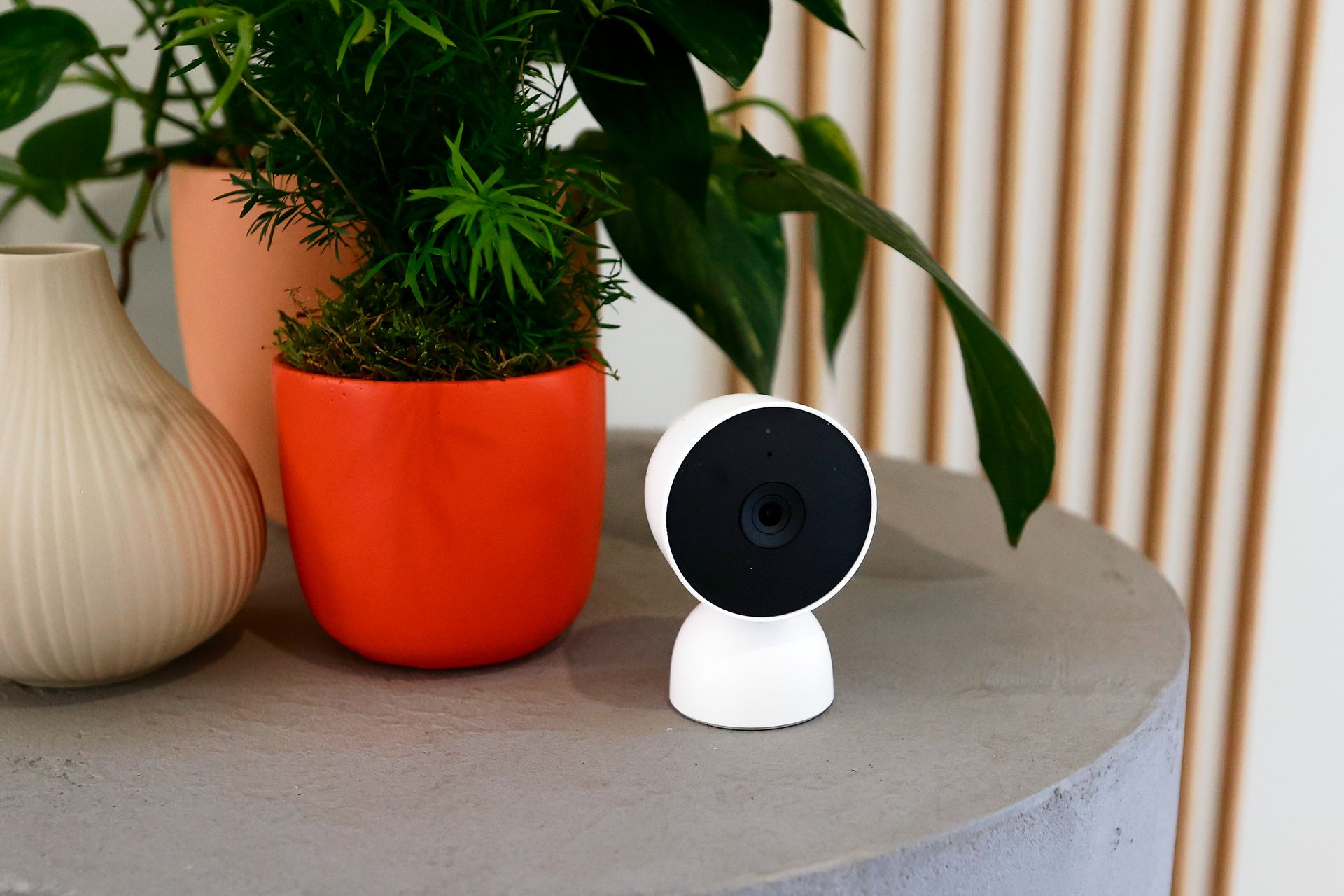
Google $GOOGL added a pet recognition feature to its Nest cameras that uses the Gemini AI assistant to identify animals by name and send personalized alerts to owners. The feature, called Pet Memory, is rolling out now for early access users of Google Home.
Setup happens inside Ask Home, where owners submit a pet's name and type so Gemini can begin personalizing what the cameras report. The practical effect is a shift in alert language: a notification that once read "a dog is walking in your kitchen" would instead name the animal directly, so a dog named Fido gets identified as such, according to 9to5Google.
Fewer false matches and more precise alerts — specifying which animal appeared and in what room — are the outcomes Google is pitching for the feature, according to Digital Trends. Compatibility extends to indoor Nest cameras and certain cameras with Gemini built in, though Google has yet to publish a complete eligibility list for those Gemini built-in devices.
Access to Pet Memory sits behind Google Home Premium's Advanced plan, placing it in the company's paid subscription tier. Nothing is automatic: the feature only becomes active once an owner has gone into Ask Home and entered their pet's details.
The rollout coincides with an expansion of Ask Home voice support. Alongside the pet recognition rollout, voice access to Ask Home is reaching every region where Gemini for Home operates — a list that covers Australia, Canada, France, Japan, the United Kingdom, and the United States, among others, according to 9to5Google. Germany is a new addition to that group as an early access market, and the German-language version of the assistant will carry over to users in Austria and Switzerland as well.
Google's approach differs from competing pet-related camera features on the market. Ring's Search Party, by comparison, deploys AI across participating outdoor cameras and doorbells in the area surrounding a lost-dog report, according to Digital Trends. The feature became a flashpoint after Ring switched it on by default for eligible devices, and controversy deepened when the company chose a 2026 Super Bowl ad to publicize it. Where Ring's tool operates across a neighborhood grid of cameras, Google's implementation stays within a single household, with owners having to actively supply their pet's information before any recognition can begin.