A Zika outbreak has been reported in India, the third time in less than two years.
A Zika outbreak has been reported in India, the third time in less than two years.
In the past few weeks, the virus has been detected in 22 people in Jaipur, capital of the western state of Rajasthan. The state of Bihar is also on alert as one person diagnosed in Jaipur is a native of Siwan district in the northern province and had recently visited home.
Join 500,000+ readers who start their day with Quartz.
By subscribing, you agree to our Terms of Service and Privacy Policy.
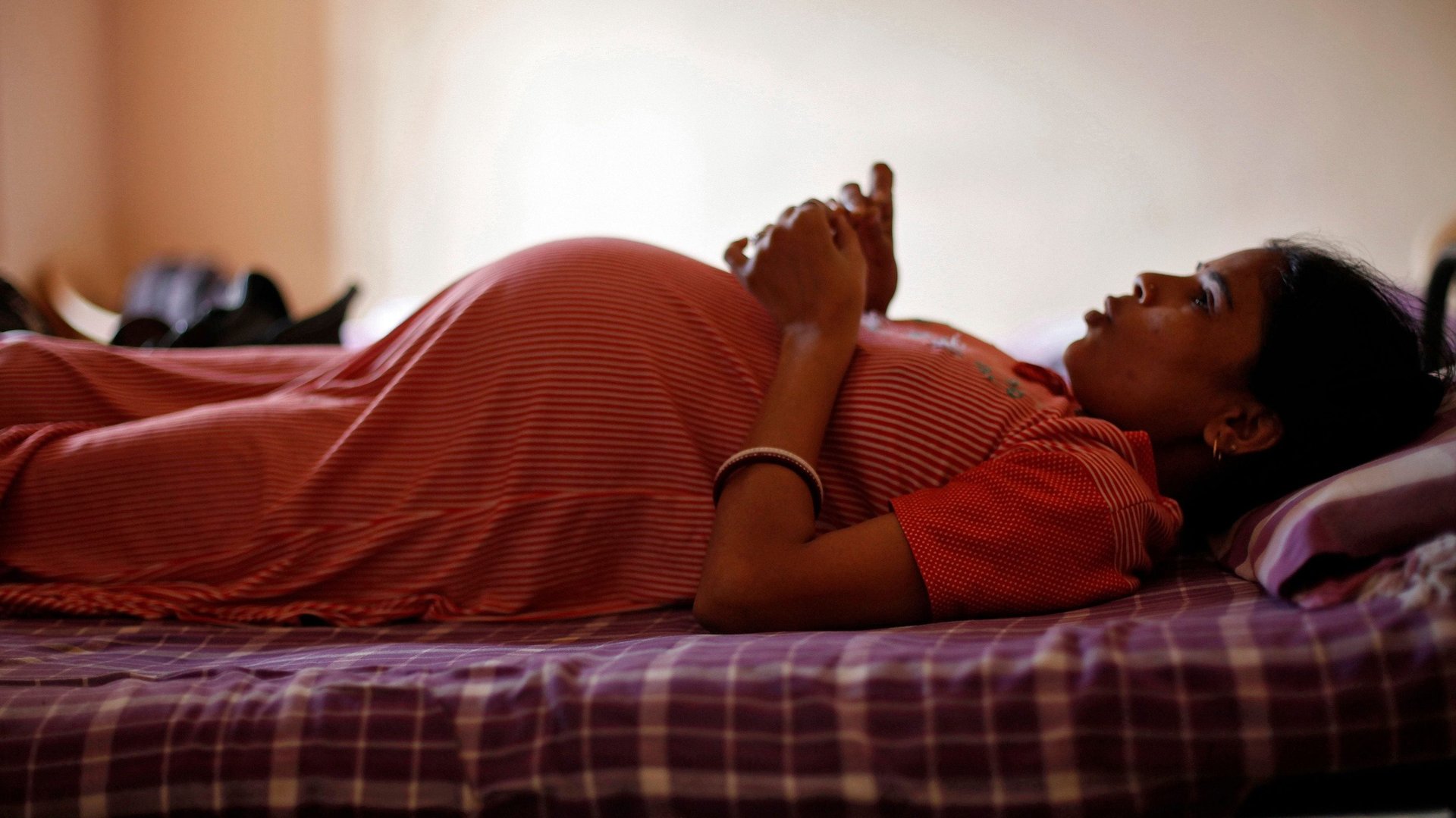
India’s health ministry is now closely monitoring the outbreak. “All pregnant mothers in the area are being monitored,” a government statement said on Oct. 08.
Zika had first broken out in the western state of Gujarat and Tamil Nadu in the south in 2017. This year, the first case in Jaipur was reported on Sept. 22.
The Zika virus, passed by the Aedes mosquito, caused the 2015 epidemic in Brazil and later spread to South America and North America. Incidentally, the Aedes mosquito is also the vector for dengue and chikungunya.
Most people who come in contact with the Zika virus do not show any symptoms, though in a few cases it can cause paralysis. The virus can also pass from mother to foetus during pregnancy, resulting in birth defects in the baby.
Unlike in 2017, Indian scientists this time have detected the virus not just in the infected persons but also in mosquitoes in the area, increasing its risk of spreading.
The World Health Organization (WHO) puts India in category 2 in the classification of Zika’s prevalence, which indicates an ongoing transmission of the virus.
“Basic precautions for protection from mosquito bites should be taken by people traveling to high-risk areas, especially pregnant women,” the WHO advises. “These include use of repellents, wearing light coloured, long-sleeved shirts and pants, and ensuring rooms are fitted with screens to prevent mosquitoes from entering.”
