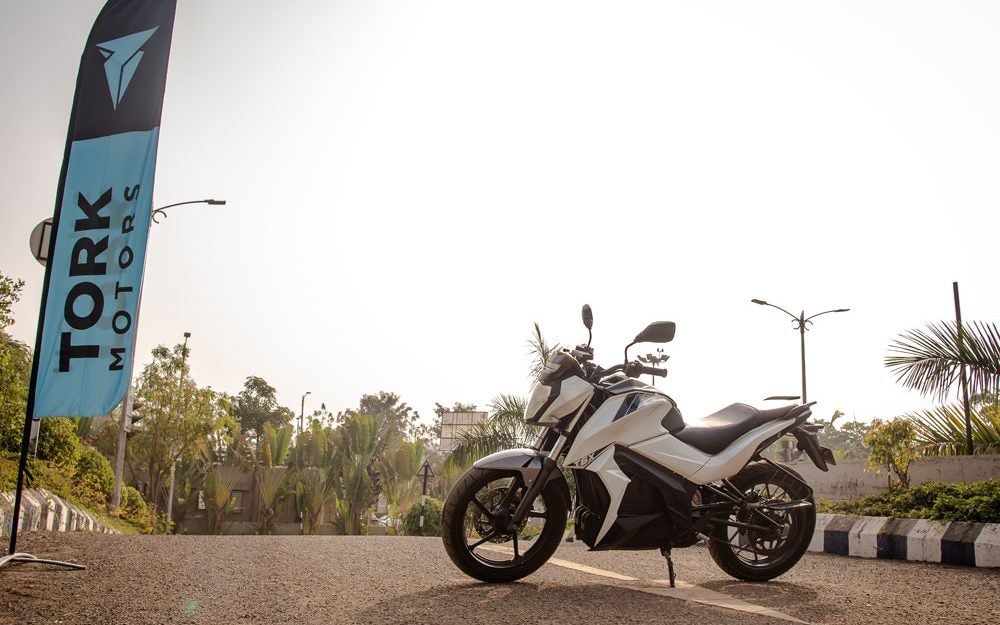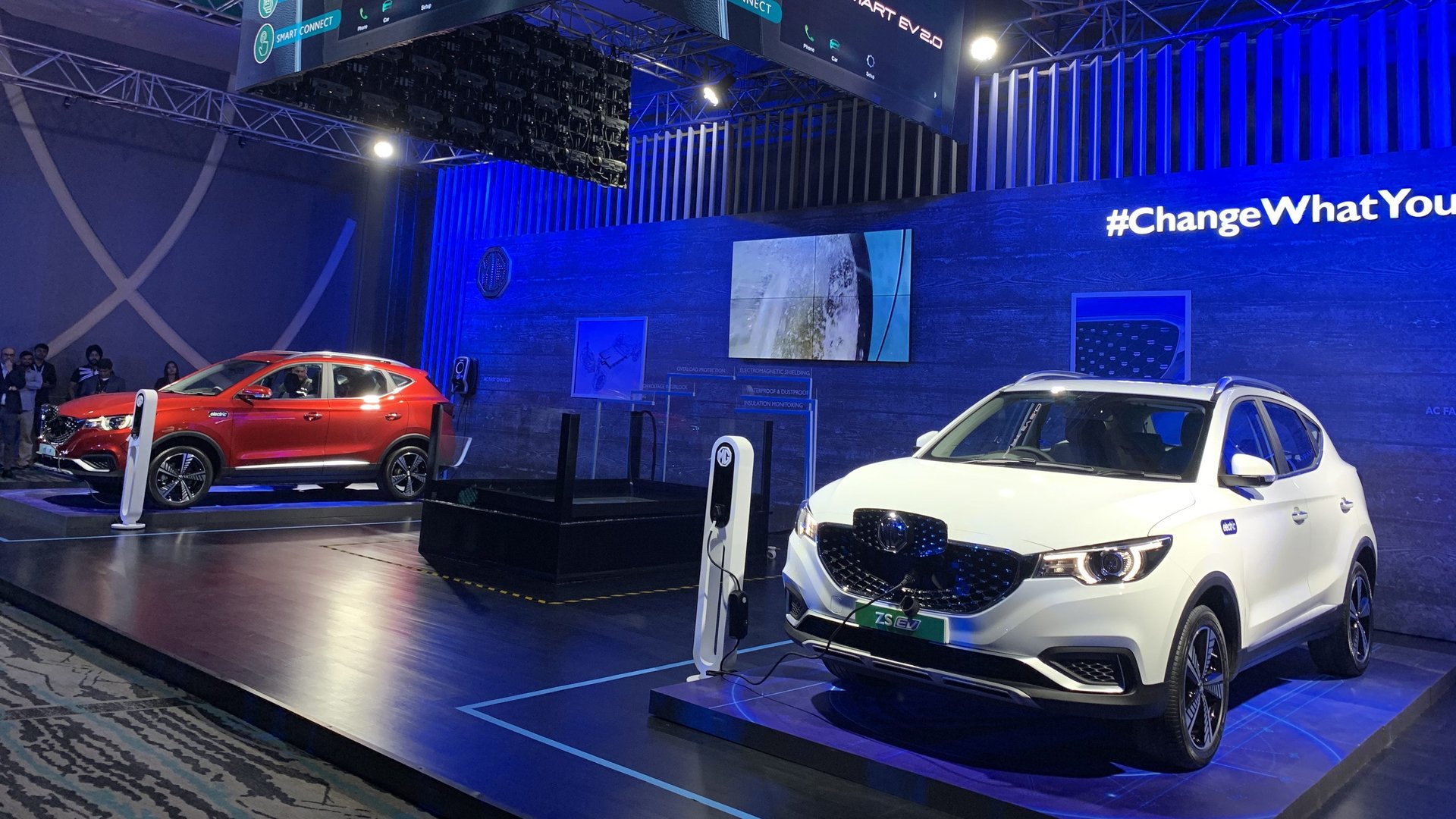
If you were thinking of buying an electric car in India, you’re about to get one of the basic privileges of a customer: choice.

If you were thinking of buying an electric car in India, you’re about to get one of the basic privileges of a customer: choice.

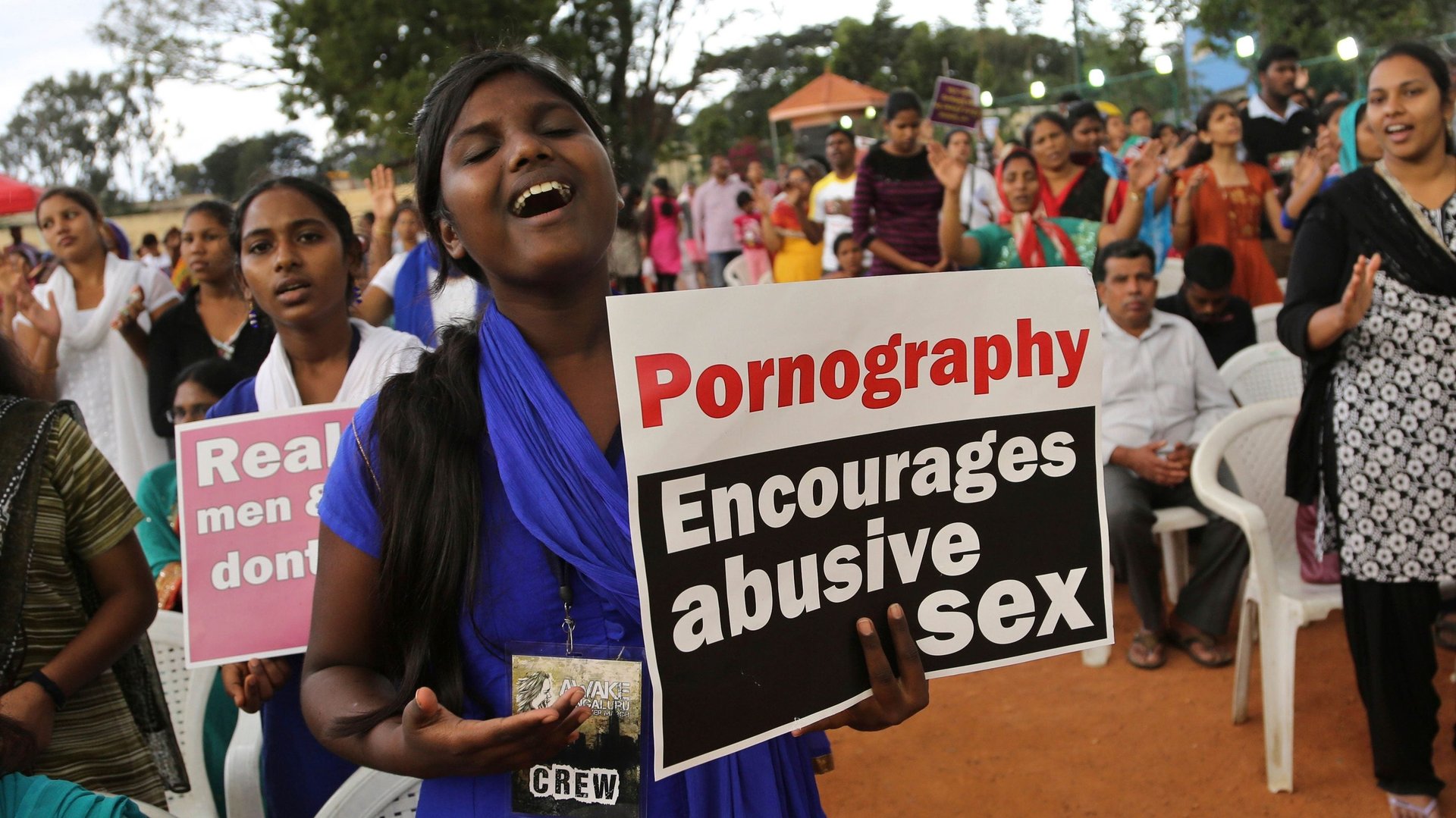
Despite the porn ban, it hasn’t been a dry year in India.

Pakistan’s university students may have their JNU moment today (Nov. 29).

India’s economic growth is down to its lowest rate in six years, and the Narendra Modi government has found the reason: Other countries are growing too fast.

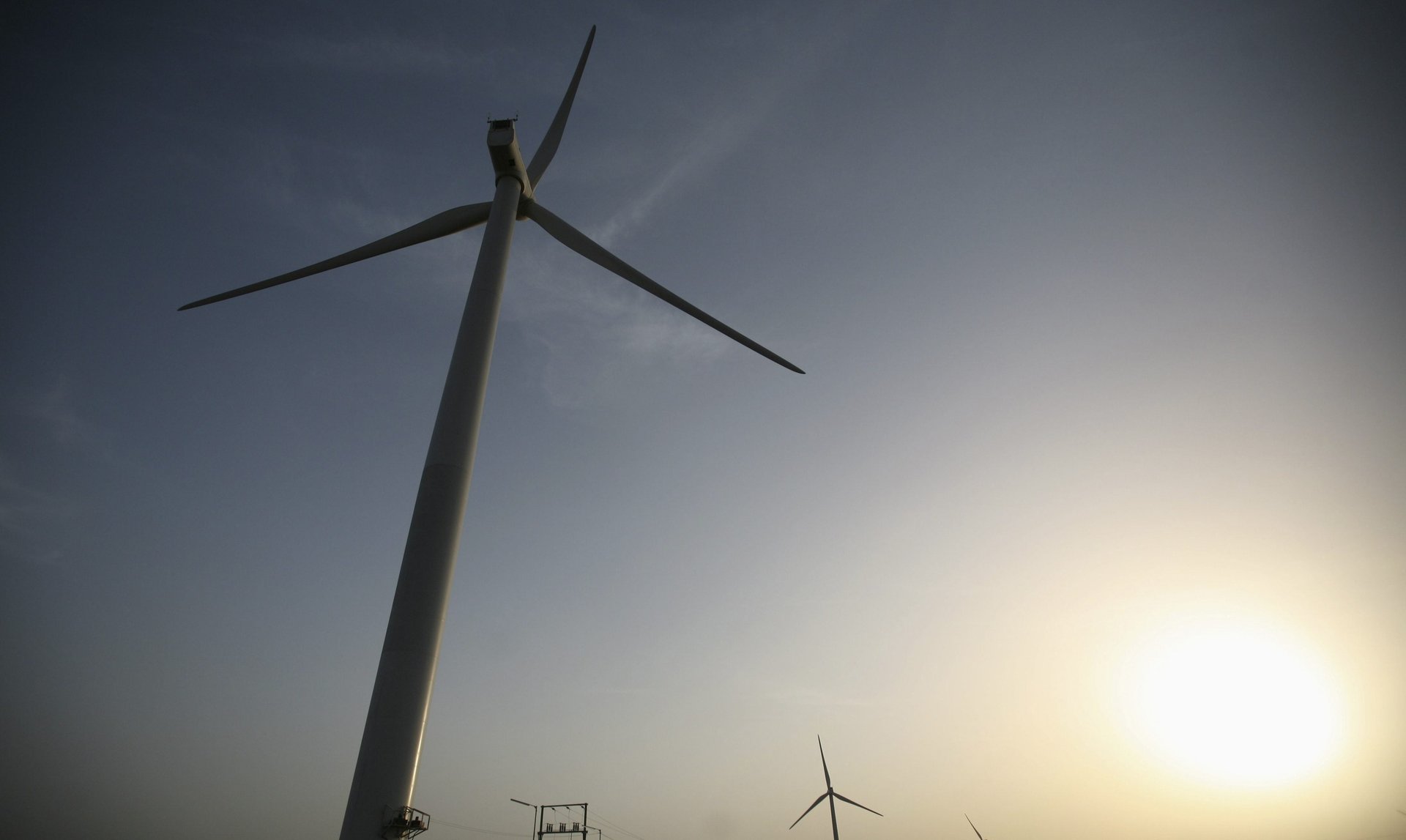
The southern Indian state of Andhra Pradesh has been locking horns with renewable energy developers for the better part of this year.

The Indian government has ramped up the use of an internet censorship law to block users and posts on social media.

India’s gains in village electrification have hit its off-grid solar industry.

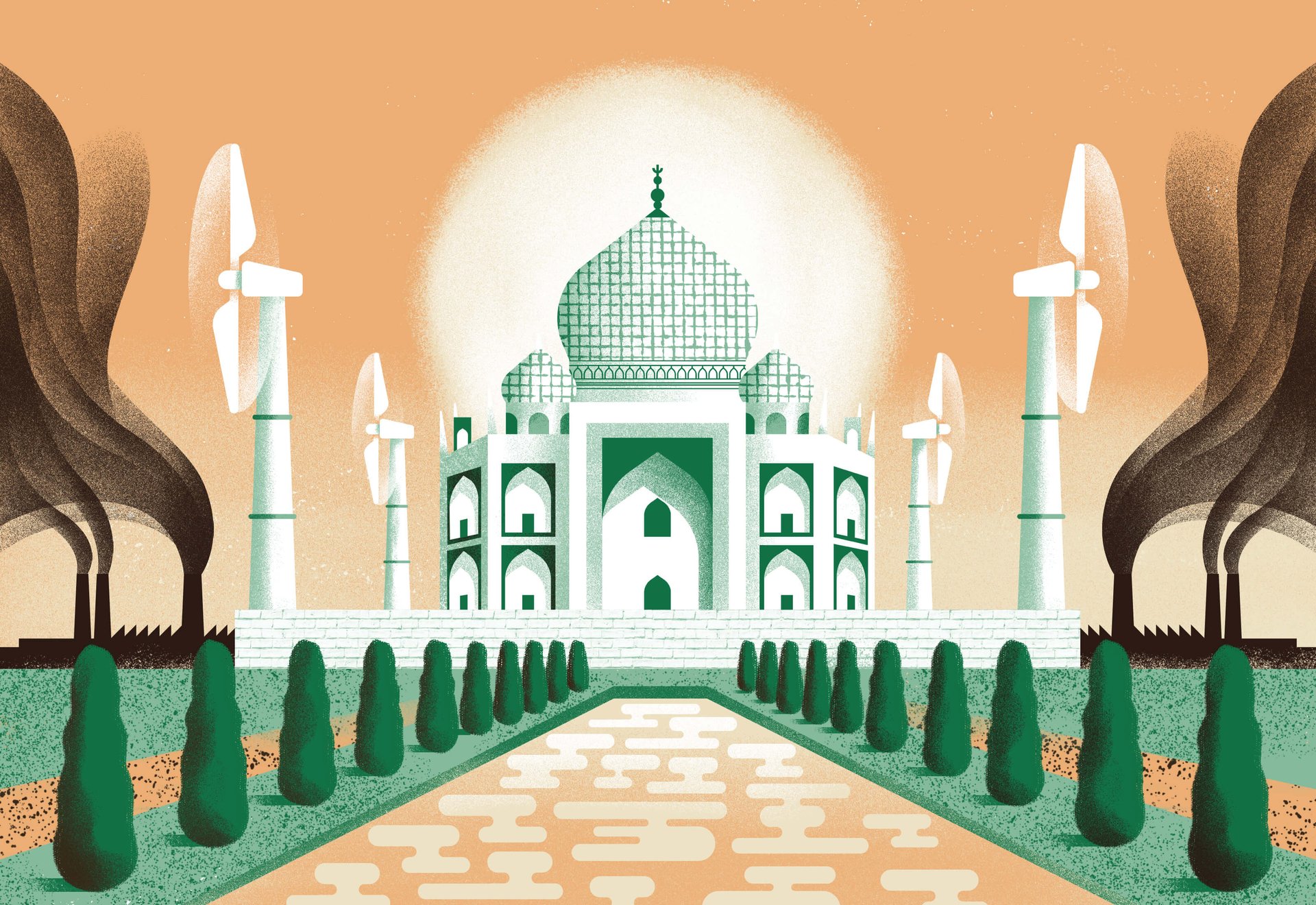
China, the US, and India are the world’s top carbon dioxide (CO2) emitters.

One of the biggest losers in the fight against climate change could be the Indian government.

India now leads the world in scooter sharing.

It doesn’t end with Babri Masjid.

A non-metropolitan city in western India has emerged as a winner in rooftop solar energy.

Coal is taking a hit in India.

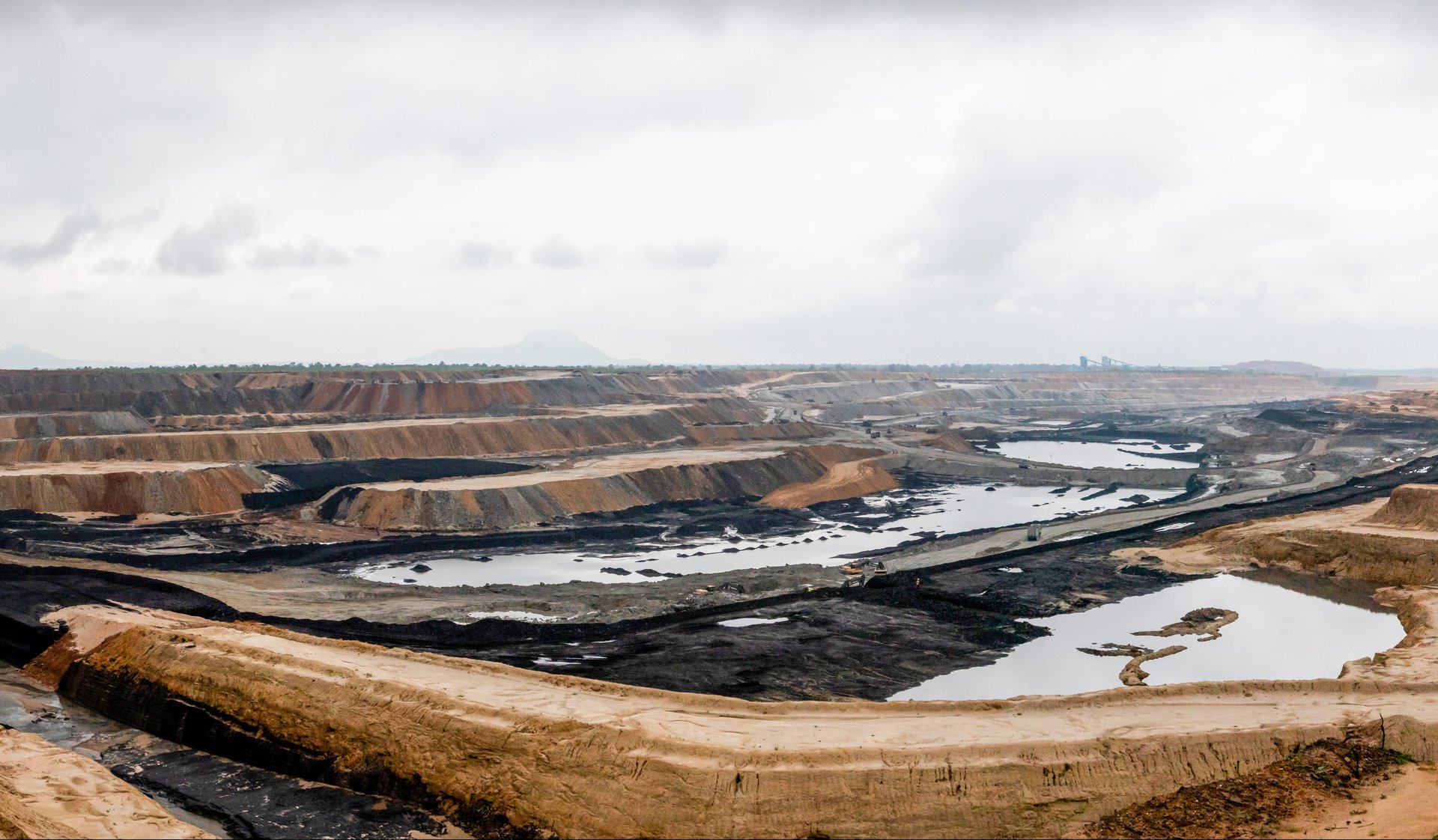
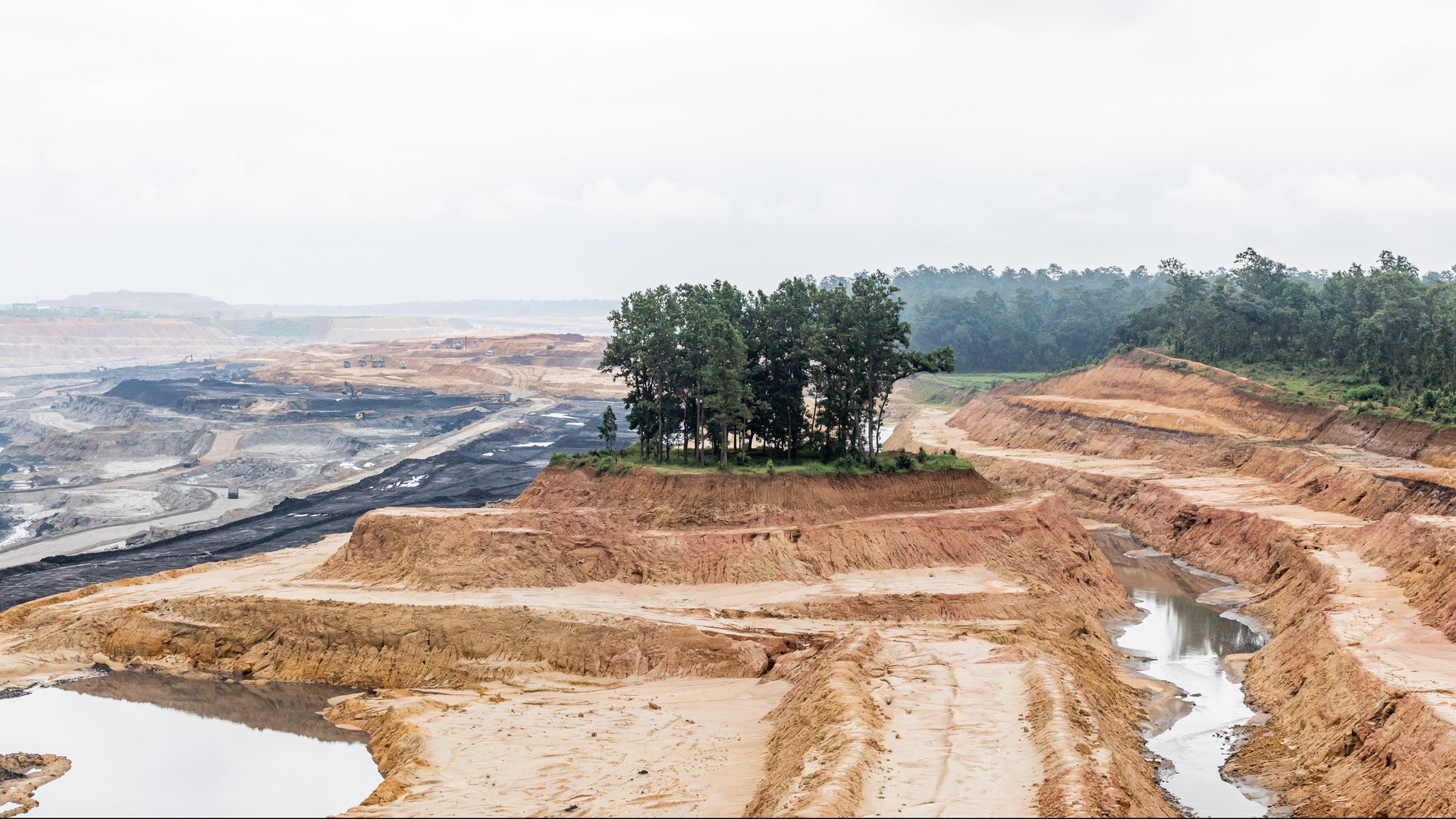
Every day, Ram Lal Kariyam checks the river stream that flows through Salhi, his village in the Hasdeo Arand forest of Chhattisgarh. He is on the lookout for any brown slurry from the coal-washing facility of the sprawling mine nearby.

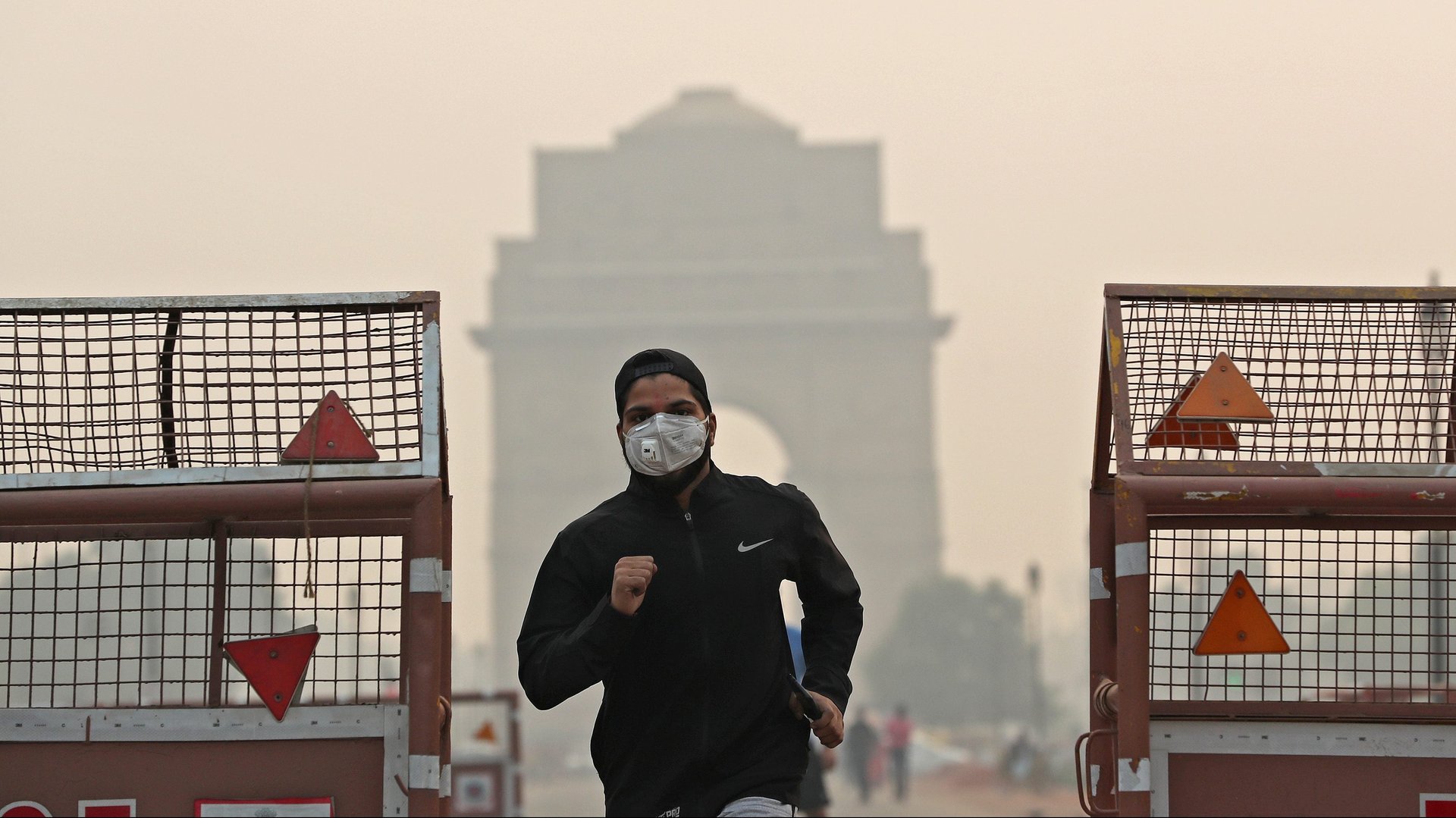
India’s capital region is back to its annual encounter with extreme pollution.

In early September, along with three other farmers from his tribal clan, Mangal Sai offered the first grains of his rice crop to the deity Bada Dev. Each year, this ritual marks the festival of Nava Khai: Only after thanking God for the harvest will the farmers reap its bounty.

Despite the rising pressure to turn profitable, Uber is increasing its investment in India.

After spending 25 years working in the financial markets, Tim Buckley has dedicated himself to understanding and accelerating the transition to clean energy.

India, it is rightly said, is a land of contradictions. It is home to hundreds of millions of people in abject poverty, and it has a space program that has put satellites around the Moon and Mars. It dominates every opponent in the game of cricket, but it has only won as many Olympic medals in the last 70 years as US swimmer Michael Phelps has on his own. It produces the largest number of engineers and doctors of any country, yet it doesn’t file as many patents as Germany—a country less than a tenth its size.

Ratan Tata sure has an eye on India’s electric vehicle dream.

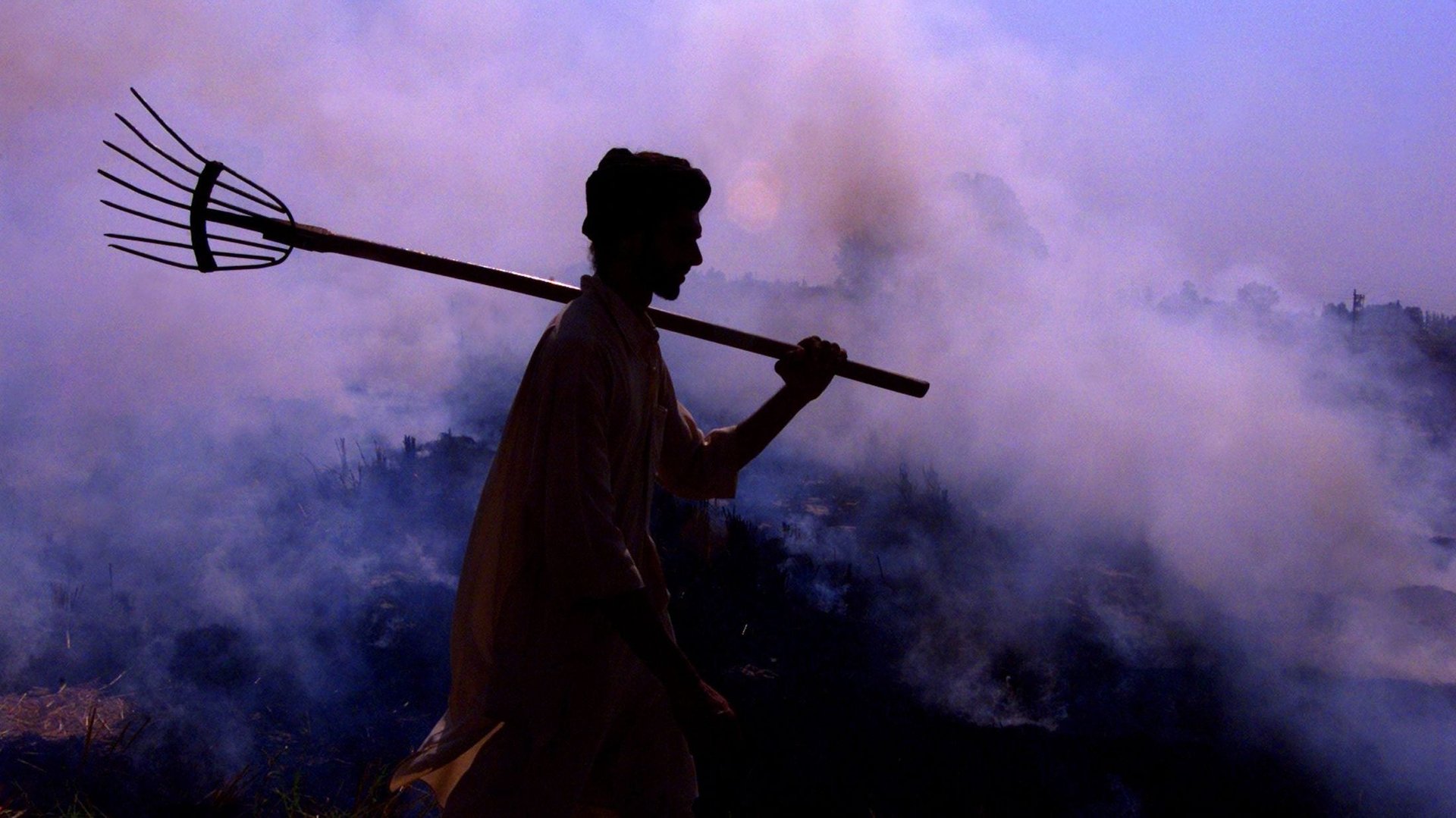
It’s that time of the year again when crop residual burning in the northern Indian states of Haryana and Punjab starts making Delhi’s air quality toxic. But this year, things are looking a tad better—at least so far.

India hopes to lead the world in developing natural disaster-proof infrastructure.

India’s global competitiveness has fallen for the third year in a row.

How slow can the Indian electricity market be? The earliest wind farms built since India began auctioning power purchase agreements still haven’t closed the deals with distribution utilities in the northern state of Uttar Pradesh.