India’s upcoming election could be different in many ways from how the world’s biggest democracy has voted in the past.
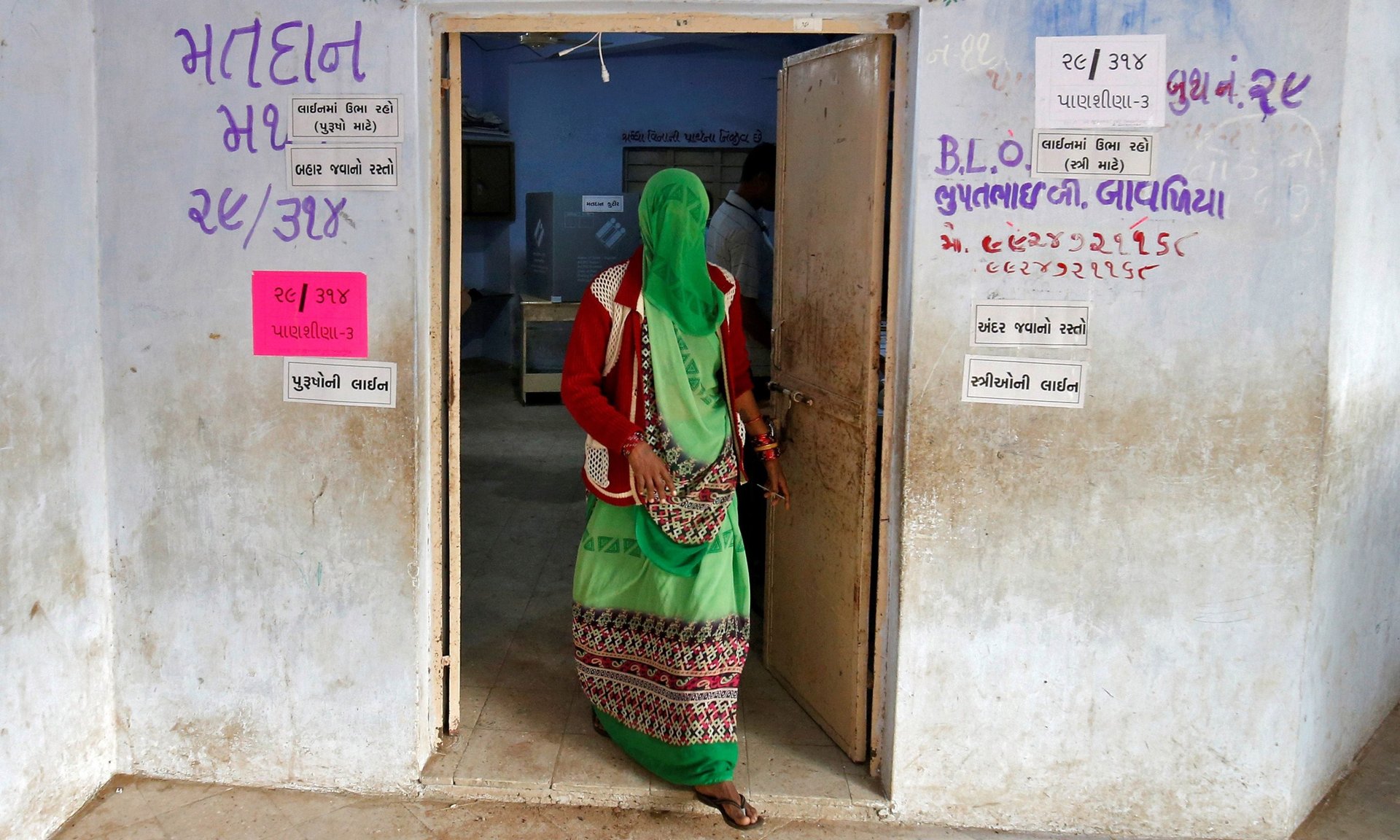
India’s upcoming election could be different in many ways from how the world’s biggest democracy has voted in the past.
Yesterday (March 10), the election commission (EC) of India announced the much-anticipated dates for polls, which will be held in seven phases during April and May. The results will be announced on May 23.
Join 500,000+ readers who start their day with Quartz.
By subscribing, you agree to our Terms of Service and Privacy Policy.
The EC also announced a few new rules for a rapidly digitising country where disinformation has had far-ranging consequences.
Here are some new measures taken by the EC that will set India’s 2019 general election apart:
Use of VVPATs in every polling station: India uses electronic voting machines (EVMs) for elections from national to municipal levels. Under prime minister Narendra Modi’s administration, however, opponents and critics have on numerous occasions alleged that these machines are being hacked or rigged.
To avoid such allegations, the EC said in the upcoming elections, it will use a voter-verifiable paper audit trail (VVPAT), which allows an individual to check if the candidate they have voted for on the machine has actually received their vote. VVPATs have been used in past elections, but this is the first time the commission has promised their presence at every single booth.
Pre-certification for online political advertising: Chief election commissioner Sunil Arora said Google $GOOGL, Facebook $META, YouTube, and Twitter $TWTR have promised to ensure that all political ads on their platforms will be pre-certified by the EC’s media certification and monitoring panel. Pre-certification is required for any political advertising during the official campaign period, which began yesterday.
All political candidates will also be required to disclose their social media handles to the commission, which will keep tabs on them to ensure they are not violating the model code of conduct, Arora said.
Faces of candidates on voting machines: Along with the candidates’ names and their party symbols, EVMs will also feature their faces so that voters know whom they are voting for, Arora said. This may increase voter awareness since, according to UNESCO, one in every three unlettered persons in the world lives in India.
The new voter: The commission estimates that 15 million teenagers will vote in this election, among the highest in India’s independent history. The right to vote is granted at the age of 18 in the country.
In 2014, India’s supreme court created a third gender category for transgender individuals. In what will be a first, 38,325 transgender voters will cast their votes this election, Arora said.
And of course, there’s an app: Violations of the model code of conduct are rampant during elections in India. Now, the commission has launched cVIGIL, a smartphone app on which people can send time-stamped or live photographic evidence of any code violation to the EC, which will track down the activity using GPS. Any complaint will receive a response within 100 hours, Arora said.
