
Logo
FacebookXInstagramYoutubeRSS Feed
SitemapAboutAccessibilityPrivacyTerms of ServiceAdvertising
© 2026 Quartz Media Network. All Rights Reserved.
SearchNewsletters
Logo
HomeLatestBusiness NewsMoney & MarketsTech & InnovationA.I.LifestyleLeadership✉️ Emails🎧 Podcasts
Markets

Things are getting worse in the Strait of Hormuz — again

New attacks, the largest number of such incidents since a U.S.-Iran interim deal took effect, pushed oil prices up more than 3%

ByColleen Cabili
Share to XShare to FacebookShare to RedditShare to EmailShare to Link
Add Quartz on Google
Share to XShare to FacebookShare to RedditShare to EmailShare to Link

Anadolu / Getty Images

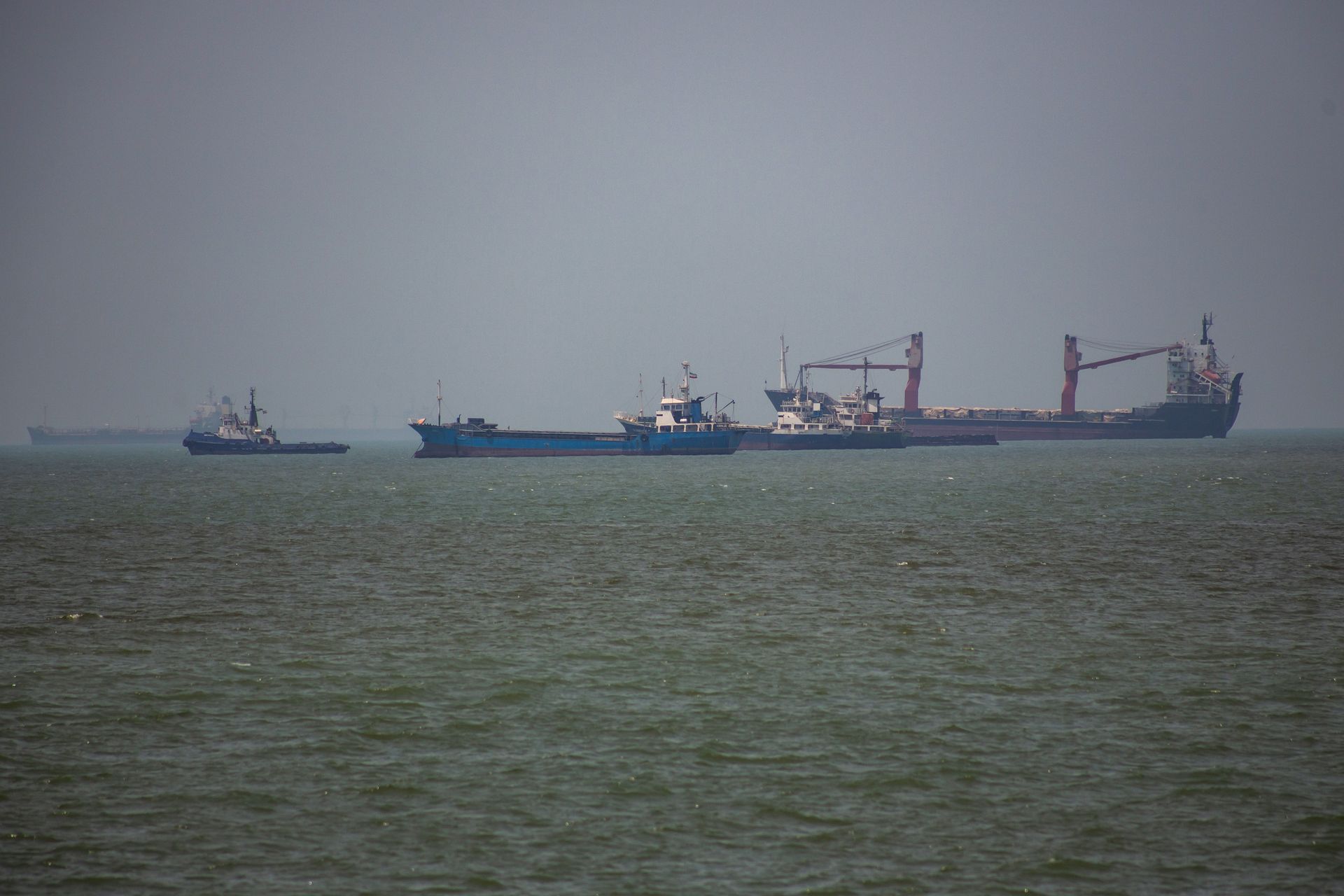
Iran's Islamic Revolutionary Guard Corps fired on at least two commercial ships transiting the Strait of Hormuz on Monday night and struck a third vessel on Tuesday morning, threatening to unravel a cease-fire agreement reached less than three weeks ago, according to Axios.

Tuesday's early morning hours brought an attack on the Al Rekayyat, an LNG vessel belonging to Nakilat, Qatar's state-owned shipping company, Bloomberg reported. A Saudi crude oil tanker was also damaged while leaving the strait. Pakistan's Hydrographic Service, which monitors regional shipping, said the Al Rekayyat was sitting at anchor southeast of Limah, Oman, after its crew evacuated, Bloomberg reported. Both ships were transiting without their transponders active, according to ship-tracking data.

In a post on X $TWTR, Majed Al-Ansari, the Qatari Foreign Ministry's spokesperson, described the assault on the Al Rekayyat as an "unacceptable attack" on international navigation and global energy security and announced that Qatar holds Iran "fully legally responsible," NPR reported. State television in Tehran, citing unnamed sources, suggested Iranian forces were behind the strike on a vessel it identified as transporting Qatari natural gas, though the government stopped short of formally claiming responsibility, NPR reported.

The Joint Maritime Information Center, a multinational naval body, raised regional shipping risk from substantial to severe, citing evidence that Iran is determined to extend its influence over major transit corridors in the waterway. With a third vessel confirmed attacked, the day's tally marked a higher concentration of incidents in the strait than any single day since the interim U.S.-Iran peace agreement was reached last month, Bloomberg reported.

Markets reacted sharply to the news, with crude up more than 3% and European natural gas futures climbing around 7%.

A memorandum of understanding under which Iran had committed to stopping attacks in the strait, inked fewer than three weeks ago, now faces serious strain in the wake of the incidents. A separate, shorter U.S.-Iran ceasefire arrangement focused specifically on the strait had already lapsed, and diplomatic talks held indirectly in Doha the previous week yielded little headway on resolving the waterway's status.

Tanker operators had already been reluctant to resume normal transit even after the interim deal was announced, with industry groups citing uncleared mines and unresolved questions about which routes were safe. Under the interim arrangement, both sides agreed to a 60-day window during which vessels could transit free of charge, but Washington and Gulf Arab governments have pushed back against Tehran's parallel demand for authority over shipping routes and the eventual right to collect transit tolls.

Diplomatic negotiations between Washington and Tehran came to a halt after Iran launched a series of state funeral ceremonies for Supreme Leader Ali Khamenei, who died when the conflict began in late February. Qatari officials indicated that talks would resume once the mourning period wraps up. His burial in Mashhad is set for July 9.

📬 Sign up for the Daily Brief

Our free, fast and fun briefing on the global economy, delivered every weekday morning.

Related Content

AI tools are giving inconsistent financial advice — and some may show racial and gender bias
Meta is launching its first in-house AI image generator for consumers and advertisers