
Tanker operators and shipping associations say they are not ready to resume normal transit through the Strait of Hormuz, even as oil prices extended their decline on Tuesday following the U.S.-Iran peace framework announced over the weekend.
Shipping groups cite uncleared mines and the need for verified safety conditions before resuming meaningful traffic through the waterway
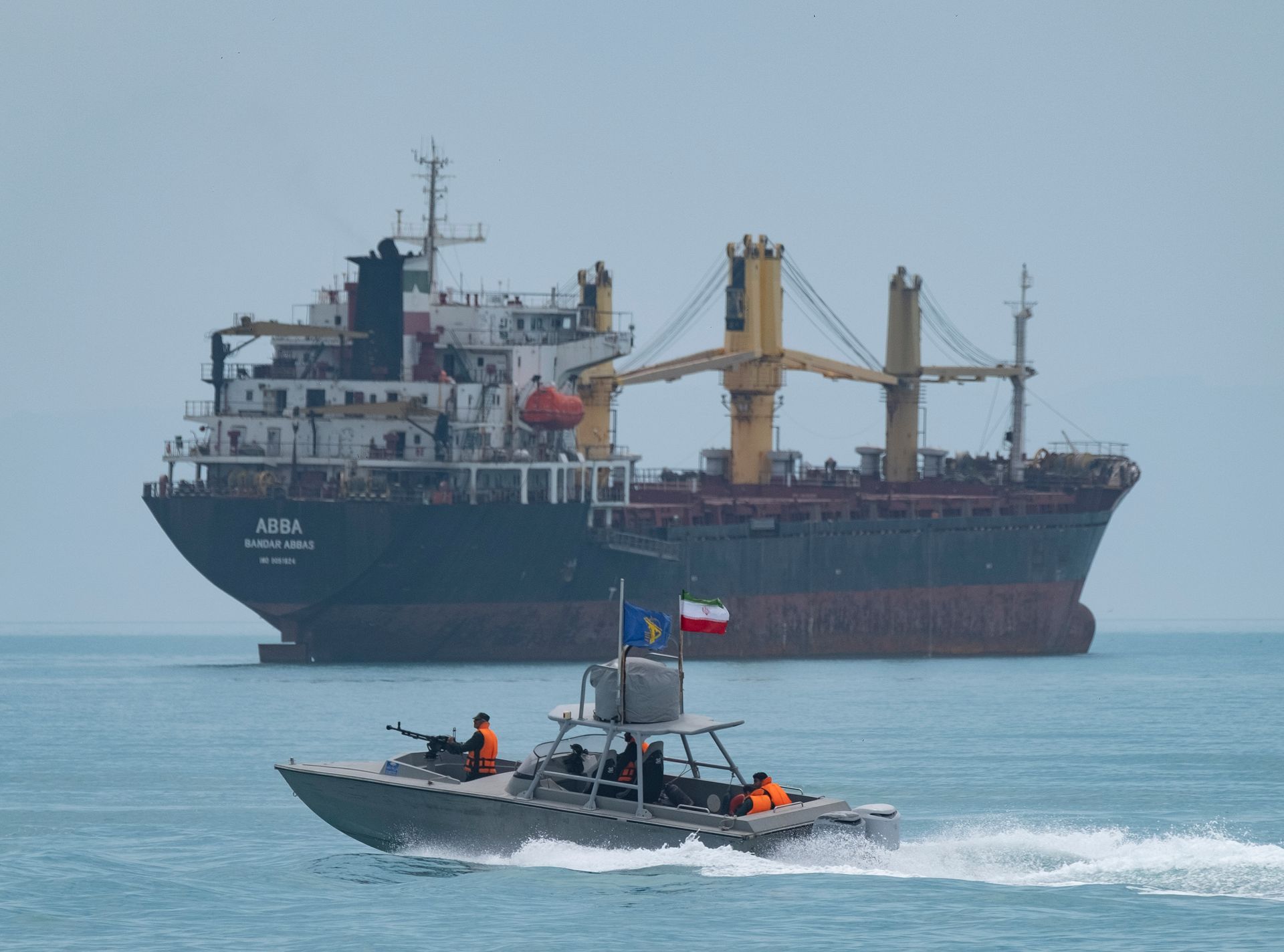
Photo: Morteza Nikoubazl (Getty)
Tanker operators and shipping associations say they are not ready to resume normal transit through the Strait of Hormuz, even as oil prices extended their decline on Tuesday following the U.S.-Iran peace framework announced over the weekend.
As of early Tuesday morning, Brent crude had lost 2.7% to settle at $80.91, while West Texas Intermediate was down 2.8% at $78.46, both contracts touching their weakest levels since early March. Those losses extended a roughly 5% drop from the prior session, when news broke that the two countries had struck a provisional deal to halt hostilities for 60 days and lift restrictions on strait traffic. On the sidelines of the G7 gathering in Évian-les-Bains, President Donald Trump told reporters the accord had been finalized, and that Friday would bring both a full reopening of the waterway and a signing ceremony in Geneva.
Despite the diplomatic progress, major shipping companies said safety conditions have not yet been met. Jotaro Tamura, CEO of Mitsui O.S.K. Lines told the Financial Times that a resumption of tanker traffic could still be weeks away for many in the industry. "What will have to come in place is not just a simple agreement between the relevant countries, but it has to be material and translated into the real situations in the Strait of Hormuz, so that shipping lines can make themselves comfortable to go through," Tamura said.
For its part, BIMCO has not softened its position, warning members that the passage remains dangerous and that uncleared mines represent the primary hazard. "The next step is for shipowners to be reassured that transiting the Strait of Hormuz is not only permitted, but also safe," BIMCO chief safety and security officer Jakob Larsen said.
Norway's shipowners' association raised its own concerns, telling The Globe and Mail that critical questions persist — both about how transit would be governed under the deal and about how much of the shipping lane has been mined. Maersk has kept its regional routing unchanged for now, and Wallenius Wilhelmsen similarly declined to discuss any adjustments to its operations, calling it premature to draw conclusions.
Tracking services painted a static picture of the strait on Monday — vessels were backed up in large numbers at both ends of the waterway and position data showed no meaningful crossings taking place. The lone exception was an LNG carrier operated for India's Petronet, which made the crossing after spending more than three months anchored on the western approach to the strait following its loading stop in Qatar.
Hapag-Lloyd offered a more optimistic outlook, saying it hoped its four remaining ships would be able to pass through the strait over the weekend.
Before U.S.-Israeli strikes in late February triggered the conflict and choked off commercial passage, the strait had served as the conduit for close to 20% of global seaborne oil and LNG flows. Kpler's ship-tracking figures put the number of oil and chemical tankers idling in Gulf waters at 155 as of June 15, a figure that had fallen from 201 at the end of May. Oil Brokerage's global head of shipping research, Anoop Singh, said that once ships are free to move without restriction, clearing the queues at each end of the strait would take roughly eight to ten days.
Join 500,000+ readers who start their day with Quartz.
By subscribing, you agree to our Terms of Service and Privacy Policy.