McDonald’s stock price declined more than 1% on Thursday on disappointing first-quarter results, as broad economic pressures weighed on customers and kept them away.

Clouds are gathering over McDonald's and other consumer favorites as the CEO warns of customers "grappling with uncertainty"
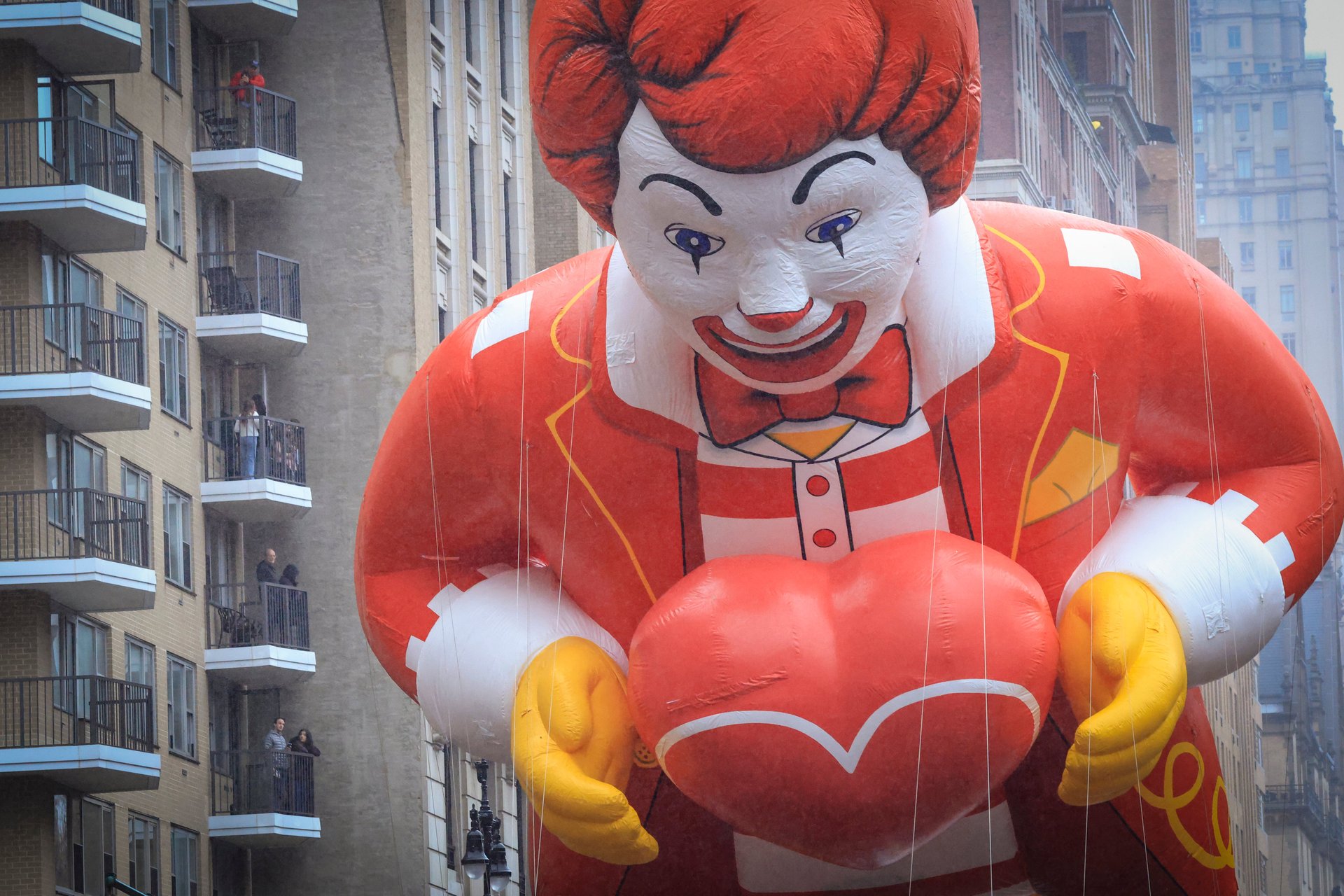
McDonald’s stock price declined more than 1% on Thursday on disappointing first-quarter results, as broad economic pressures weighed on customers and kept them away.
The iconic chain’s U.S. same-store sales dropped 3.6% — a rare miss uncomfortably recalling a similar drop during the 2020 pandemic. Global comparable sales slipped 1%. Total revenue declined 3% to $5.96 billion, while earnings dipped 2% to $2.60 per share.
“Consumers today are grappling with uncertainty,” said CEO Chris Kempczinski in the earnings release, calling out macro pressures as guest counts underwhelmed – i.e., as customers skipped their Big Macs and fries. Management was careful to note that the absence of Leap Day distorted year-over-year comparisons, because when you’re the size of McDonald’s, even one fewer sales day per year makes a difference. But the broader story was one of anxious consumers.
International results were uneven. Japan and the Middle East helped McDonald’s licensed markets grow 3.5%, but U.K. consumers seemed particularly cautious, dragging down company-operated regions.
It wasn’t all bad news, however. One bright spot was McDonald’s digital loyalty program, which drove $8 billion in systemwide sales this quarter and more than $31 billion over the past year — proof that customer engagement remains strong, even as wallets tighten.
Those app-based deals for $1.29 any-size fries and 20% off orders over $12 are simply hard to ignore, and become all the more compelling as wallets tighten.
McDonald’s joins a growing list of consumer-facing brands flashing warning signs. Harley-Davidson (HOG) yanked its full-year guidance Thursday, citing tariff fears. Starbucks $SBUX (SBUX) saw shrinking margins and slowing traffic. Sysco (SYY), the largest restaurant supplier in the U.S. and UK, also missed, suggesting a burgeoning restaurant recession cutting across both the higher and lower ends of the markets. Consumer confidence just saw its sharpest drop in years.
Meanwhile on Thursday, Wall Street – a part of it, anyway — is roaring. Big Tech earnings from Microsoft $MSFT (MSFT) and Meta $META (META) have powered the Nasdaq $NDAQ higher, with Microsoft up 9% and Meta gaining over 6%. As investors chase AI growth and bet on hyper-scaling, the disconnect between Wall Street and Main Street looks to be growing starker. And for companies relying on middle- and lower-income, discretionary spending, the squeeze is here — and it’s showing up in the numbers.
Join 500,000+ readers who start their day with Quartz.
By subscribing, you agree to our Terms of Service and Privacy Policy.