
The U.S. Department of Health and Human Services (HHS) announced Thursday the lowered prices of the first 10 prescription drugs that underwent Medicare negotiations.
The program could help people with Medicare save up to $1.5 billion in out-of-pocket costs in 2026
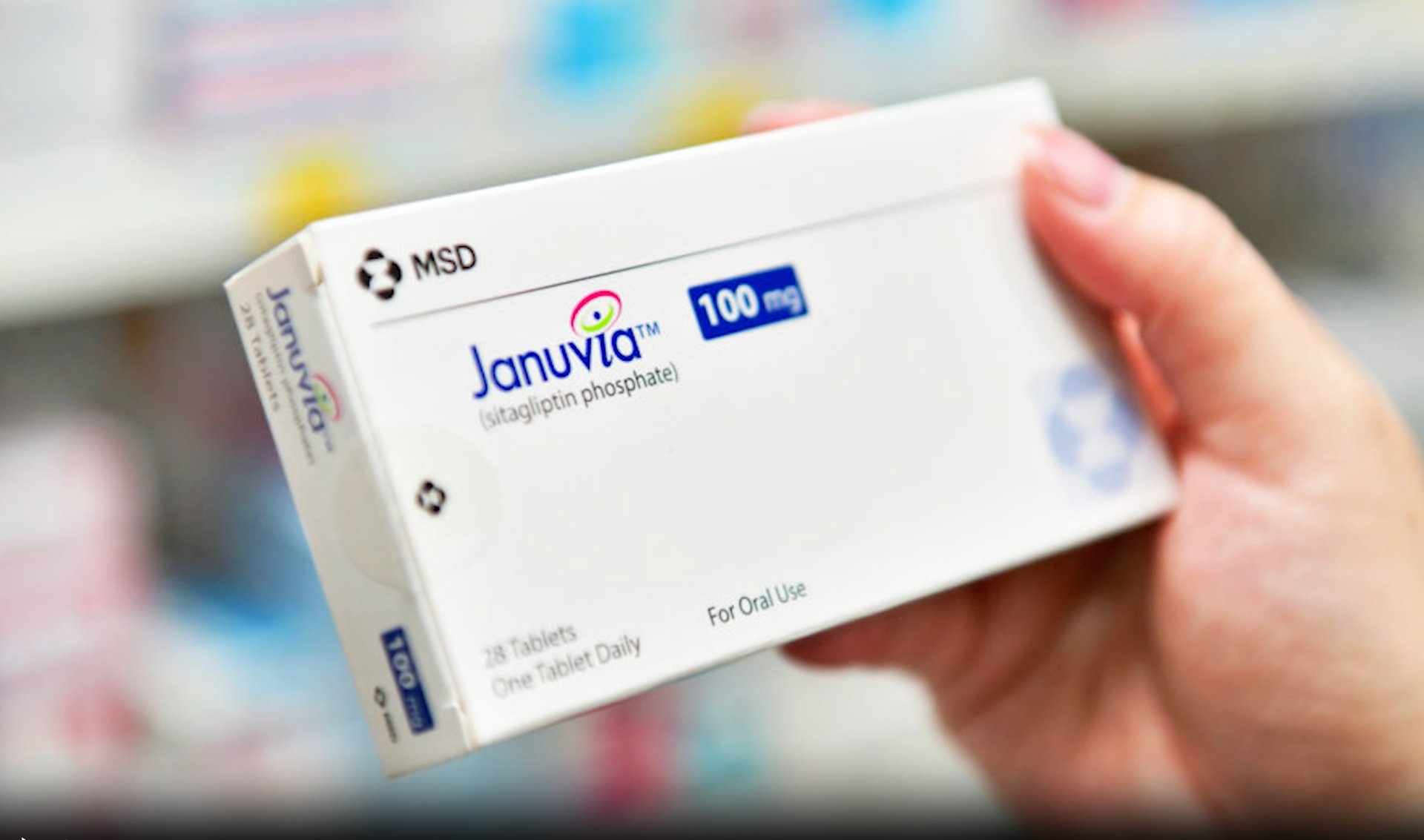
The U.S. Department of Health and Human Services (HHS) announced Thursday the lowered prices of the first 10 prescription drugs that underwent Medicare negotiations.
People that have Medicare prescription coverage are expected to save $1.5 billion in out-of-pocket costs in 2026, when the new prices go into effect, according to HHS.
The health department also said that if the negotiated prices were in effect last year, Medicare would have saved $6 billion in spending.
“Americans pay too much for their prescription drugs. That makes today’s announcement historic. For the first time ever, Medicare negotiated directly with drug companies and the American people are better off for it,” said HHS Secretary Xavier Becerra in a press release. “Congressional budget estimators (Congressional Budget Office) predicted about $100 billion savings over 10 years from drug negotiations, and a $3.7 billion savings in the first year alone.”
The Inflation Reduction Act, which was passed by Congress in 2022, allowed for the Centers for Medicare and Medicaid Services (CMS) to negotiate the price for brand name drugs that make up the most of Medicare’s prescription drug spending.
The selected drugs accounted for $56.2 billion in total Medicare spending in 2023, according to HHS.
The negotiations resulted in price discounts ranging from 38% to 79%.
It is important to note that a drug’s list price doesn’t necessarily equal the actual price patients pay. Drug manufacturers typically offer rebates and discounts to patients and insurers that lower the price of many medications.
CMS is set to select 15 more drugs for price negotiations by February 2025.
Join 500,000+ readers who start their day with Quartz.
By subscribing, you agree to our Terms of Service and Privacy Policy.