Quartz
Subscribe
Quartz
Subscribe
Edition
Business News
A.I.
Technology
Money & Markets
Leadership
Lifestyle
Latest

Get Quartz in your inbox

Free daily briefing on global business news.

Business News
AirlinesAutomobilesFoodPharmaceuticalsPolitics & GovernmentRetail & EcommerceSpace & AerospaceEarnings
Technology
A.I.ComputingConsumer TechSpace & AerospaceEarnings
Money & Markets
Economic IndicatorsMarketsPersonal FinanceEarnings
Lifestyle
Cars & BikesCollectingEntertainmentFood & Fine DiningHealth and FitnessReal EstateTravel
Quartz

Global business news for a smarter world

Topics

  • Business News
  • Money & Markets
  • Tech & Innovation
  • Generation A.I.
  • Lifestyle
  • Leadership

Products

  • Daily Brief
  • Weekly Digest
  • Member Benefits
  • Quartz Pro

Legal

  • Sitemap
  • About
  • Accessibility
  • Privacy
  • Terms of Service
  • Advertising

© 2026 Quartz Media, Inc. All rights reserved.

A.I.

Microsoft made an ‘air-gapped’ AI for spies that’s walled off from the internet

American intelligence agencies will use an AI system from Microsoft that's isolated from the internet to process classified work

By Maxwell Zeff / Gizmodo·2 min read·Updated August 6, 2024
Add QZ to Google

Microsoft $MSFT deployed a generative AI model on Thursday for U.S. intelligence agencies to analyze top-secret information, Bloomberg reports. Microsoft announced the AI offering at the 2024 SCSP AI Expo for National Competitiveness in Washington, D.C. on Tuesday. The GPT-4-based model was created to be entirely divorced from the internet, allowing it to securely process classified data.

“This is the first time we’ve ever had an isolated version – when isolated means it’s not connected to the internet – and it’s on a special network that’s only accessible by the U.S. government,” said William Chappell, Microsoft’s chief technology officer for strategic missions and technology, told Bloomberg. “You don’t want it to learn on the questions that you’re asking and then somehow reveal that information.”

Intelligence communities have been desperate for a ChatGPT-like product, but the security risks with generative AI products are too high. Chappell tells Bloomberg this model deployed last week is secure, thanks to an “air-gapped” cloud environment that isolates it from the internet. While most AI models learn from files uploaded into them, this GPT-4 spy model will not. That way, the government can keep this model “clean” and prevent secret info from getting absorbed into the platform.

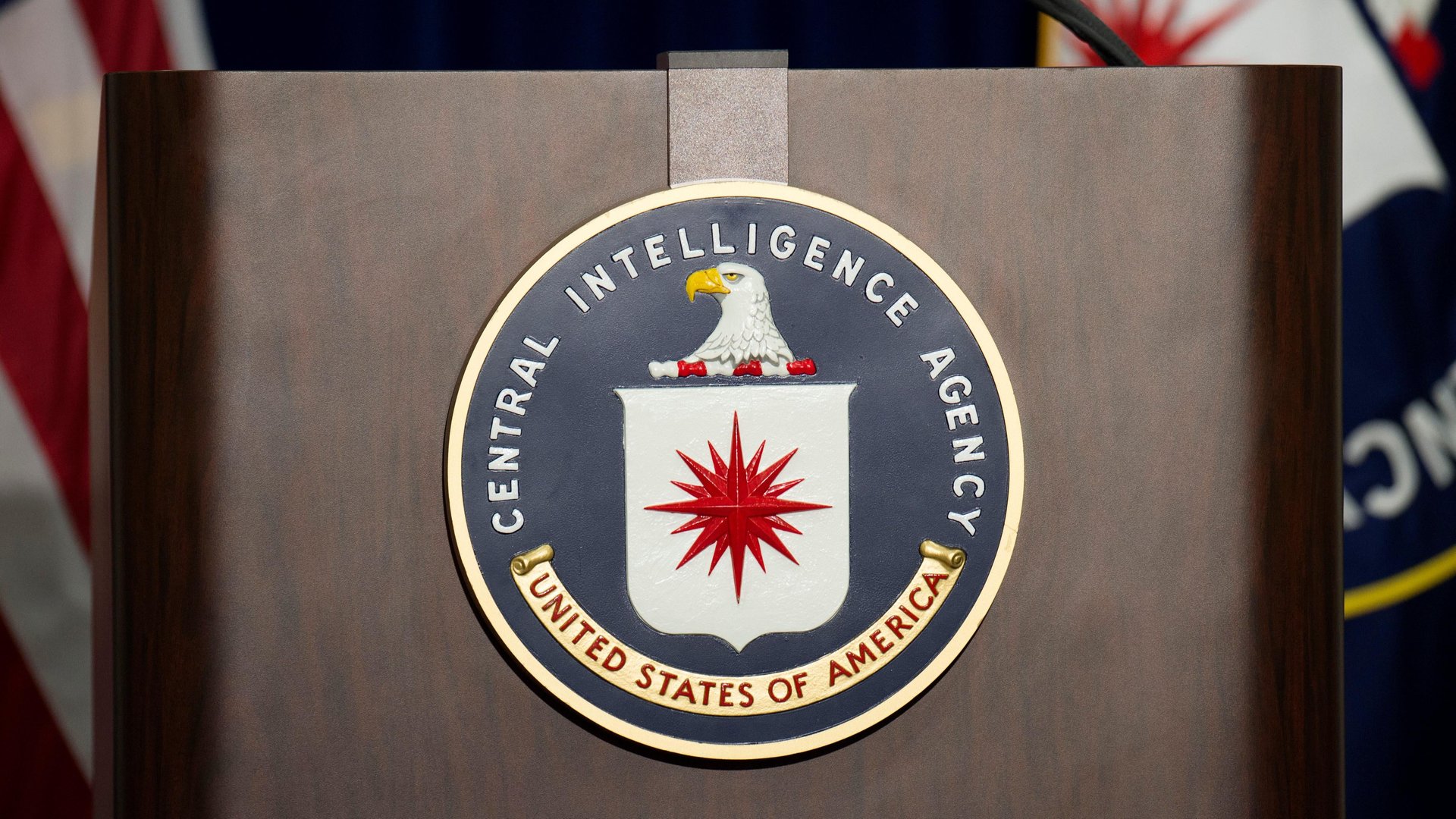
This appears to be the first-ever AI model built specifically for classified workloads, as well as the first major large language model to operate fully separate from the internet. Last year, the Central Intelligence Agency rolled out its own ChatGPT-style AI tool to sift through mounds of public information. However, that AI model was not used on any classified documentation. Other government agencies, including the Pennsylvania Office of Administration, use generative AI to work with non-classified data.

The CIA and the Office of the Director of National Intelligence did not immediately respond to Gizmodo’s requests for comment.

Microsoft reportedly spent the last 18 months working on this GPT-4 spy model, which included overhauling an existing AI supercomputer in Iowa. The model has been live for less than a week and still needs to undergo testing and accreditation by the intelligence community, according to Bloomberg.

This rollout of an AI model for top-secret workloads comes at a critical moment for Microsoft’s cybersecurity reputation. The Department of Homeland Security recently issued a scathing review of Microsoft’s security practices, blaming the cloud provider for exposing the emails of high-ranking government officials. The report said Microsoft’s security culture “requires an overhaul.” This prompted CEO Satya Nadella to tell employees recently that security is now Microsoft’s “top priority.”


At the same time, Microsoft has not been shy about developing AI tools for government agencies. An April report from The Intercept revealed that Microsoft Azure’s version of DALL-E was pitched as a battlefield tool for the U.S. Department of Defense. Microsoft has long worked with militaries and government agencies, though the introduction of AI is relatively new.


A version of this article originally appeared on Gizmodo.

Daily Brief

The essential business news, delivered fresh every morning.

Join 500,000+ readers who start their day with Quartz.

By subscribing, you agree to our Terms of Service and Privacy Policy.

Related

Cloud ComputingVerizon lands a $1 billion-plus dark fiber deal with Google for AI data centers
Politics & GovernmentTrump vows new tariffs on the E.U. after Brussels fines Google $1 billion
Politics & GovernmentTrump rolls out new forced-labor tariffs on 60 countries as trading partners push back
A.I.Samsung and SK Hynix are set to announce major memory chip deals with U.S. tech firms
A.I.Meta is upgrading its AI assistant to automate recurring tasks and daily briefings